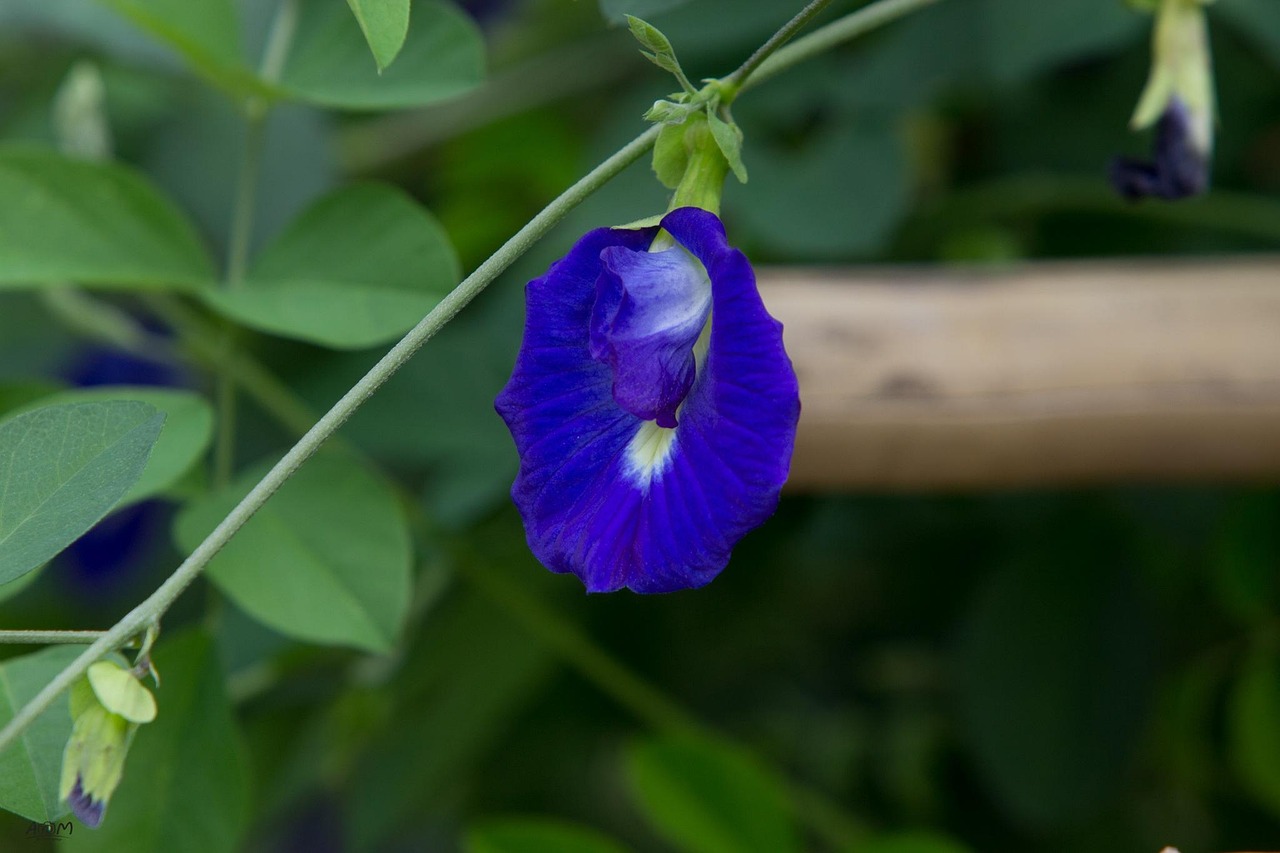
Clitoria ternatea, commonly known as Blue Pea or Butterfly Pea or Aparajita, is most remarkable for its vivid cobalt-blue papilionaceous flowers, a rare and visually striking pigmentation among cultivated legumes. It belongs to the family Fabaceae and is widely considered native to South and Southeast Asia, though exact wild origin remains debated, with long-standing naturalisation across South and Southeast Asia, Africa, and tropical America.
Classification
- Plant Type
- Herb
- Lifecycle
- Perennial
- Leaf Habit
- Evergreen
- Native Region
- Indian Subcontinent, Southeast Asia
- Plant Family
- Fabaceae
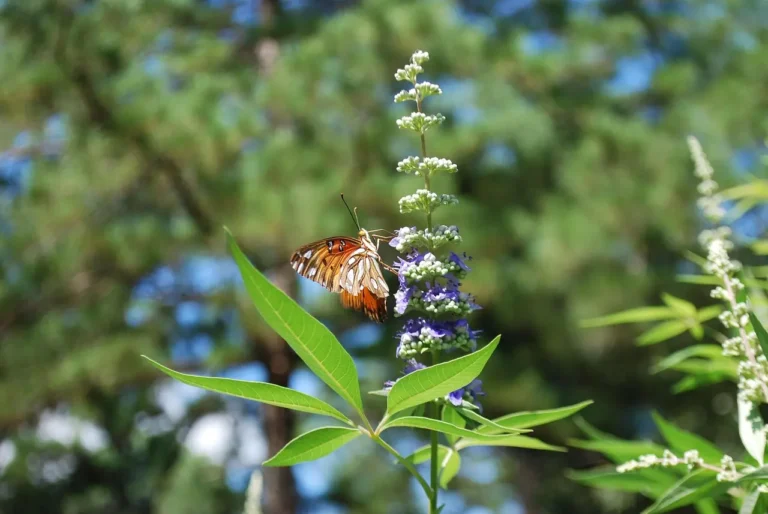
In native and naturalised ecosystems, the species functions as a nectar source for pollinators, especially bees and butterflies, while its roots contribute to soil fertility through symbiotic nitrogen fixation with rhizobial bacteria. Its climbing perennial habit allows it to occupy hedgerows, disturbed margins, and secondary vegetation, where it improves soil structure and supports low-input agroecological systems.
Humans have cultivated Blue Pea for centuries as an ornamental, medicinal herb, forage legume, and ritual flower, particularly in Hindu and Buddhist traditions. Its increasing global demand for natural food pigments has strengthened commercial interest while wild populations remain broadly secure.
Accepted Name and Synonymy
| Field | Value | Notes |
|---|---|---|
| Accepted Scientific Name | Clitoria ternatea L. | Accepted name under current international usage |
| Known Synonyms | Clitoria albiflora Mattei; Ternatea ternatea (L.) Kuntze | Historical synonyms encountered in literature |
| Taxonomic Authority Source | Plants of the World Online (Kew Science) | Widely accepted contemporary authority |
| Assessment Date | 2026-04-25 | Latest profile verification date |
Classification Hierarchy
| Rank | Name |
|---|---|
| Kingdom | Plantae |
| Division | Magnoliophyta |
| Class | Magnoliopsida |
| Order | Fabales |
| Family | Fabaceae |
| Subfamily | Faboideae |
| Genus | Clitoria |
| Species | Clitoria ternatea |
Related Species of Significance
| Species | Common Name | Distinguishing Feature | Economic or Ecological Significance |
|---|---|---|---|
| Clitoria mariana | Atlantic pigeonwings | Upright perennial herb with pale lavender flowers | Native pollinator plant in North America |
| Clitoria fairchildiana | Sombreiro tree | Large tree form rather than vine | Shade tree and restoration species |
| Clitoria fragrans | Pigeonwings | Fragrant pale flowers and endangered status | Conservation significance in Florida scrub habitats |
| Centrosema pubescens | Butterfly pea vine | Similar blue flowers but resupinate floral orientation | Common confusion in forage systems |
| Lablab purpureus | Hyacinth bean | Larger pods and edible beans | Important forage and food legume comparison |
Quick Reference
| Field | Value | Notes |
|---|---|---|
| Common Name(s) | Blue Pea, Butterfly Pea, Aparajita, Asian Pigeonwings | Names vary by region and trade |
| Plant Type | Perennial herbaceous climber | Often cultivated as annual in cooler climates |
| Lifecycle | Short-lived perennial | Continuous flowering under warm conditions |
| Native Range | Tropical equatorial Asia | Widely naturalised globally |
| USDA Hardiness Zones | 10–11; grown seasonally in 8–9 | Frost sensitive |
| Toxicity Summary | Generally regarded as low toxicity in normal use | Excessive medicinal use requires caution |
| IUCN Status | Not formally assessed | Widespread cultivated and naturalised species |
| Research Coverage Level | High for floral phytochemistry and traditional medicine; moderate for ecology and global germplasm diversity | Extensive phytochemical and pharmacological literature |
Within the genus Clitoria, C. ternatea is the most globally recognised and economically important species due to its ornamental value and anthocyanin-rich flowers. Confusion commonly occurs with Centrosema pubescens, especially in forage systems where both are called butterfly pea, but Centrosema flowers are inverted in orientation.
Stable nomenclature is important because medicinal supply chains, seed exports, and food-colour ingredient markets depend on accurate identification; synonym confusion can affect regulatory documentation and phytochemical traceability.
Cytogenetics
| Parameter | Value | Notes |
|---|---|---|
| Chromosome Number | 2n = 16 | Most commonly reported diploid count |
| Ploidy Level | Diploid | Stable in standard cultivated forms |
| Genome Size | Not documented in available literature | Limited comparative genomic work available |
The diploid chromosome structure supports relatively stable inheritance of floral colour and growth habit, which benefits ornamental selection and standardised medicinal cultivation. Because anthocyanin-rich flower products depend on chemical consistency, stable cytogenetics supports predictable phytochemical output.
Limited genome-scale documentation remains a constraint for advanced breeding programmes and formal cultivar registration.
Scientific Stability
| Parameter | Value | Notes |
|---|---|---|
| Nomenclatural Stability | Stable | Broad international agreement on accepted name |
| Current Accepted Authority | Clitoria ternatea L. | Confirmed by Plants of the World Online |
| Major Reclassification Events | No major reclassification since original description | Synonym usage exists without accepted rank change |
Scientific stability is confirmed for Clitoria ternatea L., with Plants of the World Online serving as the current authoritative reference.
Growth Habit and Architecture
| Parameter | Value | Notes |
|---|---|---|
| Life form | Herbaceous twining climber | Perennial leguminous vine |
| Mature height | 1.5–3 m (4.9–9.8 ft) | Can extend further with support |
| Canopy spread | 1–2 m (3.3–6.6 ft) | Depends on trellis availability |
| Stem type | Slender green to woody basal stems | Young stems softly pubescent |
| Bark or surface texture | Smooth to slightly hairy | Fine pubescence on young growth |
| Branching pattern | Freely branched from basal nodes | Vigorous lateral spread |
| Root system overview | Deep taproot with lateral roots | Nitrogen-fixing nodulation present |
| Growth rate | Fast | Rapid establishment in warm climates |
| Longevity | Several years under frost-free conditions | Often managed as annual outside tropics |
| Distinguishing architectural feature | Solitary large papilionaceous flowers on climbing vine | Highly recognisable ornamental feature |
Leaves
| Parameter | Value | Notes |
|---|---|---|
| Presence | Present | Persistent under active growth |
| Leaf Type | Pinnately compound | Usually 5–7 leaflets |
| Size (length × width, metric + imperial) | 5–12 cm × 3–8 cm (2–4.7 in × 1.2–3.1 in) | Variable by cultivar and environment |
| Colour | Medium to dark green | Paler on young growth |
| Arrangement | Alternate | Leaves borne singly at nodes |
| Special Features | Fine pubescence and soft texture | Nitrogen-efficient foliage for forage value |
Flowers
| Parameter | Value | Notes |
|---|---|---|
| Floral formula | ⚥ % K(5) C1+2+(2) A(9)+1 G1 | Typical papilionoid legume structure |
| Symmetry | Zygomorphic | Bilaterally symmetrical |
| Perianth | Distinct calyx and corolla | Papilionaceous corolla |
| Colour | Deep blue, white, mauve, occasionally double forms | Blue most commercially important |
| Size | 3–5 cm (1.2–2 in) across | Large relative to vine size |
| Scent | Mild to faint | Limited fragrance |
| Sex | Bisexual | Perfect flowers |
| Inflorescence type | Solitary axillary flowers | Occasionally paired |
| Flowering season | Year-round in tropics; spring to autumn elsewhere | Strongly temperature dependent |
| Additional diagnostic feature | Prominent white-yellow throat marking | Reliable field identifier |
Recommended Products
Disclosure: As an Amazon Associate, PlantsInfo may earn from qualifying purchases.
🌱 Plant Care Essentials
The following tools can help with pruning, plant health, soil management, and fruit garden maintenance.

Neem Oil for Plant Care
Natural plant protection against aphids, whiteflies, mites, and other common garden pests.

Fungicide for Root Care
Helps suppress soil-borne fungal diseases and supports healthier root systems.

Spray Bottle for Plants
Ideal for applying foliar sprays, neem oil solutions, and liquid plant treatments.

Rubber Hand Gloves
Protects hands during pruning, planting, soil preparation, and garden maintenance.
Fruit
| Parameter | Value | Notes |
|---|---|---|
| Fruit type | Legume pod | Typical Fabaceae fruit |
| Colour at maturity | Brown to dark brown | Green when immature |
| Dimensions (metric + imperial) | 5–13 cm long (2–5.1 in) | Narrow flattened pod |
| Weight | Light; usually under 5 g per pod | Not primary commercial trait |
| Texture | Dry and papery at maturity | Dehiscent |
| Taste profile | Mildly bitter when immature | Not commonly consumed |
| Seed count | 6–10 seeds per pod | Variable with pollination success |
| Dispersal unit | Whole dry pod and released seeds | Explosive dehiscence common |
| Nutritional significance | Limited direct food role | More relevant for propagation |
| Harvest indicator | Pod turns fully brown and begins drying | Indicates viable mature seed |
Seeds
| Parameter | Value | Notes |
|---|---|---|
| Seed type | Hard-coated dicot seed | Typical legume seed |
| Dimensions | 4–7 mm (0.16–0.28 in) long | Flattened ovoid form |
| Weight | Approximately 20–35 g per 1,000 seeds | Varies by accession |
| Seed Coat | Smooth, hard, glossy | Physical dormancy common |
| Viability Period | 1–2 years under dry storage | Longer under controlled seed banking |
| Dormancy Type | Physical dormancy | Scarification improves germination |
Root System
| Parameter | Value | Notes |
|---|---|---|
| Root system type | Deep taproot with lateral branching | Strong anchorage and drought resilience |
| Depth and spread | Commonly 60–100 cm deep (24–39 in) | Depends on soil structure |
| Symbiotic associations | Rhizobial nitrogen-fixing nodules | Important for soil fertility |
The strong taproot improves drought tolerance and allows the plant to persist in low-input landscapes where shallow-rooted ornamentals fail. Nitrogen-fixing nodules reduce fertiliser dependence and make the species valuable in regenerative agriculture. Because roots are also used medicinally in some traditions, cultivation is preferable to repeated wild extraction, which can eliminate whole plants and reduce local persistence.
A mature Clitoria ternatea plant is recognised by its slender twining stems, soft pinnate leaves, and unusually large solitary blue flowers with a bright pale throat. It is frequently confused with Centrosema pubescens, especially in forage plantings where both are called butterfly pea.
The single most reliable distinguishing feature is flower orientation: Clitoria ternatea presents the standard petal upright and prominent, while Centrosema flowers appear inverted or resupinate. The narrow dry pods and deep-rooted climbing habit further support identification, especially outside peak flowering season.
Cultivar Summary
| Cultivar | Key Characteristic | Commercial Status | Origin Notes |
|---|---|---|---|
| ‘Single Blue’ | Standard deep blue single flower | Commercially dominant | Most widely cultivated ornamental and medicinal type |
| ‘Single White’ | Pure white flowers | Regionally significant | Popular in ritual and ornamental use |
| ‘Double Blue’ | Double-petalled deep blue flowers | Regionally significant | Favoured in ornamental horticulture |
| ‘Double White’ | Layered white blooms | Historically documented | Less common in commercial production |
| ‘Mauve Form’ | Lavender to pale violet flowers | Experimental | Selected from regional ornamental lines |
For full variety and cultivar listings, performance data, and selection guidance, see Aparajita: Varieties and Cultivars.
Functional Traits
| Trait | Mechanism Description | Adaptive Significance |
|---|---|---|
| Photosynthetic pathway | C3 photosynthesis — stomata open primarily during daylight, fixing atmospheric CO₂ through the Calvin cycle in mesophyll tissues | Supports rapid biomass production in warm, moist tropical environments |
| Water use strategy | Deep taproot and moderate stomatal regulation allow access to deeper soil moisture while reducing excessive transpiration during short dry periods | Improves drought tolerance compared with shallow-rooted annual legumes |
| Nutrient acquisition | Symbiotic rhizobial nodules on roots fix atmospheric nitrogen into plant-available forms through biological nitrogen fixation | Enables survival and productivity in low-fertility soils with reduced fertiliser dependence |
| Growth form strategy | Twining perennial vine uses surrounding vegetation or supports for vertical growth rather than investing heavily in self-supporting stems | Maximises light capture with lower structural carbon cost |
| Reproductive strategy | Sequential production of bisexual flowers permits repeated pollinator visits and extended seed set across long flowering periods | Increases reproductive success across variable seasonal conditions |
| Dispersal mechanism | Mature dry pods dehisce explosively, mechanically releasing seeds away from the parent plant | Reduces local competition and improves colonisation of disturbed sites |
| Stress response mechanism | Accumulation of antioxidant flavonoids and enzymatic ROS scavenging reduces oxidative damage during heat, drought, and pathogen stress | Protects photosynthetic tissues and reproductive organs under environmental stress |
| Chemical defence | Secondary metabolites including flavonol glycosides, triterpenoids, and cyclotides reduce herbivory and inhibit some microbial pathogens | Improves survival in open tropical habitats with strong biotic pressure |
| Additional species-specific trait | High anthocyanin accumulation in petals stores ternatins in vacuolar tissues, stabilising intense blue pigmentation | Enhances pollinator attraction and creates major commercial value as a natural food colourant |
The physiological strategy of Clitoria ternatea depends on reinforcement between nitrogen economy, climbing architecture, and flower chemistry. Nitrogen fixation supports sustained flowering without high soil fertility, allowing the plant to maintain repeated floral production over long warm seasons. Because the vine invests less biomass in rigid stems, more resources can be allocated to flowers and seed production.
Deep rooting buffers short drought periods, helping preserve flowering continuity when shallow-rooted competitors decline. Anthocyanin-rich petals are not only pollinator signals but are supported by this stable nutrient supply, linking ecological fitness with commercial pigment production. Stress-response flavonoids further protect reproductive tissues, ensuring that pollination success remains viable under tropical heat and intermittent water limitation.
Phytochemistry
| Compound Class | Representative Compounds | Concentration / Notes | Source |
|---|---|---|---|
| Anthocyanins | Ternatin A1, Ternatin B1, Delphinidin-3,3′,5′-triglucoside | Dominant blue petal pigments; highest concentration in fresh corolla tissue | Kazuma et al.; Mukherjee et al. |
| Flavonols | Quercetin, Kaempferol, Myricetin | Present in flowers and leaves; associated with antioxidant activity | Mukherjee et al. |
| Triterpenoids | Taraxerol, Taraxerone | Identified mainly in roots and seeds | Oguis et al. |
| Cyclotides | Cliotides C1–C5 | Cysteine-rich peptides with notable bioactivity and stability | Poth et al. |
| Saponins | Clitorin-associated triterpenoid saponins | Reported in roots and aerial tissues; concentration varies by accession | Pharmacognostic studies from India |
| Phenolic acids | p-Coumaric acid, Ferulic acid, Caffeic acid | Present in flowers and leaves; contributes to antioxidant profile | Singh et al. |
| Alkaloids | Specific compounds not yet characterised | Reported in qualitative screenings but not consistently resolved | No characterisation study identified — manual research required |
Phytochemical Organ Distribution
| Organ | Compound Class | Representative Compounds | Concentration | Source |
|---|---|---|---|---|
| Flower petals | Anthocyanins | Ternatin A1, Ternatin B1 | Highest among all organs; dominant commercial fraction | Kazuma et al. |
| Flower petals | Flavonols | Quercetin, Kaempferol | Moderate concentration with antioxidant significance | Mukherjee et al. |
| Leaves | Phenolic acids | Ferulic acid, Caffeic acid | Moderate; associated with medicinal extracts | Singh et al. |
| Leaves | Flavonols | Myricetin, Quercetin | Moderate to high depending on maturity stage | Mukherjee et al. |
| Roots | Triterpenoids | Taraxerol, Taraxerone | Concentrated in medicinally used roots | Oguis et al. |
| Roots | Saponins | Clitorin-associated saponins | Variable; reported mainly from South Asian accessions | Indian pharmacognostic literature |
| Seeds | Cyclotides | Cliotides C1–C5 | Significant peptide concentration with high stability | Poth et al. |
Anthocyanins, particularly the ternatin group, are the most commercially significant compounds in Clitoria ternatea because they create the unusually stable blue pigmentation used in beverages, confectionery, and natural food colouring systems.
These flower pigments dominate market demand, while flavonols and phenolic acids support medicinal interest through antioxidant and anti-inflammatory research. Cyclotides are increasingly important in pharmacological investigation because of their exceptional peptide stability and bioactive potential.
Root triterpenoids and saponins remain relevant in traditional medicine, but their standardisation is less advanced than flower chemistry. Most high-resolution phytochemical characterisation has been conducted in South and Southeast Asia, especially Thailand, India, and Malaysia, so global extrapolation should be cautious.
Floral chemistry is well characterised; root and alkaloid chemistry remain comparatively preliminary. Flower-stage harvest strongly determines pigment yield and processing value.
Nutritional Composition
| Nutrient | Value per 100g | Notes | Source |
|---|---|---|---|
| Energy | 64 kcal | Based mainly on fresh flowers | Regional food composition studies |
| Moisture | 81–85 g | Fresh petal material | Thai food composition references |
| Carbohydrates | 10–12 g | Includes soluble sugars and fibre fraction | Regional food composition studies |
| Protein | 2.5–3.2 g | Higher than many ornamental edible flowers | Comparative edible flower analyses |
| Dietary Fibre | 2–4 g | Varies by fresh versus dried preparation | Edible flower studies |
| Calcium | 60–80 mg | Moderate mineral contribution | Thai nutritional studies |
| Iron | 1.2–2.0 mg | Relevant in herbal infusion use | Regional nutritional studies |
| Potassium | 180–250 mg | Supports electrolyte contribution | Food composition references |
| Vitamin C | 15–20 mg | Sensitive to drying and boiling | Fresh flower analyses |
| Total Polyphenols | 150–300 mg GAE | Strongly dependent on cultivar and extraction method | Phytochemical nutrition studies |
Fresh flowers provide modest caloric value and are not nutritionally exceptional as a staple food, but they are notable for pigment-rich polyphenols and antioxidant-associated phytochemicals rather than macronutrient density. Protein and mineral values are moderate compared with common edible flowers, while vitamin C declines rapidly after drying or prolonged boiling.
Most published values are derived from fresh petals or aqueous infusions from cultivated Asian accessions rather than wild material, especially from Thailand and India. Dried flower powders show much higher apparent concentration because of water loss, so comparisons must distinguish fresh and dry basis values carefully.
Toxicity and Safety
| Subject | Toxic Compounds | Clinical Effects | Source |
|---|---|---|---|
| Humans | No clinically significant toxic compounds are well established in available literature | Generally safe in culinary use; excessive medicinal dosing may cause gastrointestinal discomfort | WHO herbal monographs; peer-reviewed pharmacology reviews |
| Cats | No clinically significant toxic compounds are well established in available literature | No established species-specific poisoning reports; excessive ingestion may cause mild gastrointestinal upset | ASPCA comparative review and veterinary literature |
| Dogs | No clinically significant toxic compounds are well established in available literature | Generally regarded as low-risk ornamental exposure; digestive upset possible with large intake | Veterinary toxicology references |
| Livestock | No clinically significant toxic compounds are well established in available literature | Widely used forage legume; safe under normal feeding conditions | Tropical forage legume manuals |
Most safety concerns relate to concentrated extracts rather than normal culinary flower use. Whole flowers used in tea or food are generally considered low risk, while high-dose extracts used in traditional medicine may produce mild gastrointestinal effects or interact with sedative or glucose-regulating therapies.
Pregnancy and lactation safety remain insufficiently studied in controlled human trials, so conservative use is advised. Root preparations should be standardised more carefully than flower infusions because phytochemical concentration differs substantially by organ. This profile does not constitute medical or veterinary advice.
Native Range
| Region | Countries or Sub-regions | Notes |
|---|---|---|
| South Asia | India, Sri Lanka, Bangladesh | Long-standing native and early domestication zone; exact wild origin debated |
| Southeast Asia | Myanmar, Thailand, Malaysia, Indonesia, Philippines | Strong evidence of native occurrence and ancient cultivation continuity |
| Indochina | Cambodia, Laos, Vietnam | Native occurrence supported by floristic records and traditional use continuity |
| Southern China fringe | Yunnan, Hainan (probable early natural range extension) | Some floras treat occurrence as ancient naturalised rather than strictly native |
Clitoria ternatea occupies humid tropical and seasonally dry tropical landscapes shaped by monsoonal climate systems, disturbed forest margins, and open secondary vegetation. Its persistence is strongly linked to warm temperatures, periodic rainfall, and soils where nitrogen-fixing legumes gain competitive advantage under moderate nutrient limitation. Because the species is easily moved by cultivation, separating native from ancient naturalised populations is difficult, especially across South and Southeast Asia.
Distribution records are heavily concentrated in Indian and Southeast Asian botanical literature, creating a research bias toward those regions. Commercial wild harvest pressure is limited because cultivation is easy, but local habitat simplification and hedgerow loss can reduce spontaneous populations.
Global Cultivation Status
| Region | Countries or Areas | Cultivation Status | Notes |
|---|---|---|---|
| South Asia | India, Bangladesh, Sri Lanka, Nepal | Commercially established | Major medicinal, ornamental, and ritual cultivation zone |
| Southeast Asia | Thailand, Malaysia, Indonesia, Vietnam, Philippines | Commercially established | Strong food-colour and herbal beverage market |
| East Asia | Southern China, Taiwan, Okinawa | Emerging | Winter cold limits perennial production outside frost-free areas |
| Africa | Kenya, Tanzania, Nigeria, Ghana | Naturalised | Used as forage legume and ornamental; variable seed access |
| Australia | Northern Australia, Queensland | Commercially established | Important forage and pasture integration in tropical zones |
| Tropical Americas | Brazil, Caribbean, Central America | Naturalised | Often cultivated ornamentally and locally for herbal products |
| Temperate Europe | Mediterranean glasshouse systems | Attempted — limited success | Frost sensitivity restricts field production |
| North America | Southern Florida, Hawaii, greenhouse systems | Emerging | Climate limitation outside subtropical zones |
Commercially significant production is concentrated in India, Thailand, Malaysia, and northern Australia, where climate suitability and established seed systems support continuous cultivation. Emerging expansion is strongest in subtropical East Asia and controlled-environment production in North America.
Europe has largely remained a protected-culture market because frost sensitivity prevents reliable perennial field production. Published agronomic and production data are disproportionately sourced from India and Thailand, which creates a research limitation when interpreting cultivar performance globally, especially for African and Latin American systems where formal documentation is much thinner.
Natural Habitat
| Parameter | Value | Notes |
|---|---|---|
| Biome type | Tropical seasonal forest margins, scrubland, grassland edges, disturbed habitats | Frequently associated with anthropogenic landscapes |
| Elevation range | Sea level to 1,500 m (0–4,921 ft) | Best performance below 1,000 m (3,281 ft) |
| Soil type | Sandy loam to well-drained clay loam | Tolerates moderate fertility variation |
| Associated vegetation | Hedgerows, shrubs, pasture legumes, roadside flora | Common in mixed disturbed vegetation |
| Moisture regime | Moderate rainfall with seasonal dry intervals | Avoids prolonged saturation |
| Disturbance response | Strong coloniser of open disturbed ground | Benefits from moderate disturbance and light availability |
The species is a habitat generalist rather than a strict specialist, provided warmth, drainage, and sunlight are available. It performs especially well in edge environments where disturbance reduces canopy competition but does not create prolonged waterlogging. This broad habitat tolerance improves cultivation flexibility and reduces conservation concern compared with narrow endemics, although local persistence still depends on retaining open semi-managed landscapes rather than complete urban sealing or dense forest closure.
Ecological Role
| Role Type | Species or Agent Involved | Notes |
|---|---|---|
| Pollinator resource | Xylocopa latipes | Large carpenter bees are effective floral visitors in tropical Asia |
| Nitrogen cycling | Rhizobium leguminosarum group | Symbiotic root nodulation improves nitrogen availability |
| Larval host and nectar support | Junonia orithya and other butterfly visitors | Supports insect biodiversity in mixed agroecosystems |
| Forage contribution | Cattle and goats | Used in pasture systems where foliage contributes protein |
Ecologically, Clitoria ternatea functions as both a reproductive resource plant and a soil-improving legume. Its flowers support specialist and generalist pollinators, especially larger bees capable of efficiently working papilionaceous flowers, while root nodulation improves local nitrogen cycling and benefits neighbouring vegetation. In managed landscapes, this dual role makes it valuable in agroecological systems where forage and pollinator services overlap.
Detailed species-level pollination studies remain uneven across regions, and much ecological understanding comes from agricultural rather than wild habitat research, so ecosystem interactions outside cultivated settings remain less fully resolved.
Invasive Status
| Region | Status | Impact | Source |
|---|---|---|---|
| Pacific Islands | Naturalised, locally monitored | Can spread along disturbed roadside and pasture margins but usually low-impact | Regional invasive flora surveys |
| Northern Australia | Naturalised, managed context-dependent | Persistence in pasture systems; generally valued more than controlled | Tropical forage management literature |
| Caribbean islands | Naturalised | Localised spread without major ecosystem displacement documented | Regional floristic records |
No major legislative invasive management programme is widely applied to Clitoria ternatea. Although naturalisation is common outside its probable native range, documented ecological displacement is usually low and the species is more often retained for forage, ornamental, or soil-improvement value than treated as a high-priority invasive threat.
Optimal Climate Parameters
| Parameter | Optimal Range | Tolerance Range | Notes |
|---|---|---|---|
| Mean Annual Temperature | 22–30°C (71.6–86°F) | 18–35°C (64.4–95°F) | Best flowering in stable tropical warmth |
| Daytime Temperature | 25–32°C (77–89.6°F) | 20–38°C (68–100.4°F) | High-temperature tolerance stronger with adequate soil moisture |
| Nighttime Temperature | 18–24°C (64.4–75.2°F) | 12–28°C (53.6–82.4°F) | Extended cool nights reduce flowering intensity |
| Annual Rainfall | 900–1,800 mm (35.4–70.9 in) | 600–2,200 mm (23.6–86.6 in) | Data strongly represented by Indian and Thai cultivation systems |
| Dry Season Length | 2–4 months | Up to 6 months with survival but reduced flowering | Root depth improves persistence through short dry periods |
| Relative Humidity | 60–80% | 40–90% | Moderate humidity favours vegetative and floral stability |
| Solar Radiation | Full sun; 6–8+ hours daily | 4–10+ hours daily depending on temperature | Shade reduces flowering and pigment concentration |
The main global constraint on cultivation expansion is frost rather than rainfall. The species tolerates seasonal dryness better than sustained low temperatures because deep roots buffer water stress while cold directly suppresses flowering and perennial survival. Its native monsoonal range reflects warm, humid seasonal tropics, but the demonstrated cultivation envelope is broader where frost-free subtropical systems exist.
Rainfall limits can be partially offset by irrigation, whereas repeated temperatures below about 10–12°C (50–53.6°F) sharply restrict establishment. This explains strong commercial success in tropical Asia and northern Australia but limited open-field production in Europe and most of North America.
Stress Tolerance Profile
| Stress Type | Tolerance Level | Physiological Response | Notes |
|---|---|---|---|
| Drought | Moderate | Deep taproot accesses deeper moisture and stomatal regulation reduces excessive transpiration | Better persistence than shallow-rooted annual legumes |
| Heat | High | Heat tolerance supported by continuous leaf turnover and antioxidant enzyme activity reducing oxidative stress | Performs well in tropical summer conditions |
| Cold or Frost | Low | Membrane injury and suppressed flowering occur rapidly under chilling and frost exposure | Primary cultivation limitation globally |
| Salinity | Low to moderate | Osmotic stress reduces nodulation and growth; mild tolerance possible in lightly saline soils | Not preferred for coastal salinity systems |
| Waterlogging | Low | Root oxygen limitation reduces nodulation and promotes root decline | Prolonged saturation strongly reduces vigour |
| Air Pollution | Moderate | Waxy leaf surfaces and rapid regrowth buffer mild urban pollution exposure | Often persists in roadside cultivation |
| Wind | Moderate | Flexible twining stems reduce breakage but unsupported growth can be damaged by persistent strong wind | Trellised systems perform better |
| Soil Compaction | Low to moderate | Restricted taproot penetration reduces nutrient capture and nodulation efficiency | Loose structured soils strongly preferred |
Compound stress responses are less forgiving than single-stressor data suggests. Heat combined with drought is tolerated reasonably well because deep rooting and stomatal control function together, but drought plus compacted soil sharply reduces resilience because root penetration is physically limited.
Salinity combined with waterlogging is particularly damaging, since both reduce root function and suppress nitrogen fixation simultaneously. Direct compound-stress trials remain limited in published literature, especially outside forage studies, so most interpretations are inferred from physiology rather than controlled experiments. This remains an important research gap for commercial expansion into marginal production zones.
Structural and Physiological Adaptations
| Adaptation | Mechanism Description | Ecological Context |
|---|---|---|
| Deep taproot system | Primary root penetrates deeply into the soil profile, accessing subsoil moisture and maintaining hydraulic continuity during surface drying | Supports persistence in monsoonal climates with alternating wet and dry periods |
| Twining climbing stems | Flexible stems coil around surrounding vegetation or supports, allowing vertical light capture without large lignified structural investment | Advantageous in hedgerows, forest margins, and disturbed edge habitats |
| Nitrogen-fixing root nodules | Symbiosis with rhizobia converts atmospheric nitrogen into plant-available forms, sustaining protein synthesis in nutrient-poor soils | Common adaptation in seasonally depleted tropical soils |
| Hard-coated seeds | Impermeable seed coat delays water uptake and embryo activation until dormancy is broken by abrasion or environmental triggers | Improves persistence through dry periods and episodic disturbance |
| Anthocyanin-rich petals | Vacuolar accumulation of ternatin pigments stabilises intense blue floral colour and protects petal tissues from oxidative stress | Enhances pollinator attraction in high-light tropical environments |
| Rapid lateral branching | Basal and nodal branching increases canopy spread and reproductive node production after disturbance or pruning | Supports recovery in grazed, cut, or repeatedly harvested systems |
Unlike functional traits that describe ongoing physiological processes such as nitrogen fixation or water use, these adaptations are persistent structural solutions shaped by repeated environmental pressure.
The deep taproot and hard seed coat reflect adaptation to monsoonal unpredictability, where survival depends on persistence through dry intervals rather than continuous growth. Twining stems and rapid branching reflect edge-habitat ecology, where light competition and disturbance favour fast spatial occupation.
Anthocyanin-rich petals are both ecological signals and protective structures under strong tropical radiation. Together, these features explain why Clitoria ternatea performs best in warm, open, well-drained systems rather than shaded or waterlogged habitats.
Climate Change Vulnerability
| Factor | Assessment | Notes |
|---|---|---|
| Primary Climate Sensitivity Factors | Frost exposure, prolonged waterlogging, extreme rainfall irregularity | Cold remains the strongest hard limit on perennial persistence |
| Key Threatening Climate Processes | Rainfall instability, flood events, heat-wave drought cycles, pollinator disruption | Climate extremes affect flowering continuity more than gradual warming |
| Resilience Factors | Deep rooting, nitrogen fixation, broad habitat tolerance, seed persistence | Moderate resilience compared with shallow-rooted ornamentals |
| Confidence Level | Moderate | Based mainly on physiology and cultivation records rather than formal species-specific climate models |
Formal long-term climate modelling for Clitoria ternatea is limited, so vulnerability assessment relies mainly on known physiological tolerances and observed cultivation behaviour. Confidence is therefore moderate rather than high. Gradual warming may expand cultivation in subtropical regions, but increased rainfall instability and flooding could reduce persistence in poorly drained systems.
Pollinator disruption may also affect seed production where insect visitation declines. Because the species is widely cultivated rather than heavily wild-harvested, climate pressure is less compounded by extraction than in threatened medicinal herbs, though local spontaneous populations may decline where hedgerow habitats disappear under urban intensification.
Phenological Calendar
| Event | Native Range Timing | Cultivated Range Timing | Environmental Triggers |
|---|---|---|---|
| Vegetative Growth Onset | Early monsoon to warm wet season | Spring to early summer in subtropics; year-round in tropics | Soil temperature above 18°C (64.4°F) and active moisture availability |
| Flower Bud Initiation | Late spring to early monsoon | Late spring through summer | Day length increase and sustained daytime temperatures above 24°C (75.2°F) |
| Anthesis or Peak Flowering | Monsoon through late warm season | Summer to autumn; continuous in frost-free tropics | Stable warmth, full sunlight, and moderate nitrogen availability |
| Fruit Development | During and after flowering peaks | Mid-summer to autumn | Successful pollination and adequate carbohydrate reserves |
| Fruit Maturation | Late monsoon to dry season transition | Late summer to autumn | Reduced rainfall and progressive pod desiccation |
| Seed Dispersal | Dry season onset | Late autumn or continuous in tropics | Pod drying below dehiscence threshold causing splitting |
| Dormancy or Rest Period | Short dry-season slowdown | Winter slowdown in subtropics; minimal in tropics | Night temperatures below 15°C (59°F) or prolonged moisture deficit |
Phenology in Clitoria ternatea is driven primarily by temperature stability and moisture continuity rather than strict photoperiod dependence. In tropical systems, flowering may continue almost year-round if rainfall and warmth remain sufficient, while subtropical cultivation compresses flowering into spring–autumn windows.
The plasticity means harvest timing for flowers varies strongly by region: tropical producers may harvest continuously, while temperate growers depend on shorter peak flushes. Fruit maturation is closely linked to drying conditions, making seed harvest more predictable in seasonal climates than in humid equatorial zones. For season-by-season management, see Seasonal Guide of Aparajita.
Pollination Ecology
| Parameter | Value | Notes |
|---|---|---|
| Primary Pollinators | Xylocopa latipes | Large carpenter bee; species-level documentation in tropical Asia |
| Secondary Pollinators | Apis cerana and Bombus spp. | Secondary visitation; efficiency lower than large carpenter bees |
| Pollination Syndrome | Bee pollination (melittophily) | Large visual corolla and landing structure support bee access |
| Floral Mechanism | Visiting bee depresses keel petals while landing on the standard-guided flower, exposing reproductive organs and transferring pollen mechanically | Physical trigger improves directed pollen placement |
| Reproductive System | Predominantly self-compatible with insect-assisted cross-pollination | Outcrossing improves seed set reliability |
| Seed Dispersal Agent | Autochory via pod dehiscence | Primary dispersal is mechanical rather than animal-mediated |
| Pollination Success Rate | Moderate to high under active pollinator presence | Reduced significantly in enclosed low-pollinator environments |
| Human Intervention | Hand pollination biologically feasible | Used mainly for breeding and controlled seed production |
Because Clitoria ternatea is self-compatible, total reproductive failure is uncommon, but strong seed set still improves when effective pollinators—especially large bees—are present. This reduces dependence on obligate outcrossing compared with many fruit crops, yet pollinator decline can still lower pod production and genetic diversity in seed lines.
Hand pollination is biologically straightforward because floral mechanics are accessible and reproductive organs are exposed by keel depression. This makes controlled breeding practical without requiring highly specialised intervention. The main biological issue is pollinator efficiency, not pollination possibility.
Seed Biology and Germination
| Parameter | Value | Notes |
|---|---|---|
| Seed type | Hard-coated orthodox dicot seed | Typical legume seed with physical dormancy |
| Dormancy class | Physical dormancy | Seed coat restricts water uptake |
| Dormancy-breaking requirement | Scarification or natural abrasion | Mechanical or thermal weakening improves imbibition |
| Optimal germination temperature | 25–30°C (77–86°F) | Consistent warm substrate required |
| Germination rate (%) | 70–90% after dormancy break | Lower without pre-treatment |
| Germination period (days) | 7–21 days | Depends on seed age and treatment |
| Storage behaviour | Orthodox | Tolerates dry storage at low humidity |
| Seed longevity | 1–2 years commonly; longer under seed bank conditions | Viability declines faster in humid storage |
The main biological complication is variability in seed coat impermeability: freshly harvested seed often shows stronger dormancy than older cultivated stock. Germination studies are mostly derived from cultivated accessions rather than wild-collected populations, so true wild dormancy behaviour may be broader.
Humid storage rapidly reduces vigour despite orthodox seed behaviour, while untreated seed can produce uneven emergence that complicates establishment assessment. The biology is therefore governed more by dormancy management than embryo weakness.
Vegetative Reproduction
| Parameter | Value | Notes |
|---|---|---|
| Vegetative Regeneration Capacity | Moderate | Regrowth from stem cuttings and basal nodes documented |
| Primary Regeneration Mechanism | Stem node rooting | Semi-mature nodal sections root under favourable moisture conditions |
| Minimum Propagule Size | One viable node with active bud, typically 8–15 cm (3.1–5.9 in) cutting | Below this, survival declines sharply |
| Ecological or Invasive Significance | Supports persistence after disturbance but not major invasive spread | Sexual reproduction remains the dominant dispersal route |
Mycorrhizal Associations and Soil Ecology
| Parameter | Value | Notes |
|---|---|---|
| Mycorrhizal type | Arbuscular mycorrhizal association | Common among tropical Fabaceae |
| Fungal genera | Glomus spp. | Most frequently reported genus in inoculation studies |
| Soil pH preference | Slightly acidic to neutral, pH 6.0–7.5 | Strongly alkaline soils reduce nutrient efficiency |
| Nutrient cycling role | Nitrogen fixation plus phosphorus acquisition support | Dual symbiosis improves low-input soil performance |
| Rhizosphere ecology | Active rhizobial and fungal microbial zone around root nodules | Supports soil aggregation and microbial diversity |
Mycorrhizal association improves early establishment, especially where phosphorus availability limits nodulation efficiency. Inoculation can be particularly valuable on degraded land or repeatedly cultivated soils where native microbial communities are weak.
Excessively high synthetic nitrogen application may reduce symbiotic efficiency by lowering plant dependence on rhizobial fixation, while severe phosphorus imbalance can suppress full mycorrhizal benefit.
Quantified dependency varies by soil type and accession, but the biological pattern is consistent: microbial partnership improves resilience more than high-input fertilisation alone. This is especially relevant for organic production and restoration planting systems.
Economic Importance
| Sector | Significance | Global Value or Scale | Notes |
|---|---|---|---|
| Natural food colourants | Anthocyanin-rich blue flowers used in beverages, confectionery, tea blends, and functional foods | Expanding niche within global botanical colourant trade; no unified standalone global valuation published | Demand driven by replacement of synthetic blue dyes |
| Herbal wellness products | Dried flowers, powders, extracts, and herbal infusions marketed for antioxidant and cognitive wellness positioning | International herbal ingredient trade across Asia, Europe, and North America | Quality strongly depends on pigment retention and drying standards |
| Ornamental horticulture | Widely sold as ornamental climber for gardens, trellises, and ritual planting | High-volume informal trade globally; difficult to quantify formally | Single and double-flowered forms dominate retail nursery sales |
| Forage and pasture systems | Used as protein-supporting forage legume in tropical mixed systems | Established pasture use in tropical Asia and northern Australia | Secondary economic role compared with flower trade |
| Traditional medicinal supply | Roots, flowers, and seeds enter small-scale medicinal commerce | Mostly regional rather than standardised international pharmaceutical trade | Root trade less globally formalised than flower trade |
| Summary Economic Assessment | Moderate but globally diversified value concentrated in flowers rather than biomass | Commercial significance exceeds formal trade statistics because of fragmented supply chains | Highest value lies in standardised pigment-rich floral material |
Global production and export are dominated by India, Thailand, Malaysia, and increasingly northern Australia for forage-linked systems. Commercial trade is overwhelmingly cultivation-based rather than wild-harvest dependent, especially for flowers, because repeated floral harvest is economically efficient and quality is more controllable under managed production.
Wild root collection exists regionally but contributes far less to international trade. Adulteration risks include substitution with faded low-anthocyanin flowers, poor post-harvest drying, and confusion with unrelated blue ornamental petals.
Supply-chain vulnerability is linked mainly to pigment stability, moisture damage during storage, and inconsistent cultivar identification rather than scarcity of wild populations.
Traditional Uses
| Use Category | Knowledge System | Region or Cultural Group | Practice Summary | Documentation Level | Source |
|---|---|---|---|---|---|
| Memory and cognition support | Ayurveda | India | Flower and root preparations used in medhya rasayana formulations for mental clarity and memory support | High | Ayurvedic materia medica |
| Nervous system calming | Unani medicine | South Asia | Plant used in calming preparations and restorative tonics | Moderate | Unani pharmacopoeial references |
| Ritual flower offering | Hindu devotional practice | India, Nepal, Bangladesh | Blue and white flowers offered in worship, especially to female deities and Shiva traditions | High | Ethnobotanical and cultural records |
| Eye and skin applications | Siddha medicine | Southern India | Floral and root preparations applied in traditional topical formulations | Moderate | Siddha medicinal literature |
| Herbal tea and cooling beverage | Southeast Asian household medicine | Thailand, Malaysia | Flowers infused for cooling beverages and wellness tonics | High | Food ethnobotany documentation |
| Forage and animal support | Traditional agro-pastoral systems | Tropical Asia and northern Australia | Leaves and vines used as supplemental fodder | High | Tropical forage manuals |
| Dye and colour symbolism | Folk household practice | Southeast Asia | Petals used as natural food colouring and ceremonial dye source | High | Culinary ethnobotanical literature |
The deepest traditional use continuity is centered in South Asian knowledge systems, especially Ayurveda, Siddha, and Unani medicine, where Clitoria ternatea has long-standing medicinal and ritual significance. These are living traditions rather than purely historical records, and they continue to shape commercial demand for flowers and roots today.
Southeast Asia contributes a parallel living tradition focused more strongly on culinary infusion and natural colour use, especially in Thailand and Malaysia. Because much commercial development now serves global wellness and natural-colour markets far beyond these origin systems, ethical sourcing requires accurate attribution of knowledge origins rather than presenting the species as a newly discovered “superfood.”
Ethical Considerations
Clitoria ternatea originates within tropical South and Southeast Asia, where its longest continuous cultural and medicinal use is documented in Ayurveda, Siddha, and Unani systems, alongside household ritual and culinary traditions in India, Bangladesh, Sri Lanka, Thailand, and Malaysia.
In India especially, Aparajita has both medicinal and devotional identity, and this dual role means traditional knowledge is not limited to pharmacology but includes ceremonial practice, symbolic meaning, and household horticulture.
Documentation quality is uneven. Ayurvedic and pharmacognostic uses are well recorded in formal texts and modern research literature, while household-level uses, local naming traditions, and community-specific preparation practices are often transmitted informally and less comprehensively documented. This creates an attribution gap when global commercial products focus only on extract chemistry while ignoring cultural origin.
No documented Access and Benefit-Sharing (ABS) case under the Nagoya Protocol has been identified for this species at major international commercial scale, and no widely recognised biopiracy allegation or patent dispute specific to Clitoria ternatea has been documented in peer-reviewed literature. However, absence of a formal dispute does not remove ethical responsibility.
Commercial development in Europe and North America often markets butterfly pea primarily as a novel functional ingredient, with limited acknowledgement of the South and Southeast Asian knowledge systems that shaped its use history.
Researchers, product developers, and international buyers should maintain clear botanical identification, cite originating knowledge systems accurately, avoid decontextualised “discovery” narratives, and prioritise transparent sourcing from cultivation systems that recognise producer communities. Ethical commercial practice is strongest when scientific innovation is presented as an extension of documented cultural knowledge rather than as a replacement for it.
Cultural Significance
| Dimension | Description | Region or Context | Source |
|---|---|---|---|
| Symbolic Associations | Associated with victory, devotion, purity, and feminine divine symbolism; the name Aparajita implies “unconquered” | India and Nepal | Sanskrit and ethnobotanical records |
| Festive or Ceremonial Role | Flowers offered in temple worship and domestic rituals, especially in devotional offerings | Hindu religious practice across South Asia | Cultural documentation |
| Linguistic or Naming Significance | Names such as Aparajita, Shankhapushpi (regional overlap), and Butterfly Pea reflect symbolic and morphological interpretation | South and Southeast Asia | Linguistic ethnobotany |
| Agrotourism or Public Interest | Strong public interest through colour-changing tea, botanical gardens, and edible flower tourism | Thailand, Malaysia, global wellness markets | Contemporary horticultural and tourism records |
Cultural significance is stable and in some regions increasing, driven by renewed interest in edible flowers, natural colourants, and wellness beverages alongside long-standing ritual use. The strongest concentration remains in South and Southeast Asia, where symbolic and devotional roles are embedded in living practice rather than revived heritage.
International popularity is expanding primarily through food and wellness culture rather than religious meaning.
Cultivation Summary
| Parameter | Value | Notes |
|---|---|---|
| Hardiness or Climate Zone | USDA 10–11; seasonal cultivation in 8–9 | Frost-free conditions support perennial growth |
| Soil pH Range | 6.0–7.5 | Soil preparation details and pH adjustment |
| Moisture Sensitivity | Moderate; sensitive to waterlogging | Irrigation scheduling and water management |
| Light Sensitivity | Full sun preferred; tolerates partial shade | Light management and shade guidance |
| Productive Lifespan | 2–5 years commonly under perennial systems | Lifespan varies significantly by frost exposure and harvest intensity |
Clitoria ternatea is moderately resilient rather than highly vulnerable. Common pests include aphids (Aphis craccivora), pod borers (Maruca vitrata), and leaf-feeding caterpillars, while fungal issues include powdery mildew, leaf spot, and root decline under prolonged saturation. Physiological stress is most strongly driven by frost and waterlogging rather than nutrient deficiency.
The burden profile is reasonably well documented in South Asian cultivation literature but less consistently studied in Africa and Latin America.
Conservation Status
| Parameter | Value | Notes | Source |
|---|---|---|---|
| IUCN Red List Category | Not Evaluated | No formal global IUCN species assessment published | IUCN Red List https://www.iucnredlist.org/ accessed 2026-04-25 |
| IUCN Red List Criteria | Not applicable | Formal criteria absent because no full assessment exists | IUCN Red List https://www.iucnredlist.org/ accessed 2026-04-25 |
| Population Trend | Stable to locally variable | Cultivated abundance obscures true spontaneous population trend | Regional floras and conservation literature |
| Date of Assessment | Not formally assessed | No official assessment year available | IUCN Red List https://www.iucnredlist.org/ accessed 2026-04-25 |
| Geographic Scope of Assessment | Global range not formally assessed; available understanding based predominantly on regional South and Southeast Asian population data | Wild and cultivated records often mixed | Regional floristic literature |
| Threats Summary | Habitat simplification, hedgerow loss, local land-use intensification, occasional root harvest pressure | Commercial flower supply mainly cultivation-based, reducing wild pressure | Regional ecological assessments |
Because commercial demand is largely supplied through cultivation rather than destructive wild harvest, conservation risk is lower than for many medicinal herbs dependent on root extraction. The main challenge is that cultivated abundance can mask local decline of spontaneous populations in hedgerows and disturbed habitats. Habitat simplification and urban land conversion reduce these semi-wild populations, but no coordinated global recovery programme is required at present.
Research Coverage and Knowledge Gaps
| Research Topic | Coverage Level | Key Gaps | Priority |
|---|---|---|---|
| Flower anthocyanin chemistry | High | Standardisation across cultivars and climates remains incomplete | High |
| Pharmacological evaluation | High | Human clinical validation remains much weaker than preclinical evidence | High |
| Root phytochemistry | Medium | Geographic variation and standardised compound profiling remain limited | Medium |
| Ecological interactions | Medium | Pollinator specificity and wild ecosystem roles outside cultivation are underdocumented | Medium |
| Global germplasm diversity | Low | Limited comparative accession mapping across continents | High |
Research output is accelerating, particularly in phytochemistry, food colour applications, and pharmacological screening. The literature is heavily concentrated in India, Thailand, Malaysia, and to a lesser extent Australia, meaning global conclusions are often drawn from a relatively narrow ecological and genetic base.
Most work remains independent academic research rather than strongly industry-funded breeding programmes, which improves transparency but limits large-scale standardisation studies. Flower chemistry is far better documented than root chemistry or ecological field biology. For a global audience, this means confidence is strongest in pigment chemistry and weakest in cultivar comparison, long-term agronomy, and cross-regional biological consistency.
Priority Knowledge Gaps
The most important unresolved global question is whether anthocyanin yield and stability—especially ternatin concentration—remain consistent across cultivars grown outside the South and Southeast Asian production core.
Most pigment studies use a limited number of accessions from Thailand, India, or Malaysia, yet commercial expansion is occurring in Africa, Australia, and the Americas. Comparative multi-region chemistry is needed to determine whether colour stability claims are globally transferable.
Root chemistry is another major gap. Traditional medicine often values roots, but standardised profiling of triterpenoids, saponins, and possible alkaloids remains much weaker than flower chemistry. This affects both pharmacological validation and regulatory consistency for exported extracts.
Pollination ecology is also under-resolved. Species-level pollinator data are sparse outside Asia, and the extent to which local pollinator limitation affects seed production in new cultivation regions remains poorly quantified.
Finally, global germplasm mapping is insufficient. Double-flowered, white, and regional ornamental forms are widely traded, but formal accession relationships and breeding lines remain weakly documented, limiting cultivar registration and chemical standardisation.
Blue Flowers Stay Blue in Tea
The flowers contain polyacylated anthocyanins called ternatins that are unusually stable compared with many floral pigments. This is why butterfly pea tea can retain vivid colour better than many natural blue plant extracts. The same chemistry supports its growing use as a natural food dye.
Source: Kazuma et al. (2003)
A Legume Grown for Colour
Although it belongs to the bean family, the plant is cultivated more often for petals than for pods or seeds. Its highest economic value comes from flower pigment rather than protein production, which is unusual for Fabaceae crops.
Source: Mukherjee et al. (2008)
Pollination Requires Mechanical Triggering
Large bees must physically depress the keel petals to expose the reproductive organs during pollination. Small casual visitors may collect nectar but often transfer pollen less efficiently, which explains why carpenter bees are especially important.
Source: Tropical pollination ecology studies
Seeds Wait for Disturbance
The hard seed coat prevents immediate water uptake and allows seeds to remain dormant until abrasion or environmental wear breaks dormancy. This means disturbance can improve establishment rather than damage regeneration, a useful survival strategy in edge habitats.
Source: Baskin and Baskin (2014)
Glossary
| Term | Definition | First Used In |
|---|---|---|
| Anthesis | The stage when a flower is fully open and functionally ready for pollination | Phenological Calendar |
| Anthocyanin | A plant pigment responsible for red, purple, and blue colours in flowers and fruits | Phytochemistry |
| Autochory | Seed dispersal in which the plant releases its own seeds mechanically without animals or wind carrying them first | Pollination Ecology |
| Cyclotide | A small circular plant peptide known for strong chemical stability and biological activity | Phytochemistry |
| Dehiscence | The natural splitting open of a fruit or pod to release seeds | Fruit; Pollination Ecology |
| Melittophily | Pollination primarily carried out by bees | Pollination Ecology |
| Nodulation | Formation of specialised root structures where nitrogen-fixing bacteria live | Functional Traits |
| Orthodox seed | A seed that tolerates drying and can be stored for longer periods under low-moisture conditions | Seed Biology and Germination |
| Papilionaceous | A flower shape typical of many legumes, with one large upper petal and wing-like side petals | Introduction; Flowers |
| Rhizosphere | The biologically active soil zone directly surrounding plant roots | Mycorrhizal Associations and Soil Ecology |
Is Blue Pea the same plant as Shankhapushpi?
Not always. In some regional markets, Clitoria ternatea is called Shankhapushpi, but this name is also used for several other medicinal plants such as Convolvulus pluricaulis. This creates confusion in herbal trade and pharmacological claims. Accurate botanical identification is essential because chemical composition and therapeutic evidence differ significantly between these species.
Can Blue Pea survive in cold climates?
It survives poorly under frost and is naturally adapted to tropical warmth. Clitoria ternatea performs as a perennial mainly in USDA Zones 10–11, while cooler regions usually grow it as a seasonal annual or protected greenhouse plant. Repeated temperatures below about 10°C (50°F) reduce flowering sharply and can kill mature plants.
Are the blue flowers naturally coloured or artificially enhanced?
The blue colour is completely natural and comes from anthocyanins called ternatins, not from artificial pigments. These compounds are unusually stable for floral pigments and are responsible for the plant’s growing use as a natural food colourant. Colour intensity depends on cultivar, harvest stage, and post-harvest drying quality.
Is Blue Pea mainly a medicinal herb or an ornamental plant?
It is both, which is one reason it has global importance. In South Asia it has long medicinal and ritual use, while internationally it is also valued as an ornamental climber and edible flower crop. Commercially, flower pigment often generates more value than medicinal root use, especially in export-oriented trade.
Does Blue Pea need insect pollinators to produce seeds?
It is self-compatible, so total reproductive failure is uncommon, but insect pollinators significantly improve seed set and genetic diversity. Large bees such as carpenter bees are especially effective because they physically trigger the flower structure during pollen transfer. Enclosed cultivation with poor pollinator access often produces fewer pods and weaker seed output.
Why is it called Butterfly Pea if it is not a pea crop?
The name refers to flower shape rather than food use. Its petals resemble a butterfly-like outline and it belongs to the legume family, which includes peas and beans. However, unlike major pea crops, its highest economic value comes from flowers used for colour, tea, and ornament rather than edible pods.
Is Blue Pea threatened in the wild?
Globally it is not considered highly threatened because cultivation is widespread and most commercial demand comes from farmed flowers rather than destructive wild harvest. However, local spontaneous populations can decline where hedgerows and disturbed semi-natural habitats disappear. Cultivated abundance can sometimes hide these smaller local conservation losses.
Conclusion
Clitoria ternatea is globally significant because it bridges horticulture, medicine, ecology, and food innovation through a single highly recognisable flower. Few species combine ritual importance, ornamental value, forage utility, and internationally traded natural pigment chemistry so effectively. Its vivid blue flowers have transformed it from a regional cultural plant into a globally recognised botanical resource.
The central unresolved challenge is standardisation. Flower chemistry is well studied, but cultivar identity, regional phytochemical variation, and root chemistry remain inconsistently documented across global production systems. This limits pharmacological validation, export quality assurance, and scientific comparability. Cultivated abundance also risks obscuring local ecological decline where spontaneous populations persist outside managed systems.
Future value will depend on linking traditional knowledge with rigorous global research rather than treating them separately. Better germplasm mapping, pollination ecology, and multi-region chemistry studies will define the next stage of responsible development.
References
A. Primary Taxonomic Sources
Plants of the World Online (Kew Science). Clitoria ternatea L. Royal Botanic Gardens, Kew. Available at: https://powo.science.kew.org/ Accessed 2026-04-25.
B. Peer-Reviewed Literature
Kazuma, K., Noda, N., Suzuki, M. (2003). Malonylated flavonol glycosides from the petals of Clitoria ternatea. Phytochemistry. 62(2):229–237. DOI: 10.1016/S0031-9422(02)00486-7.
This paper supports the profile’s anthocyanin and flavonoid chemistry sections, especially the unusual stability and pigment composition of blue petals.
Mukherjee, P.K., Kumar, V., Kumar, N.S., Heinrich, M. (2008). The Ayurvedic medicine Clitoria ternatea—From traditional use to scientific assessment. Journal of Ethnopharmacology. 120(3):291–301. DOI: 10.1016/j.jep.2008.09.009.
This review provides core evidence for traditional medicinal use, pharmacological relevance, and the bridge between Ayurvedic use and modern phytochemical research.
Poth, A.G., Colgrave, M.L., Lyons, R.E., Daly, N.L., Craik, D.J. (2011). Discovery of cyclotides in the Fabaceae plant family provides new insights into the cyclization, evolution, and distribution of circular proteins. ACS Chemical Biology. 6(4):345–355. DOI: 10.1021/cb1002745.
This study supports the cyclotide section and explains why seed peptide chemistry is pharmacologically important beyond ornamental use.
C. Monographs, Books and Technical Reports
Baskin, C.C., Baskin, J.M. (2014). Seeds: Ecology, Biogeography, and Evolution of Dormancy and Germination. 2nd Edition. Academic Press.
Used for dormancy interpretation, orthodox seed behaviour, and biological context of hard seed coat germination.
D. Databases and Online Resources
IUCN Red List of Threatened Species. International Union for Conservation of Nature. Available at: https://www.iucnredlist.org/ Accessed 2026-04-25.
FAO Ecocrop Database. Food and Agriculture Organization of the United Nations. Available at: https://ecocrop.fao.org/ Accessed 2026-04-25.
E. Grey Literature
Forage integration observations are supported primarily by regional tropical pasture manuals, FAO forage references, and Australian tropical legume agronomy literature; however, a single standardised global source remains difficult to assign because management recommendations vary strongly by production system and climate.