Introduction
Citrullus lanatus is among the most economically important fruit crops in the family Cucurbitaceae, distinguished by its large pepo, a specialized berry with a hardened rind and fleshy interior. Native to Africa, the species was domesticated from wild African lineages and is now cultivated across tropical, subtropical, and warm temperate regions. Modern breeding has produced extensive variation in fruit size, flesh colour, rind patterning, seed content, and horticultural performance.
Classification
- Plant Type
- Vine
- Lifecycle
- Annual
- Leaf Habit
- Deciduous
- Native Region
- East Africa, Southern Africa
- Plant Family
- Cucurbitaceae
Within native and semi-arid African ecosystems, wild and ancestral watermelon populations function as seasonal food and water resources for animals inhabiting drought-prone landscapes. The species is notable among cultivated cucurbits for its exceptional fruit-water content and its evolutionary adaptation to arid environments. Archaeobotanical, phylogenetic, and genomic evidence indicate a complex domestication history involving African germplasm, distinguishing watermelon from several related crop species whose domestication centres lie elsewhere.
Watermelon has been cultivated for millennia and holds enduring agricultural, culinary, and cultural significance across Africa, the Mediterranean region, Asia, and the Americas. Contemporary production supports major commercial fruit industries, extensive breeding programmes, and the international seed trade. Although the species itself is not considered globally threatened, preservation of wild relatives remains important for future crop improvement. This profile examines taxonomy, biology, cultivation, ecology, utilization, and conservation through a structured scientific reference framework.
Identity
Quick Plant Information
| Field | Value |
|---|---|
| Accepted Scientific Name | Citrullus lanatus (Thunb.) Matsum. & Nakai |
| Primary Common Name | Watermelon |
| Plant Type | Fruiting annual vine |
| Life Cycle | Annual |
| Growth Habit | Trailing or climbing vine |
| Mature Size | Vine commonly extending 2–3 m or more under cultivation |
| Growth Rate | Rapid seasonal growth |
| Flowering Season | Warm-season flowering period |
| Fruiting Season | Warm-season to late-season fruiting period |
| Light Requirement | Full sun |
| Water Requirement | Moderate to high during active growth |
| Soil Preference | Well-drained fertile soils |
| Temperature Tolerance | Frost-sensitive warm-season species |
| Pollination Type | Insect-mediated |
| Self-Fertility Status | Monoecious and generally self-fertile, though insect pollination improves fruit set |
| Primary Propagation Method | Seed |
| Typical Yield Class | High |
| Primary Use Categories | Fresh fruit, processed food, seed production, breeding |
| Toxicity Status | No documented intrinsic toxicity in edible fruit tissues identified in major reference literature |
| Conservation Concern | Low for cultivated populations; wild genetic resources warrant conservation attention |
| Cultivation Difficulty Level | Moderate |
Classification and Taxonomy
| Field | Value | Notes |
|---|---|---|
| Accepted Scientific Name | Citrullus lanatus (Thunb.) Matsum. & Nakai | |
| Known Synonyms | Citrullus vulgaris Schrad.; Momordica lanata Thunb. | Historical usage persists in literature |
| Taxonomic Authority Source | NCBI Taxonomy; contemporary cucurbit systematics literature | |
| Assessment Date | 2026-05-29 | |
| Kingdom | Plantae | |
| Division | Magnoliophyta | Angiosperms |
| Class | Magnoliopsida | Eudicots |
| Order | Cucurbitales | |
| Family | Cucurbitaceae | |
| Subfamily | Not applicable in major reference usage | Not documented as a required rank in standard species treatments |
| Genus | Citrullus | |
| Species | C. lanatus | |
| Native Origin | Africa, particularly northeastern and northeastern-central African domestication regions | |
| IUCN Status | Not Evaluated | Species-level global assessment not identified in available literature |
Related Species of Significance
| Species | Common Name | Distinguishing Feature | Economic or Ecological Significance |
|---|---|---|---|
| Citrullus mucosospermus | Egusi melon | Cultivated primarily for edible seeds | Important West African food crop |
| Citrullus amarus | Citron melon | Bitter flesh; drought-adapted | Genetic resource for disease resistance |
| Citrullus colocynthis | Colocynth | Highly bitter fruits | Medicinal and ecological significance in arid habitats |
| Citrullus ecirrhosus | Tendril-less melon | Reduced or absent tendrils | Desert-adapted wild relative |
| Citrullus naudinianus | Wild watermelon relative | Distinct fruit and growth morphology | Evolutionary and ecological research value |
Taxonomic Context
The genus Citrullus comprises a small group of African species whose classification has undergone substantial revision following molecular phylogenetic study. Historically, confusion between cultivated watermelon, citron melon, and related wild taxa resulted in extensive synonymy and inconsistent species boundaries. Commercial and horticultural literature long employed Citrullus vulgaris, while modern taxonomic systems generally recognize Citrullus lanatus as the accepted name. Clarification of relationships among African wild relatives has improved germplasm management, breeding programmes, and comparative genomic research, particularly where disease resistance and drought adaptation are sourced from non-domesticated congeners.
Cytogenetics
| Parameter | Value | Notes |
|---|---|---|
| Chromosome Number | 2n = 22 | Species-level cytogenetic consensus reported in breeding and genomic literature |
| Ploidy Level | Diploid (2x) | Standard cultivated condition |
| Genome Size | Approximately 369–425 Mb reported among reference assemblies and genomic studies | Variation reflects assembly methods and germplasm sampled |
Cytogenetic Note
Watermelon exhibits a stable diploid genome with eleven chromosome pairs, providing a comparatively tractable system for crop genetics and breeding. Extensive genomic resources have enabled trait mapping for fruit quality, disease resistance, flesh colour, and domestication-associated characteristics. Published genome assemblies demonstrate moderate variation in reported genome size among accessions and sequencing platforms, but chromosome number remains highly consistent across cultivated material.
Scientific Stability and Nomenclature
The accepted name Citrullus lanatus (Thunb.) Matsum. & Nakai is widely used in contemporary agricultural, horticultural, genomic, and taxonomic literature. However, nomenclatural history surrounding watermelon is unusually complex. In 1930, Liberty Hyde Bailey synonymized the sweet cultivated watermelon with material previously described as Momordica lanata, creating a taxonomic interpretation that persisted for decades.
Subsequent molecular phylogenetic work, including analysis of historical type material published in 2015, demonstrated that traditional applications of several Citrullus names had conflated distinct biological species. To preserve nomenclatural stability and avoid widespread disruption across scientific and commercial literature, a formal proposal to conserve the name Citrullus lanatus was advanced in 2014 and subsequently accepted through international botanical nomenclature processes, including recognition at the 2017 International Botanical Congress.
The accepted name is now dominant across major databases and research publications, although historical literature, seed catalogues, regulatory records, and germplasm documentation may still contain legacy synonyms. Awareness of these synonymic treatments remains important for comprehensive literature retrieval, germplasm verification, and international product documentation. (NCBI)
| Accepted Name (Current Authority) | Synonyms Commonly Encountered | Context Where Synonym Persists |
|---|---|---|
| Citrullus lanatus (Thunb.) Matsum. & Nakai | Citrullus vulgaris Schrad. | Older horticultural, agricultural, and breeding literature |
| Citrullus lanatus (Thunb.) Matsum. & Nakai | Momordica lanata Thunb. | Historical taxonomic literature and nomenclatural discussions |
| Citrullus lanatus (Thunb.) Matsum. & Nakai | Legacy varietal treatments within C. lanatus complex | Germplasm records and older systematic treatments |
Form
Growth Habit and Architecture
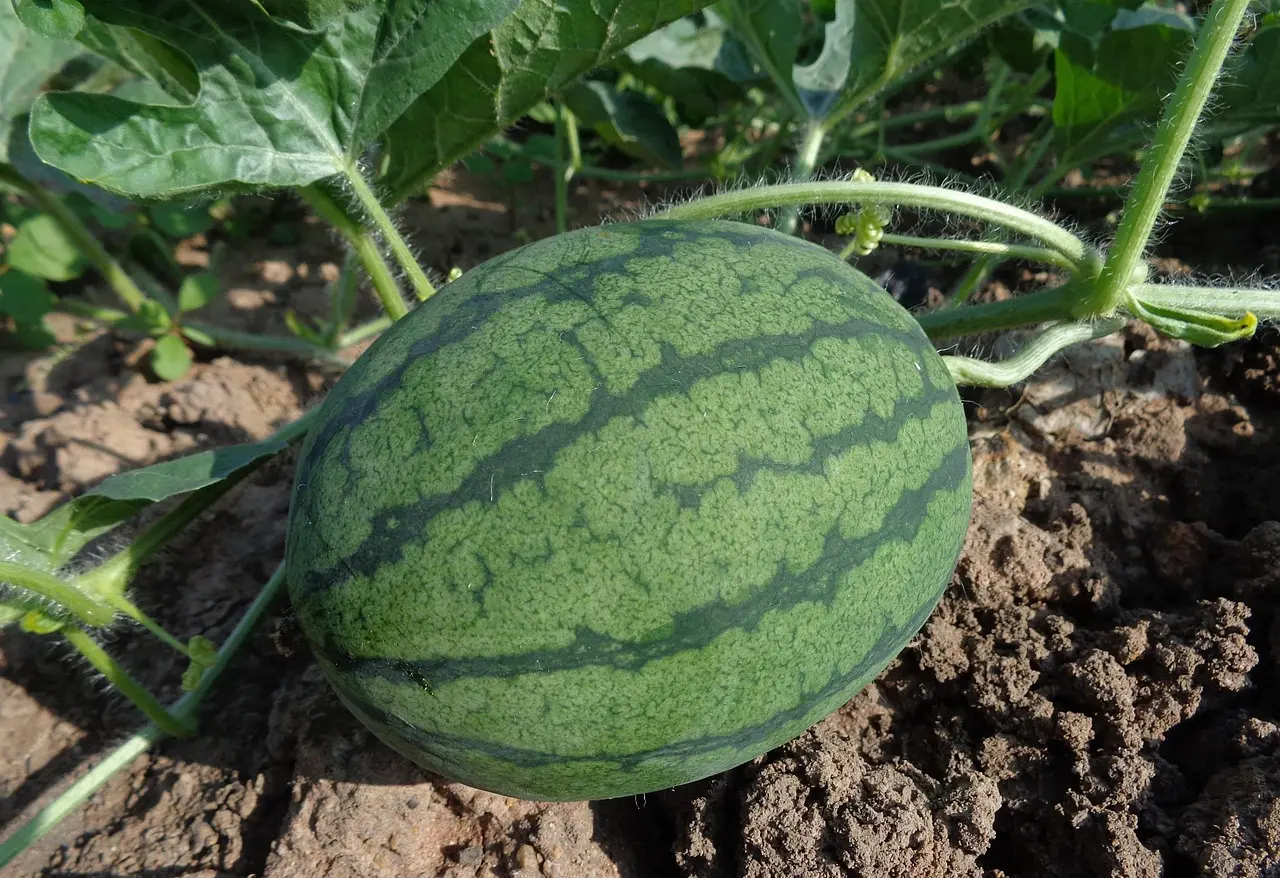
Citrullus lanatus is a rapidly growing annual vine characterized by extensive lateral spread, flexible trailing stems, and vigorous seasonal biomass production. Rather than investing in vertical structure, the species allocates growth to elongated runners that explore surrounding ground surfaces. Large leaves, extensive branching, and substantial fruit development create a distinctive low-growing architecture.
The plant combines drought-adapted ancestry with high productivity under cultivation, producing a sprawling canopy capable of supporting exceptionally large fruits. Its combination of rapid seasonal growth, expansive spread, and oversized reproductive structures distinguishes it from most other annual crop species.
| Parameter | Value | Notes |
|---|---|---|
| Life Form | Herbaceous annual vine | Fruiting cucurbit |
| Mature Height | Usually 20–60 cm (8–24 in) | Canopy height above ground |
| Canopy Spread | Commonly 2–5 m (6.6–16.4 ft) | Cultivar dependent |
| Stem Type | Trailing or climbing vine | Tendril-bearing |
| Surface Texture | Rough to softly pubescent | Covered with hairs |
| Branching Pattern | Highly branched | Multiple lateral runners |
| Root System Overview | Taproot with extensive lateral roots | Morphology only |
| Growth Rate | Rapid | Warm-season growth |
| Longevity | Annual | Completes lifecycle within one season |
| Distinguishing Architectural Feature | Long runners supporting very large pepos | Characteristic of cultivated watermelon |
Stem
The stems function as the principal support and transport structures of the plant, linking an extensive leaf canopy with developing fruits that may reach considerable mass. Young stems are flexible and actively elongating, while mature stems remain herbaceous rather than woody. Dense pubescence, prominent nodes, and coiled tendrils contribute to the species’ recognizable appearance. The stem system permits efficient lateral colonization of open ground and supports rapid seasonal growth.
| Stem Characteristic | Description |
|---|---|
| Stem Type | Herbaceous vine |
| Cross-Section Shape | Angular to subrounded |
| Mature Diameter | Commonly 1–3 cm (0.4–1.2 in) near major runners |
| Surface Texture | Pubescent with short hairs |
| Colour (Young) | Light green |
| Colour (Mature) | Medium to dark green |
| Internode Length | Variable; commonly 5–20 cm (2–8 in) |
| Thorns, Spines, or Wings | Absent |
| Internal Structure | Solid with parenchymatous pith |
| Attachment Mechanism | Coiled tendrils |
| Climbing Strategy | Scrambling and support-assisted climbing |
Leaves
Watermelon leaves are among the most visually distinctive structures of the plant. They are large, deeply lobed, rough-textured, and borne individually along the stems. The divided blade increases surface area while contributing to heat dissipation and air movement within the canopy. Leaf morphology varies somewhat among cultivars and breeding lines, but the strongly lobed outline remains a consistent diagnostic feature across most cultivated forms.
| Leaf Characteristic | Description |
|---|---|
| Presence | Present |
| Leaf Type | Simple, deeply lobed |
| Size | Commonly 8–22 cm (3.1–8.7 in) long |
| Colour | Medium to dark green |
| Arrangement | Alternate |
| Surface Texture | Rough and pubescent |
| Special Features | Deep lobing and prominent venation |
Flowers
The flowers of Citrullus lanatus are relatively small compared with the eventual fruit size but play a critical role in reproductive success. Separate male and female flowers occur on the same plant, a condition termed monoecy. Bright yellow petals provide visual attraction, while nectar and pollen rewards facilitate insect visitation. The conspicuous contrast between the modest flower size and the exceptionally large mature fruit is one of the species’ most notable reproductive characteristics.
| Floral Attribute | Description |
|---|---|
| Inflorescence Type | Solitary axillary flowers |
| Flower Diameter | Approximately 2–4 cm (0.8–1.6 in) |
| Flower Length | Approximately 2–4 cm (0.8–1.6 in) |
| Outer Tepals or Sepals | Five green sepals |
| Inner Tepals or Petals | Five yellow petals |
| Stamens | Typically five, often appearing united |
| Pistil | Single inferior ovary with branched stigma |
| Fragrance | Mild to not prominently scented |
| Anthesis Period | Daytime flowering |
| Primary Pollinators | Bees |
Fruit
| Fruit Characteristic | Description |
|---|---|
| Fruit Type | Pepo |
| Shape | Spherical, oval, oblong, or elongated |
| Length | Commonly 20–60 cm (7.9–23.6 in) |
| Diameter | Commonly 15–40 cm (5.9–15.7 in) |
| Weight | Commonly 2–20 kg (4.4–44.1 lb), cultivar dependent |
| Skin Colour | Green, dark green, striped, or mottled |
| Surface Features | Smooth rind |
| Flesh Colour | Red, pink, yellow, orange, or white |
| Flesh Texture | Crisp, succulent, and water-rich |
| Seed Count | Variable; from nearly seedless to several hundred seeds |
| Sugar Content | Approximately 6–13 °Brix reported among cultivars |
| Maturation Period | Commonly 70–120 days after sowing, cultivar dependent |
Seeds
| Seed Characteristic | Description |
|---|---|
| Size | Commonly 8–15 mm (0.31–0.59 in) long |
| Shape | Flattened oval |
| Colour | Black, brown, tan, white, or mottled |
| Seed Coat | Smooth and relatively hard |
| Oil Content | Documented in seed-processing literature; values vary among cultivars |
| Viability Period | Commonly retained for several years under suitable storage |
| Germination Rate | Highly variable; dependent on seed quality and storage conditions |
Root System
The root system consists of a dominant taproot supported by numerous lateral roots that explore a broad volume of soil. Under favorable conditions, the taproot penetrates deeply while lateral roots extend well beyond the canopy margin. This architecture improves access to moisture reserves during dry periods and contributes to the species’ adaptation to seasonally arid environments. Watermelon roots are sensitive to prolonged waterlogging because oxygen availability declines in saturated soils. From a commercial perspective, the extensive rooting pattern supports vigorous vegetative growth and large fruit development while influencing irrigation efficiency and field spacing requirements.
Recommended Products
Disclosure: As an Amazon Associate, PlantsInfo may earn from qualifying purchases.
🌱 Plant Care Essentials
The following tools can help with pruning, plant health, soil management, and fruit garden maintenance.

Neem Oil for Plant Care
Natural plant protection against aphids, whiteflies, mites, and other common garden pests.

Fungicide for Root Care
Helps suppress soil-borne fungal diseases and supports healthier root systems.

Spray Bottle for Plants
Ideal for applying foliar sprays, neem oil solutions, and liquid plant treatments.

Rubber Hand Gloves
Protects hands during pruning, planting, soil preparation, and garden maintenance.
Field Identification
Watermelon is readily recognized by its sprawling growth habit, rough-textured deeply lobed leaves, yellow solitary flowers, coiled tendrils, and large smooth-rinded pepos borne on trailing vines. In cultivation and escaped populations, the species often forms broad mats across open ground. It is frequently confused with Citrullus amarus (citron melon), particularly when fruits are immature.
The single most reliable distinguishing feature is the flesh of mature fruits: cultivated watermelon typically develops sweet, edible flesh, whereas citron melon produces firm, bitter flesh unsuitable for fresh consumption. Leaf morphology and fruit patterning may overlap between the species, making fruit characteristics and verified germplasm identity important for accurate determination.
Normal vs. Concerning Observations
| Observation | Status | Explanation |
|---|---|---|
| Long runners extending beyond planting area | Normal | Characteristic vine growth pattern |
| Older basal leaves yellowing late in season | Normal | Natural aging during fruit maturation |
| Tendrils drying after nearby fruit development | Normal | Common developmental response |
| Temporary midday leaf drooping during heat | Monitor | Can occur under high evaporative demand |
| Persistent wilting despite adequate moisture | Investigate | May indicate root or vascular dysfunction |
| Extensive leaf distortion or abnormal growth | Investigate | May indicate physiological or pathological factors |
| Localized minor leaf spotting | Monitor | Requires observation to determine significance |
| Rapid canopy collapse | Investigate | Abnormal and indicative of significant stress |
Cultivar Summary
| Cultivar | Key Characteristic | Commercial Status | Origin |
|---|---|---|---|
| ‘Crimson Sweet’ | Large striped fruits with sweet red flesh | Commercially dominant | United States |
| ‘Sugar Baby’ | Small dark-rinded fruits | Commercially dominant | United States |
| ‘Charleston Gray’ | Elongated fruits with pale rind | Historically documented | United States |
| ‘Jubilee’ | Large elongated fruits for commercial production | Regionally significant | United States |
| ‘Black Diamond’ | Dark rind and large fruit size | Historically documented | United States |
Physiology and Phytochemistry
Functional Traits
Citrullus lanatus is a fast-growing annual cucurbit whose physiological strategy combines rapid seasonal biomass accumulation, efficient reproductive investment, and adaptation to periodically water-limited environments. As a C3 photosynthetic species derived from African dryland ancestors, watermelon balances high water demand during fruit production with morphological and physiological traits that improve drought tolerance. Its success results not from any single adaptation but from the integration of extensive rooting, rapid vine expansion, insect-mediated reproduction, defensive phytochemistry, and substantial allocation of resources into large seed-bearing fruits.
| Trait | Mechanism Description | Adaptive Significance |
|---|---|---|
| Photosynthetic Pathway | C3 photosynthesis fixes atmospheric carbon through the Calvin cycle during daylight hours. | Supports rapid biomass production under favorable conditions. |
| Water Use Strategy | Deep taproot and extensive lateral roots increase access to dispersed soil moisture reserves. | Enhances drought resilience and seasonal productivity. |
| Nutrient Acquisition | Extensive root surface area increases uptake of nitrogen, potassium, and other mineral nutrients. | Supports vigorous vine growth and fruit development. |
| Growth Form Strategy | Rapid runner elongation expands photosynthetic area across large ground surfaces. | Maximizes resource capture during a single growing season. |
| Reproductive Strategy | Monoecious flowering produces separate male and female flowers on the same plant. | Increases opportunities for successful pollination. |
| Dispersal Mechanism | Large fleshy fruits attract vertebrate consumers that transport seeds. | Promotes seed movement beyond the parent plant. |
| Stress Response Mechanism | Water deficit triggers physiological regulation of stomatal conductance and growth allocation. | Reduces water loss during drought stress. |
| Chemical Defence | Secondary metabolites accumulate in vegetative and reproductive tissues. | Deters herbivory and contributes to pathogen defense. |
| Fruit Water Storage | Developing fruits accumulate exceptionally high water content within parenchymatous tissues. | Protects seeds and enhances attractiveness to dispersal agents. |
Physiological Integration
The physiological strategy of watermelon depends on interactions among rooting architecture, reproductive allocation, and water regulation. Extensive root systems support the high water demands associated with rapid vine growth and the development of large fruits, while drought-response mechanisms help maintain function when moisture becomes limiting. The species’ reproductive strategy is closely linked to resource availability because successful fruit maturation requires substantial carbon and water investment.
Chemical defence compounds complement this investment by protecting photosynthetic tissues and developing reproductive structures from herbivores and pathogens. Fruit water storage further integrates with dispersal biology, as hydrated, nutrient-rich tissues increase attractiveness to vertebrate consumers while buffering seeds against short-term environmental stress. Together, these traits form a coordinated strategy optimized for seasonal productivity in warm environments characterized by periodic water limitation.
Phytochemistry
The phytochemistry of Citrullus lanatus is among the best characterized within cultivated cucurbits because of its importance as a food crop and emerging interest in nutritional pharmacology. Research has focused particularly on carotenoids, amino acids, phenolic compounds, and seed lipids. Watermelon fruits are notable for high concentrations of the non-protein amino acid L-citrulline, a compound named after the genus Citrullus.
The species also contains diverse antioxidants distributed among fruits, seeds, leaves, and rind tissues. Most phytochemical investigations have concentrated on edible organs and commercially important cultivars rather than wild populations.
| Compound Class | Representative Compounds | Primary Location | Ecological or Biological Function |
|---|---|---|---|
| Carotenoids | Lycopene, β-carotene | Fruit flesh | Pigmentation and antioxidant activity |
| Amino Acids | L-citrulline, arginine | Flesh and rind | Nitrogen metabolism and physiological regulation |
| Phenolic Acids | Gallic acid, ferulic acid, caffeic acid | Rind, seeds, leaves | Antioxidant and defensive functions |
| Flavonoids | Quercetin, luteolin, apigenin derivatives | Leaves and rind | UV protection and herbivore defence |
| Seed Lipids | Linoleic acid, oleic acid, palmitic acid | Seeds | Energy storage and seed development |
| Cucurbitacins | Cucurbitacin E and related compounds | Vegetative tissues and wild relatives | Herbivore deterrence |
| Vitamins | Ascorbic acid (Vitamin C) | Fruit flesh | Antioxidant function |
Phytochemical Organ Distribution
| Organ | Compound Class | Representative Compounds | Concentration | Source |
|---|---|---|---|---|
| Red Flesh | Carotenoids | Lycopene | High relative concentration compared with most cucurbits | Source Class A/B |
| Yellow or Orange Flesh | Carotenoids | β-carotene | Variable among cultivars | Source Class A/B |
| Flesh | Amino Acids | L-citrulline | Well documented; concentration varies by genotype | Source Class A |
| Rind | Amino Acids | L-citrulline, arginine | Often higher than flesh in some cultivars | Source Class A |
| Seeds | Lipids | Linoleic acid, oleic acid | Major storage constituents | Source Class A |
| Seeds | Phenolics | Gallic acid derivatives | Documented in seed extracts | Source Class A |
| Leaves | Flavonoids | Quercetin derivatives | Documented; concentration variable | Source Class A |
| Flesh | Vitamins | Ascorbic acid | Moderate concentration | Source Class A/B |
Phytochemical Significance
Among documented phytochemicals, carotenoids and amino acids are the most commercially and pharmacologically significant. Lycopene is responsible for the characteristic red coloration of many cultivars and has become a major focus of nutritional research because of its antioxidant properties. L-citrulline represents another defining constituent and has attracted substantial scientific attention due to its role in nitric oxide metabolism and cardiovascular physiology. Seed lipids are also economically important because watermelon seeds contain nutritionally valuable fatty acids.
Current characterization is strongest for edible fruit tissues and seeds. In contrast, the chemistry of leaves, roots, and wild African populations remains less comprehensively documented. Available evidence indicates that no single compound dominates the phytochemical profile; instead, multiple compound classes contribute to nutritional and biological activity. Interactions between carotenoids, phenolic compounds, and ascorbic acid likely contribute to overall antioxidant capacity, although specific synergistic relationships remain incompletely resolved.
Research coverage is globally extensive but shows a notable concentration bias toward China, the United States, Brazil, Turkey, and Mediterranean-region food science programs. Cultivated fruit tissues remain the dominant focus of investigation, whereas comparative phytochemistry across wild Citrullus species is less developed.
Evidence, Nutrition, and Safety
Evidence Hierarchy for Medicinal Use
| Evidence Layer | Status | Notes |
|---|---|---|
| Traditional Use | Documented | Fruit, rind, and seeds have documented traditional food and health-related uses in Africa, Asia, and the Middle East. |
| Nutritional Evidence | Documented | Extensive compositional analyses confirm nutrient, carotenoid, amino acid, and hydration value. |
| In Vitro Studies | Documented | Antioxidant, anti-inflammatory, and metabolic pathway studies have been reported for extracts and isolated compounds. |
| Animal Studies | Documented | Experimental studies have investigated cardiovascular, metabolic, and antioxidant effects of citrulline-rich materials. |
| Human Clinical Studies | Partial | Human studies exist, particularly involving L-citrulline and watermelon-derived preparations, but evidence remains condition-specific. |
| Regulatory Recognition | Partial | Recognized globally as a food crop; specific therapeutic claims generally lack formal medicinal approval. |
| Unsupported Commercial Claims | Documented | Claims involving broad disease prevention, detoxification, anti-aging, or curative effects exceed current clinical evidence. |
Evidence Assessment
The evidence hierarchy demonstrates a substantial difference between nutritional evidence and therapeutic evidence. Watermelon is strongly supported as a nutritious food source and as a dietary contributor of carotenoids, vitamin C, hydration, and L-citrulline. Experimental and animal studies provide biologically plausible mechanisms for several health-related effects, particularly involving nitric oxide metabolism and cardiovascular physiology.
However, human clinical evidence remains narrower than many commercial narratives suggest. The strongest support exists for nutritional and functional-food applications, whereas claims relating to disease treatment, detoxification, anti-aging effects, or broad therapeutic outcomes remain inadequately substantiated by clinical research.
Nutritional Composition
Values refer to raw edible flesh per 100 g fresh weight.
| Nutrient | Value per 100 g | Notes | Source |
|---|---|---|---|
| Energy | 30 kcal | Low-energy fruit | USDA FoodData Central (Source Class B) |
| Water | 91.5 g | High water content | USDA FoodData Central (Source Class B) |
| Carbohydrate | 7.6 g | Predominantly simple sugars | USDA FoodData Central (Source Class B) |
| Protein | 0.6 g | Low protein content | USDA FoodData Central (Source Class B) |
| Total Fat | 0.2 g | Naturally low fat | USDA FoodData Central (Source Class B) |
| Dietary Fiber | 0.4 g | Modest contribution | USDA FoodData Central (Source Class B) |
| Vitamin C | 8.1 mg | Antioxidant vitamin | USDA FoodData Central (Source Class B) |
| Potassium | 112 mg | Major mineral constituent | USDA FoodData Central (Source Class B) |
| Magnesium | 10 mg | Essential mineral | USDA FoodData Central (Source Class B) |
| Lycopene | Approximately 4,500–7,000 µg | Highly cultivar dependent | Peer-reviewed food chemistry literature (Source Class A) |
| L-Citrulline | Variable; cultivar dependent | Concentration differs among flesh and rind tissues | Peer-reviewed phytochemical literature (Source Class A) |
| Vitamin A Activity | 28 µg RAE | Derived primarily from carotenoids | USDA FoodData Central (Source Class B) |
Nutritional Significance Note
Watermelon is nutritionally distinguished less by macronutrient density than by hydration value and specific bioactive constituents. Water content exceeds 90% of fresh weight, making the fruit notable as a dietary water source. Lycopene concentrations in red-fleshed cultivars are among the highest reported for commonly consumed fruits, although values vary substantially among cultivars, maturity stages, and growing environments. L-citrulline is a defining phytochemical and contributes to the species’ functional-food profile. Most published nutrient values derive from cultivated fresh fruit rather than wild populations. Processing, storage duration, cultivar selection, and ripeness can significantly influence carotenoid and amino acid concentrations.
Soil Ecology and Mycorrhizal Associations
Species-level evidence indicates that Citrullus lanatus commonly forms associations with arbuscular mycorrhizal fungi (AMF). Documented fungal genera associated with cultivated watermelon include Glomus, Rhizophagus, and related members of the Glomeromycota. These symbioses enhance phosphorus acquisition and may improve nutrient-use efficiency under nutrient-limited conditions. Rhizosphere studies have identified bacterial communities containing genera such as Bacillus, Pseudomonas, and Paenibacillus, which are associated with nutrient cycling, root health, and plant-growth promotion.
Species-specific evidence for allelopathy remains limited. Some studies have reported inhibitory effects from watermelon residues and extracts under experimental conditions, but the responsible compounds and ecological significance remain incompletely characterized. No universally accepted species-level allelopathic mechanism has been established.
Agronomic research indicates that arbuscular mycorrhizal colonization can improve plant performance under certain environmental conditions. Published evidence also suggests that intensive fertilizer regimes may reduce dependence on mycorrhizal associations, although responses vary with soil type and management system. These biological interactions have attracted interest in sustainable production systems and in improving crop establishment on nutrient-limited soils. Species-specific evidence remains strongest for cultivated agricultural settings rather than wild populations.
Toxicity and Safety
| Subject | Toxic Compounds | Clinical Effects | Source |
|---|---|---|---|
| Humans | No toxic compounds documented in available literature for normal food use. | Fruit is generally regarded as safe when consumed as food. | USDA FoodData Central; peer-reviewed food safety literature (Source Class B/A) |
| Cats | No toxic compounds documented in available literature. | Fruit flesh is generally considered non-toxic; gastrointestinal upset may occur after excessive consumption. | ASPCA Toxic and Non-Toxic Plant Resources; veterinary references (Source Class B) |
| Dogs | No toxic compounds documented in available literature. | Fruit flesh is generally considered non-toxic; excessive ingestion may cause gastrointestinal disturbance. | ASPCA Toxic and Non-Toxic Plant Resources; veterinary references (Source Class B) |
| Livestock | No toxic compounds documented in available literature for normal consumption. | Generally regarded as low risk when consumed as feed supplements or discarded fruit. | Agricultural extension and livestock feeding literature (Source Class B/C) |
Toxicity Context
Available evidence indicates that watermelon is primarily a food crop rather than a toxic species. Safety considerations are generally related to quantity consumed, gastrointestinal tolerance, and nutritional context rather than intrinsic toxicity. The distinction between isolated compounds and whole-food consumption is important; physiological effects reported for concentrated L-citrulline or other extracts do not necessarily reflect ordinary dietary intake. Individuals with specific renal disorders, medically restricted potassium intake, or other clinical conditions may require individualized dietary assessment. This profile does not constitute medical or veterinary advice.
Distribution and Habitat
Native Range and Distribution
Biogeographic Context
The evolutionary history of Citrullus lanatus is closely linked to the seasonally dry savannas, semi-arid grasslands, and open woodland systems of Africa. Recent phylogenetic, genomic, and archaeobotanical studies indicate that domestication originated from African wild populations rather than Asian ancestors, resolving a long-standing biogeographic debate.
The species evolved in environments characterized by periodic drought, high solar exposure, and seasonal rainfall variability. Human-mediated selection subsequently transformed a wild dryland fruit into a globally cultivated crop. Habitat conversion has affected some wild Citrullus populations, but commercial cultivation has expanded the species far beyond its ancestral range. Distribution research is geographically diverse, although African origin studies remain disproportionately represented in the literature.
Native Range
| Region | Countries or Sub-regions | Notes |
|---|---|---|
| Northeastern Africa | Sudan, South Sudan | Strong evidence for ancestral populations and domestication history |
| Northeastern-Central Africa | Egypt, Sudan region | Archaeobotanical evidence documented |
| East Africa | Eritrea, Ethiopia, Somalia | Wild and ancestral lineages documented |
| Southern Africa | Botswana, Namibia, South Africa | Closely related wild Citrullus taxa occur throughout region |
Global Cultivation and Naturalisation
| Region | Countries or Areas | Cultivation Status | Notes |
|---|---|---|---|
| East Asia | China, South Korea, Japan | Commercially established | China dominates global production |
| South Asia | India, Pakistan, Bangladesh | Commercially established | Production concentrated in warm-season regions |
| Southeast Asia | Thailand, Vietnam, Indonesia, Philippines | Commercially established | High humidity can increase disease pressure |
| Middle East | Türkiye, Iran, Saudi Arabia, Israel | Commercially established | Irrigation often required in arid regions |
| Europe | Spain, Italy, Greece, Hungary | Commercially established | Limited by growing season length in northern regions |
| Africa | Egypt, Sudan, South Africa, Nigeria | Commercially established | Native-region cultivation and export production |
| North America | United States, Mexico | Commercially established | Regional climatic constraints influence production zones |
| South America | Brazil, Argentina, Paraguay | Commercially established | Major commercial production in warm regions |
| Oceania | Australia | Commercially established | Production concentrated in suitable warm zones |
| Northern Europe | Scandinavia, Baltic region | Attempted — limited success | Short growing seasons restrict large-scale production |
| High-Elevation Tropics | Various tropical uplands | Emerging | Temperature limitations constrain productivity |
Cultivation Range Note
Watermelon has achieved commercially significant production throughout Asia, the Americas, Africa, the Mediterranean Basin, and Australia. China represents the largest production center and consequently contributes a disproportionate share of agronomic and breeding literature. This concentration creates a research coverage bias because production recommendations and cultivar evaluations may reflect Chinese growing conditions more strongly than global averages. Emerging cultivation continues in high-elevation tropical regions where warming temperatures and improved breeding have expanded opportunities. Attempts in cool maritime and high-latitude regions remain constrained by seasonal temperature limitations and shortened growing periods.
Natural Habitat
Wild and ancestral populations of Citrullus lanatus occur primarily in open savanna, semi-arid grassland, dry woodland margins, disturbed ground, and seasonally dry riverine landscapes. Documented populations occur from near sea level to approximately 1,500 m (4,920 ft), although precise elevation distributions vary regionally. Soils are typically sandy, sandy-loam, or other freely draining substrates. Associated vegetation commonly includes drought-adapted grasses, scattered shrubs, and open-canopy woodland species. The species responds favorably to periodic disturbance that reduces competition from taller vegetation. As a habitat generalist rather than a narrowly specialized endemic, watermelon exhibits ecological flexibility across a range of open environments. This broad ecological tolerance has facilitated both domestication and subsequent global cultivation.
Ecological Role
Within native ecosystems, Citrullus lanatus functions as both a seasonal food resource and a component of pollination and seed-dispersal networks. The flowers provide nectar and pollen resources for bee assemblages, while fruits supply water-rich nutrition for vertebrates inhabiting seasonally dry environments. Seed dispersal is believed to involve multiple mammalian and potentially avian vectors, although species-level documentation remains incomplete across much of the native range. Unlike some dominant woody species, watermelon is not considered a keystone species, but it may contribute locally significant food resources during dry periods.
Ecological understanding remains stronger for cultivated systems than for wild populations. Pollinator interactions have been studied extensively in agricultural settings, whereas ecosystem-scale relationships involving ancestral populations remain less comprehensively documented. Consequently, several aspects of native dispersal ecology and community-level interactions remain incompletely resolved and represent ongoing research priorities.
Ecological Role
| Role Type | Species or Agent Involved | Notes |
|---|---|---|
| Pollinator Resource | Apis mellifera | Documented floral visitor in native and cultivated systems |
| Pollinator Resource | Xylocopa spp. | Carpenter bees documented as flower visitors |
| Seed Dispersal Resource | Not documented at species level | Vertebrate-mediated dispersal inferred but incompletely resolved |
| Seasonal Food Resource | Various mammalian herbivores | Species-specific evidence remains limited |
| Nectar and Pollen Resource | Native bee assemblages | Ecosystem-level contribution documented |
Invasive Status
Watermelon has been documented as naturalized outside portions of its native range, but it is not generally regarded as a major invasive species of global concern.
| Region | Status | Impact | Management |
|---|---|---|---|
| North America | Naturalised | Localized persistence in disturbed habitats | Generally not required |
| Australia | Naturalised | Limited ecological concern in most areas | Local monitoring where established |
| Mediterranean Region | Naturalised | Minor ecological impact documented | Minimal intervention reported |
Invasive Status Note
Naturalized populations have been documented in several regions, but substantial ecological disruption, legislative control programs, or widespread invasion impacts have not been consistently reported in the available literature.
Climate and Stress Tolerance
Optimal Climate Parameters
| Parameter | Optimal Range | Tolerance Range | Notes |
|---|---|---|---|
| Mean Annual Temperature | 18–30°C (64–86°F) | 10–38°C (50–100°F) | Derived from global cultivation envelope |
| Daytime Temperature | 24–35°C (75–95°F) | 15–40°C (59–104°F) | Fruit development optimized in warm conditions |
| Nighttime Temperature | 18–24°C (64–75°F) | 10–30°C (50–86°F) | Cooler temperatures slow development |
| Annual Rainfall | 400–1,200 mm (15.7–47.2 in) | 250–2,000 mm (9.8–78.7 in) | Production often supplemented by irrigation |
| Dry Season Length | 1–5 months | 0–8 months | Cultivation possible under managed water supply |
| Relative Humidity | 50–70% | 30–90% | High humidity may increase disease pressure |
| Solar Radiation | High exposure; typically >18 MJ m⁻² day⁻¹ | Moderate to very high exposure | Regional data sources vary |
Climate Interpretation
Temperature is the principal climatic constraint limiting global watermelon expansion. While ancestral populations evolved in semi-arid African environments, modern cultivation has expanded into climates substantially wetter, cooler, and more variable than the native ecological envelope. Frost remains among the most significant limiting factors because reproductive development is highly temperature dependent. Excessively cool growing seasons reduce productivity even where annual rainfall is adequate. Conversely, irrigation and cultivar improvement have enabled successful production in regions considerably drier than those occupied by many commercial horticultural crops. The modern cultivation envelope therefore exceeds the climatic breadth represented by native populations.
Stress Tolerance Profile
| Stress Type | Tolerance Level | Physiological Response | Notes |
|---|---|---|---|
| Drought | Moderate | Stomatal conductance decreases, reducing transpirational water loss. | Species retains moderate drought resilience. |
| Heat | High | Heat-shock proteins and protective metabolic pathways are activated. | Warm-season species. |
| Cold or Frost | Low | Cellular injury occurs as membranes lose functional integrity. | Frost-sensitive. |
| Salinity | Low to Moderate | Osmotic adjustment mechanisms partially compensate for salt stress. | Cultivar-dependent responses documented. |
| Waterlogging | Low | Root oxygen limitation disrupts normal metabolic processes. | Sensitive to prolonged saturation. |
| Air Pollution | Not documented at species level | Not documented at species level. | No verified species-specific evidence identified. |
| Wind | Moderate | Temporary stomatal and growth adjustments occur following mechanical stress. | Severe wind may damage vines. |
| Soil Compaction | Low to Moderate | Root metabolic activity declines as aeration decreases. | Growth reduction documented under compaction. |
Compound Stress
Compound stress responses have received less research attention than individual stressors. Available evidence indicates that drought and heat frequently occur together and may interact synergistically, increasing physiological strain beyond that produced by either stress alone. Salinity combined with waterlogging appears particularly problematic because osmotic stress and oxygen limitation affect different physiological systems simultaneously. However, species-specific studies quantifying compound stress interactions remain comparatively limited relative to breeding, production, and nutritional research. Improved understanding of multi-stressor responses represents an important knowledge gap, particularly under projected climate-change scenarios where overlapping environmental pressures are expected to become increasingly common.
Adaptations and Reproductive Biology
Structural and Physiological Adaptations
Adaptation Narrative
The adaptations of Citrullus lanatus reflect its evolutionary origin in African seasonally dry environments characterized by high solar exposure, episodic rainfall, and open vegetation structure. Extensive vine architecture, deeply rooted growth forms, large water-rich fruits, pubescent foliage, and tendril-bearing stems all contribute to survival and reproductive success in exposed habitats. These structures improve resource acquisition, facilitate reproduction, reduce environmental stress, and enhance seed dispersal opportunities. Their significance becomes most apparent when interpreted within the ecological context of semi-arid landscapes where water availability and reproductive opportunity can be highly seasonal.
Structural Adaptations
| Adaptation | Mechanism Description | Ecological Context |
|---|---|---|
| Extensive Vine Architecture | Long trailing stems physically expand the plant’s occupied surface area. | Improves resource capture across open habitats. |
| Tendril Development | Modified structures provide anchorage to surrounding vegetation when available. | Enhances spatial flexibility in heterogeneous environments. |
| Deeply Penetrating Root System | Morphological development of a strong taproot enables access to deeper soil horizons. | Characteristic of seasonally dry habitats. |
| Pubescent Leaves and Stems | Surface hairs create a textured boundary layer around tissues. | Common adaptation in exposed, high-radiation environments. |
| Deeply Lobed Leaves | Divided leaf blades increase edge-to-surface ratio. | Facilitates performance in warm open habitats. |
| Large Fleshy Fruits | Enlarged fruit tissues physically protect developing seeds. | Promotes attraction of vertebrate dispersal agents. |
| Thick Fruit Rind | Durable outer layers reduce mechanical injury and water loss. | Protects seeds during maturation and dispersal. |
| Monoecious Floral System | Separate male and female flowers occur on the same plant. | Increases reproductive flexibility where pollinator visitation varies. |
Climate Change Vulnerability
| Factor | Assessment | Notes |
|---|---|---|
| Primary Climate Sensitivity Factors | Moderate sensitivity to prolonged drought, heat extremes, and pollinator disruption | Based on cultivated and wild population evidence |
| Key Threatening Climate Processes | Increasing temperature extremes, altered precipitation patterns, and pollinator decline | Documented climate concerns across agricultural systems |
| Resilience Factors | Broad cultivation range, genetic diversity, and extensive breeding resources | Significant adaptive capacity within crop germplasm |
| Confidence Level | Moderate | Strong agricultural evidence; more limited data for wild populations |
Climate Vulnerability
Available evidence supports a moderate climate-vulnerability assessment. The species possesses substantial adaptive capacity due to extensive global cultivation, broad genetic resources, and active breeding programs. However, increasing frequency of extreme heat events, drought episodes, and disruptions to pollinator communities may affect productivity and reproductive success.
Wild and ancestral populations may face additional pressures from habitat modification and changing rainfall regimes. Species-specific climate-change modelling remains less extensive than agronomic research, particularly for native African populations. Consequently, confidence is moderate rather than high. This assessment is based primarily on documented climatic sensitivities, production studies, and observed environmental constraints rather than comprehensive range-wide climate modelling.
Phenological Calendar
| Event | Native Range Timing | Cultivated Range Timing | Environmental Triggers |
|---|---|---|---|
| Vegetative Growth Onset | Early rainy season | Spring to early summer | Soil temperatures consistently above 18°C (64°F) |
| Flower Bud Initiation | Mid rainy season | Late spring to midsummer | Increasing temperature and photoperiod with active vegetative growth |
| Anthesis or Peak Flowering | Mid to late rainy season | Summer | Sustained daytime temperatures above 24°C (75°F) |
| Fruit Development | Following flowering period | Summer to early autumn | Successful pollination and continued resource availability |
| Fruit Maturation | Late rainy season to early dry season | Summer to autumn | Accumulated heat units and physiological maturity |
| Seed Dispersal | Dry season and post-fruiting period | Following fruit maturation | Fruit breakdown, animal consumption, and mechanical disturbance |
| Dormancy or Rest Period | No true dormancy; persists as seed bank | No true dormancy; persists as seed bank | Completion of lifecycle and seed maturation |
Phenological Notes
Phenology in watermelon is strongly controlled by temperature, moisture availability, and accumulated developmental time. Unlike many perennial species, the lifecycle is completed within a single growing season, making environmental timing particularly important. Considerable phenological plasticity has been documented across the global cultivation range. Tropical production systems may support multiple annual cropping cycles, whereas temperate regions restrict development to a single warm-season interval. The transition from flowering to fruit maturation is influenced primarily by temperature and resource availability rather than strict photoperiod dependence.
Pollination Ecology
Watermelon exhibits a pollination system typical of many cucurbits but distinctive in its reliance on abundant insect visitation to transfer pollen between separate male and female flowers. Although male and female flowers occur on the same plant, effective fruit production depends heavily on pollinator movement. The evolutionary significance of this system lies in its balance between reproductive assurance and opportunities for genetic exchange. Pollination ecology has been studied extensively in cultivated systems, making watermelon one of the better-characterized crop species with respect to pollinator dependence.
| Parameter | Value | Notes |
|---|---|---|
| Primary Pollinators | Apis mellifera | Best documented species-level pollinator |
| Secondary Pollinators | Xylocopa spp. | Genus-level documentation available |
| Pollination Syndrome | Melittophily (bee pollination) | Bee-associated floral traits |
| Floral Mechanism | Pollinators contact anthers in male flowers and subsequently contact stigmas in female flowers while foraging | Physical pollen transfer mechanism |
| Reproductive System | Monoecious | Separate male and female flowers on same plant |
| Seed Dispersal Agent | Not documented at species level | Vertebrate-mediated dispersal inferred |
| Pollination Success Rate | Variable; dependent on pollinator visitation frequency | No universal species-wide value documented |
| Human Intervention | Biologically feasible | Used in research and controlled breeding contexts |
Pollination Context
Watermelon is generally considered self-compatible, but successful fruit production depends heavily on pollen transfer between flowers. Because male and female flowers are separate, pollinator activity remains biologically important even when compatible pollen originates from the same plant. Pollinator decline therefore represents a potential production risk in both agricultural and naturalized settings. Honey bees (Apis mellifera) are the most extensively documented pollinators, although native bees may also contribute substantially. Human-mediated pollination is biologically feasible, but operational methods and management practices fall outside the scope of this profile and belong within cultivation guidance.
Seed Biology and Germination
| Parameter | Value | Notes |
|---|---|---|
| Seed Type | Orthodox seed | Tolerates drying during storage |
| Dormancy Class | Generally non-deep physiological dormancy or minimal dormancy | Cultivated seed often exhibits rapid germination |
| Dormancy-Breaking Requirement | No specialized dormancy-breaking requirement documented for commercial seed | Fresh seed may exhibit minor variability |
| Optimal Germination Temperature | 25–35°C (77–95°F) | Most frequently reported range |
| Germination Rate | Commonly high in viable cultivated seed lots | Exact values vary among studies |
| Germination Period | Commonly 4–12 days | Temperature dependent |
| Storage Behaviour | Orthodox | Suitable long-term dry storage |
| Seed Longevity | Several years under suitable storage conditions | Storage environment strongly influences persistence |
Germination Notes
Most published germination data derive from cultivated seed rather than wild-collected populations. Watermelon generally exhibits limited dormancy compared with many wild species, reflecting long-term domestication and selection for reliable establishment. Germination success is strongly influenced by seed maturity, storage history, temperature, and genetic background. Although commercial seed lots typically germinate readily, variation among cultivars and breeding lines has been documented. Evidence for substantial dormancy-related barriers in cultivated material is limited.
Vegetative Reproduction
| Parameter | Value | Notes |
|---|---|---|
| Vegetative Regeneration Capacity | Limited | Species primarily reproduces through seed |
| Primary Regeneration Mechanism | Stem rooting at nodes under favorable conditions | Not principal reproductive strategy |
| Minimum Propagule Size | Not documented in available literature | No standardized species-level threshold identified |
| Ecological or Invasive Significance | Low | Sexual reproduction dominates population persistence |
Human Interaction
Economic Importance
Economic Context
Watermelon is one of the world’s most important fruit crops by production volume and cultivated area. Global production is dominated by China, which accounts for the majority of annual output, while significant commercial industries also exist in India, Türkiye, Brazil, Algeria, Egypt, the United States, and several Mediterranean countries. International trade involves both fresh fruit and processed products, including seeds, juices, concentrates, and value-added nutritional ingredients.
Commercial markets are overwhelmingly supplied through cultivation rather than wild harvest. Quality assessment focuses on fruit size, sugar content, flesh color, texture, shelf life, and transport durability. Supply-chain vulnerabilities include climate variability, pollinator limitations, disease outbreaks, transportation costs, and increasing pressure on water resources in major production regions.
Economic Importance
| Use Category | Description | Economic Impact |
|---|---|---|
| Fresh Fruit Production | Domestic and export fruit markets | Major global economic sector |
| Seed Production | Commercial seed multiplication and breeding | High-value agricultural industry |
| Processed Foods | Juices, beverages, concentrates, frozen products | Significant secondary market |
| Nutraceutical Ingredients | Citrulline-rich extracts and specialty products | Emerging commercial sector |
| Edible Seeds | Roasted and processed seed markets | Regionally significant |
| Plant Breeding | Germplasm development and cultivar improvement | Strategic agricultural importance |
| Summary Economic Assessment | Globally significant horticultural commodity with diversified value chains | High economic importance |
Traditional Uses
| Use Category | Knowledge System | Region or Cultural Group | Practice Summary | Documentation Level | Source |
|---|---|---|---|---|---|
| Food Crop | Indigenous African agricultural traditions | Northeastern and East Africa | Consumption of fruits and seeds | Strong | Source Class C |
| Food and Dietary Cooling | Ayurveda | India | Consumption of fruit during hot seasons | Moderate | Source Class C |
| Food and Hydration | Unani Medicine | South Asia and Middle East | Fruit used as a cooling dietary food | Moderate | Source Class C |
| Seed Consumption | Sahelian and West African food traditions | West Africa | Seeds consumed roasted or processed | Strong | Source Class C |
| Traditional Digestive Uses | Ayurveda | India | Dietary use associated with digestive wellness | Moderate | Source Class C |
| Traditional Urinary Uses | Unani Medicine | South Asia | Food-based urinary health associations | Moderate | Source Class C |
| Seasonal Refreshment Foods | Mediterranean food traditions | Mediterranean Basin | Summer consumption and preservation practices | Strong | Source Class C |
| Livestock and Famine Food Use | African dryland agricultural traditions | Eastern and Southern Africa | Utilization of fruits and seeds during resource scarcity | Moderate | Source Class C |
Traditional Use Summary
The most extensively documented traditional uses originate from African agricultural traditions, Ayurveda in the Indian subcontinent, and Unani medical systems extending across South Asia and parts of the Middle East. Many of these practices remain active rather than purely historical. Food use is substantially better documented than medicinal use, reflecting the species’ long-standing role as a cultivated crop rather than a specialized medicinal plant.
Traditional knowledge remains geographically concentrated within regions that participated directly in domestication, cultivation, and cultural integration of the crop. Modern commercial development has largely emphasized nutritional composition and food value rather than direct incorporation of traditional medicinal frameworks.
Regional Ethnobotanical Context
Human relationships with watermelon extend back several millennia and span major agricultural transitions across Africa, the Mediterranean Basin, Asia, and later the Americas. Archaeobotanical evidence indicates early use and domestication within African cultural landscapes before the species spread through trade, migration, and agricultural exchange networks. As cultivation expanded, watermelon became integrated into diverse food traditions while retaining local cultural meanings and seasonal associations.
Unlike many highly localized ethnobotanical species, watermelon developed a broad intercultural presence. This widespread adoption contributed to the preservation of knowledge concerning cultivation, food preparation, seed utilization, and seasonal consumption. However, documentation remains uneven, with African and Asian traditions generally receiving less international attention than commercial production systems.
Traditional Ecological Knowledge
Documented Traditional Ecological Knowledge relating specifically to Citrullus lanatus is considerably less extensive than documentation of food and medicinal uses. Available records primarily concern integration into mixed farming systems, seasonal planting cycles, drought-aware agricultural scheduling, seed selection, and landscape-scale crop management.
Species-specific documentation of use as an indicator plant, living fence component, agroforestry element, or ecological monitoring species remains limited. Consequently, the ecological dimensions of traditional knowledge appear underrepresented in the published literature and constitute a meaningful research gap relative to the extensive documentation of culinary and agricultural uses.
Ethical Considerations
Watermelon originated within African cultural and agricultural landscapes, with domestication and early cultivation associated with communities inhabiting northeastern, eastern, and related regions of the continent. Traditional uses subsequently became embedded within multiple knowledge systems, including African agricultural traditions, Ayurveda in South Asia, Unani medicine, and numerous regional food cultures extending through the Mediterranean Basin and beyond.
Documentation of traditional knowledge is uneven. Culinary uses, seed consumption, seasonal dietary practices, and agricultural cultivation methods are relatively well recorded. In contrast, localized community knowledge, especially from African regions associated with early domestication, is less comprehensively represented in international scientific literature. This imbalance reflects broader historical patterns in agricultural research and documentation.
No documented Access and Benefit-Sharing (ABS) case under the Nagoya Protocol has been identified for Citrullus lanatus that has become a major international reference point. Likewise, no widely recognized biopiracy allegation involving the species has been identified in the available literature. Commercial breeding, cultivar development, and nutritional product development have generally focused on publicly available germplasm, breeding collections, and agricultural research resources.
Nevertheless, an attribution gap remains evident. The geographic origins of domestication and early cultivation are concentrated within Africa, while a substantial proportion of modern commercial value creation, breeding investment, intellectual property development, and nutritional product commercialization has occurred elsewhere. This does not imply misconduct but highlights a common pattern in global crop development where economic benefits are often geographically separated from centers of origin.
Researchers, product developers, and commercial buyers operating internationally should acknowledge documented centers of origin, accurately represent traditional knowledge sources, respect applicable ABS requirements where relevant, and avoid overstating unverified traditional or medicinal claims. Transparent attribution strengthens both scientific integrity and equitable recognition of the communities and regions that contributed to the species’ long history of cultivation and use.
Cultural Significance
Watermelon possesses cultural significance across multiple regions, although the character of that significance varies geographically. In many Mediterranean, Middle Eastern, African, and Asian societies, the fruit is closely associated with summer, abundance, hospitality, and communal eating. Seasonal watermelon consumption has become a recurring cultural marker in numerous agricultural regions where harvest periods coincide with warm-weather festivals and social gatherings.
In East Asia, particularly China, watermelon has become strongly associated with summer cuisine and seasonal refreshment. In the United States and parts of Europe, the fruit is frequently linked with outdoor recreation, seasonal markets, and agricultural fairs. Across Africa, cultural significance is often intertwined with the species’ long history of cultivation and adaptation to dryland environments.
Linguistically, the plant has generated a large diversity of vernacular names reflecting local agricultural histories and cultural identities. Public interest remains high due to giant-fruit competitions, cultivar exhibitions, seedless breeding innovations, agritourism activities, and educational programs focused on crop diversity. Cultural significance is therefore globally distributed rather than concentrated within a single cultural sphere.
Applied Cultivation Knowledge
Cultivation Summary
| Parameter | Value | Notes |
|---|---|---|
| Hardiness or Climate Zone | Warm temperate, subtropical, and tropical production zones | Reflects global cultivation range |
| Soil pH Range | Approximately 6.0–7.5 | Widely reported in horticultural literature |
| Moisture Sensitivity | Moderate; sensitive to prolonged waterlogging | Biological response reflects low tolerance of saturated conditions |
| Light Sensitivity | Full sun preferred; limited shade tolerance | Strong association with high-radiation environments |
| Productive Lifespan | Single growing season |
Pest, Disease and Physiological Burden Summary
Watermelon experiences a moderate to high pest and disease burden under commercial cultivation. Documented concerns include Fusarium oxysporum f. sp. niveum, gummy stem blight, anthracnose, powdery mildew, aphids, whiteflies, thrips, and root-knot nematodes. Physiological stressors include drought, waterlogging, pollination irregularities, salinity stress, and temperature extremes. The burden profile is well documented through extensive international horticultural research.
Failure Points and Commercial Risks
| Risk | Cause | Commercial Impact | Mitigation Domain |
|---|---|---|---|
| Pollination Failure | Inadequate pollen transfer during flowering | Reduced fruit set and yield | Agronomic |
| Fusarium Wilt | Infection by Fusarium oxysporum f. sp. niveum | Yield loss and crop mortality | Genetic |
| Frost Injury | Exposure to damaging low temperatures | Growth suppression and crop failure | Infrastructural |
| Fruit Quality Decline | Environmental stress and physiological imbalance | Reduced marketability | Agronomic |
| Cultivar-Environment Mismatch | Inappropriate genotype for production environment | Reduced productivity and quality | Genetic |
| Supply Chain Disruption | Transport, storage, or market instability | Commercial losses | Regulatory |
Conservation and Research
Conservation Analysis
The principal conservation concern for Citrullus lanatus is not the cultivated crop itself but the preservation of wild genetic diversity and the habitats supporting ancestral and related Citrullus populations. Modern agriculture maintains enormous cultivated populations worldwide, reducing immediate extinction risk for the domesticated taxon. However, genetic erosion within breeding pools and habitat degradation affecting wild relatives represent significant long-term concerns. The primary risk is therefore genetic rather than demographic.
Commercial cultivation has simultaneously reduced and increased conservation pressure. Widespread cultivation minimizes dependence on wild collection, yet modern breeding programs frequently rely on a relatively narrow subset of available germplasm. Wild African relatives remain important sources of disease resistance, drought tolerance, and climate resilience traits. Loss of these populations could restrict future breeding options and reduce adaptive capacity under changing environmental conditions.
Long-term sustainability depends upon maintaining ex situ germplasm collections, conserving wild populations in situ, and documenting underrepresented genetic resources. The conservation challenge for watermelon is therefore best understood as safeguarding evolutionary potential rather than preventing immediate species decline.
Conservation Status
| Parameter | Value | Notes | Source |
|---|---|---|---|
| IUCN Red List Category | Not Evaluated | No global species assessment identified | IUCN Red List: https://www.iucnredlist.org ; Accessed 2026-05-29; Source Class B |
| IUCN Red List Criteria | Not applicable | No formal global assessment identified | IUCN Red List: https://www.iucnredlist.org ; Accessed 2026-05-29; Source Class B |
| Population Trend | Not documented for global wild populations | Cultivated populations extremely abundant | IUCN Red List: https://www.iucnredlist.org ; Accessed 2026-05-29; Source Class B |
| Date of Assessment | Not documented | Species-level assessment not identified | IUCN Red List: https://www.iucnredlist.org ; Accessed 2026-05-29; Source Class B |
| Geographic Scope of Assessment | No global assessment identified | Available information derives from cultivated distribution and regional studies | IUCN Red List: https://www.iucnredlist.org ; Accessed 2026-05-29; Source Class B |
| Threats Summary | Genetic erosion, habitat loss affecting wild relatives, narrowing breeding diversity | Primarily genetic conservation concerns | IUCN Red List: https://www.iucnredlist.org ; Accessed 2026-05-29; Source Class B |
Conservation Status
No formal global IUCN assessment has been identified for Citrullus lanatus. Conservation concerns focus primarily on the maintenance of wild genetic resources rather than the cultivated crop itself. Because commercial demand is overwhelmingly supplied through cultivation, direct harvest pressure on wild populations appears limited. However, preservation of wild relatives remains important because they provide genetic resources essential for future breeding and climate adaptation.
Research Coverage and Knowledge Gaps
| Research Topic | Coverage Level | Key Gaps | Priority |
|---|---|---|---|
| Domestication and Evolution | High | Under-sampled African populations | High |
| Phytochemistry | High | Wild-relative chemistry | High |
| Pollination Ecology | Moderate | Native ecosystem interactions | Medium |
| Climate Adaptation Genetics | Moderate | Multi-stressor response mechanisms | High |
| Soil Microbiome Ecology | Moderate | Population-level variation | Medium |
| Conservation Genetics | Moderate | Wild germplasm inventories | High |
Research Landscape
Research output remains active and continues to expand, particularly in genomics, breeding, food chemistry, and climate resilience studies. The literature is geographically concentrated in China, the United States, India, Brazil, and Türkiye, although African institutions play a critical role in domestication research. Most work is conducted through academic and public-sector agricultural research programs, supplemented by commercial breeding initiatives. This combination provides a generally reliable evidence base but creates uneven coverage. Cultivated germplasm, commercial cultivars, and production systems are studied extensively, whereas wild populations, traditional landraces, and ecosystem-level interactions remain comparatively underrepresented.
Priority Knowledge Gaps
Several globally significant research gaps remain despite the species’ economic importance. One major unresolved question concerns the full extent of genetic diversity remaining within wild African populations and how much of that diversity has already been incorporated into breeding programs. Without comprehensive inventories, potentially valuable traits related to disease resistance, drought tolerance, and climate adaptation may remain unidentified.
Phytochemical research is similarly uneven. Although lycopene, L-citrulline, and major nutritional constituents have been extensively studied, the chemistry of wild relatives, regional landraces, leaves, roots, and underutilized tissues remains incompletely characterized. This limits understanding of evolutionary chemistry and potential future applications.
Pollination ecology also remains better documented in commercial production systems than in native ecosystems. Important questions persist regarding interactions with native pollinator communities, seed dispersers, and ecological networks in ancestral habitats.
Climate resilience represents another priority area. Most studies evaluate individual stressors, whereas future environmental conditions will increasingly involve combinations of heat, drought, salinity, and disease pressure. Improved understanding of multi-stressor adaptation would strengthen breeding programs and support long-term food security planning.
Interesting Facts
An Amino Acid Was Named After It
The compound L-citrulline derives its name from the genus Citrullus. Watermelon remains one of the most important dietary sources of this amino acid, which later became a major subject of cardiovascular and exercise physiology research.
Ancient Egyptians Knew the Crop
Archaeobotanical evidence indicates watermelon was present in ancient Egypt thousands of years ago. Seed discoveries in tomb contexts suggest the species was valued long before modern agricultural systems emerged.
The Fruit Is Botanically a Berry
Despite its enormous size, watermelon is classified as a pepo, a specialized type of berry characteristic of the Cucurbitaceae. Botanical fruit categories are based on structure and development rather than everyday culinary usage.
Wild Ancestors Were Not Always Sweet
Many ancestral and related Citrullus species produce bitter or low-sugar fruits. Modern sweetness is largely the result of domestication and sustained selection by human cultivators.
Its Rind May Contain More Citrulline
Several studies have reported higher concentrations of L-citrulline in rind tissues than in the edible flesh. This finding has encouraged interest in reducing food-processing waste through alternative uses of rind material.
Navigation and Reference
Frequently Asked Questions
Identification and Biology
Is watermelon actually a fruit or a vegetable?
Watermelon is botanically a fruit because it develops from a fertilized flower ovary and contains seeds. More specifically, it is a pepo, a specialized berry characteristic of the Cucurbitaceae family. Although culinary traditions sometimes treat watermelon similarly to vegetables in salads or savory dishes, its botanical classification is unambiguous and consistent across scientific literature.
Are seedless watermelons genetically modified?
No. Most commercial seedless watermelons are produced through conventional breeding involving plants with different chromosome numbers. They are not typically generated through genetic engineering. This misconception remains common because seedless fruits are often associated with biotechnology, but seedless watermelon production predates many modern genetic modification technologies.
Cultivation and Ecology
Why do watermelon plants produce separate male and female flowers?
Watermelon is monoecious, meaning male and female flowers occur separately on the same plant. This arrangement promotes efficient pollen transfer while maintaining reproductive flexibility. Successful fruit production depends upon movement of pollen from male flowers to female flowers, usually by insect pollinators such as bees.
Can watermelon grow outside tropical climates?
Yes. Watermelon originated in Africa but is now cultivated across tropical, subtropical, and warm temperate regions worldwide. Commercial production occurs on every inhabited continent except Antarctica. Climatic limitations arise primarily from insufficient warmth and growing-season length rather than latitude alone.
Conservation and Chemistry
Is watermelon endangered in the wild?
No evidence indicates that cultivated watermelon is threatened globally. The greater conservation concern involves wild relatives and ancestral populations that contain genetic diversity useful for future breeding. Preservation of these resources helps maintain options for disease resistance, climate adaptation, and crop improvement.
Why is watermelon associated with citrulline research?
Watermelon contains notable concentrations of L-citrulline, a naturally occurring amino acid involved in nitrogen metabolism. Scientific interest expanded because citrulline serves as a precursor in nitric oxide pathways. Although watermelon is not a medicine, its chemistry has made it an important species in nutritional and physiological research.
Biological Surprises
Why is a fruit that contains so much water adapted to dry environments?
This apparent contradiction reflects the species’ evolutionary history. Watermelon evolved from ancestors inhabiting seasonally dry African landscapes. Large water-rich fruits function as reproductive structures protecting seeds and attracting dispersal agents, while the plant itself possesses adaptations associated with periodically water-limited environments.
Conclusion
Watermelon is among the most important fruit crops ever domesticated, combining agricultural value, nutritional significance, cultural importance, and scientific interest. Its global distribution, extensive breeding history, and remarkable fruit diversity have made it one of the most widely recognized members of the Cucurbitaceae family.
The principal long-term challenge is not maintaining cultivated populations but preserving genetic diversity and improving understanding of wild relatives. Many of the traits needed for future climate resilience, disease resistance, and sustainable production may reside in populations that remain incompletely studied. Continued investment in conservation genetics and evolutionary research therefore remains important.
Future priorities include characterization of underrepresented germplasm, expanded ecological research in native habitats, improved understanding of multi-stressor climate responses, and deeper investigation of phytochemical diversity.
Source Classification System
| Source Class | Definition | Examples Used in This Profile |
|---|---|---|
| Source Class A | Peer-reviewed scientific literature, systematic reviews, monographs, and primary research papers. | Guo et al. (2013), Renner et al. (2021), Paris (2015), New Phytologist papers, PNAS papers, Nature Genetics papers |
| Source Class B | Authoritative databases, government resources, major institutional datasets, and professional reference systems. | POWO, World Flora Online, USDA FoodData Central, NCBI Taxonomy, Ensembl Plants, IUCN Red List, FAOSTAT |
| Source Class C | Ethnobotanical literature, regional agricultural literature, extension publications, historical accounts, traditional knowledge documentation, and grey literature. | Traditional-use literature, agricultural extension documents, cultural and ethnobotanical sources |
References
A. Primary Taxonomic Sources
- NCBI Taxonomy. Citrullus lanatus (Thunb.) Matsum. & Nakai. National Center for Biotechnology Information. Available at: https://www.ncbi.nlm.nih.gov/Taxonomy/Browser/wwwtax.cgi?id=3653 (Accessed 29 May 2026).
- World Flora Online. Citrullus lanatus (Thunb.) Matsum. & Nakai. World Flora Online Consortium. Available at: https://www.worldfloraonline.org (Accessed 29 May 2026).
- Plants of the World Online (POWO). Citrullus lanatus (Thunb.) Matsum. & Nakai. Royal Botanic Gardens, Kew. Available at: https://powo.science.kew.org (Accessed 29 May 2026).
B. Peer-Reviewed Literature
- Chomicki, G., Schaefer, H., & Renner, S.S. (2020). Origin and domestication of Citrullus lanatus and related cucurbits: evidence from phylogenomics, archaeology, and historical botany. New Phytologist, 225(1), 21–26.
- Guo, S., Zhang, J., Sun, H., Salse, J., Lucas, W.J., Zhang, H., Zheng, Y., Mao, L., Ren, Y., Wang, Z., Min, J., Guo, X., Murat, F., Ham, B.K., Zhang, Z., Gao, S., Huang, M., Xu, Y., Zhong, S., Bombarely, A., Mueller, L.A., Zhao, H., He, H., Zhang, Y., Zhang, Z., Huang, S., Tan, T., Pang, E., Lin, K., Hu, Q., Kuang, H., Ni, P., Wang, B., Liu, J., Kou, Q., Hou, W., Zou, X., Jiang, J., Gong, G., Klee, K., Schoof, H., Huang, Y., Hu, X., Dong, S., Liang, D., Wang, J., Wu, K., Xia, Y., Zhao, X., Zheng, Z., Xing, M., Liang, X., Huang, B., Lv, T., Wang, J., Yin, Y., Yi, H., Li, R., Wu, M., Levi, A., Zhang, X., Giovannoni, J.J., Wang, J., Li, Y., Fei, Z., & Xu, Y. (2013). The draft genome of watermelon (Citrullus lanatus) and resequencing of 20 diverse accessions. Nature Genetics, 45(1), 51–58. https://doi.org/10.1038/ng.2470
- Renner, S.S., Sousa, A., & Chomicki, G. (2021). Chronology of watermelon domestication, cultivation, and spread. Proceedings of the National Academy of Sciences of the United States of America, 118(20), e2101486118. https://doi.org/10.1073/pnas.2101486118
- Paris, H.S. (2015). Origin and emergence of the sweet dessert watermelon, Citrullus lanatus. In: Grumet, R., Katzir, N., & Garcia-Mas, J. (Eds.), Genetics and Genomics of Cucurbitaceae (Plant Genetics and Genomics: Crops and Models, Vol. 20). Springer, Cham. pp. 81–100.
- Levi, A., Thomas, C.E., Trebitsh, T., Salman-Minkov, A., King, J., Karalius, J., Newman, M., Reddy, O.U.K., Xu, Y., Zhang, X., & others. (2013). Genetics and breeding of watermelon. Plant Breeding Reviews, 35, 349–445.
C. Monographs, Books, and Technical Works
- Grumet, R., Katzir, N., & Garcia-Mas, J. (Eds.). (2017). Genetics and Genomics of Cucurbitaceae. Springer, Cham.
- Robinson, R.W., & Decker-Walters, D.S. (1997). Cucurbits. CAB International, Wallingford, United Kingdom.
- Wehner, T.C., Maynard, D.N., & Grumet, R. (Eds.). (2020). Cucurbits. CABI Crop Production Science Series. CAB International.
D. Databases and Online Resources
- USDA FoodData Central. United States Department of Agriculture. Available at: https://fdc.nal.usda.gov (Accessed 29 May 2026).
- Ensembl Plants. Citrullus lanatus Genome Resource. European Molecular Biology Laboratory – European Bioinformatics Institute (EMBL-EBI). Available at: https://plants.ensembl.org/Citrullus_lanatus (Accessed 29 May 2026).
- NCBI Taxonomy Database. National Center for Biotechnology Information. Available at: https://www.ncbi.nlm.nih.gov/taxonomy (Accessed 29 May 2026).
- IUCN Red List of Threatened Species. International Union for Conservation of Nature. Available at: https://www.iucnredlist.org (Accessed 29 May 2026).
- FAOSTAT. Food and Agriculture Organization of the United Nations. Available at: https://www.fao.org/faostat (Accessed 29 May 2026).
E. Grey Literature and Institutional Resources
- Food and Agriculture Organization of the United Nations (FAO). FAOSTAT Crop and Livestock Products Database. Available at: https://www.fao.org/faostat (Accessed 29 May 2026).
- United States Department of Agriculture (USDA). Agricultural Research Service publications and crop resources relating to watermelon production, nutrition, and breeding. Available through USDA institutional databases (Accessed 29 May 2026).
- ASPCA. Toxic and Non-Toxic Plants Database. American Society for the Prevention of Cruelty to Animals. Available at: https://www.aspca.org/pet-care/animal-poison-control/toxic-and-non-toxic-plants (Accessed 29 May 2026).