Introduction
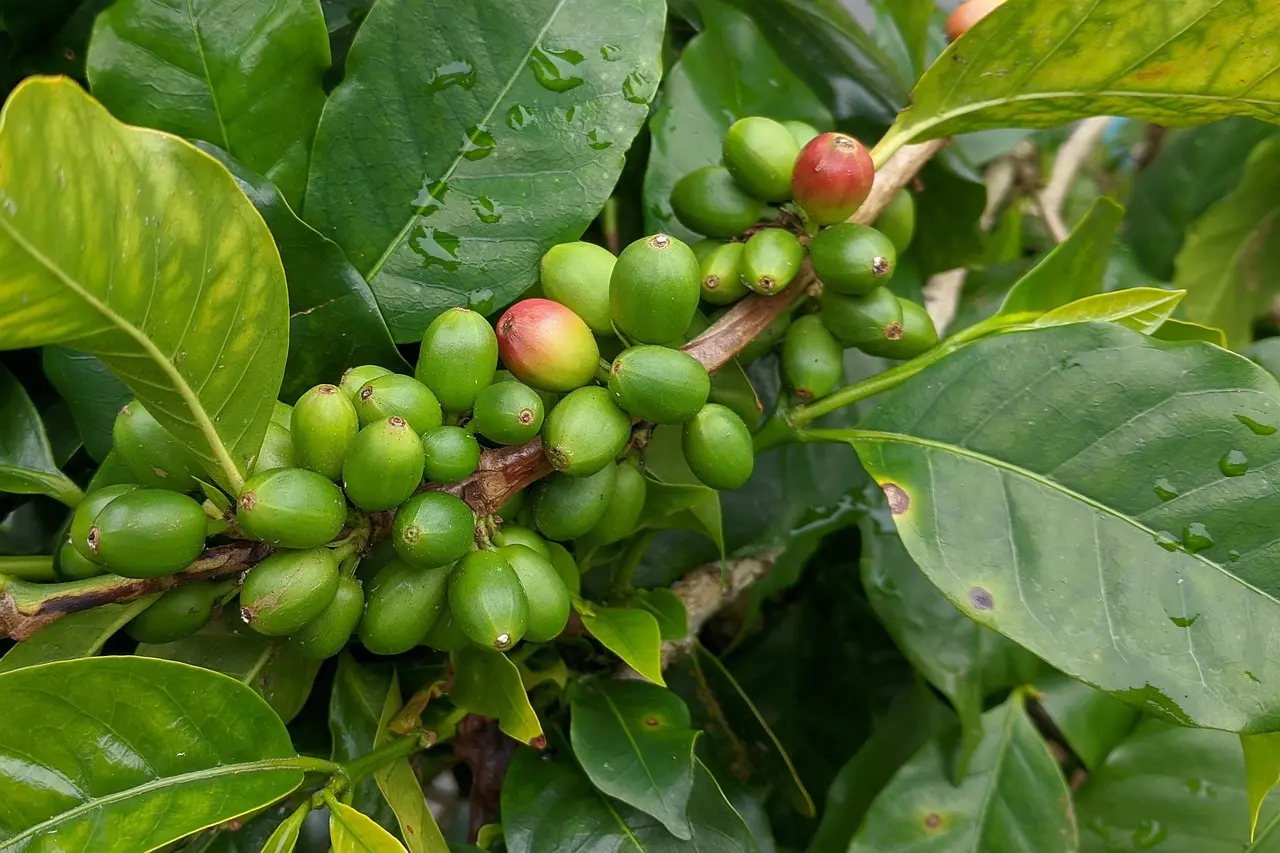
Coffea arabica, commonly known as the coffee plant or Arabica coffee, is an evergreen shrub or small tree in the family Rubiaceae. Native to the montane forests of Ethiopia and adjacent regions of northeastern Africa, it is the world’s most economically important coffee species and supplies most premium coffee production. The species is distinguished by its aromatic seeds, commonly known as coffee beans, which are produced within fleshy drupes called coffee cherries and processed into one of the world’s most widely consumed beverages.
Classification
- Plant Type
- Shrub
- Lifecycle
- Perennial
- Leaf Habit
- Evergreen
- Native Region
- East Africa
- Plant Family
- Rubiaceae
Within its native ecosystem, Coffea arabica functions as an understory species in humid tropical montane forests, where it contributes to forest structure and supports ecological interactions involving pollinating insects, frugivorous animals, and microbial communities. Unlike many congeners, it is predominantly self-compatible and self-pollinating, a reproductive strategy that has influenced both its domestication history and comparatively narrow genetic diversity. The species is also notable as a naturally occurring allotetraploid derived from hybridization between ancestral coffee lineages.
Coffee cultivation has shaped economies, trade systems, agricultural landscapes, and cultural practices for centuries. Originating from northeastern Africa and later disseminated through Yemen into global commerce, Arabica coffee became one of the most influential perennial crop species in agricultural history. Wild populations face increasing pressure from habitat loss, climate change, and genetic erosion despite the crop’s immense commercial success. This profile examines the species through taxonomic, biological, ecological, agricultural, phytochemical, and conservation perspectives.
Identity
Quick Plant Information Table
| Field | Value |
|---|---|
| Accepted Scientific Name | Coffea arabica L. |
| Primary Common Name | Coffee Plant |
| Plant Type | Evergreen shrub or small tree |
| Life Cycle | Perennial |
| Growth Habit | Upright branching woody shrub |
| Mature Size | Commonly 2–5 m in cultivation; larger under wild conditions |
| Growth Rate | Moderate |
| Flowering Season | Seasonal; varies regionally with rainfall patterns |
| Fruiting Season | Variable by climate and cultivation region |
| Light Requirement | Partial shade to filtered sun |
| Water Requirement | Moderate to high |
| Soil Preference | Deep, well-drained, organically rich soils |
| Temperature Tolerance | Sensitive to frost; performs best under mild tropical montane conditions |
| Pollination Type | Predominantly self-pollinating |
| Self-Fertility Status | Self-compatible |
| Primary Propagation Method | Seed |
| Typical Yield Class | Moderate to high commercial yield |
| Primary Use Categories | Beverage crop, agroforestry crop, commercial commodity |
| Toxicity Status | No documented intrinsic toxicity under normal cultivation exposure |
| Conservation Concern | Wild populations assessed as Endangered |
| Cultivation Difficulty Level | Moderate |
Classification and Taxonomy
| Field | Value | Notes |
|---|---|---|
| Accepted Scientific Name | Coffea arabica L. | Accepted taxon |
| Known Synonyms | Jasminum arabicum Juss. (historical usage) | Historical synonym |
| Taxonomic Authority Source | Linnaean nomenclature; modern usage stabilized in Rubiaceae references | Current accepted treatment |
| Assessment Date | 2026-06-01 | Current profile audit |
| Kingdom | Plantae | |
| Division | Magnoliophyta | Angiosperms |
| Class | Magnoliopsida | Eudicot lineage |
| Order | Gentianales | |
| Family | Rubiaceae | Coffee family |
| Subfamily | Ixoroideae | Accepted placement |
| Genus | Coffea | |
| Species | arabica | |
| Native Origin | Ethiopian Highlands and adjacent northeastern African montane regions | Concise summary |
| IUCN Status | Endangered | Wild populations only |
Related Species of Significance
| Species | Common Name | Distinguishing Feature | Economic or Ecological Significance |
|---|---|---|---|
| Coffea canephora | Robusta Coffee | Higher caffeine content and greater disease tolerance | Major global coffee crop |
| Coffea eugenioides | Eugenioides Coffee | One parental species of Arabica | Evolutionary and breeding importance |
| Coffea liberica | Liberica Coffee | Large fruits and distinctive flavour profile | Regional commercial crop |
| Coffea racemosa | Racemosa Coffee | Drought tolerance and low caffeine content | Breeding resource |
| Coffea stenophylla | Stenophylla Coffee | High-temperature tolerance with desirable flavour characteristics | Emerging climate-resilience interest |
Taxonomic Context
Coffea arabica occupies a unique position within the genus Coffea because it is both the most economically important species and the only widely cultivated allotetraploid coffee species. Historical confusion in trade has primarily involved cultivated forms, hybrids, and distinctions between Arabica and Robusta coffee rather than uncertainty regarding species identity itself. Modern genomic studies have reinforced its origin through hybridization between ancestral Coffea canephora and Coffea eugenioides lineages. Stable nomenclature is important for breeding programmes, germplasm conservation, phytosanitary regulation, and international commodity certification, where species-level identification directly affects cultivar registration and market classification.
Cytogenetics
| Parameter | Value | Notes |
|---|---|---|
| Chromosome Number | 2n = 44 | Established species count |
| Ploidy Level | Allotetraploid (4x) | Derived from ancestral hybridization |
| Genome Size | Approximately 1.3 Gb | Published genome assemblies |
| Ancestral Contributors | C. canephora and C. eugenioides | Hybrid origin supported by genomic evidence |
Cytogenetic Note
The allotetraploid condition of Coffea arabica is central to its domestication history and breeding biology. The species contains duplicated chromosome sets derived from two ancestral diploid coffee species, creating a relatively narrow but commercially successful genetic foundation. Modern breeding programmes use this genomic knowledge to improve disease resistance, climate resilience, and cup quality while addressing the restricted genetic diversity that characterizes many cultivated Arabica populations.
Scientific Stability and Nomenclature
Coffea arabica L. remains the universally accepted scientific name for Arabica coffee and has maintained exceptional nomenclatural stability since its formal publication by Carl Linnaeus in Species Plantarum in 1753. Historical pre-Linnaean descriptions appeared in early botanical literature, including treatments derived from material cultivated in Europe after introduction from Arabian and African sources. The most significant nomenclatural transition involved movement from descriptive pre-Linnaean concepts, including the historical designation Jasminum arabicum used by Antoine de Jussieu in 1715, to Linnaean binomial classification in 1753. Subsequent advances in phylogenetics and genomics refined understanding of species relationships within Coffea but did not alter the accepted name.
Adoption of the Linnaean treatment is effectively universal across agricultural, scientific, commercial, and regulatory sectors. Modern genomic research has clarified the species’ allotetraploid origin and evolutionary history without generating competing nomenclatural systems. This stability substantially simplifies literature retrieval, germplasm documentation, international trade regulation, cultivar registration, and product labelling. Researchers and commercial stakeholders can generally rely on consistent species usage across contemporary databases, breeding records, conservation assessments, and commodity certification systems.
Synonymy Table
| Accepted Name (Current Authority) | Synonyms Commonly Encountered | Context Where Synonym Persists |
|---|---|---|
| Coffea arabica L. | Jasminum arabicum Juss. | Historical botanical literature |
| Coffea arabica L. | Arabica Coffee | Commercial and agricultural usage |
| Coffea arabica L. | Arabian Coffee | Historical horticultural references |
Form
Recommended Products
Disclosure: As an Amazon Associate, PlantsInfo may earn from qualifying purchases.
🌱 Plant Care Essentials
The following tools can help with pruning, plant health, soil management, and fruit garden maintenance.

Neem Oil for Plant Care
Natural plant protection against aphids, whiteflies, mites, and other common garden pests.

Fungicide for Root Care
Helps suppress soil-borne fungal diseases and supports healthier root systems.

Spray Bottle for Plants
Ideal for applying foliar sprays, neem oil solutions, and liquid plant treatments.

Rubber Hand Gloves
Protects hands during pruning, planting, soil preparation, and garden maintenance.
Growth Habit and Architecture
Coffea arabica is an evergreen shrub or small tree characterized by a dense, layered canopy and a strongly organized branching framework adapted to shaded tropical forest understories. The species combines a persistent woody structure with continuous vegetative renewal, producing a recognizable tiered architecture of horizontal lateral branches emerging from a dominant central stem. This arrangement maximizes light interception under filtered forest conditions while supporting repeated cycles of flowering and fruit production. In cultivation, pruning often modifies the natural architecture, but the characteristic combination of glossy foliage, horizontal branching, and compact crown structure remains distinctive across production systems.
| Parameter | Value | Notes |
|---|---|---|
| Life Form | Evergreen shrub or small tree | Woody perennial |
| Mature Height | 2–5 m (6.6–16.4 ft) cultivated; occasionally taller in wild populations | Variable |
| Canopy Spread | 2–4 m (6.6–13.1 ft) | Depends on pruning |
| Stem Type | Woody, upright | Persistent |
| Bark or Surface Texture | Smooth to slightly rough with age | Thin bark |
| Branching Pattern | Opposite, strongly horizontal laterals | Distinctive architecture |
| Root System Overview | Shallow-to-moderately deep fibrous root system with lateral spread | Morphology only |
| Growth Rate | Moderate | Environment dependent |
| Longevity | Several decades under cultivation | Long-lived perennial |
| Distinguishing Architectural Feature | Tiered horizontal branch system supporting dense canopy | Characteristic of Arabica coffee |
Stem
The stem serves as the structural framework supporting repeated flowering and fruiting cycles throughout the plant’s lifespan. Young stems are green and flexible before becoming woody and progressively gray-brown with age. The species lacks defensive armature and instead invests in a branching architecture optimized for canopy development and reproductive output. Internodes are generally regular and contribute to the orderly arrangement of leaves, flowers, and fruit clusters along lateral branches.
| Stem Characteristic | Description |
|---|---|
| Stem Type | Woody perennial stem |
| Cross-Section Shape | Circular |
| Mature Diameter | Commonly 5–15 cm (2–6 in) near base |
| Surface Texture | Smooth when young; slightly fissured with age |
| Colour (Young) | Green |
| Colour (Mature) | Gray-brown |
| Internode Length | Variable; commonly 2–8 cm (0.8–3.1 in) |
| Thorns, Spines, or Wings | Absent |
| Internal Structure | Solid with central pith |
| Mechanical Function | Supports canopy and fruit load |
Leaves
The foliage of Coffea arabica contributes substantially to its visual identity. Leaves are large, glossy, and persistent, creating a dense evergreen canopy adapted to filtered tropical light conditions. The combination of dark-green coloration, opposite arrangement, and gently undulating margins distinguishes the species from many sympatric shrubs. Healthy foliage provides much of the photosynthetic capacity required to support continuous vegetative growth and fruit development.
| Leaf Characteristic | Description |
|---|---|
| Presence | Present |
| Leaf Type | Simple |
| Size | Commonly 6–15 cm × 3–6 cm (2.4–5.9 × 1.2–2.4 in) |
| Colour | Glossy dark green above; lighter beneath |
| Arrangement | Opposite |
| Margin | Entire to slightly undulate |
| Special Features | Prominent gloss and distinct venation |
Flowers
The flowers of Coffea arabica are among the most recognizable features of the species, combining visual simplicity with considerable ecological importance. Produced in clusters along branch nodes, the flowers are bright white, intensely fragrant, and short-lived. Their strong scent attracts floral visitors while the species retains a high degree of self-compatibility. Synchronised flowering following suitable environmental conditions can transform entire plantations into highly conspicuous flowering landscapes and represents a critical stage in annual crop development.
| Floral Attribute | Description |
|---|---|
| Inflorescence Type | Axillary clusters |
| Flower Diameter | Approximately 1–2 cm (0.4–0.8 in) |
| Flower Length | Approximately 1–2 cm (0.4–0.8 in) |
| Outer Tepals or Sepals | Small green sepals |
| Inner Tepals or Petals | White fused petals forming a tubular corolla |
| Stamens | Typically five |
| Pistil | Single pistil |
| Fragrance | Strong, sweet fragrance |
| Anthesis Period | Short-lived; generally several days |
| Primary Pollinators | Bees and other insects |
| Flower Colour | White |
Fruit
| Fruit Characteristic | Description |
|---|---|
| Fruit Type | Drupe (“coffee cherry”) |
| Shape | Ovoid to nearly spherical |
| Length | 10–15 mm (0.39–0.59 in) |
| Diameter | 8–12 mm (0.31–0.47 in) |
| Weight | Variable among cultivars |
| Skin Colour | Green when immature; red or yellow when mature |
| Surface Features | Smooth |
| Flesh Colour | Pale yellow to translucent |
| Flesh Texture | Soft and mucilaginous |
| Seed Count | Commonly two seeds |
| Sugar Content | Present in fruit pulp; cultivar dependent |
| Maturation Period | Commonly 6–9 months after flowering |
Seeds
| Seed Characteristic | Description |
|---|---|
| Size | Approximately 8–12 mm (0.31–0.47 in) |
| Shape | Flattened on one side, convex on the other |
| Colour | Green to blue-green when processed and unroasted |
| Seed Coat | Thin parchment and silverskin layers |
| Oil Content | Documented; contributes to beverage quality |
| Viability Period | Relatively short under ordinary storage |
| Germination Rate | Variable; generally declines with storage duration |
Root System
Coffea arabica develops a predominantly fibrous root system consisting of a central framework of structural roots accompanied by extensive lateral roots and numerous fine absorptive roots. Most root biomass is concentrated within upper soil horizons, although deeper penetration occurs where soil structure permits. The species is sensitive to prolonged waterlogging because oxygen availability decreases in saturated substrates. The combination of lateral spread and moderate rooting depth contributes to efficient resource acquisition under forest conditions while also influencing irrigation management, planting density, and long-term plantation productivity. Wild populations rely on intact soil structure to maintain stable anchorage and resource access.
Field Identification
A mature coffee plant is most easily recognized by its evergreen habit, glossy opposite leaves, and highly organized horizontal branching pattern. During flowering, dense clusters of fragrant white blossoms emerge directly from branch nodes, while fruiting plants display conspicuous red or yellow coffee cherries distributed along lateral branches. The species is frequently confused with Coffea canephora (Robusta coffee), particularly in cultivation. The most reliable distinguishing feature is the combination of predominantly self-compatible reproduction and the characteristic morphology of Arabica foliage and canopy architecture, which generally appears more compact and refined than that of Robusta. In commercial settings, cultivar identity often requires documentation because many distinguishing traits overlap.
Normal vs. Concerning Observations
| Observation | Status | Explanation |
|---|---|---|
| Seasonal flowering flushes | Normal | Typical reproductive cycle |
| Gradual shedding of older leaves | Normal | Routine canopy renewal |
| Temporary reduction in growth during cooler periods | Normal | Environmental response |
| Limited fruit set in adverse weather | Monitor | May reflect environmental stress |
| Localized branch dieback | Investigate | May indicate physiological or pathological issues |
| Extensive leaf yellowing | Investigate | May signal nutrient or root-related problems |
| Uneven canopy development | Monitor | Requires observation for progression |
Cultivar Summary
| Cultivar | Key Characteristic | Commercial Status | Origin |
|---|---|---|---|
| ‘Typica’ | Traditional Arabica lineage | Historically documented | Yemen-derived introductions |
| ‘Bourbon’ | High cup quality | Commercially dominant | Réunion lineage |
| ‘Caturra’ | Compact growth habit | Regionally significant | Brazil |
| ‘Mundo Novo’ | Vigorous growth and productivity | Commercially dominant | Brazil |
| ‘Geisha’ | Exceptional flavour profile | Regionally significant | Ethiopian origin; developed in Panama |
Physiology and Phytochemistry
Functional Traits
Coffea arabica is a perennial evergreen understory species whose physiology reflects adaptation to humid tropical montane forests characterized by moderate temperatures, diffuse light, and relatively stable moisture availability. Rather than relying on extreme drought tolerance or rapid colonization, the species employs a strategy centered on long-term resource capture, persistent foliage, reproductive reliability, and substantial biochemical investment in defensive and signaling compounds. These traits operate together to balance growth, survival, and reproduction within competitive forest environments while also contributing to the chemical profile that underpins the species’ global agricultural and commercial importance.
| Trait | Mechanism Description | Adaptive Significance |
|---|---|---|
| Photosynthetic Pathway | C3 photosynthesis fixes atmospheric carbon dioxide directly through the Calvin cycle during daylight hours. | Efficient under shaded, moderate-temperature environments. |
| Water Use Strategy | Stomatal regulation moderates water loss while maintaining carbon assimilation under fluctuating moisture conditions. | Supports productivity in seasonal tropical climates. |
| Nutrient Acquisition | Extensive fine-root networks capture mineral nutrients from biologically active upper soil layers. | Facilitates growth in forest-derived soils with heterogeneous nutrient distribution. |
| Growth Form Strategy | Long-lived evergreen architecture maintains photosynthetically active foliage throughout the year. | Enables continuous resource acquisition and repeated reproductive cycles. |
| Reproductive Strategy | Predominantly self-compatible flowers permit seed production even under limited pollinator availability. | Enhances reproductive reliability. |
| Dispersal Mechanism | Fleshy fruit attracts vertebrate consumers that transport seeds away from parent plants. | Promotes colonization and genetic exchange. |
| Stress Response Mechanism | Physiological adjustments reduce growth and modify stomatal behaviour during environmental stress. | Improves survival during drought or temperature anomalies. |
| Chemical Defence | Alkaloids and phenolic compounds deter herbivores, pathogens, and some seed predators. | Protects reproductive and vegetative tissues. |
| Shade Adaptation | Leaf morphology and canopy architecture optimize light interception under low irradiance. | Increases competitiveness within forest understories. |
| Allotetraploid Genome Structure | Possesses duplicated chromosome sets derived from ancestral hybridization. | Contributes to developmental stability and breeding potential. |
Physiological Integration
The physiological strategy of Coffea arabica emerges from interactions among its resource-conserving traits rather than any single adaptation. Shade tolerance permits efficient operation of the C3 photosynthetic pathway within forest understories, reducing selection pressure for extreme water-conservation mechanisms. Reliable self-compatibility complements this strategy by maintaining reproductive output even when environmental conditions reduce pollinator activity. Chemical defence systems reinforce the long-lived evergreen habit by protecting persistent leaves and developing fruits, thereby preserving investments in tissues that remain functional for extended periods. The species’ moderate water-use strategy constrains productivity during severe drought, but the combination of stomatal regulation, evergreen foliage, and physiological stress responses enables survival across a range of tropical environments. Together, these traits form a coherent ecological strategy emphasizing persistence, reproductive reliability, and sustained resource capture rather than rapid opportunistic growth.
Phytochemistry
The phytochemistry of Coffea arabica is among the most intensively studied of any crop species because of its global economic importance and long history of human consumption. Research has focused primarily on seeds, where alkaloids, phenolic compounds, lipids, carbohydrates, and volatile precursors determine beverage quality and biological activity. Many compounds also perform ecological functions within the plant, including defence against herbivores and pathogens. The phytochemical profile is unusually well characterized at both biochemical and genomic levels, making Coffea arabica a model species for studies of plant secondary metabolism, crop quality, and domestication-related chemical variation.
| Compound Class | Representative Compounds | Primary Location | Ecological or Biological Function |
|---|---|---|---|
| Purine Alkaloids | Caffeine, theobromine | Seeds, leaves | Herbivore deterrence and physiological activity |
| Chlorogenic Acids | 5-Caffeoylquinic acid, dicaffeoylquinic acids | Seeds, leaves | Antioxidant activity and defence functions |
| Diterpenes | Cafestol, kahweol | Seeds | Defence and beverage bioactivity |
| Lipids | Linoleic acid, palmitic acid, oleic acid | Seeds | Energy storage and flavour development |
| Carbohydrates | Sucrose, arabinogalactans | Seeds | Energy reserve and roasting precursor chemistry |
| Volatile Precursors | Trigonelline, amino acids | Seeds | Aroma generation during roasting |
| Phenolic Compounds | Ferulic acid, caffeic acid | Leaves, seeds | Defence and oxidative regulation |
Phytochemical Organ Distribution
| Organ | Compound Class | Representative Compounds | Concentration |
|---|---|---|---|
| Seed | Purine Alkaloids | Caffeine | High |
| Seed | Chlorogenic Acids | 5-Caffeoylquinic acid | High |
| Seed | Diterpenes | Cafestol, kahweol | Moderate |
| Seed | Lipids | Linoleic acid, palmitic acid | Moderate |
| Seed | Carbohydrates | Sucrose | Moderate to high |
| Seed | Volatile Precursors | Trigonelline | Moderate |
| Leaf | Purine Alkaloids | Caffeine | Moderate |
| Leaf | Phenolic Compounds | Caffeic acid, ferulic acid | Moderate |
| Fruit Pulp | Phenolic Compounds | Chlorogenic acid derivatives | Moderate |
Phytochemical Significance
The phytochemical profile of Coffea arabica is dominated by compounds concentrated in the seed, reflecting the crop’s long-standing selection as a beverage species. Caffeine remains the most commercially recognized constituent, but chlorogenic acids, diterpenes, lipids, carbohydrates, and aroma precursors collectively exert greater influence on beverage quality, flavour complexity, processing behaviour, and nutritional research. Among these, chlorogenic acids and caffeine represent the most extensively characterized compound groups, while interactions among volatile precursors generated during roasting continue to receive substantial research attention.
The phytochemical literature is unusually mature compared with most cultivated plants, with extensive characterization of major compounds and their biosynthetic pathways. Synergistic effects among caffeine, chlorogenic acids, trigonelline-derived products, and roasting-generated volatiles contribute significantly to sensory properties and perceived biological activity. Research remains heavily concentrated on seeds, whereas leaves, flowers, and fruit tissues have received comparatively less attention. Geographic concentration bias is evident: much phytochemical research originates from Brazil, Colombia, Europe, North America, Ethiopia, and international coffee research networks. Nevertheless, the overall evidence base is global and exceptionally robust.
Evidence, Nutrition, and Safety
Evidence Hierarchy for Medicinal Use
| Evidence Layer | Status | Notes |
|---|---|---|
| Traditional Use | Documented | Coffee beverages have longstanding traditional use as stimulants, social beverages, and fatigue-reduction aids. |
| Nutritional Evidence | Documented | Chemical composition and nutritional properties are extensively characterized. |
| In Vitro Studies | Documented | Numerous studies evaluate antioxidant, metabolic, inflammatory, and cellular effects of coffee constituents. |
| Animal Studies | Documented | Multiple experimental models examine physiological and pharmacological effects of coffee compounds. |
| Human Clinical Studies | Documented | Extensive epidemiological and clinical literature exists for coffee consumption and health outcomes. |
| Regulatory Recognition | Partial | Coffee and caffeine are regulated as food constituents; health claims remain jurisdiction-specific. |
| Unsupported Commercial Claims | Documented | Claims regarding detoxification, disease cure, accelerated weight loss, or universal health benefits exceed available evidence. |
Evidence Assessment
The evidence base for Coffea arabica is unusually strong compared with most plant species used in food and wellness markets. Nutritional characterization, phytochemical analysis, observational epidemiology, and controlled human studies provide substantial support for several physiological effects associated with coffee consumption, particularly those linked to caffeine and polyphenol-rich fractions. However, a distinction remains between documented biological effects and commercial claims. Claims involving enhanced alertness and certain metabolic outcomes possess stronger evidential support than assertions regarding disease prevention, detoxification, anti-aging, or therapeutic cure. The largest evidence gap occurs between marketing narratives and the narrower conclusions supported by clinical research.
Nutritional Composition
Reference Material: Roasted coffee beverage prepared from Coffea arabica beans. Values represent typical composition and may vary with cultivar, roast level, brewing method, and serving strength.
| Nutrient | Value per 100 g | Notes |
|---|---|---|
| Energy | 1–2 kcal | Brewed beverage |
| Water | ~99 g | Major constituent |
| Protein | ~0.1 g | Low concentration |
| Fat | ~0.0 g | Negligible in brewed beverage |
| Carbohydrate | ~0.0–0.3 g | Brewing dependent |
| Potassium | ~49 mg | Major mineral |
| Magnesium | ~3 mg | Trace mineral contributor |
| Niacin (Vitamin B3) | ~0.2–0.3 mg | Formed partly during roasting |
| Caffeine | ~40 mg | Brewing dependent |
| Chlorogenic Acids | Variable | Significant polyphenol fraction |
| Sodium | ~2 mg | Naturally low |
| Phosphorus | ~3 mg | Minor constituent |
Nutritional Significance Note
The nutritional profile of brewed coffee is unusual because its physiological significance derives more from bioactive compounds than from macronutrient contribution. Relative to most food plants, energy, protein, fat, and carbohydrate contents are negligible in the prepared beverage. Caffeine and chlorogenic acids represent the most biologically significant constituents, while potassium contributes modest mineral intake. Bioavailability varies according to roast degree, brewing method, extraction efficiency, and serving size. Most published nutritional values derive from cultivated commercial coffee rather than wild populations, and many datasets reflect roasted and brewed products rather than raw seeds or fresh fruit tissues.
Soil Ecology and Mycorrhizal Associations
Coffea arabica commonly associates with arbuscular mycorrhizal fungi (AMF), particularly members of the genera Glomus, Rhizophagus, Acaulospora, and related taxa documented in coffee-growing systems. These symbioses facilitate nutrient acquisition, especially phosphorus uptake, and may contribute to improved stress tolerance under field conditions. Rhizosphere bacterial communities frequently include nitrogen-transforming, phosphorus-solubilizing, and plant-growth-promoting taxa, including representatives of Bacillus, Pseudomonas, and related genera reported from coffee agroecosystems.
Species-specific evidence for strong allelopathic effects remains limited, although decomposition products and leaf litter chemistry may influence local microbial and plant community dynamics. Current evidence suggests that mycorrhizal associations can contribute positively to establishment and nutrient-use efficiency, particularly in low-input systems. Some studies indicate that intensive fertilizer regimes may alter the abundance and composition of beneficial microbial communities, though outcomes vary among environments and management systems. The ecological importance of these interactions has generated interest in biological inoculants for sustainable coffee production and restoration of degraded agricultural landscapes. Research is strongest in cultivated systems and less comprehensive for wild Ethiopian populations.
Toxicity and Safety
| Subject | Toxic Compounds | Clinical Effects | Source |
|---|---|---|---|
| Humans | Caffeine; excessive intake associated with dose-dependent adverse effects | Anxiety, insomnia, palpitations, gastrointestinal disturbance at high intake levels | European Food Safety Authority; |
| Cats | Caffeine | Hyperactivity, tachycardia, tremors, seizures, potentially severe intoxication | ASPCA Animal Poison Control; |
| Dogs | Caffeine | Restlessness, cardiac stimulation, tremors, seizures | ASPCA Animal Poison Control; |
| Livestock | Caffeine documented as potentially toxic in excessive exposure scenarios | Species-dependent neurological and cardiovascular effects | Veterinary toxicology literature; /B |
Toxicity Context
Most safety concerns associated with Coffea arabica derive from caffeine exposure rather than intrinsic toxicity of the plant as a whole. Toxicological outcomes are strongly dose-dependent and differ substantially between humans and non-human animals. Moderate consumption of coffee beverages is generally regarded as safe for most healthy adults, whereas concentrated caffeine exposure presents greater risk. Sensitivity may be increased during pregnancy, in individuals with certain cardiovascular conditions, and among persons using medications that alter caffeine metabolism. Companion animals are considerably more susceptible to caffeine intoxication than humans. This profile does not constitute medical or veterinary advice.
Distribution and Habitat
Native Range and Distribution
Biogeographic Context
The native distribution of Coffea arabica is closely associated with the montane forests of southwestern Ethiopia and adjacent regions of South Sudan, where long-term climatic stability, complex topography, and humid forest environments supported its evolution. The species emerged within a landscape characterized by elevational gradients, fragmented forest refugia, and diverse ecological niches that promoted genetic differentiation. Unlike many globally cultivated crops, Arabica coffee remains naturally restricted despite its worldwide economic importance. Habitat conversion, agricultural expansion, forest fragmentation, and climate-driven range contraction have reduced the extent and connectivity of wild populations. Distribution research is strongly concentrated in Ethiopian literature and international coffee conservation programmes, creating a geographic bias in the evidence base for native population ecology and long-term conservation assessment.
Native Range
| Region | Countries or Sub-regions | Notes |
|---|---|---|
| Ethiopian Highlands | Southwestern Ethiopia, including Kaffa, Buno, Jimma, Illubabor, and surrounding montane regions | Core native distribution |
| Northeastern African Montane Forests | Adjacent highland areas of South Sudan | Native occurrence documented but less extensively studied |
| Montane Forest Refugia | Isolated forest systems within native range | Important reservoirs of genetic diversity |
Global Cultivation and Naturalisation
| Region | Countries or Areas | Cultivation Status | Notes |
|---|---|---|---|
| South America | Brazil, Colombia, Peru, Ecuador | Commercially established | Major global production centres |
| Central America | Costa Rica, Guatemala, Honduras, Nicaragua, Panama, El Salvador | Commercially established | Economically significant export crop |
| Caribbean | Jamaica, Dominican Republic, Cuba | Commercially established | Limited by topography and land availability |
| Africa | Ethiopia, Kenya, Tanzania, Rwanda, Uganda | Commercially established | Native and cultivated production overlap in some regions |
| South Asia | India | Commercially established | Often grown under shade systems |
| Southeast Asia | Indonesia, Vietnam, Philippines, Timor-Leste | Commercially established | Competition from Robusta in warmer lowlands |
| East Asia | Southern China | Emerging | Climatic limitations in some regions |
| Oceania | Papua New Guinea, Hawaii (USA), parts of Australia | Commercially established | Regional climatic constraints |
| Mediterranean Regions | Southern Europe and North Africa | Attempted — limited success | Winter temperatures restrict production |
| Temperate Regions | Greenhouse and protected cultivation worldwide | Experimental | Climate unsuitable for large-scale field production |
Cultivation Range Note
Commercially significant Arabica production is concentrated in tropical and subtropical highland regions where temperature, rainfall, and elevation approximate the species’ ecological requirements. Brazil remains the dominant producer and consequently contributes a disproportionate share of agronomic and production data, representing a notable research concentration bias.
Colombia, Ethiopia, Central America, and parts of East Africa provide additional major research and production systems. Emerging cultivation areas include parts of China and marginal highland regions outside traditional coffee belts. Attempts in Mediterranean and temperate climates generally depend on protected cultivation and have not achieved major commercial significance.
Natural Habitat
Within its native range, Coffea arabica occurs primarily in humid tropical montane forests where it functions as an understory shrub beneath a partially closed canopy. Natural populations are most frequently associated with mid- to high-elevation forest systems between approximately 1,000–2,200 m (3,281–7,218 ft) above sea level. Soils are typically well-drained, organic-rich, and derived from diverse geological substrates.
Associated vegetation includes broadleaf evergreen forest species, understory shrubs, lianas, and epiphytic communities. Moisture availability is generally reliable throughout much of the year, although seasonal fluctuations occur. The species exhibits moderate disturbance tolerance but depends on continued forest structure for long-term persistence. It is best characterized as a habitat specialist, a trait that increases conservation vulnerability while simultaneously explaining its preference for shaded cultivation systems worldwide.
Ecological Role
Within native Ethiopian montane forests, Coffea arabica contributes to ecosystem structure, nutrient cycling, and trophic interactions. The species produces nectar-rich flowers utilized by insect pollinators and fleshy fruits consumed by vertebrate dispersers. Wild populations support localized pollination networks involving bees, including species of Apis and related taxa documented in coffee-growing landscapes. Fruit consumption by birds and mammals facilitates seed dispersal and contributes to forest regeneration dynamics.
The ecological significance of Arabica coffee extends beyond direct species interactions because it occupies a characteristic understory niche within biodiversity-rich forest systems. Its presence can serve as an indicator of intact montane forest conditions in parts of its native range. Although pollination ecology has been extensively studied in agricultural systems, species-level documentation of all native pollinator and disperser relationships remains incomplete. Consequently, aspects of ecosystem-level interaction networks remain only partially resolved, particularly in remnant wild populations experiencing habitat fragmentation.
Ecological Role Table
| Role Type | Species or Agent Involved | Notes |
|---|---|---|
| Pollination Network Component | Apis mellifera and related bee species | Flower visitation documented |
| Seed Dispersal Resource | Frugivorous birds | Species-level relationships incompletely documented |
| Forest Understory Component | Native montane forest plant communities | Contributes to structural diversity |
| Food Resource | Small mammals and birds | Fruit consumed in native habitats |
Invasive Status
| Region | Status | Impact | Management |
|---|---|---|---|
| Pacific Islands (localized records) | Naturalised | Limited ecological impact documented | Monitoring where required |
| Tropical Regions Outside Native Range | Naturalised in scattered locations | Generally low invasion concern | Local assessment |
| Global Summary | Not considered a major invasive species | Limited evidence of significant ecosystem disruption | No widespread management programmes documented |
Invasive Status Note
Although Coffea arabica has naturalised outside its native range in some tropical regions, it is not generally regarded as a major invasive species and has not generated widespread ecological concern comparable to many other globally cultivated plants.
Climate and Stress Tolerance
Optimal Climate Parameters
| Parameter | Optimal Range | Tolerance Range | Notes |
|---|---|---|---|
| Mean Annual Temperature | 18–22°C (64–72°F) | 15–30°C (59–86°F) | Widely cited global production range |
| Daytime Temperature | 20–25°C (68–77°F) | 15–32°C (59–90°F) | Temperatures above range reduce performance |
| Nighttime Temperature | 15–18°C (59–64°F) | 10–22°C (50–72°F) | Highland production systems influential |
| Annual Rainfall | 1,200–2,200 mm (47–87 in) | 800–3,000 mm (31–118 in) | Global cultivation envelope |
| Dry Season Length | 1–3 months | 0–5 months | Regional variability documented |
| Relative Humidity | 60–80% | 40–95% | Influenced by local elevation and canopy cover |
| Solar Radiation | Moderate filtered sunlight | Approximately 30–100% full sunlight | Shade and full-sun systems both documented |
Climate Interpretation
Temperature remains the primary climatic constraint on global Arabica production. While the species evolved within relatively stable montane environments, cultivation has expanded into a broader climatic envelope through regional adaptation and management systems. Heat stress and elevated nighttime temperatures increasingly limit production in some traditional coffee regions, whereas frost remains a major constraint at the cooler margin of cultivation.
Rainfall is important but generally less restrictive than temperature provided moisture deficits are not prolonged. The native climatic envelope is narrower than the demonstrated cultivation envelope, reflecting centuries of agricultural selection and geographic expansion.
Stress Tolerance Profile
| Stress Type | Tolerance Level | Physiological Response | Notes |
|---|---|---|---|
| Drought | Moderate | Stomatal closure reduces transpiration and conserves water | Extended drought reduces productivity |
| Heat | Moderate | Photosynthetic efficiency declines and respiration increases | High temperatures impair performance |
| Cold or Frost | Low | Cellular damage occurs when tissues freeze | Major production limitation |
| Salinity | Low | Osmotic imbalance reduces water uptake efficiency | Sensitive species |
| Waterlogging | Low | Root oxygen deficiency disrupts physiological function | Prolonged saturation poorly tolerated |
| Air Pollution | Moderate | Antioxidant and stress-response pathways activated | Species-level data limited |
| Wind | Moderate | Growth regulation and increased water loss occur under exposure | Severe exposure damages tissues |
| Soil Compaction | Moderate to Low | Reduced root function limits water and nutrient acquisition | Species-level evidence available |
Compound Stress
Compound stress interactions are increasingly recognized as important determinants of Arabica performance. Drought combined with elevated temperature generally produces greater physiological disruption than either stressor alone because stomatal closure limits cooling while heat simultaneously increases metabolic demand.
Waterlogging combined with salinity may further impair root function by reducing oxygen availability and increasing osmotic stress. Although individual stress responses are comparatively well documented, species-level research examining multiple simultaneous stressors remains less extensive. This represents an important knowledge gap because future climate scenarios are likely to expose production systems to increasingly complex combinations of environmental pressures.
Adaptations and Reproductive Biology
Structural and Physiological Adaptations
Adaptation Narrative
The morphology of Coffea arabica reflects long-term evolution within humid tropical montane forests where light is filtered through a forest canopy and environmental conditions remain relatively stable. Unlike plants adapted to extreme drought, salinity, or open exposure, Arabica coffee exhibits structural adaptations that maximize efficiency under shaded forest conditions.
Broad evergreen leaves, horizontal branch architecture, shade-responsive canopy organization, and fleshy vertebrate-dispersed fruits all reflect adaptation to understory habitats. Whereas Block 3 described the physiological mechanisms through which the plant functions, the present section focuses on the physical structures that enable those physiological processes. Together these adaptations reveal a species specialized for persistence within relatively narrow ecological conditions rather than rapid colonization of highly variable environments.
Structural Adaptations
| Adaptation | Mechanism Description | Ecological Context |
|---|---|---|
| Broad Evergreen Leaves | Large leaf blades increase light interception under reduced irradiance. | Adaptation to forest understory conditions. |
| Glossy Leaf Surface | Smooth surfaces facilitate water shedding and maintain leaf function in humid environments. | Common in moist montane forests. |
| Opposite Leaf Arrangement | Leaf positioning reduces self-shading and improves canopy efficiency. | Supports light capture beneath taller vegetation. |
| Horizontal Branch Architecture | Lateral branch placement expands canopy area across available light space. | Characteristic of shaded habitats. |
| Persistent Woody Framework | Long-lived branches support repeated reproductive cycles over many years. | Favors stable forest environments. |
| Compact White Flowers | Flower morphology permits efficient self-pollination while remaining accessible to insects. | Enhances reproductive reliability. |
| Fleshy Coffee Cherry | Soft fruit tissue encourages vertebrate consumption and seed movement. | Supports dispersal in forest ecosystems. |
| Fibrous Root Network | Extensive fine-root architecture exploits nutrient-rich upper soil layers. | Adapted to forest soils with concentrated surface organic matter. |
| Allotetraploid Genome Structure | Stable chromosomal organization supports developmental consistency. | Derived from ancestral hybridization events. |
Climate Change Vulnerability
| Factor | Assessment | Notes |
|---|---|---|
| Primary Climate Sensitivity Factors | High sensitivity to elevated temperature and altered rainfall regimes | Documented across major production regions |
| Key Threatening Climate Processes | Warming, drought frequency, habitat fragmentation, climatic instability | Supported by modelling and field observations |
| Resilience Factors | Broad cultivation range, genetic resources, breeding programmes | Does not eliminate vulnerability |
| Confidence Level | High | Based on extensive agricultural and conservation literature |
Climate Vulnerability
Current evidence indicates that Coffea arabica is among the crop species most frequently cited as vulnerable to climate-driven shifts in suitability. Modelling studies and field observations consistently identify increasing temperatures, altered precipitation regimes, and habitat loss as major threats to both cultivated and wild populations.
Wild Ethiopian populations may be particularly vulnerable because of habitat specialization and restricted native distribution. Confidence in this assessment is high because conclusions are supported by conservation studies, production analyses, and climate-modelling research. Nevertheless, uncertainty remains regarding the adaptive capacity of underrepresented wild genetic resources and future breeding responses.
Phenological Calendar
| Event | Native Range Timing | Cultivated Range Timing | Environmental Triggers |
|---|---|---|---|
| Vegetative Growth Onset | Following seasonal rainfall periods | Variable; often associated with rainfall or irrigation cycles | Increased soil moisture and active growth temperatures |
| Flower Bud Initiation | Late dry season to early wet season | Regionally variable | Transition from dry to moist conditions |
| Anthesis or Peak Flowering | Early rainy season | Often synchronized with rainfall events | Rainfall following dry period |
| Fruit Development | Several months after flowering | Variable among production regions | Successful pollination and sustained resource availability |
| Fruit Maturation | Approximately 6–9 months after flowering | Commonly 6–10 months after flowering | Accumulated heat units and developmental progression |
| Seed Dispersal | Following fruit maturation | Limited in commercial systems; naturalised populations follow local fruiting cycles | Fruit ripening and vertebrate consumption |
| Dormancy or Rest Period | Reduced activity during less favorable seasons | Variable and often weakly expressed | Reduced moisture availability and environmental constraints |
Phenological Notes
Phenology in Coffea arabica is strongly influenced by moisture availability and seasonal transitions rather than by photoperiod alone. Flowering commonly follows rainfall events that terminate relatively dry periods, producing synchronized blooming across large areas. Considerable phenological plasticity is documented throughout the global cultivation range, with timing varying according to latitude, elevation, rainfall pattern, and local climate regime. Fruit development remains comparatively predictable in duration, whereas flowering schedules exhibit substantial regional variation.
Pollination Ecology
The pollination system of Coffea arabica is unusual among major crop species because it combines strong self-compatibility with measurable ecological benefits from insect visitation. This reproductive strategy reduces dependence on pollinator abundance while still allowing pollinator-mediated enhancement of fruit set and genetic exchange. Evolutionarily, the system likely contributed to the species’ ability to maintain reproduction in fragmented forest habitats and under cultivation. Pollination biology remains comparatively well studied in agricultural landscapes, although native ecosystem interactions are less comprehensively documented.
| Parameter | Value | Notes |
|---|---|---|
| Primary Pollinators | Apis mellifera and related bee species | Species-level documentation available |
| Secondary Pollinators | Solitary bees including Xylocopa spp. and related taxa | Regionally variable |
| Pollination Syndrome | Generalized insect pollination | White flowers and fragrance attract visitors |
| Floral Mechanism | Pollinators contact anthers and stigma while accessing nectar and floral resources | Physical pollen transfer occurs during visitation |
| Reproductive System | Predominantly self-compatible | Self-fertility documented |
| Seed Dispersal Agent | Frugivorous birds; species-level relationships incompletely documented | Vertebrate dispersal important in native habitats |
| Pollination Success Rate | Generally high under self-compatible reproduction | Enhanced by pollinator activity |
| Human Intervention | Biologically feasible but not required for routine seed production | Natural reproduction generally sufficient |
Pollination Context
Coffea arabica is primarily self-compatible rather than obligately outcrossing, a characteristic that contributes substantially to reproductive reliability. Pollinator visitation nevertheless remains ecologically and agriculturally important because it can improve fruit set and facilitate genetic exchange. Pollinator decline may therefore influence productivity even though complete reproductive failure is unlikely under most circumstances.
Human-mediated pollination is biologically possible because flowers possess accessible reproductive structures, but the species is not dependent upon such intervention. The distinction between biological capability and operational cultivation practice is important; management approaches belong outside the core species profile.
Seed Biology and Germination
| Parameter | Value | Notes |
|---|---|---|
| Seed Type | Recalcitrant to intermediate-storage seed | Sensitive to desiccation |
| Dormancy Class | Limited physiological dormancy | Variable among seed lots |
| Dormancy-Breaking Requirement | No universally required dormancy-breaking treatment documented | Fresh seed often germinates readily |
| Optimal Germination Temperature | Approximately 25–30°C (77–86°F) | Commonly reported range |
| Germination Rate | Variable; often 60–90% for fresh viable seed | Seed quality dependent |
| Germination Period | Approximately 30–90 days | Environmental conditions influence timing |
| Storage Behaviour | Viability declines during prolonged storage | Not a long-term storage species |
| Seed Longevity | Commonly several months under suitable storage conditions | Strongly affected by moisture and temperature |
Germination Notes
The principal biological challenge associated with Arabica coffee germination is sensitivity to storage-related viability loss. Germination performance declines as seeds age, particularly when moisture balance is not maintained. Dormancy is generally weak compared with many wild species, although variability among cultivars, seed lots, and storage histories has been documented. Most germination research derives from cultivated rather than wild-collected seed, and consequently less information is available regarding germination ecology within natural populations.
Vegetative Reproduction
| Parameter | Value | Notes |
|---|---|---|
| Vegetative Regeneration Capacity | Moderate | Regeneration from vegetative tissues documented |
| Primary Regeneration Mechanism | Stem-derived vegetative propagation | Common in cultivation systems |
| Minimum Propagule Size | Not documented in species-level ecological literature | Operational standards vary |
| Ecological or Invasive Significance | Limited ecological significance relative to seed reproduction | Seed production remains primary natural pathway |
Human Interaction
Economic Importance
Economic Context
Coffea arabica is among the most economically important crop species in global trade and remains the dominant source of specialty and premium coffee products. Production is concentrated in tropical highland regions, with Brazil, Colombia, Ethiopia, Honduras, Guatemala, and Peru among the most significant producers. International commerce is overwhelmingly based on cultivated rather than wild-harvested material, although wild genetic resources remain important for breeding and conservation programmes.
Quality differentiation depends on cultivar identity, terroir, processing method, and post-harvest handling, creating substantial value variation within the market. Major supply-chain vulnerabilities include climate-related production instability, emerging pest and disease pressures, labour shortages, and concentration of production within environmentally sensitive regions. These factors influence both commodity markets and premium specialty sectors.
Economic Uses
| Use Category | Description | Economic Impact |
|---|---|---|
| Beverage Production | Roasted seeds used for coffee beverages | Primary global economic driver |
| Specialty Coffee Industry | Premium-grade coffees differentiated by origin and quality | High-value export sector |
| Processed Food Products | Coffee extracts, flavourings, concentrates | Significant secondary market |
| Nutraceutical Products | Caffeine and coffee-derived ingredients | Growing commercial sector |
| Cosmetic Ingredients | Coffee oils, extracts, and derivatives | Niche but expanding market |
| Agroforestry Systems | Integrated crop production within diversified farming systems | Regional economic importance |
| Genetic Resources | Breeding material and cultivar development | Strategic long-term value |
| Summary Economic Assessment | One of the world’s most valuable internationally traded agricultural commodities | Global economic significance |
Traditional Uses
| Use Category | Knowledge System | Region or Cultural Group | Practice Summary | Documentation Level |
|---|---|---|---|---|
| Beverage Use | Ethiopian Coffee Traditions | Ethiopian highland communities | Preparation and consumption of coffee beverages | Extensive |
| Ceremonial Consumption | Ethiopian Coffee Ceremony | Ethiopia | Formal social and ceremonial coffee preparation | Extensive |
| Stimulant Use | Arabian Coffee Traditions | Yemen and Arabian Peninsula | Consumption for alertness and social interaction | Extensive |
| Monastic Use | Sufi Traditions | Yemen | Beverage use during religious practice | Historical documentation |
| Medicinal Beverage Use | Ethiopian Traditional Medicine | Ethiopia | Use as a stimulating beverage in traditional practice | Partial |
| Social Hospitality | East African Coffee Traditions | East Africa | Hospitality and community gatherings | Extensive |
| Cultural Exchange Commodity | Red Sea Trade Networks | Horn of Africa and Arabia | Historical trade and cultural transmission | Extensive |
Traditional Use Summary
The deepest documented traditional knowledge systems associated with Coffea arabica originate in Ethiopia and the Arabian Peninsula, where coffee developed from a regional plant resource into a culturally significant beverage and social institution. Ethiopian coffee ceremonies remain active cultural traditions, while Yemeni and broader Arabian traditions played a central role in the species’ global dissemination.
Many practices remain living traditions rather than solely historical records. Traditional medicinal applications are documented but generally less prominent than beverage, ceremonial, and social uses. The global coffee industry emerged from a comparatively concentrated geographic and cultural foundation, creating a marked contrast between the localized origins of traditional knowledge and the worldwide scale of modern commercial development.
Regional Ethnobotanical Context
The ethnobotanical history of Coffea arabica spans several centuries and reflects a transition from localized use within northeastern Africa to one of the most influential crop traditions in human history. The species became integrated into social, ceremonial, agricultural, and commercial systems long before modern industrial production emerged.
Ethiopian communities developed enduring cultural relationships with coffee that persist today, while transmission through Yemen transformed the species into a major trade commodity linking Africa, the Middle East, Asia, and eventually the Americas. This continuity of use has generated an unusually rich ethnobotanical record in which agricultural practice, cultural identity, commerce, and ritual remain closely intertwined despite extensive globalization of production and consumption.
Traditional Ecological Knowledge
Documented traditional ecological knowledge associated with Coffea arabica is concentrated primarily in agroforestry systems and shade-based cultivation landscapes. Traditional production systems in Ethiopia and parts of Central America frequently integrate coffee within mixed-species vegetation structures that maintain ecological functions while supporting crop production.
Knowledge concerning shade-tree selection, landscape integration, and long-term stewardship of coffee-growing environments is well documented. Evidence for species-specific ecological indicator use, living-fence applications, or comparable ecological roles beyond agroforestry integration is comparatively limited. This represents a moderate research gap because many locally held ecological practices remain underrepresented in the formal literature.
Ethical Considerations
The geographic origin of Coffea arabica lies within the montane forests of Ethiopia, with early domestication, cultural development, and dissemination closely associated with Ethiopian communities and later with Arabian coffee traditions, particularly in Yemen. These regions constitute the principal cultural origins of the knowledge systems that shaped the species’ transformation from a regional plant resource into a globally traded commodity.
Documentation of traditional knowledge is extensive for ceremonial, social, and beverage uses, especially within Ethiopian coffee traditions and historical Arabian coffee culture. However, the depth of documentation varies considerably among communities, and many localized practices remain less thoroughly recorded than commercial production systems.
The Nagoya Protocol is relevant to Coffea arabica because the species possesses significant economic and genetic value, particularly in relation to breeding programmes and wild germplasm resources. However, no widely recognized access-and-benefit-sharing case has become the defining international example for this species. Likewise, no major biopiracy allegation or landmark patent dispute specific to Coffea arabica traditional knowledge has been documented as a dominant issue within the scientific literature.
A notable attribution gap nevertheless exists. The economic benefits generated by global coffee markets have often accrued disproportionately outside the regions where the species originated and where foundational traditional knowledge developed. This imbalance is particularly evident when comparing the economic scale of international coffee consumption with the relatively limited share of value retained within many origin communities.
Researchers, product developers, and commercial buyers operating internationally should therefore prioritize transparent sourcing, recognition of geographic origin, compliance with applicable access-and-benefit-sharing frameworks, and accurate attribution of cultural and agricultural contributions associated with the species. Such practices support both scientific integrity and equitable participation within global coffee value chains.
Cultural Significance
Few plant species possess cultural significance comparable to that of Coffea arabica. In Ethiopia, coffee functions as a symbol of hospitality, community, continuity, and cultural identity. The Ethiopian coffee ceremony remains one of the most widely recognized plant-based cultural traditions in the world, integrating social interaction, hospitality, and ritualized preparation. In Yemen and the broader Arabian Peninsula, coffee historically became associated with scholarship, religious gatherings, trade networks, and urban social life.
As coffee spread globally, it acquired new layers of meaning while retaining connections to its geographic origins. Coffeehouses played important roles in intellectual exchange, commerce, literature, and political discussion across Europe, the Middle East, and later the Americas. Contemporary coffee culture encompasses specialty production, origin-based identity, tourism, culinary appreciation, and public education. Cultural significance remains geographically concentrated in origin regions and historic coffee cultures, yet the species simultaneously functions as a global symbol of sociability, productivity, and shared daily ritual. Public interest, agrotourism, and specialty coffee movements continue to reinforce these cultural associations.
Applied Cultivation Knowledge
Cultivation Summary
| Parameter | Value | Notes |
|---|---|---|
| Hardiness or Climate Zone | Tropical and subtropical highland climates | Reflects global cultivation envelope |
| Soil pH Range | Approximately 5.0–6.5 | Commonly reported productive range |
| Moisture Sensitivity | Moderate; sensitive to prolonged waterlogging | Biological response profile only |
| Light Sensitivity | Adapted to partial shade but capable of growth in higher light environments | Biological orientation only |
| Productive Lifespan | Commonly several decades | Varies among production systems. |
Pest, Disease and Physiological Burden Summary
Coffea arabica is moderately susceptible to a range of well-documented pests, pathogens, and physiological stressors. Major biological burdens include coffee leaf rust (Hemileia vastatrix), coffee berry disease (Colletotrichum kahawae), coffee berry borer (Hypothenemus hampei), root-associated pathogens, drought stress, heat stress, and frost injury. The burden profile is exceptionally well documented because of the species’ economic importance and extensive global cultivation history.
Failure Points and Commercial Risks
| Risk | Cause | Commercial Impact | Mitigation Domain |
|---|---|---|---|
| Heat Stress | Elevated temperatures exceeding optimal physiological range | Reduced yield and quality | Genetic |
| Drought-Induced Yield Reduction | Moisture deficit during critical developmental stages | Production instability | Agronomic |
| Coffee Leaf Rust | Infection by Hemileia vastatrix | Significant crop loss | Genetic |
| Coffee Berry Borer Damage | Infestation by Hypothenemus hampei | Reduced marketable yield | Agronomic |
| Frost Injury | Exposure to freezing temperatures | Plant mortality and crop failure | Infrastructural |
| Cultivar–Environment Mismatch | Deployment outside suitable production environments | Reduced performance and profitability | Genetic |
| Supply Chain Disruption | Climate instability and production concentration | Market volatility | Regulatory |
Conservation and Research
Conservation Analysis
The principal conservation concern surrounding Coffea arabica is not the immediate survival of the cultivated crop but the decline of wild populations and the erosion of their genetic diversity. Wild Arabica populations occupy a comparatively restricted native range in Ethiopian and adjacent northeastern African montane forests, where habitat loss, fragmentation, agricultural expansion, and climate change continue to reduce population resilience. The primary risk is simultaneously ecological and genetic: habitat degradation reduces population size, while genetic erosion diminishes the evolutionary resources available for future adaptation.
Commercial cultivation creates a complex conservation dynamic. Global production demonstrates the species’ agricultural success, yet most cultivated Arabica derives from a relatively narrow genetic foundation. As a result, commercial abundance does not necessarily safeguard the full spectrum of wild genetic diversity. Wild populations contain traits potentially valuable for disease resistance, drought tolerance, temperature adaptation, and long-term breeding programmes. Loss of these populations could constrain future crop improvement efforts. Long-term sustainability therefore depends upon maintaining both productive cultivated systems and genetically diverse wild populations capable of contributing to future adaptation under changing environmental conditions.
Conservation Status
| Parameter | Value | Notes | Source |
|---|---|---|---|
| IUCN Red List Category | Endangered | Wild populations | ; https://www.iucnredlist.org/species/18289708/18585757 ; Accessed 2026-06-01 |
| IUCN Red List Criteria | EN A2c | Habitat decline and projected impacts | ; https://www.iucnredlist.org/species/18289708/18585757 ; Accessed 2026-06-01 |
| Population Trend | Decreasing | Wild populations | ; https://www.iucnredlist.org/species/18289708/18585757 ; Accessed 2026-06-01 |
| Date of Assessment | 2019 | Current published assessment | ; https://www.iucnredlist.org/species/18289708/18585757 ; Accessed 2026-06-01 |
| Geographic Scope of Assessment | Global assessment focused on native wild populations | Does not represent cultivated abundance | ; https://www.iucnredlist.org/species/18289708/18585757 ; Accessed 2026-06-01 |
| Threats Summary | Habitat loss, climate change, forest fragmentation, genetic erosion | Multiple interacting threats | ; https://www.iucnredlist.org/species/18289708/18585757 ; Accessed 2026-06-01 |
Conservation Status Context
The Endangered status applies to wild populations rather than cultivated production systems. Commercial cultivation has prevented immediate species disappearance but does not replace the ecological and genetic importance of native populations. Continued habitat loss and climate-driven range contraction threaten the genetic resources that underpin future breeding and adaptation. Conservation strategies increasingly emphasize both in situ protection of wild populations and ex situ preservation of germplasm collections to maintain long-term crop resilience.
Research Coverage and Knowledge Gaps
| Research Topic | Coverage Level | Key Gaps | Priority |
|---|---|---|---|
| Crop Genetics | High | Wild diversity representation | High |
| Climate Adaptation | High | Long-term adaptive capacity | High |
| Wild Population Ecology | Moderate | Native interaction networks | High |
| Soil Microbiology | Moderate | Native-range microbial ecology | Medium |
| Phytochemistry | High | Non-seed tissue chemistry | Medium |
| Conservation Genetics | Moderate | Population connectivity | High |
Research Landscape
Research output for Coffea arabica continues to expand and remains among the most active of any crop species. Much of the literature is geographically concentrated in Brazil, Colombia, Ethiopia, Europe, and North America, reflecting both production importance and research infrastructure. Studies include academic, governmental, and industry-supported programmes, particularly in breeding, quality assessment, and climate resilience. This extensive research base provides comparatively high confidence for many biological and agricultural topics, although important gaps remain regarding wild populations, ecological interactions, and underrepresented regions within the native range.
Priority Knowledge Gaps
The most significant unresolved questions concern the future adaptive capacity of wild Arabica populations under accelerating climate change. Although cultivated varieties have been extensively studied, many wild populations remain incompletely characterized genetically, limiting understanding of their potential value for breeding programmes. Better resolution of population connectivity across fragmented Ethiopian forests would improve conservation planning and germplasm management.
Additional gaps involve ecological interactions within native habitats. Pollination networks, seed-dispersal systems, and rhizosphere processes are considerably less studied in wild populations than in agricultural systems. This limits understanding of ecosystem resilience and the ecological requirements necessary for long-term conservation.
Phytochemical research remains heavily concentrated on seeds and beverage chemistry. Comparatively little attention has been directed toward flowers, fruit pulp, leaves, and developmental-stage variation. Improved characterization of these tissues could identify novel compounds and clarify ecological functions.
Finally, predictive models frequently focus on cultivation suitability rather than evolutionary adaptation. More research is needed to determine how wild populations respond genetically and phenologically to environmental change, and whether existing conservation networks adequately preserve adaptive diversity for future crop improvement.
Interesting Facts
A Hybrid Origin Created The Species
Coffee arabica originated through ancient hybridization between ancestors of Coffea canephora and Coffea eugenioides. This event produced the only widely cultivated allotetraploid coffee species, fundamentally shaping its genetics and breeding behaviour.
Wild Coffee Is Endangered Despite Global Abundance
The species is cultivated across the world, yet its wild populations are classified as Endangered. Agricultural success therefore masks substantial conservation concern within its native range.
Most Commercial Arabica Shares Narrow Ancestry
Many cultivated Arabica populations descend from a relatively small number of historical introductions. This restricted genetic base increases the value of wild populations as reservoirs of adaptive diversity.
Coffee Flowers Resemble Jasmine More Than Coffee Beans
The flowers are white, highly fragrant, and visually similar to jasmine blossoms. Their appearance contrasts sharply with the roasted seeds that dominate public recognition of the species.
The Most Important Chemistry Appears After Harvest
Many signature coffee aromas do not exist in the fresh seed. Roasting transforms precursor compounds such as trigonelline, amino acids, and sugars into hundreds of volatile aroma molecules responsible for coffee flavour.
Frequently Asked Questions
Identification and Biology
Is Arabica coffee naturally a tree or a shrub?
In natural habitats, Coffea arabica typically develops as a large shrub or small understory tree. Growth form varies with environmental conditions and cultivation systems, but the species consistently maintains a woody perennial structure with evergreen foliage, horizontal branching, and repeated flowering cycles. Commercial pruning often makes cultivated plants appear much smaller than their natural growth potential.
Why is Arabica coffee considered different from Robusta coffee?
Arabica and Robusta belong to different species with distinct evolutionary histories. Arabica is an allotetraploid species that is predominantly self-compatible, whereas Robusta is generally diploid and more dependent on cross-pollination. Arabica is often associated with more complex flavour profiles, while Robusta typically exhibits greater heat tolerance, disease resistance, and caffeine concentration.
Origin and Conservation
Where did Arabica coffee originate?
The species evolved within montane forests of Ethiopia and adjacent northeastern African regions. These forests remain the centre of origin for wild populations and contain genetic diversity not fully represented in cultivated coffee. Conservation of these native populations is important because they provide evolutionary resources that may support future breeding and climate adaptation efforts.
If coffee is grown everywhere, why is it endangered?
This is one of the most commonly misunderstood aspects of the species. The Endangered classification applies to wild populations rather than cultivated plantations. Agricultural production depends largely on domesticated genetic lineages, while native populations continue to experience habitat loss, fragmentation, and climate-related pressures within their natural range.
Phytochemistry and Benefits
Is caffeine the only important compound in Arabica coffee?
No. Although caffeine is the most widely recognized constituent, Arabica coffee contains numerous biologically and commercially important compounds. Chlorogenic acids, diterpenes, lipids, carbohydrates, trigonelline, and roasting-derived aroma compounds collectively contribute to flavour, quality, physiological activity, and commercial value. The phytochemical profile is substantially more complex than caffeine alone.
Does Arabica coffee naturally contain less caffeine than Robusta?
Yes. Arabica generally contains lower caffeine concentrations than Coffea canephora (Robusta). This difference is genetically determined and influences flavour, bitterness, and commercial positioning. Lower caffeine concentration does not imply lower quality; rather, it contributes to the distinctive sensory profile that has made Arabica the dominant specialty coffee species.
Biological Surprises
How can a self-pollinating plant still benefit from pollinators?
Arabica coffee is largely self-compatible, meaning it can reproduce without requiring pollen from another individual. However, insect visitation can improve pollination efficiency and fruit set while also facilitating occasional genetic exchange. This combination of reproductive independence and ecological interaction is an important feature of the species’ evolutionary success.
Why do coffee flowers and coffee beverages seem unrelated?
The flowers, fruits, and roasted seeds represent very different stages of the plant’s life cycle. Fragrant white flowers resemble ornamental garden species, while the characteristic coffee aroma develops only after harvesting and roasting transform seed chemistry. Most consumers therefore encounter the plant only after extensive biological and processing changes have occurred.
Conclusion
Coffea arabica occupies a unique position among cultivated plants because it combines profound economic importance, extensive scientific study, deep cultural history, and remarkable biological complexity. From its origins in Ethiopian montane forests to its role in global agriculture, the species has shaped trade, research, and human societies on an international scale.
Its central long-term challenge is the conservation of wild genetic diversity. Although cultivation remains widespread, habitat loss, climate change, and population fragmentation threaten the evolutionary resources needed for future adaptation. Protecting these resources is therefore both a conservation objective and an agricultural necessity.
Future priorities include climate-resilience breeding, conservation genetics, native ecosystem research, and expanded study of undercharacterized biological traits beyond seed chemistry and crop production. Readers seeking practical or specialized information should consult How to Grow Coffee Plant, Benefits and Uses of Coffee Plant, Quick Facts about Coffee Plant, Seasonal Guide of Coffee Plant, Problems and Diseases about Coffee Plant, and Coffee Plant: Varieties and Cultivars.
Source Classification System
This profile uses a three-tier source reliability framework.
– Peer-reviewed scientific literature, monographs, systematic reviews, and primary research publications.
– Authoritative institutional databases, government resources, and internationally recognized reference systems.
Source Class C – Ethnobotanical literature, agricultural extension publications, historical sources, traditional knowledge documentation, and other grey literature.
Where multiple source classes are cited, the highest-quality available evidence was prioritized.
References
A. Primary Taxonomic Sources
- Kew Science. Plants of the World Online. Coffea arabica L. Available at: https://powo.science.kew.org/ . Accessed 2026-06-01.
B. Peer-Reviewed Literature
- Davis, A.P., Tosh, J., Ruch, N., Fay, M.F. (2011). Growing coffee: Psilanthus merged with Coffea and the origin of coffee species. Taxon. 60(3): 867–878. DOI: 10.1002/tax.603020.
Annotation: Clarifies taxonomic relationships and evolutionary context within the coffee lineage. - Scalabrin, S. et al. (2020). A single polyploidization event at the origin of the tetraploid genome of Coffea arabica. Nature Communications. 11: 3888. DOI: 10.1038/s41467-020-17498-4.
Annotation: Documents the genomic origin and allotetraploid structure of Arabica coffee. - Bunn, C., Läderach, P., Ovalle Rivera, O., Kirschke, D. (2015). A bitter cup: Climate change profile of global production of Arabica and Robusta coffee. Climatic Change. 129: 89–101. DOI: 10.1007/s10584-014-1306-x.
Annotation: Examines climate vulnerability and future cultivation suitability.
C. Monographs, Books and Technical Reports
- Wintgens, J.N. (Ed.). (2009). Coffee: Growing, Processing, Sustainable Production. 2nd Edition. Wiley-VCH.
Comprehensive reference covering biology, cultivation, processing, and global production systems.
D. Databases and Online Resources
- IUCN Red List. Coffea arabica. https://www.iucnredlist.org/species/18289708/18585757 . Accessed 2026-06-01.
- World Coffee Research. Arabica Coffee Resources. https://worldcoffeeresearch.org/ . Accessed 2026-06-01.
- Plants of the World Online. https://powo.science.kew.org/ . Accessed 2026-06-01.
E. Grey Literature
- World Coffee Research. (2024). Arabica Coffee Research Resources and Germplasm Documentation.
Provides breeding, germplasm, and crop-improvement information relevant to global Arabica production.