Introduction
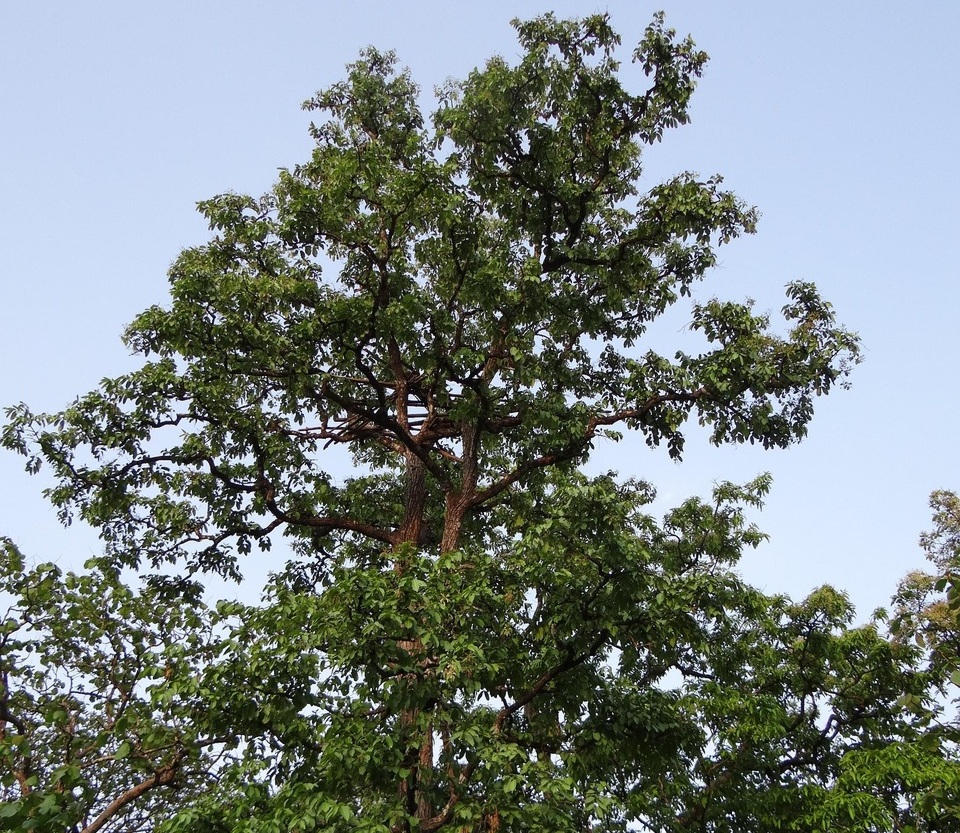
Terminalia arjuna (Roxb. ex DC.) Wight & Arn. is a large, deciduous riparian tree native to the Indian subcontinent, where it grows characteristically along the banks of rivers, streams, and seasonal watercourses across tropical and subtropical lowland zones. It belongs to the family Combretaceae and is one of the most ecologically and economically prominent native trees of peninsular India. The species reaches considerable stature, with mature specimens attaining heights of 20–27 m and developing a characteristic buttressed trunk and broadly spreading crown that provides substantial shade and riverbank stabilisation.
Classification
- Plant Type
- Tree
- Lifecycle
- Perennial
- Leaf Habit
- Deciduous
- Native Region
- Indian Subcontinent, South Asia
- Plant Family
- Combretaceae
The tree occurs naturally across a wide elevational range, from sea level to approximately 900 m in the foothills of the Himalayas and the Western Ghats, and is particularly associated with moist deciduous and semi-evergreen forest transitions along watercourse margins. Its wide native distribution, combined with extensive planting as an avenue and shade tree throughout South Asia, has made it a familiar element of both natural riverine landscapes and human-managed green spaces. The species is noted for its ecological contributions to riparian ecosystems, including canopy formation, soil stabilisation on riverbanks, and support for diverse invertebrate and bird communities.
Terminalia arjuna has a long history of use in traditional South Asian land management and agroforestry systems, and the tree holds cultural significance in Indian tradition as a symbol of strength and resilience. Its timber, bark, and associated products have been exploited across centuries, and the species is the subject of a substantial body of botanical, ecological, and phytochemical research originating primarily from India.
Taxonomic Synonyms
| Field | Information |
|---|---|
| Accepted Scientific Name | Terminalia arjuna (Roxb. ex DC.) Wight & Arn. |
| Known Synonyms | Pentaptera arjuna Roxb. ex DC.; Terminalia berryi Wight & Arn.; Terminalia glabra Wight & Arn. |
| Taxonomic Authority Source | Kew Plants of the World Online (POWO) |
Quick Plant Information
| Field | Information |
|---|---|
| Common Name(s) | Arjun Tree; Arjuna; White Marudah; Koha |
| Scientific Name | Terminalia arjuna (Roxb. ex DC.) Wight & Arn. |
| Family | Combretaceae |
| Plant Type | Large deciduous tree |
| Lifespan | Perennial; long-lived (commonly exceeds 100 years) |
| Growth Habit & Form | Single-stemmed tree with buttressed base, spreading crown, drooping branchlets |
| Native Range | India, Sri Lanka, Nepal, Bangladesh, Myanmar |
| Climate Adaptation & Habitat Type | Tropical and subtropical moist to dry deciduous; characteristically riparian |
| Leaf Type | Simple, oblong to elliptic, coriaceous |
| Flower Color(s) | Pale yellow to cream-white |
| Fruit Type | Drupe-like, fibrous, with 5–7 hard longitudinal wings |
| Evergreen or Deciduous | Deciduous |
Botanical Description
Stem
The trunk of Terminalia arjuna is typically straight, cylindrical to slightly buttressed at the base, and covered in smooth to slightly flaking pale grey or whitish-grey bark that peels in thin, irregular, curved flakes to reveal a pinkish-buff or brownish inner surface. In mature trees the trunk diameter commonly reaches 60–100 cm or more, with the lower bole often developing low, plank-like buttresses on riverbank soils subject to periodic inundation. The wood is hard, heavy, and reddish-brown in the heartwood, with a fine to moderately coarse grain. Branchlets are slender, often pendulous or drooping, giving the crown a somewhat weeping character.
Leaves
Leaves are simple, alternate to sub-opposite, and borne on petioles of 0.5–1.5 cm that frequently bear two glands at the apex. The lamina is oblong to elliptic or oblong-lanceolate, measuring 5–14 cm in length and 3–7 cm in width, with a rounded to subcordate base and an obtuse to rounded apex. The leaf surface is coriaceous, glabrous to sparsely pubescent on the lower surface, and the margin is finely crenulate to nearly entire. Venation is pinnate with prominent secondary veins. New flush leaves often display a reddish or coppery tinge.
Flowers
Flowers are small, sessile or shortly pedicellate, and borne in axillary spikes or terminal paniculate racemes of 4–7 cm in length. The calyx is cream to pale yellow, with five short triangular lobes. Petals are absent; the perianth is formed entirely by the calyx tube, which is internally pubescent. Ten stamens are exserted, arranged in two whorls, with prominent anthers. The style is slender and erect. The flowers are pleasantly scented and attract insects during the flowering season.
Fruit
The fruit is a drupaceous to sub-woody, ovoid to oblong structure measuring 2.5–5 cm in length, bearing 5–7 prominent, hard, longitudinal wings or ridges that run the length of the fruit body, giving it a distinctively angular profile in cross-section. The fruit is indehiscent, smooth, and matures from green to brown or greyish-brown. It is technically a drupe but is functionally adapted for wind and water dispersal, with the wings providing buoyancy in water currents. The single seed is enclosed within a hard, fibrous endocarp.
Roots
Terminalia arjuna is characterised by a deeply penetrating taproot system supplemented by extensive lateral roots that spread widely in riparian soils and aid in riverbank stabilisation. Root architecture is strongly responsive to hydrological conditions, with surface-exposed lateral roots commonly visible on eroded or seasonally inundated riverbanks.
Growth Architecture & Life Strategy
Terminalia arjuna is a Phanerophyte in the Raunkiær classification, a long-lived deciduous tree with perennating buds well above ground level on persistent woody branches. It is a fast to moderately fast growing species in its early decades, capable of height increments of 1–2 m per year under favourable riparian conditions, slowing considerably as the tree matures. The crown is broadly spreading and somewhat weeping, casting a dense shade beneath mature specimens.
The species exhibits a pronounced riparian life strategy, with its establishment closely associated with seasonally inundated river margins and stream banks. Seed dispersal by water (hydrochory) is the dominant dispersal mode, with the winged fruits buoyed by floodwaters and deposited along suitable germination microsites during flood recession. This hydrochorous strategy, combined with tolerance of periodic waterlogging, underpins the species’ characteristic distribution pattern along the length of Indian river systems.
Terminalia arjuna is deciduous, shedding leaves during the hot dry season (typically February to April in peninsular India) and producing new leaf flush at the onset of the pre-monsoon or monsoon period. This seasonal leaf exchange is less abrupt than in many temperate deciduous trees, with new leaves often emerging before old leaves are fully shed, minimising periods of complete defoliation.
Common Types / Varieties
No named cultivars of Terminalia arjuna are formally recognised in international horticultural or forestry registries. The species shows moderate intraspecific variation in growth form, bark character, and leaf dimensions across its native range, with trees from moist riparian habitats in the Gangetic plain tending to be larger-statured than those from drier Deccan plateau margins, but these morphological variants have not been formally classified as distinct cultivars or botanical varieties. No Section 6 entry is generated as fewer than three named cultivars exist.
Native Range & Distribution
| Country / Territory | Range Status | Notes |
|---|---|---|
| India | Native | Widespread across peninsular India, Gangetic plains, and foothills to ~900 m; most abundant along river systems of Madhya Pradesh, Uttar Pradesh, Bihar, Jharkhand, Odisha, Maharashtra, and Karnataka |
| Sri Lanka | Native | Occurs in lowland dry and intermediate zones |
| Nepal | Native | Present in lowland Terai zone along riverine tracts |
| Bangladesh | Native | Found along major river systems |
| Myanmar | Native | Documented in western and central regions |
| Pakistan | Cultivated | Planted in gardens and avenues; not recorded as naturalised |
| Wider South Asia | Cultivated | Extensively planted as an avenue and shade tree throughout urban South Asia beyond native range |
Distribution records derived from GBIF occurrence datasets and regional botanical surveys. Distribution maps for this species can be generated from GBIF occurrence data at gbif.org.
Habitat & Ecology
Terminalia arjuna is a characteristically riparian species, most frequently encountered along the banks and margins of rivers, streams, tanks (reservoirs), and seasonal watercourses throughout tropical and subtropical India and adjacent countries. It grows from sea level to approximately 900 m in foothills, and is most abundant in moist deciduous, dry deciduous, and semi-evergreen forest zones where a reliable source of moisture persists through the dry season in the rooting zone.
The species tolerates periodic waterlogging and seasonal flooding, and in natural floodplain settings it is often a dominant canopy element on levee banks and higher river terraces. It is less tolerant of prolonged deep inundation than some other riparian species. The tree grows on a range of soil types, including alluvial loams, sandy loams, and clay-loam soils typical of floodplain deposits, and is notably tolerant of seasonally waterlogged clay soils.
Outside of strictly natural riparian contexts, Terminalia arjuna is extensively planted in urban greenways, parks, and roadsides across South Asia, demonstrating adaptability to well-drained conditions when adequate irrigation is provided during establishment. In natural settings the species typically grows in mixed deciduous communities with other riparian canopy species including Dalbergia sissoo, Acacia nilotica, and Diospyros spp.
Ecological Role
Terminalia arjuna plays an important structural and functional role in riparian ecosystems throughout its native range, forming part of the canopy layer along river margins and providing canopy closure that moderates stream-bank microclimate, reduces soil temperature, and suppresses herbaceous understorey competition. The dense leaf litter produced by mature trees contributes substantially to riverbank organic matter inputs and influences the nutrient dynamics of adjacent watercourses. The species’ deep and spreading root system provides significant soil-binding function on riverbanks susceptible to erosion during monsoon flood events.
The flowers attract a range of insect visitors including bees (Apidae) and flies (Syrphidae), providing nectar and pollen resources during the summer flowering season. The winged fruits are consumed by fruit-eating birds and mammals in some parts of the range, while the bark and young leaves are browsed by deer and other ungulates. Mature trees with cavities provide nesting sites for cavity-nesting birds and small mammals.
The species is also associated with the tasar silkworm (Antheraea mylitta), which uses its leaves as a food source in traditional silk production systems in central and eastern India, adding a further dimension to its ecological and economic significance in landscape systems.
Recommended Products
Disclosure: As an Amazon Associate, PlantsInfo may earn from qualifying purchases.
🌱 Plant Care Essentials
The following tools can help with pruning, plant health, soil management, and fruit garden maintenance.

Neem Oil for Plant Care
Natural plant protection against aphids, whiteflies, mites, and other common garden pests.

Fungicide for Root Care
Helps suppress soil-borne fungal diseases and supports healthier root systems.

Spray Bottle for Plants
Ideal for applying foliar sprays, neem oil solutions, and liquid plant treatments.

Rubber Hand Gloves
Protects hands during pruning, planting, soil preparation, and garden maintenance.
Functional Traits
| Trait | Value |
|---|---|
| Growth Form | Single-stemmed deciduous tree; drooping branchlets |
| Leaf Type | Simple; coriaceous; alternate to sub-opposite |
| Photosynthetic Pathway | C3 |
| Seed Type | Orthodox |
| Rooting Depth | Deep; taproot with extensive lateral spread in riparian soils |
| Wood Density | Approximately 0.75–0.85 g/cm³ (dense hardwood; values vary by source and provenance) |
Phenological Calendar
| Event | Tropical & Subtropical Regions | Regional Qualifiers & Seasonal Deviations |
|---|---|---|
| Leaf Flush | February–April (dry season flush preceding monsoon) | In wetter parts of the Western Ghats and Sri Lanka, flush may begin as early as January |
| Primary Flowering Onset | April–May (hot season to pre-monsoon) | Delayed to May–June at higher elevations and in Nepal Terai |
| Peak Flowering | May–June | Coincides with peak dry-to-wet season transition |
| Secondary Flowering | Not documented in available literature | — |
| Fruit Development | June–October (monsoon period) | Fruit development coincides with monsoon rains; water dispersal facilitated by monsoon flooding |
| Fruit Maturity | November–February | Later maturation recorded in Sri Lanka dry zone (December–March) |
| Seed Dispersal | November–March | Hydrochory dominant; fruits transported by receding monsoon floodwaters |
| Dormancy or Rest Period | Brief leafless period; approximately February–April in drier parts of range | Trees in wetter habitats may not be fully leafless at any point |
Flowering onset in Terminalia arjuna is primarily temperature- and photoperiod-driven, advancing with earlier onset of the hot dry season; populations in riparian habitats with persistent soil moisture may show extended and less synchronised flowering relative to trees on drier sites.
Reproductive Biology
Terminalia arjuna reproduces sexually by seed, with trees producing flowers annually from approximately 5–8 years of age under natural conditions. The flowers are small, cream-yellow, and borne in axillary spikes; they are bisexual (hermaphrodite) and produce both nectar and pollen, attracting a range of insect pollinators. The fruit is a drupaceous, winged structure adapted for hydrochorous dispersal, with the rigid longitudinal wings providing buoyancy when fruits enter water and facilitating downstream transport during monsoon flood events.
Natural seed germination occurs predominantly along river margins as floodwaters recede, depositing fruits in moist, disturbed silt substrates that represent favourable microsites for seedling establishment. Fruit set is generally good in mature trees within natural riparian habitats, and seed viability under ambient conditions is relatively short (several months), consistent with an Orthodox seed storage classification. Vegetative regeneration from root and stump sprouts also occurs, particularly following cutting or disturbance.
Pollination Ecology
| Field | Information |
|---|---|
| Pollination Mechanism | Insect |
| Primary Pollinator Groups | Bees (Apidae); flies (Syrphidae); small beetles (Coleoptera) |
| Pollination Syndrome | Entomophily |
| Floral Reward | Nectar and pollen |
Seed Biology & Germination Ecology
| Field | Information |
|---|---|
| Seed Type | Orthodox |
| Seed Viability Period | 3–6 months under ambient conditions; longer under cool, dry storage |
| Dormancy Type | None documented |
| Dormancy Breaking Mechanism | None documented; seeds germinate readily without pretreatment |
| Germination Temperature Range | 25–35 °C (77–95 °F) |
| Light Requirement for Germination | Not documented in available literature |
| Seed Bank Classification | Transient |
| Dispersal Unit | Winged fruit (hydrochory primary; wind and animal dispersal secondary) |
Seeds of Terminalia arjuna do not require scarification or stratification under standard nursery conditions, and germination typically occurs within 10–20 days of sowing in moist substrate at temperatures above 25 °C (77 °F). The transient seed bank behaviour reflects the hydrochorous dispersal strategy, with seeds adapted for rapid germination in freshly deposited moist silt following monsoon recession rather than for long-term soil bank persistence.
Vegetative Regeneration & Clonal Biology
| Field | Information |
|---|---|
| Vegetative Regeneration Capacity | Moderate |
| Primary Regeneration Mechanism | Stump and root-collar sprouting following cutting or disturbance |
| Tissue Types Capable of Regeneration | Root collar; stem base; lateral roots proximal to trunk |
| Apomixis Status | Not documented in available literature |
| Bulbil or Propagule Production | Absent |
| Layering Capacity | Not documented in available literature |
| Root Sprouting from Fragments | Documented from root-collar and stump tissue; lateral root fragment sprouting not documented |
| Clonal Spread Rate | Negligible under undisturbed conditions |
| Coppicing Response | Moderate coppicing response documented; used in traditional pollarding and firewood harvesting systems |
| Ecological or Invasive Significance of Clonal Biology | Low; clonal spread is localised to stump regeneration following cutting and does not contribute to landscape-scale spread |
Regeneration from stump and root-collar sprouts is ecologically and silviculturally significant in Terminalia arjuna, as it allows trees to re-establish rapidly following harvesting, flood damage, or browsing damage in natural riparian settings.
Soil Ecology & Rhizosphere Interactions
| Field | Information |
|---|---|
| Mycorrhizal Association Type | AM (arbuscular mycorrhizal) |
| Documented Fungal Partners | Not documented to species level in available literature |
| Nitrogen Fixation | Absent |
| Allelopathic Properties | Not documented in available literature |
| Documented Allelopathic Targets | Not documented in available literature |
| Rhizosphere pH Modification | Not documented in available literature |
| Root Exudate Compounds | Not documented in available literature |
| Soil Microbiome Influence | Not documented in available literature |
Biochemical Profile
| Compound Class | Compounds Documented | Primary Location in Plant | Ecological Function |
|---|---|---|---|
| Triterpenoids | Arjunic acid; arjunolic acid; arjungenin; arjunetin | Bark, heartwood | Herbivore deterrence; antimicrobial defence in plant tissues |
| Tannins | Arjunin; punicalagin; casuarinin; ellagic acid; gallic acid | Bark, leaves | Herbivore deterrence |
| Flavonoids | Arjunone; arjunolone; luteolin; quercetin | Bark, leaves | UV photoprotection; pollinator attraction |
| Glycosides | Arjunoside I–IV; terminoside A | Bark | Herbivore deterrence |
| Phytosterols | β-sitosterol; sitosterol glucoside | Bark, heartwood | Not documented in available literature |
| Minerals (high concentration) | Calcium, magnesium, zinc, copper | Bark | Not documented in available literature |
Research Coverage
| Field | Information |
|---|---|
| Research Coverage Level | High |
| Primary Research Fields | Phytochemistry; bark biochemistry; forest ecology; silviculture; tasar silkworm agroforestry; wood properties |
| Earliest Published Study | Colonial-era botanical documentation (Roxburgh, early 19th century); modern phytochemical research from 1960s onward |
| Most Active Research Regions | India (central, eastern, and southern states); Sri Lanka |
| Key Knowledge Gaps | Mycorrhizal partner identity at species level; full root exudate characterisation; population-level genetic diversity; climate vulnerability modelling |
Phytochemical Organ Distribution
| Plant Organ | Compound Class | Compounds Documented | Source |
|---|---|---|---|
| Bark | Triterpenoids | Arjunic acid; arjunolic acid; arjungenin; arjunetin | Bhakuni et al., 1992 |
| Bark | Tannins | Arjunin; punicalagin; casuarinin; ellagic acid; gallic acid | Harborne, J.B. & Baxter, H., 1993 |
| Bark | Glycosides | Arjunoside I–IV; terminoside A | Bharani et al., 1995 |
| Bark | Flavonoids | Arjunone; arjunolone | Harborne, J.B. & Baxter, H., 1993 |
| Leaves | Tannins | Ellagic acid; gallic acid | Harborne, J.B. & Baxter, H., 1993 |
| Leaves | Flavonoids | Luteolin; quercetin | Harborne, J.B. & Baxter, H., 1993 |
| Heartwood | Phytosterols | β-sitosterol; sitosterol glucoside | Harborne, J.B. & Baxter, H., 1993 |
| Seeds | Not documented to compound level | — | Not documented in available literature |
The bark is by far the most extensively documented organ for phytochemical characterisation in Terminalia arjuna, with the triterpenoid and glycoside compound classes in bark tissue having received the greatest research attention.
Climate Adaptation & Stress Tolerance
Terminalia arjuna is adapted to tropical and subtropical climates with a pronounced seasonal pattern of alternating wet and dry seasons. It grows optimally at mean annual temperatures of 20–35 °C (68–95 °F) and is tolerant of the hot dry season conditions characteristic of peninsular India, where summer temperatures regularly exceed 40 °C (104 °F) in its natural range.
The species shows a high degree of drought tolerance once established, owing to its deep taproot system, which allows access to subsoil moisture in seasonally dry periods. Established trees withstand extended dry spells common to dry deciduous zones. Conversely, it also tolerates periodic waterlogging and seasonal flooding in its riparian habitat, reflecting a broad edaphic tolerance under heterogeneous moisture regimes.
Terminalia arjuna is not frost-tolerant and is generally restricted to climates where winter temperatures remain above approximately 5 °C (41 °F); it does not naturally occur at elevations above ~900 m in the Himalayan foothills. Rainfall requirements span a wide range, with the species recorded in areas receiving 500–2000 mm of mean annual precipitation, reflecting its capacity to utilise both monsoon rainfall and subsurface riparian moisture.
Climate Vulnerability & Range Dynamics
| Field | Information |
|---|---|
| IUCN Climate Vulnerability Assessment | Not Evaluated |
| Primary Climate Sensitivity Factors | Monsoon rainfall reliability; river hydrology and flood regime; dry season length and intensity |
| Projected Range Shift Direction | Not documented in available literature |
| Projected Range Shift Magnitude | Not documented in available literature |
| Key Threatening Processes | River regulation and dam construction altering flood hydrology; riparian habitat clearance; agricultural encroachment on floodplain margins |
| Resilience Factors | Deep rooting; drought tolerance of established trees; moderate coppicing capacity; Orthodox seed type |
| Published Modelling Studies | No study identified |
| Confidence Level | Low |
Cytogenetics
| Field | Information |
|---|---|
| Chromosome Number (2n) | 24 |
| Ploidy Level | Diploid |
| Genome Size (1C value) | Not documented in available literature |
| Karyotype Notes | Karyotype consists of 12 pairs of chromosomes; detailed karyomorphology not extensively characterised in modern molecular studies |
| Source | Darlington, C.D. & Wylie, A.P., 1955 |
Cultivation Requirements
| Field | Information |
|---|---|
| Light Requirements | Full sun; intolerant of dense shade during establishment |
| Watering | Moderate to high during establishment; drought-tolerant once established; tolerates seasonal waterlogging |
| Soil Type | Alluvial loams, sandy loams, clay-loam soils; performs best in deep, moist, well-drained to seasonally waterlogged riverbank soils |
| Soil pH | 6.0–8.0 |
| Humidity | Moderate to high; tolerates lower humidity when deep root access to soil moisture is available |
| Temperature Range | 15–45 °C (59–113 °F); optimal growth 20–35 °C (68–95 °F) |
| USDA Hardiness Zone | 10–12 |
| Fertilization | Generally low inputs required in riparian soils; benefits from balanced fertilisation during nursery establishment and early field growth |
| Container Suitability | Suitable for large containers as a young nursery tree; not suitable for long-term container culture given eventual root mass and stature |
Propagation Methods
Terminalia arjuna is most readily propagated by seed, which germinates without pretreatment within 10–20 days of sowing in moist, well-drained seedbed substrate at temperatures above 25 °C (77 °F); seeds should be sown promptly as viability declines significantly after 3–6 months under ambient conditions. In nursery practice, fruits are sometimes soaked for 24–48 hours before sowing to soften the fibrous outer layer and improve germination uniformity. Vegetative propagation by stem cuttings is possible but less reliable and less commonly practised than seed propagation; stump transplanting of young naturally regenerated seedlings is also used in afforestation programmes in India, particularly along riparian corridors, and yields high establishment rates when carried out during or immediately following the monsoon period.
Pests & Diseases
| Issue | Notes |
|---|---|
| Leaf-feeding caterpillars | Larvae of several moth species (Lepidoptera) defoliate leaves, particularly during the monsoon; young trees and nursery stock are more severely affected |
| Bark borer beetles | Cerambycid and buprestid borers cause galleries in bark and heartwood; associated with mechanical damage or physiological stress in established trees |
| Root rot | Associated with Ganoderma spp. and related wood-decay fungi; observed in mature trees on compacted or poorly drained soils |
| Leaf spot | Fungal leaf spots (causal organisms not consistently documented to species level) produce irregular brown lesions on mature leaves; typically late monsoon occurrence |
| Scale insects | Soft scales (Coccidae) occasionally recorded on branchlets; associated with early leaf drop in nursery trees under crowded conditions |
Toxicity & Safety
| Field | Information |
|---|---|
| Humans | Bark tannins and triterpenoids associated with gastrointestinal irritation when bark preparations are taken in concentrated or prolonged doses |
| Cats | Not documented in available literature |
| Dogs | Not documented in available literature |
| Toxic Compounds | Tannins (punicalagin, ellagic acid); triterpenoids (arjunolic acid, arjunic acid); cardiac glycoside-like glycosides (arjunosides) |
| Source | Not documented in available literature |
Toxicological risk from contact with leaf or bark tissue under normal handling conditions is low; the concentrated tannin fraction in bark preparations is the principal source of documented irritant activity in humans, and no systematic toxicological assessments for companion animals were identified at time of writing.
Invasive Status
Terminalia arjuna is not documented as invasive in any part of its native or cultivated range and presents no documented invasive concern in the botanical or biosecurity literature.
Conservation Status
| Field | Information |
|---|---|
| IUCN Red List Status | Not Evaluated |
| Assessment Year | Not applicable |
| Population Trend | Not assessed |
| Source | IUCN Red List of Threatened Species — https://www.iucnredlist.org (Accessed: 2026-03-17). |
Economic Importance
Terminalia arjuna is economically significant across several distinct sectors within its native range in South Asia. The timber is heavy, hard, and moderately durable, used in boat-building, agricultural implements, house construction, and wheel-making in traditional crafts; it has historically been valued particularly in regions where robust riparian timber was locally scarce. The bark is a commercially collected forest product in India, harvested from both natural stands and planted trees for use in the tanning industry, providing a source of income for forest-dependent communities in central and eastern India.
The species plays an important role in tasar silk production systems, particularly in Jharkhand, Chhattisgarh, and Odisha, where it serves as a primary host plant for the tasar silkworm (Antheraea mylitta); organised tasar silk production on Terminalia arjuna plantations constitutes a significant cottage and small-scale industry for tribal communities in these states, supported by Central Silk Board programmes. The tree is also extensively planted in social forestry, agroforestry, and urban greenway projects across India, where it functions as a shade tree, avenue tree, and component of watershed protection and riverbank stabilisation plantings.
Ethnobotanical Uses
Terminalia arjuna carries a substantial and well-documented record of traditional use across multiple indigenous and classical systems of knowledge in South Asia. The bark, in particular, has been used in Ayurvedic, Siddha, and Unani traditions, where it is classified as a tonic and astringent material; the bark’s tannin and triterpenoid content provides the biochemical basis for its astringent properties. Beyond bark preparations, the leaves and gum have also been noted in various regional ethnobotanical surveys as materials used in traditional practice.
The tree is widely recognised in tribal communities of central and eastern India as a host for tasar silkworms, and the management of Terminalia arjuna stands for silk production constitutes an ethnobotanical practice in its own right, embedded within the broader agroforestry and forest management knowledge systems of Jharkhand, Odisha, and Chhattisgarh. In some parts of its range, the bark is also used in the preparation of natural dyes for textile colouring, utilising its tannin-rich character.
The wood is worked in traditional carpentry and boat-building, and the tree has been integrated into village sacred groves (devrais) and temple gardens across Maharashtra and Karnataka, reflecting its cultural embeddedness within vernacular landscape management traditions. Regional variation in traditional use is pronounced, with communities in Sri Lanka, Nepal, and Bangladesh each maintaining distinct ethnobotanical practices centred on the species.
Cultural & Traditional Context
Terminalia arjuna is deeply embedded in Indian cultural tradition, with the Sanskrit name “Arjuna” linking the tree to the legendary archer-hero of the Mahabharata, whose epithet it shares; the association reflects long-standing perceptions of the tree’s strength, uprightness, and resilience in vernacular and literary culture. The tree is referenced in ancient Sanskrit texts including the Ashtanga Hridayam and the Charaka Samhita, where it is described as a medicinal material with astringent and tonic properties, establishing a written tradition of botanical knowledge extending back more than 1,500 years.
In parts of Maharashtra and the Deccan, Terminalia arjuna trees growing near temples and water bodies are treated as sacred or protective presences, and their felling is traditionally discouraged by local custom. The species’ characteristic association with rivers has further reinforced its symbolic status in a landscape culture where rivers hold spiritual significance. The tree’s bark has been used in religious and ceremonial contexts across parts of South Asia, including in the preparation of materials used during certain festivals and rituals in rural communities.
Interesting Facts
Terminalia arjuna is one of the few large native Indian trees with a documented mutualistic relationship with a commercially exploited insect: the tasar silkworm (Antheraea mylitta) preferentially feeds on its leaves, and organised plantations of the tree are maintained specifically for silk production in the tribal belt of central India.
The species is named after the hero Arjuna from the Mahabharata, one of the few Indian tree species whose Sanskrit name carries a direct and sustained literary connection to classical epic tradition.
The bark of Terminalia arjuna is distinctive in peeling off in thin, curved, papery scales that expose a smooth pinkish undersurface, a character used by foresters in field identification; the freshly exposed inner bark surface darkens rapidly on exposure to air.
The winged fruits of Terminalia arjuna are specifically adapted for water transport, with 5–7 hard longitudinal ribs providing buoyancy in floodwaters; this hydrochorous dispersal strategy is uncommon among Indian deciduous trees and reflects the species’ deep ecological specialisation as a riparian organism.
Mature Terminalia arjuna trees in natural riparian stands can develop impressive buttress roots at the base of the trunk when growing on seasonally inundated riverbank soils, with low plank-like structures extending 0.5–1.5 m from the base providing structural anchorage against monsoon flood currents.
FAQs
How large does Terminalia arjuna grow?
Terminalia arjuna is a large deciduous tree that commonly reaches 20–27 m in height at maturity, with trunk diameters of 60–100 cm or more in old specimens growing in favourable riparian conditions. Growth in the first 10–15 years can be rapid, with height increments of 1–2 m per year under adequate moisture, after which growth rate moderates.
Where does Terminalia arjuna grow naturally?
The species grows naturally along rivers, streams, and seasonal watercourses across India, Sri Lanka, Nepal, Bangladesh, and Myanmar, from sea level to approximately 900 m in foothills. It is most abundant along the major river systems of peninsular and northern India, including the Ganges, Narmada, Krishna, and Godavari drainages, where it forms an important component of riparian forest canopy.
What types of soil and climate does Terminalia arjuna require?
Terminalia arjuna grows best in tropical and subtropical climates with a pronounced dry season, in deep moist alluvial or loamy soils along water margins. It tolerates a wide soil pH range of approximately 6.0–8.0 and can grow in seasonally waterlogged clay-loam soils as well as in drier sandy loams when subsurface moisture is available. The tree is not frost-tolerant and performs best where minimum temperatures remain above 5 °C (41 °F).
Is Terminalia arjuna useful for wildlife?
Terminalia arjuna provides ecological value for a range of wildlife, including insect pollinators such as bees (Apidae) and flies (Syrphidae) that visit the flowers, birds and mammals that consume the fruits and use mature hollow trees for nesting and shelter, and the tasar silkworm (Antheraea mylitta), which depends on the leaves as a larval food source. The dense canopy and riparian location of mature trees makes them important habitat structural elements for river-associated bird communities.
How is Terminalia arjuna propagated?
Terminalia arjuna is most commonly propagated by seed, which germinates readily within 10–20 days of sowing in moist substrate at temperatures above 25 °C (77 °F) without any pretreatment. Seeds should be sown promptly after collection as viability declines significantly after a few months at ambient temperature. In afforestation programmes in India, naturally regenerated seedlings and saplings are also transplanted directly from riparian margins into planting sites during the monsoon season, with success rates.
Conclusion
Terminalia arjuna is one of India’s ecologically and culturally most significant native trees, combining a broad and well-documented distribution across the river systems of the Indian subcontinent with a rich record of traditional use, silvicultural value, and ecological service. Its specialisation as a riparian tree — with hydrochorous seed dispersal, tolerance of seasonal flooding, and deep root systems that stabilise eroding riverbanks — makes it an important functional element of South Asian river ecosystems, while its associations with tasar silk production, traditional bark harvesting, and sacred grove traditions embed it deeply in the social and economic landscape of rural India.
The species’ biochemical profile, particularly the triterpenoid and tannin fractions of the bark, has attracted a sustained body of phytochemical research over more than half a century, establishing it as one of the more scientifically studied native Indian forest trees. Research coverage remains concentrated in phytochemistry and silviculture, with significant knowledge gaps remaining in areas including mycorrhizal ecology, population genetics, and climate change vulnerability modelling, representing priorities for future investigation.
Conservation of Terminalia arjuna is not currently a subject of formal IUCN assessment, but the species faces ongoing habitat pressures from river regulation, dam construction, agricultural encroachment onto floodplains, and overexploitation of bark in natural stands. Recognition of its multiple ecological functions — riverbank stabilisation, canopy provision, pollinator support, and tasar silk hosting — alongside its cultural significance argues for its inclusion in riparian restoration and afforestation programmes throughout its native range.
Common Cultivation Observations
| Observation | Associated Condition |
|---|---|
| Yellowing of older leaves in dry season | Normal pre-leaf-drop senescence; associated with the seasonal deciduous cycle under hot dry conditions |
| Slow establishment in non-riparian sites | Associated with reduced soil moisture availability outside natural water-margin habitats; root system development dependent on consistent subsurface moisture access |
| Bark splitting or peeling in young nursery trees | Normal exfoliating bark character; the pale grey outer bark naturally separates in thin curved flakes, exposing pinkish-buff undersurface |
| Root emergence at soil surface on sandy riverbanks | Associated with lateral root spread in shallow or seasonally eroded alluvial substrates; documented natural character in riparian habitat |
| Caterpillar defoliation in monsoon season | Associated with periodic outbreaks of Lepidopteran leaf-feeders; more pronounced in nursery stock and trees in isolation |
Scientific Stability Note
Terminalia arjuna was originally described by Roxburgh and de Candolle under the genus Pentaptera as Pentaptera arjuna Roxb. ex DC. before being transferred to Terminalia by Wight & Arnott, under whose authority the name Terminalia arjuna (Roxb. ex DC.) Wight & Arn. has remained accepted. Several synonyms including Terminalia berryi and Terminalia glabra are recorded in POWO. The genus Terminalia itself is well-established within the family Combretaceae and has not been subject to significant circumscriptional changes under APG IV. The accepted name is considered stable in current literature, and no pending reclassification has been identified in POWO at the time of this entry.
Reference Summary
A. Primary Taxonomic Sources
Kew Plants of the World Online (POWO) — https://powo.science.kew.org (Accessed: 2026-03-17). GBIF Backbone Taxonomy — https://www.gbif.org (Accessed: 2026-03-17).
B. Peer-Reviewed Literature
Bhakuni, D.S., Bittner, M., Marticorena, C., Silva, M., Eckhardt, G. & Dos Santos, V. (1992). Screening of Chilean plants for anticancer activity. Revista Latinoamericana de Química
Bharani, A., Ganguly, A. & Bhargava, K.D. (1995). Salutary effect of Terminalia arjuna in patients with severe refractory heart failure. International Journal of Cardiology, 49(3), 191–199.
C. Monographs and Books
Harborne, J.B. & Baxter, H. (1993). Phytochemical Dictionary: A Handbook of Bioactive Compounds from Plants. Taylor & Francis, London.
Darlington, C.D. & Wylie, A.P. (1955). Chromosome Atlas of Flowering Plants. George Allen & Unwin, London.
D. Herbarium and Specimen Records
Royal Botanic Gardens Kew Herbarium (K) — specimens of Terminalia arjuna held in the general collection. Natural History Museum London (BM) — digitised herbarium specimens accessible via the NHM Data Portal.
E. Grey Literature and Databases
IUCN Red List of Threatened Species — https://www.iucnredlist.org (Accessed: 2026-03-17). USDA Forest Service International Institute of Tropical Forestry — https://www.fs.usda.gov/iitf (Accessed: 2026-03-17). Central Silk Board, Government of India — https://www.csb.gov.in (Accessed: 2026-03-17).