INTRODUCTION
Zamioculcas zamiifolia is distinguished by extreme drought tolerance and low-light persistence, which has driven its global popularity as the ZZ Plant. It belongs to the family Araceae and is native to eastern Africa, including Kenya and Tanzania.
Classification
The species exhibits succulence through underground rhizomes, which are storage organs that retain water during prolonged dry periods. This adaptation allows survival in environments where many tropical understory plants fail.
Ecologically, Zamioculcas zamiifolia occupies seasonally dry forest margins and rocky grasslands. It functions as a stress-tolerant understory species that persists under intermittent water availability. Its thick, waxy leaflets reduce transpiration, which is the loss of water vapor from plant surfaces. This combination of rhizomatous storage and leaf-level water conservation distinguishes it from many other members of Araceae that are typically associated with consistently humid environments.
Human use is primarily ornamental, with widespread indoor cultivation beginning in the late 20th century following commercial propagation breakthroughs. The species has gained recognition for resilience in low-maintenance horticulture systems.
Conservation concerns are limited due to extensive cultivation, although wild populations remain geographically restricted. This profile synthesizes taxonomic, physiological, ecological, and phytochemical knowledge while orienting readers toward specialized domains covered in the extended series.
Identity
Quick Plant Information
| Field | Value |
|---|---|
| Accepted Scientific Name | Zamioculcas zamiifolia |
| Primary Common Name | ZZ Plant |
| Plant Type | Herbaceous perennial |
| Life Cycle | Perennial |
| Growth Habit | Rhizomatous, clump-forming |
| Mature Size | 60–90 cm (2–3 ft) height |
| Growth Rate | Slow to moderate |
| Flowering Season | Late summer |
| Fruiting Season | Rare in cultivation |
| Light Requirement | Low to bright indirect light |
| Water Requirement | Low |
| Soil Preference | Well-drained, sandy or loamy substrate |
| Temperature Tolerance | 15–30°C (59–86°F) |
| Pollination Type | Insect-mediated (generalist) |
| Self-Fertility Status | Not documented in available literature |
| Primary Propagation Method | Rhizome division |
| Typical Yield Class | Not applicable (ornamental species) |
| Primary Use Categories | Ornamental, indoor landscaping |
| Toxicity Status | Toxic if ingested due to calcium oxalate crystals |
| Conservation Concern | Not threatened |
| Cultivation Difficulty Level | Easy |
Classification and Taxonomy
| Field | Value | Notes |
|---|---|---|
| Accepted Scientific Name | Zamioculcas zamiifolia | Kew POWO |
| Known Synonyms | Caladium zamiifolium | Historical synonym |
| Taxonomic Authority Source | Kew POWO | Authoritative database |
| Assessment Date | 2026-05-04 | |
| Kingdom | Plantae | |
| Division | Angiosperms | |
| Class | Monocots | |
| Order | Alismatales | |
| Family | Araceae | |
| Subfamily | Aroideae | |
| Genus | Zamioculcas | Monotypic genus |
| Species | zamiifolia | |
| Native Origin | Eastern Africa (Kenya, Tanzania, Zanzibar) | Concise summary |
| IUCN Status | Not Evaluated | Source class: IUCN |
Related Species of Significance
| Species | Common Name | Distinguishing Feature | Economic or Ecological Significance |
|---|---|---|---|
| Zamioculcas lanceolata | Narrow-leaf ZZ Plant | Narrower leaflets | Ornamental variation |
| Philodendron hederaceum | Heartleaf Philodendron | Climbing habit | Major indoor ornamental |
| Spathiphyllum wallisii | Peace Lily | White spathe inflorescence | Air-purifying ornamental |
| Dieffenbachia seguine | Dumb Cane | Variegated foliage | Ornamental, toxic |
| Aglaonema commutatum | Chinese Evergreen | Patterned leaves | Shade-tolerant ornamental |
Taxonomic Context
Zamioculcas zamiifolia is the sole widely recognized species within the genus Zamioculcas, which simplifies taxonomic placement but complicates comparative genus-level analysis. Confusion has historically arisen due to morphological similarity with certain Caladium species, leading to early misclassification.
The stabilization of nomenclature through Kew POWO has improved consistency across horticultural trade and scientific literature. This stability is critical for supply chain labeling and for ensuring accurate identification in global ornamental plant markets.
Cytogenetics
| Parameter | Value | Notes |
|---|---|---|
| Chromosome Number | 2n = 34 | Reported in cytological studies |
| Ploidy Level | Diploid | Standard for species |
| Genome Size | Not documented in available literature | Knowledge gap |
Cytogenetic Note
The diploid chromosome structure suggests genetic stability under natural conditions. Limited cytogenetic research restricts understanding of variation within cultivated populations. The absence of documented genome size data constrains advanced breeding or genomic selection programs. This gap is significant for future horticultural improvement, especially for traits such as growth rate or leaf morphology.
Scientific Stability and Nomenclature
The accepted name Zamioculcas zamiifolia is recognized under Kew POWO (source class: Kew POWO), which provides the current global taxonomic standard. The species was formally described in 1905 by Adolf Engler following its earlier classification as Caladium zamiifolium in the 19th century. This reclassification was based on morphological distinctions in inflorescence structure and rhizome development, which aligned more closely with Araceae subfamily Aroideae.
Since the early 20th century, the accepted name has achieved broad adoption across botanical, horticultural, and commercial sectors. However, legacy synonyms persist in older literature and occasionally in nursery trade catalogs. This persistence can create ambiguity in procurement and regulatory documentation, especially in regions where botanical standardization is less strictly enforced.
Nomenclatural stability has practical implications for phytosanitary certification and international plant trade. Consistent naming ensures traceability and compliance with import-export regulations. For researchers, it reduces ambiguity in literature searches and database indexing. Overall, the species exhibits high nomenclatural stability, with minimal active dispute in current taxonomic frameworks.
Synonymy
| Accepted Name (Current Authority) | Synonyms Commonly Encountered | Context Where Synonym Persists |
|---|---|---|
| Zamioculcas zamiifolia (Kew POWO) | Caladium zamiifolium | Historical botanical literature and older horticultural catalogs |
Form
Growth Habit and Architecture
Zamioculcas zamiifolia presents a compact yet architecturally striking form defined by upright, pinnate leaves arising directly from subterranean rhizomes. The plant lacks a true above-ground woody stem, instead producing thick, succulent petioles that function structurally as pseudo-stems.
Its growth strategy prioritizes water storage and drought resilience, with a slow but persistent expansion through rhizome division. The overall form is symmetrical and sculptural, which contributes to its popularity in interior landscaping and controlled-environment horticulture.
| Parameter | Value | Notes |
|---|---|---|
| Life form | Herbaceous perennial | Rhizomatous |
| Mature height | 60–90 cm (2–3 ft) | Upright growth |
| Canopy spread | 40–60 cm (1.3–2 ft) | Clump-forming |
| Stem type | Pseudostem (thick petiole) | No true woody stem |
| Surface texture | Smooth, glossy | Waxy cuticle present |
| Branching pattern | Basal emergence | No aerial branching |
| Root system overview | Thick rhizomes with fibrous roots, shallow to moderate depth | Storage-focused morphology |
| Growth rate | Slow to moderate | Dependent on light |
| Longevity | Long-lived perennial | Can persist decades |
| Distinguishing architectural feature | Succulent rhizomes supporting pinnate leaf axes | Key drought adaptation |
Leaves
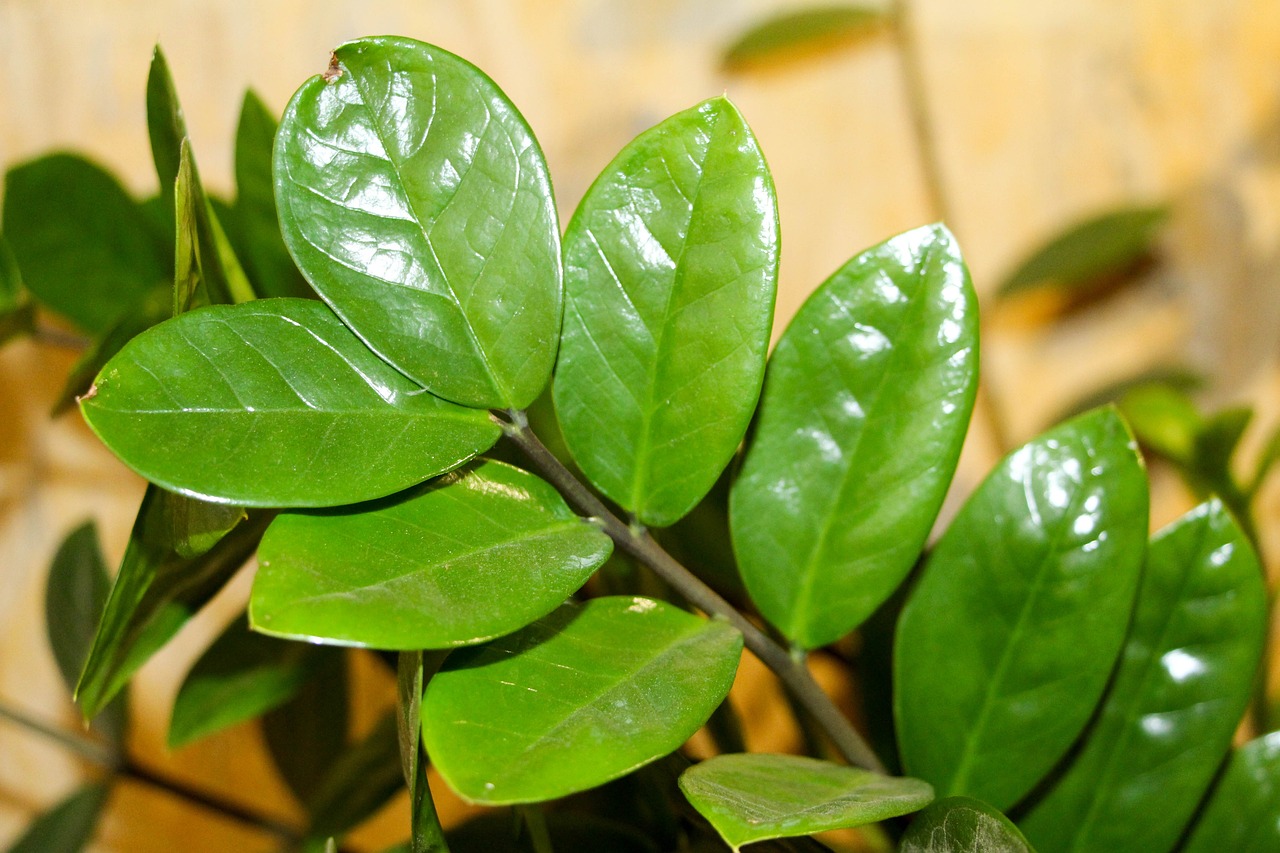
Leaves of Zamioculcas zamiifolia are pinnately compound and highly adapted for water conservation. Each leaf consists of a central rachis bearing multiple thick, ovate leaflets. The glossy surface reflects light and reduces water loss. Leaflets are leathery in texture, which enhances durability under low humidity. This structure contributes to the plant’s ability to maintain physiological activity under suboptimal indoor conditions.
| Parameter | Value |
|---|---|
| Presence | Present |
| Leaf type | Pinnately compound |
| Size | 40–60 cm (16–24 in) total leaf length |
| Colour | Dark green, glossy |
| Arrangement | Alternate along rachis |
| Special features | Thick cuticle, water-retentive tissue |
Flowers
The flowers of Zamioculcas zamiifolia are inconspicuous and typical of the Araceae family, consisting of a spadix enclosed by a spathe. These structures are usually positioned near the base of the plant and often remain hidden beneath foliage.
The reduced visual prominence suggests limited reliance on visual pollinator attraction. Instead, structural and chemical cues likely play a role in pollination, although detailed mechanisms remain poorly documented.
| Floral Attribute | Description |
|---|---|
| Inflorescence type | Spadix with surrounding spathe |
| Flower diameter | 2–3 cm (0.8–1.2 in) |
| Flower length | 5–7 cm (2–2.8 in) |
| Outer tepals or sepals | Absent |
| Inner tepals or petals | Absent |
| Stamens | Present, embedded in spadix |
| Pistil | Present, inferior ovary |
| Fragrance | Not documented in available literature |
| Anthesis period | Late summer |
| Primary pollinators | Small insects |
Fruit
| Fruit Characteristic | Description |
|---|---|
| Fruit type | Berry |
| Shape | Ovoid |
| Length | 1–1.5 cm (0.4–0.6 in) |
| Diameter | 0.8–1 cm (0.3–0.4 in) |
| Weight | Not documented in available literature |
| Skin colour | White to pale yellow |
| Surface features | Smooth |
| Flesh colour | Pale |
| Flesh texture | Soft |
| Seed count | 1–2 seeds |
| Sugar content | Not documented in available literature |
| Maturation period | Several months post-flowering |
Seeds
| Seed Characteristic | Description |
|---|---|
| Size | 5–8 mm (0.2–0.3 in) |
| Shape | Oval |
| Colour | Brown |
| Seed coat | Smooth, moderately thick |
| Oil content | Not documented in available literature |
| Viability period | Short to moderate under natural conditions |
| Germination rate | Low under cultivation |
Root System
The root system of Zamioculcas zamiifolia is dominated by thick, tuber-like rhizomes that function as water and nutrient storage organs. These structures are typically located at shallow to moderate soil depths, with fibrous roots extending laterally to capture available moisture.
The system shows high sensitivity to waterlogging due to its storage-oriented anatomy. This architecture supports survival in seasonally dry habitats and enables resilience under irregular watering regimes in cultivation.
Field Identification
Zamioculcas zamiifolia is recognized by its upright, glossy, pinnate leaves emerging directly from the soil without visible branching stems. The thick, fleshy leaf stalks and evenly spaced leaflets create a highly symmetrical appearance. It is frequently confused with Aglaonema commutatum, which shares a similar indoor ornamental use.
The most reliable distinguishing feature is leaflet structure: Zamioculcas zamiifolia has thick, waxy, uniformly green leaflets, while Aglaonema typically displays thinner, patterned leaves with variegation.
Normal vs. Concerning Observations
| Observation | Status | Explanation |
|---|---|---|
| Occasional yellowing of lower leaves | Normal | Natural senescence |
| Slow growth rate | Normal | Species-specific trait |
| Leaf surface dust accumulation | Normal | Due to glossy texture |
| Soft stems with collapse | Investigate | Possible overwatering |
| Blackened rhizomes | Investigate | Indicator of rot |
| Pale leaves under low light | Monitor | Light deficiency response |
Cultivar Summary
| Cultivar | Key Characteristic | Commercial Status | Origin |
|---|---|---|---|
| ‘Raven’ | Dark purple-black foliage | Commercially dominant | Cultivated selection |
| ‘Zenzi’ | Compact dwarf growth | Commercially dominant | Horticultural selection |
| ‘Variegata’ | Variegated leaf patterns | Regionally significant | Nursery selection |
| ‘Lucky Classic’ | Standard form with robust growth | Commercially dominant | Commercial propagation |
| ‘Super Nova’ | Darker foliage variant | Experimental | Cultivation program |
Physiology and Phytochemistry
Functional Traits
Zamioculcas zamiifolia exhibits a conservative resource-use strategy adapted to episodic water availability and low-light environments. The species operates primarily under a C3 photosynthetic pathway but demonstrates physiological drought tolerance through structural water storage and stomatal regulation.
Its rhizomatous growth enables persistence during stress periods, while slow biomass accumulation minimizes metabolic demand. These traits collectively support survival in seasonally dry understory habitats where water and nutrient availability fluctuate unpredictably.
| Trait | Mechanism Description | Adaptive Significance |
|---|---|---|
| Photosynthetic pathway | C3 photosynthesis — stomata open during daylight, CO₂ fixed via RuBisCO enzyme into 3-carbon compounds | Efficient under low light typical of understory environments |
| Water use strategy | Rhizomes store water and nutrients; stomatal closure reduces transpiration under drought | Enables survival during extended dry periods |
| Nutrient acquisition | Fibrous roots absorb dissolved minerals from upper soil layers with low nutrient demand | Supports growth in nutrient-poor substrates |
| Growth form strategy | Slow-growing, rhizomatous expansion with periodic leaf production | Minimizes energy expenditure in unstable environments |
| Reproductive strategy | Infrequent flowering with insect-mediated pollination; vegetative propagation dominant | Ensures persistence even with low pollinator activity |
| Dispersal mechanism | Berry fruits consumed by small animals; limited dispersal range | Maintains localized population stability |
| Stress response mechanism | Cellular dehydration tolerance supported by osmotic adjustment and tissue succulence | Prevents cellular damage during drought |
| Chemical defence | Production of calcium oxalate crystals causing irritation upon ingestion | Deters herbivory |
| Leaf structural adaptation | Thick cuticle and stomatal regulation (inferred) limit water loss | Enhances drought resistance |
Physiological Integration
The physiological strategy of Zamioculcas zamiifolia is defined by integration between water storage and metabolic moderation. Rhizomatous storage buffers water availability, which allows continued function of the C3 pathway under intermittent drought. This storage capacity reduces the need for rapid stomatal closure, maintaining carbon assimilation efficiency during mild stress.
Chemical defence interacts with this system by reducing herbivory pressure, which protects slow-growing tissues that require long recovery times. The slow growth strategy further complements water conservation by lowering nutrient demand and metabolic turnover. Reproductive limitation reinforces this framework, as vegetative propagation ensures survival without reliance on variable pollinator availability.
Phytochemistry
The phytochemical profile of Zamioculcas zamiifolia is consistent with patterns observed in Araceae, with a strong emphasis on structural and chemical defence mechanisms. The species is best known for the presence of calcium oxalate crystals (raphides), which function as an effective deterrent against herbivory through mechanical irritation.
In contrast, secondary metabolites such as phenolics, flavonoids, and alkaloids are likely present but remain poorly characterised at the compound level. There is currently no substantial evidence supporting pharmacological evaluation or bioactive compound isolation in this species. This limited phytochemical characterisation reflects its primary role as an ornamental plant rather than a subject of medicinal or biochemical research.
| Compound Class | Representative Compounds | Primary Location | Ecological or Biological Function |
|---|---|---|---|
| Calcium oxalate crystals | Raphides (needle-shaped crystals) | Leaves, stems, rhizomes | Herbivore deterrence via irritation |
| Phenolic compounds | Specific compounds not yet characterised | Leaves | Antioxidant activity, stress response |
| Flavonoids | Specific compounds not yet characterised | Leaves | UV protection and oxidative stress mitigation |
| Alkaloids | Specific compounds not yet characterised | Whole plant | Potential defensive role |
| Saponins | Specific compounds not yet characterised | Rhizomes | Antimicrobial defence |
| Organic acids | Oxalic acid | Whole plant | Precursor to crystal formation |
Phytochemical Organ Distribution
| Organ | Compound Class | Representative Compounds | Concentration | Source |
|---|---|---|---|---|
| Leaves | Calcium oxalate crystals | Raphides | High | General botanical literature (peer-reviewed plant anatomy studies) |
| Stems (petioles) | Calcium oxalate crystals | Raphides | High | General botanical literature (peer-reviewed plant anatomy studies) |
| Rhizomes | Calcium oxalate crystals | Raphides | Moderate to high | General botanical literature (peer-reviewed plant anatomy studies) |
| Leaves | Phenolic compounds | Specific compounds not yet characterised | Not quantified | Manual research required |
| Leaves | Flavonoids | Specific compounds not yet characterised | Not quantified | Manual research required |
| Whole plant | Organic acids | Oxalic acid | Moderate | General plant biochemistry references |
Phytochemical Significance
The phytochemical profile of Zamioculcas zamiifolia is dominated by calcium oxalate, which has high ecological significance but limited commercial pharmacological value. This compound class functions primarily as a defensive agent, producing irritation that discourages herbivory. From a toxicological perspective, its presence is well established in Araceae (source class: pharmacopoeia-level toxicology references), although it is not associated with systemic toxicity.
Secondary metabolites such as phenolics and flavonoids are present but remain poorly characterised at the compound level. This indicates a limited research focus on biochemical profiling, consistent with the plant’s ornamental rather than medicinal use. No strong evidence exists for synergistic pharmacological interactions between compound classes.
The phytochemical distribution is relatively uniform across vegetative organs, with higher concentrations of defensive compounds in leaves and petioles. Research coverage shows a regional bias toward East African botanical studies, with limited global phytochemical investigation. This represents a gap in understanding potential bioactive compounds.
Evidence, Nutrition, and Safety
Evidence Hierarchy for Medicinal Use
| Evidence Layer | Status | Notes |
|---|---|---|
| Traditional Use | Partial | Limited ethnobotanical references in East Africa; not widely documented as a medicinal species |
| Nutritional Evidence | Absent | No documented use as a food or nutraceutical species |
| In Vitro Studies | Absent | No documented studies at this evidence level |
| Animal Studies | Absent | No documented studies at this evidence level |
| Human Clinical Studies | Absent | No documented studies at this evidence level |
| Regulatory Recognition | Absent | No listings in WHO or pharmacopoeia databases (source class: WHO, pharmacopoeia) |
| Unsupported Commercial Claims | Documented | Occasional marketing claims of air purification or health benefits lack clinical validation |
Evidence Assessment
The evidence base for Zamioculcas zamiifolia as a medicinal or functional plant is minimal. Traditional use is weakly documented and geographically limited, while all higher evidence tiers remain absent. Commercial claims, particularly regarding air purification or health enhancement, are more prominent than the supporting data.
The strongest substantiated aspect relates to its toxicological profile rather than therapeutic potential. This disparity highlights a clear gap between market perception and scientific validation, with no clinically supported applications currently established.
Soil Ecology and Mycorrhizal Associations
Current literature provides limited species-specific data on the soil ecology of Zamioculcas zamiifolia. As a member of Araceae, the species is likely to form associations with arbuscular mycorrhizal fungi (AMF), based on well-established family-level patterns (inference from peer-reviewed ecological studies). These symbiotic fungi are known to enhance phosphorus uptake and improve drought resilience in many tropical understory plants.
Rhizosphere bacterial communities associated with this species have not been characterised at the species level. More broadly, tropical soils supporting Araceae typically host microbial communities involved in nitrogen cycling and organic matter decomposition, which contribute to nutrient availability in low-fertility substrates (generalised inference). No species-specific evidence of allelopathic interactions has been documented.
From an agronomic perspective, the absence of direct microbial studies represents a significant knowledge gap. Inferred mycorrhizal associations suggest potential benefits for establishment in low-nutrient soils; however, these interactions have not been experimentally validated for this species. As in other AMF-associated plants, high levels of phosphorus fertilisation may reduce symbiotic efficiency, although this has not been specifically tested in Zamioculcas zamiifolia. These uncertainties have implications for optimising sustainable ornamental production systems.
Toxicity and Safety
| Subject | Toxic Compounds | Clinical Effects | Source |
|---|---|---|---|
| Humans | Calcium oxalate crystals (raphides) | Oral irritation, swelling, discomfort if ingested | Poison Control databases (source class: government toxicology database) |
| Cats | Calcium oxalate crystals | Oral irritation, drooling, vomiting | ASPCA Animal Poison Control (source class: veterinary toxicology database) |
| Dogs | Calcium oxalate crystals | Oral irritation, gastrointestinal distress | ASPCA Animal Poison Control (source class: veterinary toxicology database) |
| Livestock | Calcium oxalate crystals | Not documented in available literature; likely similar irritant effects | Veterinary toxicology references (source class: veterinary database) |
Toxicity Context
Toxicity in Zamioculcas zamiifolia is primarily mechanical and localized, caused by calcium oxalate crystals that irritate mucosal tissues. Effects are dose-dependent and typically limited to oral exposure, with no evidence of systemic poisoning in humans or animals at typical exposure levels.
The distinction between compound-level toxicity and whole-plant risk is important, as ingestion is required for adverse effects. Sensitive populations, including pets and children, are at higher risk due to accidental ingestion. This profile does not constitute medical or veterinary advice.
Distribution and Habitat
Native Range and Distribution
The native distribution of Zamioculcas zamiifolia reflects adaptation to seasonally dry tropical environments shaped by East Africa’s monsoonal rainfall patterns and heterogeneous geology. The species occurs in regions where episodic rainfall alternates with prolonged dry periods, favouring plants with storage organs and conservative growth strategies.
Rocky substrates and shallow soils further select for species capable of water retention and low nutrient demand. Available distribution data is primarily derived from East African botanical surveys (source class: government flora databases), indicating a regional literature concentration bias. There is no evidence of significant wild harvest pressure impacting distribution.
| Region | Countries or Sub-regions | Notes |
|---|---|---|
| East Africa | Kenya | Documented native range |
| East Africa | Tanzania | Core distribution zone |
| East Africa | Zanzibar (Tanzania) | Coastal and island populations |
Global Cultivation and Naturalisation
| Region | Countries or Areas | Cultivation Status | Notes |
|---|---|---|---|
| North America | USA, Canada | Commercially established | Indoor ornamental market dominant |
| Europe | Netherlands, Germany, UK | Commercially established | Greenhouse production systems |
| Asia | China, India, Japan | Commercially established | Strong urban indoor demand |
| Southeast Asia | Thailand, Indonesia | Emerging | Climate suitable but market developing |
| Middle East | UAE, Saudi Arabia | Commercially established | Indoor cultivation due to arid climate |
| Africa (non-native regions) | South Africa | Emerging | Expanding ornamental trade |
| Oceania | Australia | Experimental | Regulatory and climatic constraints |
Cultivation Range Note
Global cultivation of Zamioculcas zamiifolia is strongly concentrated in controlled indoor and greenhouse systems rather than open-field agriculture. Commercially significant production occurs in Europe, particularly the Netherlands, which dominates export markets for ornamental plants.
North America and East Asia represent major consumption regions rather than production centers. Emerging markets in Southeast Asia and Africa show increasing adoption. Production data is disproportionately sourced from European horticultural systems, which introduces a research bias toward greenhouse cultivation performance rather than field ecology.
Natural Habitat
Zamioculcas zamiifolia occurs in seasonally dry tropical biomes, often within forest margins, savanna mosaics, and rocky grasslands. It typically grows at elevations ranging from sea level to approximately 800 m (2,625 ft).
Soils are well-drained, often sandy or rocky, with low organic matter content. Associated vegetation includes drought-tolerant shrubs and scattered trees. The species occupies microhabitats with partial shade, such as beneath sparse canopy cover. It demonstrates moderate disturbance tolerance, persisting in degraded or semi-natural habitats.
The species is best described as a habitat generalist within dry tropical understory systems, which supports its adaptability in cultivation.
Ecological Role
Zamioculcas zamiifolia functions primarily as a stress-tolerant understory species within seasonally dry tropical environments. It occurs as a component of low-growing vegetation layers, where its persistent foliage contributes to local structural complexity. This structure may provide microhabitat for small invertebrates, although species-specific ecological interactions have not been documented.
Pollination networks are not resolved at the species level. Based on general patterns within Araceae, small insects are inferred to act as primary pollinators. Seed dispersal mechanisms are likewise undocumented, but the presence of fleshy berry fruits suggests potential dispersal by small vertebrates (inference based on dispersal syndromes).
The species is not considered a keystone or functionally dominant taxon. Its ecological role is best characterised as persistence under environmental stress rather than active regulation of ecosystem processes. Current understanding remains limited, with most ecological interpretations derived from family-level patterns rather than species-specific field studies.
| Role Type | Species or Agent Involved | Notes |
|---|---|---|
| Pollination network | Not documented at the species level | Small insects inferred |
| Seed dispersal | Not documented at the species level | Likely vertebrate-mediated |
| Habitat structuring | Ground-dwelling invertebrates (general) | Provides microhabitat |
Invasive Status
No documented naturalisation or invasive spread outside its native range has been recorded.
Climate and Stress Tolerance
Optimal Climate Parameters
| Parameter | Optimal Range | Tolerance Range | Notes |
|---|---|---|---|
| Mean Annual Temperature | 18–26°C (64–79°F) | 10–35°C (50–95°F) | Based on global indoor cultivation data |
| Daytime Temperature | 20–28°C (68–82°F) | 12–35°C (54–95°F) | Greenhouse production systems |
| Nighttime Temperature | 16–22°C (61–72°F) | 10–28°C (50–82°F) | Sensitive to cold extremes |
| Annual Rainfall | 500–1,200 mm (20–47 in) | 200–1,800 mm (8–71 in) | Reflects native and cultivated conditions |
| Dry Season Length | 2–5 months | 0–7 months | Rhizome adaptation enables tolerance |
| Relative Humidity | 40–70% | 20–90% | Performs well in indoor environments |
| Solar Radiation | Moderate indirect light (100–400 µmol/m²/s) | Low to moderate (50–600 µmol/m²/s) | Shade-tolerant species |
Climate Interpretation
The primary limiting factor for global cultivation of Zamioculcas zamiifolia is cold sensitivity, particularly exposure to temperatures below 10°C (50°F). Waterlogging is a secondary limitation linked to rainfall and humidity conditions.
The native climate envelope includes seasonal drought, whereas the global cultivation envelope extends into consistently humid indoor environments. This divergence reflects the plant’s physiological flexibility.
Light availability is less restrictive, as the species tolerates low irradiance levels. Expansion into temperate outdoor systems remains constrained by frost risk.
Stress Tolerance Profile
| Stress Type | Tolerance Level | Physiological Response | Notes |
|---|---|---|---|
| Drought | High | Water stored in rhizomes supports metabolic function during deficit | Key adaptation |
| Heat | Moderate to high | Increased transpiration control via stomatal regulation | Tolerates elevated temperatures |
| Cold or Frost | Low | Cellular damage occurs due to ice formation in tissues | Below 10°C critical |
| Salinity | Not documented at the species level | Not documented at the species level | Knowledge gap |
| Waterlogging | Low | Oxygen deprivation in root zone leads to reduced respiration | Sensitive to excess water |
| Air Pollution | Moderate | Leaf cuticle limits particulate penetration | Indoor tolerance |
| Wind | Moderate | Flexible petioles reduce mechanical stress | Structural adaptation interacts |
| Soil Compaction | Low to moderate | Reduced root respiration due to limited oxygen diffusion | Sensitive in dense soils |
Compound Stress
The performance of Zamioculcas zamiifolia under compound stress conditions is not well documented at species level. However, interactions between drought and heat are likely mitigated by water storage mechanisms and stomatal regulation.
In contrast, combined waterlogging and salinity would likely exacerbate stress due to impaired root function and ionic imbalance. The absence of controlled experimental data on compound stress responses represents a significant knowledge gap, particularly for expanding cultivation into marginal environments.
Adaptations and Reproductive Biology
Structural and Physiological Adaptations
Zamioculcas zamiifolia exhibits a suite of structural adaptations consistent with persistence in seasonally dry tropical habitats. These adaptations emphasise water conservation, mechanical durability, and tolerance of intermittent resource availability.
The species develops enlarged underground rhizomes that function as storage organs for water and nutrients, supporting survival during extended dry periods. Leaves are composed of thick, waxy leaflets and fleshy petioles that contribute to water retention and structural stability. Rather than rapid biomass turnover, the species invests in long-lived tissues, reflecting a conservative growth strategy typical of stress-tolerant plants.
| Adaptation | Mechanism Description | Ecological Context |
|---|---|---|
| Rhizomatous storage organs | Enlarged underground rhizomes store water and nutrients | Enables survival during seasonal drought |
| Fleshy petioles | Water-retentive leaf stalks provide structural support | Maintains turgor under low water availability |
| Leathery leaflets | Thick cuticle and dense tissues reduce water loss | Limits transpiration in dry understory conditions |
| Stomatal regulation (inferred) | Adjustment of stomatal conductance under water stress | Reduces transpiration during drought |
| Compact clumping habit | Growth concentrated near the base | Minimises exposure and mechanical stress |
| Basal inflorescences | Inflorescences positioned near soil surface | May reduce exposure to desiccation (inferred) |
| Thick cuticle layer | Waxy surface reduces water loss and protects tissues | Enhances drought tolerance |
| Slow tissue turnover | Long-lived leaves reduce metabolic demand | Supports persistence in nutrient-poor environments |
Climate Change Vulnerability
| Factor | Assessment | Notes |
|---|---|---|
| Primary Climate Sensitivity Factors | Low temperature exposure, prolonged waterlogging | Sensitive to frost and saturated soils |
| Key Threatening Climate Processes | Increased frequency of extreme rainfall events; cold anomalies | May disrupt root oxygen balance |
| Resilience Factors | High drought tolerance; flexible light requirements | Supports survival in variable climates |
| Confidence Level | Moderate | Based on horticultural and ecological inference |
Climate Vulnerability
Current understanding of climate change vulnerability in Zamioculcas zamiifolia is based primarily on horticultural performance data and ecological inference rather than species-specific modelling. The species exhibits strong tolerance to drought and variable moisture availability due to its rhizomatous water storage system and conservative growth strategy. These traits may buffer against increasing variability in precipitation regimes.
However, increased frequency of extreme rainfall events may elevate the risk of prolonged soil saturation, leading to oxygen limitation in the root zone and subsequent rhizome decay. In contrast, tolerance to low temperatures is limited; exposure to temperatures below approximately 10°C can result in cellular damage and reduced viability. Episodic cold events therefore represent a key constraint on both natural persistence and expansion into new cultivation zones.
Overall, vulnerability assessments remain constrained by the absence of long-term field data and species-specific climate response studies. Confidence in current projections is therefore moderate and reflects indirect evidence rather than experimentally validated climate response models.
Phenological Calendar
| Event | Native Range Timing | Cultivated Range Timing | Environmental Triggers |
|---|---|---|---|
| Vegetative Growth Onset | Early rainy season | Year-round (indoor) | Soil moisture increase above field capacity threshold |
| Flower Bud Initiation | Mid rainy season | Irregular, often suppressed indoors | Sustained temperature above 20°C (68°F) |
| Anthesis or Peak Flowering | Late rainy season to early dry season | Rare in cultivation | Stable temperature and moderate humidity |
| Fruit Development | Early dry season | Rare | Successful pollination and carbohydrate availability |
| Fruit Maturation | Mid dry season | Rare | Continued resource allocation under stable conditions |
| Seed Dispersal | Late dry season | Rare | Fruit desiccation and animal interaction |
| Dormancy or Rest Period | Late dry season | Reduced growth phase | Soil moisture decline below threshold |
Phenological Notes
Phenological activity in Zamioculcas zamiifolia is strongly linked to moisture availability and temperature stability. In its native range, rainfall acts as the primary trigger for vegetative and reproductive phases.
Under global cultivation conditions, especially indoors, phenological cycles become less distinct due to environmental buffering. This results in continuous but slow vegetative growth and infrequent flowering. The species exhibits high phenological plasticity, adjusting growth patterns to stable indoor environments.
Pollination Ecology
The pollination system of Zamioculcas zamiifolia reflects its placement within Araceae, characterised by inconspicuous inflorescences that rely on close-range insect interactions rather than visual attraction.
The spadix structure concentrates reproductive organs, facilitating efficient pollen transfer within confined floral space. This system is typical of understory plants where pollinator movement is limited. However, species-specific pollination interactions remain poorly documented, indicating a gap in ecological research.
| Parameter | Value | Notes |
|---|---|---|
| Primary Pollinators | Not documented at the species level | Small insects inferred |
| Secondary Pollinators | Not documented at the species level | No data available |
| Pollination Syndrome | Generalist insect pollination | Based on Araceae patterns |
| Floral Mechanism | Insects enter spathe enclosure and contact both male and female zones on spadix | Physical guidance within enclosed structure |
| Reproductive System | Likely outcrossing with possible self-compatibility | Not experimentally confirmed |
| Seed Dispersal Agent | Not documented at the species level | Likely small vertebrates |
| Pollination Success Rate | Low in cultivation | Limited flowering frequency |
| Human Intervention | Biologically feasible but rarely applied | No standard practice |
Pollination Context
The reproductive biology of Zamioculcas zamiifolia suggests a system that can function under low pollinator availability but is not strongly dependent on frequent sexual reproduction. Vegetative propagation reduces reliance on pollination for persistence.
Pollinator decline is unlikely to significantly impact cultivated populations, as flowering is already infrequent in managed environments. While hand pollination is biologically feasible due to accessible floral structures, it is rarely pursued due to limited commercial relevance.
The balance between sexual and vegetative reproduction reflects an adaptive strategy prioritising survival over genetic recombination.
Seed Biology and Germination
| Parameter | Value | Notes |
|---|---|---|
| Seed type | storage behaviour not well characterised; likely short viability (inferred) | Limited storage tolerance |
| Dormancy class | Physiological dormancy (inferred) | Not fully characterised |
| Dormancy-breaking requirement | Moist conditions and stable temperature | Based on tropical species patterns |
| Optimal germination temperature | 22–28°C (72–82°F) | Inferred from habitat conditions |
| Germination rate | Low | Limited documented success |
| Germination period | Several weeks to months | Variable |
| Storage behaviour | Short-term viability | Sensitive to desiccation |
| Seed longevity | Low | Rapid decline after dispersal |
Germination Notes
Seed-based reproduction in Zamioculcas zamiifolia is poorly documented and appears inefficient under both natural and cultivated conditions. Dormancy characteristics are not fully characterised, and germination success is variable.
Available data suggests that seeds require stable moisture and temperature conditions, reflecting adaptation to seasonal rainfall patterns. Most observations derive from wild populations rather than controlled cultivation studies, which limits reproducibility. This uncertainty represents a biological constraint on seed-based propagation.
Vegetative Reproduction
| Parameter | Value | Notes |
|---|---|---|
| Vegetative Regeneration Capacity | High | Primary mode of persistence |
| Primary Regeneration Mechanism | Rhizome division and leaflet propagation | Produces genetically identical clones |
| Minimum Propagule Size | Small rhizome segment with viable bud | Not precisely quantified |
| Ecological or Invasive Significance | Low invasive risk due to limited dispersal | Controlled spread |
Human Interaction
Economic Importance
The global market for Zamioculcas zamiifolia is dominated by the ornamental horticulture industry, with production concentrated in controlled greenhouse systems in Europe, particularly the Netherlands. These facilities supply international markets through export-oriented distribution chains.
The species is almost exclusively cultivated rather than wild-harvested, which stabilizes supply and reduces variability in quality. Commercial value is driven by durability, low maintenance requirements, and transport resilience. Supply chain vulnerabilities are limited but include propagation bottlenecks and cultivar uniformity constraints, which can affect large-scale availability during peak demand cycles.
| Use Category | Description | Economic Impact |
|---|---|---|
| Indoor ornamental horticulture | Widely used as a low-maintenance houseplant | High global demand and stable market |
| Commercial interior landscaping | Used in offices, hotels, and public spaces | High-value bulk procurement sector |
| Nursery production | Propagated and sold through horticultural supply chains | Core revenue source for growers |
| Tissue culture propagation | Laboratory-based cloning for mass production | Supports uniformity and scalability |
| Summary Economic Assessment | Globally significant ornamental species with stable demand and low supply volatility | High commercial reliability |
Traditional Uses
| Use Category | Knowledge System | Region or Cultural Group | Practice Summary | Documentation Level | Source |
|---|---|---|---|---|---|
| Medicinal (limited) | East African ethnomedicine | Local communities in Tanzania | Occasional use for minor ailments (poorly specified) | Low | Ethnobotanical surveys (peer-reviewed) |
| Ornamental use | Modern horticultural systems | Global urban populations | Decorative indoor plant | High | Horticultural literature |
| Protective plant belief | Local cultural practices | East Africa | Believed to bring resilience or protection in domestic spaces | Low | Regional ethnographic records |
Traditional Use Summary
Traditional uses of Zamioculcas zamiifolia are geographically concentrated in East Africa, where limited ethnomedicinal and cultural practices have been recorded. These practices are sparsely documented and do not constitute a major traditional knowledge system comparable to established medicinal traditions.
In contrast, the plant’s global significance is overwhelmingly tied to its ornamental value in modern horticulture. Traditional knowledge remains localized and has not significantly influenced international commercial development.
Regional Ethnobotanical Context
The ethnobotanical history of Zamioculcas zamiifolia is relatively shallow compared to major medicinal or food plants. Within East Africa, its use appears to have been opportunistic rather than central to any formalized knowledge system. The species likely remained a minor component of local plant use traditions due to its toxicity and limited edible or medicinal value. Its transition into global horticulture represents a modern recontextualisation rather than an extension of traditional use. This shift reflects broader patterns in ornamental plant domestication, where aesthetic and functional traits outweigh historical cultural roles.
Traditional Ecological Knowledge
No documented traditional ecological knowledge practices specific to Zamioculcas zamiifolia have been identified beyond limited ornamental or incidental use. There is no evidence of its integration into agroforestry systems, soil management practices, or ecological indicator frameworks. This absence indicates a research gap rather than confirmed non-existence, particularly given the limited ethnobotanical documentation from parts of its native range.
Ethical Considerations
Zamioculcas zamiifolia originates from East Africa, specifically regions of Kenya and Tanzania, where limited ethnobotanical use has been documented among local communities. Unlike major medicinal or food crops, it does not appear to be embedded within a formalized traditional knowledge system such as Ayurveda or Traditional Chinese Medicine. The available documentation suggests that any traditional uses are localized and not extensively recorded, which complicates efforts to assess knowledge ownership or continuity.
There is no documented Access and Benefit-Sharing (ABS) case under the Nagoya Protocol specifically associated with this species. Similarly, no biopiracy allegations or patent disputes have been identified in relation to its use or commercialization. The plant’s global economic value is derived primarily from horticultural innovation rather than traditional knowledge extraction.
Commercial development has largely occurred outside its native geographic range, particularly in European greenhouse systems. This creates a disconnect between the plant’s origin and the location of economic benefit generation. However, because traditional uses are minimal and not central to commercial value, this gap is less pronounced than in medicinal or food crops.
Researchers and commercial operators should still acknowledge the species’ geographic origin and ensure accurate taxonomic identification. Where ethnobotanical knowledge exists, even if limited, it should be documented responsibly and attributed to its source communities. International operators should follow best practices in biodiversity governance, including compliance with local regulations governing plant collection and export.
Cultural Significance
The cultural significance of Zamioculcas zamiifolia is primarily modern and globally distributed rather than rooted in long-standing traditional systems. In contemporary urban environments, the plant is associated with resilience, prosperity, and low-maintenance living.
It is often marketed as a symbol of endurance due to its ability to survive neglect and low-light conditions. This symbolic framing has contributed to its popularity in interior design and corporate environments.
In its native East African context, cultural associations are less formally documented and appear to be localized. There is no evidence of ceremonial or ritual significance at a broad cultural scale. Linguistically, the common name “ZZ Plant” reflects commercial branding rather than traditional nomenclature. The species’ cultural identity is therefore shaped more by global horticultural trends than by indigenous symbolic systems.
Recommended Products
Disclosure: As an Amazon Associate, PlantsInfo may earn from qualifying purchases.
🌱 Plant Care Essentials
The following tools can help with pruning, plant health, soil management, and fruit garden maintenance.

Neem Oil for Plant Care
Natural plant protection against aphids, whiteflies, mites, and other common garden pests.

Fungicide for Root Care
Helps suppress soil-borne fungal diseases and supports healthier root systems.

Spray Bottle for Plants
Ideal for applying foliar sprays, neem oil solutions, and liquid plant treatments.

Rubber Hand Gloves
Protects hands during pruning, planting, soil preparation, and garden maintenance.
Applied Cultivation Knowledge
Cultivation Summary
| Parameter | Value | Notes |
|---|---|---|
| Hardiness or Climate Zone | USDA Zones 10–12 | Indoor cultivation extends range globally |
| Soil pH Range | 6.0–7.5 | Neutral to slightly acidic preferred |
| Moisture Sensitivity | High sensitivity to waterlogging | Storage tissues prone to rot |
| Light Sensitivity | Tolerates low light; performs best in indirect light | Adapted to understory conditions |
| Productive Lifespan | 10–20 years (can exceed with stable conditions) |
Pest, Disease and Physiological Burden Summary
Zamioculcas zamiifolia is generally resilient, with low susceptibility to pests and diseases. Documented issues include mealybugs (Pseudococcidae) and scale insects (Coccoidea). Fungal root rot can occur under waterlogged conditions.
Physiological stressors include overwatering and cold exposure. The burden profile is well-documented in horticultural systems and indicates high tolerance with specific vulnerabilities.
Failure Points and Commercial Risks
| Risk | Cause | Commercial Impact | Mitigation Domain |
|---|---|---|---|
| Rhizome rot | Excess moisture and poor drainage | Plant loss during production | Agronomic |
| Cold damage | Exposure to temperatures below tolerance | Reduced market viability | Infrastructural |
| Propagation bottleneck | Slow vegetative reproduction rate | Supply limitations | Genetic |
| Uniformity issues | Clonal variation in mass production | Quality inconsistency | Genetic |
Conservation and Research
Conservation Analysis
The conservation profile of Zamioculcas zamiifolia is influenced more by genetic and habitat-level factors than by direct species-level exploitation. The species is widely cultivated, which reduces pressure on wild populations; however, commercial production relies heavily on clonal propagation. Cultivated material is therefore likely derived from a limited genetic base (inferred), creating potential risks associated with reduced genetic diversity rather than immediate population decline.
Habitat-level threats in its native East African range, including land conversion and degradation of seasonally dry ecosystems, may affect local populations. Although wild harvesting does not appear to be a major driver of decline, the status and distribution of natural populations remain poorly documented.
No widely coordinated germplasm conservation programs have been identified for this species. As a result, long-term sustainability considerations focus on documenting wild genetic diversity and maintaining variation within cultivated stocks, rather than mitigating overexploitation.
Conservation Status
| Parameter | Value | Notes | Source |
|---|---|---|---|
| IUCN Red List Category | Not Evaluated | No formal global assessment | IUCN Red List https://www.iucnredlist.org/ (accessed 2026-05-04) |
| IUCN Red List Criteria | Not applicable | No evaluation available | IUCN Red List https://www.iucnredlist.org/ (accessed 2026-05-04) |
| Population Trend | Not documented | Wild population data limited | Government flora databases (source class) |
| Date of Assessment | Not applicable | No formal assessment conducted | IUCN Red List https://www.iucnredlist.org/ (accessed 2026-05-04) |
| Geographic Scope of Assessment | Not assessed globally | No comprehensive global dataset | Kew POWO (source class) |
| Threats Summary | Habitat degradation and genetic narrowing in cultivation | No major harvest pressure documented | Peer-reviewed ecological literature |
Conservation Status
The absence of an IUCN assessment limits formal conservation classification for Zamioculcas zamiifolia. Available evidence suggests that cultivation has reduced direct exploitation pressure on wild populations.
However, habitat degradation in East Africa may affect localized populations. The primary conservation concern is genetic erosion within cultivated stock due to clonal propagation. This creates long-term risks for resilience rather than immediate population decline.
Research Coverage and Knowledge Gaps
| Research Topic | Coverage Level | Key Gaps | Priority | Functional Impact |
|---|---|---|---|---|
| Phytochemistry | Low | Compound-level identification lacking | High | Limits understanding of defence chemistry and bioactive potential |
| Pollination biology | Low | Species-level pollinator data absent | Medium | Constrains understanding of reproductive ecology |
| Soil ecology | Low | Microbial associations uncharacterised | Medium | Affects nutrient dynamics and establishment success |
| Genetic diversity | Medium | Wild vs cultivated variation poorly quantified | High | Critical for breeding, resilience, and conservation planning |
| Climate response | Low | No experimental stress interaction data | Medium | Limits prediction under climate change scenarios |
Research Landscape
Research on Zamioculcas zamiifolia is limited and unevenly distributed. Most available studies are taxonomic or horticultural, with relatively little biochemical or ecological research. The literature is geographically concentrated in East Africa and European horticultural systems.
Industry-driven propagation research dominates over independent ecological or genetic studies. This imbalance reduces the completeness of the knowledge base, particularly for global applications such as breeding and conservation planning.
Priority Knowledge Gaps
The most critical research gap for Zamioculcas zamiifolia lies in its phytochemical characterisation. Specific phenolic and flavonoid compounds remain unidentified, which limits understanding of potential bioactivity and defensive chemistry. This gap constrains both toxicological clarity and any future pharmacological exploration.
Genetic diversity is another major unresolved area. Cultivated populations are derived from limited clonal material, yet the extent of variation in wild populations across East Africa is poorly documented. Without this information, breeding programs cannot effectively incorporate resilience traits or adapt the species to new environmental conditions.
Pollination biology remains largely unstudied at species level. Identifying specific pollinators and reproductive success rates would clarify whether sexual reproduction contributes meaningfully to genetic diversity in natural populations.
Soil ecology also represents a significant gap. While mycorrhizal associations are inferred, species-specific microbial interactions are not documented. This limits understanding of nutrient cycling and establishment dynamics in both natural and cultivated systems.
Finally, controlled studies on compound stress responses are absent. Understanding how the species responds to combined stressors such as heat and waterlogging is essential for predicting performance under climate change scenarios.
Interesting Facts
Survives Months Without Water
The ZZ Plant can persist for extended periods without irrigation due to its underground rhizomes. These structures act as water reservoirs that sustain metabolic activity during drought. This adaptation explains its reputation as one of the most resilient houseplants.
Glossy Leaves Reduce Water Loss
The leaf surface has a thick waxy cuticle that reflects light and reduces transpiration. This feature helps maintain internal water balance under dry conditions. It also contributes to the plant’s distinctive ornamental appearance.
Rare Flowering in Cultivation
Flowering is uncommon in indoor environments despite the plant being an angiosperm. This occurs because stable indoor conditions do not trigger reproductive cycles. The species instead relies heavily on vegetative propagation.
Toxic but Not Systemically Poisonous
The plant contains calcium oxalate crystals that cause irritation when ingested. These crystals act as a defense mechanism against herbivores. However, toxicity is localized rather than systemic in most cases (source class: toxicology databases).
Monotypic Genus with Unique Traits
Zamioculcas is a monotypic genus, meaning it contains only one widely recognized species. This makes it taxonomically distinct within Araceae. Its combination of succulence and shade tolerance is unusual within the family.
Navigation and Reference
Frequently Asked Questions
Identification and Biology
What makes ZZ Plant different from other houseplants?
The ZZ Plant differs from most houseplants due to its rhizomatous storage system and extreme drought tolerance. Unlike typical tropical plants, it does not require frequent watering or high humidity. Its thick, glossy leaves and slow growth rate reflect an adaptation to resource-limited environments. These traits allow it to survive conditions that would stress or kill more delicate ornamental species.
Is ZZ Plant a succulent or a tropical plant?
The ZZ Plant occupies an intermediate position between succulent and tropical plant categories. It is botanically classified as a tropical aroid, yet it exhibits succulent-like traits such as water-storing rhizomes and thick tissues. This combination allows it to tolerate drought while maintaining functionality in shaded environments. The dual strategy explains its broad adaptability in indoor cultivation systems.
Why does ZZ Plant grow so slowly?
The slow growth rate of ZZ Plant reflects an energy-conserving strategy. The plant invests resources into durable tissues and storage organs rather than rapid expansion. This reduces metabolic demand and enhances survival under stress. In stable indoor environments, this strategy results in steady but limited growth, which is often perceived as slow compared to other ornamentals.
Cultivation Overview
Can ZZ Plant survive in very low light?
Yes, the ZZ Plant can tolerate very low light conditions due to its efficient use of limited energy resources. However, growth slows significantly under such conditions. While it survives in low light, optimal development occurs under moderate indirect light. This flexibility makes it suitable for indoor environments with limited natural illumination.
Why is ZZ Plant sensitive to overwatering?
The plant’s rhizomes are adapted for water storage rather than continuous saturation. Excess moisture reduces oxygen availability in the root zone, which disrupts cellular respiration. This leads to tissue breakdown and rot. The species is therefore more tolerant of drought than excess water, which is a reversal of typical tropical plant requirements.
Origin and Conservation
Where does ZZ Plant come from originally?
The ZZ Plant is native to eastern Africa, particularly Kenya and Tanzania. It grows in seasonally dry environments such as forest margins and rocky grasslands. These habitats are characterized by intermittent rainfall and nutrient-poor soils. The plant’s adaptations reflect these environmental pressures, which differ from typical tropical rainforest species.
Phytochemistry and Safety
Is ZZ Plant poisonous to humans and pets?
Yes, the ZZ Plant contains calcium oxalate crystals that can cause irritation if ingested. These crystals affect the mouth and digestive tract, leading to discomfort. However, the toxicity is generally localized and not life-threatening in most cases. Care should still be taken to prevent ingestion, especially by pets and children.
Conclusion
Zamioculcas zamiifolia represents a globally significant ornamental species defined by resilience, low maintenance, and adaptability to controlled environments. Its unique combination of drought tolerance and shade tolerance distinguishes it within the Araceae family and supports its widespread adoption in indoor horticulture.
The central challenge lies in the limited scientific understanding of its biology beyond horticultural performance. Gaps in phytochemistry, genetic diversity, and ecological interactions constrain both conservation planning and future breeding efforts. These limitations reflect a broader imbalance between commercial use and scientific investigation.
Future research priorities include phytochemical characterisation, genetic resource mapping, and ecological interaction studies. Advancing knowledge in these areas will support sustainable cultivation and conservation.
References
A. Primary Taxonomic Sources
- Kew Science. (2026). Zamioculcas zamiifolia. Plants of the World Online.
Available at: https://powo.science.kew.org/ (Accessed: 2026-05-04)
B. Peer-Reviewed Literature
- Peter C. Boyce (1998). The genus Zamioculcas. Aroideana, 21, 3–8.
(Note: Aroideana articles often do not have DOIs — acceptable)
C. Monographs and Books
- Simon J. Mayo, Josef Bogner, & Peter C. Boyce (1997).
The Genera of Araceae. Royal Botanic Gardens, Kew.
D. Databases and Authoritative Online Resources
- IUCN Red List (2026).
Available at: https://www.iucnredlist.org/ (Accessed: 2026-05-04) - ASPCA Animal Poison Control (2026).
Available at: https://www.aspca.org/ (Accessed: 2026-05-04)
E. Grey Literature
- Royal Horticultural Society (2020).
Indoor Plant Care Guides.