Lotus Plant: Quick Facts, Names, and What You Should Know
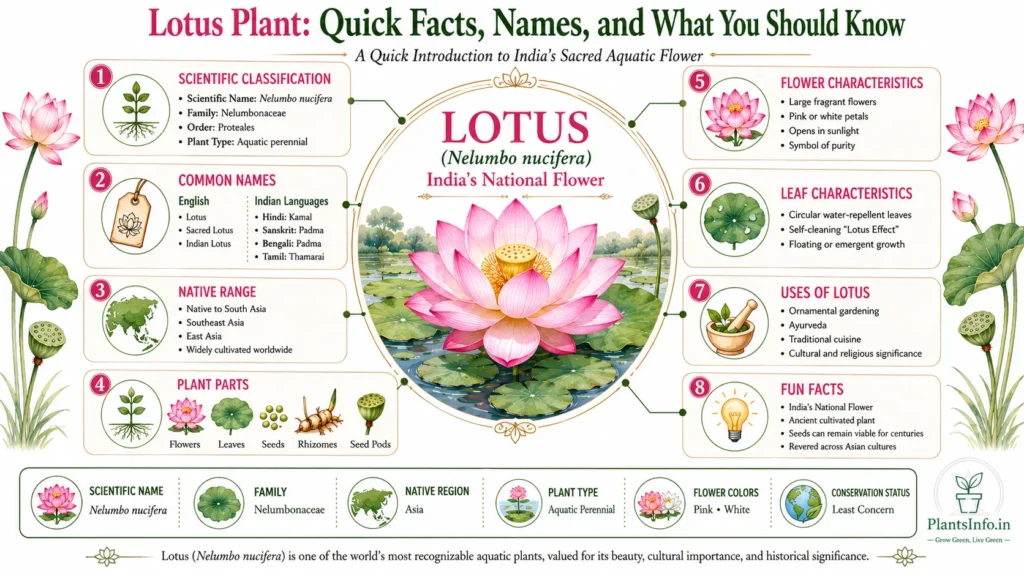
Quick Answer: Lotus (Nelumbo nucifera) is India’s national flower — an aquatic perennial that grows with its roots anchored in muddy pond sediments and its leaves and flowers rising above the water surface. It is known as Kamal in Hindi, Padma in Sanskrit, and Thamarai/Thamara in Tamil and Malayalam. The species occurs in natural wetlands and cultivated ponds across much of India and is among the country’s most culturally significant plants.
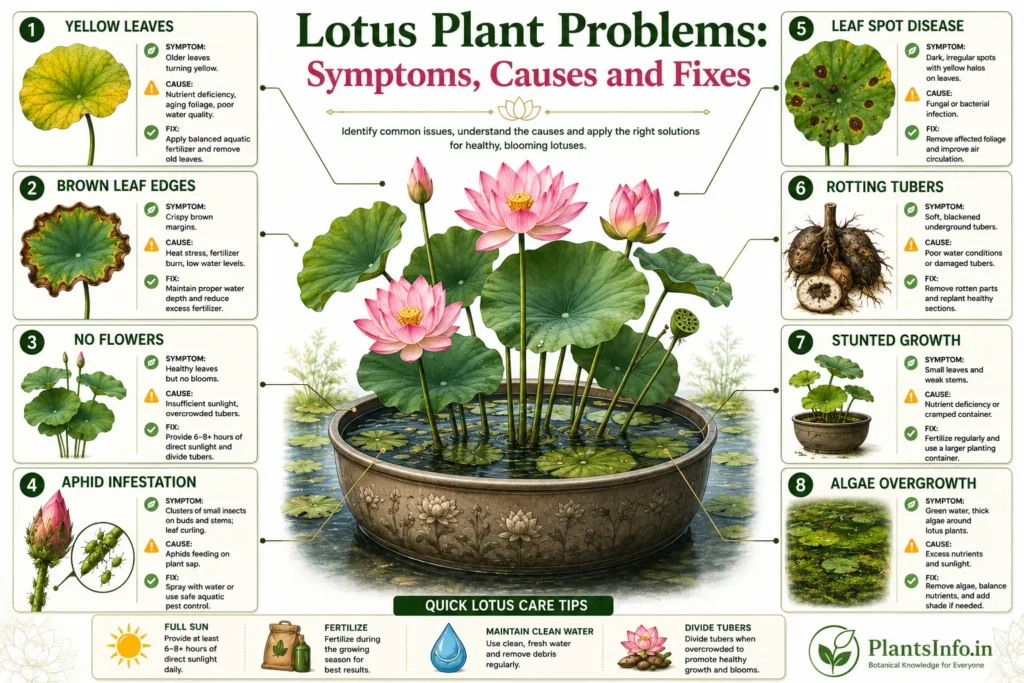
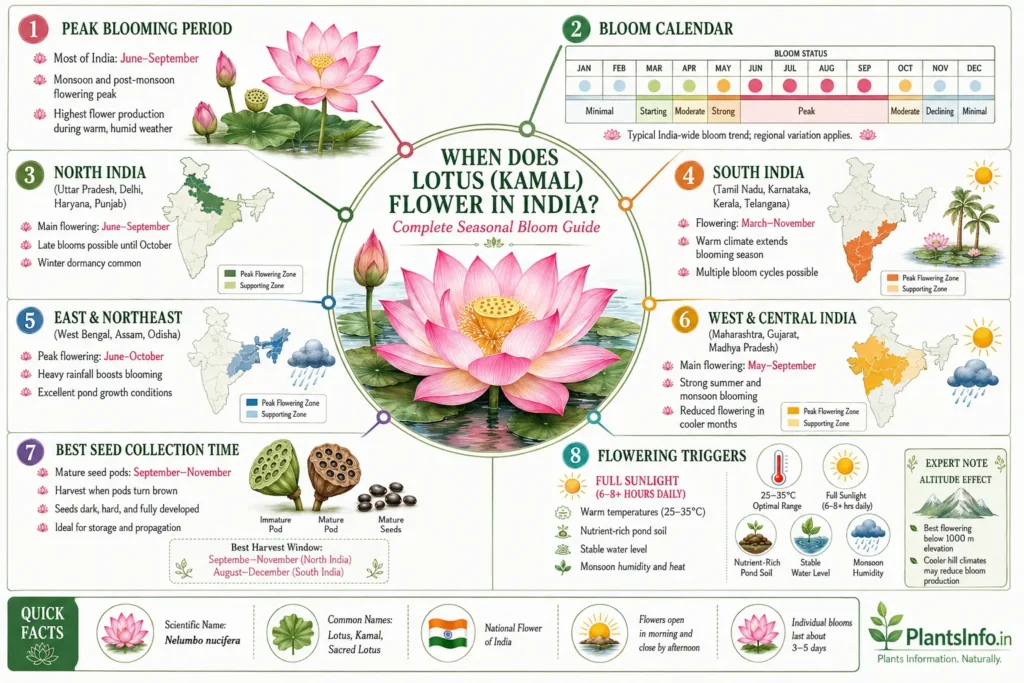
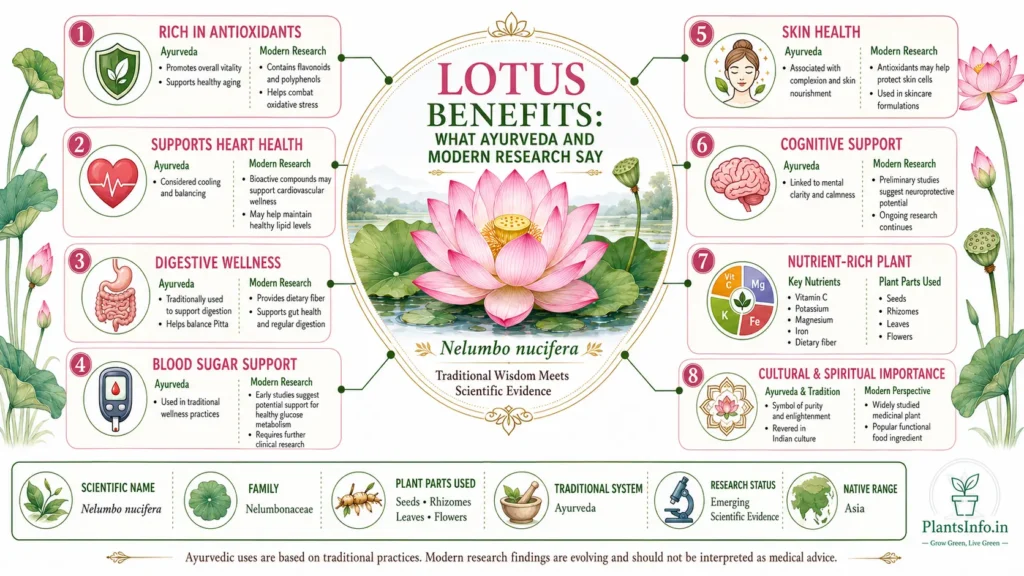
See also: Lotus plant profile, how to grow it, common problems, its flowering season, and its benefits.
Few Indian plants are known by as many names as the lotus, and many of those names reflect its unique ecology. Several Sanskrit synonyms describe the flower’s aquatic origins: Pankaja (“born of mud”), Ambuja (“born of water”), and Saroja (“born in a pond”). These names capture one of the lotus’s most distinctive characteristics — its ability to emerge clean and vibrant from muddy water, a trait that has made it a powerful symbol in Indian philosophy, religion, and literature for thousands of years.
Recommended Products
Disclosure: As an Amazon Associate, PlantsInfo may earn from qualifying purchases.
🌱 Growing Essentials
The following products can help with container gardening, potting, root development, soil management, and healthy plant growth.
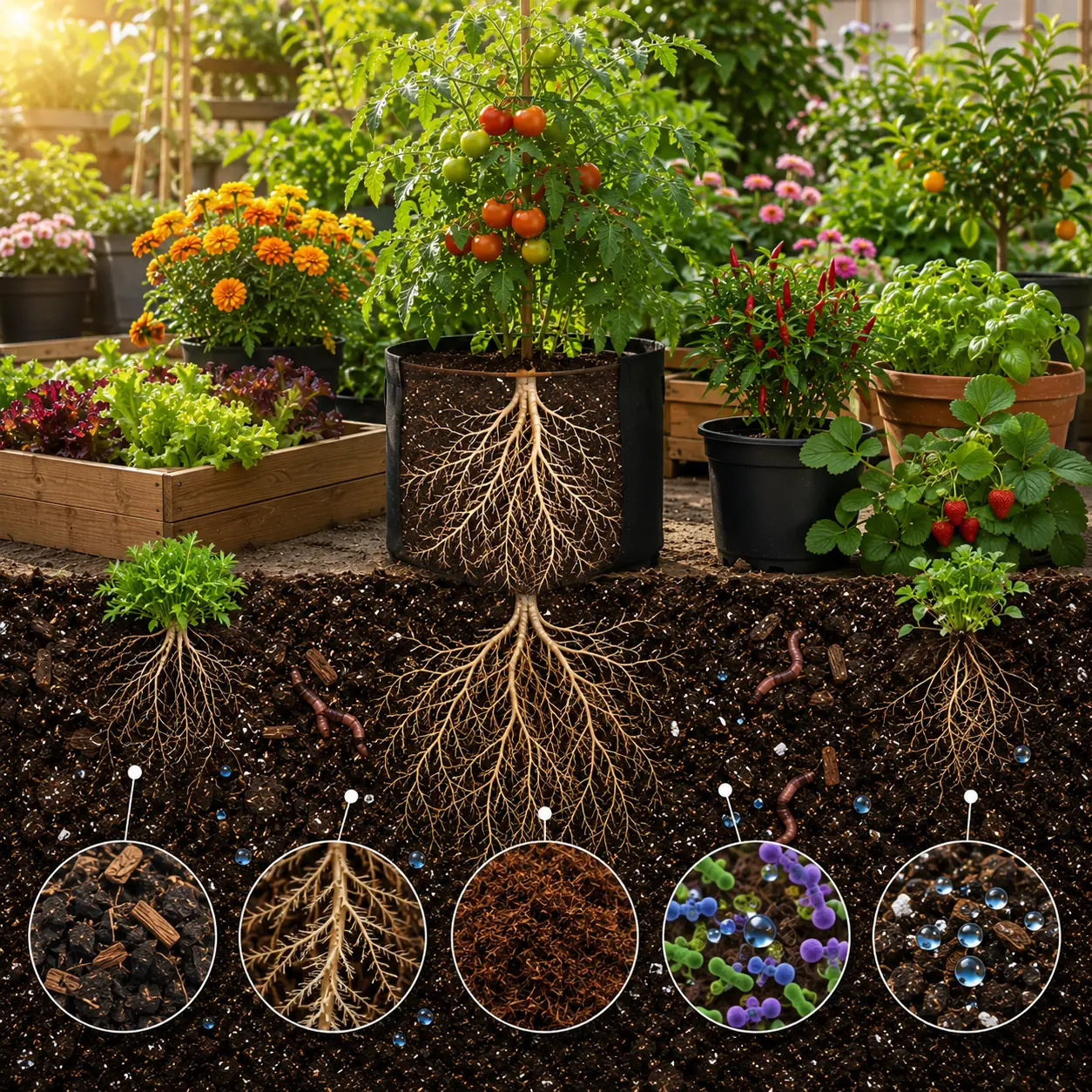
Organic Potting Soil Mix
Provides nutrients, structure, and healthy growing conditions for container plants.
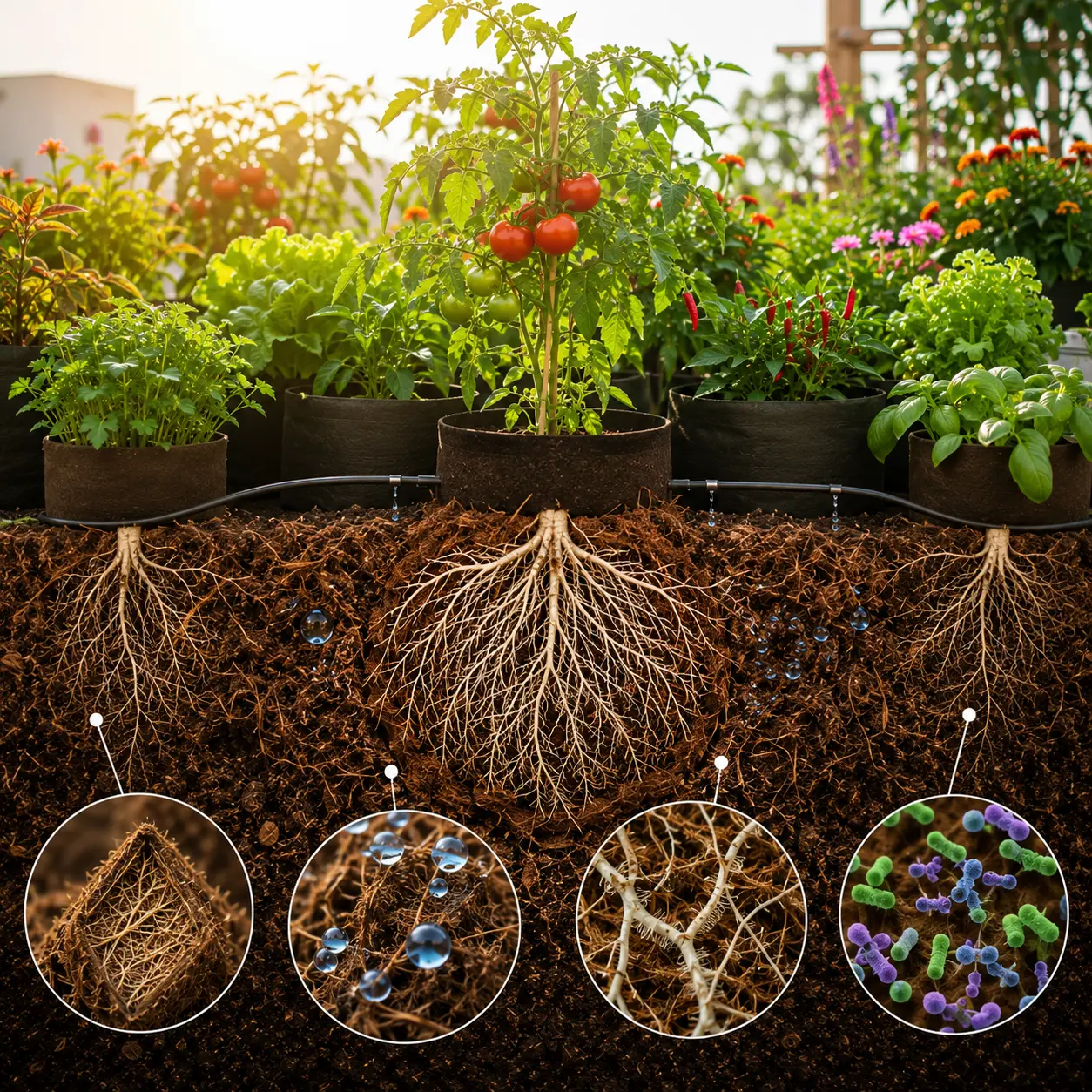
Coco Peat Growing Medium
Enhances moisture retention while maintaining excellent root-zone aeration.

Grow Bags for Plants
Improve drainage, root aeration, and vegetable production in limited spaces.

Plastic Pots for Plants
Ideal containers for seedlings, ornamentals, herbs, and balcony gardens.
Names in Different Languages
| Language | Name |
|---|---|
| English | Lotus, Sacred Lotus, Indian Lotus, Pink Lotus |
| Hindi | Kamal, Kanwal |
| Sanskrit | Padma, Kamala, Pankaja, Ambuja, Aravinda, Neeraja, Saroja, Nalini |
| Bengali | Padma, Kamal |
| Tamil | Thamarai, Taavarai |
| Telugu | Tamara Puvvu |
| Marathi | Kamal |
| Kannada | Taavare, Kamala, Padma |
| Malayalam | Thamara, Venthamara, Chenthamara |
| Gujarati | Kamal |
| Punjabi | Kanwal |
| Scientific Name | Nelumbo nucifera Gaertn. |
| Family | Nelumbonaceae |
Most searched name in India: Kamal (Hindi)
The Sanskrit name Padma holds particular cultural significance. Beyond referring to the lotus itself, it appears in the names of deities, places, literary works, and personal names throughout South Asia. The goddess Lakshmi is frequently depicted seated upon a lotus and is often associated with the name Padma. Related names such as Padmanabha and Padmavati reflect the flower’s enduring presence in Indian religious and cultural traditions.
The genus name Nelumbo is believed to have originated from a Sinhalese name for the plant in Sri Lanka, where the lotus has long been cultivated and revered. Today, Nelumbo nucifera remains one of the most recognisable aquatic plants in Asia, valued not only for its beauty but also for its cultural, culinary, and ecological importance.
What Does It Look Like?
Lotus (Nelumbo nucifera) is a large aquatic perennial with long leaf stalks (petioles) that typically raise the leaves 90–200 cm above the water surface. The leaves are nearly circular, blue-green to green, and may reach 30–80 cm in diameter. Their surface is covered with microscopic waxy structures that cause water to bead and roll away rather than spread across the leaf. This self-cleaning property, known as the lotus effect, has attracted considerable interest in materials science and biomimetic engineering.
The flowers are among the largest produced by any aquatic plant, typically measuring 15–25 cm across. They consist of numerous overlapping petals in shades of pink, rose, or white surrounding a prominent central receptacle and a ring of yellow stamens. Individual flowers usually open in the morning and close later in the day, remaining attractive for several days before the petals fall.
After flowering, the receptacle enlarges into the distinctive cone-shaped seed head characteristic of the species. Each cavity within the seed head contains a single seed, which gradually matures before being released.
One of the most distinctive features of the lotus is the remarkable water repellency of its leaves. When water lands on the leaf surface, it forms nearly spherical droplets that roll away, carrying dust and debris with them. This behaviour is unusually pronounced in lotus and is one of the plant’s most recognisable characteristics.
Where Does It Grow in India?
Lotus is native to large parts of Asia, including the Indian subcontinent, and has been cultivated throughout the region for thousands of years. In India, it occurs naturally in ponds, lakes, oxbow wetlands, floodplain water bodies, and slow-moving freshwater habitats with soft, muddy sediments.
The plant is widely distributed across the country and is particularly common in West Bengal, Bihar, Odisha, Uttar Pradesh, Assam, Manipur, Kerala, Tamil Nadu, Andhra Pradesh, and several other states. In many regions, lotus is cultivated commercially for its flowers, rhizomes, seeds, and ornamental value, while also remaining a familiar component of natural wetland ecosystems.
Lotus generally grows from sea level to approximately 1,400 metres in elevation and is best adapted to warm, humid climates with abundant sunlight. It thrives in tropical and subtropical regions but becomes less common in very high-altitude, cold, or arid environments.
Beyond natural wetlands, lotus is increasingly cultivated in ornamental ponds, temple tanks, water gardens, and large containers in urban areas across India. Its adaptability and cultural importance have made it one of the most widely grown aquatic plants in the country.
What Is It Used For?
Lotus is one of the few plants in which nearly every major part has a recognised culinary, cultural, ornamental, or traditional use.
The rhizome (kamal kakdi or nadru) is widely consumed as a vegetable across India. It is stir-fried, pickled, added to curries and soups, or prepared as regional specialities, with distinctive culinary traditions ranging from Kashmiri nadru yakhni to various preparations found in eastern and southern India.
The seeds are edible and may be consumed fresh or dried. In several Asian cuisines, dried lotus seeds are used in desserts, snacks, and traditional preparations. Lotus seeds should not be confused with makhana (fox nuts), which are harvested from Euryale ferox, a different aquatic plant. Lotus seeds are also used in some traditional foods and herbal preparations.
The flowers are valued throughout India for religious and ceremonial purposes. Fresh blooms are widely used in temple worship, puja offerings, festivals, and decorative arrangements, reflecting the plant’s deep cultural significance.
The leaves have long been used as natural food wrappers in parts of South and East Asia, where they impart a subtle aroma during steaming and cooking. Dried leaves are also used in traditional herbal infusions and teas.
Beyond these uses, lotus remains an important ornamental plant in gardens, temple tanks, water features, and public landscapes because of its striking flowers and symbolic value.
In Mythology and Ancient Texts
Few plants have a more enduring presence in Indian religious, literary, and philosophical traditions than the lotus. References to lotus-like aquatic flowers appear throughout ancient Indian literature, where the plant is associated with purity, beauty, fertility, prosperity, and spiritual awakening. Because it rises clean and vibrant from muddy water, the lotus became one of the most powerful symbols in South Asian thought.
The Puranas, particularly the Vishnu Purana and the Padma Purana, give the lotus a prominent cosmological role. In the Vaishnavite creation narrative, Brahma—the creator god—is depicted seated upon a lotus emerging from the navel of Vishnu as he rests upon the cosmic ocean. This image of Padmanabha (“lotus-navelled Vishnu”) became one of the most influential motifs in Indian religious art and temple architecture. The Padma Purana, one of the major Hindu Puranas, derives its name from the lotus and further reinforces the flower’s sacred status.
The Bhagavad Gita employs the lotus as a philosophical metaphor for detached action. Just as the lotus leaf remains untouched by water, individuals are encouraged to perform their duties without becoming attached to the results of their actions. This imagery has been widely discussed in later Vedantic and spiritual commentaries.
The flower also occupies a special place in Sanskrit literature. Over time, it accumulated an unusually rich collection of descriptive names, many reflecting its aquatic habitat. Pankaja means “born of mud,” Ambuja means “born of water,” Neeraja means “born of water or liquid,” and Saroja means “born in a lake or pond.” The abundance of such names reflects the lotus’s exceptional cultural and literary importance across centuries of Indian civilisation.
Beyond Sanskrit traditions, the lotus appears prominently in regional literature. In Tamil Sangam poetry, thamarai is frequently used as a symbol of beauty, grace, and prosperity, and is closely associated with the goddess Lakshmi. In northeastern India, the lotus holds cultural significance in the wetlands of Manipur, particularly around Loktak Lake, where it has long been valued within both Meitei cultural traditions and later Hindu practices.
Across Hinduism, Buddhism, and Jainism, the lotus remains a symbol of purity, enlightenment, wisdom, and spiritual transcendence—an enduring reminder of the ability to rise above adversity while remaining rooted in the world.
Is It Easy to Grow?
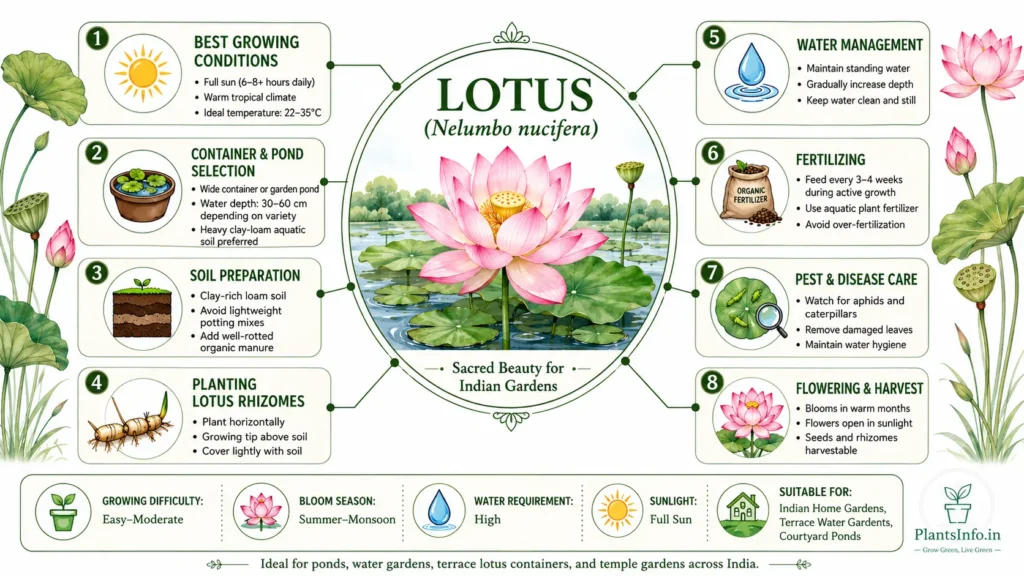
Lotus is moderately easy to grow once its basic requirements are understood. The main challenge is not the plant itself but the growing environment, which differs from conventional container gardening. Lotus requires still or very slow-moving water, heavy clay-rich soil, and at least 6–8 hours of direct sunlight each day.
Once established, it is a vigorous and largely self-sufficient aquatic plant that can quickly fill a container or small pond. In favourable conditions, the rhizomes may outgrow their container within a few growing seasons and require division. Lotus is well-suited to water gardens, terrace ponds, courtyards, and large containers, and can be successfully cultivated across most parts of India.
For detailed planting instructions, care requirements, and troubleshooting advice, see the Lotus Growing Guide.
⚠ Special Flags
Commonly Confused Species
Lotus (Nelumbo nucifera) is frequently confused with water lilies (Nymphaea species), but the two belong to different plant families and can usually be distinguished at a glance. Lotus leaves are typically held above the water surface on sturdy stalks and possess a highly water-repellent surface. Most water lily leaves float directly on the water and have a characteristic notch or split extending from the leaf edge toward the centre. Lotus flowers are generally held above the foliage, whereas water lily flowers usually float on or slightly above the water surface.
Toxicity and Safety
Lotus is generally considered non-toxic to humans and animals, and its rhizomes, seeds, leaves, and flowers have long histories of culinary use. However, aquatic plants harvested from natural ponds, lakes, or other unmanaged water bodies may carry parasites, bacteria, or environmental contaminants. Rhizomes, leaves, and other edible parts should be thoroughly washed and properly cooked before consumption.
Frequently Asked Questions
Is a lotus the same as a water lily?
No. Lotus (Nelumbo nucifera) and water lilies (Nymphaea species) are distinct groups of aquatic plants belonging to different plant families. Lotus leaves are typically raised above the water surface and strongly repel water, while water lily leaves usually float on the surface and often have a visible notch in the leaf blade.
Can lotus seeds really remain viable for hundreds of years?
Yes. Lotus seeds are renowned for their exceptional longevity. Scientific studies have documented the successful germination of ancient lotus seeds recovered from lake-bed sediments in China after centuries of dormancy. This remarkable seed viability is one reason the lotus is often associated with renewal, endurance, and rebirth in many Asian cultures.
Is Lotus the state flower of any Indian state?
Yes. The lotus is recognised as the state flower of several Indian states, including Karnataka, Haryana, and Andhra Pradesh, in addition to serving as India’s national flower.
Conclusion
Few plants combine botanical interest, cultural significance, culinary value, and ornamental beauty as completely as the lotus. From ancient literature and religious symbolism to modern gardens and wetland ecosystems, Nelumbo nucifera remains one of the most recognisable and respected plants in India. Understanding its many names, uses, and traditions offers a deeper appreciation of a species that has shaped Indian culture for centuries.