Introduction to the Curry Leaf Plant
The curry leaf plant is a widely cultivated aromatic plant known for its distinctive leaves, which are commonly used in cooking and traditional practices. Scientifically known as Murraya koenigii, the curry leaf plant belongs to the Rutaceae family, the same family as citrus plants. It is native to the Indian subcontinent and is extensively grown in tropical and subtropical regions for its culinary, ornamental, and traditional importance.
Classification
Curry leaf plants are valued for their glossy green leaves, compact growth habit, and adaptability to garden and container cultivation. The leaves are prized for their strong aroma and flavor, which are released when they are lightly crushed or heated. Due to its frequent use in household kitchens and its relatively simple care requirements, the curry leaf plant is a common addition to home gardens.
Quick Plant Information
| Attribute | Details |
|---|---|
| Common Names | Curry Leaf, Curry Leaf Tree |
| Scientific Name | Murraya koenigii |
| Family | Rutaceae |
| Plant Type | Aromatic edible plant |
| Lifespan | Perennial |
| Native Region | Indian subcontinent |
| Growth Habit | Small tree or shrub |
| Average Height | 2–6 meters |
| Leaf Characteristics | Pinnate, glossy green, aromatic |
| Flower Color | White |
| Sunlight Requirement | Full sunlight |
| Water Requirement | Moderate |
| Soil Type | Well-drained loamy soil |
| Toxicity | Non-toxic |
Botanical Characteristics of the Curry Leaf Plant
Growth Habit
The curry leaf plant grows as a small tree or large shrub, depending on how it is pruned and maintained. It develops a woody stem with multiple branches and can be kept compact through regular trimming.
Height and Spread
- Average height ranges from 2 to 6 meters
- Spread is moderate
- Growth rate is moderate under favorable conditions
Compact growth allows it to fit well in home gardens and large containers.
Stem and Bark
- Woody stems with smooth to slightly rough bark
- Young branches are green and flexible
- Older stems become firm and woody
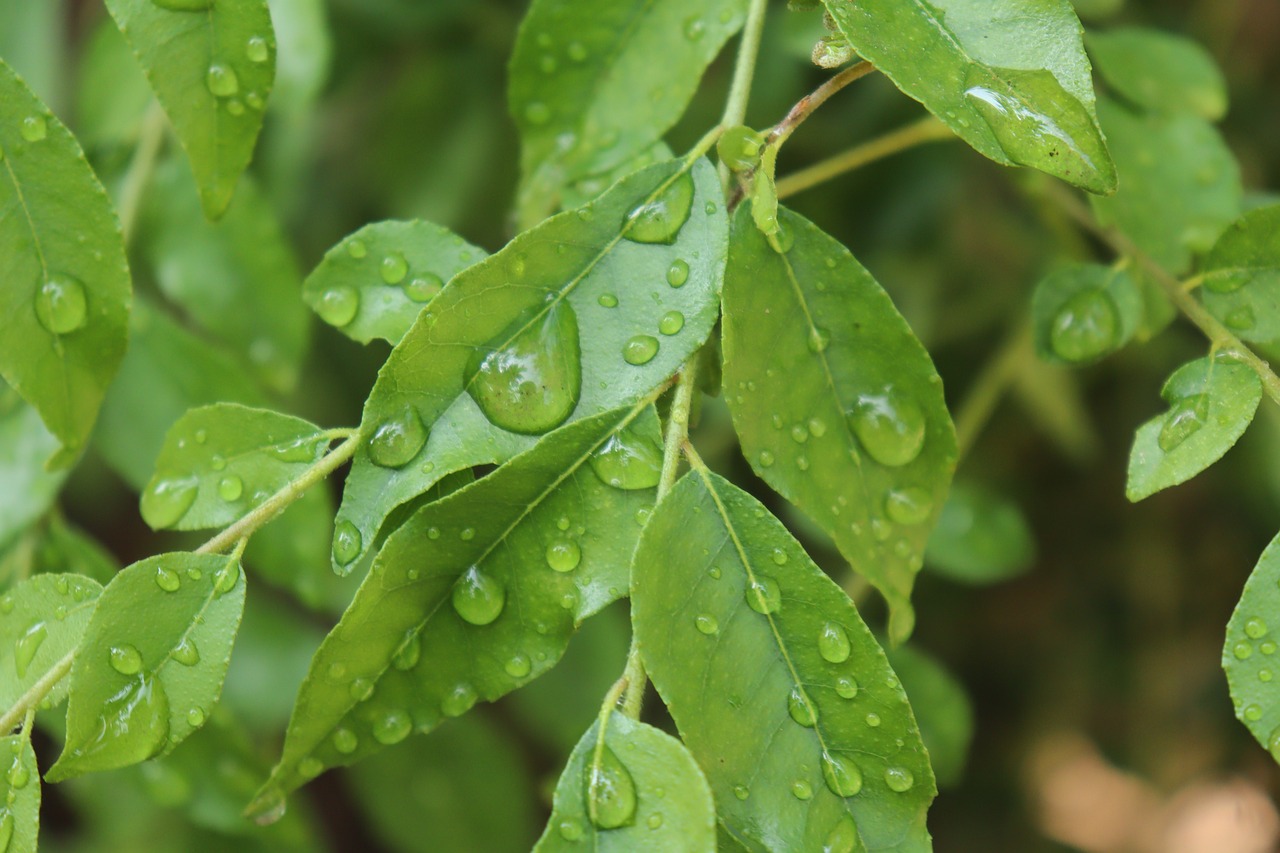
Leaves
- Compound leaves with multiple leaflets
- Glossy green in color
- Strongly aromatic when crushed
- Arranged alternately along the stem
The leaves are the most valuable part of the plant and are harvested regularly.
Flowers
- Small, white flowers
- Arranged in clusters
- Mildly fragrant
Flowering usually occurs during warmer months.
Fruits
- Small, round berries
- Green when young, turning black when mature
- Contain seeds
While edible when fully ripe, the fruits are less commonly used than the leaves.
Root System
- Moderately deep root system
- Sensitive to waterlogging
- Requires well-drained soil
Native Habitat and Distribution
The curry leaf plant is native to the Indian subcontinent, where it grows naturally in tropical forests and open landscapes. From its native range, cultivation spread to Southeast Asia and other warm regions.
Today, curry leaf plants are grown in:
- South Asia
- Southeast Asia
- Parts of Africa
- Tropical regions worldwide
Climate Requirements
- Tropical to subtropical climate
- Ideal temperature range: 20°C–35°C
- Sensitive to frost
Soil Requirements
- Well-drained, fertile soil
- Rich in organic matter
- Slightly acidic to neutral pH
Common Varieties of Curry Leaf Plant
Several varieties of curry leaf plants are cultivated.
Common forms include:
- Regular curry leaf plants
- Dwarf curry leaf varieties
- Slow-growing ornamental types
Variety selection depends on space availability and harvesting needs.
Uses and Importance of the Curry Leaf Plant
Culinary Uses
Curry leaves are widely used in:
- Flavoring dishes
- Seasoning oils and sauces
- Traditional cooking practices
The leaves are typically used fresh, but can also be dried.
Household and Garden Uses
The curry leaf plant is often grown for:
- Easy access to fresh leaves
- Ornamental value in gardens
- Low-maintenance cultivation
Cultural and Traditional Importance
Curry leaf plants have long been associated with traditional household gardens in many regions. Their presence is often linked to culinary heritage and home gardening practices.
How to Grow Curry Leaf Plant
Propagation Methods
Curry leaf plants are propagated through:
- Seeds
- Cuttings
Seed propagation is common, while cuttings help maintain plant characteristics.
Planting Location
- Open area with full sunlight
- Protection from strong winds
- Suitable for ground or large containers
Sunlight Requirement
- Requires full sunlight for healthy growth
- Partial shade may slow growth
Planting Curry Leaf Plant
Best Time to Plant
- Spring or early summer
- Warm soil conditions support root development
Planting Steps
- Prepare well-drained soil
- Mixthe soil with organic compost
- Plant at the correct depth
- Water lightly after planting
Care and Maintenance of Curry Leaf Plant
Watering
- Regular watering during early growth
- Moderate watering once established
- Avoid waterlogging
Fertilization
- Responds well to organic manure
- Balanced fertilization supports leaf growth
Pruning
- Regular pruning encourages bushy growth
- Helps control plant size
- Improves leaf production
Mulching
- Conserves soil moisture
- Improves soil health
Recommended Products
Disclosure: As an Amazon Associate, PlantsInfo may earn from qualifying purchases.
🌱 Plant Care Essentials
The following tools can help with pruning, plant health, soil management, and fruit garden maintenance.

Neem Oil for Plant Care
Natural plant protection against aphids, whiteflies, mites, and other common garden pests.

Fungicide for Root Care
Helps suppress soil-borne fungal diseases and supports healthier root systems.

Spray Bottle for Plants
Ideal for applying foliar sprays, neem oil solutions, and liquid plant treatments.

Rubber Hand Gloves
Protects hands during pruning, planting, soil preparation, and garden maintenance.
Common Problems and Issues
Curry leaf plants may experience:
- Leaf yellowing due to overwatering
- Slow growth in low light
- Pest issues in humid conditions
Most problems are manageable with proper care.
Harvesting Curry Leaves
- Leaves can be harvested regularly
- Mature leaves have a stronger aroma
- Avoid overharvesting young plants
Regular harvesting encourages fresh leaf growth.
Lifespan and Growth Cycle
The curry leaf plant is a long-lived perennial that can remain productive for many years. With suitable care and regular pruning, it continues to produce fresh leaves throughout its lifespan.
Environmental Benefits
- Enhances garden biodiversity
- Suitable for home gardens
- Provides year-round greenery
Conclusion
The curry leaf plant (Murraya koenigii) is a versatile and valuable aromatic plant widely grown for its flavorful leaves and adaptability to warm climates. Its moderate growth habit, ease of care, and long lifespan make it suitable for both home gardens and container cultivation. With full sunlight, well-drained soil, and regular maintenance, curry leaf plants can thrive and provide fresh leaves for many years.
Frequently Asked Questions (FAQs) About Curry Leaf Plant
Is the curry leaf plant a tree or a shrub?
The curry leaf plant can grow as a small tree or a shrub, depending on how it is pruned and maintained.
Is the curry leaf plant perennial?
Yes, the curry leaf plant is a perennial plant and can live and produce leaves for many years under suitable conditions.
Can curry leaf plants be grown in pots?
Yes, curry leaf plants can be grown in large pots or containers, provided they receive full sunlight and proper drainage.
How much sunlight does a curry leaf plant need?
Curry leaf plants require full sunlight, ideally 6–8 hours of direct sunlight daily, for healthy growth and leaf production.
How often should curry leaf plants be watered?
Curry leaf plants need regular watering during early growth. Once established, moderate watering is sufficient, and waterlogging should be avoided.
When can curry leaves be harvested?
Curry leaves can be harvested once the plant is well established. Mature leaves are preferred, and regular harvesting encourages fresh growth.
Why are the leaves of my curry leaf plant turning yellow?
Leaf yellowing may result from overwatering, poor drainage, or nutrient imbalance. Adjusting care usually resolves the issue.
Does the curry leaf plant need regular pruning?
Yes, regular pruning helps maintain a compact shape and encourages bushy growth with more leaves.
Can curry leaf plants tolerate cold weather?
Curry leaf plants are sensitive to cold and frost and grow best in warm tropical or subtropical climates.
How long can a curry leaf plant live?
With proper care and a suitable climate, curry leaf plants can live and remain productive for many years.
Plants Info is a structured plant knowledge platform where you can explore detailed plant information, growing guides, and care tips for edible, medicinal, and ornamental plants. Visit the Plants Info homepage to discover well-researched plant database entries designed for gardeners and plant enthusiasts.