Philodendron Plant: Beauty, Ecology, and Landscape Benefits

Quick Answer: Philodendron is primarily an ornamental plant valued for its lush, air-purifying foliage. It helps filter indoor air pollutants like formaldehyde, improves humidity, and is scientifically linked to reduced stress — making it one of the most functional decorative plants you can keep indoors.
See also: Philodendron Plant plant profile, how to grow it, its flowering season, and quick facts.
Most people buy a philodendron because it looks good. What they don’t realise is that it’s quietly working — filtering the air, releasing moisture, and making the room genuinely calmer. Research into indoor plants’ psychological effects consistently shows reduced stress and anxiety in rooms with green foliage, and the philodendron’s large, glossy leaves are particularly effective at this because of the sheer leaf surface area they present. This article covers what this plant actually does for your home, your health, and your environment.
Recommended Products
Disclosure: As an Amazon Associate, PlantsInfo may earn from qualifying purchases.
🌱 Growing Essentials
The following products can help with container gardening, potting, root development, soil management, and healthy plant growth.
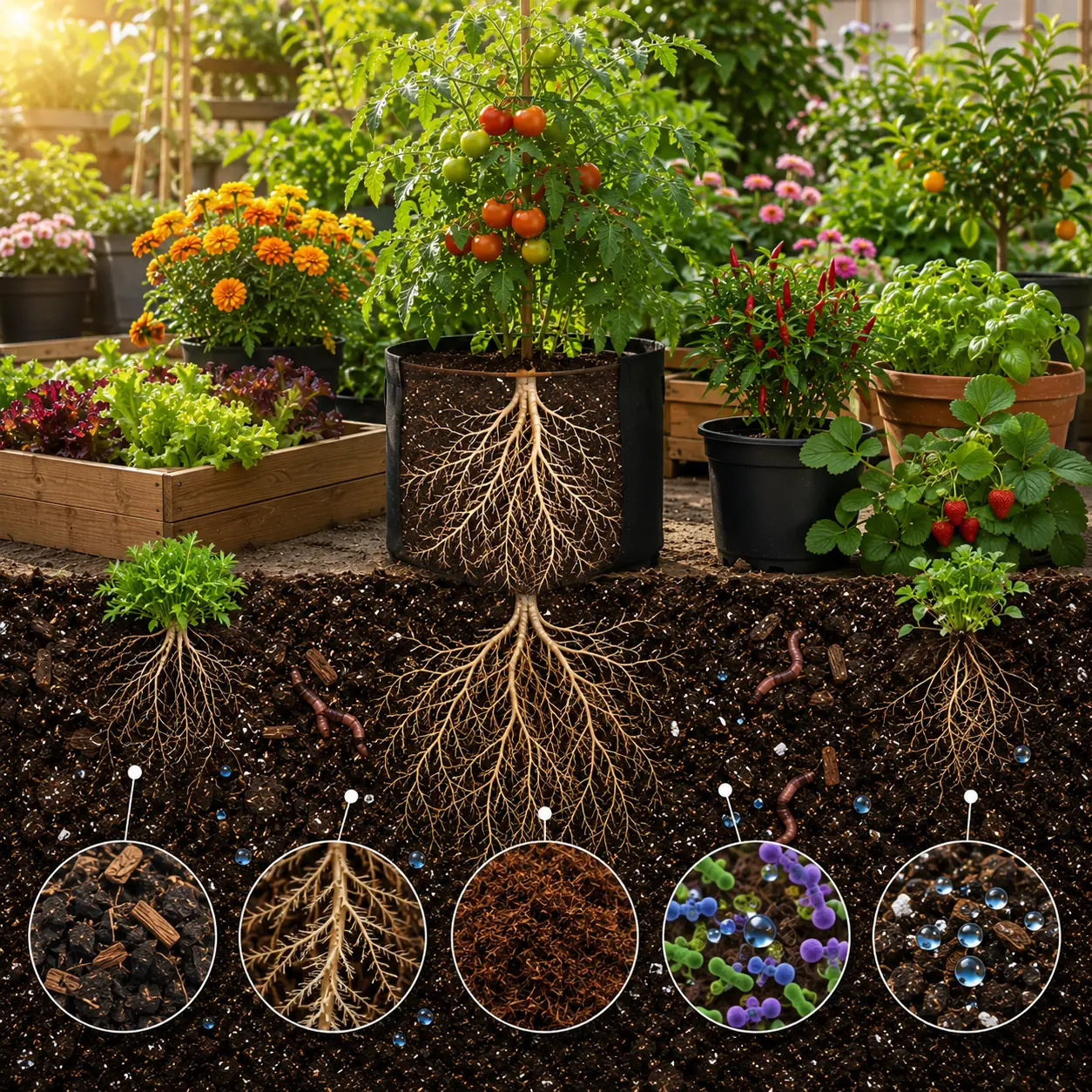
Organic Potting Soil Mix
Provides nutrients, structure, and healthy growing conditions for container plants.
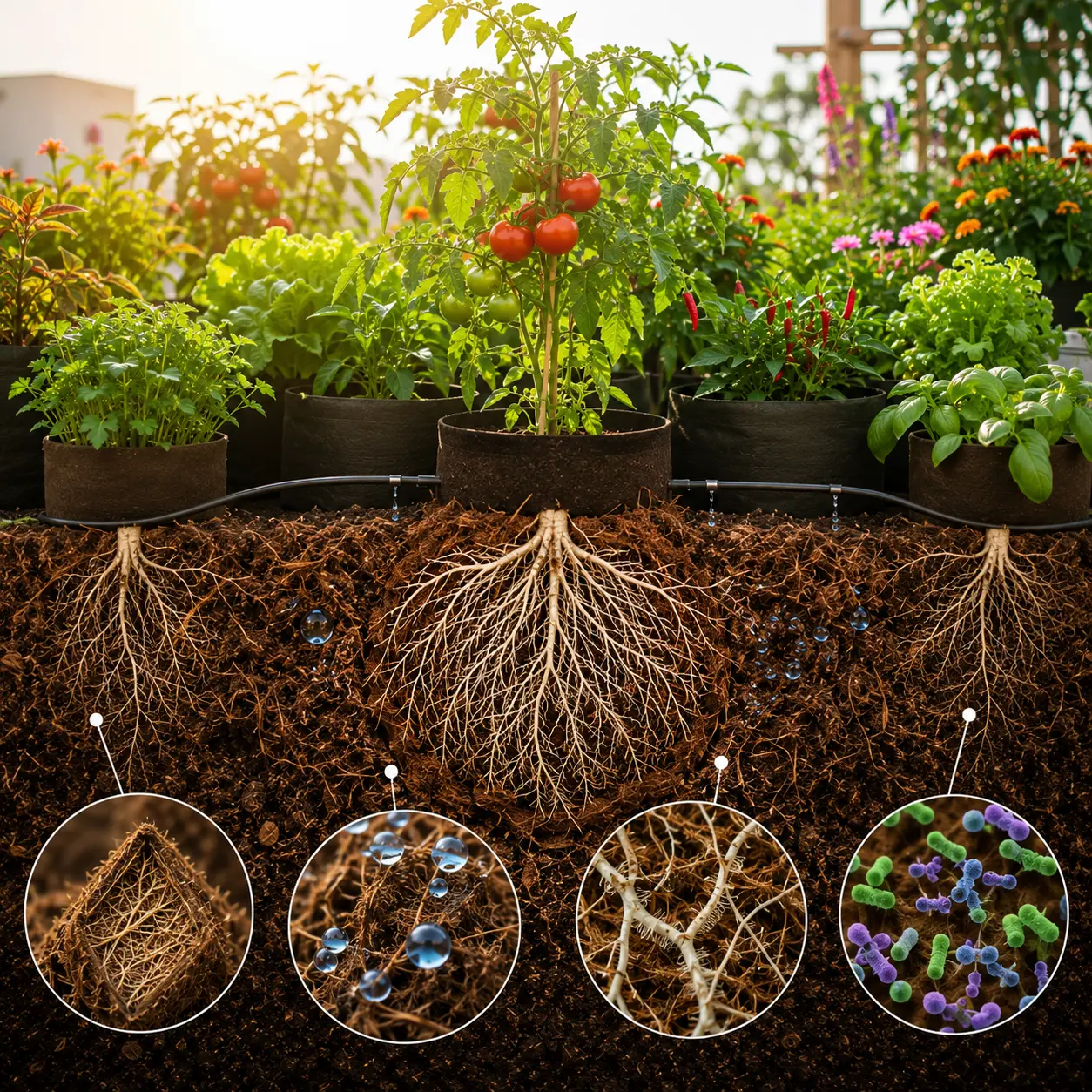
Coco Peat Growing Medium
Enhances moisture retention while maintaining excellent root-zone aeration.

Grow Bags for Plants
Improve drainage, root aeration, and vegetable production in limited spaces.

Plastic Pots for Plants
Ideal containers for seedlings, ornamentals, herbs, and balcony gardens.
Ornamental Value and Aesthetic Benefits
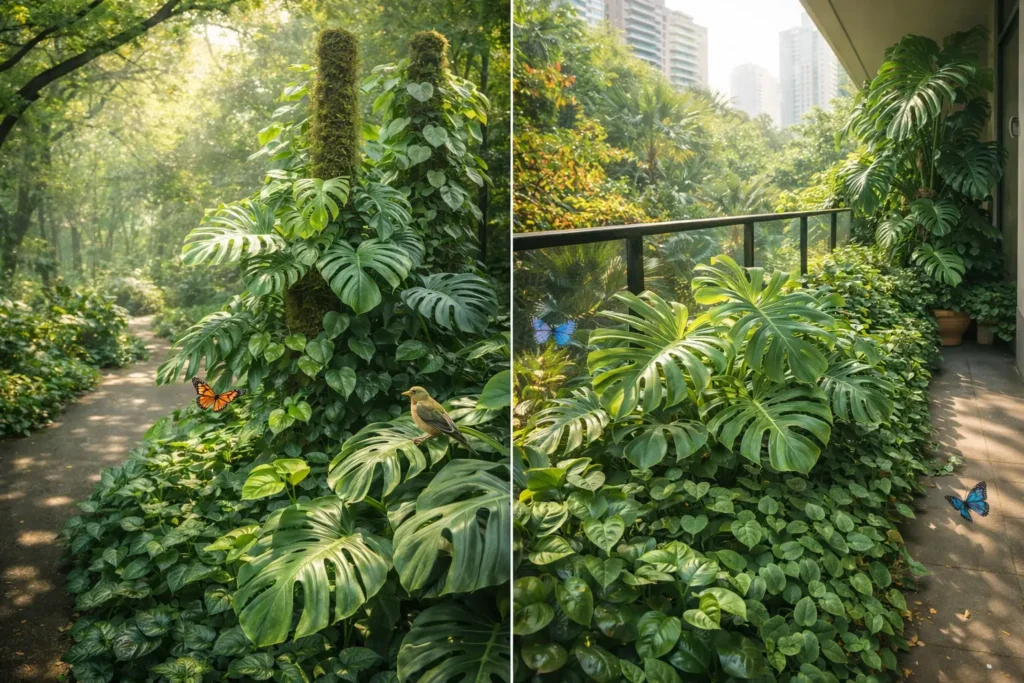
Philodendron’s primary strength is its visual impact. Few indoor plants can match the tropical lushness it creates with minimal effort — trailing vines from a high shelf, a climbing specimen on a moss pole, or a compact upright variety in a corner pot all produce dramatically different but equally striking looks. The leaves themselves vary enormously across varieties: deep glossy green in the heartleaf philodendron, cream-striped in the Birkin, near-black in the Black Cardinal, and neon yellow in the Lemon Lime — giving Indian home gardeners a palette to work with that almost no other single genus offers.
In Indian urban apartments where space is tight and natural greenery is limited, philodendron does something most decorative plants can’t: it fills vertical space, not just horizontal. Trained up a coir pole or wall-mounted trellis, it becomes a living feature wall. In the monsoon months, its growth is visibly exuberant, which makes it one of the most satisfying plants to watch through India’s long humid season.
Air Purification and Indoor Health Benefits
Studies on indoor air quality suggest that philodendrons are particularly effective at absorbing formaldehyde — a pollutant commonly released by plywood furniture, adhesives, and synthetic fabrics, all of which are common in Indian homes and offices. Through transpiration, the broad leaves also release moisture into the air, naturally raising indoor humidity. In Indian winters, especially in north Indian cities like Delhi, where indoor air becomes very dry, this is a meaningful benefit without the cost of a mechanical humidifier.
The plant absorbs carbon dioxide and releases oxygen through photosynthesis, contributing to fresher indoor air. While researchers note that many plants are needed for measurable air quality improvement in a large room, even one or two philodendrons near a workspace create a measurably greener microenvironment.
This information is based on published research and general botanical knowledge. It is not a substitute for medical advice. Consult a qualified healthcare professional for any health conditions.
Ecological Role
Outdoors — on balconies, verandas, and in courtyards — philodendrons support small ecological networks. Their aerial roots attract insects, and in warm, humid conditions, they can provide shelter for small spiders and beneficial insects. In Southeast Asian countries with similar climates to India’s coastal and northeastern regions, philodendrons grow as ground cover and low canopy plants that help retain soil moisture and reduce erosion on slopes.
Their extrafloral nectaries — glands that produce a sweet nectar outside the flowers — attract ants, which in turn protect the plant from leaf-eating insects. It is a quiet, self-managing relationship that reduces the need for pesticide intervention for an outdoor plant.
Practical Value for Home Gardeners
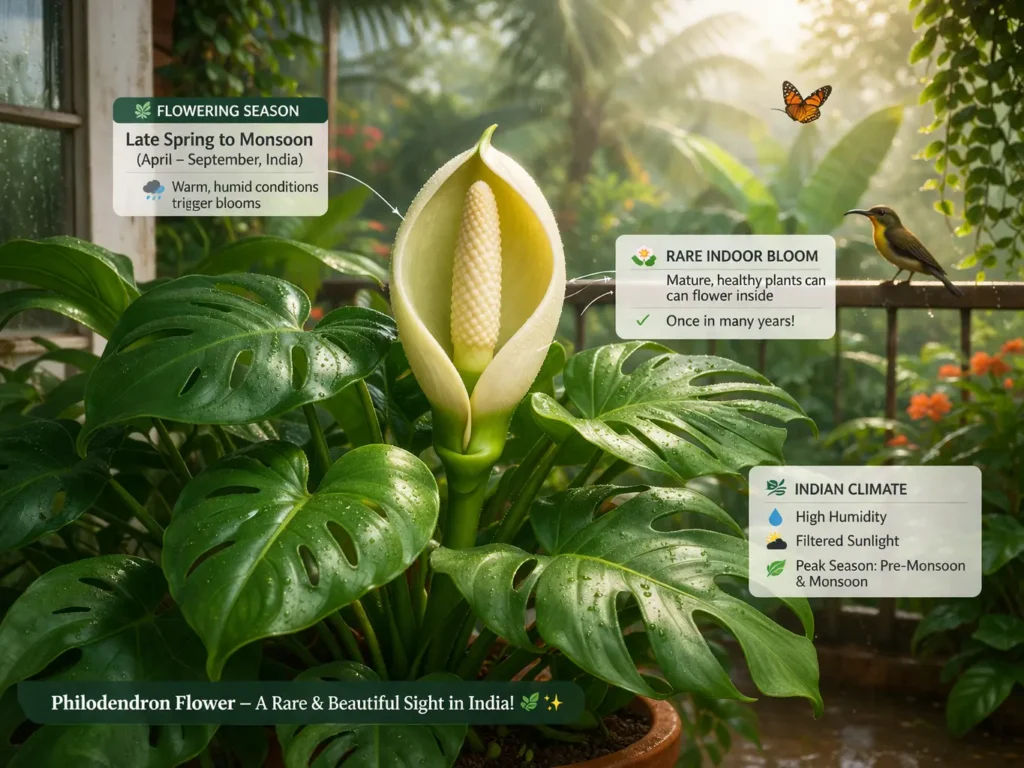
A philodendron pays you back in multiple ways: it propagates easily from a single stem cutting placed in water, meaning one plant quickly becomes many. In Indian households, it’s common to root cuttings in repurposed glass bottles on window sills — a practical and beautiful way to multiply plants without any cost. The plant also thrives in hanging baskets, making it ideal for balconies in flats where floor space is scarce. When the plant does occasionally produce a flower after many years of growth, the event is surprisingly interesting.