Philodendron Plant: Key Facts, Names, and What You Should Know
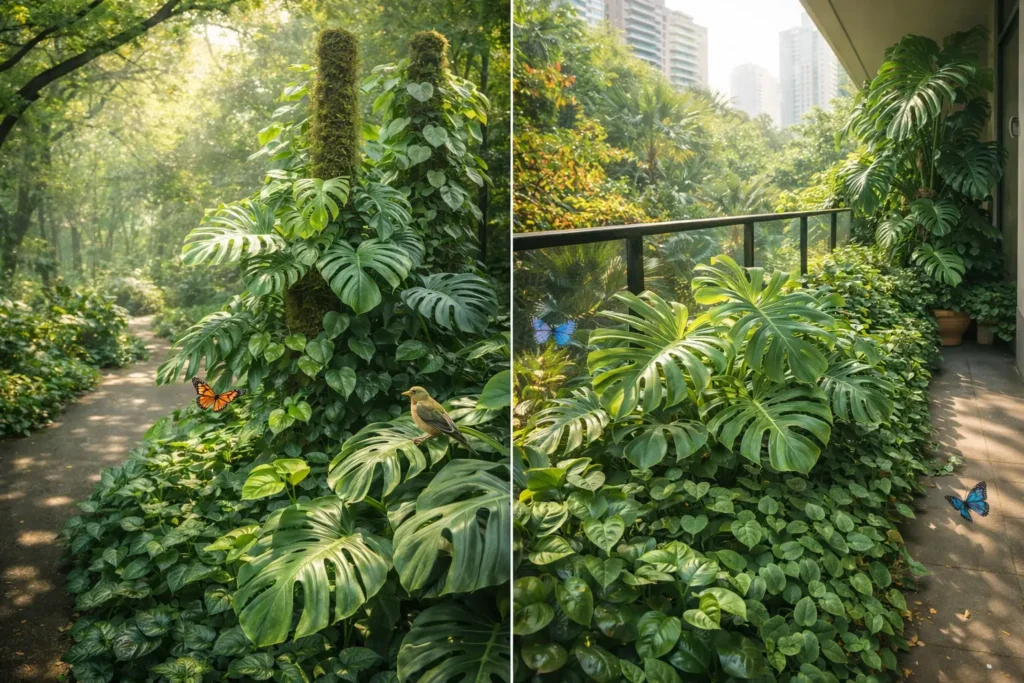
The name “philodendron” comes from the Greek words philo (love) and dendron (tree) — literally, “tree lover.” It’s an accurate description: in the wild, this plant spends its entire life climbing and embracing trees in tropical rainforests. In Indian homes, it does the same thing on moss poles and wall trellises, which is part of what makes it so visually alive.
See also: Philodendron Plant plant profile, how to grow it, its flowering season, and its benefits.
⚠ Toxicity notice: All philodendron species contain calcium oxalate crystals and are toxic if ingested — causing mouth pain, swelling, and vomiting in humans, and more serious reactions in cats, dogs, and small children. Keep this plant out of reach of pets and young children at all times.
Recommended Products
Disclosure: As an Amazon Associate, PlantsInfo may earn from qualifying purchases.
🌱 Growing Essentials
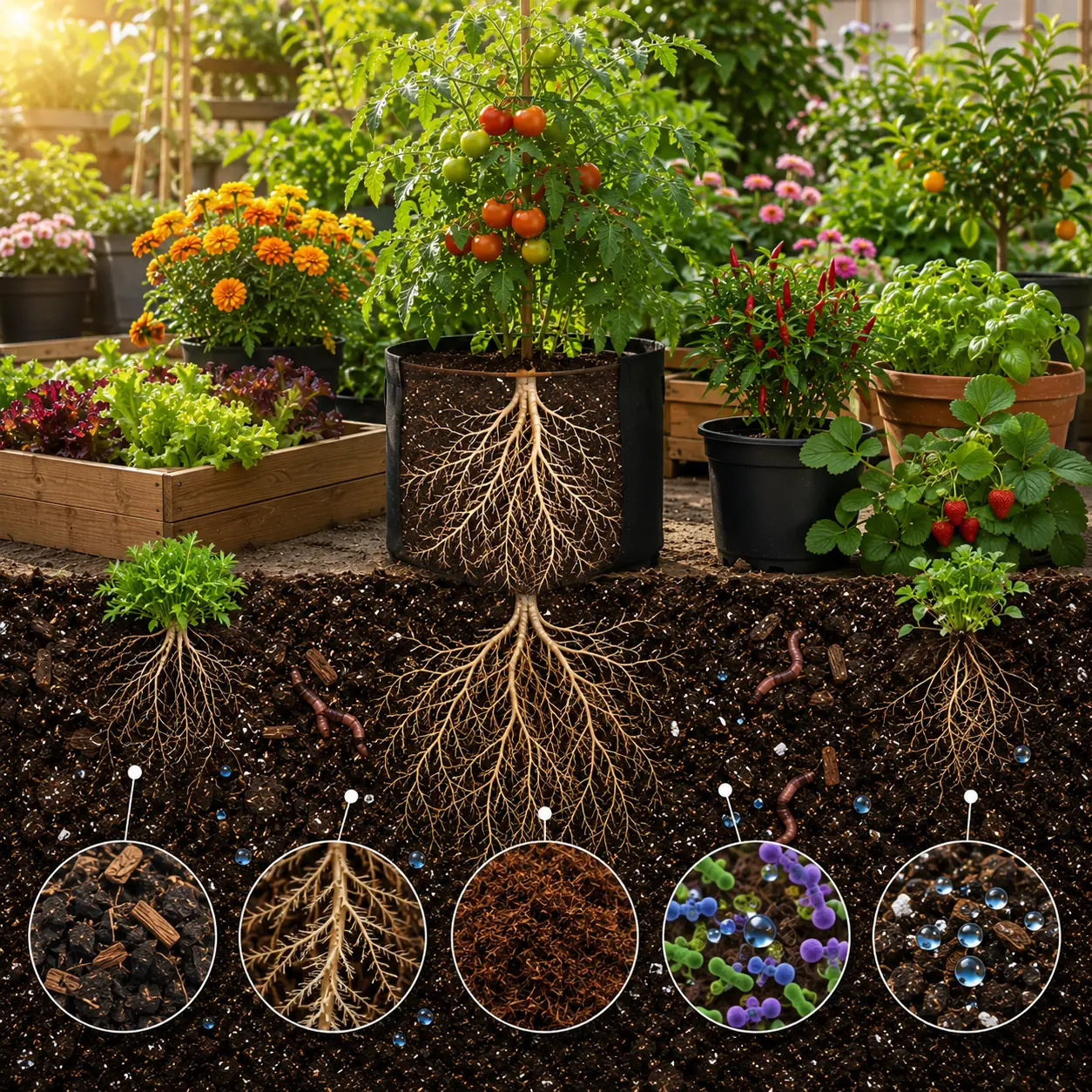
The following products can help with container gardening, potting, root development, soil management, and healthy plant growth.
Organic Potting Soil Mix
Provides nutrients, structure, and healthy growing conditions for container plants.
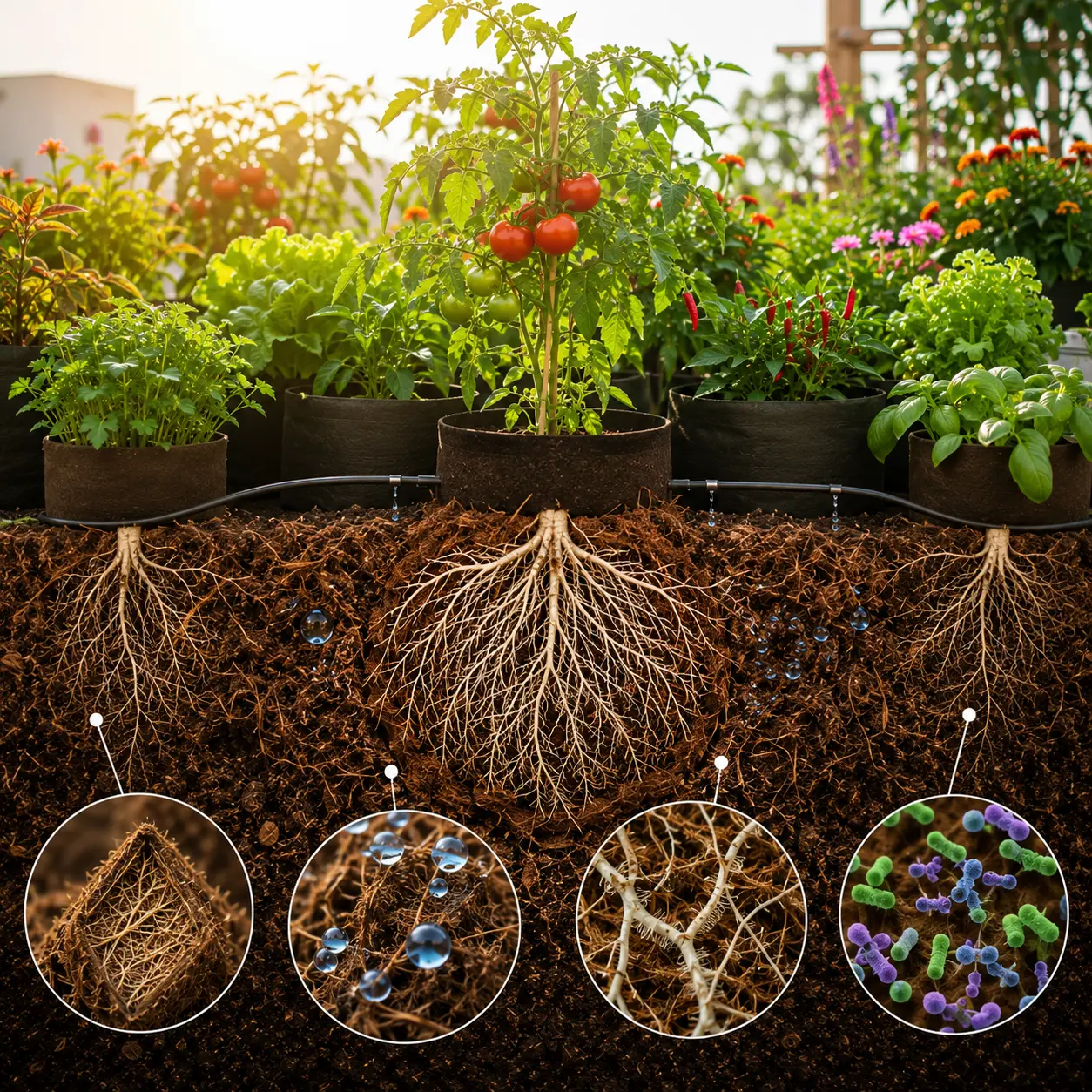
Coco Peat Growing Medium
Enhances moisture retention while maintaining excellent root-zone aeration.

Grow Bags for Plants
Improve drainage, root aeration, and vegetable production in limited spaces.

Plastic Pots for Plants
Ideal containers for seedlings, ornamentals, herbs, and balcony gardens.
Names in Different Languages
| Language | Name |
|---|---|
| English | Philodendron, Heartleaf Philodendron, Sweetheart Plant |
| Hindi | फिलोडेंड्रन (Philodendron) |
| Bengali | ফিলোডেনড্রন (Philodendron) |
| Tamil | பிலோடென்ட்ரான் (Philodendron) |
| Telugu | ఫిలోడెండ్రాన్ (Philodendron) |
| Marathi | फिलोडेंड्रॉन (Philodendron) |
| Kannada | ಫಿಲೋಡೆಂಡ್ರಾನ್ (Philodendron) |
| Malayalam | ഫിലോഡെൻഡ്രോൺ (Philodendron) |
| Gujarati | ફિલોડેન્ડ્રોન (Philodendron) |
| Punjabi | ਫਿਲੋਡੇਂਡ੍ਰੋਨ (Philodendron) |
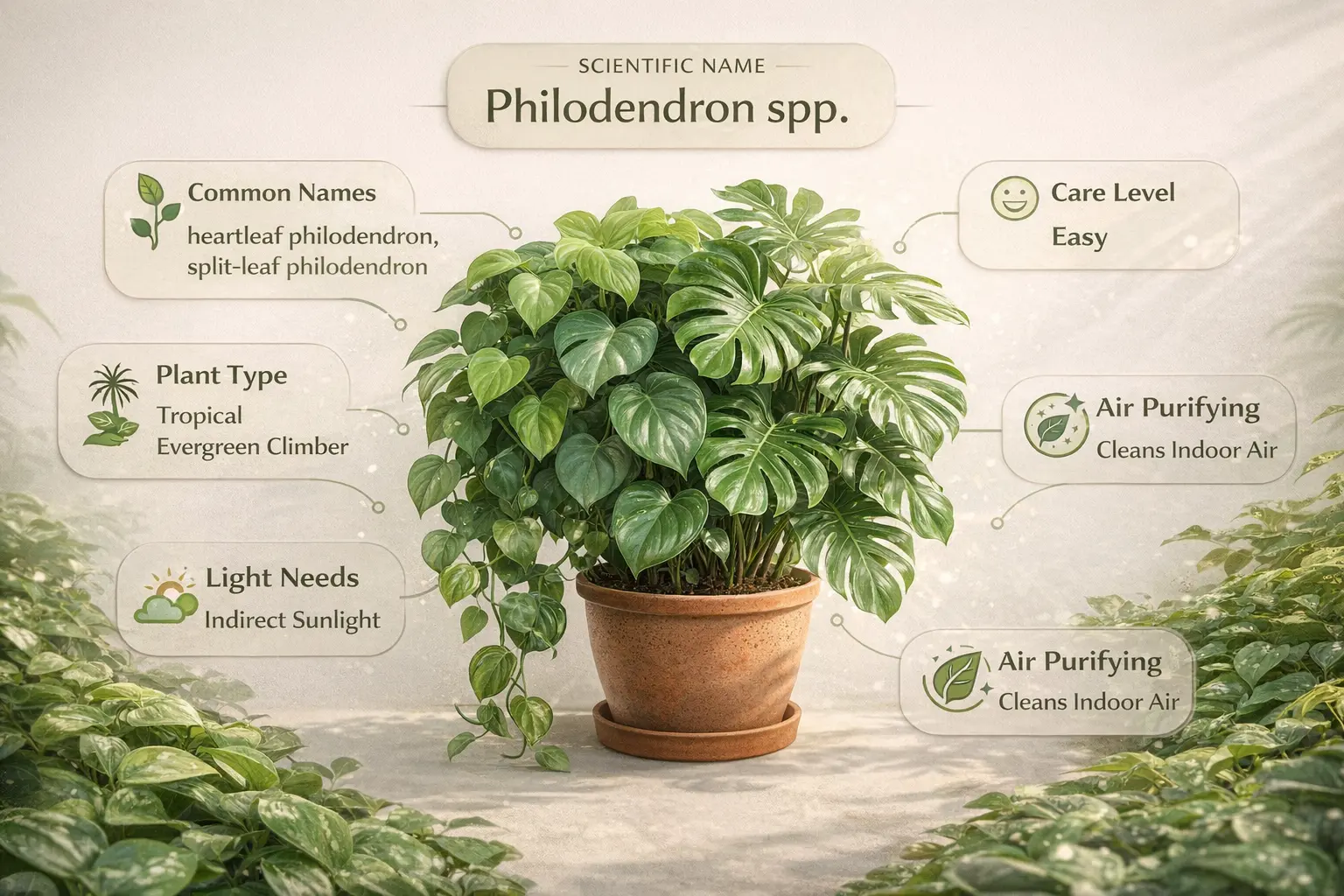
| Scientific name | Philodendron hederaceum (heartleaf); Philodendron spp. (genus) |
| Family | Araceae |
Philodendron has no widely adopted vernacular name in most Indian languages — it is universally referred to by its English/scientific name across India. “Heartleaf philodendron” and “Sweetheart plant” are the most searched English terms in India.
What Does It Look Like?
The most common variety in Indian homes — the heartleaf philodendron — has glossy, heart-shaped leaves about 7–15 cm long on trailing vines that can extend over 1–2 metres indoors. Leaves are deep green and waxy, with a smooth upper surface and slightly paler underside. In upright varieties like the Birkin or the Xanadu, leaves are larger and more sculptural, sometimes heavily lobed or striped with white. The unmistakable visual detail: every new leaf unfurls from a pale, almost translucent sheath called a cataphyll — watching this happen is one of the small joys of owning this plant.
Where Does It Grow in India?
Philodendron is not native to India — it originates from the tropical rainforests of Central and South America. However, it has been cultivated across India for decades and is now one of the most widely sold houseplants in the country. It thrives particularly well in warm, humid states: West Bengal, Kerala, Maharashtra, Tamil Nadu, Karnataka, and the northeastern states. In drier regions like Rajasthan or parts of the Indo-Gangetic plain, it can still be grown indoors with regular misting and some humidity management. It is equally common in urban apartments in metro cities as in rural homes with verandas.
What Is It Used For?
Philodendron is grown almost exclusively as an ornamental plant — for indoor décor, balcony greening, and office spaces. It is also valued for its air-purifying properties, helping to absorb indoor pollutants like formaldehyde released from furniture and synthetic materials. Easy propagation from cuttings makes it a popular plant to share with friends and neighbours. Some varieties are grown in water (hydroponically) as a minimalist display.
Is It Easy to Grow?
Very easy — philodendron is one of the most forgiving houseplants in India. It tolerates low light, irregular watering, and general neglect far better than most tropical plants. The only real dangers are overwatering and direct harsh sunlight. It suits any Indian climate as long as it’s kept indoors or in shade, and requires no special equipment.