Banana Benefits: Traditional Uses and Nutritional Value
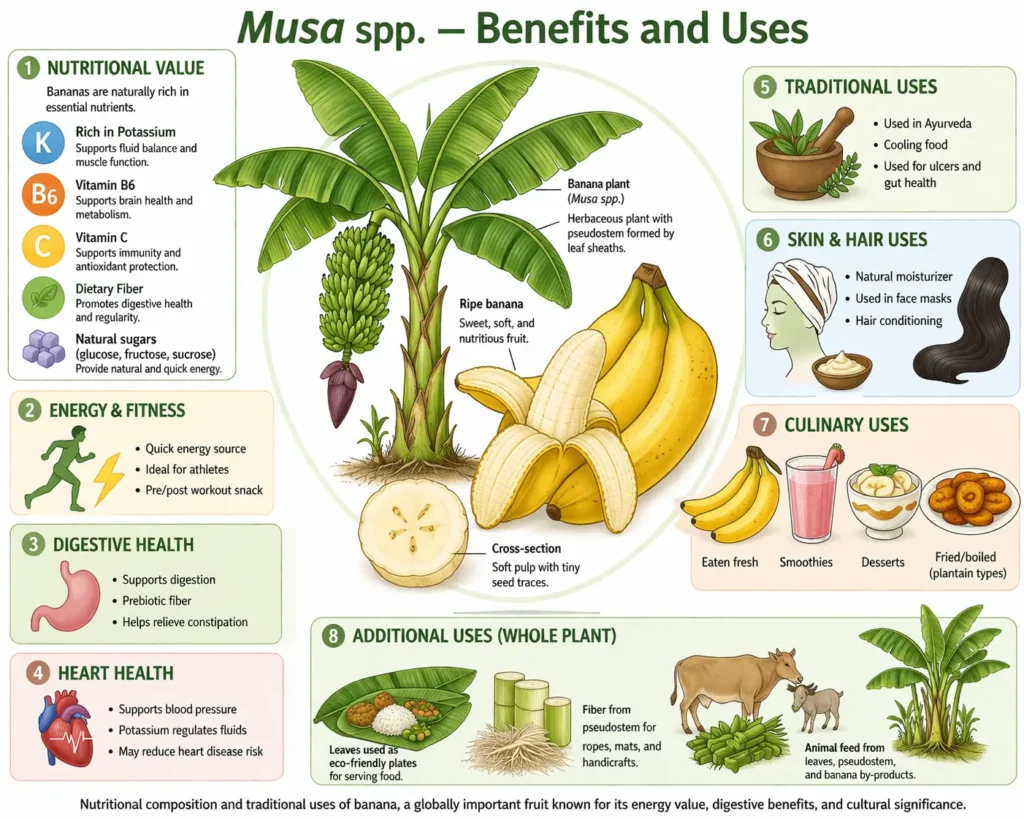
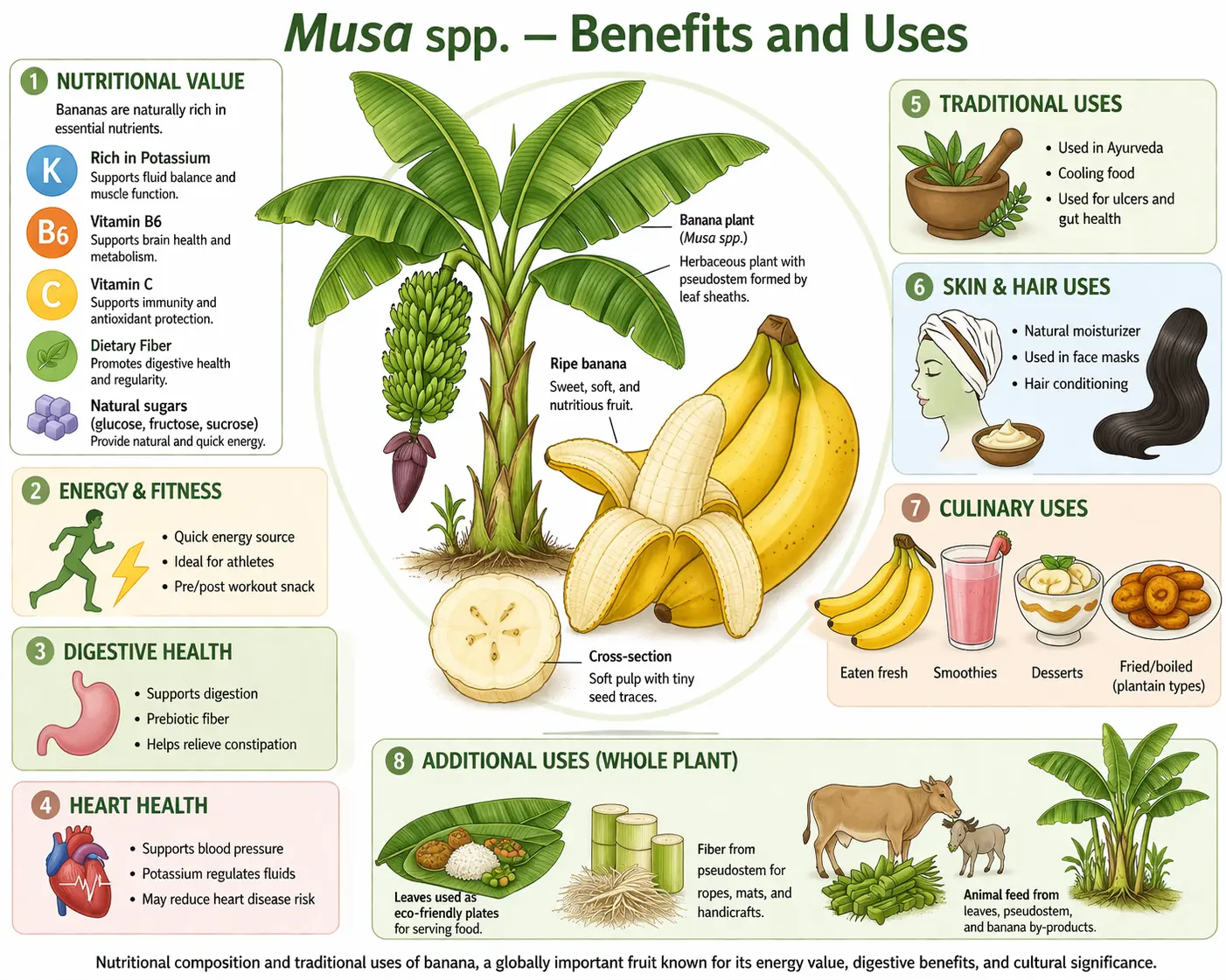
Bananas offer instant energy from natural sugars, support digestion with prebiotic fiber, and help manage blood pressure through high potassium content. In Indian tradition, different parts of the banana plant — fruit, flower, stem, and leaves — serve distinct culinary and medicinal purposes, making it one of the most useful plants in a home garden.
See also: Banana Plant plant profile, how to grow it, common problems, its flowering season, and its varieties.
Every part of the banana plant earns its place in Indian households. The ripe fruit sweetens breakfast smoothies and temple offerings. The raw fruit fries into chips at roadside stalls across Kerala. The flower simmers in sambar. The stem juices into a cooling drink. Even the leaves are lined with plates for festival meals. This is a plant that gives generously.
Recommended Products
Disclosure: As an Amazon Associate, PlantsInfo may earn from qualifying purchases.
🌱 Growing Essentials
The following products can help with container gardening, potting, root development, soil management, and healthy plant growth.
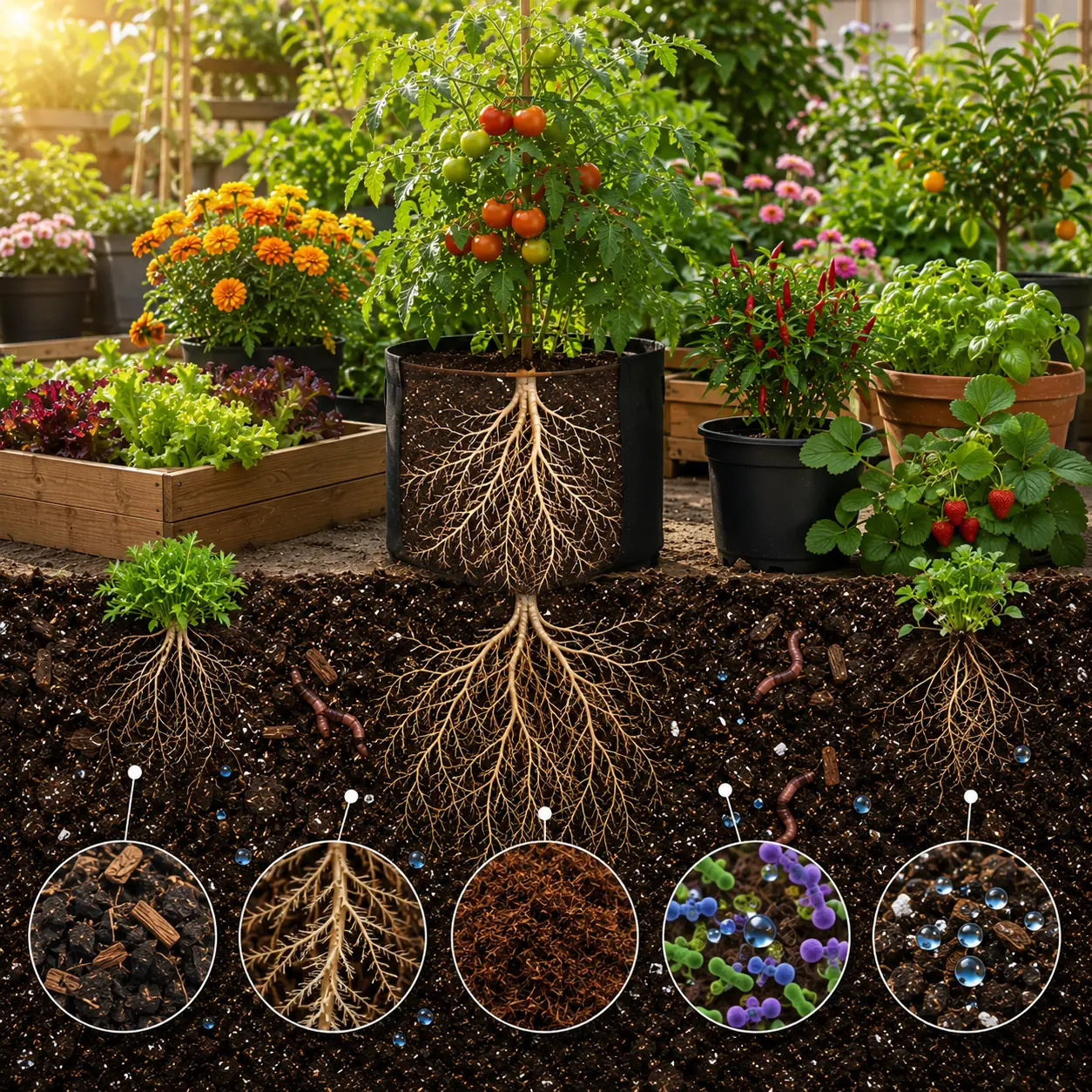
Organic Potting Soil Mix
Provides nutrients, structure, and healthy growing conditions for container plants.
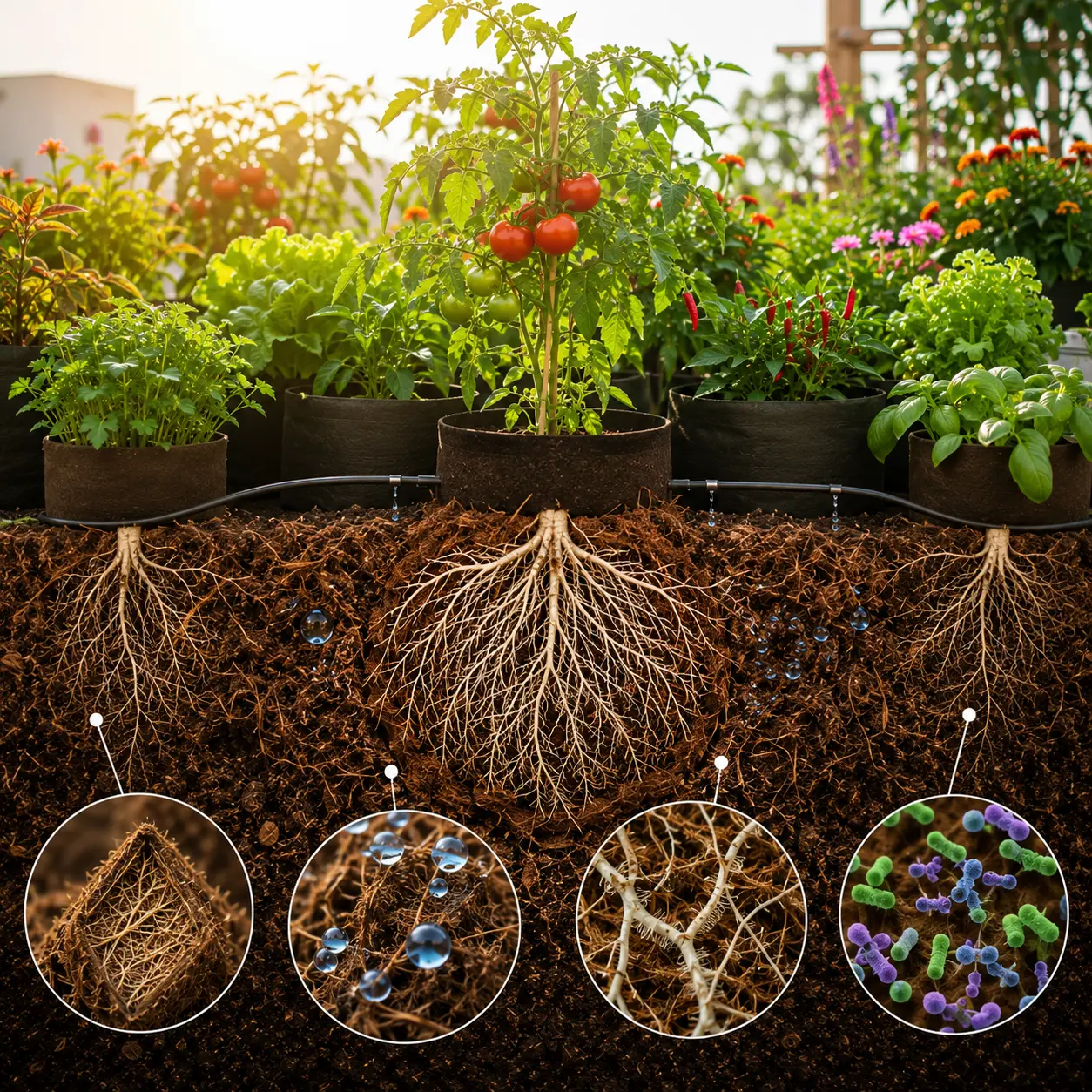
Coco Peat Growing Medium
Enhances moisture retention while maintaining excellent root-zone aeration.

Grow Bags for Plants
Improve drainage, root aeration, and vegetable production in limited spaces.

Plastic Pots for Plants
Ideal containers for seedlings, ornamentals, herbs, and balcony gardens.
Bananas are one of the most nutritionally complete fruits available. They’re easy to digest, naturally sweet, and packed with compounds that support everything from gut health to heart function. But what makes them especially valuable in Indian cooking and medicine is their versatility — you’re never limited to the fruit alone.
Nutritional Profile
One medium banana (approximately 120 grams) provides 105–110 calories, making it an efficient energy source. The carbohydrate content sits at 27 grams, primarily from natural sugars (glucose, fructose, and sucrose) that are digested quickly for fast energy. This is why athletes and manual labourers across India reach for bananas mid-work.
Bananas deliver 3 grams of dietary fiber per fruit, split between soluble fiber (which slows digestion and stabilises blood sugar) and insoluble fiber (which adds bulk to stool and prevents constipation). The prebiotic fiber feeds beneficial gut bacteria, supporting digestive health.
The standout mineral is potassium — 400–450 mg per fruit. Potassium regulates fluid balance, supports muscle function, and helps counter the blood pressure-raising effects of sodium. Indian diets, often high in salt, benefit significantly from regular banana consumption. Other minerals present include magnesium (8% of daily needs), manganese, and trace amounts of copper and iron.
Vitamins include B6 (20–25% of daily needs, crucial for brain function and mood regulation), vitamin C (10–15% of daily needs, supporting immune health), and small amounts of folate and niacin.
Ripe bananas contain antioxidants, including dopamine and catechins. These compounds reduce oxidative stress and may lower the risk of chronic diseases, though cooking or processing reduces antioxidant levels.
Health Benefits
Energy and physical performance: The combination of quick-digesting sugars and slower-digesting starch makes bananas ideal for sustained energy. Research suggests that consuming bananas before endurance exercise provides energy comparable to commercial sports drinks, with the added benefit of antioxidants and nutrients. Traditional practice in Indian wrestling akhadas includes bananas in pre-training meals for exactly this reason.
Digestive health: Green bananas and plantains contain resistant starch, a type of carbohydrate that behaves like fiber. It passes through the small intestine undigested and ferments in the colon, feeding beneficial bacteria. This supports regular bowel movements and may reduce the risk of colon issues. Ripe bananas provide different benefits — the pectin fiber softens stool, while the easy-to-digest sugars provide energy without straining a sensitive gut.
Blood pressure management: The high potassium-to-sodium ratio in bananas helps regulate blood pressure. Studies indicate that diets rich in potassium reduce hypertension risk and support cardiovascular health. For Indians consuming salt-heavy foods, daily banana intake offers a practical dietary balance.
Blood sugar control (in moderation): Despite their sweetness, bananas have a moderate glycemic index of 48–54 (depending on ripeness), meaning they cause a slower blood sugar rise than white rice or refined wheat. The fiber content further slows sugar absorption. However, very ripe bananas with brown spots have a higher GI as starches convert to simple sugars. Individuals managing diabetes should consume bananas as part of balanced meals rather than alone, and prefer slightly underripe fruit.
Mood and sleep support: Bananas contain tryptophan, an amino acid the body converts to serotonin, which influences mood and sleep quality. The vitamin B6 content aids this conversion. Traditional knowledge recognises bananas as a calming food, often given to children before sleep.
Traditional and Medicinal Uses
Ayurvedic perspective: Ayurveda classifies ripe bananas as sweet (madhura rasa), cooling (sheeta virya), and heavy (guru). They increase kapha and are considered nourishing and strengthening. Ripe bananas are traditionally given to underweight individuals, during recovery from illness, and to nursing mothers to support milk production.
Green bananas and plantains are considered astringent and lighter, used in conditions requiring reduced kapha. Banana stem juice is valued for its cooling and diuretic properties, traditionally consumed in summer to prevent urinary stones and support kidney function.
Digestive applications: Banana flower (the large purple bud) is used across South India for digestive support. It’s considered mildly astringent and is cooked into stir-fries or added to lentil dishes. Traditional medicine records its use for managing diarrhoea and supporting digestive regularity.
Ripe banana mashed with a pinch of rock salt and ginger is a home remedy for an upset stomach. The pectin helps firm loose stools, while the natural sugars provide quick energy.
Wound healing (external use): Banana leaf, applied to minor burns or cuts, serves as a natural, sterile dressing in rural areas. The leaf’s waxy surface protects the wound while its antimicrobial properties may prevent infection. This practice continues in regions with limited access to commercial bandages.
The inner core of the banana pseudostem, rich in moisture and mild astringent compounds, is sometimes applied as a poultice for insect bites or skin irritation in folk medicine.
Culinary and Daily Uses
Ripe fruit applications: Beyond eating fresh, overripe bananas with black spots are perfect for banana bread, pancakes, or mashed into infant food. The high sugar content at this stage makes additional sweetener unnecessary.
In Kerala and Tamil Nadu, steamed banana (pazham pori) or banana chips (kaaya varuthathu) are made from raw Nendran or Monthan varieties. The starch content creates a different texture and flavour compared to dessert bananas.
Banana flower (vazhaipoo): The large purple flower is edible after removing the tough outer bracts and soaking the inner florets to reduce bitterness. It’s used in thorans (stir-fries), vadai (fritters), and mixed vegetable dishes across South India. Nutritionally, it provides fiber, vitamins, and iron.
Banana stem (vazhaithandu): The tender inner core of the pseudostem is juiced or chopped into salads and curries. The juice is consumed as a cooling summer drink and is believed to support kidney function and prevent stone formation. The fiber content aids digestion.
Banana leaves: Serving food on banana leaves is traditional across South India. Research suggests compounds in the leaves may have mild antimicrobial properties. After meals, the leaves can be composted or fed to cattle — nothing is wasted.
Special Variety Benefits
Different banana varieties offer different benefits based on their composition.
Grand Naine and Robusta (dessert bananas): High in natural sugars, best for immediate energy. Ripe fruit has the highest antioxidant content among commercial varieties.
Nendran and Monthan (plantain types): Higher starch, lower sugar when green. Better for individuals needing slow-release energy. The resistant starch content in raw plantains supports gut bacteria growth more effectively than dessert varieties.
Red banana: Contains more beta-carotene and vitamin C than yellow varieties. Traditional medicine considers it especially nourishing, often recommended for children and during recovery from illness. The deeper colour indicates higher antioxidant levels.
Hill bananas (varieties from high elevations): Smaller, sweeter, with distinct aromatic compounds. These varieties are considered more digestible and are traditionally given to young children and elderly people.
Considerations and Limitations
Bananas are generally safe for most people, but some individuals need to moderate their intake.
Diabetes management: While bananas have a moderate glycemic index, portion size matters. One medium banana is appropriate for most people with diabetes when consumed with protein or fat to further slow sugar absorption. Very ripe bananas cause faster blood sugar spikes.
Kidney disease: Individuals with advanced kidney disease and restricted potassium diets should limit banana consumption and consult healthcare providers about appropriate serving sizes.
Latex-fruit syndrome: People allergic to latex may experience cross-reactivity with bananas, causing oral itching or digestive upset. This affects roughly 30–50% of latex-sensitive individuals.
Migraines: Overripe bananas contain tyramine, a compound that triggers migraines in susceptible individuals. If you’re prone to migraines, prefer less-ripe fruit, and monitor your response.
FODMAP sensitivity: Ripe bananas contain fermentable sugars that may cause bloating or gas in individuals with irritable bowel syndrome. Underripe bananas are often better tolerated.
⚠️ IMPORTANT HEALTH DISCLAIMER
The health benefits described in this article are based on traditional use, nutritional analysis, and general research. They are not medical advice and should not replace consultation with qualified healthcare professionals.
Before using bananas or any part of the banana plant for medicinal purposes:
- Consult your doctor, especially if you have diabetes, kidney disease, or take medications that affect potassium levels (ACE inhibitors, potassium-sparing diuretics).
- Pregnant and nursing women should consult healthcare providers before consuming banana flower or stem in therapeutic quantities, though normal dietary amounts are generally safe.
- Individual responses to foods vary. What benefits one person may not benefit another, and some individuals may experience adverse reactions.
- The information here reflects traditional knowledge and general nutritional science. It does not constitute a medical diagnosis, treatment, or advice for specific health conditions.
For serious or persistent health concerns, always seek guidance from qualified medical professionals.
Key Takeaways
- Bananas provide instant energy from natural sugars plus sustained energy from fiber and resistant starch, making them ideal for active lifestyles.
- The high potassium content (400–450 mg per fruit) helps balance sodium intake and supports healthy blood pressure levels.
- In Indian tradition, banana flower, stem, and leaves all have distinct culinary and therapeutic uses beyond the fruit itself.
- Different ripeness stages offer different benefits — green bananas provide resistant starch for gut health, while ripe bananas deliver quick energy and antioxidants.
- People with diabetes can include bananas in their diet, but should choose less-ripe fruit, watch portion sizes, and pair with protein or healthy fats.
Conclusion
The banana plant offers something for everyone — energy for workers, gentle nutrition for children, cooling relief in summer, and versatile ingredients for the kitchen. Few plants deliver such complete value from root to leaf.