How to Grow Bananas: Complete Care Guide for Indian Gardens
Bananas are surprisingly easy to grow at home in India if you have space and regular water. Most varieties fruit within 9-12 months of planting and thrive in warm, humid conditions with rich soil. The biggest mistake beginners make is underwatering during summer — bananas need consistent moisture to produce sweet, plump fruit.
See also: Banana Plant plant profile, common problems, its flowering season, its benefits, and its varieties.
The thick, waxy leaves of a banana plant can grow as long as your arm, unfurling one by one like a slow green fountain. Indian home gardeners grow bananas not just for the fruit but for the drama they bring to a garden — that tropical abundance, the promise of a heavy bunch by next monsoon, and even the flowers and stems that find their way into the kitchen.
Recommended Products
Disclosure: As an Amazon Associate, PlantsInfo may earn from qualifying purchases.
🌱 Growing Essentials
The following products can help with container gardening, potting, root development, soil management, and healthy plant growth.
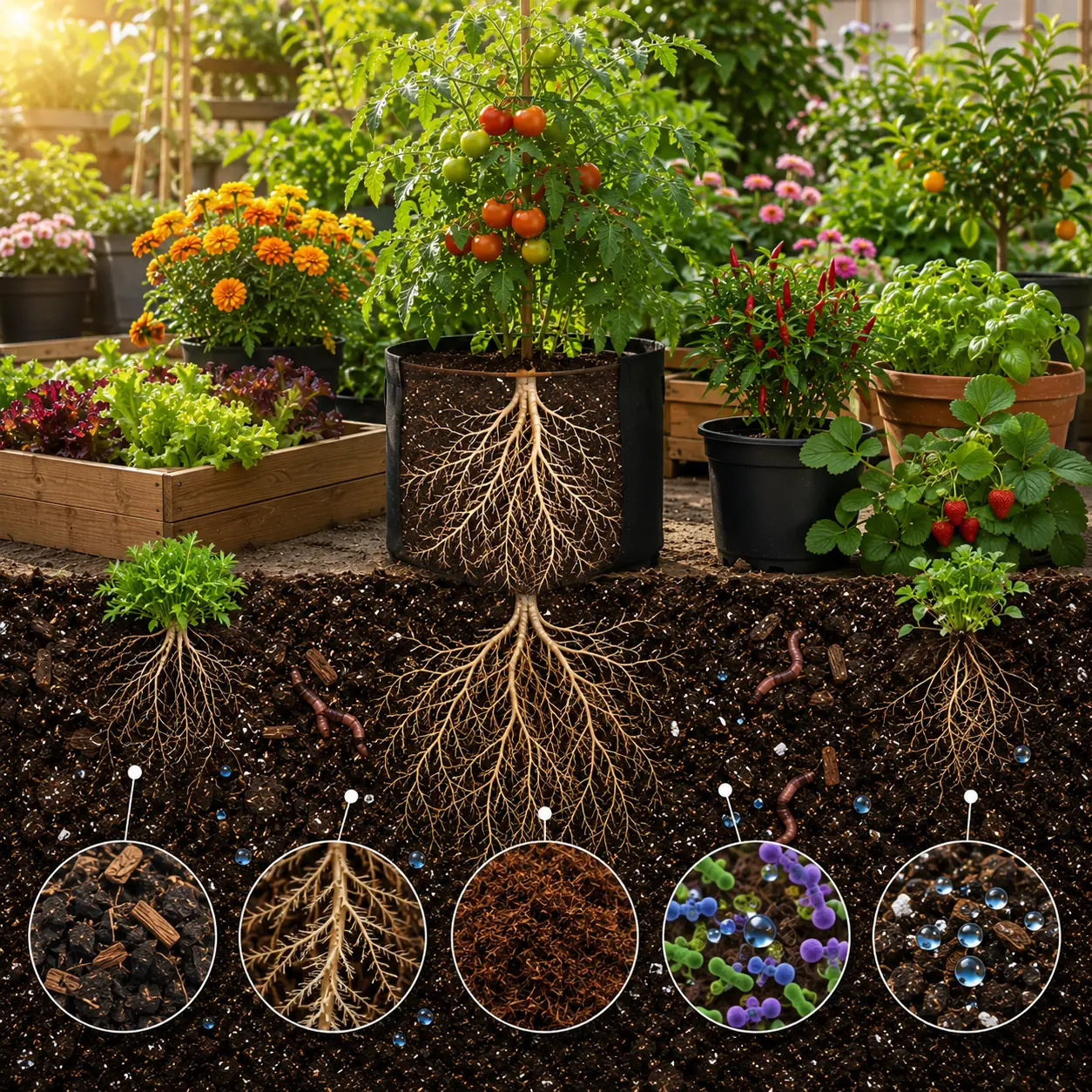
Organic Potting Soil Mix
Provides nutrients, structure, and healthy growing conditions for container plants.
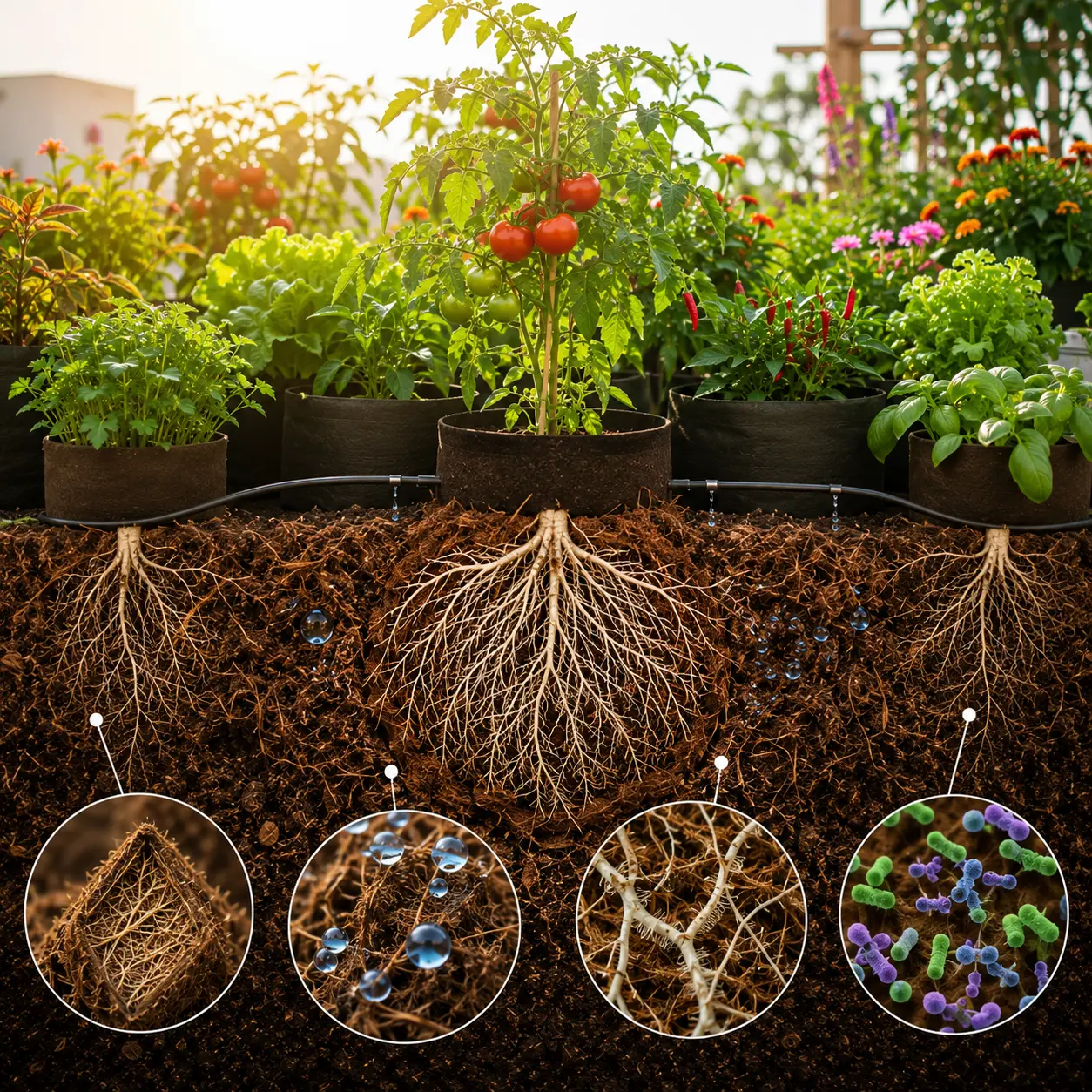
Coco Peat Growing Medium
Enhances moisture retention while maintaining excellent root-zone aeration.

Grow Bags for Plants
Improve drainage, root aeration, and vegetable production in limited spaces.

Plastic Pots for Plants
Ideal containers for seedlings, ornamentals, herbs, and balcony gardens.
Bananas are easier to grow than most fruit trees. They’re fast, forgiving with beginners, and don’t need years of waiting. Difficulty level: Easy to Moderate, depending on variety. But here’s what beginners get wrong: they treat bananas like any other plant. Bananas are heavy feeders and heavier drinkers. Miss the watering schedule in peak summer, and your bunch will be small, and the fingers stunted.
Quick Facts
| Attribute | Detail |
|---|---|
| Common names | Kela, Vaazhai, Arati Pandu, Koli Bale (scientific name: Musa species) |
| Scientific name | Musa acuminata, Musa balbisiana, and their hybrids |
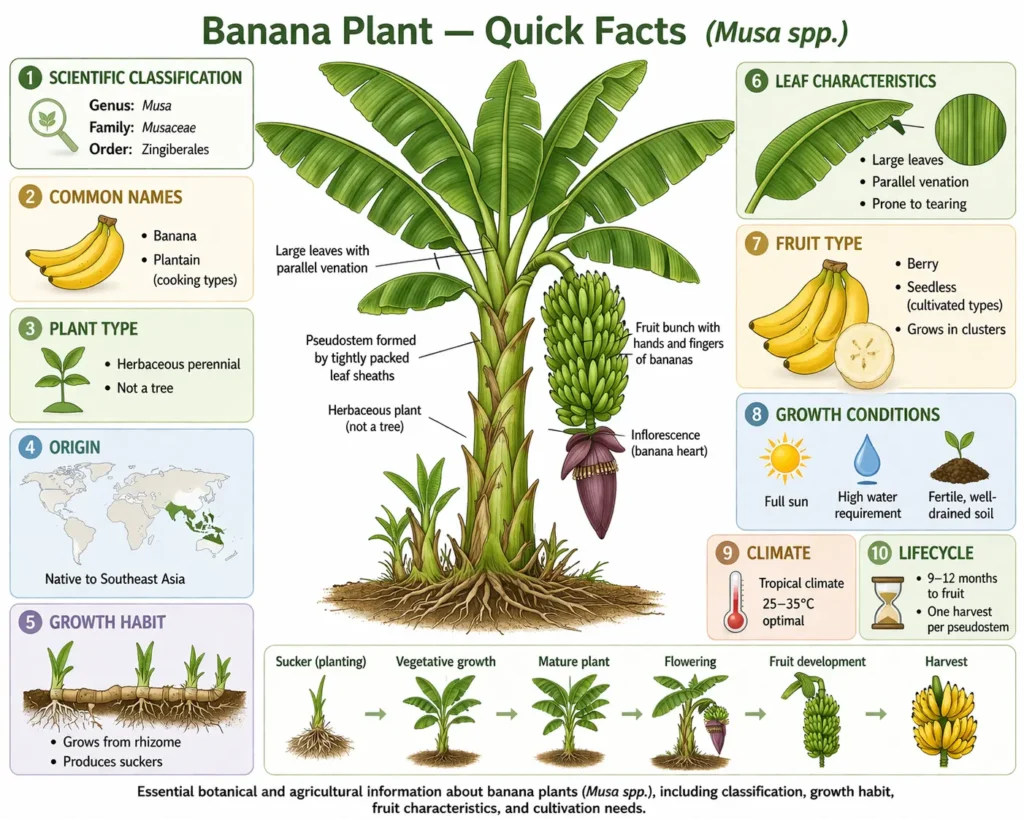
| Plant type | Herbaceous perennial (not a tree) |
| Mature size | 2.5–7 metres depending on variety |
| Sunlight | Full sun (6–8 hours minimum) |
| Water needs | High — 40–50 mm per week in growing season |
| Best season to plant | June–July (monsoon onset) or February–March (spring) |
| Suitable states | All tropical and subtropical states; best in Tamil Nadu, Maharashtra, Gujarat, Karnataka, Kerala, Andhra Pradesh, West Bengal, Assam, Bihar |
Choosing the Right Spot
Bananas want sun — at least 6 hours of direct light, ideally 8. In coastal Kerala or Tamil Nadu, partial afternoon shade works if midday heat is extreme, but in most of India, full sun yields the best fruit.
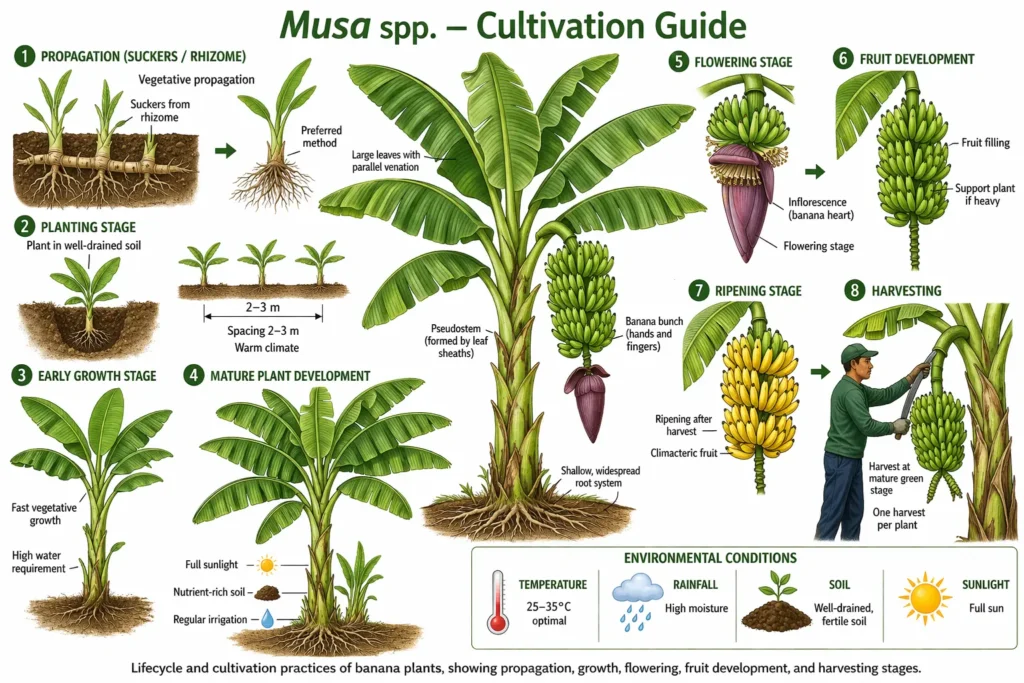
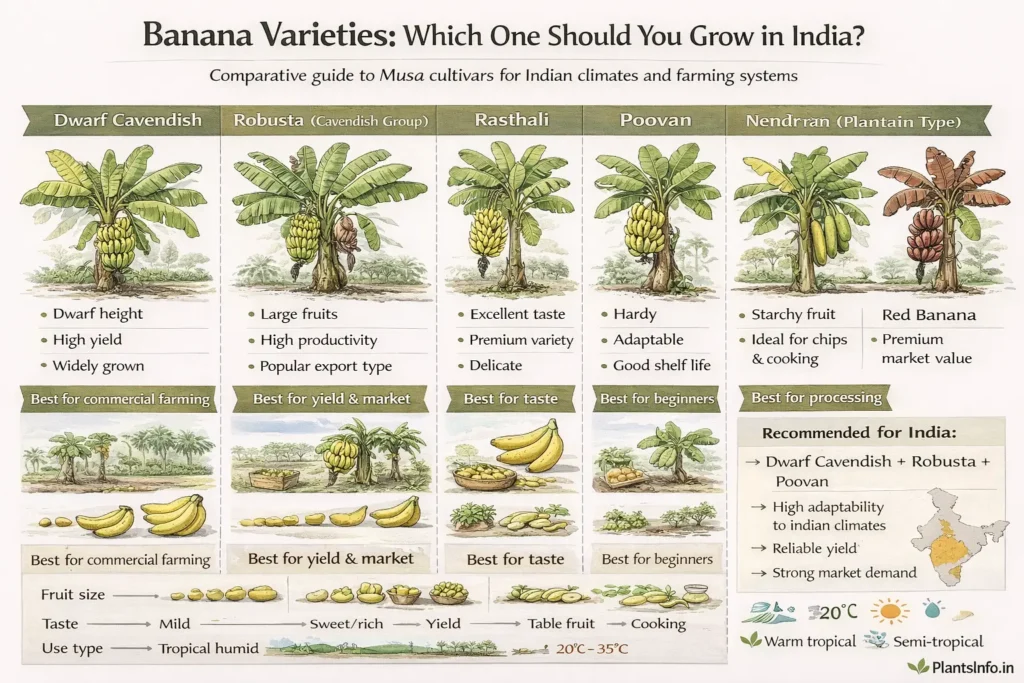
Space matters more than most beginners realise. A banana plant needs 1.5–2 metres of clear radius around it — not just for the pseudostem, but for the suckers that will emerge from the base. If you’re planting multiple bananas, maintain 1.8 × 1.8 metre spacing for dessert varieties like Grand Naine or Robusta. For taller varieties like Nendran, go 2 × 2 metres.
Container growing works for dwarf varieties like Dwarf Cavendish, but you’ll need a large pot — at least 60 cm diameter and 60 cm deep. Ground planting is better for long-term yields and ratoon crops.
Soil and Potting Mix
Bananas prefer deep, rich, loamy soil with a pH between 6.0 and 7.5. They tolerate slight acidity better than alkalinity. Avoid saline or waterlogged soils — bananas hate wet feet despite their high water needs.
If you’re working with regular garden soil, dig a pit 60 × 60 × 60 cm and fill it with a mix of topsoil, well-decomposed farmyard manure, and river sand in a 1:1:1 ratio. This gives the roots room to spread and ensures good drainage.
The common mistake Indian gardeners make: planting directly into clay-heavy or compacted soil without amendment. Banana roots are shallow and fibrous. They need air pockets in the soil. If water pools around the base an hour after watering, your drainage is poor — remix the pit with more sand and compost.
Planting — Season and Method
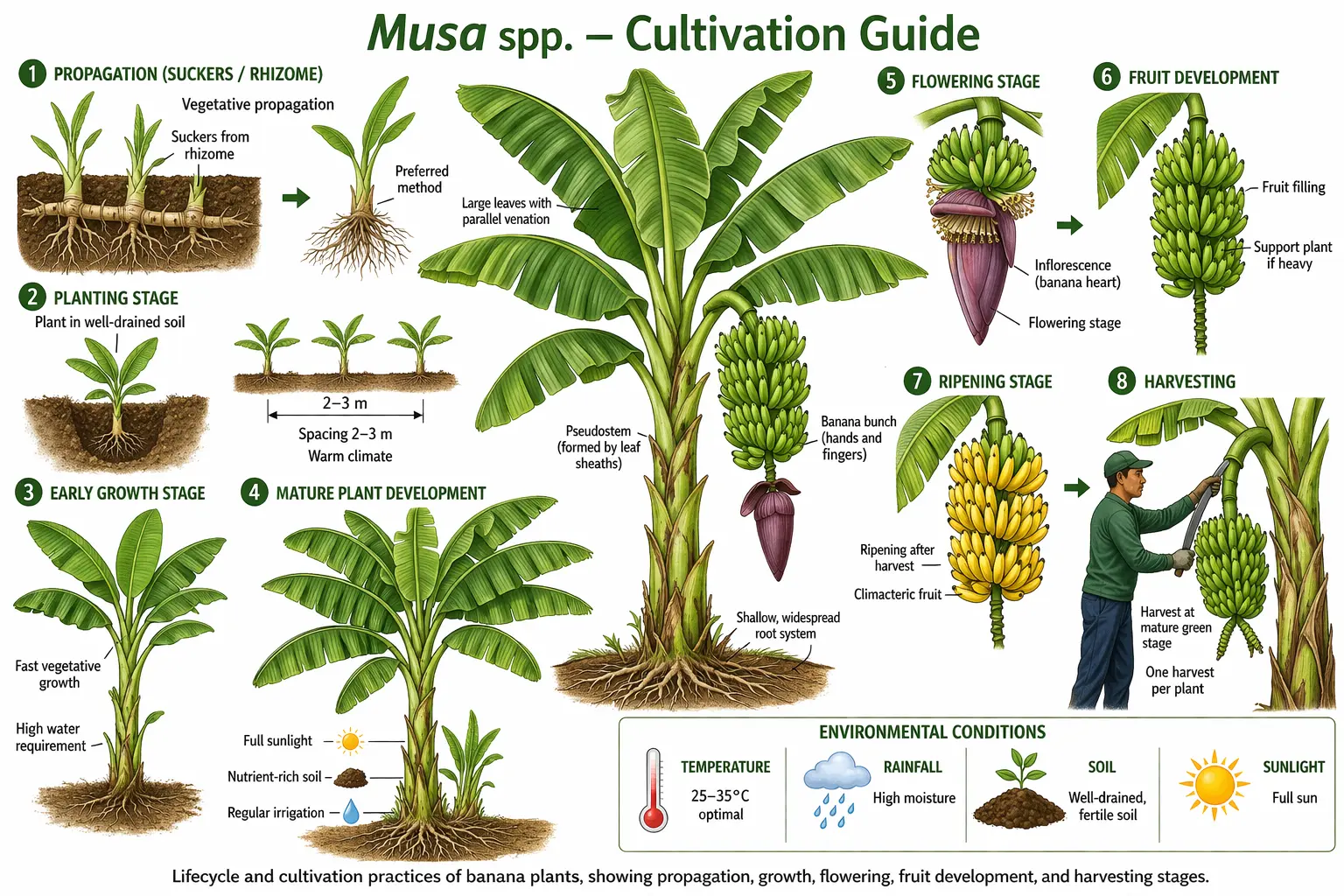
The best time to plant bananas in India is just after monsoon onset in June–July, or during the spring window in February–March. Monsoon planting takes advantage of natural rainfall for root establishment. Spring planting works if you have assured irrigation.
Avoid planting during peak summer (April–May) or in the cold months of December–January, especially in north India, where temperatures can drop below 12°C and cause chilling injury.
Seed vs. sapling: Forget seeds. Bananas are propagated vegetatively through suckers. Buy tissue-culture plants from certified labs if you want disease-free, uniform material. They cost ₹15–25 per plant but fruit 2–3 months earlier than traditional suckers and yield 20–30% more. If using suckers from an existing plant, choose sword suckers (narrow leaves, pointed tip) over water suckers (broad leaves, round base) — sword suckers establish faster and fruit sooner.
Trim the sucker’s roots and any decayed portions of the corm. Dip the corm in a solution of 1 gram Carbendazim per litre of water for 5 minutes to prevent wilt disease. Plant the sucker in the centre of the prepared pit with the corm 15–20 cm below ground level. Firm the soil around it and water thoroughly — 10–15 litres for the first watering.
Watering
Bananas are thirsty plants. For the first 4–6 weeks after planting, water every 2–3 days in monsoon and daily in dry weather. The goal is to keep the root zone moist but not waterlogged.
Once established, mature plants need deep watering twice a week in winter (November–February), every 4–5 days in summer (March–May), and weekly during monsoon if rainfall is adequate. In peak summer, when temperatures cross 37°C, the frequency is every 3 days. A single mature plant can consume 50–70 litres per week in hot, dry conditions.
The specific overwatering sign to watch for: soft, mushy pseudostem base with a foul smell. This indicates root rot. If you see this, stop watering immediately and improve drainage by creating a shallow trench around the plant to divert excess water.
During monsoon, especially in heavy rainfall zones like Konkan or Kerala, reduce watering but watch for waterlogging. If water stands around the base for more than 6 hours after rain, dig a drainage channel.
Fertiliser
Bananas are heavy feeders. They need high nitrogen for vegetative growth, adequate phosphorus for root development, and plenty of potassium for fruit quality.
Apply organic options first: 20–25 kg well-decomposed farmyard manure or vermicompost per plant every 3 months. At 2 months after planting, side-dress with 500 grams of neem cake per plant. Repeat at 5 and 8 months. Neem cake feeds the plant and deters nematodes.
If using chemical fertilisers, apply 200:100:200 grams of N:P:K per plant, split into doses at 2, 4, 6, and 8 months after planting. Use urea for nitrogen, single superphosphate for phosphorus, and muriate of potash for potassium.
One organic alternative worth noting: banana peels composted with cow dung make an excellent potassium-rich mulch. Chop 2–3 kg of peels, mix with equal parts cow dung, let it decompose for 3 weeks, then apply around the base.
Apply fertiliser in a ring 30–40 cm away from the pseudostem base, never touching it directly. Water thoroughly after each application.
Common Problems and Fixes
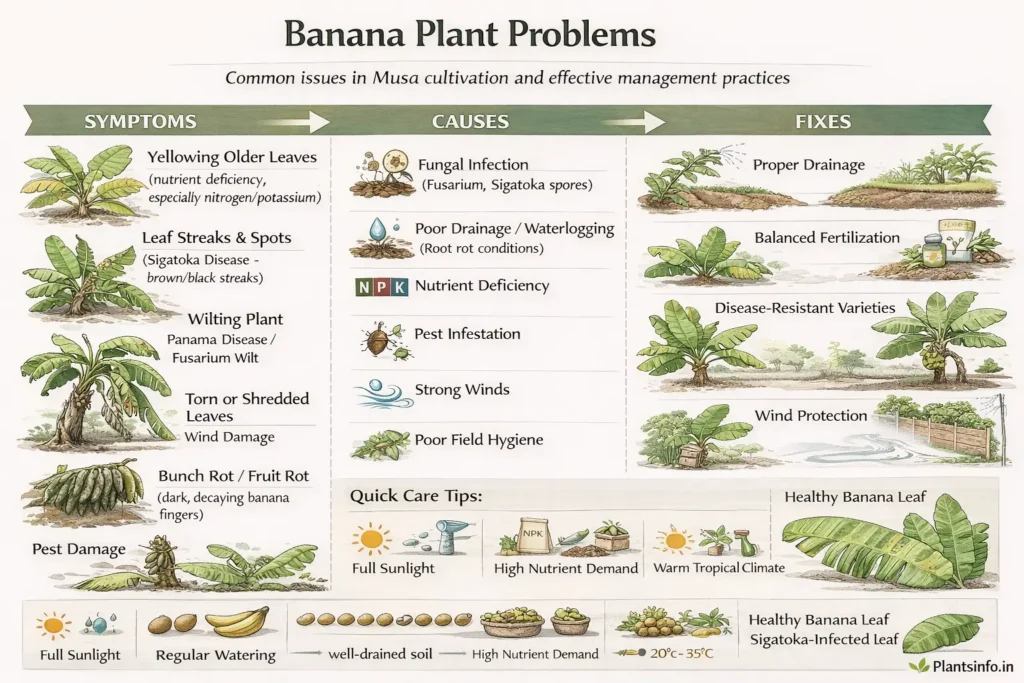
Panama wilt (Fusarium wilt): Leaves turn yellow from the margin inward, the pseudostem splits vertically, and the plant collapses. No cure once infected. Fix: Remove and burn infected plants immediately. Don’t replant bananas in that spot for 3 years. Use resistant varieties like Grand Naine or tissue-culture plants dipped in Trichoderma solution before planting.
Sigatoka leaf spot: Yellow streaks on leaves that turn brown, leaves dry from the tip downward, and severe cases reduce fruit size. Fix: Remove affected leaves and burn them. Spray 0.1% Carbendazim or Mancozeb solution every 15 days during humid months. Improve air circulation by thinning excess suckers.
Banana aphids (vectors of bunchy top virus): Tight bunching of leaves at the top, stunted growth, dark green streaks on pseudostem and midrib. Fix: No cure — infected plants must be destroyed. Spray 0.03% Dimethoate or neem oil (5 ml per litre) every 10 days during aphid season (post-monsoon) to prevent spread.
The problem is commonly misdiagnosed: yellowing of older bottom leaves. Beginners panic thinking it’s a disease. It’s not. Banana plants naturally shed lower leaves as they grow. Only worry if yellowing starts from the leaf tip or if new leaves are affected.
When Will You See Results?
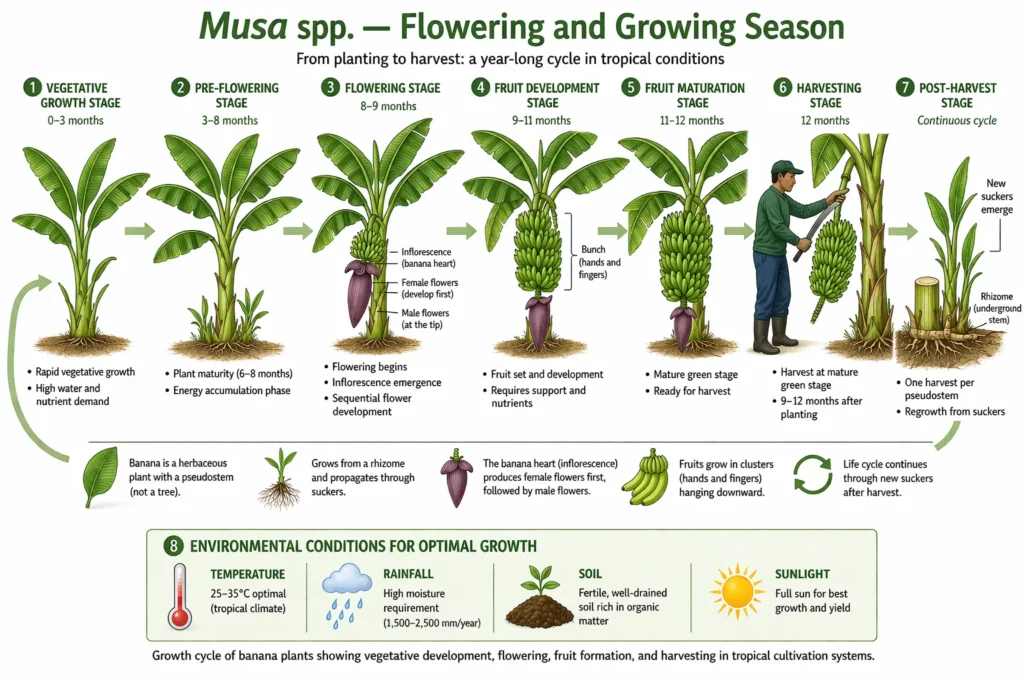
In the first 4 months, you’ll see vigorous leaf production — one new leaf every 7–10 days in warm months. The pseudostem thickens and rises steadily. By month 6–7, the plant reaches near full height.
Flowering begins 7–9 months after planting for most varieties. You’ll notice the plant slows down on new leaves and then one day, a pointed purple bud emerges from the centre and starts descending on a thick stalk. This is the banana heart. The flowering phase lasts 2–3 weeks.
First harvest comes 10–13 months after planting, depending on variety and season. Dwarf Cavendish and Grand Naine fruit in 9–10 months. Robusta and Poovan take 11–12 months. Nendran and hill varieties can take 12–14 months.
One patience note: the first bunch from a newly planted sucker is often smaller than subsequent ratoon crops. Don’t judge the plant’s potential on the first harvest. The second and third ratoon crops (from suckers left to grow after harvest) typically produce 20–30% heavier bunches.
Propagation
Bananas propagate through suckers that emerge from the underground corm. Two types form: sword suckers with narrow, pointed leaves, and water suckers with broad, rounded leaves. Sword suckers are superior — they fruit 2–3 months earlier and produce better bunches.
Let suckers grow to 60–90 cm height with a well-developed corm (fist-sized) before separation. The best time to harvest suckers is just after the main plant fruits. Use a sharp spade to cut through the connecting rhizome 15–20 cm below ground. Remove the sucker with as much root as possible.
Tissue culture is the modern method — plants are produced in sterile lab conditions from tiny shoot tips. Success rate for home gardeners using suckers: 80–90% if healthy material is chosen. Tissue culture plants have nearly 100% survival if purchased from certified labs.
Grafting and air layering don’t work with bananas — they lack the woody tissue structure these methods require.
Pruning and Training
Bananas don’t need pruning in the traditional sense, but sucker management is critical. Each plant throws 5–10 suckers during its growth cycle. If you let them all grow, they compete for nutrients, and none will fruit well.
The ideal system: retain one main fruiting plant and one follower sucker. Remove all other suckers when they’re 15–20 cm tall by cutting them at ground level with a sharp knife. Do this every month from the 3rd month onwards until harvest.
After the main plant fruits, cut the pseudostem down to 60 cm height (this is called mattocking). Leave this stump to decay naturally — it feeds the follower sucker for the next 2–3 months. The follower becomes your next fruiting plant. This cycle continues for 3–5 years before productivity drops and the entire clump needs replacement.
Timing: desuckering is best done in dry weather to prevent fungal infection of cut surfaces.
Container Growing
Dwarf Cavendish, Matti (a dwarf Kerala variety), and some Poovan selections can fruit in large containers. You need a minimum 60 cm diameter × 60 cm deep pot — bigger is better. Use a 20-litre or larger plastic or terracotta container with multiple drainage holes.
Soil mix for containers: equal parts cocopeat, vermicompost, and garden soil, plus a handful of bone meal. Containers dry out fast — expect to water daily in summer, every 2 days in winter. Mulch the top 5 cm with dried leaves to slow evaporation.
Fertilise every month with liquid seaweed extract (10 ml per litre) or apply 2 handfuls of vermicompost as top dressing. Container bananas produce smaller bunches (8–12 kg vs. 20–25 kg in the ground), but the fruit quality is often better due to controlled nutrition.
Repot every 2 years or when roots circle the pot visibly. Signs it’s time: water drains too quickly, new leaves are smaller than previous ones, or the pot tips over easily.
Harvesting
Bananas are harvested mature-green, not ripe. The fruit reaches full size, but the skin is still green with a faint yellow tinge on the ridges. This happens 90–120 days after flowering, depending on variety and season.
Visual cues: fingers lose their angular shape and become rounded, the small flowers at the tip dry and fall off, and the ridges between fingers become less pronounced. Tactile cue: when you press the fruit gently, it feels firm, but the skin doesn’t bounce back as tightly as when it was young.
How to harvest: Use a sharp knife or sickle to cut the stalk 30–40 cm above the bunch. Lower the bunch gently — don’t let it drop. If you’re harvesting a heavy bunch (20+ kg), get help or use a rope sling to support it while cutting.
For home use, you can let individual hands ripen on the plant, but commercial practice is to harvest the entire bunch mature-green and ripen at room temperature over 3–7 days. To speed ripening, keep harvested bunches in a closed room with a few ripe apples — the ethylene gas triggers colour change.
Seasonal Protection
Summer stress: When temperatures exceed 38°C, banana growth slows, and leaves may scorch at the edges. Water deeply in the early morning and late evening. Mulch heavily (10–15 cm thick) with dried leaves or straw to keep roots cool. In extreme heat zones like Vidarbha or interior Karnataka, provide 30–40% shade cloth during April–May.
Winter dormancy: Bananas don’t go fully dormant, but growth nearly stops below 15°C. In north India (Punjab, Haryana, Uttar Pradesh, Bihar), protect young plants in December–January by wrapping the pseudostem loosely with jute bags. Frost blackens leaves — if this happens, cut damaged foliage, and the plant will recover when warmth returns in February.
Monsoon risks: Heavy wind during June–August can snap pseudostems or uproot shallow-rooted plants. Prop tall varieties with bamboo stakes placed in a tripod arrangement before the bunch emerges. Strong winds above 80 km/hr will shred leaves — there’s no preventing this, but the plant usually recovers if the pseudostem stays intact.
In high-rainfall areas (Konkan, Kerala backwaters, Assam), watch for crown rot during monsoon. If water collects in the leaf axils for days, gently tilt the accumulated water out by hand after each heavy rain.
Key Takeaways
- Bananas need consistent water — underwatering during summer is the most common mistake that reduces fruit size and delays harvest.
- Tissue culture plants cost more upfront but fruit earlier, yield heavier bunches, and are disease-free compared to traditional suckers.
- Sucker management determines your success — keep only one fruiting plant and one follower, remove all other suckers monthly.
- The first bunch is always smaller than ratoon crops — judge your plant’s performance from the second harvest onward.
- Bananas are heavy feeders that respond dramatically to organic matter — 20 kg of compost every 3 months will double your bunch weight compared to unfed plants.
Conclusion
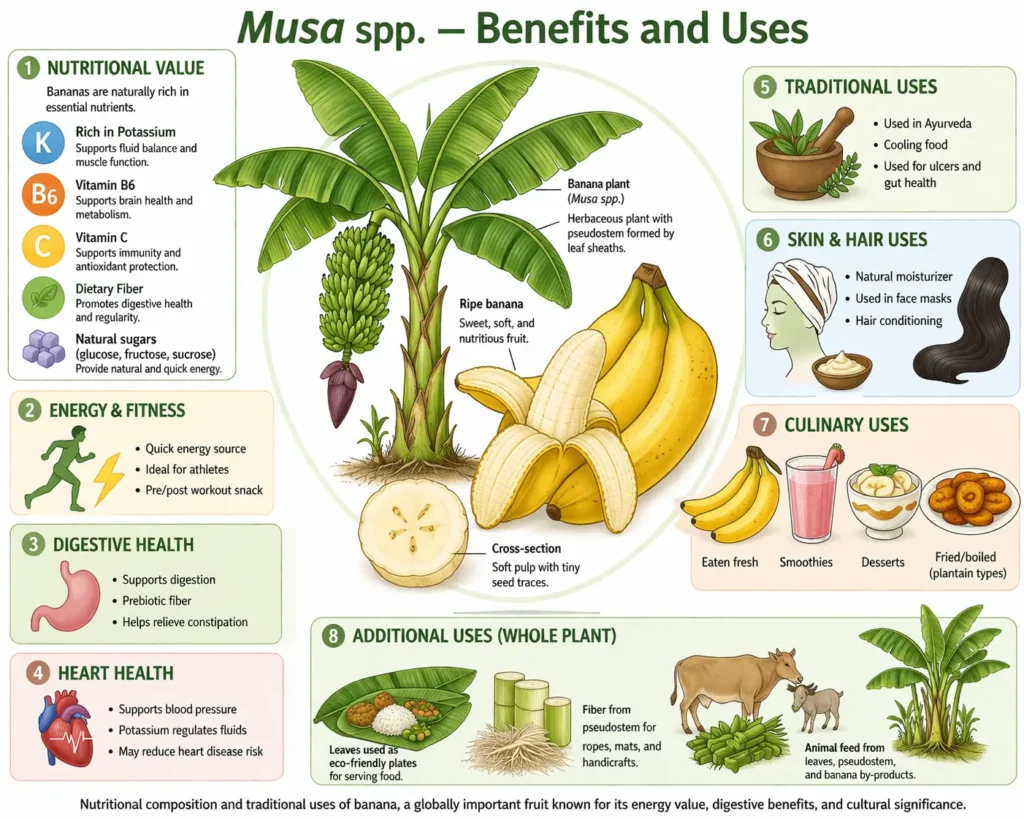
Growing bananas at home rewards you with fresh fruit, cooking ingredients, and that undeniable tropical feeling in your garden. With the right variety for your region, consistent watering, and monthly feeding, your first bunch will arrive faster than you expect.