Complete Sweet Flag (Acorus calamus) Guides
Problems & Diseases
Flowering Season
Introduction
Acorus calamus, commonly known as Sweet Flag, is a semi-aquatic perennial monocot in the family Acoraceae distinguished by its aromatic rhizomes rich in volatile phytochemicals. Native across temperate and subtropical parts of Eurasia according to Kew POWO source-class taxonomy records, the species has long attracted scientific and commercial attention for its fragrance, medicinal history, and wetland adaptability. Its sword-shaped foliage and creeping rhizomatous growth allow it to persist in saturated soils where many terrestrial herbs cannot survive.
Classification
- Plant Type
- Herb
- Lifecycle
- Perennial
- Leaf Habit
- Evergreen, Semi-evergreen
- Native Region
- Asia, Indian Subcontinent
- Plant Family
- Acoraceae
Within native marshes, floodplains, pond margins, and slow-moving freshwater systems, Acorus calamus functions as a stabilising emergent plant that contributes to sediment retention and shallow-water habitat structure. Unlike many superficially similar wetland monocots, it possesses highly aromatic internal tissues and distinctive spadix-based inflorescences lacking the conspicuous spathe typical of numerous araceous plants.
Extensive rhizome networks permit rapid colonisation of disturbed wet habitats and support tolerance to fluctuating water levels and periodic inundation. Human associations with Sweet Flag extend through classical Ayurvedic medicine, traditional Chinese medicine, Middle Eastern trade networks, and European herbalism, where the plant historically served medicinal, ritual, aromatic, and flavouring purposes.
Modern regulatory interest has increased because chemically distinct cytotypes differ in β-asarone content, creating important toxicological and trade implications. Conservation concerns vary regionally due to wetland degradation and harvesting pressure. This profile series examines the species from integrated botanical, ecological, phytochemical, cultural, and applied scientific perspectives.
Identity
Quick Plant Information
| Field | Value |
|---|---|
| Accepted Scientific Name | Acorus calamus |
| Primary Common Name | Sweet Flag |
| Plant Type | Semi-aquatic aromatic perennial herb |
| Life Cycle | Perennial |
| Growth Habit | Rhizomatous clump-forming emergent herb |
| Mature Size | 0.6–1.5 m (2–5 ft) tall |
| Growth Rate | Moderate to fast |
| Flowering Season | Late spring to midsummer |
| Fruiting Season | Rare or absent in many cultivated populations |
| Light Requirement | Full sun to partial shade |
| Water Requirement | High; prefers continuously moist to shallowly flooded conditions |
| Soil Preference | Organic-rich loam, silt, peat, or wet clay soils |
| Temperature Tolerance | Approximately −25°C to 35°C (−13°F to 95°F), depending on cytotype and provenance |
| Pollination Type | Primarily insect-associated pollination |
| Self-Fertility Status | Variable; many triploid populations are sterile |
| Primary Propagation Method | Rhizome division |
| Typical Yield Class | Moderate rhizome biomass producer |
| Primary Use Categories | Medicinal, aromatic, wetland ornamental, ethnobotanical |
| Toxicity Status | Certain chemotypes contain elevated β-asarone associated with toxicological concerns |
| Conservation Concern | Localised wetland habitat decline and harvesting pressure in parts of native range |
| Cultivation Difficulty Level | Moderate |
Classification and Taxonomy
| Field | Value | Notes |
|---|---|---|
| Accepted Scientific Name | Acorus calamus | Accepted by Kew POWO source-class taxonomy database |
| Known Synonyms | Calamus aromaticus, Acorus verus, Acorus spurius | Synonym usage varies historically across pharmacological literature |
| Taxonomic Authority Source | Kew POWO | Internationally recognised taxonomic reference source |
| Assessment Date | 2026-05-07 | Current editorial assessment date |
| Kingdom | Plantae | |
| Division | Tracheophyta | Vascular plants |
| Class | Acoropsida | Modern APG system placement |
| Order | Acorales | Basal monocot lineage |
| Family | Acoraceae | Monogeneric family |
| Subfamily | Not applicable | Family contains single extant genus |
| Genus | Acorus | |
| Species | Acorus calamus | |
| Native Origin | Temperate and subtropical Eurasia, especially Europe, Central Asia, South Asia, East Asia, and Siberian regions | Full distribution analysis appears in Block 4 |
| IUCN Status | Not globally evaluated | Full conservation assessment appears in Block 8 |
Related Species of Significance
| Species | Common Name | Distinguishing Feature | Economic or Ecological Significance |
|---|---|---|---|
| Acorus americanus | American Sweet Flag | Diploid cytotype with low β-asarone content | Important medicinal and toxicological comparison species |
| Acorus gramineus | Japanese Sweet Flag | Smaller ornamental species with narrow foliage | Widely cultivated ornamental and traditional medicinal plant |
| Acorus tatarinowii | Chinese Grassleaf Sweet Flag | Narrow leaves and distinct medicinal applications in Chinese pharmacopeia | Significant in traditional Chinese medicine |
| Acorus macrospadiceus | Large-Spadix Sweet Flag | Larger reproductive structures and regional distribution in Asia | Taxonomically important within Asian Acorus diversity |
| Acorus rumphianus | Rumphius’ Sweet Flag | Tropical distribution and robust foliage | Ecologically significant in Southeast Asian wetlands |
Taxonomic Context
Acorus calamus occupies a distinctive phylogenetic position as part of the ancient monocot lineage Acorales, regarded in modern APG classifications as among the earliest-diverging monocot groups. Historically, the species was frequently grouped within Araceae because of superficial similarities in inflorescence structure, but molecular and anatomical evidence led to its separation into Acoraceae during late twentieth-century systematic revisions recognised by Kew POWO and contemporary botanical authorities.
Confusion persists commercially between A. calamus, diploid A. americanus, and Asian medicinal taxa such as A. tatarinowii. Accurate identification has practical importance because chemically distinct taxa differ substantially in phytochemical composition, toxicological status, regulatory acceptance, and medicinal market value.
Cytogenetics
| Parameter | Value | Notes |
|---|---|---|
| Chromosome Number | Commonly 2n = 24, 36, or 48 | Multiple cytotypes documented across geographic populations |
| Ploidy Level | Diploid, triploid, and tetraploid forms reported | Cytotype strongly associated with fertility and chemistry |
| Genome Size | Approximately 4.76–9.60 pg depending on cytotype | Reported variation reflects polyploid complexity |
| Reproductive Cytogenetic Status | Many triploid populations largely sterile | Sterility affects seed production and dispersal |
| Cytotype Distribution | Diploids more common in North America; triploids widespread in Eurasia | Geographic differentiation relevant to trade and regulation |
Cytogenetic Note
The cytogenetics of Acorus calamus have major commercial and pharmacological implications because ploidy level correlates with both fertility and phytochemical profile. Diploid populations, especially those associated with A. americanus, generally contain little or no β-asarone, whereas many triploid Eurasian populations possess substantially higher concentrations. This variation affects medicinal regulation, toxicological assessment, breeding potential, and raw-material sourcing. Sterile triploid forms also rely predominantly on vegetative propagation, influencing dispersal ecology and cultivation management across introduced regions.
Scientific Stability and Nomenclature
The currently accepted name Acorus calamus L. is recognised by major taxonomic authorities including Kew POWO and contemporary Angiosperm Phylogeny Group classifications. A major reclassification event occurred during the 1990s following molecular phylogenetic analyses demonstrating that Acorus was not appropriately placed within Araceae, where it had historically resided for centuries based on superficial floral similarities. These studies established Acorus as the sole extant genus of Acoraceae within the independent order Acorales, representing one of the earliest-diverging monocot lineages.
Adoption of the revised classification is now widespread in botanical, ecological, and molecular literature, although older horticultural manuals, herbal trade references, and pharmacognosy texts may still associate the species with Araceae. Additional nomenclatural complexity arises from long-standing disagreement regarding the treatment of North American diploid populations, often separated as Acorus americanus.Regulatory agencies, pharmacopoeias, and medicinal supply chains increasingly distinguish these taxa because cytotype-linked phytochemistry affects legal acceptance and toxicological evaluation.
For researchers and commercial buyers, nomenclatural precision is operationally important. Literature searches using only historical synonyms can omit modern toxicological or molecular studies, while incorrect sourcing under the broad label “Sweet Flag” may obscure chemotype identity, origin, or regulatory compliance status in medicinal and flavouring industries.
Synonymy
| Accepted Name (Current Authority) | Synonyms Commonly Encountered | Context Where Synonym Persists |
|---|---|---|
| Acorus calamus L. | Calamus aromaticus | Historical herbal and pharmacognosy literature |
| Acorus calamus L. | Acorus verus | Older European botanical texts |
| Acorus calamus L. | Acorus spurius | Regional taxonomic synonymy references |
| Acorus calamus L. | “Sweet Calamus” | Commercial herbal product labelling |
| Acorus calamus L. | “Bach” or “Vacha” | Ayurvedic and ethnomedicinal traditions |
Form
Growth Habit and Architecture
Acorus calamus is a strongly architectural semi-aquatic perennial defined by upright sword-like foliage emerging in dense fans from creeping aromatic rhizomes anchored within saturated substrates. The plant forms elongated clonal colonies along marsh edges, pond margins, and shallow freshwater systems, where horizontal rhizome expansion permits rapid occupation of unstable wet ground.
Its visual character combines rigid vertical leaves with low-spreading subterranean growth, producing a distinctly linear silhouette visible from considerable distance in wetland habitats. Unlike many emergent monocots, the species lacks woody tissue yet maintains persistent structural rigidity through fibrous leaf anatomy and thick rhizomatous storage organs adapted to fluctuating hydrological conditions.
| Parameter | Value | Notes |
|---|---|---|
| Life Form | Semi-aquatic perennial monocot herb | Emergent wetland species |
| Mature Height | 0.6–1.5 m (2–5 ft) | Height varies with water availability and cytotype |
| Canopy Spread | 0.6–2 m (2–6.5 ft) or wider through colony formation | Rhizomatous expansion produces dense stands |
| Stem Type | Rhizomatous herbaceous stem system | True aerial woody stems absent |
| Bark or Surface Texture | Smooth, waxy foliage surface | Surface reduces water accumulation and fouling |
| Branching Pattern | Basal fan-like leaf emergence from rhizome nodes | Vertical shoots arise from creeping rhizomes |
| Root System Overview | Fibrous roots emerging from shallow horizontal rhizomes, generally concentrated within upper saturated soil layers | Morphology-focused description only |
| Growth Rate | Moderate to fast | Rapid spread under permanently moist conditions |
| Longevity | Long-lived perennial | Individual clonal colonies may persist for decades |
| Distinguishing Architectural Feature | Strongly aromatic creeping rhizomes supporting dense vertical sword-like foliage | Key recognition feature in wetlands |
| Colony Formation | Extensive clonal patch development | Particularly evident in low-disturbance marsh habitats |
| Structural Adaptation | Air-filled tissues support oxygen transport in waterlogged environments | Important for emergent wetland habit |
Leaves
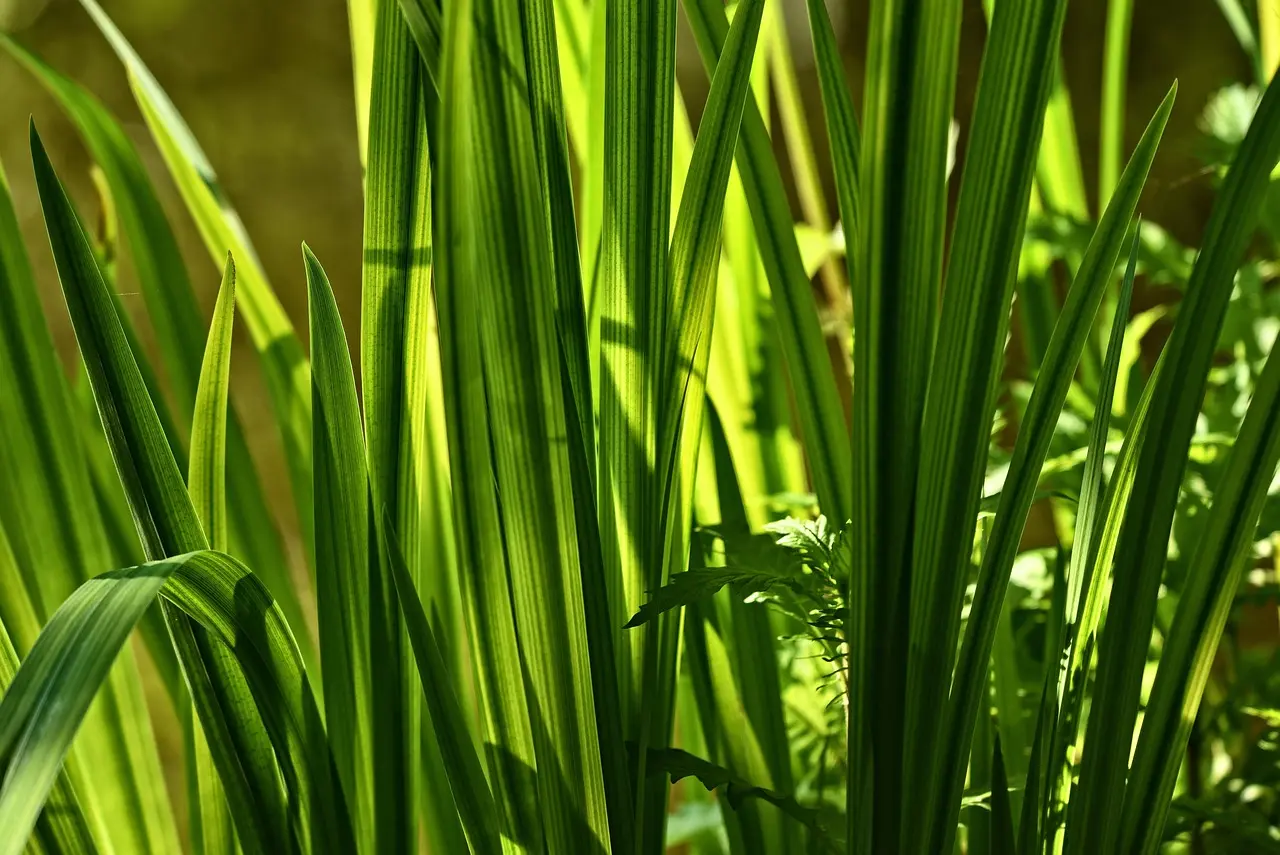
The leaves of Acorus calamus are among its most recognisable features, forming rigid upright fans with a clean linear geometry uncommon among many wetland herbs. Individual leaves are flattened, ensiform (sword-shaped), and distinctly aromatic when crushed due to volatile compounds concentrated within internal tissues. Their smooth margins and parallel venation reflect monocot structure, while the glossy green surface helps maintain mechanical stability in humid environments. Leaves emerge directly from rhizome nodes and retain an orderly vertical orientation even in shallow standing water.
| Leaf Characteristic | Description |
|---|---|
| Presence | Persistent true leaves present |
| Leaf Type | Simple, ensiform, parallel-veined monocot leaves |
| Leaf Size | Typically 30–120 cm (12–47 in) long and 1–3 cm (0.4–1.2 in) wide |
| Colour | Bright green to deep green |
| Arrangement | Basal distichous fans arising from rhizomes |
| Surface Texture | Smooth, slightly waxy, glabrous |
| Margin | Entire, unlobed |
| Venation | Parallel venation typical of monocots |
| Apex Shape | Acute to acuminate |
| Special Features | Strong aromatic scent released when crushed |
Flowers
The flowers of Acorus calamus are visually understated compared with many flowering wetland plants, yet they possess substantial taxonomic significance because their structure differs from typical araceous inflorescences. The species produces a cylindrical spadix densely packed with numerous minute bisexual flowers lacking a showy enclosing spathe. This reduced floral display reflects a reproductive strategy adapted more toward subtle insect interaction than visual attraction. The inflorescence emerges laterally from what appears to be a continuation of the leaf blade, creating one of the species’ most distinctive morphological characteristics in the field.
| Floral Attribute | Description |
|---|---|
| Inflorescence Type | Cylindrical lateral spadix |
| Flower Diameter | Individual flowers approximately 2–4 mm (0.08–0.16 in) |
| Flower Length | Entire spadix typically 4–10 cm (1.6–4 in) long |
| Outer Tepals or Sepals | Six small greenish tepaloid structures |
| Inner Tepals or Petals | Undifferentiated tepals; true petals absent |
| Stamens | Usually six stamens per flower |
| Pistil | Single compound pistil with superior ovary |
| Fragrance | Mildly aromatic to faintly spicy |
| Anthesis Period | Late spring through midsummer |
| Primary Pollinators | Small flies, beetles, and other minor insects |
| Flower Colour | Greenish-yellow to pale green |
| Floral Symmetry | Radially symmetrical bisexual flowers |
Fruit
| Fruit Characteristic | Description |
|---|---|
| Fruit Type | Berry-like multiple fruit structure |
| Shape | Oblong to cylindrical aggregation |
| Length | Approximately 4–10 cm (1.6–4 in) |
| Diameter | Approximately 1–2 cm (0.4–0.8 in) |
| Weight | Generally lightweight; precise average mass not consistently documented |
| Skin Colour | Green when immature, yellowish-brown at maturity |
| Surface Features | Densely packed small fruitlets on fleshy spadix |
| Flesh Colour | Pale cream to light brown |
| Flesh Texture | Soft and moist when developed |
| Seed Count | Numerous small seeds where fertile fruits develop |
| Sugar Content | Not documented in available literature |
| Maturation Period | Several weeks following flowering under fertile conditions |
Seeds
| Seed Characteristic | Description |
|---|---|
| Size | Approximately 2–3 mm (0.08–0.12 in) long |
| Shape | Oval to oblong |
| Colour | Brown to dark brown |
| Seed Coat | Thin and relatively smooth |
| Oil Content | Not documented in available literature |
| Viability Period | Generally short under uncontrolled storage conditions |
| Germination Rate | Variable and often low in sterile triploid populations |
| Dispersal Characteristic | Water-assisted dispersal possible in fertile populations |
Root System
Acorus calamus possesses a shallow but laterally extensive root and rhizome system specialised for permanently moist or seasonally inundated substrates. Thick creeping rhizomes spread horizontally through upper soil layers and produce dense fibrous roots that typically remain concentrated within saturated sediment near the soil surface.
The architecture allows efficient anchorage in unstable marsh substrates while supporting rapid vegetative expansion.Because most biomass remains near the upper substrate horizon, the species is sensitive to prolonged desiccation and deep soil disturbance. Commercially, the shallow rhizome network simplifies harvest but also increases vulnerability to overcollection in wild populations, particularly where repeated extraction disrupts clonal regeneration capacity in natural wetlands.
Field Identification
In the field, Acorus calamus appears as a dense stand of upright sword-like leaves emerging directly from wet soil or shallow water, often forming extensive colonies along marsh margins and drainage channels. The most reliable identification feature is the strongly aromatic rhizome and foliage, which release a sweet spicy scent when crushed.
The flowering structure is also distinctive: a lateral cylindrical spadix appears attached to the side of a leaf-like stalk rather than terminating the stem. The species is frequently confused with Iris pseudacorus (Yellow Flag Iris) because both occupy wetland habitats and produce elongated leaves. However, I. pseudacorus bears large showy flowers and lacks the aromatic tissues characteristic of Acorus calamus.
Normal vs. Concerning Observations
| Observation | Status | Explanation |
|---|---|---|
| Lower leaves yellowing naturally at seasonal transition | Normal | Older foliage commonly senesces as new shoots develop |
| Dense colony formation along wet margins | Normal | Rhizomatous expansion is characteristic growth behaviour |
| Reduced or absent seed production | Normal | Many triploid populations are naturally sterile |
| Mild browning at leaf tips during temporary dryness | Monitor | Indicates moisture fluctuation but not necessarily severe decline |
| Sudden collapse of entire leaf fans | Investigate | May indicate severe rhizome damage or environmental stress |
| Blackened soft rhizomes with foul odour | Investigate | Suggests tissue decay in poorly oxygenated substrates |
| Patchy reduced vigour in isolated clumps | Monitor | Can reflect nutrient limitation or overcrowding |
| Extensive chlorosis across new foliage | Investigate | Indicates abnormal physiological stress requiring diagnosis |
Cultivar Summary
| Cultivar | Key Characteristic | Commercial Status | Origin |
|---|---|---|---|
| ‘Variegatus’ | Cream-striped variegated foliage | Commercially dominant | European horticultural selection |
| ‘Ogon’ | Bright yellow-green ornamental foliage | Regionally significant | Japanese horticultural trade |
| ‘Pusillus’ | Compact dwarf growth habit | Regionally significant | Ornamental nursery selection |
| ‘Albovariegatus’ | White-variegated leaves with high ornamental contrast | Historically documented | European cultivation history |
| ‘Golden Edge’ | Yellow-margined foliage adapted for ornamental ponds | Experimental | Modern nursery development |
Physiology and Phytochemistry
Functional Traits
Acorus calamus is a rhizomatous wetland monocot physiologically specialised for persistently saturated environments where oxygen availability within soils fluctuates seasonally or daily. Its functional strategy combines rapid clonal spread, structural tolerance of inundation, aromatic chemical defence, and long-lived rhizome storage tissues that buffer environmental instability.
Unlike drought-adapted herbs that prioritise water conservation, Sweet Flag operates as a high-moisture emergent species dependent on continuous hydration and internal aeration pathways. The species’ ecological success arises from the integration of vegetative persistence, metabolic resilience under hypoxic conditions, and secondary metabolite production that simultaneously supports defence, competition, and long-term survival in biologically crowded wetland habitats.
| Trait | Mechanism Description | Adaptive Significance |
|---|---|---|
| Photosynthetic Pathway | C3 photosynthesis fixes atmospheric CO₂ through ribulose-1,5-bisphosphate carboxylase activity during daytime stomatal opening | Efficient carbon assimilation under moist temperate and subtropical wetland conditions |
| Water Use Strategy | Continuous water uptake supported by saturated substrates and extensive shallow rhizome networks maintains persistent tissue hydration | Enables occupation of marshes, pond margins, and shallow floodplains |
| Nutrient Acquisition | Fibrous roots absorb dissolved nutrients from oxygen-variable wet sediments with rapid uptake during active growth periods | Supports high vegetative productivity in nutrient-rich wetlands |
| Growth Form Strategy | Creeping rhizomes generate repeated vertical shoots from nodal meristems, allowing modular colony expansion | Enhances persistence following flooding, sediment movement, or grazing damage |
| Reproductive Strategy | Many populations rely predominantly on vegetative propagation because sterile triploid cytotypes produce limited viable seed | Maintains stable clonal populations across large wetland areas |
| Dispersal Mechanism | Rhizome fragmentation and water-mediated transport permit local colony establishment in connected aquatic systems | Facilitates rapid colonisation of disturbed wet habitats |
| Stress Response Mechanism | Aerenchymatous internal tissues transport oxygen from aerial organs into submerged rhizomes under hypoxic conditions | Permits survival in waterlogged and periodically anaerobic substrates |
| Chemical Defence | Volatile phenylpropanoids and essential oils accumulate in rhizomes and leaves, reducing herbivory and microbial degradation | Protects nutrient-rich tissues from biological attack |
| Storage Physiology | Thick rhizomes store carbohydrates and secondary metabolites during favourable growth periods | Buffers seasonal stress and supports regrowth after disturbance |
| Structural Rigidity | Fibrous vascular tissues maintain upright leaf posture despite constant humidity and shallow inundation | Preserves photosynthetic exposure above standing water |
| Aromatic Volatilisation | Essential oils released during tissue damage produce strong odours that may deter herbivores and competing organisms | Increases survival of exposed rhizomes in biologically active wetlands |
Physiological Integration
The physiology of Acorus calamus functions through close integration between wetland tolerance, clonal persistence, and chemical defence. Continuous access to water allows the species to maintain high metabolic activity and sustained production of volatile secondary metabolites without the severe resource trade-offs experienced by drought-adapted plants.
Internal aeration tissues reduce oxygen limitation within submerged rhizomes, preserving the storage organs that underpin both vegetative reproduction and phytochemical accumulation. This relationship is especially important because many triploid populations depend heavily on clonal propagation rather than seed production.
Rhizome persistence therefore becomes simultaneously a reproductive strategy, a stress-response system, and a reservoir for defence compounds. The combination of aromatic defence chemistry with rapid lateral expansion also enables Sweet Flag to maintain stable colonies in highly competitive wetland margins where microbial pressure, herbivory, and hydrological disturbance occur together rather than independently.
Phytochemistry
The phytochemistry of Acorus calamus is dominated by volatile aromatic compounds concentrated primarily within the rhizome, making the species one of the most chemically distinctive wetland monocots. According to peer-reviewed pharmacognosy and phytochemical literature source classes, phenylpropanoids such as β-asarone and α-asarone define much of the plant’s medicinal, aromatic, and toxicological significance.
Chemotaxonomically, the genus Acorus is notable for combining essential oil richness with marked cytotype-dependent chemical variation, especially between diploid and triploid populations. This variability has substantial implications for pharmacology, regulatory acceptance, commercial sourcing, and interpretation of traditional medicinal literature across Eurasian herbal systems.
| Compound Class | Representative Compounds | Primary Location | Ecological or Biological Function |
|---|---|---|---|
| Phenylpropanoids | β-asarone, α-asarone | Rhizomes and essential oils | Defence against herbivores and microbial attack; major pharmacological relevance |
| Sesquiterpenes | Acorenone, calamenone | Rhizomes | Aromatic signalling and protective biochemical activity |
| Monoterpenes | Camphene, pinene, limonene | Leaves and rhizomes | Volatile defence and ecological interaction compounds |
| Flavonoids | Quercetin derivatives, kaempferol derivatives | Leaves | Antioxidant protection and stress-response support |
| Tannins | Condensed tannins | Rhizomes | Tissue defence and deterrence of herbivory |
| Glycosides | Acorin and related bitter glycosides | Rhizomes | Contribute to taste profile and possible defensive roles |
| Starches and Polysaccharides | Storage starches | Rhizomes | Long-term energy storage supporting perennial persistence |
| Fatty Acids | Palmitic acid, linoleic acid | Rhizome tissues | Structural and metabolic cellular functions |
Phytochemical Organ Distribution
| Organ | Compound Class | Representative Compounds | Concentration | Source |
|---|---|---|---|---|
| Rhizome | Phenylpropanoids | β-asarone, α-asarone | High; dominant essential oil constituents in many Eurasian cytotypes | Peer-reviewed pharmacognosy literature |
| Rhizome | Sesquiterpenes | Acorenone, calamenone | Moderate | Peer-reviewed phytochemical studies |
| Rhizome | Glycosides | Acorin | Moderate | Pharmacopoeia and phytochemistry source classes |
| Rhizome | Starches and polysaccharides | Storage starch fractions | High | Botanical physiology literature |
| Leaves | Monoterpenes | Pinene, limonene | Low to moderate | Peer-reviewed essential oil analyses |
| Leaves | Flavonoids | Quercetin derivatives | Moderate | Peer-reviewed phytochemical studies |
| Whole Plant Essential Oil Fraction | Mixed volatile compounds | β-asarone, camphene, eugenol derivatives | Variable by cytotype and geography | Government pharmacognosy references and peer-reviewed reviews |
| Fibrous Root Tissue | Phenolic compounds | Specific compounds not yet fully characterised | Low | Manual research required; limited dedicated root analyses |
Phytochemical Significance
The phytochemical significance of Acorus calamus is dominated by volatile phenylpropanoids, particularly β-asarone and α-asarone, which account for much of the species’ medicinal reputation, aromatic value, and toxicological controversy. According to peer-reviewed systematic reviews and pharmacopoeia source classes, the rhizome constitutes the principal commercial and pharmacological organ because essential oil concentrations are substantially higher there than in foliage or roots.
Research on antioxidant, antimicrobial, neurological, and digestive-system activity is comparatively extensive, although many mechanistic findings remain preliminary or laboratory-based rather than clinically validated.
The best-characterised compounds are the asarones and associated essential oil fractions, while minor phenolics, flavonoids, and root-specific metabolites remain less comprehensively studied. Evidence also suggests that interactions between volatile terpenoids and phenylpropanoids may influence observed biological activity, though synergistic mechanisms remain incompletely resolved.
The research base is strongly regionally concentrated in India, China, and broader South Asia, reflecting the species’ importance in Ayurvedic and East Asian medicinal traditions. This concentration bias means some chemotype variation outside Eurasia remains undercharacterised.
Evidence, Nutrition, and Safety
Evidence Hierarchy for Medicinal Use
| Evidence Layer | Status | Notes |
|---|---|---|
| Traditional Use | Documented | Extensively documented in Ayurvedic, Unani, Tibetan, and traditional Chinese medicine pharmacopoeias |
| Nutritional Evidence | Partial | Limited nutritional analysis exists; species used more medicinally and aromatically than as a staple food |
| In Vitro Studies | Documented | Peer-reviewed pharmacological studies report antimicrobial, antioxidant, neuroactive, and anti-inflammatory activity in extracts and isolated compounds |
| Animal Studies | Documented | Experimental animal studies have investigated neurological, digestive, sedative, and metabolic effects |
| Human Clinical Studies | Partial | Limited human clinical data available; few controlled trials and substantial methodological variability |
| Regulatory Recognition | Disputed | Some pharmacopoeias recognise controlled medicinal use, while regulatory agencies restrict β-asarone-rich preparations because of toxicological concerns |
| Unsupported Commercial Claims | Documented | Commercial claims involving guaranteed cognitive enhancement, detoxification, or universal safety exceed current clinical evidence base |
Evidence Assessment
The evidence profile of Acorus calamus demonstrates a strong historical medicinal tradition supported by extensive laboratory and preclinical research, but comparatively limited clinical substantiation in humans. The best-supported evidence concerns antimicrobial activity, neurological modulation, digestive applications, and antioxidant properties observed in vitro and in animal models according to peer-reviewed systematic reviews and pharmacognosy source classes.
However, commercial marketing frequently emphasises memory enhancement, broad detoxification, and long-term wellness claims that currently lack robust clinical confirmation. Regulatory caution surrounding β-asarone-containing chemotypes further complicates interpretation because toxicological risk varies substantially among cytotypes and geographic sources.
Nutritional Composition
| Nutrient | Value per 100g | Notes | Source |
|---|---|---|---|
| Energy | Approximately 120–180 kcal (dry rhizome basis) | Values vary by drying method and starch concentration | Peer-reviewed nutritional analyses |
| Carbohydrates | Approximately 25–40 g | Predominantly starches and storage polysaccharides | Peer-reviewed phytochemical studies |
| Dietary Fibre | Approximately 5–12 g | Derived largely from rhizome structural tissue | Government food composition references |
| Protein | Approximately 2–5 g | Relatively low compared with staple food crops | Peer-reviewed nutritional analyses |
| Fat | Approximately 1–3 g | Contains minor fatty acid fractions | Peer-reviewed phytochemistry literature |
| Potassium | Approximately 300–500 mg | Mineral values vary with wetland substrate chemistry | Government flora and nutritional databases |
| Calcium | Approximately 40–120 mg | Concentration influenced by habitat conditions | Peer-reviewed mineral analyses |
| Iron | Approximately 2–8 mg | Variable among cultivated and wild-harvested material | Peer-reviewed nutritional analyses |
| Volatile Oils | Approximately 1.5–6% | Essential oil concentration highly chemotype-dependent | Pharmacopoeia source classes |
| β-asarone | Highly variable; trace to >70% of essential oil fraction | Cytotype-dependent toxicological significance | WHO and pharmacognosy references |
| Moisture Content | Approximately 8–15% in dried rhizome | Depends on processing and storage | Government herbal standards |
| Ash Content | Approximately 3–8 g | Reflects mineral accumulation in wetland environments | Peer-reviewed nutritional analyses |
Nutritional Significance Note
The nutritional profile of Acorus calamus is notable primarily for its volatile oil content rather than macronutrient density. Compared with conventional edible rhizomes, Sweet Flag is not nutritionally exceptional as a calorie, protein, or fibre source, and its historical use has generally involved medicinal, aromatic, or flavouring applications rather than staple consumption.
Essential oil concentration, particularly β-asarone content, represents the most commercially and toxicologically significant component. Reported values vary considerably because analyses frequently involve dried rhizomes rather than fresh tissue, and because phytochemical composition differs sharply among cytotypes and geographic populations. South Asian and East Asian medicinal ecotypes dominate the published nutritional and phytochemical literature.
Soil Ecology and Mycorrhizal Associations
The soil ecology of Acorus calamus reflects adaptation to permanently moist and periodically anaerobic wetland substrates with highly active microbial communities. Arbuscular mycorrhizal associations have been documented in some populations, particularly involving genera such as Glomus, although species-level specificity remains incompletely characterised according to peer-reviewed soil ecology literature.
Rhizosphere bacterial communities associated with Sweet Flag commonly include wetland-associated nitrogen-transforming and organic-matter-degrading taxa that contribute to nutrient cycling under saturated conditions. The species also influences surrounding microbial structure through release of aromatic secondary metabolites from rhizomes and decaying tissues.
Allelopathic effects have been reported experimentally, particularly involving phenylpropanoid-rich extracts containing asarones that may suppress germination or growth of nearby plant species and certain microorganisms. These interactions potentially contribute to colony persistence in densely competitive marsh habitats.
Current evidence suggests that biologically active wetland soils support stronger establishment and long-term vigour than sterile substrates, although excessive conventional fertiliser input may reduce dependence on symbiotic microbial interactions. The combination of wetland microbial tolerance and clonal growth capacity also gives the species ecological value in restoration contexts where degraded hydrological systems require rapid vegetative stabilisation.
Toxicity and Safety
| Subject | Toxic Compounds | Clinical Effects | Source |
|---|---|---|---|
| Humans | β-asarone and related phenylpropanoids in certain chemotypes | Potential carcinogenicity, neurotoxicity, nausea, vomiting, and prolonged toxicological concerns at high exposure levels | WHO monographs and peer-reviewed toxicology reviews |
| Cats | Essential oil constituents including β-asarone | Potential gastrointestinal irritation and neurological symptoms if concentrated extracts are ingested | ASPCA-related veterinary toxicology references and veterinary review literature |
| Dogs | Essential oil constituents including β-asarone | Possible vomiting, hypersalivation, lethargy, and digestive irritation | Veterinary toxicology databases and peer-reviewed veterinary references |
| Livestock | No extensively documented poisoning syndrome in livestock under normal exposure conditions; concentrated intake may present digestive or neurological risk | Potential toxicity risk associated with excessive ingestion of essential oil-rich material | Government veterinary toxicology references and agricultural reviews |
Toxicity Context
The toxicological profile of Acorus calamus is strongly dose-dependent and heavily influenced by chemotype. According to WHO and peer-reviewed toxicology source classes, isolated β-asarone has demonstrated carcinogenic and neurotoxic effects in experimental settings, particularly at high or prolonged exposure levels. However, whole-plant traditional preparations often involve lower concentrations and different extraction methods than purified essential oils.
Risks may be elevated in pregnancy, in individuals with hepatic vulnerability, or where concentrated extracts interact with neurological or sedative medications. Considerable regulatory variation exists internationally because diploid low-asarone populations differ substantially from triploid Eurasian chemotypes. This profile does not constitute medical or veterinary advice.
Distribution and Habitat
Native Range and Distribution
The native distribution of Acorus calamus reflects its long evolutionary association with temperate and subtropical freshwater wetlands distributed across Eurasia. According to Kew POWO and government flora database source classes, the species became established primarily in low-energy hydrological systems where stable marshes, floodplains, oxbow wetlands, and slow-moving freshwater corridors provided continuously saturated substrates suitable for rhizomatous persistence.
Its spread across broad latitudinal gradients was facilitated by tolerance of seasonal flooding and cold winters combined with efficient clonal expansion. Historical medicinal trade and wetland cultivation further complicated distribution patterns, especially in South Asia and China, where centuries of human transport obscured boundaries between native and anciently introduced populations.
Modern habitat fragmentation, wetland drainage, and commercial rhizome harvesting have reduced local populations in some regions. Distribution literature is especially concentrated in Indian, Chinese, and Eastern European botanical sources.
Native Range
| Region | Countries or Sub-regions | Notes |
|---|---|---|
| Northern Europe | Sweden, Finland, Baltic regions, parts of Poland | Often associated with marshes and lake margins |
| Central and Eastern Europe | Germany, Hungary, Romania, Ukraine, western Russia | Long-established wetland populations |
| Caucasus and Central Asia | Kazakhstan, Uzbekistan, Caucasus lowlands | Occupies riverine and floodplain wetlands |
| South Asia | India, Nepal, Bhutan, Bangladesh, northern Pakistan | Strong medicinal and cultivated association |
| East Asia | China, Korea, Japan | Widely documented in traditional medicinal literature |
| Siberian and Far Eastern Regions | Southern Siberia and Russian Far East | Cold-tolerant wetland populations |
| Southeast Transitional Zones | Northern Myanmar and adjacent wetland corridors | Distribution boundaries incompletely resolved |
Global Cultivation and Naturalisation
| Region | Countries or Areas | Cultivation Status | Notes |
|---|---|---|---|
| South Asia | India, Nepal, Bangladesh | Commercially established | Major medicinal production region; extensive pharmacological literature |
| East Asia | China, Japan, Korea | Commercially established | Strong traditional medicine demand and ornamental cultivation |
| Europe | Germany, Poland, Hungary, United Kingdom | Naturalised | Wet ornamental use and historical herbal cultivation |
| North America | United States, Canada | Naturalised | Some populations represent introduced Eurasian cytotypes; regulatory scrutiny over β-asarone |
| Southeast Asia | Thailand, Vietnam | Emerging | Climatic suitability present but production data limited |
| Australia and New Zealand | Temperate regions of southeastern Australia and New Zealand | Experimental | Restricted by wetland availability and biosecurity concerns |
| Middle East | Iran and adjacent temperate wetland zones | Regionally significant | Traditional medicinal use persists in limited cultivation |
| Tropical Lowland Regions | Equatorial humid tropics | Attempted — limited success | Persistent heat and unstable hydrology may reduce vigour |
Cultivation Range Note
Commercially significant cultivation of Acorus calamus is concentrated overwhelmingly in India and China, where medicinal demand, established herbal industries, and suitable wetland climates support sustained production. Eastern Europe also maintains smaller but historically important cultivation and naturalised populations associated with herbal medicine traditions.
Experimental or ornamental cultivation has succeeded in temperate regions of North America and Oceania, although regulatory restrictions concerning β-asarone-rich chemotypes constrain commercial expansion in some countries. Published production and agronomic data remain heavily concentrated in South Asian literature, especially Indian pharmacognosy and medicinal crop research, creating a geographic bias in available cultivation performance data.
Natural Habitat
In its native ecological setting, Acorus calamus occupies marshes, floodplain depressions, pond margins, reed beds, drainage channels, oxbow lakes, and slow-moving freshwater systems from near sea level to approximately 2,300 m (7,546 ft) elevation in Himalayan and temperate montane regions.
The species favours saturated organic-rich silts, peaty wetland soils, and shallow mineral muds with persistent moisture availability throughout most of the year. It commonly associates with emergent wetland vegetation including Phragmites australis, Typha latifolia, Carex species, and other rhizomatous marsh plants.
Sweet Flag is best characterised as a moisture-specialist rather than a broad habitat generalist because long-term persistence depends on stable hydrological conditions. Nevertheless, its tolerance of seasonal flooding and moderate climatic variation permits occupation of diverse freshwater wetland systems across a wide geographic range.
Ecological Role
Acorus calamus functions primarily as a structural and stabilising emergent species within freshwater wetland ecosystems. Dense rhizomatous colonies reduce sediment erosion along shallow water margins and create persistent microhabitats used by aquatic invertebrates, amphibians, and juvenile fish sheltering among submerged root and rhizome zones.
Ecosystem-level pollination interactions remain comparatively underdocumented at species level, although small dipterans and beetles are recognised as recurrent floral visitors in wetland habitats. The species also contributes to organic matter accumulation through annual foliage turnover and rhizome decay, influencing nutrient retention within marsh systems.
In some wetlands, Sweet Flag acts as an indicator of relatively stable shallow-water hydrology because extensive colonies decline rapidly following drainage or prolonged desiccation. Its aromatic tissues may additionally shape local herbivory pressure and microbial interactions, though ecosystem-scale consequences remain insufficiently resolved.
Because fertile seed production is limited in many triploid populations, long-distance dispersal appears less ecologically significant than clonal persistence and local vegetative expansion. Ecological understanding remains strongest in Eurasian medicinal wetland systems and weaker in introduced North American populations.
Ecological Role
| Role Type | Species or Agent Involved | Notes |
|---|---|---|
| Wetland Stabilisation | Associated marsh vegetation including Phragmites australis and Typha latifolia | Rhizome networks help reduce shallow sediment erosion |
| Pollination Network | Small Diptera and Coleoptera species | Pollinator identity incompletely resolved at species level |
| Habitat Provision | Amphibians and aquatic invertebrates | Dense emergent growth provides shelter and humidity buffering |
| Organic Matter Cycling | Wetland microbial decomposer communities | Seasonal foliage turnover contributes to detrital accumulation |
Invasive Status
| Region | Status | Impact | Management |
|---|---|---|---|
| Northeastern United States | Localised naturalised populations | Can form dense wetland colonies displacing native vegetation in some habitats | Wetland monitoring and containment in sensitive ecosystems |
| Great Lakes Region | Naturalised with moderate concern | Potential alteration of shallow marsh structure | Regional wetland management assessments |
| Parts of Western Europe outside historical range | Naturalised | Generally limited documented ecological disruption | Usually unmanaged unless locally aggressive |
| New Zealand | Controlled introduction concern | Wetland spread potential monitored under biosecurity frameworks | Regulatory oversight and planting restrictions |
Invasive Status Note
Although Acorus calamus has naturalised widely outside portions of its historical Eurasian range, severe invasive behaviour is inconsistently documented and remains regionally variable. Most concern centres on dense clonal expansion within shallow wetlands, particularly where introduced triploid populations encounter disturbed hydrological systems with limited ecological competition. Legislative responses are generally precautionary rather than prohibition-based, with biosecurity monitoring more common than eradication programmes.
Climate and Stress Tolerance
Optimal Climate Parameters
| Parameter | Optimal Range | Tolerance Range | Notes |
|---|---|---|---|
| Mean Annual Temperature | 8–22°C (46–72°F) | Approximately −5°C to 30°C (23–86°F) annual average | Broad range reflects temperate Eurasian and cultivated Asian populations |
| Daytime Temperature | 18–28°C (64–82°F) | Approximately 5–35°C (41–95°F) | South Asian cultivation data dominate published studies |
| Nighttime Temperature | 10–20°C (50–68°F) | Approximately −10°C to 24°C (14–75°F) | Cold-tolerant rhizomes permit overwintering in temperate climates |
| Annual Rainfall | 800–2,000 mm (31–79 in) | Approximately 600–3,000 mm (24–118 in) if permanent wet substrates persist | Hydrology more critical than rainfall alone |
| Dry Season Length | 0–2 months | Up to approximately 4 months if rhizomes remain hydrated | Extended drought severely restricts persistence |
| Relative Humidity | 60–90% | Approximately 40–100% | High humidity favours sustained foliage integrity |
| Solar Radiation | Full sun to bright partial sun; approximately 14–24 MJ/m²/day | Approximately 8–30 MJ/m²/day | Excessive tropical heat combined with intense radiation may reduce vigour |
Climate Interpretation
The most significant climatic limitation for Acorus calamus cultivation is not temperature alone but the interaction between hydrological stability and prolonged heat exposure. The species demonstrates substantial tolerance of cold winters and broad temperate conditions provided rhizomes remain insulated within moist substrates. However, expansion into seasonally dry tropical environments is constrained because high evaporative demand can destabilise shallow rhizome systems even where rainfall totals appear sufficient annually.
The demonstrated cultivation envelope is therefore broader than the native climatic envelope in terms of latitude but narrower regarding moisture continuity. Much published climate performance data derives from Indian and Chinese medicinal production systems, creating regional bias in agronomic interpretation.
Stress Tolerance Profile
| Stress Type | Tolerance Level | Physiological Response | Notes |
|---|---|---|---|
| Drought | Low to moderate | Metabolic activity declines rapidly as rhizome hydration decreases, reducing leaf expansion and photosynthetic rate | Prolonged substrate drying severely limits persistence |
| Heat | Moderate | Increased transpiration and reduced growth occur under sustained thermal stress, particularly when combined with low moisture | High humidity partially buffers heat stress |
| Cold or Frost | Moderate to high | Rhizomes enter reduced metabolic activity during cold periods while protected below saturated substrate surfaces | Established temperate populations tolerate winter freezing |
| Salinity | Low | Cellular osmotic imbalance develops under elevated salt exposure, impairing water uptake efficiency | Freshwater wetland specialist |
| Waterlogging | High | Internal oxygen transport maintains aerobic respiration within submerged tissues during flooding | Strong adaptation to saturated soils |
| Air Pollution | Moderate | Leaf tissue may accumulate atmospheric particulates while maintaining functional photosynthesis under moderate exposure | Urban ornamental populations documented |
| Wind | Moderate | Transpirational demand and mechanical leaf stress increase under persistent wind exposure | Flexible leaves reduce tearing risk |
| Soil Compaction | Moderate | Reduced oxygen diffusion into wet substrates can suppress root metabolic activity | Saturated but porous substrates better support vigour |
Compound Stress
Compound stress interactions in Acorus calamus remain incompletely studied at experimental level, representing a significant knowledge gap in wetland crop physiology. Available evidence indicates that drought combined with high heat produces disproportionately severe decline because elevated transpiration accelerates rhizome dehydration and suppresses photosynthetic recovery.
Salinity combined with waterlogging also appears especially damaging, as osmotic stress and oxygen limitation occur simultaneously within shallow substrate zones. In contrast, cold combined with water saturation is generally tolerated more effectively due to the species’ adaptation to temperate marsh systems. Most compound stress observations derive from horticultural and ecological field studies rather than controlled physiological experiments.
Adaptations and Reproductive Biology
Structural and Physiological Adaptations
The structural adaptations of Acorus calamus reflect long-term evolutionary selection within permanently moist freshwater wetlands subject to fluctuating inundation, sediment instability, and seasonal climatic variation. Unlike the operational physiological mechanisms described in Block 3, these adaptations concern the plant’s physical architecture and morphological specialisation.
The species evolved elongated rhizomatous systems, rigid ensiform leaves, and internal air-channel tissues that collectively support persistence in oxygen-poor substrates and shallow standing water. Many of these traits parallel adaptations seen in unrelated emergent wetland monocots, illustrating convergent evolution under hydrological stress.
The combination of vegetative spread, elevated photosynthetic surfaces, and aromatic subterranean storage organs enabled Acorus calamus to occupy ecologically dynamic marsh environments while maintaining long-lived clonal colonies resistant to periodic disturbance and sediment displacement.
| Adaptation | Mechanism Description | Ecological Context |
|---|---|---|
| Creeping Rhizomes | Horizontally expanding rhizomes anchor the plant within unstable saturated substrates while producing repeated vertical shoots | Supports persistence in floodplain and marsh habitats subject to sediment movement |
| Aerenchyma Tissue Development | Large internal air spaces within leaves and rhizomes create continuous aeration channels | Adaptation to oxygen-poor wetland sediments |
| Ensiform Leaf Morphology | Narrow upright leaves minimise resistance to flowing water and reduce collapse during flooding | Common in emergent freshwater vegetation |
| Waxy Leaf Surface | Smooth cuticular surfaces reduce prolonged water retention and microbial fouling on aerial tissues | Important in humid and flooded habitats |
| Fibrous Root Attachment | Dense fibrous root clusters stabilise rhizomes in soft mud substrates | Enhances anchorage in shallow aquatic systems |
| Aromatic Rhizome Storage Organs | Thickened rhizomes physically protect stored metabolites and carbohydrates within buried tissues | Supports survival during seasonal disturbance |
| Lateral Inflorescence Positioning | Spadix emerges laterally from leaf-like shoots rather than terminally | Maintains reproductive structures above shallow inundation |
| Clonal Colony Architecture | Repeated vegetative expansion forms dense interconnected stands | Increases competitive persistence in marsh margins |
| Flexible Leaf Bases | Basal leaf tissues permit movement under water flow and wind stress | Reduces structural breakage in exposed wetlands |
Climate Change Vulnerability
| Factor | Assessment | Notes |
|---|---|---|
| Primary Climate Sensitivity Factors | High sensitivity to hydrological instability and prolonged drought | Wetland dependence makes water availability more critical than temperature alone |
| Key Threatening Climate Processes | Wetland drainage, altered flood regimes, heat-driven evaporation, and habitat fragmentation | Especially significant in intensively modified river systems |
| Resilience Factors | Broad latitudinal tolerance, clonal persistence, and strong vegetative regeneration capacity | Rhizome systems buffer moderate seasonal variability |
| Confidence Level | Moderate | Assessment based primarily on ecological and habitat studies rather than species-specific climate modelling |
Climate Vulnerability
Species-specific climate modelling for Acorus calamus remains limited, so current vulnerability assessment relies largely on documented habitat sensitivity, wetland decline trends, and ecological inference from peer-reviewed wetland studies and government flora databases. Confidence is therefore moderate rather than high.
The species is expected to remain comparatively resilient to moderate temperature variation because of its broad Eurasian distribution and rhizomatous persistence strategy. However, climate-driven hydrological instability poses a substantially greater threat than direct warming alone.
Extended drought, altered seasonal flooding patterns, and wetland fragmentation may reduce long-term population stability, particularly in shallow marsh systems already affected by drainage or commercial disturbance. Localised phenological shifts linked to earlier spring warming have been reported regionally, although comprehensive global datasets remain unavailable.
Phenological Calendar
| Event | Native Range Timing | Cultivated Range Timing | Environmental Triggers |
|---|---|---|---|
| Vegetative Growth Onset | Early spring to mid-spring | Late winter to spring in warm cultivation zones | Sustained soil temperatures above approximately 8–10°C (46–50°F) and increasing day length |
| Flower Bud Initiation | Mid-spring | Early to mid-spring | Rising temperature combined with stable substrate moisture |
| Anthesis or Peak Flowering | Late spring to midsummer | Spring through midsummer depending on latitude | Daytime temperatures commonly above 18°C (64°F) |
| Fruit Development | Early summer to late summer | Summer in fertile cultivated populations | Successful pollination and sustained warm wet conditions |
| Fruit Maturation | Late summer to early autumn | Late summer to autumn | Continued metabolic activity under stable moisture |
| Seed Dispersal | Autumn | Late summer through autumn | Water movement, fruit softening, and seasonal senescence |
| Dormancy or Rest Period | Late autumn through winter | Winter or reduced activity during cool dry periods | Declining photoperiod and temperatures below approximately 5°C (41°F) |
Phenological Notes
The phenology of Acorus calamus is driven primarily by the interaction between temperature thresholds and persistent substrate moisture rather than by precipitation seasonality alone. Spring soil warming initiates rapid vegetative emergence from overwintering rhizomes, while prolonged hydrological stability supports flowering and rhizome expansion through the growing season.
Considerable phenological plasticity exists across the global cultivation range. Temperate populations exhibit pronounced winter dormancy, whereas subtropical cultivated populations may maintain partial year-round growth under continuously warm wet conditions. Flowering and fruiting remain inconsistent in many triploid cultivated populations because sterility limits successful seed development.
Pollination Ecology
The pollination biology of Acorus calamus is relatively understated compared with visually conspicuous flowering wetland plants, yet it carries important evolutionary significance because the genus occupies an ancient monocot lineage distinct from most modern araceous taxa. The small densely packed bisexual flowers are arranged along a cylindrical spadix that presents accessible reproductive surfaces to small opportunistic insects rather than specialised pollinators.
This generalist system reflects adaptation to wetland habitats where pollinator availability may fluctuate seasonally. In many cultivated and triploid populations, however, pollination success contributes less to population persistence than vegetative reproduction, making the species biologically unusual in combining active floral systems with extensive clonal dependence.
| Parameter | Value | Notes |
|---|---|---|
| Primary Pollinators | Small fly genera including Chironomus and related wetland-associated dipterans | Species-level pollinator resolution remains incomplete |
| Secondary Pollinators | Small beetle genera associated with marsh vegetation | Opportunistic floral visitation documented |
| Pollination Syndrome | Generalised small-insect wetland pollination system | Limited floral visual specialisation |
| Floral Mechanism | Dense exposed flowers on cylindrical spadix permit direct crawling access to reproductive organs from multiple directions | No complex floral trapping structures documented |
| Reproductive System | Bisexual flowers; many populations partially or fully sterile due to triploidy | Fertility varies strongly by cytotype |
| Seed Dispersal Agent | Water-mediated dispersal in fertile populations | Hydrochory considered primary dispersal mechanism |
| Pollination Success Rate | Variable and often low in cultivated triploid populations | Fertile diploid populations show higher reproductive success |
| Human Intervention | Artificial pollination biologically feasible but generally unnecessary because commercial propagation is predominantly vegetative | Operational techniques belong to cultivation guidance |
Pollination Context
Acorus calamus is not considered obligately outcrossing across all populations because reproductive biology differs substantially among cytotypes. Fertile diploid populations can produce viable seed under suitable pollination conditions, whereas many triploid Eurasian populations remain effectively sterile and persist primarily through vegetative spread. As a result, pollinator decline is unlikely to threaten cultivated production systems to the same degree observed in seed-dependent crops.
Ecologically, however, reduced insect visitation could further limit reproductive diversity in fertile wild populations. Human-assisted pollination is biologically possible because flowers are accessible and bisexual, but it holds limited practical significance outside research or breeding contexts given the species’ dominant reliance on rhizomatous regeneration.
Seed Biology and Germination
| Parameter | Value | Notes |
|---|---|---|
| Seed Type | Small non-endospermic wetland monocot seed | Produced inconsistently in many populations |
| Dormancy Class | Physiological dormancy generally weak or absent in fertile populations | Data derived mainly from diploid populations |
| Dormancy-Breaking Requirement | Moisture exposure and moderate temperature increase improve germination initiation | No severe dormancy barrier typically documented |
| Optimal Germination Temperature | Approximately 20–28°C (68–82°F) | Germination declines substantially outside this range |
| Germination Rate | Variable; often 30–70% in fertile seed lots | Strongly influenced by cytotype and seed freshness |
| Germination Period | Approximately 2–6 weeks | Wet substrate conditions required |
| Storage Behaviour | Intermediate to short-lived storage tolerance | Viability decreases under prolonged dry storage |
| Seed Longevity | Commonly less than 1–2 years under non-specialised storage conditions | Fresh seed generally performs best |
| Light Sensitivity | Moderate positive response to light exposure reported | Evidence regionally variable |
Germination Notes
Germination biology in Acorus calamus is complicated less by deep dormancy than by inconsistent seed production and variable fertility among cytotypes. Much published germination data derives from fertile diploid populations rather than the widespread sterile triploid forms common in Eurasian cultivation.
Freshly collected seed generally exhibits higher viability than long-stored material because moisture-sensitive tissues deteriorate relatively rapidly during dry storage. Reported germination variability across regions may partly reflect taxonomic confusion between A. calamus and related diploid taxa such as Acorus americanus.
Vegetative Reproduction
| Parameter | Value | Notes |
|---|---|---|
| Vegetative Regeneration Capacity | Very high | Established rhizome fragments readily produce new shoots |
| Primary Regeneration Mechanism | Rhizome fragmentation and nodal shoot development | Dominant reproductive strategy in sterile populations |
| Minimum Propagule Size | Small rhizome sections containing viable nodes | Exact threshold varies with vigour and moisture status |
| Ecological or Invasive Significance | Enables rapid colony expansion and persistence in disturbed wetlands | Major factor in naturalisation outside native range |
Recommended Products
Disclosure: As an Amazon Associate, PlantsInfo may earn from qualifying purchases.
🌱 Plant Care Essentials
The following tools can help with pruning, plant health, soil management, and fruit garden maintenance.

Neem Oil for Plant Care
Natural plant protection against aphids, whiteflies, mites, and other common garden pests.

Fungicide for Root Care
Helps suppress soil-borne fungal diseases and supports healthier root systems.

Spray Bottle for Plants
Ideal for applying foliar sprays, neem oil solutions, and liquid plant treatments.

Rubber Hand Gloves
Protects hands during pruning, planting, soil preparation, and garden maintenance.
Human Interaction
Economic Importance
The global commercial importance of Acorus calamus is centred primarily on the medicinal herb, aromatic extract, and specialty botanical trade sectors. India and China dominate large-scale production, processing, and export according to pharmacognosy and medicinal plant trade literature, while smaller regional supply chains persist across Eastern Europe and parts of Central Asia.
Wild-harvested rhizomes continue to coexist with cultivated material in international markets, often commanding lower traceability but sometimes higher perceived traditional authenticity. Quality variation is strongly influenced by cytotype identity because β-asarone concentration affects regulatory acceptance, especially in North America and parts of Europe.
Adulteration and taxonomic confusion involving Acorus americanus and related species remain recurrent commercial concerns. Supply-chain vulnerabilities include wetland habitat dependence, inconsistent phytochemical standardisation, and differing international toxicological regulations governing essential oil composition.
| Use Category | Description | Economic Impact |
|---|---|---|
| Herbal Medicine | Rhizomes processed for traditional medicinal formulations and extracts | Major commercial sector in South Asia and East Asia |
| Aromatic Products | Essential oils and fragrance compounds used in perfumery and specialty products | Moderate-value niche export market |
| Wetland Ornamentals | Ornamental cultivation for water gardens and restoration landscapes | Stable horticultural demand in temperate regions |
| Pharmacognosy Research | Source material for phytochemical and pharmacological investigation | Supports academic and industrial research sectors |
| Traditional Cultural Products | Regional ceremonial, ritual, and ethnobotanical applications | Localised but culturally persistent economic role |
| Ecological Restoration | Use in wetland revegetation and stabilisation projects | Emerging environmental horticulture market |
| Summary Economic Assessment | Globally important medicinal-aromatic wetland species with regionally concentrated production and increasing regulatory differentiation based on chemotype | Commercial value driven by phytochemistry, traceability, and medicinal demand |
Traditional Uses
| Use Category | Knowledge System | Region or Cultural Group | Practice Summary | Documentation Level | Source |
|---|---|---|---|---|---|
| Digestive Medicine | Ayurveda | India and Nepal | Rhizomes traditionally used in digestive and gastrointestinal formulations | Extensive historical and contemporary documentation | Ayurvedic pharmacopoeia and peer-reviewed ethnobotanical reviews |
| Cognitive and Neurological Use | Traditional Chinese Medicine | China | Used in classical formulations associated with cognition, sensory clarity, and mental balance | Extensive | Chinese pharmacopoeia and ethnomedicinal literature |
| Respiratory Applications | Unani Medicine | South Asia and Middle East | Incorporated into preparations for respiratory discomfort and phlegmatic disorders | Moderate to extensive | Unani medical texts and pharmacognosy reviews |
| Ritual and Spiritual Use | Hindu ritual traditions | India | Aromatic rhizomes used in ritual spaces and ceremonial contexts | Moderate | Ethnographic and cultural documentation |
| Aromatic Preservation | Medieval European herbalism | Europe | Historically employed in aromatic storage and herbal preservation | Historical documentation | European herbal archives |
| Insect Deterrence | Rural ethnobotanical practices | Eastern Europe and Asia | Dried plant material traditionally placed in storage areas to discourage insects | Moderate | Regional ethnobotanical studies |
| Veterinary Folk Use | Rural agrarian medicine | South Asia | Limited documented use in livestock folk remedies | Partial | Regional ethnoveterinary reports |
| Flavouring and Bittering | Traditional beverage preparation | Parts of Europe and Asia | Rhizomes historically used in bitter tonics and flavouring preparations | Historical documentation | Historical food and herbal records |
Traditional Use Summary
The traditional uses of Acorus calamus are concentrated primarily within the Ayurvedic, Traditional Chinese Medicine, and Unani knowledge systems of South Asia and East Asia, where the species has remained an active medicinal plant for centuries rather than merely a historically recorded one.
Ayurvedic use is especially influential globally because Indian pharmacognosy and herbal commerce now dominate much of the published research and export market. Chinese medicinal traditions also maintain continuous contemporary use, particularly in neurological and aromatic formulations.
European applications, by contrast, are more strongly historical and ethnobotanical than clinically central today. The geographic concentration of traditional knowledge within Asian systems contrasts with the increasingly international commercialisation of extracts, oils, and supplements.
Regional Ethnobotanical Context
The ethnobotanical history of Acorus calamus reflects a remarkably long and geographically interconnected relationship between wetland plants and human medicinal systems. Archaeobotanical and textual evidence indicates that the species has been recognised across Eurasia for many centuries, especially in the Indian subcontinent, China, Tibet, and parts of the Islamic medical world.
Its persistence through changing agricultural systems owes partly to its dual identity as both a medicinal and aromatic species, allowing continued relevance even as regional pharmacologies evolved. In South Asia, the plant became deeply integrated into household herbal traditions as well as formal Ayurvedic practice.
In East Asia, it acquired enduring symbolic and intellectual associations alongside medicinal applications. The continuity of these traditions has preserved substantial practical knowledge, although international commercial demand increasingly separates products from their original cultural and ecological contexts.
Traditional Ecological Knowledge
Documented traditional ecological knowledge relating to Acorus calamus extends beyond medicinal use into wetland recognition and environmental observation practices. In parts of South Asia and Eastern Europe, the species has historically been associated with stable freshwater margins and seasonally reliable wetland conditions, giving it informal value as an ecological indicator plant.
Some regional traditions also recognised the species as useful for stabilising muddy pond edges and maintaining vegetated water boundaries around cultivated landscapes. However, detailed TEK documentation concerning agroecological integration, polyculture systems, or long-term wetland management remains comparatively sparse relative to the extensive medicinal literature. This imbalance represents a significant research gap in global ethnobotanical documentation.
Ethical Considerations
Acorus calamus originates across temperate and subtropical Eurasia, with the deepest and most continuously documented traditional uses concentrated in South Asian Ayurvedic systems, Chinese medicinal traditions, Tibetan medicine, and Unani medical practice. Indigenous and regional communities across India, Nepal, China, and adjacent regions contributed substantially to the accumulated ethnobotanical understanding of the species, particularly concerning rhizome preparation, aromatic applications, and medicinal classification.
Documentation quality varies considerably among knowledge systems. Ayurvedic and Chinese medicinal records are extensive and institutionally preserved through pharmacopoeias and formal textual traditions, whereas localised folk uses in smaller linguistic or rural communities are less comprehensively recorded.
No documented Access and Benefit-Sharing (ABS) case specifically centred on Acorus calamus has been widely identified in publicly accessible Nagoya Protocol literature. Similarly, no internationally prominent biopiracy dispute or major patent controversy focused exclusively on this species has been clearly documented in peer-reviewed or regulatory source classes.
However, the absence of a major dispute should not be interpreted as absence of ethical complexity. Commercial development of Sweet Flag extracts, essential oils, and herbal products has often occurred far from the geographic origins of the knowledge systems that historically shaped medicinal understanding of the species.
Attribution gaps are especially evident where international wellness branding markets Sweet Flag primarily as a generic “natural cognitive herb” without acknowledging its long-standing roots in Ayurveda, Traditional Chinese Medicine, or related traditions. Additional ethical complexity arises because toxicological and regulatory distinctions between cytotypes are frequently poorly communicated in commercial supply chains, potentially affecting both consumer safety and fair representation of traditional uses.
Researchers, manufacturers, and international buyers should therefore prioritise taxonomic transparency, chemotype verification, accurate cultural attribution, and legally compliant sourcing practices aligned with national biodiversity and ABS regulations where applicable. Collaboration with local knowledge holders, especially in South Asian medicinal production regions, remains important for maintaining both scientific integrity and ethical commercial practice.
Cultural Significance
The cultural significance of Acorus calamus is strongly concentrated in South Asia and East Asia, where the species carries symbolic, aromatic, intellectual, and ritual associations extending well beyond practical medicinal use.
In Indian traditions, Sweet Flag has long been associated with speech, learning, purification, and ritual preparation, partly because of its fragrance and longstanding role within Ayurvedic practice. In some Hindu ceremonial contexts, aromatic rhizomes were historically incorporated into sacred or domestic ritual environments as symbols of cleansing and attentiveness.
In China and parts of East Asia, the plant acquired literary and philosophical resonance in addition to medicinal value. Associations with clarity, scholarship, and cultivated refinement appear in historical writings and seasonal traditions linked to the aromatic wetland flora. The plant’s visual form — upright, blade-like foliage emerging from water margins — also contributed to its symbolic use in ornamental and contemplative garden settings.
Outside Asia, cultural significance is more fragmented and historically rooted, especially within medieval European herbal traditions where Sweet Flag became associated with aromatic preservation, household herbalism, and curiosity surrounding imported medicinal plants.
Contemporary public interest increasingly centres on herbal wellness culture, wetland gardening, and historical ethnobotany.
Applied Cultivation Knowledge
Cultivation Summary
| Parameter | Value | Notes |
|---|---|---|
| Hardiness or Climate Zone | Approximately USDA Zones 4–10 | Reflects broad temperate-to-subtropical cultivation envelope |
| Soil pH Range | Approximately pH 5.5–7.5 | Performs best in mildly acidic to neutral wet substrates |
| Moisture Sensitivity | High; sensitive to prolonged desiccation but tolerant of saturated substrates | Hydrological stability is biologically critical |
| Light Sensitivity | Full sun preferred; tolerates partial shade | Dense shade may reduce vigour and flowering |
| Productive Lifespan | Long-lived perennial; clonal stands may persist for decades | Longevity varies with hydrological stability and disturbance regime. |
Pest, Disease and Physiological Burden Summary
Acorus calamus is generally regarded as moderately resilient under stable wetland conditions but can experience regionally documented burdens from rhizome rot pathogens, fungal leaf spotting, aphids, and water-associated microbial decay organisms. Physiological stress linked to prolonged drought, unstable water levels, and excessive salinity is often more significant than insect damage.
The burden profile is moderately documented, with most detailed reports originating from South Asian medicinal cultivation systems rather than globally standardised crop pathology literature.
Failure Points and Commercial Risks
| Risk | Cause | Commercial Impact | Mitigation Domain |
|---|---|---|---|
| Chemotype Misidentification | Confusion between low- and high-β-asarone populations | Regulatory rejection and inconsistent product safety profiles | Regulatory |
| Rhizome Decay | Persistent anaerobic microbial breakdown under unstable substrate conditions | Yield reduction and post-harvest quality loss | Agronomic |
| Drought-Induced Colony Decline | Loss of stable wetland hydrology | Reduced biomass production and stand persistence | Infrastructural |
| Sterility-Linked Seed Failure | Triploid reproductive limitation | Restricted breeding flexibility and low seed availability | Genetic |
| Adulteration in Supply Chains | Mixing with related taxa or low-quality material | Loss of market confidence and phytochemical inconsistency | Regulatory |
| Habitat-Dependent Production Constraints | Reliance on stable freshwater wetland systems | Geographic limitations on scalable cultivation | Infrastructural |
Conservation and Research
Conservation Analysis
The principal conservation concern surrounding Acorus calamus is not immediate global species extinction but the progressive erosion of wild wetland habitats, regional genetic diversity, and chemically distinct native populations. According to government flora databases and wetland ecology literature, many local populations have declined because marsh drainage, river modification, peatland disturbance, and water pollution reduce the shallow saturated habitats on which the species depends. Ecological risk therefore exceeds direct demographic collapse at global scale, although regional declines can still be severe.
Genetic concerns are especially important because Acorus calamus exists as multiple cytotypes differing in fertility and phytochemical composition. Extensive cultivation and historical translocation have blurred distinctions between native, introduced, diploid, and triploid populations in several regions, complicating conservation assessment and germplasm preservation. Commercial cultivation partially reduces harvest pressure on wild populations, yet wild-collected rhizomes continue to enter medicinal markets in some areas where cultivated supply is inconsistent or preferred culturally.
Long-term sustainability concerns include loss of low-β-asarone germplasm, fragmentation of genetically distinct wetland populations, and incomplete international documentation of cytotype distribution. These issues affect not only biodiversity conservation but also future breeding, toxicological standardisation, and regulatory traceability for medicinal and aromatic industries.
Conservation Status
| Parameter | Value | Notes | Source |
|---|---|---|---|
| IUCN Red List Category | Not globally evaluated | No formal global Red List assessment currently published | IUCN Red List database source class: https://www.iucnredlist.org/ ; accessed 2026-05-07 |
| IUCN Red List Criteria | Not applicable at global assessment level | Regional conservation concerns documented despite absence of global category | IUCN Red List database source class: https://www.iucnredlist.org/ ; accessed 2026-05-07 |
| Population Trend | Regionally variable; local declines documented | Wetland degradation affects some native populations | Government flora databases and wetland ecology literature |
| Date of Assessment | No formal global assessment available | Regional assessments differ by jurisdiction | IUCN Red List database source class: https://www.iucnredlist.org/ ; accessed 2026-05-07 |
| Geographic Scope of Assessment | No complete global species assessment currently available; most data derived from regional wetland and medicinal plant studies | Distribution complexity complicated by cultivation and naturalisation history | Kew POWO and regional conservation literature |
| Threats Summary | Wetland drainage, habitat fragmentation, hydrological alteration, pollution, and localised overharvest | Genetic homogenisation through cultivation also noted as concern | Government flora databases and peer-reviewed wetland conservation studies |
Conservation Status
Although Acorus calamus is not currently recognised as globally threatened, conservation concerns remain significant at regional level because the species depends on vulnerable freshwater wetland systems increasingly affected by drainage, pollution, and hydrological alteration. Commercial cultivation reduces pressure on some wild populations, yet continued wild harvesting and incomplete chemotype traceability complicate long-term germplasm conservation.
Preservation of genetically and chemically distinct diploid populations is especially important because these lineages influence toxicological regulation, medicinal research, and future breeding potential.
Research Coverage and Knowledge Gaps
| Research Topic | Coverage Level | Key Gaps | Priority |
|---|---|---|---|
| Phytochemistry and Toxicology | High | Cytotype-specific toxicity thresholds | High |
| Wetland Ecology | Moderate | Long-term ecosystem interaction data | Moderate |
| Climate Adaptation Biology | Limited | Compound stress physiology | High |
| Genetic Diversity and Cytotypes | Moderate | Global cytotype mapping | High |
| Clinical Pharmacology | Partial | Large-scale controlled human trials | High |
| Conservation Genetics | Limited | Wild germplasm preservation status | Moderate |
Research Landscape
Research output concerning Acorus calamus remains active and moderately expanding, driven primarily by pharmacological, phytochemical, and medicinal-interest studies rather than ecological or conservation-focused investigation. The literature is strongly geographically concentrated in India and China, reflecting the species’ continuing importance within Ayurvedic and Traditional Chinese Medicine systems.
Most published work originates from independent academic institutions and government pharmacognosy programmes rather than exclusively industry-funded sources, although commercial herbal interest clearly influences research priorities. This concentration has produced relatively strong chemical and laboratory evidence while leaving important gaps in global ecological variation, cytotype mapping, conservation genetics, and internationally standardised toxicological assessment. As a result, the knowledge base remains substantial but unevenly distributed for a global reference audience.
Priority Knowledge Gaps
One of the most important unresolved questions surrounding Acorus calamus concerns the global distribution and phytochemical variability of its cytotypes. Many toxicological regulations rely heavily on β-asarone concentration, yet comprehensive international mapping of diploid, triploid, and tetraploid populations remains incomplete. This gap limits accurate regulatory classification, medicinal standardisation, and conservation prioritisation. Additional uncertainty persists regarding how environmental conditions influence secondary metabolite expression within genetically distinct populations.
Clinical evidence also remains underdeveloped relative to the species’ extensive traditional use history. Although laboratory and animal studies are abundant, large-scale controlled human studies investigating neurological, digestive, or anti-inflammatory applications remain scarce. This limits the ability to distinguish genuinely promising pharmacological activity from historically repeated but weakly validated commercial claims.
Ecologically, the species is insufficiently studied outside Eurasian medicinal contexts. Wetland restoration value, long-term climate resilience, and interactions with changing hydrological systems are poorly quantified globally. Conservation genetics represents another major gap because cultivated and naturalised populations may obscure the persistence of locally adapted wild germplasm.
Improved molecular and ecological research would support both biodiversity conservation and safer international medicinal trade by clarifying lineage identity, phytochemical reliability, and adaptive variation across the species’ range.
Interesting Facts
Ancient Monocot Lineage Survivor
Acorus calamus belongs to one of the earliest-diverging monocot lineages recognised by modern molecular phylogenetics. This means the species preserves evolutionary characteristics older than those of grasses, orchids, or palms, making it unusually important for understanding monocot evolution.
Many Populations Cannot Produce Seed
Large portions of the Eurasian Sweet Flag population are effectively sterile because they are triploid rather than diploid. Despite limited seed production, the species still spreads successfully through aggressive rhizomatous growth, demonstrating how clonal reproduction can sustain large geographic distributions.
Its Toxicity Depends On Cytotype
The toxicological profile of Sweet Flag varies dramatically depending on chromosome number and chemotype. Diploid populations such as Acorus americanus may contain little or no β-asarone, whereas some Eurasian triploid populations accumulate much higher concentrations according to WHO and peer-reviewed toxicology literature.
The Flowers Are Surprisingly Primitive
The flowers of Acorus calamus lack many structural specialisations seen in more evolutionarily derived monocots. Botanists consider this simplified floral organisation important because it may preserve clues about early monocot reproductive evolution.
It Was Once Mistaken For Araceae
For centuries, Sweet Flag was classified with arums in the family Araceae because of superficial resemblance in the spadix structure. Molecular studies during the 1990s demonstrated that the genus actually belongs to its own ancient lineage, Acoraceae.
Navigation and Reference
Frequently Asked Questions
Is Sweet Flag the same species everywhere?
No. The common name “Sweet Flag” is applied to multiple cytotypes and closely related taxa, including Acorus americanus. These forms differ in chromosome number, fertility, and phytochemical composition, particularly β-asarone concentration. Such differences affect toxicological assessment, medicinal regulation, and commercial classification despite similar outward appearance.
Why is β-asarone controversial?
β-asarone is a phenylpropanoid compound associated with both traditional medicinal use and toxicological concern. Experimental studies cited in WHO monographs and peer-reviewed toxicology literature have linked prolonged or high-dose exposure to carcinogenic and neurotoxic effects in laboratory settings. Because β-asarone concentration varies substantially among cytotypes, regulatory restrictions differ internationally.
Does Sweet Flag reproduce mainly through seed?
Often no. Many Eurasian populations are triploid and largely sterile, producing little or no viable seed despite normal flowering. These populations persist primarily through vegetative rhizome expansion and fragmentation. Fertile diploid populations occur regionally, but clonal reproduction remains ecologically dominant across much of the species complex.
Why is Sweet Flag well adapted to wetlands?
The species possesses specialised wetland adaptations including internal aeration tissues, shallow rhizomatous growth, and rigid emergent leaves capable of functioning in saturated substrates. These features allow oxygen transport through submerged tissues and support persistence in waterlogged environments where many terrestrial plants cannot survive.
Is Sweet Flag considered invasive?
In some regions, yes. Outside portions of its historical Eurasian range, Acorus calamus may naturalise and form dense clonal stands in disturbed wetlands. However, ecological impact varies considerably by region, and severe invasive behaviour is not universally documented. Most concerns relate to hydrologically altered marsh systems where vegetative spread is favoured.
Conclusion
Acorus calamus occupies a distinctive position among wetland plants because it combines ancient monocot evolutionary significance, extensive ethnobotanical history, chemically specialised rhizomes, and broad ecological adaptability within a single species complex. Its relevance spans pharmacognosy, wetland ecology, ornamental horticulture, phytochemistry, and conservation biology.
The principal scientific challenge surrounding the species is the interaction between cytotype diversity, phytochemical variability, and incomplete global ecological documentation. Visually similar populations may differ substantially in fertility, chemistry, and toxicological profile, complicating medicinal standardisation, conservation planning, and international regulatory classification.
Future research priorities include global cytotype mapping, long-term wetland monitoring, controlled clinical investigation, and preservation of genetically distinct low- and high-asarone populations. Integrating molecular taxonomy with ecological and pharmacological research will remain essential for accurate conservation, responsible medicinal use, and international trade transparency.
References
A. Primary Taxonomic Sources
- Plants of the World Online (POWO) – Acorus calamus L.. Royal Botanic Gardens, Kew. Accessed 2026-05-07.
B. Peer-Reviewed Literature
- Economic Botany — Motley, T. J. (1994). The Ethnobotany of Sweet Flag, Acorus calamus (Araceae). Economic Botany, 48(4), 397–412. https://doi.org/10.1007/BF02862238
- Natural Product Research — Sharma, V., Singh, I., & Chaudhary, P. (2014). Acorus calamus (The Healing Plant): A Review on Its Medicinal Potential, Micropropagation and Conservation. Natural Product Research, 28(18), 1454–1466. https://doi.org/10.1080/14786419.2014.905291
- Journal of Medicinal Plants Research — Balakumbahan, R., Rajamani, K., & Kumanan, K. (2010). Acorus calamus: An Overview. Journal of Medicinal Plants Research, 4(25), 2740–2745. (Academic Journals)
- Phytomedicine — Rajput, S. B., Tonge, M. B., & Karuppayil, S. M. (2014). An Overview on Traditional Uses and Pharmacological Profile of Acorus calamus Linn. (Sweet Flag) and Other Acorus Species. Phytomedicine, 21(3), 268–276. https://doi.org/10.1016/j.phymed.2013.09.020 (ResearchGate)
C. Monographs, Books and Technical Reports
- World Health Organization Monographs on Selected Medicinal Plants, Volume 1 — World Health Organization. (1999). WHO Monographs on Selected Medicinal Plants, Volume 1. Geneva: World Health Organization.
- Mukherjee, P. K., Kumar, V., Mal, M., & Houghton, P. J. (2007). Acorus calamus: Scientific Validation of Ayurvedic Tradition from Natural Resources. Pharmaceutical Biology, 45(8), 651–666.
D. Databases and Online Resources
- IUCN Red List of Threatened Species. Accessed 2026-05-07.
- USDA GRIN Taxonomy Database — Acorus calamus species profile. Accessed 2026-05-07.
- Plants of the World Online (POWO) — Royal Botanic Gardens, Kew. Accessed 2026-05-07.
E. Grey Literature and Supporting References
- FAO Corporate Document Repository — Food and Agriculture Organization (FAO). (2005). Non-Wood Forest Products and Medicinal Plant Trade in Asia.
- Pharmacognosy Reviews — Yende, S., Harle, U., Rajgure, D., Tuse, T., & Vyawahare, N. (2008). Pharmacological Profile of Acorus calamus: An Overview. Pharmacognosy Reviews, 2(4), 22–31.