Introduction
The teak tree (Tectona grandis) is among the most commercially important tropical timber species in the world, renowned for producing exceptionally durable hardwood that combines dimensional stability with natural resistance to decay. Belonging to the family Lamiaceae, the species is native to South and Southeast Asia, particularly India, Myanmar, Thailand, Laos, and neighbouring regions. Its wood contains naturally occurring extractives that enhance durability and have made teak one of the most valued construction and furniture timbers in international trade.
Classification
- Plant Type
- Tree
- Lifecycle
- Perennial
- Leaf Habit
- Deciduous
- Native Region
- Indian Subcontinent, Southeast Asia
- Plant Family
- Lamiaceae
Within its native ecosystems, teak functions as a major canopy-forming tree in tropical seasonal forests. It contributes to forest structure, nutrient cycling, and habitat provision for numerous organisms. Unlike many evergreen tropical hardwoods, teak is strongly deciduous, shedding its leaves during the dry season to conserve water. Its large leaves and adaptation to monsoonal climates distinguish it from many related members of the mint family, which are typically smaller shrubs, herbs, or trees occupying different ecological niches.
Humans have cultivated teak for centuries, and extensive plantation forestry now extends far beyond its native range. The species has played a significant role in shipbuilding, architecture, furniture production, and regional economies throughout Asia. Although widely cultivated, natural populations face pressures from habitat loss and historical overexploitation, contributing to conservation concerns. This profile examines the species from biological, ecological, horticultural, economic, and conservation perspectives using a structured scientific framework.
Identity

Quick Plant Information
| Field | Value |
|---|---|
| Accepted Scientific Name | Tectona grandis L.f. |
| Primary Common Name | Teak Tree |
| Plant Type | Tropical hardwood tree |
| Life Cycle | Perennial |
| Growth Habit | Large deciduous canopy tree |
| Mature Size | Up to 40 m tall in natural forests |
| Growth Rate | Moderate to fast |
| Flowering Season | Wet season to early dry season, region dependent |
| Fruiting Season | Dry season following flowering |
| Light Requirement | Full sun |
| Water Requirement | Moderate |
| Soil Preference | Deep, well-drained loams to alluvial soils |
| Temperature Tolerance | Tropical to subtropical climates; frost-sensitive |
| Pollination Type | Primarily insect pollination |
| Self-Fertility Status | Predominantly outcrossing; partial self-compatibility reported. |
| Primary Propagation Method | Seed |
| Typical Yield Class | High-value timber crop |
| Primary Use Categories | Timber, furniture, construction, shipbuilding, agroforestry |
| Toxicity Status | No major toxicity concerns documented for routine human contact |
| Conservation Concern | IUCN Endangered (wild native populations) |
| Cultivation Difficulty Level | Moderate |
Classification and Taxonomy
| Field | Value | Notes |
|---|---|---|
| Accepted Scientific Name | Tectona grandis L.f. | Accepted name |
| Known Synonyms | Tectona theka Lour.; historical orthographic variants | See synonymy table |
| Taxonomic Authority Source | Royal Botanic Gardens, Kew – Plants of the World Online | Current accepted authority |
| Assessment Date | 2026-06-06 | Current profile assessment |
| Kingdom | Plantae | |
| Division | Magnoliophyta | Angiosperms |
| Class | Magnoliopsida | Eudicots |
| Order | Lamiales | |
| Family | Lamiaceae | |
| Subfamily | Not applicable | No consistently recognised subfamily treatment used here |
| Genus | Tectona | |
| Species | Tectona grandis | |
| Native Origin | South and Southeast Asia | Concise summary |
| IUCN Status | Endangered (IUCN Red List; widely cultivated globally) | Status only |
Related Species of Significance
| Species | Common Name | Distinguishing Feature | Economic or Ecological Significance |
|---|---|---|---|
| Tectona hamiltoniana | Dahat Teak | Smaller distribution; endemic to Myanmar | Regional timber resource |
| Tectona philippinensis | Philippine Teak | Restricted Philippine endemic | Conservation priority species |
| Gmelina arborea | White Teak | Faster-growing but unrelated timber tree | Widely planted timber substitute |
| Vitex parviflora | Molave | Dense durable hardwood | Important Southeast Asian timber |
| Premna serratifolia | Headache Tree | Smaller coastal tree within Lamiaceae | Ecological and ethnobotanical relevance |
Taxonomic Context
Tectona grandis is the best-known and economically dominant species within the small genus Tectona. Commercial demand has resulted in widespread international movement of planting material, making taxonomic stability important for forestry certification, timber legality verification, and germplasm management. Confusion occasionally arises through the marketing use of names such as “white teak,” which frequently refer to unrelated timber species rather than members of Tectona. Maintaining clear separation between true teak and commercial substitutes is important for scientific research, timber valuation, conservation assessments, and international trade documentation.
Cytogenetics
| Parameter | Value | Notes |
|---|---|---|
| Chromosome Number | 2n = 36 | Reported in cytogenetic studies |
| Ploidy Level | Diploid | Based on current chromosome evidence |
| Genome Size | Not confirmed during current profile audit | Species-specific value not verified |
| Chromosome Variation | No major species-level variation documented | Current literature consensus |
Cytogenetic Note
Available cytogenetic evidence indicates that Tectona grandis is a diploid species with a chromosome number of 2n = 36. No widely accepted evidence of multiple cytotypes or economically important polyploid forms has been identified in the reviewed literature. This relative chromosomal stability may simplify breeding and provenance improvement programmes. However, species-level genome-size data remain incompletely documented in readily accessible forestry literature, representing a continuing research gap.
Scientific Stability and Nomenclature
Tectona grandis L.f. is the accepted scientific name currently recognised by major botanical authorities, including the Royal Botanic Gardens, Kew. The species was validly published by Carl Linnaeus the Younger in 1782 and remains the nomenclatural standard used throughout forestry, conservation, horticulture, and botanical research. A significant taxonomic development occurred during the late twentieth and early twenty-first centuries when molecular and morphological evidence led to the transfer of Tectona from Verbenaceae into Lamiaceae as part of broader revisions of Lamiales. This family-level reclassification was incorporated into influential systematic treatments following phylogenetic studies published during the 1990s and early 2000s.
Adoption of the accepted species name itself has been exceptionally stable. Scientific publications, timber regulations, plantation management literature, international trade documentation, and conservation assessments overwhelmingly employ Tectona grandis. Historical synonyms persist mainly in older literature, archival forestry reports, and some regional databases. Because the accepted name is strongly standardised, literature retrieval is generally straightforward. Nevertheless, researchers and buyers must distinguish true teak from unrelated timber species marketed under names such as “white teak” or “African teak,” which do not belong to the genus Tectona. Accurate nomenclature remains essential for legal timber sourcing, certification schemes, conservation reporting, and international commerce.
Synonymy
| Accepted Name (Current Authority) | Synonyms Commonly Encountered | Context Where Synonym Persists |
|---|---|---|
| Tectona grandis L.f. | Tectona theka Lour. | Historical botanical literature |
| Tectona grandis L.f. | Orthographic and regional variants of teak nomenclature | Legacy forestry records |
| Tectona grandis L.f. | Older Verbenaceae-based classifications | Historical taxonomic references |
Form
Growth Habit and Architecture
Teak is a large deciduous hardwood tree characterized by a tall, straight bole, a broad crown, and strong vertical growth during its juvenile phase. The species is architecturally adapted to seasonal tropical forests where periodic drought alternates with intense wet-season growth. Mature individuals develop a substantial canopy supported by thick scaffold branches, while the trunk typically remains cylindrical and commercially valuable over considerable lengths. Large leaves, seasonal leaf shedding, and rapid early stem elongation distinguish teak from many other tropical timber species. The overall form combines efficient light capture, drought tolerance, and exceptional wood production, explaining its long-standing importance in natural forests and plantation systems.
| Parameter | Value | Notes |
|---|---|---|
| Life Form | Deciduous tree | Long-lived woody perennial |
| Mature Height | 25–40 m (82–131 ft) | Exceptional trees may exceed this |
| Canopy Spread | 10–20 m (33–66 ft) | Depends on age and spacing |
| Stem Type | Single-trunk woody bole | Commercial timber form |
| Bark Texture | Grey to brown, fissured with age | Young trees smoother |
| Branching Pattern | Broadly spreading crown | More open in mature trees |
| Root System Overview | Deep taproot with extensive lateral roots | Morphological summary only |
| Growth Rate | Moderate to fast | Especially during juvenile phase |
| Longevity | Commonly 80–150+ years; exceptional individuals may live considerably longer. | Longer-lived in natural forests |
| Distinguishing Architectural Feature | Tall straight trunk with large deciduous crown | Diagnostic field feature |
| Seasonal Habit | Strongly deciduous | Dry-season leaf fall common |
Stem
The stem of Tectona grandis functions as both the primary structural support and the source of its highly valued timber. Young stems are relatively smooth and pale, becoming increasingly fissured and rugged as secondary growth progresses. The trunk commonly develops considerable diameter while maintaining remarkable straightness, a characteristic that contributes significantly to timber quality. Unlike many tropical trees, teak lacks spines, buttress development is usually modest, and the stem remains solid throughout maturity.
| Stem Characteristic | Description |
|---|---|
| Stem Type | Woody perennial trunk |
| Cross-Section Shape | Circular |
| Mature Diameter | Commonly 60–150 cm (24–59 in) |
| Surface Texture | Smooth when young; fissured when mature |
| Colour (Young) | Pale grey to light brown |
| Colour (Mature) | Grey-brown to dark brown |
| Internode Length | Moderate; variable with growth conditions |
| Thorns, Spines, or Wings | Absent |
| Internal Structure | Solid woody stem with central pith in young growth |
| Commercial Form | Typically straight and cylindrical |
Leaves

Teak leaves are among the largest produced by commercially important tropical timber trees. They are simple, opposite, and broadly ovate, creating a distinctive coarse-textured canopy readily visible from a distance. Young leaves are often covered with fine hairs and may display a reddish or bronze tint before maturing to green. Their large surface area supports rapid growth during the wet season, while seasonal shedding reduces water loss during dry periods.
| Leaf Characteristic | Description |
|---|---|
| Presence | Present |
| Leaf Type | Simple |
| Size | 15–60 cm (5.9–23.6 in) long; occasionally larger |
| Colour | Medium to dark green above; paler beneath |
| Arrangement | Opposite |
| Shape | Broadly ovate to elliptic |
| Margin | Entire |
| Special Features | Very large leaves with pubescent undersides |
Flowers
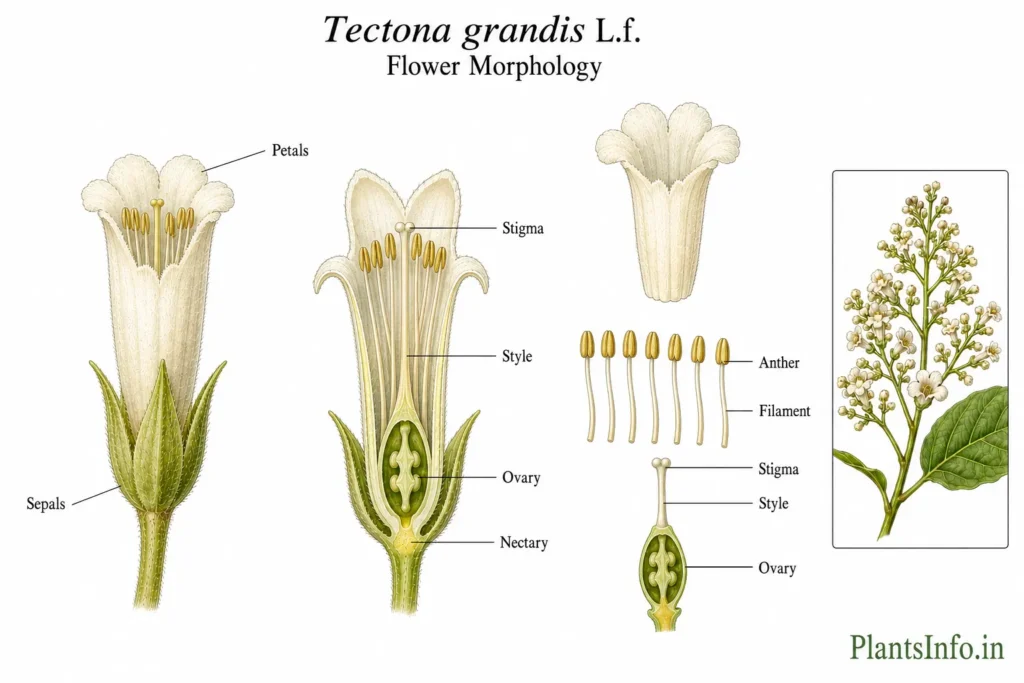
The flowers of teak are relatively small compared with the overall size of the tree, but they are produced in large numbers within conspicuous branching inflorescences. Their pale coloration and mild fragrance are characteristic of many insect-pollinated tropical trees. Although individual flowers are modest in appearance, mass flowering events can significantly alter the visual appearance of the canopy. Floral traits appear adapted to generalized insect visitation rather than specialization on a single pollinator group, contributing to successful reproduction across a broad geographic range.
| Floral Attribute | Description |
|---|---|
| Inflorescence Type | Large terminal panicle |
| Flower Diameter | Approximately 6–8 mm (0.24–0.31 in) |
| Flower Length | Approximately 5–8 mm (0.20–0.31 in) |
| Outer Tepals or Sepals | Small, greenish, fused calyx |
| Inner Tepals or Petals | White to pale cream corolla lobes |
| Stamens | Six, exserted |
| Pistil | Single pistil with superior ovary |
| Fragrance | Mildly fragrant |
| Anthesis Period | Seasonal, typically during wet-season flowering |
| Primary Pollinators | Bees and other insects |
| Flower Symmetry | Radially symmetrical |
Fruit
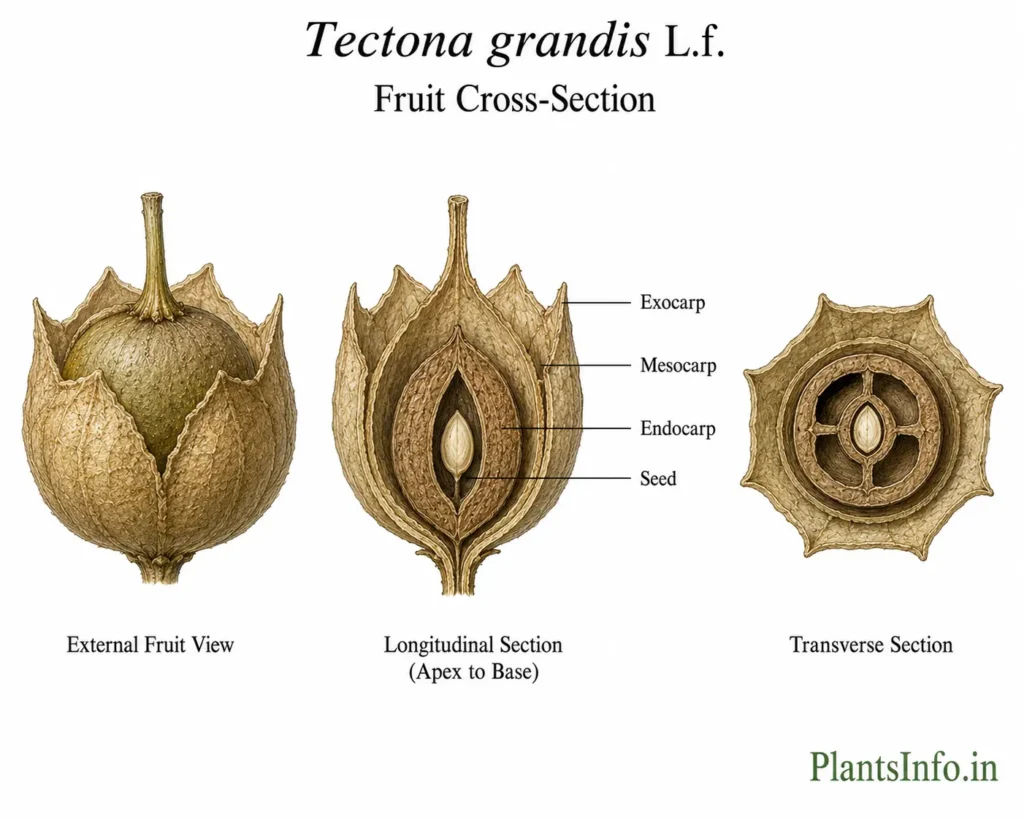
| Fruit Characteristic | Description |
|---|---|
| Fruit Type | Drupe enclosed within a persistent inflated calyx. |
| Shape | Nearly spherical |
| Length | 1.2–2.0 cm (0.47–0.79 in) |
| Diameter | 1.0–2.0 cm (0.39–0.79 in) |
| Weight | Not documented in available literature |
| Skin Colour | Green when immature; brown when mature |
| Surface Features | Enclosed by inflated papery calyx |
| Flesh Colour | Pale interior surrounding seed structures |
| Flesh Texture | Dry and fibrous |
| Seed Count | Usually 1–4 seeds |
| Sugar Content | Not documented in available literature |
| Maturation Period | Several months after flowering |
Seeds
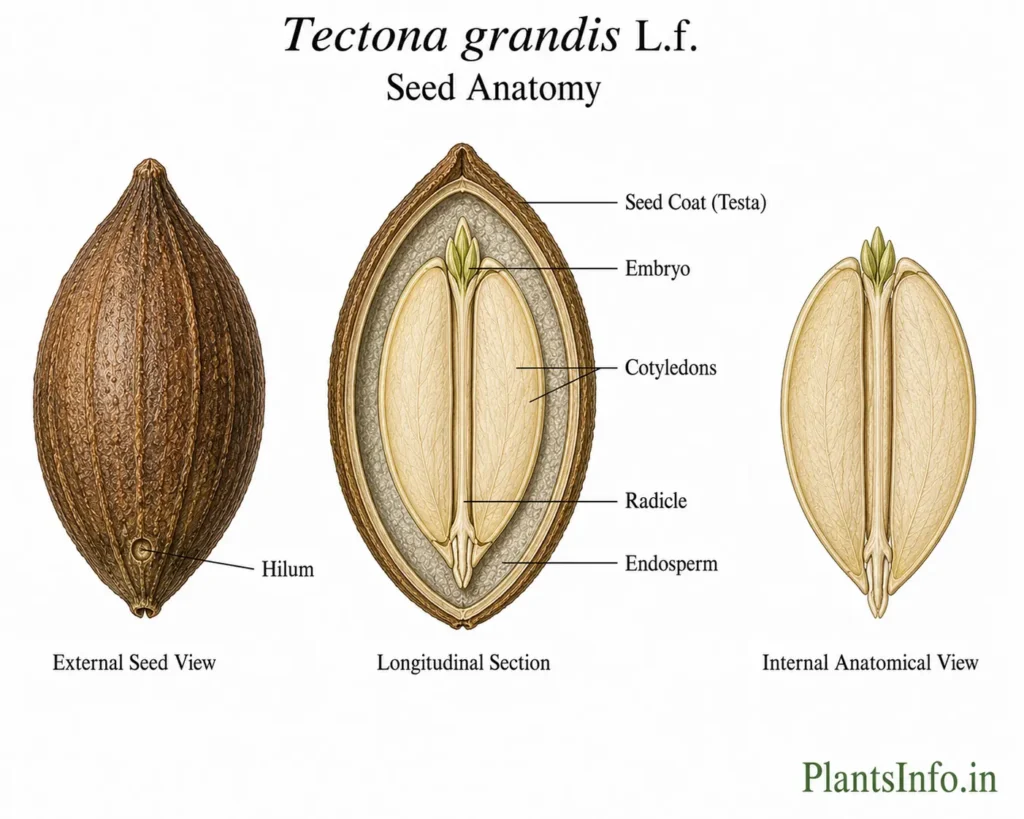
| Seed Characteristic | Description |
|---|---|
| Size | Approximately 6–10 mm (0.24–0.39 in) |
| Shape | Ovoid |
| Colour | Brown |
| Seed Coat | Hard and protective |
| Oil Content | Not documented in available literature |
| Viability Period | Variable; influenced by storage conditions |
| Germination Rate | Variable and often enhanced by pretreatment |
Recommended Products
Disclosure: As an Amazon Associate, PlantsInfo may earn from qualifying purchases.
🌱 Plant Care Essentials
The following tools can help with pruning, plant health, soil management, and fruit garden maintenance.

Neem Oil for Plant Care
Natural plant protection against aphids, whiteflies, mites, and other common garden pests.

Fungicide for Root Care
Helps suppress soil-borne fungal diseases and supports healthier root systems.

Spray Bottle for Plants
Ideal for applying foliar sprays, neem oil solutions, and liquid plant treatments.

Rubber Hand Gloves
Protects hands during pruning, planting, soil preparation, and garden maintenance.
Root System
Teak develops a prominent taproot during early growth, allowing access to deeper soil moisture reserves during seasonal drought. As the tree matures, extensive lateral roots radiate outward, improving mechanical stability and resource acquisition. Root depth commonly exceeds several metres under favourable conditions, while lateral spread may extend beyond the canopy edge. The species performs best in well-drained soils and is less tolerant of prolonged waterlogging than many riparian tropical trees. This architecture contributes to drought resilience, wind firmness, and sustained timber production, while also reducing susceptibility to shallow-root instability in plantation environments.
Field Identification
A mature teak tree is readily recognised by its combination of a tall straight trunk, broad deciduous crown, deeply fissured grey-brown bark, and exceptionally large opposite leaves. During the dry season, leaf shedding often leaves the crown partially or completely bare, while flowering trees display large pale panicles above the canopy. Teak is frequently confused in trade with Gmelina arborea (“white teak”), particularly where timber rather than living trees is encountered. The most reliable distinguishing feature is the exceptionally large, rough-textured leaves of Tectona grandis, which greatly exceed those of Gmelina arborea. In plantation settings, the straight cylindrical bole and broad crown architecture provide additional recognition cues.
Normal vs. Concerning Observations
| Observation | Status | Explanation |
|---|---|---|
| Seasonal complete leaf drop during dry season | Normal | Characteristic deciduous behaviour |
| Young leaves with reddish tint | Normal | Common developmental trait |
| Large variation in leaf size between juvenile and mature trees | Normal | Age-related morphology |
| Sparse flowering in young trees | Normal | Reproductive maturity not yet reached |
| Progressive canopy thinning beyond seasonal norms | Monitor | May indicate environmental stress |
| Extensive branch dieback | Investigate | Potential indicator of health decline |
| Unusual trunk lesions or bleeding areas | Investigate | May signal disease or injury |
| Persistent chlorosis across canopy | Monitor | Indicates physiological imbalance requiring assessment |
Cultivar Summary
| Cultivar | Key Characteristic | Commercial Status | Origin |
|---|---|---|---|
| ‘Nilambur Selection’ | Selected for timber form and growth performance | Regionally significant | India |
| ‘Konni Selection’ | Plantation forestry selection | Regionally significant | India |
| ‘Mhae Yom Selection’ | Provenance-associated growth characteristics | Regionally significant | Thailand |
| ‘Solomon Provenance Line’ | Adapted plantation stock | Experimental | Solomon Islands |
| ‘Local Seed Orchard Lines’ | Improved forestry breeding material | Commercially dominant | Multiple producing countries |
Physiology and Phytochemistry
Functional Traits
Teak is a fast-growing tropical hardwood whose physiology is adapted to strongly seasonal climates characterised by alternating wet and dry periods. Rather than maintaining year-round growth, the species synchronises resource acquisition, canopy development, and reproduction with seasonal rainfall patterns. Its functional strategy combines rapid carbon capture during favourable conditions, efficient drought avoidance through deciduousness, long-term investment in durable woody tissues, and chemical defence systems that protect foliage and timber from herbivores, pathogens, and decay organisms. These traits function as an integrated ecological strategy that has contributed to both the species’ natural success and its exceptional value as a timber crop.
| Trait | Mechanism Description | Adaptive Significance |
|---|---|---|
| Photosynthetic Pathway | Uses the C3 pathway, fixing atmospheric carbon dioxide directly through the Calvin cycle during daylight. | Supports rapid biomass production under warm, high-light tropical conditions. |
| Water Use Strategy | Reduces seasonal water loss through extensive dry-season leaf shedding and temporary dormancy. | Improves survival during prolonged drought. |
| Nutrient Acquisition | Large seasonal leaf area supports efficient nutrient capture and redistribution before leaf abscission. | Conserves nutrients in nutrient-variable tropical soils. |
| Growth Form Strategy | Allocates substantial resources to vertical stem growth and long-lived woody tissues. | Enhances canopy access and competitive ability. |
| Reproductive Strategy | Produces abundant small flowers in large inflorescences, increasing opportunities for successful fertilisation. | Promotes reproductive success across diverse environments. |
| Dispersal Mechanism | Fruits enclosed within a persistent calyx facilitate movement by gravity, water, and local transport processes. | Supports colonisation of suitable nearby habitats. |
| Stress Response Mechanism | Growth slows during drought while stored resources support survival until favourable conditions return. | Reduces physiological damage during seasonal stress. |
| Chemical Defence | Produces secondary metabolites including quinones and phenolic compounds that deter herbivory and microbial attack. | Protects leaves, bark, and wood. |
| Timber Durability Strategy | Deposits biologically active extractives into heartwood during maturation. | Increases resistance to decay and wood-boring organisms. |
| Canopy Renewal Strategy | Rapid production of new foliage at the onset of seasonal rainfall. | Maximises photosynthetic gain during favourable periods. |
Physiological Integration
The functional success of teak arises from interactions among drought avoidance, growth allocation, and chemical defence rather than from any single trait. Seasonal leaf shedding reduces water demand during dry periods, allowing resources to be redirected toward stem maintenance and long-term survival. When rainfall returns, rapid canopy renewal restores photosynthetic capacity and fuels accelerated growth. This seasonal growth pulse supports the production of durable heartwood enriched with defensive extractives. The same resource-conservation strategy that permits drought tolerance also facilitates investment in long-lived woody tissues, creating the highly durable timber for which teak is renowned. Reproductive timing is similarly integrated with climatic rhythms, as flowering and fruit development occur when physiological stress is reduced and pollinator activity is more predictable. Together these traits create a coordinated ecological strategy centred on seasonal efficiency, persistence, and structural longevity.
Phytochemistry
The phytochemistry of Tectona grandis has attracted sustained interest because many of the compounds responsible for its ecological success are also linked to timber durability and traditional medicinal applications. Research has focused primarily on heartwood, bark, leaves, and roots, where quinones, phenolic compounds, flavonoids, and terpenoid constituents have been documented. The species is chemically notable for producing naturally durable wood that resists microbial degradation and insect attack. Compared with many commercially important timber trees, teak possesses a relatively well-characterised profile of defensive secondary metabolites, although the intensity of research varies considerably among plant organs and geographic regions.
| Compound Class | Representative Compounds | Primary Location | Ecological or Biological Function |
|---|---|---|---|
| Naphthoquinones | Tectoquinone, Lapachol | Heartwood, roots | Antimicrobial and anti-herbivore defence |
| Anthraquinones | Anthraquinone derivatives | Heartwood | Contribute to wood durability |
| Phenolic Compounds | Gallic acid, Ellagic acid | Leaves, bark | Antioxidant and defensive functions |
| Flavonoids | Quercetin, Luteolin derivatives | Leaves | UV protection and stress response |
| Triterpenoids | Betulinic acid, Oleanolic acid | Bark, leaves | Defensive and physiological regulation roles |
| Sterols | β-Sitosterol, Stigmasterol | Leaves, bark | Structural and metabolic functions |
| Volatile Compounds | Terpenoid constituents | Leaves and flowers | Defence and ecological signalling |
Phytochemical Organ Distribution
| Organ | Compound Class | Representative Compounds | Concentration | Source |
|---|---|---|---|---|
| Heartwood | Naphthoquinones | Tectoquinone, Lapachol | Major constituents | Source Class: Peer-reviewed phytochemical studies |
| Heartwood | Anthraquinones | Anthraquinone derivatives | Moderate | Source Class: Peer-reviewed wood chemistry studies |
| Leaves | Flavonoids | Quercetin derivatives | Moderate | Source Class: Peer-reviewed phytochemical studies |
| Leaves | Phenolic Compounds | Gallic acid | Moderate | Source Class: Peer-reviewed phytochemical studies |
| Bark | Triterpenoids | Betulinic acid, Oleanolic acid | Low to moderate | Source Class: Peer-reviewed phytochemical studies |
| Bark | Sterols | β-Sitosterol | Moderate | Source Class: Peer-reviewed phytochemical studies |
| Roots | Naphthoquinones | Lapachol derivatives | Moderate | Source Class: Peer-reviewed phytochemical studies |
Phytochemical Significance
The most commercially significant phytochemicals in teak are the quinone-derived compounds concentrated within the heartwood, particularly tectoquinone and related constituents. These compounds are strongly associated with the exceptional natural durability that has made teak one of the world’s most valuable timber species. Phenolics and flavonoids contribute additional ecological functions through antioxidant activity and stress protection, while triterpenoids and sterols have attracted pharmacological interest in laboratory studies. Current characterisation is strongest for heartwood chemistry and substantially weaker for reproductive tissues and developmental-stage variation.
Available evidence suggests that teak’s phytochemical profile is dominated by woody tissues rather than leaves or reproductive organs, reflecting the species’ evolutionary investment in long-term structural defence. Several compound classes likely act synergistically in resistance to microbial degradation and herbivory, although mechanistic interactions remain incompletely resolved. Research concentration is strongly biased toward South and Southeast Asia, where the species is native and economically important. Consequently, phytochemical variation among introduced plantation populations remains less thoroughly documented than variation within native-range material.
Evidence, Nutrition, and Safety
Evidence Hierarchy for Medicinal Use
| Evidence Layer | Status | Notes |
|---|---|---|
| Traditional Use | Documented | Leaves, bark, roots, wood, and flowers have documented use in traditional medical systems across South and Southeast Asia. |
| Nutritional Evidence | Absent | Teak is not recognised as a conventional food species and lacks a significant nutritional evidence base. |
| In Vitro Studies | Documented | Antioxidant, antimicrobial, anti-inflammatory, and cytotoxic activities reported for extracts and isolated compounds. |
| Animal Studies | Partial | Experimental studies have investigated biological activity of extracts under laboratory conditions. |
| Human Clinical Studies | Absent | No documented studies at this evidence level. |
| Regulatory Recognition | Absent | No major regulatory authority recognises teak as an approved medicinal product. |
| Unsupported Commercial Claims | Documented | Some commercial claims exceed available clinical evidence, particularly regarding broad therapeutic effectiveness. |
Evidence Assessment
The evidence profile of Tectona grandis illustrates a common pattern among traditionally used medicinal plants: extensive ethnobotanical documentation combined with limited clinical validation. The strongest evidence supports historical use and laboratory investigations of phytochemicals isolated from leaves, bark, roots, and heartwood. Experimental studies indicate biological activity, but translation into clinically demonstrated health outcomes remains incomplete. Human clinical evidence is effectively absent, creating a substantial gap between traditional applications and evidence-based medical use. The most commercially visible claims often involve broad health-promoting or disease-management properties, yet these remain among the least rigorously substantiated areas of current research.
Nutritional Composition
Not applicable.
Tectona grandis is not a recognised food crop and does not possess a standardised human nutritional composition dataset suitable for inclusion in a food-species nutrient table. No validated food-composition references were identified that would satisfy species-level nutritional reporting standards.
Nutritional Significance Note
Because teak is primarily a timber and medicinal-use species rather than a food plant, nutritional composition data have not been a major focus of scientific investigation. Available research concentrates on wood chemistry, secondary metabolites, pharmacological screening, forestry performance, and ecological characteristics. Consequently, comparisons with edible crops are not meaningful, and no standardised values for macronutrients, vitamins, minerals, or dietary fibre have been established for routine human consumption. The absence of nutritional data should not be interpreted as evidence of nutritional value or safety for consumption.
Soil Ecology and Mycorrhizal Associations
Available evidence indicates that Tectona grandis commonly forms associations with arbuscular mycorrhizal fungi (AMF), particularly species within genera such as Glomus, Acaulospora, and Gigaspora. Species-level fungal specificity has not been consistently documented across the tree’s extensive geographic range, and most available data are reported at genus level. These fungal associations contribute to phosphorus acquisition, nutrient uptake efficiency, and establishment success in nutrient-limited tropical soils.
The teak rhizosphere supports diverse bacterial communities involved in nutrient cycling, organic matter decomposition, and root-zone ecological stability. Documented groups include plant-growth-associated bacteria involved in nitrogen transformation and phosphorus mobilisation. Allelopathic effects have been reported in teak plantations, particularly through leaf litter and decomposing residues that may influence germination and growth of neighbouring vegetation. Phenolic compounds and related secondary metabolites are considered probable contributors, although precise mechanisms remain incompletely characterised.
Current evidence suggests that beneficial microbial associations contribute to establishment and productivity, particularly on degraded tropical sites. Research into these interactions remains concentrated within South and Southeast Asia, where teak forestry has the greatest economic importance. The ecological significance of these associations is well recognised, although species-specific mechanistic studies remain comparatively limited.
Toxicity and Safety
| Subject | Toxic Compounds | Clinical Effects | Source |
|---|---|---|---|
| Humans | No toxic compounds documented in available literature for routine environmental exposure; wood dust may act as an irritant or sensitiser. | Dermatitis, respiratory irritation, and occupational sensitisation reported in some individuals exposed to wood dust. | Source Class: Occupational health literature and forestry toxicology publications |
| Cats | No toxic compounds documented in available literature. | No species-specific toxicity syndrome documented. | Source Class: Veterinary toxicology literature review |
| Dogs | No toxic compounds documented in available literature. | No species-specific toxicity syndrome documented. | Source Class: Veterinary toxicology literature review |
| Livestock | No toxic compounds documented in available literature. | No species-specific toxicity syndrome documented under normal exposure conditions. | Source Class: Agricultural toxicology literature review |
Toxicity Context
Most safety concerns associated with Tectona grandis relate to occupational exposure to wood dust rather than exposure to living plants. Sensitivity reactions appear dose-dependent and are primarily reported among workers involved in timber processing. Laboratory studies occasionally identify bioactive compounds with biological activity at isolated-compound concentrations; however, such findings do not necessarily translate into toxicity under normal environmental exposure. Evidence regarding pregnancy, renal disease, drug interactions, and medicinal dosing remains insufficient for definitive clinical conclusions. This profile does not constitute medical or veterinary advice.
Distribution and Habitat
Native Range and Distribution
Biogeographic Context
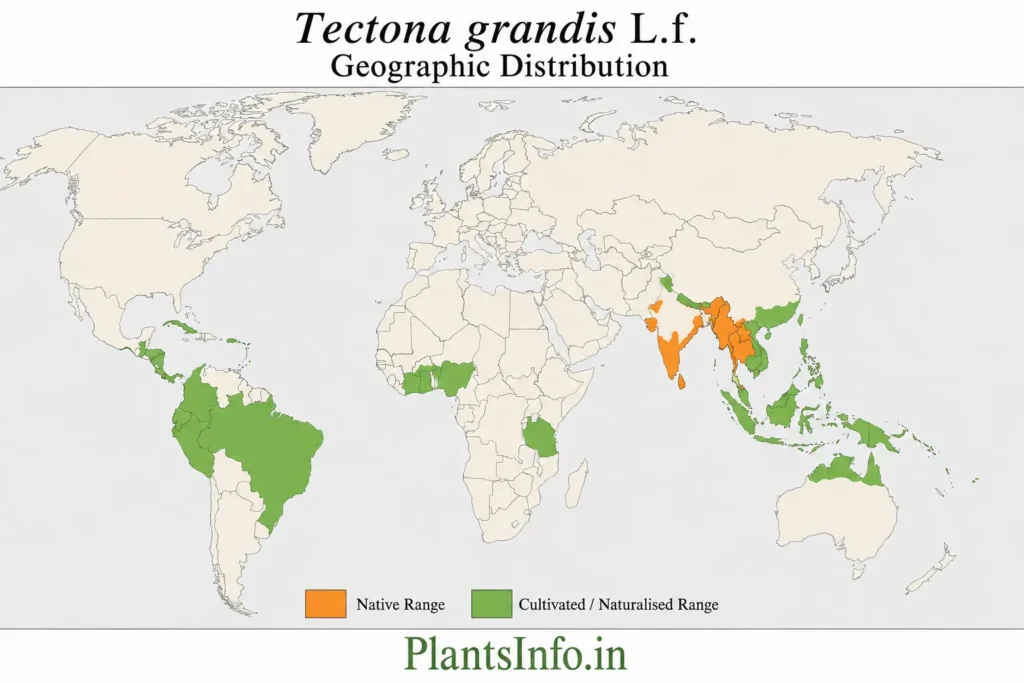
The native distribution of Tectona grandis reflects the historical development of tropical monsoon ecosystems across South and Southeast Asia. The species evolved within regions characterised by pronounced wet and dry seasons, where periodic drought favoured deciduous growth strategies and durable wood formation. Natural populations are concentrated in landscapes that combine seasonal rainfall, well-drained soils, and periodic disturbance. Historically, teak forests covered extensive areas of India, Myanmar, Thailand, and neighbouring countries, but centuries of timber extraction, agricultural expansion, and habitat conversion have fragmented many native stands. Modern distribution data are heavily influenced by forestry research from India, Myanmar, and Thailand, resulting in a regional concentration bias within the published literature despite the species occurring across a broader native range.
Native Range
| Region | Countries or Sub-regions | Notes |
|---|---|---|
| Indian Subcontinent | India, Sri Lanka, Bangladesh | Major centre of native distribution |
| Western Mainland Southeast Asia | Myanmar, Thailand | Contains extensive natural populations |
| Eastern Mainland Southeast Asia | Laos | Native occurrence documented |
| Indochinese Region | Parts of western and central Indochina | Distribution fragmented in some areas |
Global Cultivation and Naturalisation
| Region | Countries or Areas | Cultivation Status | Notes |
|---|---|---|---|
| South Asia | India, Bangladesh, Sri Lanka, Nepal | Commercially established | Major plantation and breeding programmes |
| Southeast Asia | Myanmar, Thailand, Laos, Indonesia, Vietnam | Commercially established | Core production region |
| East Asia | Southern China | Commercially established | Limited by frost risk in cooler areas |
| Africa | Nigeria, Ghana, Côte d’Ivoire, Tanzania, Benin, Togo | Commercially established | Major plantation expansion region |
| Central America | Costa Rica, Panama, Nicaragua, Honduras | Commercially established | Export-oriented plantation sector |
| South America | Brazil, Ecuador, Colombia, Peru | Commercially established | Expanding commercial production |
| Caribbean | Trinidad and Tobago, Cuba, Puerto Rico | Emerging | Local climatic suitability varies |
| Oceania | Northern Australia, Papua New Guinea, Solomon Islands | Emerging | Restricted to tropical environments |
| Mediterranean Regions | Southern Europe and North Africa | Attempted — limited success | Winter temperatures constrain growth |
| Subtropical United States | Southern Florida, Hawaii | Experimental | Geographic limits imposed by frost sensitivity |
Cultivation Range Note
Commercial teak production is now distributed across tropical regions on multiple continents, with major plantation industries established in South Asia, Southeast Asia, Africa, Central America, and South America. Some of the most rapidly expanding plantation sectors occur outside the native range, particularly in Latin America and West Africa. Experimental cultivation has demonstrated that the species can grow beyond its natural distribution, but cold sensitivity remains a major constraint. Research coverage remains disproportionately concentrated in India, Thailand, and Myanmar, creating a geographic bias in available silvicultural, ecological, and genetic data. Readers seeking practical growing guidance should continue to the dedicated cultivation profile.
Natural Habitat
Teak naturally occupies tropical seasonal forests, especially mixed deciduous forests and transitional woodland systems. Native populations typically occur from lowland areas to approximately 1,200 m (3,937 ft) elevation, although local variation exists. Habitats are characterised by well-drained soils derived from diverse geological substrates, including alluvial deposits and weathered upland materials. Associated vegetation commonly includes other deciduous hardwood trees, bamboo communities, and seasonally adapted understory species. Moisture availability fluctuates strongly throughout the year, with distinct wet and dry seasons shaping ecosystem dynamics. Teak responds favourably to periodic disturbance that creates canopy openings, facilitating regeneration. Ecologically, the species is best described as an intermediate habitat generalist capable of occupying a range of seasonal forest environments, contributing to both its conservation resilience and global cultivation potential.
Ecological Role
Within native monsoon forest ecosystems, teak functions primarily as a canopy-forming structural species that influences forest architecture, nutrient cycling, and habitat availability. Large mature trees contribute substantial leaf litter during seasonal leaf fall, affecting decomposition processes and understory vegetation dynamics. Flowering events provide resources for diverse insect communities, while fruits contribute to local seed dispersal systems involving gravity, water movement, and opportunistic animal transport. Although teak is economically prominent, it is not generally regarded as a classic keystone species whose removal would trigger ecosystem collapse. Instead, its ecological importance derives from cumulative effects on forest structure and productivity.
Many aspects of teak pollination ecology remain documented at broad taxonomic levels rather than through detailed species-specific interaction networks. Likewise, seed dispersal relationships are incompletely resolved across much of the native range. The species is nevertheless an important component of tropical seasonal forest biodiversity and serves as an indicator of relatively intact deciduous forest systems in parts of South and Southeast Asia.
| Role Type | Species or Agent Involved | Notes |
|---|---|---|
| Pollination Network | Apis cerana, Apis dorsata | Documented floral visitors in parts of native range |
| Seed Dispersal | Gravity and seasonal water movement | Primary documented dispersal agents |
| Habitat Structure | Mixed deciduous forest communities | Contributes canopy architecture and litter inputs |
| Nutrient Cycling | Soil decomposer communities | Influences nutrient return through annual leaf fall |
Invasive Status
| Region | Status | Impact | Management |
|---|---|---|---|
| Parts of Tropical Africa | Naturalised | Generally low documented ecological impact | Local monitoring where natural regeneration occurs |
| Parts of Tropical America | Naturalised | Limited evidence of major ecosystem disruption | Site-specific assessment |
| Pacific Islands | Naturalised in some locations | Localised spread documented | Monitoring where conservation concerns arise |
Invasive Status Note
Although teak has naturalised outside its native range in several tropical regions, it is generally not regarded as a highly aggressive invasive species. Ecological impacts are typically localised and substantially lower than those associated with many globally invasive woody plants.
Climate and Stress Tolerance
Optimal Climate Parameters
| Parameter | Optimal Range | Tolerance Range | Notes |
|---|---|---|---|
| Mean Annual Temperature | 22–28°C (72–82°F) | 13–40°C (55–104°F) | Based largely on tropical plantation data |
| Daytime Temperature | 28–35°C (82–95°F) | 18–42°C (64–108°F) | Regional forestry data dominate |
| Nighttime Temperature | 18–24°C (64–75°F) | 10–28°C (50–82°F) | Cooler conditions reduce growth |
| Annual Rainfall | 1,200–2,500 mm (47–98 in) | 750–3,800 mm (30–150 in) | Reflects global cultivation envelope |
| Dry Season Length | 3–5 months | 0–7 months | Seasonal dormancy influences tolerance |
| Relative Humidity | 60–85% | 40–95% | Adaptable within tropical climates |
| Solar Radiation | High tropical sunlight; approximately 18–25 MJ/m²/day | Approximately 10–30 MJ/m²/day | Derived primarily from tropical forestry studies |
Climate Interpretation
Temperature and frost sensitivity are the most significant factors limiting teak expansion beyond tropical and warm subtropical regions. Although the species tolerates considerable variation in rainfall and seasonal moisture availability, prolonged exposure to cold temperatures restricts establishment and long-term productivity. The native climate envelope is strongly seasonal, with pronounced wet and dry periods, whereas the global cultivation envelope demonstrates greater flexibility, including successful production in wetter equatorial regions and some marginal subtropical environments. Current climate datasets are disproportionately derived from South and Southeast Asian forestry research, creating a regional bias that should be considered when extrapolating performance to novel production areas.
Stress Tolerance Profile
| Stress Type | Tolerance Level | Physiological Response | Notes |
|---|---|---|---|
| Drought | Moderate to High | Reduces transpiration through leaf shedding and growth suppression. | Seasonal adaptation well documented. |
| Heat | High | Maintains metabolic activity while increasing evaporative cooling through foliage. | Performs well in tropical heat. |
| Cold or Frost | Low | Cellular injury increases as temperatures approach freezing. | Frost sensitivity is a major limitation. |
| Salinity | Low | Osmotic imbalance reduces water uptake efficiency. | Not considered salt tolerant. |
| Waterlogging | Low | Root-zone oxygen limitation reduces aerobic metabolism. | Poor tolerance documented. |
| Air Pollution | Moderate | Physiological response not documented at species level. | Limited species-specific evidence. |
| Wind | Moderate | Growth regulation and canopy adjustment occur following mechanical stress. | Mature trees generally stable. |
| Soil Compaction | Low to Moderate | Reduced root-zone gas exchange lowers physiological performance. | Sensitive on poorly structured sites. |
Compound Stress
Available research suggests that teak performs relatively well when drought and heat occur simultaneously because both stressors fall within the ecological conditions under which the species evolved. In contrast, combinations involving waterlogging, salinity, or prolonged cold exposure tend to produce more severe physiological limitations than any single stressor alone. Evidence for interactions among multiple abiotic stressors remains less developed than evidence for individual stress responses. In particular, the combined effects of salinity and waterlogging, or pollution and drought, have not been comprehensively characterised at species level. This represents a continuing knowledge gap within teak ecophysiology.
Adaptations and Reproductive Biology
Structural and Physiological Adaptations
Adaptation Narrative
The adaptations of Tectona grandis reflect long-term evolution within tropical monsoon forests characterised by alternating periods of abundant rainfall and seasonal drought. Teak combines a deciduous canopy, large photosynthetic leaves, a durable woody framework, protective bark, and specialised reproductive structures into a coordinated adaptive strategy. These morphological features allow the species to exploit seasonal resource abundance while tolerating predictable dry periods. The result is a tree well suited to disturbance-prone seasonal forests where rapid growth, persistence, and reproductive reliability are strongly favoured by natural selection.
| Adaptation | Mechanism Description | Ecological Context |
|---|---|---|
| Deciduous Canopy | Leaves are shed seasonally through specialised abscission zones at the petiole base. | Adaptation to predictable dry-season water limitation. |
| Large Broad Leaves | Expanded leaf blades maximise light interception during favourable seasons. | Supports rapid seasonal growth in open-canopy environments. |
| Deep Woody Trunk | Extensive secondary xylem provides structural support and storage capacity. | Favours long lifespan and canopy dominance. |
| Thickening Bark | Progressive bark development increases physical protection of living tissues. | Reduces damage from environmental disturbance and minor fire exposure. |
| Elevated Crown Architecture | Crown positioned high above competing vegetation. | Improves light access in mixed forest systems. |
| Persistent Fruit Calyx | Enlarged papery calyx surrounds developing fruits. | Aids protection and dispersal of reproductive structures. |
| Extensive Branch Framework | Large scaffold branches support broad canopy development. | Enhances resource capture in seasonal forests. |
| Durable Heartwood Formation | Wood accumulates protective extractives during maturation. | Improves persistence in tropical environments. |
| Small Insect-Accessible Flowers | Floral structures permit access by a wide range of visiting insects. | Supports reproductive success in diverse pollinator communities. |
Climate Change Vulnerability
| Factor | Assessment | Notes |
|---|---|---|
| Primary Climate Sensitivity Factors | Moderate vulnerability | Sensitivity concentrated in temperature extremes, altered rainfall seasonality, and prolonged drought. |
| Key Threatening Climate Processes | Increased drought frequency; extreme heat events; habitat fragmentation | Most relevant within native forests. |
| Resilience Factors | Broad cultivation range; seasonal drought adaptation; extensive plantation genetic resources | Provides adaptive capacity. |
| Confidence Level | Moderate | Based primarily on forestry, ecological, and distribution studies rather than dedicated climate modelling. |
Climate Vulnerability
Current evidence supports a qualitative assessment of moderate climate vulnerability. Teak possesses several characteristics associated with resilience, including seasonal drought adaptation, broad geographic cultivation, and extensive managed genetic resources. However, increasing climatic variability may alter growth performance, regeneration success, and distribution patterns within parts of the native range. Prolonged droughts beyond historical norms, changes in monsoon timing, and increasing temperatures could affect reproductive cycles and forest dynamics. Dedicated species-level climate projection studies remain less common than plantation performance studies. Confidence is therefore assessed as moderate and is based primarily on observed climatic sensitivities, ecological distribution patterns, and forestry research rather than comprehensive predictive modelling.
Phenological Calendar
| Event | Native Range Timing | Cultivated Range Timing | Environmental Triggers |
|---|---|---|---|
| Vegetative Growth Onset | Early wet season | Beginning of regional rainy season | Sustained rainfall and increasing soil moisture |
| Flower Bud Initiation | Late wet season | Variable by region; generally late growing season | Completion of major vegetative growth phase |
| Anthesis or Peak Flowering | Wet season to early dry season | Region-dependent within growing season | Mature canopy development and seasonal moisture transition |
| Fruit Development | Early dry season | Variable according to flowering date | Successful pollination and continued resource allocation |
| Fruit Maturation | Dry season | Dry season or equivalent regional period | Progressive fruit drying and seed maturation |
| Seed Dispersal | Late dry season to onset of rains | Variable across cultivation regions | Fruit drying, gravity, and seasonal weather events |
| Dormancy or Rest Period | Dry season | Seasonal dry or cool-growth-reduction period | Reduced moisture availability and declining growth conditions |
Phenological Notes
Phenology in teak is closely linked to seasonal moisture availability rather than temperature alone. The onset of rains typically triggers canopy renewal and active growth, while progressive drying encourages flowering, fruit maturation, and eventual dormancy. Across the global cultivation range, substantial phenological plasticity is observed. Trees growing in equatorial regions with weaker seasonality may display less synchronised behaviour than populations in strongly monsoonal climates. Nevertheless, the overall sequence of growth, flowering, fruiting, and dormancy remains remarkably consistent. Readers seeking season-by-season cultivation timing should consult the dedicated seasonal management profile.
Pollination Ecology
Teak exhibits a relatively generalised insect-pollination system typical of many tropical forest trees. Rather than depending upon a single pollinator species, the plant produces numerous small flowers accessible to a broad assemblage of insects. This strategy reduces dependence on any one pollinator group and may improve reproductive stability across large geographic ranges. The floral architecture encourages repeated visitation by nectar- and pollen-foraging insects, while the production of large inflorescences increases floral visibility within the canopy. Such flexibility likely contributed to the species’ success across diverse seasonal forest environments and plantation landscapes.
| Parameter | Value | Notes |
|---|---|---|
| Primary Pollinators | bees and other generalist insects (including Apis spp.) | Documented visitors in parts of native range |
| Secondary Pollinators | Trigona spp. | Genus-level records available |
| Pollination Syndrome | Generalised insect pollination | Multiple insect groups involved |
| Floral Mechanism | Small open flowers allow direct access to reproductive structures while encouraging contact with stamens and stigma during foraging | Physical pollinator guidance |
| Reproductive System | Predominantly outcrossing, with some self-compatibility reported | Species-level variability documented |
| Seed Dispersal Agent | Gravity; seasonal water movement | Primary documented agents |
| Pollination Success Rate | Not documented at species level | Existing literature insufficient |
| Human Intervention | Biologically feasible | Used in research and breeding contexts |
Pollination Context
Available evidence suggests that teak is primarily an outcrossing species, although varying levels of self-compatibility have been reported. Outcrossing promotes genetic diversity and may contribute to the adaptability observed across the species’ extensive cultivated range. Pollinator decline could influence seed production in natural forests and breeding programmes, but the generalised nature of the pollination system likely reduces vulnerability compared with highly specialised species. Human-mediated pollination is biologically feasible because floral structures are accessible and reproductive organs are exposed. However, most reproduction in both natural and plantation environments depends on insect-mediated pollen transfer.
Seed Biology and Germination
| Parameter | Value | Notes |
|---|---|---|
| Seed Type | Orthodox seed enclosed within a hard fruit structure | Common forestry classification |
| Dormancy Class | Physical and physiological dormancy components reported | Species-specific variation occurs |
| Dormancy-Breaking Requirement | Natural weathering or equivalent dormancy reduction processes | Variable among seed lots |
| Optimal Germination Temperature | 25–35°C (77–95°F) | Most reported studies fall within this range |
| Germination Rate | Approximately 20–80% | Strong variation among provenances and seed lots |
| Germination Period | Approximately 1–8 weeks | Influenced by dormancy status |
| Storage Behaviour | Orthodox | Tolerates drying better than recalcitrant seeds |
| Seed Longevity | Several years under appropriate storage conditions | Literature reports vary |
Germination Notes
Seed biology in teak is complicated by substantial variability in dormancy intensity among populations and seed lots. Much of the reported variation reflects differences in fruit maturity, provenance, storage history, and collection conditions. Germination data originate from both wild-collected and plantation-derived seed sources, contributing to variation among published studies. The hard fruit covering can influence water uptake and germination timing, making biological dormancy characteristics an important determinant of recruitment success in both natural and managed populations.
Vegetative Reproduction
| Parameter | Value | Notes |
|---|---|---|
| Vegetative Regeneration Capacity | Moderate | Coppicing and shoot regeneration documented |
| Primary Regeneration Mechanism | Basal sprouting and coppice regrowth | Most commonly observed mechanism |
| Minimum Propagule Size | Not documented in available literature | Species-specific threshold not confirmed |
| Ecological or Invasive Significance | Supports persistence following disturbance | Contributes to stand recovery rather than invasive spread |
Human Interaction
Economic Importance
Economic Context
Teak is among the world’s most valuable tropical hardwood commodities and occupies a distinctive position within the global timber market. Production is concentrated in South and Southeast Asia, particularly India, Myanmar, Indonesia, and Thailand, although substantial commercial plantation sectors now operate across Africa and Latin America. Both natural-forest and plantation-derived teak remain present in international trade, with old-growth and naturally regenerated material generally commanding premium values because of wood quality characteristics and scarcity. Supply chains are influenced by legality verification, certification requirements, origin traceability, and substitution by lower-value timbers marketed under teak-associated trade names. Quality variation among provenances, mislabelling of unrelated species as “teak,” and increasing dependence on plantation-grown timber remain significant factors affecting international market structure and commercial valuation.
Economic Importance
| Use Category | Description | Economic Impact |
|---|---|---|
| Construction Timber | Structural timber, beams, decking, exterior joinery | High |
| Furniture Manufacturing | Premium indoor and outdoor furniture | Very High |
| Marine Applications | Boat decks, shipbuilding, marine fittings | Very High |
| Veneer and Decorative Wood | Architectural panels and luxury finishes | High |
| Agroforestry and Plantation Forestry | Commercial plantation investment and land-use diversification | High |
| Traditional Medicinal Products | Localised medicinal applications | Low |
| Handicrafts and Artisanal Products | Carving, decorative objects, specialty woodwork | Moderate |
| Summary Economic Assessment | Globally important premium hardwood with diversified industrial applications | Very High |
Traditional Uses
| Use Category | Knowledge System | Region or Cultural Group | Practice Summary | Documentation Level | Source |
|---|---|---|---|---|---|
| Medicinal Bark Use | Ayurveda | India | Bark preparations used in traditional health practices | Well documented | Ethnobotanical literature |
| Leaf-Based Remedies | Ayurveda | India | Leaves incorporated into traditional formulations | Well documented | Ayurvedic materia medica |
| Root Applications | Unani Medicine | South Asia | Roots used in selected traditional preparations | Moderately documented | Unani pharmacopoeial sources |
| Wound and Skin Applications | Folk Medicine Traditions | Myanmar | Plant parts applied in local therapeutic practices | Moderately documented | Regional ethnobotanical surveys |
| Timber Construction | Traditional Vernacular Architecture | South and Southeast Asia | Durable wood used in buildings and infrastructure | Extensively documented | Historical and architectural records |
| Boat Building | Maritime Craft Traditions | India, Myanmar, Thailand | Timber used for vessels and marine structures | Extensively documented | Maritime historical sources |
| Sacred and Monumental Architecture | Buddhist and Hindu Cultural Traditions | South and Southeast Asia | Wood employed in temples and ceremonial structures | Well documented | Cultural heritage literature |
| Woodcraft and Carving | Traditional Artisan Systems | South and Southeast Asia | Fine woodworking and carving applications | Extensively documented | Craft history documentation |
Traditional Use Summary
Traditional knowledge concerning teak is concentrated within South and Southeast Asia, particularly among Ayurvedic traditions of India and long-established forestry, maritime, and architectural cultures throughout the region. Medicinal uses are documented but generally occupy a secondary role relative to the species’ exceptional importance as a construction and craft material. Many practices remain active and continuously transmitted, especially those involving timber utilisation, while some medicinal applications are preserved primarily through written pharmacopoeias and ethnobotanical documentation. The concentration of traditional knowledge within the species’ native range contrasts with the increasingly global distribution of commercial teak production, creating a situation in which economic value has expanded internationally while much of the foundational cultural knowledge remains geographically rooted. Readers interested in cultural heritage and public-interest dimensions should continue to the companion quick-facts profile.
Regional Ethnobotanical Context
The ethnobotanical history of teak extends across centuries of interaction between tropical forest communities, agricultural societies, maritime cultures, and state forestry systems. In the Indian subcontinent, teak became integrated into both practical and symbolic aspects of life through architecture, transport, and traditional medicine. Similar relationships developed throughout Myanmar, Thailand, Laos, and neighbouring regions, where the species became associated with durable construction and long-term resource stewardship. As regional trade networks expanded, teak acquired increasing economic significance and entered international commerce. Despite this commercialisation, many traditional understandings of timber quality, landscape suitability, and resource management continue to be transmitted through local forestry traditions, artisan communities, and regional knowledge systems.
Traditional Ecological Knowledge
Documented traditional ecological knowledge surrounding teak is most strongly associated with agroforestry, forest management, timber selection, and landscape observation rather than medicinal practice alone. In parts of India, Myanmar, and Thailand, local knowledge systems historically incorporated observations regarding regeneration patterns, seasonal growth behaviour, timber quality variation, and interactions with surrounding vegetation. Teak has also been integrated into mixed land-use systems where its long-term canopy development complements agricultural production. Although practical ecological knowledge is well documented in forestry literature, many locally specific TEK traditions remain incompletely recorded, representing a continuing documentation gap.
Ethical Considerations
Tectona grandis originates from South and Southeast Asia, where its cultural, economic, and traditional uses are most deeply rooted. Important knowledge systems include Ayurveda in India, regional folk medical traditions across Myanmar and Thailand, and long-established architectural, maritime, and forestry traditions throughout the species’ native range. While timber uses are exceptionally well documented, medicinal and ethnobotanical practices are unevenly recorded, with some traditions preserved through formal texts and others known primarily through local and regional ethnographic studies.
No documented Access and Benefit-Sharing (ABS) case under the Nagoya Protocol has been identified specifically for Tectona grandis. Similarly, no widely recognised biopiracy controversy or major international patent dispute centred on the species has been documented in the available literature. This relative absence of controversy may reflect the fact that teak’s economic importance is overwhelmingly associated with timber production rather than high-value pharmaceutical development.
Nevertheless, important attribution issues remain. Much of the scientific, commercial, and industrial value generated from teak originates from biological resources and knowledge systems developed within its native range. Modern commercial benefits increasingly accrue across global plantation sectors in Africa, Latin America, and other tropical regions, while historical expertise regarding wood properties, forest management, and traditional utilisation remains concentrated in South and Southeast Asia. This creates a geographic separation between the origins of knowledge and some contemporary centres of production.
Researchers, product developers, and commercial buyers should therefore prioritise accurate origin attribution, transparent sourcing, respect for local knowledge systems, and compliance with applicable biodiversity and forestry regulations. Where traditional knowledge contributes directly to commercial development, documentation and acknowledgement should reflect the geographic and cultural origins of that knowledge. Responsible engagement requires recognition that teak’s global economic success was built upon generations of accumulated expertise within its native range.
Cultural Significance
The cultural significance of teak is strongly concentrated within South and Southeast Asia, where the species has long been associated with durability, permanence, craftsmanship, and prestige. In many regions, teak became the preferred material for temples, palaces, monasteries, and other structures intended to endure for generations. This association with longevity has contributed to its symbolic status as a wood of stability and enduring value. Within Buddhist cultural landscapes of Myanmar and Thailand, as well as Hindu cultural traditions of India, teak has often been linked to important religious and ceremonial architecture.
Linguistically, the name “teak” and its regional equivalents are widely recognised and frequently associated with quality and authenticity in timber markets. The species also occupies a prominent place in public perceptions of tropical forestry and sustainable timber production. Historic teak forests, plantation landscapes, and traditional woodworking centres attract educational and tourism interest, reinforcing the species’ cultural visibility. Contemporary public fascination with premium hardwoods continues to draw attention to teak’s biological and historical significance.
Applied Cultivation Knowledge
Cultivation Summary
| Parameter | Value | Notes |
|---|---|---|
| Hardiness or Climate Zone | Tropical to warm subtropical climates | Reflects global cultivation range |
| Soil pH Range | Approximately 6.0–8.0 | Broad tolerance under suitable conditions |
| Moisture Sensitivity | Moderate; sensitive to prolonged waterlogging | Biological response varies with site conditions |
| Light Sensitivity | Full sun preferred; tolerates limited partial shade | Strongly associated with canopy development |
| Productive Lifespan | Commonly 40–80+ years in commercial systems | Lifespan varies by region and production objective. |
Pest, Disease and Physiological Burden Summary
Teak is generally regarded as moderately resilient but is affected by a documented range of pests, pathogens, and physiological stressors. Notable pests include the teak defoliator (Hyblaea puera) and teak skeletonizer (Eutectona machaeralis), while fungal pathogens may contribute to nursery and plantation losses under suitable conditions. Frost injury, prolonged waterlogging, and severe drought can also impose physiological burdens. The burden profile is well documented, particularly in South and Southeast Asian forestry literature. For diagnosis, treatment, and prevention, see Problems and Diseases about Teak Tree.
Failure Points and Commercial Risks
| Risk | Cause | Commercial Impact | Mitigation Domain |
|---|---|---|---|
| Frost Injury | Exposure beyond climatic tolerance | Reduced growth, mortality, plantation failure | Genetic |
| Waterlogging Damage | Prolonged root-zone saturation | Reduced productivity and survival | Agronomic |
| Defoliator Outbreaks | Insect herbivory by specialist pests | Growth reduction and timber yield losses | Agronomic |
| Provenance or Cultivar Mismatch | Genetic material poorly suited to site conditions | Reduced timber quality and productivity | Genetic |
| Timber Misidentification | Substitution or inaccurate species labelling | Market value loss and supply-chain disputes | Regulatory |
| Climate Variability | Altered rainfall patterns and extreme events | Yield instability and planning uncertainty | Infrastructural |
Conservation and Research
Conservation Analysis
Although Tectona grandis remains widely cultivated and economically important, the principal conservation concern is not immediate global extinction but the erosion of wild genetic diversity and continued degradation of native forest habitats. The most significant risks are therefore both ecological and genetic. Native populations in parts of South and Southeast Asia have experienced habitat fragmentation, historical overharvesting, and land-use conversion, reducing the extent of naturally functioning forest ecosystems. Extensive plantation cultivation has reduced pressure on some wild stands by providing alternative timber supplies, yet plantations often represent a narrower genetic base than natural populations.
From a breeding perspective, genetic erosion may reduce adaptive potential, particularly under changing climatic conditions. Wild populations contain locally adapted traits that may prove valuable for future disease resistance, drought tolerance, and productivity improvement. Long-term sustainability depends on maintaining both commercial germplasm resources and representative wild populations. Conservation priorities increasingly focus on preserving in situ genetic diversity, improving provenance documentation, and ensuring that plantation expansion does not obscure declines occurring within native ecosystems. The conservation challenge is therefore less about total species survival and more about safeguarding evolutionary diversity and ecological function across the native range.
Conservation Status
| Parameter | Value | Notes | Source |
|---|---|---|---|
| IUCN Red List Category | Endangered (IUCN Red List; widely cultivated globally) | Current global assessment | IUCN Red List. URL: https://www.iucnredlist.org/species/62019821/62019824 Accessed: 2026-06-06 |
| IUCN Red List Criteria | EN A1cd | Based on documented population reduction and habitat pressures | IUCN Red List. URL: https://www.iucnredlist.org/species/62019821/62019824 Accessed: 2026-06-06 |
| Population Trend | Decreasing | Native populations declining in parts of range | IUCN Red List. URL: https://www.iucnredlist.org/species/62019821/62019824 Accessed: 2026-06-06 |
| Date of Assessment | 2017 | Latest published global assessment | IUCN Red List. URL: https://www.iucnredlist.org/species/62019821/62019824 Accessed: 2026-06-06 |
| Geographic Scope of Assessment | Global range assessment | Assessment covers entire native distribution | IUCN Red List. URL: https://www.iucnredlist.org/species/62019821/62019824 Accessed: 2026-06-06 |
| Threats Summary | Habitat loss, historical overexploitation, fragmentation, genetic erosion | Threats concentrated within native range | IUCN Red List. URL: https://www.iucnredlist.org/species/62019821/62019824 Accessed: 2026-06-06 |
Conservation Status Context
The conservation profile of teak is unusual because extensive global cultivation coexists with concern for native populations. Plantation forestry has greatly increased timber availability and reduced dependence on some natural forests, yet cultivated stocks do not fully replace the ecological and genetic value of wild populations. The decreasing trend reported for native populations reflects habitat loss, fragmentation, and historical exploitation rather than a collapse of the species as a whole. Consequently, conservation efforts increasingly emphasise preservation of native genetic resources alongside sustainable commercial production.
Research Coverage and Knowledge Gaps
| Research Topic | Coverage Level | Key Gaps | Priority |
|---|---|---|---|
| Forestry and Silviculture | High | Long-term climate resilience | High |
| Population Genetics | Moderate | Native-range genomic sampling | High |
| Phytochemistry | High | Geographic chemical variation | Medium |
| Climate Change Biology | Moderate | Predictive distribution modelling | High |
| Pollination Ecology | Low to Moderate | Species-level interaction networks | Medium |
| Soil Microbiome Studies | Moderate | Rhizosphere functional mechanisms | Medium |
Research Landscape
Research output on Tectona grandis remains active and continues to expand, particularly in forestry, genetics, wood science, and plantation management. The literature is geographically concentrated in India, Thailand, Myanmar, Indonesia, and other major production regions, creating a strong South and Southeast Asian bias. Much of the work is conducted through academic forestry institutions, although industry-linked plantation research also contributes significantly. This concentration provides deep knowledge in some domains while leaving other regions and introduced populations comparatively understudied. For a global audience, the knowledge base is generally reliable but uneven in geographic representation.
Priority Knowledge Gaps
One of the most significant unresolved questions concerns the extent of genetic differentiation among surviving native populations and how much adaptive diversity has already been lost through habitat fragmentation. Although teak is among the most studied tropical timber species, comprehensive genomic sampling across the full native range remains incomplete. This limits the ability of breeders and conservation planners to identify populations carrying unique climate-adaptive traits.
Another important gap concerns geographic variation in phytochemistry. Compounds such as tectoquinone, lapachol, and related extractives are well documented, yet relatively little is known about how concentrations vary among provenances, environmental conditions, or developmental stages. Improved understanding could benefit both wood-quality assessment and pharmacological research.
Pollination ecology also remains incompletely characterised. While insect pollination is established, detailed species-level interaction networks are lacking across much of the range. This limits understanding of reproductive resilience under environmental change.
Climate-change responses represent a further priority. Existing studies largely evaluate growth performance rather than evolutionary adaptation, migration potential, or long-term phenological shifts. Addressing these gaps would improve conservation planning, germplasm management, and future plantation resilience.
Interesting Facts
A Tropical Hardwood in the Mint Family
Most people associate the mint family with herbs such as basil, sage, and rosemary. Teak belongs to the same family, Lamiaceae, despite being one of the world’s largest and most valuable tropical timber trees.
Natural Durability Comes From Chemistry
Teak wood resists decay without chemical treatment. This durability results largely from naturally occurring quinones and related extractives that accumulate in the heartwood and inhibit microbial degradation.
Leaves Can Be Exceptionally Large
Juvenile teak leaves may exceed 60 cm (24 in) in length under favourable conditions. Few commercially important timber trees produce foliage of comparable size during early growth stages.
Plantations Do Not Fully Replace Wild Forests
Millions of hectares of plantation teak exist worldwide. Nevertheless, plantation forests cannot fully substitute for the ecological complexity and genetic diversity found in native teak ecosystems.
Its Conservation Status Surprises Many Foresters
Despite its abundance in cultivation, teak is classified as Endangered on the IUCN Red List. The assessment reflects pressures on native populations rather than scarcity in commercial plantations.
Teak Helped Shape Maritime History
For centuries, teak was among the most sought-after shipbuilding timbers. Its resistance to rot and marine conditions contributed to its use in major naval and trading fleets across Asia and beyond.
Frequently Asked Questions
Identification and Biology
How can teak be identified in the field?
Teak is recognised by its tall straight trunk, broad deciduous crown, deeply fissured bark, and exceptionally large opposite leaves. Mature trees often dominate seasonal forest canopies, while young plants produce leaves much larger than those of many associated species. The combination of large rough-textured leaves and valuable straight timber form makes field identification relatively straightforward.
Is teak really related to mint plants?
Yes. Although it appears completely different from culinary herbs, teak belongs to the family Lamiaceae, which also contains mint, basil, rosemary, and sage. This relationship is based on evolutionary history and floral characteristics rather than growth form. The contrast between a massive hardwood tree and small aromatic herbs makes this one of the species’ most surprising biological facts.
Cultivation and Ecology
Why does teak lose its leaves every year?
Teak is naturally adapted to seasonal tropical climates with distinct dry periods. Leaf shedding reduces water demand during drought and allows the tree to conserve resources until favourable conditions return. This behaviour is normal and reflects adaptation to monsoonal environments rather than poor health. The timing and intensity of leaf fall vary according to local climate conditions.
Can teak grow outside its native range?
Yes. Teak is now cultivated successfully throughout tropical regions of Africa, Latin America, Oceania, and parts of Asia beyond its original distribution. However, successful establishment depends heavily on climate suitability, particularly temperature and frost avoidance. The species demonstrates considerable ecological flexibility but remains fundamentally a tropical tree adapted to warm conditions.
Conservation and Uses
If teak is Endangered, why is it still widely sold?
This is one of the most commonly misunderstood aspects of the species. The Endangered status applies primarily to native populations and habitats, whereas most commercial timber originates from plantations. Large-scale cultivation has maintained market supply even while wild populations have experienced habitat loss, fragmentation, and historical exploitation across parts of the native range.
What makes teak wood so durable?
The durability of teak results from its distinctive wood chemistry. Natural extractives, including quinone-derived compounds, accumulate in the heartwood and help resist fungal decay, insect attack, and environmental deterioration. This natural resistance reduces dependence on preservative treatments and explains the wood’s longstanding reputation in marine construction, architecture, and outdoor applications.
Does teak have proven medicinal benefits?
Traditional medicinal uses are well documented in several South and Southeast Asian knowledge systems, and laboratory studies have identified biologically active compounds. However, human clinical evidence remains limited. Consequently, many traditional or commercial health claims currently possess stronger ethnobotanical support than clinical validation, highlighting an important distinction between traditional use and evidence-based medicine.
Conclusion
Teak occupies a unique position among tropical tree species because it combines exceptional commercial value, broad international cultivation, deep cultural history, and substantial ecological importance. Few hardwoods have influenced architecture, maritime trade, forestry, and global timber markets to the same degree while simultaneously serving as a flagship species for tropical plantation development.
The central challenge facing the species is not whether teak can continue to be cultivated successfully, but whether the genetic diversity and ecological integrity of native populations can be maintained alongside expanding commercial production. The contrast between widespread plantation abundance and declining native populations illustrates the difference between economic success and long-term conservation security.
Future research priorities include genomic conservation, climate adaptation, phytochemical variation, pollination ecology, and ecosystem-level resilience. Improved integration of forestry science, conservation biology, and traditional knowledge will strengthen both sustainable production and biodiversity protection. Readers seeking deeper exploration should continue to How to Grow Teak Tree, Benefits and Uses of Teak Tree, Quick Facts about Teak Tree, Seasonal Guide of Teak Tree, Problems and Diseases about Teak Tree, and Teak Tree: Varieties and Cultivars.
Source Classification System
This profile uses a three-tier source reliability framework.
Source Class A – Peer-reviewed scientific literature, monographs, systematic reviews, and primary research publications.
Source Class B – Authoritative institutional databases, government resources, and internationally recognized reference systems.
Source Class C – Ethnobotanical literature, agricultural extension publications, historical sources, traditional knowledge documentation, and other grey literature.
Where multiple source classes are cited, the highest-quality available evidence was prioritized.
References
A. Primary Taxonomic Sources
Royal Botanic Gardens, Kew. Plants of the World Online (POWO): Tectona grandis L.f. Royal Botanic Gardens, Kew. Available at: https://powo.science.kew.org/. Accessed 2026-06-06.
B. Peer-Reviewed Literature
Kaosa-ard, A. (1981). Teak (Tectona grandis Linn. f.): Its Natural Distribution and Related Factors. Natural History Bulletin of the Siam Society, 29, 55–74.
Kollert, W., & Cherubini, L. (2012). Teak Resources and Market Assessment 2010. FAO Planted Forests and Trees Working Paper FP/47/E. Rome: Food and Agriculture Organization of the United Nations.
Kollert, W., & Kleine, M. (Eds.). (2017). The Global Teak Study: Analysis, Evaluation and Future Potential of Teak Resources. Vienna: International Union of Forest Research Organizations (IUFRO World Series No. 36).
C. Monographs, Books and Technical Reports
Pandey, D., & Brown, C. (2000). Teak: A Global Overview. Unasylva, 51(201), 3–13. Food and Agriculture Organization of the United Nations.
White, K. (1991). Teak: Some Aspects of Research and Development. Regional Office for Asia and the Pacific. Bangkok: Food and Agriculture Organization of the United Nations.
D. Databases and Online Resources
IUCN Red List of Threatened Species. Tectona grandis. Available at: https://www.iucnredlist.org/species/62019821/62019824. Accessed 2026-06-06.
Royal Botanic Gardens, Kew. Plants of the World Online (POWO): Tectona grandis L.f. Available at: https://powo.science.kew.org/. Accessed 2026-06-06.
World Agroforestry (CIFOR-ICRAF). Agroforestree Database. Available at: https://apps.worldagroforestry.org/treedb2/. Accessed 2026-06-06.
E. Institutional and Grey Literature
Food and Agriculture Organization of the United Nations (FAO). (2020). Global Forest Resources Assessment 2020: Main Report. Rome: FAO.
International Tropical Timber Organization (ITTO). (Various years). Tropical Timber Market Reports and Teak Sector Publications. Yokohama, Japan: ITTO.