Introduction
Cymbopogon citratus, commonly known as lemongrass, is one of the world’s most recognisable aromatic grasses because of its strong lemon-scented foliage produced by volatile essential oils rich in citral. It belongs to the grass family Poaceae and is widely cultivated across tropical and subtropical regions. Kew POWO recognises it as a species of probable Malesian origin, now extensively naturalised and farmed far beyond its native range.
Classification
Ecologically, lemongrass functions as a dense perennial clump-forming grass that stabilises soil, suppresses weed competition, and provides microhabitat structure in disturbed tropical landscapes. Unlike many related Cymbopogon species grown mainly for distilled oil, C. citratus is strongly associated with fresh culinary use because of its softer leaf bases and higher palatability. Its high aromatic oil content also contributes to herbivore deterrence and environmental stress tolerance.
Human use of lemongrass spans cuisine, traditional medicine, perfumery, and commercial essential oil production. It has long been embedded in Southeast Asian, South Asian, African, and Caribbean food systems and pharmacopoeial traditions. Although not currently listed as globally threatened by the IUCN category assessment, conservation of germplasm diversity remains important because cultivation relies heavily on vegetative propagation. This profile examines the species from identity to conservation while directing operational subjects to specialised companion guides.
Quick Plant Information
| Field | Value |
|---|---|
| Accepted Scientific Name | Cymbopogon citratus |
| Primary Common Name | Lemongrass |
| Plant Type | Aromatic perennial grass |
| Life Cycle | Perennial |
| Growth Habit | Dense tufted clump-forming herb |
| Mature Size | 1–1.8 m tall (3.3–5.9 ft), 0.9–1.5 m spread (3–4.9 ft) |
| Growth Rate | Fast |
| Flowering Season | Late warm season; infrequent under cultivation |
| Fruiting Season | Rarely observed in cultivation |
| Light Requirement | Full sun |
| Water Requirement | Moderate, with consistent moisture preferred |
| Soil Preference | Well-drained fertile loam to sandy loam |
| Temperature Tolerance | Best at 20–35°C (68–95°F); sensitive below 5°C (41°F) |
| Pollination Type | Primarily wind pollinated |
| Self-Fertility Status | Functionally limited due to infrequent flowering in cultivation |
| Primary Propagation Method | Division of clumps |
| Typical Yield Class | Moderate to high biomass yield |
| Primary Use Categories | Culinary, medicinal, aromatic oil, ornamental |
| Toxicity Status | Generally regarded as low toxicity for normal culinary use; concentrated oil requires caution |
| Conservation Concern | Low global concern; local germplasm preservation important |
| Cultivation Difficulty Level | Easy |
Classification and Taxonomy
| Field | Value | Notes |
|---|---|---|
| Accepted Scientific Name | Cymbopogon citratus (DC.) Stapf | Accepted by Kew POWO |
| Known Synonyms | Andropogon citratus DC.; Cymbopogon schoenanthus subsp. references in older trade confusion | Historical literature and trade usage |
| Taxonomic Authority Source | Kew Science – Plants of the World Online (POWO) | Primary taxonomic source class: Kew POWO |
| Assessment Date | 2026-04-29 | Current editorial review |
| Kingdom | Plantae | — |
| Division | Tracheophyta | Vascular plants |
| Class | Liliopsida | Monocotyledons |
| Order | Poales | — |
| Family | Poaceae | Grass family |
| Subfamily | Panicoideae | Applicable |
| Genus | Cymbopogon | Aromatic grasses |
| Species | citratus | Species epithet |
| Native Origin | Probable Malesia and tropical Southeast Asia; widely cultivated globally | |
| IUCN Status | Not formally assessed / not globally threatened |
Related Species of Significance
| Species | Common Name | Distinguishing Feature | Economic or Ecological Significance |
|---|---|---|---|
| Cymbopogon flexuosus | East Indian lemongrass | Higher oil yield; stronger citral profile for distillation | Major industrial essential oil crop |
| Cymbopogon nardus | Citronella grass | Citronellal-rich oil rather than citral dominance | Mosquito repellent and fragrance industry |
| Cymbopogon winterianus | Java citronella | Taller growth and stronger citronella oil production | Commercial insect-repellent oil source |
| Cymbopogon martinii | Palmarosa | Rose-like aroma due to geraniol | Perfumery and cosmetic oil crop |
| Cymbopogon schoenanthus | Camel grass | Drier habitat adaptation and finer foliage | Traditional medicine and arid-land aromatic grass |
Taxonomic Context
Within Cymbopogon, C. citratus occupies a distinctive position as the principal culinary lemongrass, whereas several congeners are primarily cultivated for industrial oil extraction. Confusion most often occurs with C. flexuosus, which is chemically similar but agronomically and commercially distinct. Older literature may also retain placement under Andropogon, reflecting historical grass taxonomy. Stable use of the accepted name is important because medicinal studies, trade specifications, and essential oil standards can differ substantially between species despite shared common names such as “lemongrass.”
Cytogenetics
| Parameter | Value | Notes |
|---|---|---|
| Chromosome Number | 2n = 20 | Most commonly reported somatic count |
| Ploidy Level | Diploid | Standard cultivated condition |
| Genome Size | Not comprehensively documented in available literature | Species-level comparative genomic data limited |
Cytogenetic Note
The commonly reported diploid chromosome number (2n = 20) supports relatively stable clonal uniformity in cultivated Cymbopogon citratus, particularly because commercial production depends mainly on vegetative division rather than seed. Limited flowering reduces opportunities for broad breeding programmes. Compared with oil-focused congeners where chemotype selection is critical, cytogenetic uniformity in culinary lemongrass helps maintain flavour consistency, though broader genome-scale characterisation remains underdeveloped.
Scientific Stability and Nomenclature
The accepted name Cymbopogon citratus (DC.) Stapf is the standard treatment recognised by Kew POWO, which serves as the principal taxonomic authority source for this profile. The basionym was published as Andropogon citratus DC. by Augustin Pyramus de Candolle, and the formal transfer to the genus Cymbopogon was established by Otto Stapf in 1906 during broader revision of aromatic grasses within Poaceae. This reclassification reflected improved understanding of inflorescence structure and generic boundaries separating Cymbopogon from the broader historical Andropogon complex.
Adoption of the accepted name is now strong across agricultural science, pharmacognosy, horticulture, and international trade standards, although older herbal literature and some commercial catalogues still retain Andropogon citratus. This persistence affects literature retrieval because pharmacological studies from the mid-20th century may be indexed under the earlier name. Regulatory labelling, export documentation, and essential oil sourcing require precise nomenclature to distinguish culinary lemongrass from citronella and oil-yielding congeners. Accurate synonym recognition therefore remains commercially and scientifically important rather than merely archival.
Synonymy
| Accepted Name (Current Authority) | Synonyms Commonly Encountered | Context Where Synonym Persists |
|---|---|---|
| Cymbopogon citratus (DC.) Stapf | Andropogon citratus DC. | Older taxonomic literature, herbal medicine texts |
| Cymbopogon citratus (DC.) Stapf | “West Indian lemongrass” used as quasi-taxonomic trade label | Commercial spice and nursery trade |
| Cymbopogon citratus (DC.) Stapf | Confusion with Cymbopogon flexuosus | Essential oil trade and non-specialist product sourcing |
Growth Habit and Architecture
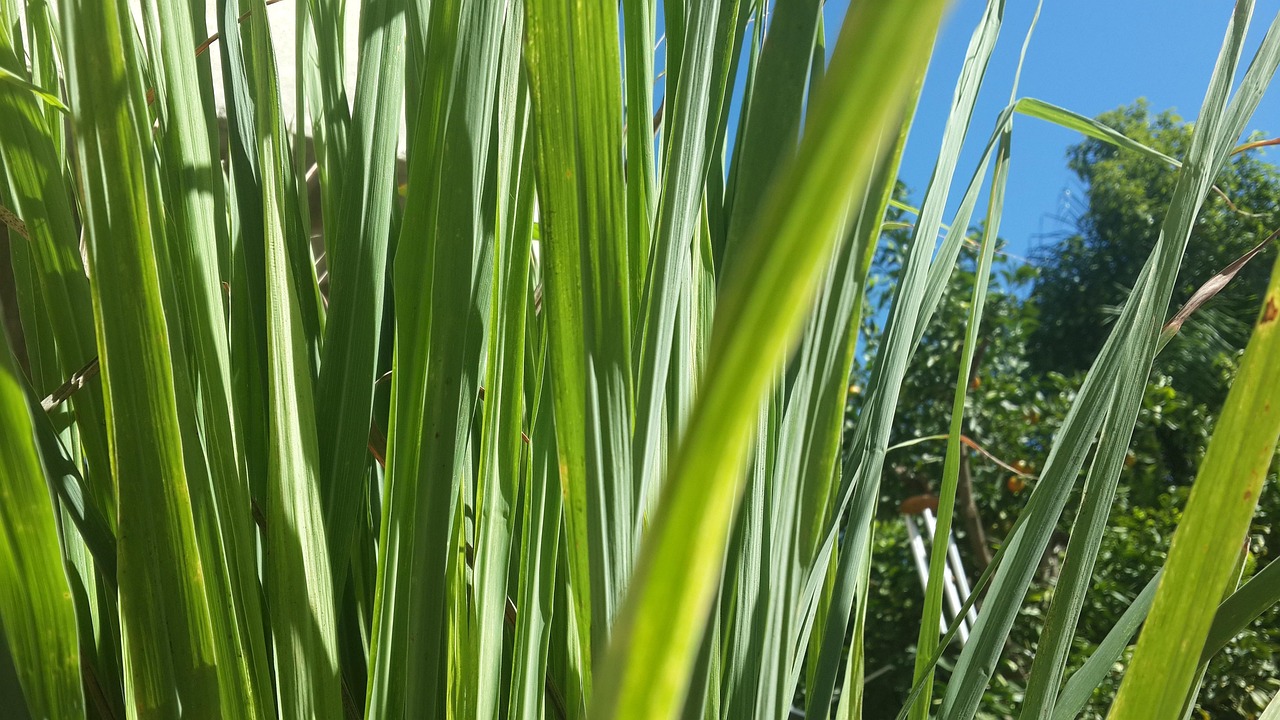
Cymbopogon citratus forms a dense, upright, fountain-shaped perennial grass composed of tightly packed leafy culms arising from a persistent basal crown. Its architecture is defined by vigorous clump expansion rather than long-distance rhizomatous spread, creating a tufted mass that is both visually distinctive and agriculturally manageable. The swollen, pale-green to yellowish leaf bases are the principal harvested portion for culinary use. Strong vertical leaf growth, rapid regenerative capacity after cutting, and fibrous anchoring roots make the species highly adapted to repeated harvest and warm-season productivity.
| Parameter | Value | Notes |
|---|---|---|
| Life form | Perennial aromatic grass | Herbaceous monocot |
| Mature height | 1–1.8 m (3.3–5.9 ft) | May exceed this in high-rainfall tropics |
| Canopy spread | 0.9–1.5 m (3–4.9 ft) | Expands through clump enlargement |
| Stem type | Short, tightly packed culms with pseudostem leaf bases | True woody stem absent |
| Bark or surface texture | Smooth, glabrous, waxy leaf sheaths | No bark present |
| Branching pattern | Basal tillering from crown | New shoots arise from base |
| Root system overview | Dense fibrous roots, typically concentrated within upper 30–60 cm (12–24 in) of soil with lateral spread beyond clump edge | Non-woody anchoring system |
| Growth rate | Fast | Rapid biomass accumulation in warm conditions |
| Longevity | Multi-year perennial, commonly productive for 3–5+ years under cultivation | Productivity declines with age |
| Distinguishing architectural feature | Thick aromatic basal leaf sheaths forming harvestable pseudostems | Primary commercial trait |
Recommended Products
Disclosure: As an Amazon Associate, PlantsInfo may earn from qualifying purchases.
🌱 Plant Care Essentials
The following tools can help with pruning, plant health, soil management, and fruit garden maintenance.

Neem Oil for Plant Care
Natural plant protection against aphids, whiteflies, mites, and other common garden pests.

Fungicide for Root Care
Helps suppress soil-borne fungal diseases and supports healthier root systems.

Spray Bottle for Plants
Ideal for applying foliar sprays, neem oil solutions, and liquid plant treatments.

Rubber Hand Gloves
Protects hands during pruning, planting, soil preparation, and garden maintenance.
Leaves
The leaves of Cymbopogon citratus are long, narrow, arching, and strongly aromatic when crushed, releasing a sharp lemon fragrance due to volatile oil glands in the tissues. Their coarse linear form gives the plant its fountain-like habit. The lower sheathing bases are thicker, paler, and more succulent than the upper blades, making them the preferred culinary portion. Leaf margins are notably sharp and can cause minor cuts during harvest handling.
| Parameter | Value |
|---|---|
| Presence | Present and persistent |
| Leaf type | Simple, linear grass blades with sheathing base |
| Size | Commonly 50–100 cm long (19.7–39.4 in), 1–2 cm wide (0.4–0.8 in) |
| Colour | Grey-green to bright green; basal sheath pale green to yellowish |
| Arrangement | Alternate, distichous from basal culms |
| Special features | Strong lemon aroma; sharp margins; thickened edible basal sheath |
Flowers
Flowering in cultivated lemongrass is often infrequent, especially in heavily harvested or humid tropical production systems, making the species better recognised by vegetative form than by reproductive structures. When present, the inflorescences are loose terminal panicles composed of paired spikelets typical of many grasses in Poaceae. Floral morphology is adapted primarily to wind pollination rather than visual attraction, with reduced showy structures and exposed reproductive organs facilitating pollen dispersal in open air conditions.
| Floral Attribute | Description |
|---|---|
| Inflorescence type | Terminal loose panicle of racemes |
| Flower diameter | Very small, individual florets usually under 0.5 cm (0.2 in) |
| Flower length | Approximately 0.3–0.6 cm (0.1–0.2 in) per floret |
| Outer tepals or sepals | Reduced lodicules; no showy sepals |
| Inner tepals or petals | Absent as showy petals; grass-type reduced floral parts |
| Stamens | Typically 3 stamens with exposed anthers |
| Pistil | Single pistil with bifid feathery stigma |
| Fragrance | No notable ornamental floral fragrance |
| Anthesis period | Late warm season when flowering occurs |
| Primary pollinators | Wind |
Fruit
| Fruit Characteristic | Description |
|---|---|
| Fruit type | Caryopsis (grain) |
| Shape | Small, narrow, elongated |
| Length | Approximately 0.3–0.5 cm (0.1–0.2 in) |
| Diameter | Approximately 0.1 cm (0.04 in) |
| Weight | Very light; individual grain weight not consistently documented |
| Skin colour | Pale brown to straw-coloured at maturity |
| Surface features | Smooth, dry, enclosed by floral bracts |
| Flesh colour | Not distinctly differentiated; dry endosperm tissue |
| Flesh texture | Dry and firm |
| Seed count | One seed per fruit |
| Sugar content | Not documented in available literature |
| Maturation period | Several weeks after successful flowering and pollination |
Seeds
| Seed Characteristic | Description |
|---|---|
| Size | Approximately 2–4 mm (0.08–0.16 in) long |
| Shape | Narrowly oblong |
| Colour | Pale brown to tan |
| Seed coat | Thin, dry, smooth |
| Oil content | Low; not a significant oilseed species |
| Viability period | Often short under ambient storage; best used fresh |
| Germination rate | Variable and often low in cultivated material due to limited viable seed production |
Root System
The root system of Cymbopogon citratus is a shallow to moderately deep fibrous network arising from the basal crown. Most active roots occupy the upper 30–60 cm (12–24 in) of soil, with strong lateral spread that stabilises the clump and captures surface moisture efficiently. The plant performs poorly in prolonged waterlogging because dense fibrous roots require oxygenated, well-drained soil. This architecture supports repeated cutting and rapid regrowth while reducing erosion on cultivated slopes. Commercially, division-based propagation depends on maintaining healthy crown and root sections rather than seed establishment.
Field Identification
In the field, lemongrass is recognised by its dense upright clumps of long arching leaves and its thick, pale, strongly lemon-scented basal sheaths. Crushing the lower stem releases an immediate sharp citral aroma, which is the fastest practical identification feature. It is frequently confused with Cymbopogon flexuosus (East Indian lemongrass), especially in planting material sold without labels. The single most reliable distinction is the thicker, softer, more succulent basal pseudostem of C. citratus, which is preferred for culinary use, whereas C. flexuosus is usually finer-textured and grown mainly for essential oil extraction.
For full cultivar listings, performance comparisons, and selection guidance, see Lemongrass: Varieties and Cultivars.
Normal vs. Concerning Observations
| Observation | Status | Explanation |
|---|---|---|
| Older outer leaves drying and browning near base | Normal | Natural ageing and replacement of foliage |
| Leaf tips becoming dry during hot windy weather | Monitor | Often environmental moisture stress rather than disease |
| Reduced flowering despite mature plant size | Normal | Common in cultivated lemongrass and not usually abnormal |
| Clump centre becoming sparse after several years | Monitor | Typical ageing and reduced vigour of old crowns |
| Basal sheaths soft, dark, and foul-smelling | Investigate | May indicate crown or root rot associated with excess moisture |
| Sudden yellowing of multiple tillers with weak regrowth | Investigate | May indicate root damage, nutrient imbalance, or disease pressure |
Cultivar Summary
| Cultivar | Key Characteristic | Commercial Status | Origin |
|---|---|---|---|
| ‘West Indian’ | Standard culinary form with thick aromatic stalks | Commercially dominant | Tropical Asia |
| ‘East Indian Type Selection’ | Often confused in trade; stronger oil orientation | Regionally significant | South Asia |
| ‘Madhuras’ | Improved biomass and essential oil performance in selected systems | Regionally significant | India |
| ‘Krishna’ | Selected for oil productivity under managed cultivation | Regionally significant | India |
| ‘Local Clonal Landraces’ | Variable aroma intensity and stalk thickness | Historically documented | Southeast Asia, Africa, Caribbean |
Functional Traits
Cymbopogon citratus is a fast-growing perennial C4 grass whose physiology is built for high light, warm temperatures, and repeated biomass renewal. Its metabolic strategy prioritises rapid carbon fixation, efficient water use under tropical heat, and strong investment in volatile secondary metabolites, especially essential oils. These traits function together rather than independently: fast leaf turnover supports continual harvest, while aromatic chemical defence reduces herbivory and microbial pressure. The species is therefore both an ecologically competitive grass and a highly stable commercial aromatic crop.
| Trait | Mechanism Description | Adaptive Significance |
|---|---|---|
| Photosynthetic pathway | C4 photosynthesis concentrates CO₂ in bundle sheath cells before the Calvin cycle, reducing photorespiration and improving carbon fixation efficiency under high temperature and strong light | Supports rapid growth and high biomass productivity in tropical climates |
| Water use strategy | Stomatal regulation and C4 metabolism allow lower transpiration per unit carbon fixed than C3 grasses, improving water-use efficiency during heat and seasonal dryness | Maintains productivity under intermittent moisture stress |
| Nutrient acquisition | Dense fibrous roots rapidly absorb surface nutrients and exploit fertile upper soil layers where organic matter and available nitrogen are concentrated | Enables fast regrowth after harvest and efficient fertiliser response |
| Growth form strategy | Basal tillering continuously produces new shoots from a persistent crown rather than relying on tall woody stems | Allows repeated cutting with strong vegetative recovery |
| Reproductive strategy | Cultivated populations reproduce mainly by vegetative clump division because flowering and viable seed production are often limited | Preserves desirable aroma traits and clonal uniformity |
| Dispersal mechanism | When seed forms, small caryopses disperse passively by gravity and local movement; under cultivation spread is primarily human-mediated through divisions | Supports persistence locally but commercial expansion depends on propagation management |
| Stress response mechanism | Leaves reduce growth and redirect resources during drought or cold stress; rapid basal regrowth occurs when favourable conditions return | Improves survival through seasonal stress cycles |
| Chemical defence | Secretory tissues produce citral-rich essential oils that disrupt microbial growth and deter many herbivores through strong volatile compounds | Protects photosynthetic tissues and increases medicinal and commercial value |
| Aromatic basal sheath development | Thickened pseudostem leaf bases accumulate volatile oils and soluble metabolites in harvestable tissue rather than only in mature blades | Creates the edible and commercially preferred plant part |
Physiological Integration
The C4 photosynthetic pathway and dense fibrous root system work together to support the species’ high turnover growth strategy. Efficient carbon fixation under heat allows rapid leaf replacement, while shallow nutrient-responsive roots quickly capture moisture and nitrogen needed for regrowth after harvest. This same fast-regeneration system reinforces chemical defence: repeated production of new aromatic tissue would be costly without efficient photosynthesis, yet citral-rich oils protect those tissues from herbivores and microbial attack. Vegetative reproduction also interacts with this framework by preserving chemotype stability. Because flowering is often limited, growers depend on clonal division to maintain consistent citral content, linking reproductive strategy directly to phytochemical reliability and commercial quality.
Phytochemistry
The phytochemistry of Cymbopogon citratus is dominated by volatile essential oils, especially oxygenated monoterpenes, which define both its sensory identity and most of its pharmacological interest. According to peer-reviewed systematic reviews and pharmacopoeial references, citral—a mixture of the isomers geranial and neral—is the principal chemotaxonomic marker and commercial standard for true culinary lemongrass. Secondary flavonoids, phenolic acids, and triterpenes contribute antioxidant and bioactive properties, but the species remains fundamentally characterised by its leaf oil profile rather than by alkaloid-rich or resin-based chemistry seen in other medicinal plants.
| Compound Class | Representative Compounds | Primary Location | Ecological or Biological Function |
|---|---|---|---|
| Oxygenated monoterpenes | Geranial, Neral (citral) | Leaves and basal sheaths | Aroma production, antimicrobial defence, herbivore deterrence |
| Monoterpene alcohols | Geraniol, Linalool | Leaf essential oil fraction | Volatile signalling, fragrance complexity |
| Sesquiterpenes | β-Caryophyllene, Elemol | Leaves and stems | Defensive secondary metabolism and ecological signalling |
| Flavonoids | Luteolin, Quercetin, Kaempferol | Leaves | Antioxidant activity, UV protection |
| Phenolic acids | Chlorogenic acid, Caffeic acid, Ferulic acid | Leaves | Oxidative stress buffering and defence |
| Triterpenes and sterols | β-Sitosterol, Ursolic acid | Leaf tissues and sheath bases | Structural support and bioactive secondary metabolism |
Phytochemical Organ Distribution
| Organ | Compound Class | Representative Compounds | Concentration | Source |
|---|---|---|---|---|
| Leaf blade | Oxygenated monoterpenes | Geranial, Neral | High; dominant volatile fraction | Peer-reviewed systematic review |
| Basal sheath | Oxygenated monoterpenes | Citral complex | Moderate to high; strong culinary aroma zone | Pharmacopoeia and peer-reviewed horticultural studies |
| Leaf blade | Flavonoids | Luteolin, Quercetin | Moderate | Peer-reviewed phytochemical review |
| Leaf blade | Phenolic acids | Chlorogenic acid, Caffeic acid | Moderate | Peer-reviewed phytochemical review |
| Stem tissues | Sesquiterpenes | β-Caryophyllene | Low to moderate | Peer-reviewed phytochemical analysis |
| Whole aerial parts | Triterpenes and sterols | β-Sitosterol, Ursolic acid | Low | Peer-reviewed phytochemical analysis |
Phytochemical Significance
Citral is the most commercially and pharmacologically significant component of Cymbopogon citratus, and its concentration largely determines culinary quality, essential oil value, and many reported antimicrobial applications. Peer-reviewed systematic reviews identify geranial and neral as the dominant compounds, making lemongrass one of the clearer examples of a medicinal food plant whose activity is strongly associated with a single chemical group. Flavonoids and phenolic acids are also well documented, particularly in antioxidant studies, but their commercial relevance is secondary compared with volatile oil standards used in trade and pharmacopoeial quality control.
Synergistically, citral-driven antimicrobial effects may be supported by flavonoid antioxidant activity, though many mechanistic claims remain stronger in vitro than in clinical evidence. The phytochemical profile is strongly leaf-dominated, especially in fresh and distilled aerial tissues, with basal sheaths important for culinary aroma rather than chemical novelty. Research is regionally concentrated in India, Thailand, Brazil, and other tropical production zones, so evidence strength is high but geographically clustered rather than evenly global.
For therapeutic mechanisms, preparation methods, and clinical applications, see Benefits and Uses of Lemongrass.
Evidence Hierarchy for Medicinal Use
| Evidence Layer | Status | Notes |
|---|---|---|
| Traditional Use | Documented | Widely recorded in traditional medicine systems across South Asia, Southeast Asia, Africa, and the Caribbean for digestive discomfort, fever management, mild anxiety, and febrile illness support; recognised in multiple pharmacopoeial references |
| Nutritional Evidence | Documented | Fresh stalks and leaves are used as flavouring foods with measurable vitamin, mineral, and fibre contribution, though usually consumed in small culinary quantities |
| In Vitro Studies | Documented | Peer-reviewed studies consistently report antimicrobial, antioxidant, anti-inflammatory, and antifungal activity, largely associated with citral-rich essential oil fractions |
| Animal Studies | Documented | Experimental models report sedative, anti-inflammatory, antihyperglycaemic, and gastroprotective effects, though dosing often exceeds normal culinary exposure |
| Human Clinical Studies | Partial | Limited small-scale human studies exist for anxiolytic, metabolic, and digestive applications, but evidence remains insufficient for strong clinical standardisation |
| Regulatory Recognition | Partial | Recognised in herbal monographs and pharmacopoeial references; WHO-style formal global monograph standardisation is limited compared with major medicinal crops |
| Unsupported Commercial Claims | Documented | Common marketing claims for “detoxification,” rapid weight loss, cancer cure, and universal blood pressure control exceed current peer-reviewed clinical evidence |
Evidence Assessment
The evidence hierarchy shows a strong traditional and laboratory foundation but a weaker clinical evidence base. Antimicrobial and mild digestive-support claims are the best supported because both traditional use and repeated in vitro studies align around citral-rich preparations. Anti-inflammatory and calming effects also have moderate experimental support. In contrast, commercially prominent claims such as aggressive detoxification, major fat-loss effects, and broad cancer treatment remain poorly substantiated in human trials. The largest gap is therefore not absence of activity, but the distance between laboratory findings and clinically validated therapeutic recommendations.
Nutritional Composition
| Nutrient | Value per 100 g | Notes | Source |
|---|---|---|---|
| Energy | 99 kcal | Fresh edible stalk basis | USDA food composition database |
| Water | 70.6 g | Fresh stalk composition | USDA food composition database |
| Carbohydrates | 25.3 g | Includes structural carbohydrates and sugars | USDA food composition database |
| Dietary Fibre | 4.0 g | Moderate fibre contribution | USDA food composition database |
| Protein | 1.8 g | Low to moderate for culinary herb use | USDA food composition database |
| Fat | 0.5 g | Very low lipid content | USDA food composition database |
| Calcium | 65 mg | Mineral contribution present but not exceptional | USDA food composition database |
| Potassium | 723 mg | Relatively notable among aromatic culinary plants | USDA food composition database |
| Iron | 8.2 mg | High value reported for raw edible tissue; preparation affects availability | USDA food composition database |
| Magnesium | 60 mg | Moderate mineral content | USDA food composition database |
| Vitamin C | 2.6 mg | Limited compared with citrus fruits despite lemon aroma | USDA food composition database |
| Folate | 75 µg | Useful but not unusually high | USDA food composition database |
Nutritional Significance Note
The nutritional profile of lemongrass is stronger in potassium and reported iron content than many aromatic culinary herbs, but its practical dietary contribution is limited because it is usually consumed as an infusion, flavouring stalk, or seasoning rather than as a bulk vegetable. Vitamin C levels are relatively unremarkable despite the citrus aroma, which comes from volatile oils rather than citrus fruit chemistry. Most composition data derive from fresh cultivated stalk tissue rather than dried tea preparations. Infusion and boiling substantially reduce direct fibre intake and alter mineral extraction, so nutritional exposure depends strongly on preparation method and whether the plant is eaten or only steeped.
Soil Ecology and Mycorrhizal Associations
Cymbopogon citratus commonly associates with arbuscular mycorrhizal fungi (AMF), with genus-level reports frequently involving Glomus, Rhizophagus, and related Glomeromycota taxa in tropical agricultural soils according to peer-reviewed agronomic studies. These fungi improve phosphorus uptake, drought resilience, and early establishment, particularly in low-fertility soils. Rhizosphere bacterial communities commonly include Bacillus, Pseudomonas, and nitrogen-cycling organisms that support nutrient turnover and suppress some soilborne pathogens through competitive exclusion and metabolite production.
Allelopathic effects are also documented, largely linked to citral and associated volatile terpenes released from residues and root-zone interactions, which may suppress neighbouring weed germination and certain competing grasses. This contributes to field weed management but can also influence crop rotation choices. Excessive synthetic fertiliser use may reduce mycorrhizal dependence by increasing immediately available nutrients, whereas biologically managed systems often benefit more strongly from AMF persistence. These interactions make lemongrass useful in organic systems and for establishment on moderately degraded land where microbial recovery supports long-term productivity.
Toxicity and Safety
| Subject | Toxic Compounds | Clinical Effects | Source |
|---|---|---|---|
| Humans | No toxic compounds documented in available literature for normal culinary use; concentrated essential oil high in citral may cause irritation at excessive exposure | Large doses or undiluted oil may cause mucosal irritation, dermatitis, nausea, or drug interaction concerns | Peer-reviewed safety reviews; pharmacopoeial references |
| Cats | Essential oil components including citral and related terpenes may be problematic in concentrated exposure | Potential gastrointestinal upset, drooling, or sensitivity to concentrated oils; fresh plant exposure usually low risk compared with essential oil | Veterinary toxicology references |
| Dogs | Essential oil components including citral may cause irritation in concentrated ingestion | Vomiting, mild gastrointestinal irritation, and oral discomfort mainly associated with oil rather than culinary plant material | Veterinary toxicology references |
| Livestock | No major toxic compounds documented in forage-level exposure; concentrated oil not typical feed exposure | Generally low toxicity in managed forage contexts, though excessive essential oil intake may reduce palatability | Veterinary forage toxicology publications |
Toxicity Context
Lemongrass safety is strongly dose-dependent. Fresh culinary use and diluted tea preparations are generally regarded as low risk, while concentrated essential oils represent a different exposure class with higher irritation potential. Citral as an isolated major compound can produce stronger mucosal and dermal reactions than whole-plant culinary preparations. Peer-reviewed sources also note caution during pregnancy, in individuals using sedative or antihypertensive medications, and where renal sensitivity or concentrated extract use is involved. Veterinary concern is greatest for essential oil ingestion rather than fresh foliage. This profile does not constitute medical or veterinary advice.
Native Range and Distribution
Biogeographic Context
Cymbopogon citratus is generally regarded by Kew POWO as originating in tropical Malesia and broader Southeast Asia, where warm temperatures, high seasonal light availability, and monsoonal rainfall patterns favour persistent perennial grasses with rapid regrowth capacity. Its success is linked to disturbed open habitats rather than closed forest systems, especially seasonally moist grassland margins, village landscapes, and secondary vegetation zones. Because the species is propagated mainly vegetatively and widely exchanged through cultivation, precise wild-origin boundaries are partly obscured by centuries of movement. True wild populations are less frequently documented than cultivated stands. Distribution evidence is strongest from South and Southeast Asian literature, creating a regional concentration bias in ecological interpretation.
Native Range
| Region | Countries or Sub-regions | Notes |
|---|---|---|
| Malesia | Malaysia, Indonesia, southern Philippines | Probable core origin zone recognised by Kew POWO |
| Mainland Southeast Asia | Thailand, Vietnam, Laos, Cambodia, Myanmar | Long-standing cultivation and probable early dispersal region |
| Tropical South Asia | Sri Lanka, southern India | Early domestication and major traditional use centre; native versus ancient introduction partly debated |
Global Cultivation and Naturalisation
| Region | Countries or Areas | Cultivation Status | Notes |
|---|---|---|---|
| South Asia | India, Sri Lanka, Bangladesh, Nepal | Commercially established | Major culinary and essential oil production; strong research concentration from India |
| Southeast Asia | Thailand, Vietnam, Indonesia, Malaysia, Philippines | Commercially established | Major fresh culinary market and export production |
| East Asia | Southern China, Taiwan, Okinawa region of Japan | Emerging | Cooler winters restrict perennial field persistence in some zones |
| Africa | Kenya, Uganda, Tanzania, Nigeria, Ghana, Madagascar | Commercially established | Expanding medicinal and essential oil markets |
| Caribbean and Central America | Jamaica, Trinidad, Cuba, Costa Rica | Commercially established | Strong culinary and herbal tea use |
| South America | Brazil, Peru, Colombia | Commercially established | Brazil especially strong in phytochemical research |
| North America | Southern United States, Mexico | Emerging | Frost sensitivity limits open-field production in cooler regions |
| Mediterranean Europe | Spain, Portugal, southern Italy | Experimental | Winter cold and seasonal moisture variability constrain scale |
| Australia and Pacific | Northern Australia, Fiji, Papua New Guinea | Commercially established | Climatically suitable tropical and subtropical production zones |
Cultivation Range Note
Commercially significant production is strongest in India, Thailand, Sri Lanka, Indonesia, Brazil, and parts of tropical Africa, where warm temperatures and year-round biomass recovery support repeated harvest systems. Emerging cultivation is notable in southern China, the southern United States, and protected Mediterranean systems, but winter cold remains the principal limiting factor. Experimental cultivation in temperate Europe is generally restricted by frost and shortened warm seasons. Production and agronomic literature are disproportionately sourced from India and Brazil, which strengthens practical evidence but creates a regional research bias when interpreting global cultivation performance.
For propagation protocols, cultivation management, and post-harvest handling, see How to Grow Lemongrass.
Natural Habitat
In its original ecological context, Cymbopogon citratus occupies warm lowland tropical habitats including open grasslands, disturbed field margins, secondary scrub, village-edge landscapes, and seasonally moist slopes. It is most commonly associated with elevations from near sea level to approximately 1,200 m (3,937 ft), though cultivated stands may occur higher under suitable warmth. Soils are typically well-drained loams to sandy loams with moderate fertility and regular moisture availability, but not prolonged saturation. Associated vegetation includes mixed tropical grasses, shrubby pioneers, and light-demanding herbaceous communities. The species is a habitat generalist rather than a strict specialist, which supports broad cultivation adaptability and reduces conservation dependence on narrow habitat protection.
Ecological Role Overview
Although primarily known as a cultivated species, Cymbopogon citratus functions ecologically as a stabilising perennial grass in disturbed tropical landscapes. Dense clump formation reduces soil erosion, retains surface moisture, and creates shelter for invertebrates and small ground fauna. At ecosystem level, flowering populations contribute pollen to wind-mediated grassland reproductive networks rather than insect-specialised pollination systems. Seed dispersal is limited and relatively local, so persistence depends more on vegetative longevity than broad colonising seed rain.
Its aromatic chemistry may suppress neighbouring weed establishment through allelopathic volatile release, influencing local plant competition. Herbivore pressure is often lower than in less aromatic grasses because citral-rich tissues deter some grazing and insect feeding. Detailed species-level pollination and dispersal networks remain poorly resolved because most research focuses on cultivation rather than wild ecosystem function, representing a notable ecological knowledge gap.
Ecological Role Summary
| Role Type | Species or Agent Involved | Notes |
|---|---|---|
| Soil stabilisation | Surface soil systems and slope margins | Dense clump growth reduces erosion and runoff |
| Pollination network contribution | Wind (anemophily) | Pollen movement primarily air-mediated; insect pollination not dominant |
| Competitive interaction | Neighbouring annual grasses and broadleaf weeds | Citral-associated allelopathic effects may reduce nearby germination |
Invasive Status
| Region | Status | Impact | Management |
|---|---|---|---|
| Tropical islands and humid subtropics outside probable native range | Naturalised | Usually low ecological disruption; persistence mainly near cultivation sites | Monitoring rather than intensive control |
| Parts of tropical Africa and the Americas | Naturalised | Escaped garden and farm populations recorded; major invasive impact not consistently documented | Local observation and containment where spread is noted |
Invasive Status Note
Cymbopogon citratus is naturalised in multiple tropical regions, but it is not generally treated as a high-priority invasive species compared with more aggressive rhizomatous grasses. Most escaped populations remain associated with human-managed landscapes rather than intact native ecosystems.
Optimal Climate Parameters
| Parameter | Optimal Range | Tolerance Range | Notes |
|---|---|---|---|
| Mean Annual Temperature | 24–30°C (75–86°F) | 15–35°C (59–95°F) | Productivity declines below warm tropical averages |
| Daytime Temperature | 28–34°C (82–93°F) | 18–38°C (64–100°F) | High light and warmth strongly favour biomass production |
| Nighttime Temperature | 18–24°C (64–75°F) | 10–28°C (50–82°F) | Prolonged cool nights slow regrowth |
| Annual Rainfall | 1,500–2,500 mm (59–98 in) | 700–3,500 mm (28–138 in) | Supplemental irrigation often substitutes below optimal rainfall |
| Dry Season Length | Short to moderate, 1–3 months | Up to 5 months with reduced vigour | Long dry seasons reduce continuous harvest performance |
| Relative Humidity | 60–80% | 40–90% | Regional data strongly derived from South Asian cultivation |
| Solar Radiation | High, full tropical sun exposure | Moderate to very high light; approximately 15–30 MJ/m²/day | Shade reduces oil intensity and biomass quality |
Climate Interpretation
Cold sensitivity is the strongest global limitation to lemongrass expansion, more restrictive than rainfall or humidity. The native range is consistently warm and humid, but the cultivated envelope extends into subtropical regions where irrigation and seasonal management compensate for lower rainfall. Frost, however, remains a hard boundary because basal tissues are easily damaged by prolonged low temperatures. High solar radiation is also important for strong citral development and vigorous regrowth. This means that warm but cloudy or persistently shaded regions may support survival without delivering commercially competitive quality.
Stress Tolerance Profile
| Stress Type | Tolerance Level | Physiological Response | Notes |
|---|---|---|---|
| Drought | Moderate | Stomatal closure reduces transpiration, leaf expansion slows, and older leaves may senesce to conserve resources | Recovery is usually strong after moisture returns |
| Heat | High | C4 metabolism maintains efficient carbon fixation and reduces photorespiration under high temperatures | Performs well in sustained tropical heat |
| Cold or Frost | Low | Metabolic activity declines rapidly, membrane damage increases, and basal tissues may collapse under frost exposure | Major expansion limit in temperate climates |
| Salinity | Low to Moderate | Osmotic stress reduces water uptake and leaf growth; ion imbalance suppresses biomass production | Not a preferred saline-environment crop |
| Waterlogging | Low | Root-zone oxygen deprivation reduces respiration and crown tissues become vulnerable to rot | Extended saturation causes major decline |
| Air Pollution | Moderate | Surface leaf injury may occur, but rapid leaf replacement helps restore photosynthetic area | Urban ornamental plantings often remain viable |
| Wind | Moderate | Transpiration increases and leaf tearing may occur, but basal crown protection supports regrowth | Severe exposure reduces leaf quality |
| Soil Compaction | Low to Moderate | Reduced oxygen diffusion and limited root penetration slow nutrient uptake and tiller renewal | Heavy compacted soils reduce vigour |
Compound Stress
Cymbopogon citratus tolerates drought plus heat better than most combinations because its C4 metabolism and rapid stomatal control help maintain function under warm seasonal dryness. In contrast, salinity combined with waterlogging is particularly damaging, since osmotic stress and low root oxygen occur simultaneously, sharply reducing nutrient uptake and crown health. Cold plus excess moisture is also highly unfavourable because slowed metabolism limits recovery from root stress. Direct species-level compound stress experiments remain less extensive than single-stressor studies, especially outside India and Brazil, representing a practical knowledge gap for climate expansion planning.
Structural and Physiological Adaptations
Adaptation Narrative
Cymbopogon citratus is structurally adapted to warm, seasonally wet tropical landscapes where repeated disturbance, intense solar radiation, and intermittent dry periods favour resilient perennial grasses over woody herbs. Its dense basal crown, fibrous root anchoring system, narrow upright leaves, and aromatic oil-rich tissues are all morphological responses to open, high-light habitats. These features support repeated regrowth after cutting, grazing, or seasonal stress while maintaining competitive dominance in disturbed ground and cultivated landscapes.
| Adaptation | Mechanism Description | Ecological Context |
|---|---|---|
| Dense basal crown | Multiple tillers arise from a compact persistent crown protected near soil level, shielding regenerative tissues from cutting and seasonal exposure | Supports survival in grazed and repeatedly harvested habitats |
| Narrow linear leaves | Reduced leaf width limits exposed surface area while maintaining photosynthetic area through length rather than breadth | Favours high-light environments with intermittent moisture stress |
| Thickened basal leaf sheaths | Overlapping pseudostem bases store water and aromatic compounds in protected lower tissues | Important in disturbed habitats and for herbivore resistance |
| Fibrous root mat | Dense shallow roots anchor the clump and rapidly occupy upper soil layers without dependence on deep woody roots | Effective in seasonally moist but well-drained tropical soils |
| Sharp leaf margins | Silica-rich margins create a cutting surface that discourages herbivory and handling damage | Defensive advantage in open grassland systems |
| Essential oil secretory tissues | Oil-rich cells concentrated in leaves and sheaths physically localise volatile defence compounds | Protects exposed tissues against herbivores and microbial pressure |
| Upright fountain architecture | Vertical leaf arrangement reduces self-shading and improves airflow through the clump | Adapted to humid tropical climates with strong sunlight |
Climate Change Vulnerability
| Factor | Assessment | Notes |
|---|---|---|
| Primary Climate Sensitivity Factors | Cold sensitivity and prolonged waterlogging | Frost remains the strongest absolute climatic limitation |
| Key Threatening Climate Processes | Irregular rainfall, extreme flood events, and shifting dry-season length | Heat increase alone is less limiting than moisture instability |
| Resilience Factors | Strong vegetative regrowth, C4 growth strategy, and tolerance of seasonal heat | Supports persistence under moderate warming scenarios |
| Confidence Level | Moderate | Based mainly on agronomic performance studies rather than species-level climate models |
Climate Vulnerability
Specific climate modelling for Cymbopogon citratus is limited, so vulnerability assessment is mainly qualitative and derived from peer-reviewed horticultural and agronomic evidence rather than formal distribution models. Confidence is therefore moderate rather than high. The species is likely resilient to gradual warming where water remains available, but increasingly vulnerable where rainfall becomes erratic, flooding intensifies, or frost events shift unpredictably in subtropical margins. Because cultivation depends heavily on vegetative crown survival, repeated waterlogging or sudden cold extremes may cause larger production losses than average temperature increase alone. Documented phenological shifts remain poorly quantified at species level.
Phenological Calendar
| Event | Native Range Timing | Cultivated Range Timing | Environmental Triggers |
|---|---|---|---|
| Vegetative Growth Onset | Early wet season to year-round in humid tropics | Spring to early summer in subtropics; year-round in frost-free tropics | Sustained soil warmth above 18°C (64°F) and reliable moisture |
| Flower Bud Initiation | Late wet season to early dry season | Late summer where flowering occurs | Mature clump age, reduced cutting frequency, seasonal photoperiod change |
| Anthesis or Peak Flowering | Late warm season | Late summer to early autumn | High light exposure and stable warm temperatures above 24°C (75°F) |
| Fruit Development | Immediately following successful flowering | Early autumn where seed set occurs | Successful wind pollination and continued dry weather |
| Fruit Maturation | Late dry season | Autumn in subtropical cultivation | Reduced rainfall and maintained warm daytime temperatures |
| Seed Dispersal | Late dry season to early following rains | Autumn to early winter | Dry panicle opening and local wind movement |
| Dormancy or Rest Period | Minimal in equatorial climates; reduced growth in dry season | Winter or cool dry period in subtropics | Night temperatures below 12°C (54°F) and declining moisture availability |
Phenological Notes
Phenology in lemongrass is driven more by temperature stability, harvest interruption, and seasonal moisture than by strict photoperiod alone. Frequent cutting suppresses reproductive development, so many cultivated stands remain vegetative for years. In humid equatorial production, active growth may continue nearly year-round, while subtropical systems show strong seasonal pauses linked to cool nights. Flowering is therefore highly plastic across the global cultivation range and is often absent in commercial fields. Seed-based phenology is less agriculturally important than vegetative regrowth timing.
For season-by-season management and regional flowering calendars, see Seasonal Guide of Lemongrass.
Pollination Ecology
Although lemongrass is primarily valued for vegetative harvest, its reproductive biology remains that of a typical wind-pollinated tropical grass. Flowers are small, visually inconspicuous, and structurally adapted for airborne pollen movement rather than attraction of specialised animal pollinators. This makes pollination ecologically simple but commercially secondary, since most cultivated populations are maintained clonally. The unusual feature is therefore not a specialised pollination system, but the practical disconnect between biological reproduction by seed and agricultural dependence on vegetative division for quality consistency and yield predictability.
| Parameter | Value | Notes |
|---|---|---|
| Primary Pollinators | Wind | Anemophilous system; no dominant animal pollinator |
| Secondary Pollinators | Not documented at species level | Incidental insect visitation may occur but is not primary |
| Pollination Syndrome | Wind pollination (anemophily) | Reduced floral display and exposed reproductive organs |
| Floral Mechanism | Exserted stamens release light pollen into air currents; feathery stigmas intercept airborne pollen efficiently | Physical pollen capture rather than animal guidance |
| Reproductive System | Primarily outcrossing with limited functional selfing documentation | Seed set often low under cultivation |
| Seed Dispersal Agent | Local wind movement and gravity | Caryopses disperse short distances |
| Pollination Success Rate | Variable and often low in cultivated stands | Strongly reduced by infrequent flowering |
| Human Intervention | Biologically feasible but rarely necessary or economically relevant | Commercial systems depend mainly on vegetative propagation |
Pollination Context
Cymbopogon citratus is treated functionally as an outcrossing grass, although the practical importance of pollination is low because cultivation depends on clonal division rather than seed production. Pollinator decline does not represent a major production risk because wind, not insects, drives fertilisation. Instead, flowering frequency itself is the limiting factor. Hand pollination is biologically possible where flowering occurs, but it is rarely relevant outside breeding or research settings. The main commercial concern is preservation of desirable chemotypes through vegetative continuity rather than maximising sexual reproduction.
Seed Biology and Germination
| Parameter | Value | Notes |
|---|---|---|
| Seed type | Caryopsis | Typical dry grass grain |
| Dormancy class | Generally low to moderate physiological dormancy | Viability more limiting than deep dormancy |
| Dormancy-breaking requirement | Fresh seed and light surface exposure improve success | Heavy burial reduces emergence |
| Optimal germination temperature | 25–30°C (77–86°F) | Warm stable conditions required |
| Germination rate | Variable, often 30–70% | Lower in commercial material than fresh research collections |
| Germination period | Commonly 7–21 days | Slower under cooler conditions |
| Storage behaviour | Short-lived orthodox tendency with rapid viability decline | Fresh seed preferred |
| Seed longevity | Commonly less than 1 year under ambient storage | Strong decline after prolonged storage |
Germination Notes
Germination success is limited more by poor seed production and declining viability than by strong dormancy barriers. Many cultivated stands produce little viable seed because flowering itself is irregular, so published germination data often come from research collections rather than routine farm seed lots. Freshly collected seed performs best, while older stored material loses vigour quickly. This makes seed biology biologically important for breeding and conservation, but less central to commercial establishment than vegetative regeneration.
Vegetative Reproduction
| Parameter | Value | Notes |
|---|---|---|
| Vegetative Regeneration Capacity | High | Strong regrowth from crown divisions and surviving basal tillers |
| Primary Regeneration Mechanism | Basal clump division | Persistent crown produces new tillers |
| Minimum Propagule Size | Crown section with viable basal shoot and attached roots | Rootless leaf sections are unreliable |
| Ecological or Invasive Significance | Supports long-term persistence and local spread but limited long-distance dispersal | Important for cultivation continuity more than invasion dynamics |
Economic Importance
Economic Context
Cymbopogon citratus supports a globally distributed market spanning fresh culinary trade, dried herbal tea, essential oil extraction, wellness products, and ornamental nursery production. India, Thailand, Sri Lanka, Indonesia, Brazil, and parts of tropical Africa are major production centres, while export demand is strong across Europe, North America, the Middle East, and East Asia. Cultivated production dominates international trade; true wild-harvest is commercially minor compared with species such as palmarosa or wild medicinal grasses. Quality value depends heavily on citral content, freshness, fibre softness, and post-harvest handling. Adulteration with Cymbopogon flexuosus or citronella grasses can reduce export value and regulatory compliance, while supply chains remain vulnerable to climate-driven harvest instability and essential oil quality inconsistency.
| Use Category | Description | Economic Impact |
|---|---|---|
| Fresh culinary trade | Basal stalks sold for cooking, seasoning, and food service | High-volume international and domestic market |
| Herbal tea and dried leaf products | Leaves processed for infusion blends and wellness retail | Strong retail and export value |
| Essential oil industry | Distillation for citral-rich aromatic oil used in fragrance and formulations | High-value specialty market dependent on chemical quality |
| Pharmaceutical and nutraceutical inputs | Extracts used in herbal formulations and wellness products | Moderate commercial importance with strong branding value |
| Ornamental and landscape use | Nursery sale for edible gardens and tropical landscape planting | Regionally significant but secondary sector |
| Summary Economic Assessment | Multi-sector aromatic crop with stable global demand and strong value concentration around oil quality and culinary freshness | Economically resilient where quality standards are maintained |
Traditional Uses
| Use Category | Knowledge System | Region or Cultural Group | Practice Summary | Documentation Level | Source |
|---|---|---|---|---|---|
| Digestive support | Ayurveda | India and Sri Lanka | Decoctions and infusions used for digestive discomfort and appetite support | High | Pharmacopoeia and peer-reviewed ethnobotanical reviews |
| Febrile illness support | Unani | South Asia | Warm preparations used in fever-associated care and seasonal illness support | Moderate | Traditional medical literature |
| Postpartum household care | Southeast Asian household medicine | Thailand, Malaysia, Indonesia | Infusions and aromatic preparations used in domestic recovery traditions | Moderate | Regional ethnobotanical documentation |
| Mild calming and sleep support | Caribbean folk medicine | Jamaica, Trinidad | Tea preparations used for relaxation and evening consumption | High | Peer-reviewed ethnobotanical surveys |
| Respiratory comfort | Afro-Caribbean herbal practice | Caribbean and West Africa | Steam and warm infusion use for comfort during respiratory illness | Moderate | Ethnomedicinal field studies |
| Culinary preservation and flavouring | Southeast Asian food systems | Thailand, Vietnam, Indonesia | Fresh stalks used in soups, curries, and broths with both flavour and food-preservation value | High | Food ethnobotany literature |
| Household aromatic use | Yoruba herbal practice | Nigeria and surrounding regions | Aromatic foliage used in domestic herbal mixtures and household scenting | Partial | Regional ethnobotanical studies |
| Summary traditional category | Multiple living systems | Tropical Asia, Africa, Caribbean | Continuous overlap of food and medicinal use rather than strict separation | High | Comparative ethnobotanical review |
Traditional Use Summary
The strongest traditional knowledge systems for lemongrass are rooted in Ayurveda, Unani, Southeast Asian household medicine, and Caribbean herbal tea traditions, with additional active use across African community-based herbal systems. These are living practices rather than purely historical records; culinary and medicinal use often remain inseparable in daily life. Documentation is richest in India, Thailand, Sri Lanka, Jamaica, and Brazil, which has influenced how global wellness markets frame the plant. Commercial development often emphasises laboratory-derived benefits while drawing implicitly from long-standing traditional use systems whose geographic and cultural origins are much older than modern branding.
For cultural narratives, folklore, and public-interest topics, see Quick Facts about Lemongrass.
Regional Ethnobotanical Context
The human relationship with lemongrass is shaped by continuity rather than single-point domestication. In South and Southeast Asia, it moved from village-edge cultivation and household herbal use into formal agricultural production while retaining its place in everyday food systems. Its value lies partly in this overlap: it is neither only a spice nor only a medicine. Caribbean and African adoption followed both local agricultural integration and colonial-era plant movement, creating new tea and household remedy traditions without severing older Asian associations. This long continuity means traditional knowledge is often transmitted domestically rather than institutionally, making it resilient but also vulnerable to under-documentation when commercial products detach the plant from its cultural context.
Traditional Ecological Knowledge
Traditional ecological knowledge around lemongrass commonly includes its use as a boundary planting, erosion-control strip, and protective planting around household gardens. In tropical smallholder systems, dense clumps are used along paths, near kitchens, and around mixed-crop plots where aromatic foliage and persistent basal growth help suppress weeds and mark cultivated space. Some farming communities also associate vigorous clump growth with reliable soil moisture and seasonal transition cues. Species-specific TEK beyond these agroecological roles is less comprehensively documented than medicinal use, representing a moderate research gap in published literature.
Ethical Considerations
The cultural and geographic origin of lemongrass use is concentrated in South and Southeast Asia, especially within Ayurvedic practice in India and Sri Lanka, Unani medicine across South Asia, and long-standing household medicine traditions in Thailand, Malaysia, Indonesia, and neighbouring regions. Caribbean and African systems also hold important living traditions, but many of these reflect later agricultural movement and local adaptation rather than primary centres of origin. Culinary and medicinal uses are closely linked, and much knowledge remains embedded in household practice rather than formal institutional records.
Documentation is strongest for medicinal infusions, digestive use, febrile illness support, and aromatic household applications. These practices are relatively well recorded in ethnobotanical literature from India, Thailand, Jamaica, and Brazil, but less completely documented for African household systems and informal women-led domestic knowledge transmission. This creates an attribution imbalance in published evidence.
No documented ABS (Access and Benefit-Sharing) case under the Nagoya Protocol has been clearly identified for Cymbopogon citratus at international scale, and no major biopiracy allegation or major patent dispute centred specifically on the species has been consistently documented in peer-reviewed or regulatory literature. However, commercial essential oil and wellness markets often capture value far from the communities where traditional knowledge originated.
The attribution gap is therefore commercial rather than litigated: branding, extraction technology, and export value often accrue in international wellness markets while the originating knowledge systems remain unnamed. Researchers and product developers should cite specific knowledge systems rather than generic “traditional medicine,” distinguish culinary use from clinical claims, and avoid implying proprietary discovery over widely held community knowledge. Commercial buyers should prioritise transparent sourcing and accurate species identification to prevent both adulteration and cultural erasure.
Cultural Significance
Lemongrass carries strong cultural meaning in tropical Asia because it represents everyday wellbeing rather than elite rarity. In Thailand, Vietnam, Malaysia, and Indonesia, it is associated with the sensory identity of home cooking—soups, broths, curries, and festive shared meals where aroma signals freshness and hospitality. In India and Sri Lanka, its role overlaps between domestic herbal use and household food preparation, linking comfort, seasonal health, and routine care rather than formal ritual alone.
In Caribbean communities, lemongrass tea often functions as a familiar intergenerational household remedy and a symbol of domestic continuity, especially through evening tea traditions and family health practices. Linguistically, local names often emphasise fragrance rather than taxonomy, reinforcing its identity through smell and daily use. Public interest in lemongrass is also strong through culinary tourism, herbal wellness branding, and edible-garden culture. Its cultural significance is therefore geographically concentrated but globally recognisable because aroma creates immediate cultural memory across very different regions.
Cultivation Summary
| Parameter | Value | Notes |
|---|---|---|
| Hardiness or Climate Zone | Tropical to warm subtropical; approximately USDA Zones 9–11 | Reflects global frost-free cultivation range |
| Soil pH Range | 5.0–7.5 | Performs best in slightly acidic to neutral soils |
| Moisture Sensitivity | Moderate; sensitive to prolonged waterlogging | Biological limitation is crown decline under saturation |
| Light Sensitivity | Full sun preferred; tolerates partial shade | Lower light reduces vigour and aromatic intensity |
| Productive Lifespan | Commonly 3–5+ productive years | For propagation protocols and operational crop management, see How to Grow Lemongrass |
Pest, Disease and Physiological Burden Summary
Lemongrass is generally a resilient crop with moderate biological burden rather than high vulnerability. Documented issues include rust fungi, leaf blight, root and crown rot under excess moisture, scale insects, spider mites, and occasional caterpillar feeding. Physiological stress is more commonly linked to frost injury, waterlogging, and prolonged nutrient depletion than severe pest outbreaks. Most burden data are strongest from Indian and Southeast Asian production studies. For diagnosis, treatment, and prevention, see Problems and Diseases about Lemongrass.
Failure Points and Commercial Risks
| Risk | Cause | Commercial Impact | Mitigation Domain |
|---|---|---|---|
| Frost injury | Exposure of basal crown to low temperatures and frost events | Severe biomass loss and stand mortality in subtropical margins | Infrastructural |
| Crown and root rot | Prolonged waterlogging and poor drainage | Reduced regrowth, plant collapse, and harvest loss | Agronomic |
| Cultivar mismatch or species substitution | Confusion with Cymbopogon flexuosus or citronella grasses | Reduced culinary quality and export rejection | Regulatory |
| Declining oil quality | Harvest inconsistency, ageing clumps, or poor post-harvest handling | Lower essential oil value and weakened commercial grade | Agronomic |
| Low reproductive seed set | Infrequent flowering and weak viable seed production | Breeding limitations and restricted seed-based expansion | Genetic |
Conservation Analysis
The primary conservation concern for Cymbopogon citratus is not immediate species extinction but the obscuring of wild genetic diversity through centuries of cultivation and clonal propagation. Because the plant is propagated mainly by division rather than seed, commercial systems often depend on narrow genetic pools with strong chemotype selection for citral-rich material. This creates a genetic rather than purely ecological risk: cultivated abundance can mask vulnerability in wild-origin germplasm. True wild populations are less clearly documented than cultivated stands, especially across Southeast Asia where ancient movement has blurred native boundaries.
Habitat disturbance in probable native regions may reduce remnant wild populations, but direct commercial harvest pressure is generally lower than in wild-collected medicinal species because market supply is overwhelmingly cultivation-based. The greater long-term issue is germplasm erosion—loss of locally adapted landraces and under-documented regional chemotypes. For breeding programmes, reduced diversity limits resilience against climate stress, disease emergence, and changing oil-quality requirements. Conservation therefore depends as much on ex situ germplasm preservation and accurate taxonomic documentation as on habitat protection.
Conservation Analysis
| Parameter | Value | Notes | Source |
|---|---|---|---|
| IUCN Red List Category | Not formally assessed / Not Evaluated | No standard global species-level Red List category consistently applied | IUCN Red List database, https://www.iucnredlist.org/ , accessed 2026-04-29 |
| IUCN Red List Criteria | Not applicable at global species assessment level | Formal criteria not published for a global assessment | IUCN Red List database, https://www.iucnredlist.org/ , accessed 2026-04-29 |
| Population Trend | Stable in cultivation; wild-origin populations insufficiently resolved | Cultivated abundance masks uncertainty in wild populations | Kew POWO and IUCN database, accessed 2026-04-29 |
| Date of Assessment | 2026 editorial review | Based on available global reference sources | Kew POWO and IUCN database |
| Geographic Scope of Assessment | No formal global Red List assessment; interpretation based on global cultivation with regionally inferred wild populations | Explicitly not a complete assessed global Red List entry | Kew POWO; IUCN |
| Threats Summary | Genetic erosion, habitat conversion in probable native range, cultivar narrowing, and under-documented wild germplasm | Primary risk is diversity loss rather than immediate extinction | Peer-reviewed conservation and crop diversity literature |
Formal Conservation Status
Commercial cultivation reduces direct harvest pressure on wild populations, which is positive for short-term species persistence, but it also encourages repeated cloning of a limited number of productive lines. This can reduce long-term adaptive capacity if regional landraces disappear. Conservation value therefore lies less in protecting market supply and more in preserving genetic breadth, especially in Southeast Asian origin zones where wild and long-naturalised populations are difficult to distinguish.
Research Coverage and Knowledge Gaps
| Research Topic | Coverage Level | Key Gaps | Priority |
|---|---|---|---|
| Essential oil chemistry | High | regional chemotype mapping incomplete | High |
| Clinical medicinal evidence | Medium | large-scale human trials lacking | High |
| Wild population biogeography | Low | native-range boundaries unresolved | High |
| Cytogenetics and genomics | Medium | comparative genome-scale data limited | Medium |
| Soil microbial ecology | Medium | species-level microbial specificity limited | Medium |
Research Landscape
Research output for Cymbopogon citratus is active and still expanding, especially in phytochemistry, food science, and pharmacological screening. The strongest concentration is in India, Brazil, Thailand, and other tropical production regions, which creates a clear geographic bias in both cultivation and medicinal evidence. Most work is produced through independent academic and agricultural institutions rather than strongly industry-funded proprietary research, improving transparency but also creating uneven methodological quality. Clinical evidence remains much thinner than laboratory evidence, meaning the knowledge base is broad but not equally deep across all application areas.
Priority Knowledge Gaps
The most important unresolved question is the true structure of wild genetic diversity across Southeast Asia and Malesia. Because Cymbopogon citratus has been moved and clonally propagated for centuries, distinguishing native populations from ancient cultivated escapes is difficult. Without that clarity, germplasm conservation programmes risk preserving only commercially familiar clones while losing regionally adapted chemotypes that may carry drought tolerance, disease resilience, or distinct oil composition.
Clinical evidence is the second major gap. Citral-rich extracts show strong antimicrobial and anti-inflammatory effects in vitro, but human trials remain small, short-term, and inconsistent in preparation standardisation. This prevents reliable dosage frameworks and limits regulatory confidence for medicinal claims.
Another major gap is chemotype mapping linked to geography. Brazilian, Indian, and Thai studies dominate the literature, but African and Pacific production systems remain less characterised. This matters commercially because citral percentage determines export value. Better comparative genomic and metabolomic work would improve cultivar selection, authenticity testing, and resistance breeding while reducing substitution with related Cymbopogon species.
Interesting Facts
It Smells Like Lemon Without Citrus
Lemongrass does not belong to the citrus family and produces no lemons. Its lemon scent comes mainly from citral (geranial + neral), the same aroma molecule found in some citrus peels, which creates the sensory illusion of being “lemon-like.”
Many Commercial Fields Rarely Flower
Large commercial stands may remain vegetative for years with little meaningful seed production. This happens because repeated harvesting and clonal propagation favour basal regrowth over sexual reproduction, making a flowering grass function like a clonally maintained crop.
Sharp Leaves Are a Real Defense
The leaf margins can cause small cuts during harvest because they are reinforced by silica-rich tissues. This is not just an inconvenience for growers—it is part of the plant’s structural defence against grazing pressure in open grassland environments.
Fresh Culinary Quality and Oil Quality Differ
The best lemongrass for cooking is not always the best for distillation. Cymbopogon citratus is preferred for thick edible stalks, while Cymbopogon flexuosus is often preferred for industrial oil yield, showing that culinary value and essential-oil economics are not always aligned.
Cultivated Abundance Can Hide Conservation Risk
Because lemongrass is grown almost everywhere in the tropics, it appears biologically secure. The real concern is loss of wild-origin genetic diversity, where unique local chemotypes may disappear even while the crop remains commercially abundant.
Frequently Asked Questions
Identification and Biology
Is lemongrass the same as citronella grass?
No. Although both belong to the genus Cymbopogon, culinary lemongrass is usually Cymbopogon citratus, valued for soft aromatic stalks and citral-rich flavour. Citronella grasses such as Cymbopogon nardus are grown mainly for insect-repellent oils rich in citronellal and are not preferred for normal culinary use.
Why does lemongrass rarely produce seeds in gardens?
Many cultivated plants are repeatedly harvested and maintained through clump division, which suppresses flowering and reduces viable seed formation. The species is biologically capable of seed production, but commercial and household cultivation usually depends on vegetative propagation because it preserves aroma quality and provides more reliable establishment.
Is lemongrass a herb or a grass?
Botanically, it is a true perennial grass in the family Poaceae, not a broadleaf herb. However, in culinary and medicinal contexts it is often treated as an herb because the harvested part is used for flavouring and tea rather than as a staple grain or forage crop.
Benefits and Chemistry
Does lemongrass tea “detox” the body?
The strong commercial “detox” claim is overstated. Lemongrass tea may support hydration, mild digestion comfort, and aromatic relaxation, but there is no strong clinical evidence that it performs unique detoxification beyond normal human liver and kidney function. Most evidence is traditional or laboratory-based rather than proven in human trials.
Why does lemongrass smell so strongly even when fresh?
The plant stores high levels of volatile essential oils, especially citral, inside leaf and sheath tissues. When cut or crushed, these compounds are rapidly released into the air. This strong aromatic chemistry helps defend the plant against herbivores and microbes while also creating its culinary and medicinal value.
Origin and Conservation
Is lemongrass endangered?
The species is not considered globally endangered, and most commercial supply comes from cultivation rather than wild harvest. However, conservation concern focuses on genetic erosion: repeated cloning of a few productive lines can reduce diversity and threaten unique regional chemotypes that may be important for breeding and long-term crop resilience.
Can lemongrass survive winter outdoors?
Only in warm frost-free climates. It performs best in tropical and warm subtropical conditions and is highly sensitive to prolonged cold or frost, especially at the basal crown. In cooler regions it may survive only with protected cultivation or by being managed as a seasonal or container-grown plant.
Conclusion
Lemongrass is globally significant because it occupies an unusual position between food, medicine, and aromatic industry without being fully defined by only one of them. It is a true agricultural crop, a household medicinal plant, and a major flavour identity across multiple continents, supported by strong biochemical distinctiveness through citral-rich essential oils.
Its central unresolved challenge is not immediate extinction but hidden biological simplification. Commercial abundance can conceal narrowing genetic diversity, uncertain wild origins, and overextended medicinal claims that move faster than clinical evidence. The greatest scientific risk is assuming familiarity equals complete understanding.
Future progress depends on conserving wild and regional germplasm, strengthening human clinical research, and improving chemotype mapping across under-studied production zones. The full profile series continues through How to Grow Lemongrass, Benefits and Uses of Lemongrass, Quick Facts about Lemongrass, Seasonal Guide of Lemongrass, Problems and Diseases about Lemongrass, and Lemongrass: Varieties and Cultivars.
References
A. Primary Taxonomic Sources
Kew Science. Plants of the World Online (POWO). Cymbopogon citratus (DC.) Stapf.
https://powo.science.kew.org/
Accessed: 2026-04-29
B. Peer-Reviewed Literature
Shah, G., Shri, R., Panchal, V., Sharma, N., Singh, B., & Mann, A. S. (2011). Scientific basis for the therapeutic use of Cymbopogon citratus, stapf (Lemon grass). Journal of Advanced Pharmaceutical Technology & Research. 2(1): 3–8. DOI: 10.4103/2231-4040.79796.
Avoseh, O., Oyedeji, O., Rungqu, P., Nkeh-Chungag, B., & Oyedeji, A. (2015). Cymbopogon species; ethnopharmacology, phytochemistry and the pharmacological importance. Molecules. 20(5): 7438–7453. DOI: 10.3390/molecules20057438.
Ekpenyong, C. E., Akpan, E., & Nyoh, A. (2015). Ethnopharmacology, phytochemistry, and biological activities of Cymbopogon citratus (DC.) Stapf extracts. Chinese Journal of Natural Medicines. 13(5): 321–337. DOI: 10.1016/S1875-5364(15)30023-6.
C. Monographs, Books and Technical Reports
Burkill, H. M. (1996). The Useful Plants of West Tropical Africa. Volume 2. Royal Botanic Gardens, Kew.
D. Databases and Online Resources
USDA FoodData Central. Lemongrass, raw.
https://fdc.nal.usda.gov/
Accessed: 2026-04-29
IUCN Red List of Threatened Species. Species database search.
https://www.iucnredlist.org/
Accessed: 2026-04-29
E. Grey Literature
Food and Agriculture Organization of the United Nations (FAO). (2002).
Medicinal and Aromatic Plants in Asia: Production, Consumption, and Trade.
Bangkok: FAO Regional Office for Asia and the Pacific.