Introduction
The Chrysanthemum plant is a widely recognized flowering ornamental plant valued for its diverse floral forms, extended blooming period, and cultural significance across many regions of the world. Belonging to the genus Chrysanthemum, these plants are especially prominent in horticulture due to their adaptability, visual variety, and seasonal importance. Chrysanthemums are commonly associated with autumn landscapes and are cultivated extensively for decorative, ceremonial, and commercial purposes.
Classification
- Plant Type
- Herb
- Lifecycle
- Perennial
- Leaf Habit
- Deciduous
- Native Region
- Asia
- Plant Family
- Asteraceae
Characterized by dense foliage and showy composite flower heads, chrysanthemums exhibit significant variation in size, color, and bloom structure. Over centuries, selective cultivation has resulted in numerous cultivated forms, making the chrysanthemum one of the most diversified ornamental plant groups. Its prominence in gardens, public landscapes, and floral industries underscores its long-standing botanical and aesthetic relevance.
Quick Plant Information
| Attribute | Details |
|---|---|
| Common Names | Chrysanthemum, Mum |
| Scientific Name | Chrysanthemum morifolium |
| Family | Asteraceae |
| Plant Type | Flowering ornamental plant |
| Lifespan | Perennial |
| Native Region | East Asia |
| Growth Habit | Bushy, upright |
| Average Height | 30–90 cm |
| Leaf Characteristics | Lobed, aromatic, dark green |
| Flower Color | White, yellow, red, pink, purple, orange |
| Sunlight Requirement | Full sun to partial shade |
| Water Requirement | Moderate |
| Soil Type | Well-drained, fertile soil |
| Toxicity | Mildly toxic to pets |
Botanical Characteristics
Chrysanthemum plants are herbaceous perennials with a compact to moderately spreading growth form. The stems are generally erect, branching freely to produce a rounded plant profile. Leaves are alternately arranged along the stems and display a lobed or toothed margin. The foliage surface is slightly textured, and in wide varieties, the leaves emit a mild aromatic scent when handled.
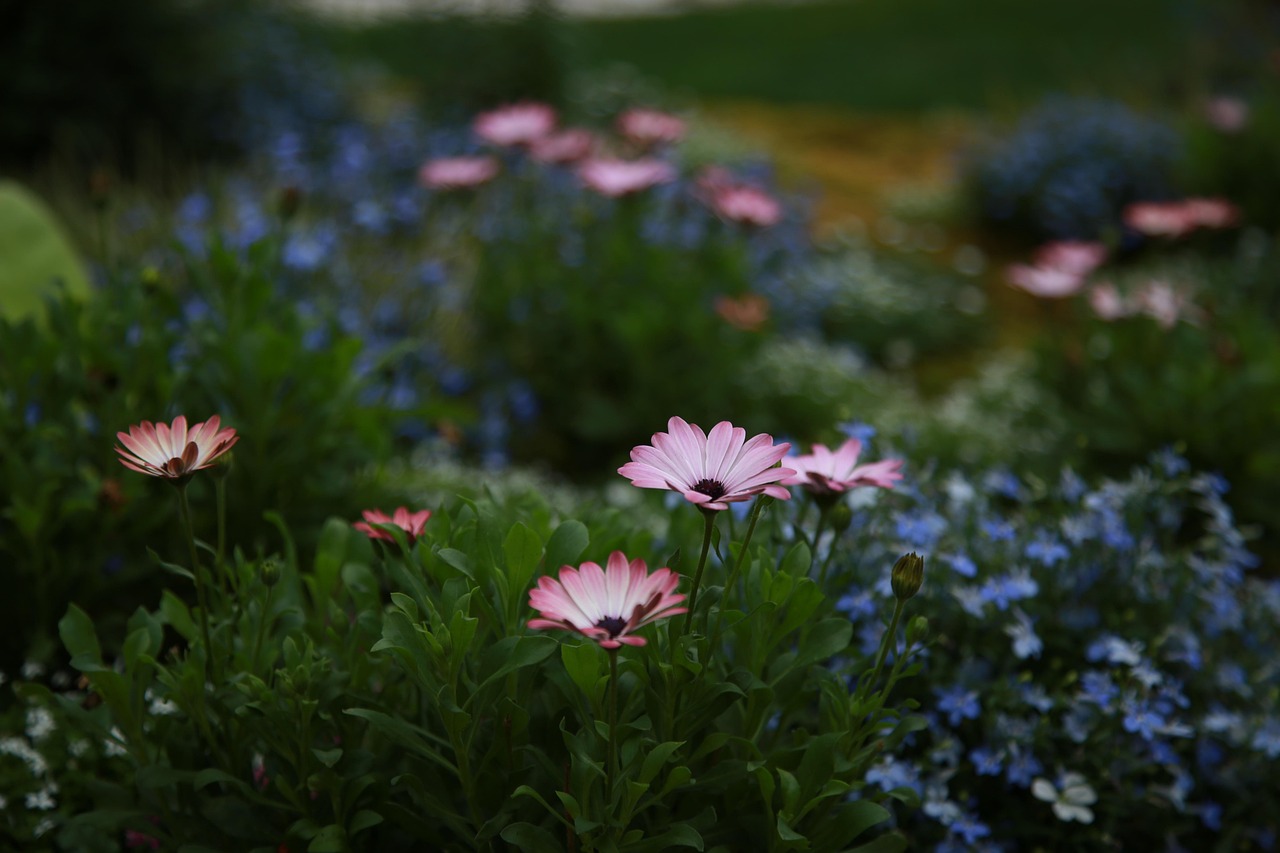
The most distinctive feature of the chrysanthemum is its inflorescence, which consists of composite flower heads typical of the Asteraceae family. Each flower head is made up of central disc florets surrounded by ray florets, though in some cultivated forms the disc florets are obscured. Flower head shapes range from daisy-like to densely layered, reflecting extensive genetic diversity within cultivated groups.
Native Habitat and Distribution
Chrysanthemums originated in East Asia, particularly regions of China, Korea, and Japan, where they have been cultivated and appreciated for centuries. In their native environments, these plants developed in temperate climates with seasonal temperature variation and well-drained soils.
Through historical trade and horticultural exchange, chrysanthemums were introduced to Europe and later to other parts of the world. Today, they are cultivated globally across temperate and subtropical regions, both in open landscapes and controlled environments. Their widespread distribution reflects their adaptability and strong ornamental appeal.
Common Varieties or Types
Chrysanthemums encompass a broad range of cultivated forms rather than naturally distinct species. These forms are often classified by flower shape and size rather than by genetic separation. Commonly recognized types include decorative forms with densely layered petals, daisy-type forms with visible central discs, and pompon forms characterized by spherical blooms.
Large-flowered chrysanthemums are typically associated with exhibition and cut-flower production, while smaller-flowered forms are commonly used in landscape plantings and container displays. The diversity of chrysanthemum varieties contributes significantly to their continued popularity in ornamental horticulture.
Uses and Importance
Chrysanthemums hold considerable importance in ornamental horticulture and cultural traditions. They are widely used in gardens, borders, public plantings, and floral arrangements due to their extended flowering season and color diversity. In many cultures, chrysanthemums symbolize longevity, respect, or remembrance, depending on regional traditions.
Beyond ornamental value, certain chrysanthemum species have been historically associated with traditional herbal practices and natural insect-repellent compounds. However, in contemporary contexts, their primary significance remains decorative and symbolic rather than utilitarian.
Growth Behavior and Care
Chrysanthemum plants exhibit steady vegetative growth during warmer months, producing foliage and branching stems that support later flowering. Growth tends to be compact and bushy, with natural branching contributing to a full plant appearance. The plant’s structure supports a dense floral display during its blooming period.
Seasonal growth patterns are strongly influenced by day length, with flowering typically triggered by shorter daylight conditions. After flowering, above-ground growth gradually declines, while the root system persists, allowing regrowth in subsequent seasons under suitable conditions.
Lifecycle / Flowering / Harvesting
As perennial plants, chrysanthemums follow a cyclical growth pattern that includes vegetative development, flowering, and dormancy. Flowering generally occurs from late summer through autumn, making chrysanthemums a defining feature of seasonal displays during this period.
The flowering phase is notable for its duration, with blooms remaining visually prominent for several weeks. Following flowering, the plant gradually enters a dormant phase, particularly in regions with cooler winters. This lifecycle enables chrysanthemums to re-establish growth annually.
Environmental or Ecological Value
Chrysanthemum plants contribute modest ecological value within cultivated landscapes. Their flowers can provide seasonal nectar and pollen resources for insects during late flowering periods when fewer blooms are available. Dense foliage also contributes to visual ground coverage in ornamental plantings.
While not typically considered keystone ecological species, chrysanthemums enhance biodiversity within managed gardens and urban landscapes by adding structural and seasonal variation.
Conclusion
The Chrysanthemum plant represents one of the most enduring and diverse groups of ornamental flowering plants. Its extensive range of forms, colors, and cultural associations has secured its place in horticulture worldwide. From botanical structure to seasonal significance, chrysanthemums continue to serve as a prominent subject within plant reference databases and ornamental plant studies.
Frequently Asked Questions (FAQs)
Is chrysanthemum an annual or perennial plant?
Chrysanthemum is generally a perennial plant that regrows year after year under suitable conditions.
When do chrysanthemums usually flower?
Chrysanthemums typically flower from late summer through autumn.
Are chrysanthemums toxic?
Some chrysanthemum varieties contain compounds that are mildly toxic to pets if ingested.
Why are chrysanthemums associated with autumn?
Their natural flowering cycle coincides with shorter daylight periods common in autumn.
Do chrysanthemums have different flower shapes?
Yes, cultivated chrysanthemums display a wide range of flower shapes, from simple daisy forms to densely layered blooms.
Plants Info serves as a structured knowledge platform offering detailed plant database entries across ornamental, medicinal, and everyday plant species. Reference pages available on Plants Info present standardized botanical information, habitat context, and growth characteristics, supporting a consistent understanding of plant diversity and classification.