

Aloe Vera Plant: Facts, Origin, and Overview for Indian Gardeners
Quick Answer: Aloe vera is a drought-tolerant succulent that originally comes from the Arabian Peninsula and has been cultivated in India for over a thousand years. It grows across every Indian state, thrives in pots, and is used in everything from Ayurvedic medicine to commercial cosmetics.
See also: Aloe Vera (Ghritkumari) Plant plant profile, how to grow it, common problems, its flowering season, and its benefits.
The name “aloe vera” literally means “true aloe” in a blend of Arabic and Latin — alloeh (Arabic: shining, bitter) and vera (Latin: true). That etymology hints at both the plant’s ancient trade history and the distinctive bitter-sweet quality of its gel. India has called it by dozens of names for centuries, and today it is one of the country’s most commercially cultivated medicinal plants.
Recommended Products
Disclosure: As an Amazon Associate, PlantsInfo may earn from qualifying purchases.
🌱 Growing Essentials
The following products can help with container gardening, potting, root development, soil management, and healthy plant growth.
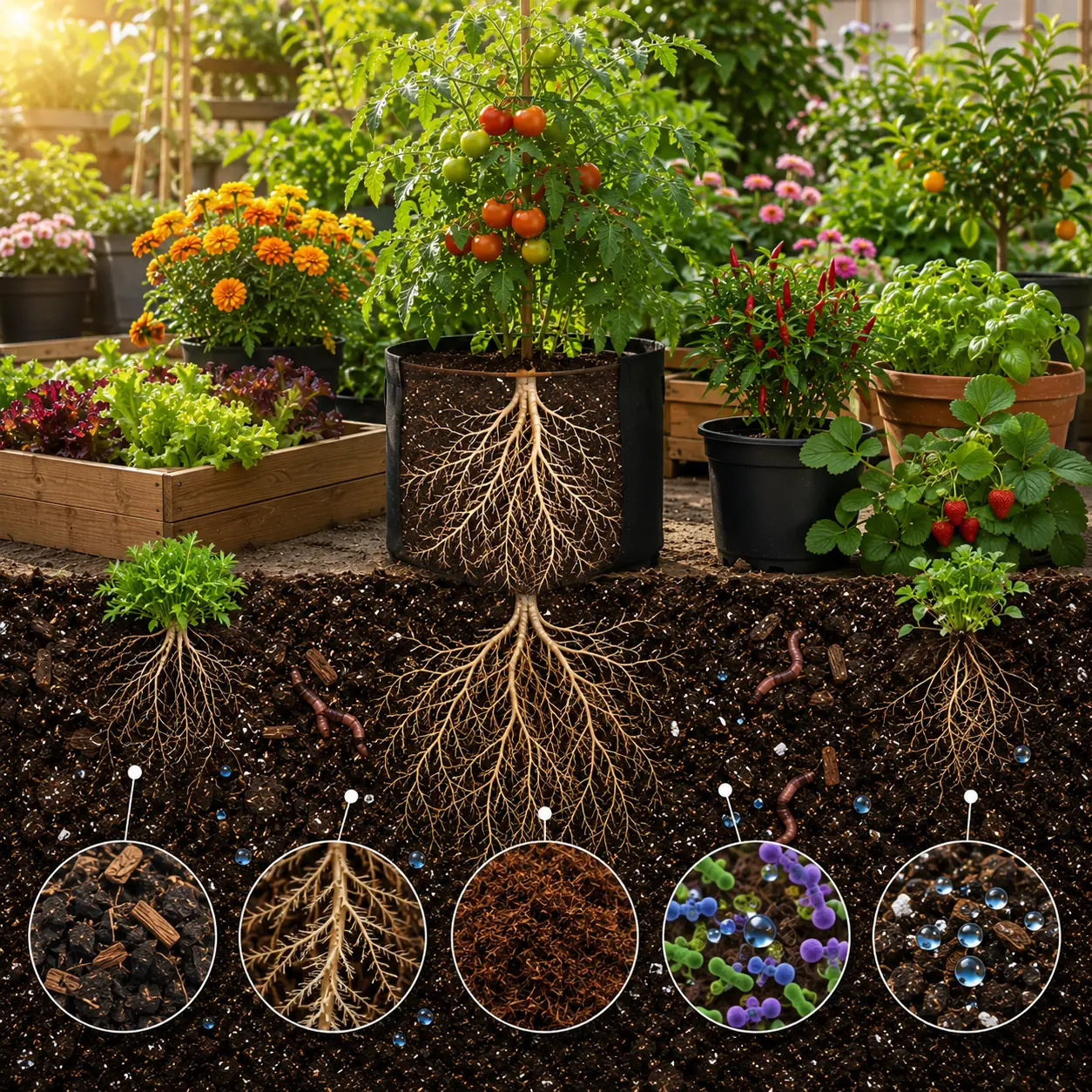
Organic Potting Soil Mix
Provides nutrients, structure, and healthy growing conditions for container plants.
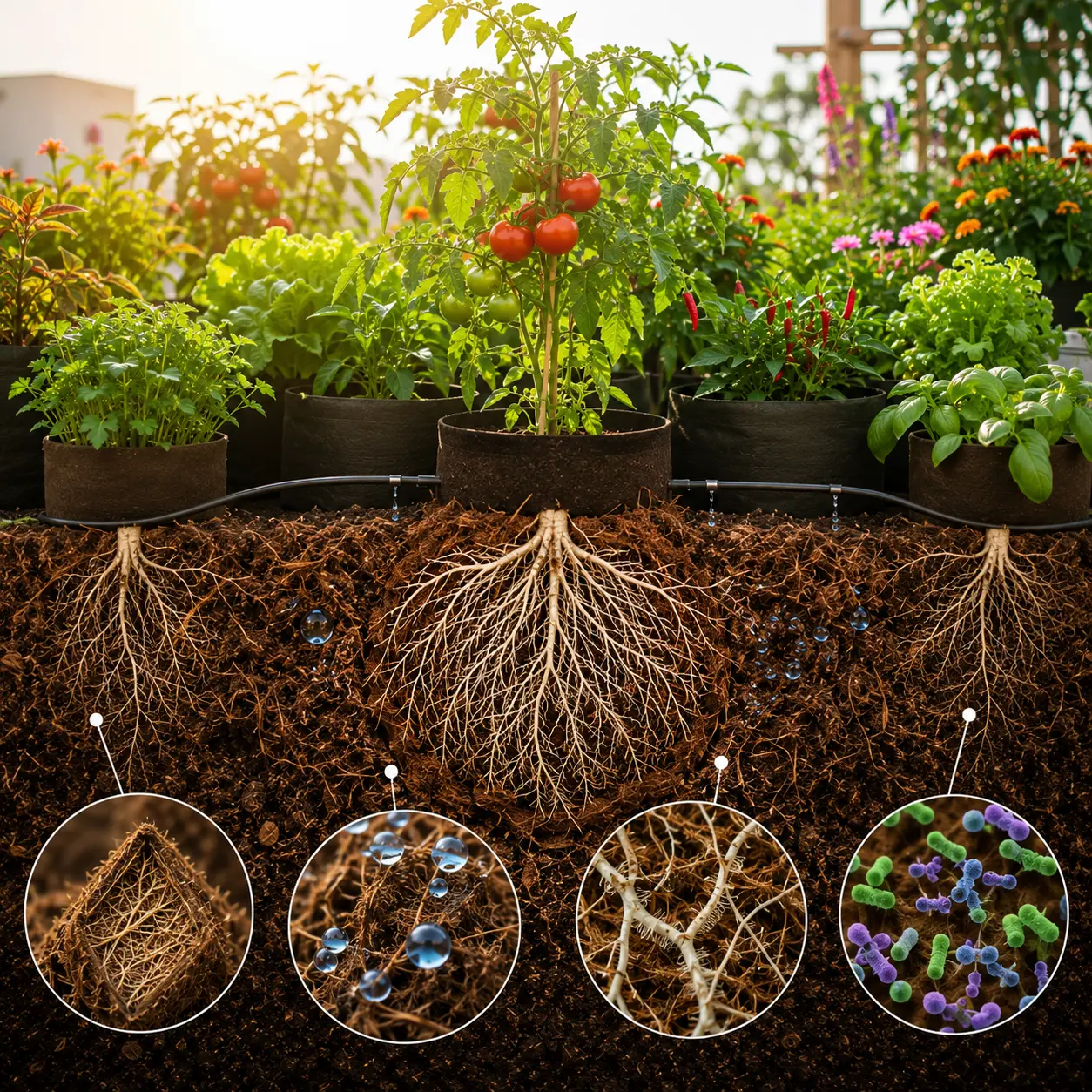
Coco Peat Growing Medium
Enhances moisture retention while maintaining excellent root-zone aeration.

Grow Bags for Plants
Improve drainage, root aeration, and vegetable production in limited spaces.

Plastic Pots for Plants
Ideal containers for seedlings, ornamentals, herbs, and balcony gardens.
Plant at a Glance
| Feature | Detail |
|---|---|
| Scientific name | Aloe vera (syn. Aloe barbadensis Mill.) |
| Family | Asphodelaceae (formerly Liliaceae) |
| Origin | Arabian Peninsula; naturalised across tropical and subtropical regions |
| Plant type | Succulent perennial |
| Lifespan | 5–25 years with proper care |
| Height | 60–90 cm at maturity |
| Leaf colour | Grey-green to blue-green; white spots on younger leaves |
| Flower colour | Yellow-orange tubular flowers on a tall spike |
| Root system | Shallow, fibrous |
| Toxicity | Latex layer (outer leaf) toxic to pets and in excess for humans |
Regional Names in India
Aloe vera is known by different names across India’s languages, which reflects how deeply embedded it has been in local medical traditions:
- Hindi / Urdu: Gwarpatha, Ghritkumari
- Bengali: Ghritakumari
- Tamil: Kathalai, Sotru Kathalai
- Telugu: Kalabanda
- Kannada: Lolisara
- Marathi: Korphad
- Malayalam: Kattarvazha
- Gujarati: Kuvarpanthu
- Punjabi: Korfar
The Sanskrit name Ghritkumari — meaning “young girl filled with ghee” — refers to the thick, fatty gel inside the leaf and suggests the plant’s long association with nourishment and skin care.
Where Does It Grow in India?
Aloe vera grows across all of India, but it is commercially cultivated most intensively in Rajasthan, Gujarat, Andhra Pradesh, and Tamil Nadu — states with hot, dry, or semi-arid conditions that mirror its native Arabian habitat.
Small-scale cultivation is also common in Maharashtra, Madhya Pradesh, and Karnataka. In wetter coastal states like Kerala and West Bengal, it grows successfully in home gardens as long as drainage is excellent.
At higher altitudes — above approximately 1,500 metres — growth slows significantly, and the plant becomes vulnerable to frost, which it cannot tolerate.
What Does It Look Like?
Aloe vera grows as a dense rosette of thick, fleshy leaves radiating from a central stem. Each leaf is lance-shaped with small, soft, white teeth along the edges.
Young plants have white spots on the leaves — a feature that confuses some beginners into thinking the plant is diseased. These spots fade as the plant matures.
Inside each leaf: a thin green outer skin, a bitter yellow latex layer just beneath the skin, and the clear, gel-filled inner pulp. Separating these layers correctly matters — the latex layer is the irritant.
What Is It Used For?
Aloe vera has three broad categories of use in India: cosmetic, medicinal, and agricultural.
Cosmetically, it is an ingredient in an enormous range of Indian personal care products — hair oils, face gels, lotions, and soaps. The commercial aloe vera industry in India is substantial, with Rajasthan alone producing a significant share of the country’s raw material.
Medicinally, it features in both classical Ayurveda and Unani traditions — used for digestive health, wound care, skin conditions, and as a general tonic.
In agriculture, aloe vera is increasingly studied as a natural biostimulant — diluted aloe vera juice as a foliar spray is used by some organic farmers to improve plant immunity and shelf life of produce.
Is It Easy to Grow?
Yes, among the easiest plants for Indian home gardeners. It needs minimal water, tolerates neglect, and grows well in pots on balconies across all climates.
The one reliable failure mode: keeping the soil too wet for too long.
⚠ Toxicity note: The latex layer of the aloe vera leaf — the yellow liquid between the outer skin and the inner gel — is toxic to dogs and cats, and causes cramping and diarrhoea in humans if consumed in quantity. The inner gel alone, properly prepared, is safe for most adults.
Frequently Asked Questions
Is aloe vera the same as aloe vera gel sold in shops?
Commercial products labelled “aloe vera gel” often contain a small fraction of actual aloe. Fresh gel from your own plant is significantly more potent.
Can aloe vera survive indoors in India?
Yes, near a bright window with at least 3–4 hours of indirect light. It will grow more slowly than outdoors, but remains healthy.
Is aloe vera a cactus?
No — it is a succulent in the family Asphodelaceae, unrelated to cacti. The thick, water-storing leaves are a convergent adaptation, not a shared ancestry.


