Introduction
Aquilaria malaccensis, commonly known as agarwood, is an evergreen tropical tree of the family Thymelaeaceae and one of the world’s most economically important sources of fragrant resinous wood. Native to South and Southeast Asia, its natural distribution extends through northeastern India, Bangladesh, Bhutan, Myanmar, Thailand, Laos, Malaysia, Indonesia, Singapore, and parts of the Philippines. The species is renowned for producing agarwood, a highly valued resin-impregnated heartwood used in perfumery, incense, and traditional cultural practices.
Classification
- Plant Type
- Tree
- Lifecycle
- Perennial
- Leaf Habit
- Evergreen
- Native Region
- East Asia, Indian Subcontinent, Southeast Asia
- Plant Family
- Thymelaeaceae
Within native rainforest ecosystems, A. malaccensis functions as a component of tropical forest tree communities, contributing to structural diversity and supporting broader forest ecological processes. The species is notable for its capacity to produce defensive resin following injury or microbial infection, a biological response that ultimately generates commercially valuable agarwood. Although ecological research remains less extensive than commercial studies, the species is recognized as an important native constituent of lowland and hill tropical forests across its range.
Agarwood has been harvested and traded for centuries, forming part of cultural, religious, medicinal, and commercial traditions across Asia and the Middle East. Intense demand for resinous wood has contributed to widespread overexploitation, leading to severe declines in many wild populations and extensive conservation concern. Contemporary interest increasingly focuses on sustainable cultivation, artificial inoculation technologies, and restoration of natural populations. This profile examines the species through taxonomic, biological, ecological, conservation, and applied perspectives.
Identity
Quick Plant Information
| Characteristic | Information |
|---|---|
| Accepted Name | Aquilaria malaccensis Lam. |
| Common Name | Agarwood |
| Family | Thymelaeaceae |
| Order | Malvales |
| Growth Form | Evergreen tropical tree |
| Native Range | South and Southeast Asia |
| Principal Economic Product | Agarwood |
| Conservation Status | Critically Endangered |
| Trade Status | Internationally regulated under CITES |
| Profile Mode | Full |
Classification and Taxonomy
| Rank | Taxon |
|---|---|
| Kingdom | Plantae |
| Clade | Tracheophyta |
| Clade | Angiosperms |
| Clade | Eudicots |
| Order | Malvales |
| Family | Thymelaeaceae |
| Genus | Aquilaria |
| Species | Aquilaria malaccensis Lam. |
Related Species of Significance
| Species | Significance |
|---|---|
| Aquilaria crassna | Major agarwood-producing species of mainland Southeast Asia |
| Aquilaria sinensis | Principal Chinese agarwood species |
| Aquilaria hirta | Commercially utilized agarwood producer in Malaysia and Indonesia |
| Aquilaria microcarpa | Important regional agarwood species |
| Gyrinops versteegii | Closely related agarwood-producing genus frequently entering trade |
Taxonomic Context
The taxonomy of Aquilaria malaccensis has received substantial attention because of its central role in the international agarwood trade. Historical literature frequently applied the name Aquilaria agallocha to agarwood-producing trees, creating nomenclatural confusion that persists in older forestry, medicinal, and commercial publications. Modern taxonomic authorities recognize A. malaccensis as the accepted name, while several previously used names are treated as synonyms. Accurate identification has practical implications for conservation regulation, trade monitoring, cultivation programs, and interpretation of scientific literature, making nomenclatural stability particularly important for this species.
Cytogenetics
| Parameter | Status |
|---|---|
| Chromosome Number | 2n = 14 |
| Ploidy Level | Diploid (2x) |
| Genome Size | Not documented in available literature for A. malaccensis during current profile audit |
| Polyploid Forms | Induced tetraploids (4x = 28) reported experimentally |
Cytogenetic Note
Available evidence indicates that Aquilaria malaccensis is naturally diploid with a chromosome number of 2n = 14. Experimental polyploid induction has produced tetraploid individuals under controlled conditions. Species-specific genome size estimates remain incompletely documented and require further verification before publication as a quantitative baseline. Cytogenetic research remains considerably less developed than taxonomic, conservation, and agarwood-production research.
Scientific Stability and Nomenclature
Aquilaria malaccensis Lam. is the currently accepted scientific name for the species and is widely adopted by contemporary taxonomic, conservation, forestry, and regulatory authorities. The name was originally published by Lamarck and is maintained by modern taxonomic databases, including Plants of the World Online and World Flora Online.
The principal nomenclatural issue associated with the species involves the historical use of Aquilaria agallocha, a name that appeared extensively in forestry reports, medicinal literature, trade documentation, and early scientific publications concerning agarwood. Subsequent taxonomic revision clarified synonymy within the genus and led to broad acceptance of A. malaccensis as the correct name for the principal commercial agarwood species.
This stabilization has important implications for literature retrieval and evidence synthesis. Researchers examining older publications frequently encounter records under synonymous names, requiring careful reconciliation with modern taxonomy. Conservation assessments, CITES implementation, genetic studies, and cultivation programs now predominantly employ A. malaccensis, improving consistency across disciplines. The species currently exhibits high nomenclatural stability, and no major active taxonomic revision affecting its accepted status has been identified during the present audit.
Form
Growth Habit and Architecture
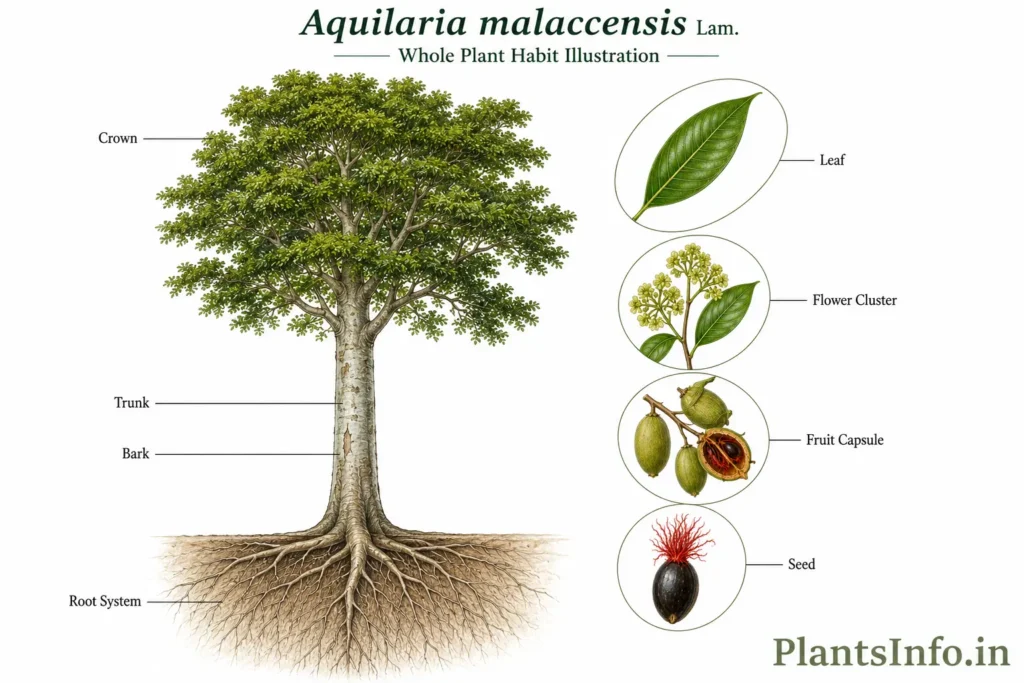
Aquilaria malaccensis is a medium- to large-sized evergreen tropical tree characterized by a straight bole, relatively narrow crown in dense forest conditions, and an irregularly rounded canopy in open-grown specimens. The species exhibits a vertical growth strategy typical of rainforest canopy trees, allocating resources toward rapid height acquisition during early establishment. Mature individuals often develop long, clear trunks beneath the crown. Agarwood formation occurs within wounded or infected heartwood rather than representing a visible architectural feature. The species is capable of attaining canopy-emergent stature in favorable forest environments.
| Characteristic | Description |
|---|---|
| Life Form | Evergreen tree |
| Mature Height | Up to 40 m documented |
| Canopy Spread | Variable; typically broad-rounded to irregular |
| Stem Type | Single-trunk woody bole |
| Bark Surface Texture | Smooth to slightly peeling |
| Branching Pattern | Moderately spreading crown branches |
| Root Morphology Overview | Deep-rooted woody root system with lateral development |
| Growth Rate | Moderate |
| Longevity | Long-lived perennial tree |
| Distinguishing Architectural Feature | Tall straight bole supporting an irregular canopy |
Stem
The stem forms a tall cylindrical trunk that supports canopy development and eventual resin-bearing heartwood formation. Young stems are relatively smooth and pale, becoming darker gray with age. Mature bark commonly exfoliates in thin patches, producing a slightly peeling appearance. The bole is usually straight and commercially important because agarwood develops within wounded internal wood tissues rather than on the external bark surface.
| Characteristic | Description |
|---|---|
| Stem Type | Woody trunk |
| Cross-Section Shape | Circular |
| Mature Diameter | Not consistently documented in available literature |
| Surface Texture | Smooth to slightly peeling |
| Young Colour | Pale gray to light brown |
| Mature Colour | Gray to dark gray |
| Internode Length | Not documented in available literature |
| Thorn/Spine/Wing Status | Absent |
| Internal Structure | Secondary woody growth with heartwood formation |
| Water Storage | Not documented in available literature |
Leaves

The foliage consists of simple evergreen leaves borne alternately along the branches. Leaves are thinly leathery, entire-margined, and typically exhibit a pronounced acuminate apex. Numerous fine parallel secondary veins create a distinctive venation pattern visible on close inspection. Mature foliage is glossy green above and somewhat paler beneath. The combination of alternate arrangement, elongated shape, and dense parallel venation provides useful field-recognition characters.
| Characteristic | Description |
|---|---|
| Presence | Evergreen |
| Leaf Type | Simple |
| Size | 6–12 cm long; 1.9–5.5 cm wide |
| Colour | Green |
| Arrangement | Alternate |
| Margin | Entire |
| Texture | Thinly leathery |
| Shape | Oval-oblong to oblong-lanceolate |
| Apex | Long acuminate |
| Special Features | Numerous fine parallel veinlets |
Flowers
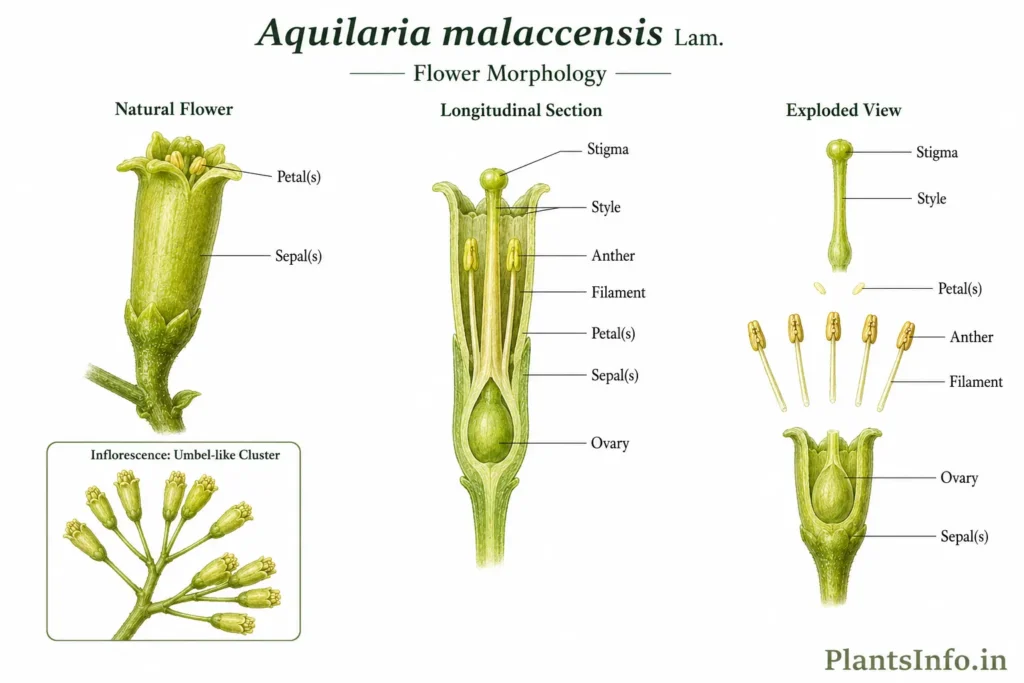
The flowers are relatively small and inconspicuous compared with the overall size of the tree. They are greenish to yellowish in color and occur in compact clusters. Floral structure conforms broadly to patterns found within Thymelaeaceae, with a tubular calyx and reduced petals. Despite their modest appearance, the flowers represent the reproductive stage that ultimately produces the characteristic dehiscent fruits and arillate seeds. Their small size contrasts sharply with the substantial ecological and economic significance of the species.
| Characteristic | Description |
|---|---|
| Inflorescence Type | Umbel-like clusters |
| Flower Diameter | Not documented in available literature |
| Flower Length | Calyx tube 3–5 mm |
| Sepals | Calyx lobes present |
| Petals | Present; 1–1.5 mm long |
| Stamens | Present |
| Pistil | Single ovary with globose stigma |
| Fragrance | Not documented in available literature |
| Anthesis | Not documented in available literature |
| Primary Pollinator Identity | No species-specific evidence identified |
| Flower Colour | Green to yellowish-green |
Fruit
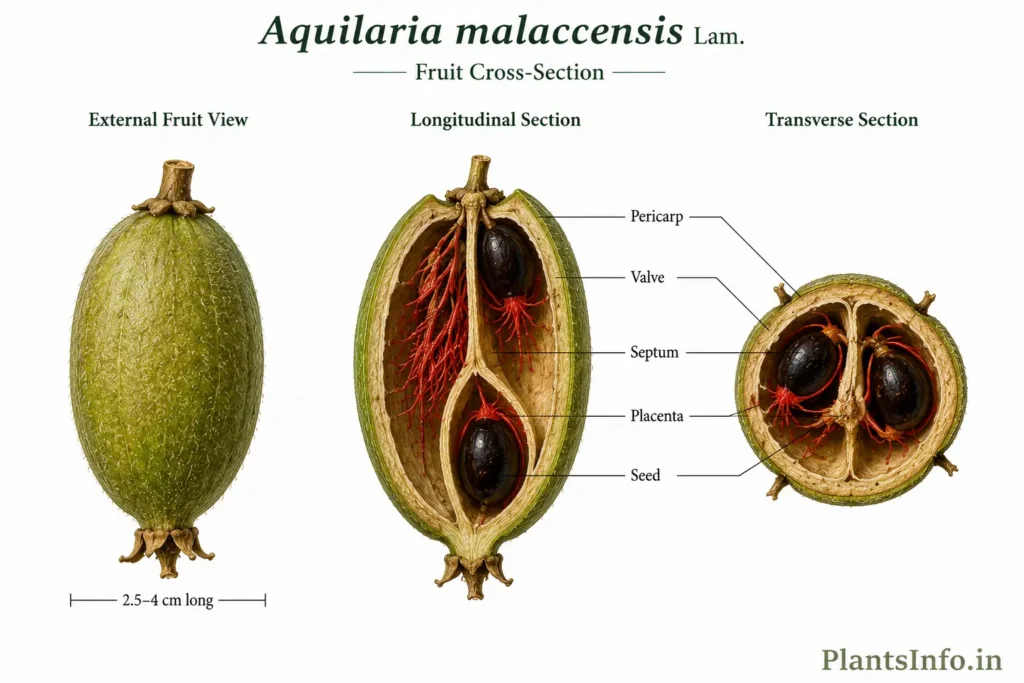
| Characteristic | Description |
|---|---|
| Fruit Type | Capsule |
| Shape | Oblong |
| Length | 2.5–4 cm |
| Diameter | 1.5–2.5 cm |
| Weight | Not documented in available literature |
| Skin Colour | Green when immature |
| Surface Features | Pubescent |
| Flesh Colour | Not documented in available literature |
| Flesh Texture | Not documented in available literature |
| Seed Count | Commonly 1–2 |
| Sugar Content | Not documented in available literature |
| Maturation Period | Not documented in available literature |
Recommended Products
Disclosure: As an Amazon Associate, PlantsInfo may earn from qualifying purchases.
🌱 Plant Care Essentials
The following tools can help with pruning, plant health, soil management, and fruit garden maintenance.

Neem Oil for Plant Care
Natural plant protection against aphids, whiteflies, mites, and other common garden pests.

Fungicide for Root Care
Helps suppress soil-borne fungal diseases and supports healthier root systems.

Spray Bottle for Plants
Ideal for applying foliar sprays, neem oil solutions, and liquid plant treatments.

Rubber Hand Gloves
Protects hands during pruning, planting, soil preparation, and garden maintenance.
Seeds
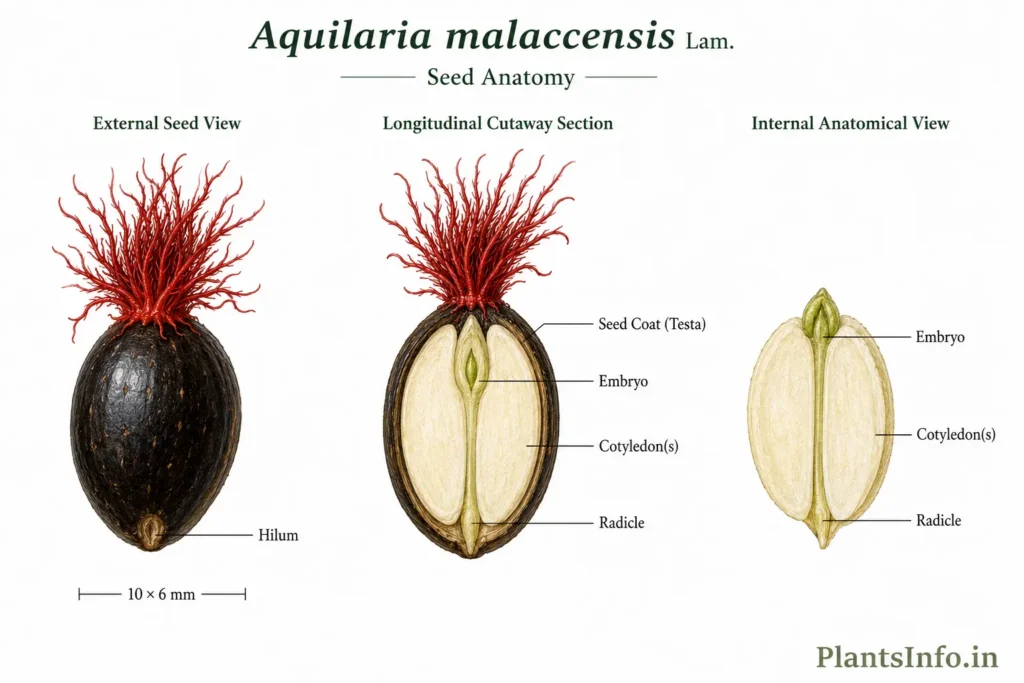
| Characteristic | Description |
|---|---|
| Size | Approximately 10 × 6 mm |
| Shape | Ovoid |
| Colour | Dark seed body with red hairy covering |
| Seed Coat | Covered by red hairs and appendage |
| Oil Content | Not documented in available literature |
| Viability Period | Not documented in available literature |
| Germination Rate | Not documented in available literature |
Root System
The species develops a woody root system adapted for anchorage and resource acquisition in tropical forest soils. Seedlings initially establish a strong primary root that supports vertical growth, followed by expansion of lateral structural roots. Mature trees appear capable of producing substantial below-ground support appropriate for canopy-sized rainforest trees. Detailed species-specific studies quantifying root depth and lateral spread remain limited. The root system is generally associated with good drainage requirements and contributes to the stability of mature individuals in forest environments and plantation settings. No verified evidence currently supports precise quantitative descriptions of rooting dimensions.
Field Identification
Field recognition of Aquilaria malaccensis relies on a combination of growth form, bark characteristics, foliage, and fruiting structures. Mature trees typically possess a straight bole with smooth gray bark that may peel in thin patches. Leaves are alternate, simple, entire, and distinguished by numerous closely spaced parallel veinlets visible under good lighting. Small greenish-yellow flowers are relatively inconspicuous, whereas the oblong capsules and distinctive hairy seeds provide stronger identification characters when present.
The species is most commonly confused with other members of Aquilaria, particularly A. crassna, A. hirta, and A. microcarpa. Vegetative characters alone may be insufficient for definitive separation. The most reliable field feature is the combination of leaf venation, fruit morphology, and geographic context, supported where necessary by taxonomic examination.
Normal vs. Concerning Observations
| Observation | Status |
|---|---|
| Smooth gray bark with minor peeling | Normal |
| Evergreen green foliage | Normal |
| Seasonal flowering and fruiting | Normal |
| Sparse canopy development in mature tree | Monitor |
| Extensive branch dieback | Investigate |
| Severe bark injury exposing wood | Investigate |
| Premature leaf drop | Monitor |
| Structural trunk deformation | Investigate |
Cultivar Summary
| Cultivar | Key Characteristic | Commercial Status | Origin |
|---|---|---|---|
| Not documented in available literature | No formally recognized cultivar system identified | Experimental | Not documented |
| Not documented in available literature | Plantation selections reported but poorly standardized | Experimental | Southeast Asia |
Physiology And Phytochemistry
Functional Traits
Aquilaria malaccensis follows a physiological strategy typical of long-lived tropical forest trees while possessing a distinctive inducible chemical-defense system. Under normal conditions, the species functions as a canopy-forming evergreen tree with continuous photosynthetic activity in humid environments. Following physical injury or microbial invasion, metabolic resources are redirected toward the synthesis of resinous defensive compounds within woody tissues. This capacity for inducible secondary metabolite production distinguishes the species from many associated rainforest trees and underpins both its ecological defense strategy and commercial significance.
Functional Traits
| Trait | Mechanism Description |
|---|---|
| Photosynthetic Pathway | C3 carbon fixation through the Calvin cycle under tropical forest conditions |
| Water-Use Strategy | Evergreen moisture-dependent strategy with continuous transpiration and photosynthesis |
| Nutrient Acquisition | Uptake through extensive woody root system supporting long-term growth |
| Growth-Form Strategy | Vertical canopy-seeking architecture maximizing light interception |
| Reproductive Strategy | Sexual reproduction through seed production following flowering |
| Dispersal Mechanism | Seed dispersal aided by arillate seed structures |
| Stress-Response Mechanism | Wounding and infection trigger defensive metabolic pathways and resin deposition |
| Chemical Defence | Biosynthesis of sesquiterpenes and chromones within affected wood tissues |
| Species-Specific Trait | Inducible agarwood formation through localized oleoresin accumulation in heartwood |
Physiological Integration
The physiology of A. malaccensis reflects integration between long-term forest persistence and episodic defense investment. Evergreen foliage supports sustained carbon acquisition, while substantial woody biomass provides storage and structural support. Under ordinary conditions, growth and maintenance dominate resource allocation. Following injury, however, physiological priorities shift toward defense, activating secondary metabolic pathways associated with agarwood formation. This response represents a tradeoff between growth and protection, because resin production requires substantial metabolic investment. The interaction between photosynthetic productivity, wood formation, and inducible chemical defense allows the species to persist in competitive rainforest environments while responding to biological and physical stressors. The commercially valuable resin is therefore a consequence of physiological integration rather than a constitutive trait.
Phytochemistry
The phytochemistry of Aquilaria malaccensis is among the most intensively studied within Thymelaeaceae due to the economic importance of agarwood. Research demonstrates that resinous tissues contain a complex mixture of sesquiterpenoids and 2-(2-phenylethyl)chromones, which collectively produce the characteristic fragrance of agarwood. Additional constituents include flavonoids, benzophenones, terpenoids, lignans, and phenolic compounds. Current chemical characterization is heavily focused on resinous heartwood and agarwood products, whereas leaves, roots, flowers, and seeds remain comparatively underexplored.
Phytochemistry
| Compound Class | Representative Compounds | Primary Location | Ecological or Biological Function |
|---|---|---|---|
| Sesquiterpenes | Agarospirol, Jinkoh-eremol, Guaiol | Resinous heartwood | Defensive resin formation and aromatic profile |
| 2-(2-Phenylethyl)chromones | Various PEC derivatives | Agarwood resin | Major characteristic agarwood constituents |
| Sesquiterpenoids | β-Agarofuran, α-Agarofuran | Resinous wood and oil | Defense-associated secondary metabolites |
| Flavonoids | Genkwanin derivatives | Leaves and vegetative tissues | Antioxidant and protective functions |
| Benzophenones | Iriflophenone derivatives | Vegetative tissues | Secondary metabolism and defense |
| Phenolic Compounds | Various phenolic metabolites | Multiple organs | Stress response and protection |
Phytochemical Organ Distribution
| Organ | Compound Class | Representative Compounds | Concentration | Source |
|---|---|---|---|---|
| Resinous Heartwood | Sesquiterpenes | Agarospirol, Guaiol | Quantitative values vary among samples; no universal species value available | Gao et al. 2019 |
| Resinous Heartwood | 2-(2-Phenylethyl)chromones | PEC derivatives | No verified universal species value available | Gao et al. 2019 |
| Agarwood Oil | Sesquiterpenoids | β-Agarofuran, Jinkoh-eremol | Composition varies with origin and extraction method | Essential oil reviews |
| Leaves | Flavonoids | Genkwanin derivatives | Not documented in available literature for species-wide concentration | Lee & Mohamed 2016 review |
| Vegetative Tissues | Benzophenones | Iriflophenone derivatives | Not documented in available literature for species-wide concentration | Lee & Mohamed 2016 review |
| Multiple Organs | Phenolic Compounds | Various phenolics | Not documented in available literature for species-wide concentration | Genus-level phytochemical reviews |
Phytochemical Significance
The phytochemical significance of Aquilaria malaccensis is dominated by the chemistry of agarwood, the resinous material formed following injury or infection. Among all identified constituents, sesquiterpenes and 2-(2-phenylethyl)chromones are the most commercially and scientifically significant. Together they generate the distinctive fragrance profile that determines agarwood quality and market value. Reviews of agarwood chemistry have documented hundreds of compounds, making Aquilaria among the best-characterized resin-producing tree genera.
Chemical characterization is heavily concentrated in resinous heartwood, where secondary metabolite accumulation is most diverse. Sesquiterpenes contribute substantially to volatile aroma characteristics, whereas chromones represent a major non-volatile signature group frequently used in chemical profiling and quality assessment. Evidence also indicates the presence of flavonoids, benzophenones, lignans, and related metabolites in other plant tissues, although these remain less comprehensively characterized.
Synergistic interactions among sesquiterpenes, chromones, and other aromatic constituents are widely considered responsible for the complexity of agarwood fragrance. By contrast, antagonistic relationships among constituent groups remain poorly characterized in species-specific literature.
Literature Concentration Bias: Current research overwhelmingly focuses on agarwood resin chemistry, resin induction, and quality assessment. Physiological chemistry of leaves, roots, flowers, and seeds remains comparatively underrepresented.
Evidence, Nutrition, Soil Ecology, And Safety
Evidence Hierarchy for Medicinal Use
| Evidence Layer | Status | Notes |
|---|---|---|
| Traditional Use | Documented | Long history in Ayurvedic, Traditional Chinese, Tibetan, Middle Eastern, and Southeast Asian medical systems |
| Nutritional Evidence | Absent | Species is not a recognized food crop and lacks nutritional-use evidence |
| In Vitro Studies | Documented | Extensive laboratory studies examining bioactive extracts and isolated compounds |
| Animal Studies | Documented | Multiple pharmacological and toxicological studies conducted in animal models |
| Human Clinical Studies | Absent | No verified human clinical trials identified |
| Regulatory Recognition | Partial | Recognized in traditional pharmacopoeial contexts; not broadly approved as an evidence-based therapeutic agent |
| Unsupported Commercial Claims | Documented | Numerous commercial claims exceed available clinical evidence, particularly regarding disease treatment and prevention |
Evidence Assessment
Traditional medicinal use represents the strongest historical evidence category for Aquilaria malaccensis and related agarwood-producing species. Modern research has substantially expanded in vitro and animal-model investigations, providing evidence for diverse biological activities and mechanisms. However, the evidence hierarchy narrows considerably at the clinical level, where verified human intervention studies remain absent.
The strongest contemporary evidence categories are phytochemical characterization, laboratory pharmacology, and experimental animal research. The weakest category is human clinical validation. Consequently, many commercially promoted health claims currently rely on extrapolation from preclinical findings rather than demonstrated therapeutic efficacy in humans.
Nutritional Composition
Not Applicable.
Aquilaria malaccensis is not a food species and does not possess an established role as a nutritional crop. No verified species-specific food composition dataset suitable for publication-grade nutritional profiling was identified during the current audit.
Nutritional Significance Note
Not applicable. The species is cultivated and utilized primarily for agarwood production rather than as a source of dietary nutrients. Consequently, nutritional composition, bioavailability, processing effects on food value, and cultivated-versus-wild nutritional comparisons have not been meaningfully characterized within the available literature. No verified evidence supports treatment of A. malaccensis as a food-use or functional-food species.
Soil Ecology and Mycorrhizal Associations
Available evidence indicates that Aquilaria malaccensis participates in arbuscular mycorrhizal (AM) associations, consistent with the pattern observed in most tropical broadleaf angiosperm trees. Rhizospheric surveys from northeastern India have documented the occurrence and diversity of AM fungi associated with A. malaccensis soils, although species-level fungal identification remains incomplete in much of the literature. Reported fungal associates primarily belong to arbuscular mycorrhizal groups within Glomeromycota.
Microbial investigations have additionally identified diverse bacterial communities within surrounding soils and plant-associated environments. Functional roles likely include nutrient cycling, phosphorus mobilization, organic matter turnover, and interactions with fungal symbionts, although species-specific rhizosphere ecology remains incompletely resolved.
No verified species-specific evidence currently demonstrates a significant allelopathic strategy for A. malaccensis. Likewise, phytochemical mechanisms directly mediating allelopathy remain undocumented in the available literature.
From an agronomic perspective, beneficial mycorrhizal associations may contribute to nutrient acquisition and seedling establishment. From a conservation perspective, maintenance of intact soil microbial communities likely supports regeneration success and restoration outcomes, although direct experimental evidence remains limited.
Toxicity and Safety
| Subject | Toxic Compounds | Clinical Effects | Source |
|---|---|---|---|
| Humans | No toxic compounds documented in available literature | Available studies generally report low acute toxicity at tested doses; safety database remains incomplete | Lee & Mohamed (2016); Dahham et al. (2016) |
| Cats | No species-specific toxic compounds documented | No verified veterinary toxicity studies identified | Current audit |
| Dogs | No species-specific toxic compounds documented | No verified veterinary toxicity studies identified | Current audit |
| Livestock | No species-specific toxic compounds documented | No verified livestock toxicity studies identified | Current audit |
Toxicity Context
Current evidence suggests that agarwood-derived materials are generally well tolerated within the limited toxicological studies conducted to date, but comprehensive safety characterization remains incomplete. Most available data originate from extract-based laboratory and animal studies rather than long-term human exposure assessments. Potential differences may exist between whole plant materials, isolated compounds, essential oils, and combustion-derived products such as incense smoke. Pregnancy-related safety, drug-interaction profiles, and renal or hepatic considerations remain insufficiently documented for definitive assessment.
This profile does not constitute medical or veterinary advice.
Distribution, Habitat, Climate, And Stress Tolerance
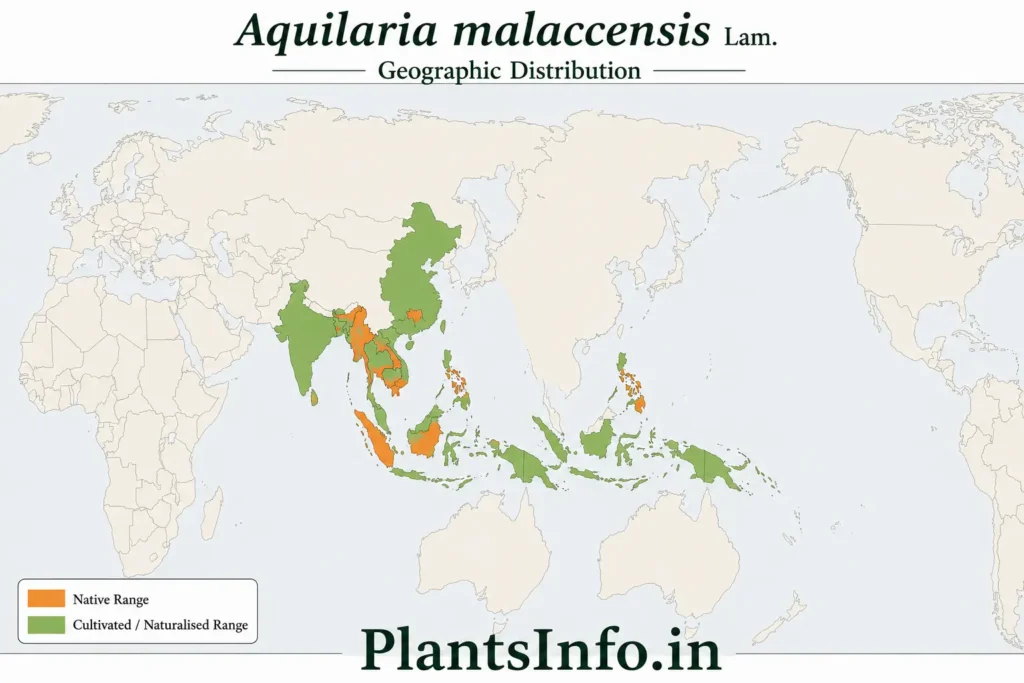
Native Range and Distribution
Biogeographic Context
Aquilaria malaccensis is a tropical Asian tree whose distribution reflects the humid forest belt extending from the eastern Indian subcontinent through mainland Southeast Asia into the Sundaic biogeographic region. Its occurrence is strongly associated with warm temperatures, high rainfall, and evergreen forest ecosystems. Geological continuity among tropical Asian forests historically facilitated dispersal and population establishment across a broad but fragmented range.
Modern distribution patterns have been substantially altered by centuries of agarwood harvesting. Intense collection pressure, habitat conversion, forest degradation, and illegal trade have reduced many wild populations and contributed to the species’ current Critically Endangered status. Research effort is heavily concentrated on conservation, trade, and plantation production, while long-term ecosystem studies remain comparatively limited.
Native Range
| Region | Countries or Sub-regions | Notes |
|---|---|---|
| Eastern Himalaya and Northeast India | Assam, Arunachal Pradesh, Meghalaya, Tripura | Major native populations |
| Bangladesh | Sylhet and adjoining regions | Historically important source area |
| Bhutan | Southern foothills | Marginal native distribution |
| Mainland Southeast Asia | Myanmar, Thailand, Laos, Cambodia, Vietnam | Native rainforest populations |
| Peninsular Southeast Asia | Peninsular Malaysia, Singapore | Important historical distribution |
| Maritime Southeast Asia | Sumatra, Kalimantan (Borneo), parts of Indonesia | Native Sundaic populations |
| Philippines | Documented native occurrence | Localized distribution |
Global Cultivation and Naturalisation
| Region | Countries or Areas | Cultivation Status | Notes |
|---|---|---|---|
| South Asia | India, Bangladesh, Bhutan | Commercially established | Strong market demand and historical cultivation |
| Southeast Asia | Malaysia, Indonesia, Thailand, Vietnam, Laos, Cambodia | Commercially established | Major production region |
| Southern China | Hainan, Guangxi, Yunnan | Commercially established | Climatic suitability and agarwood industry |
| Pacific Tropics | Papua region and nearby islands | Emerging | Expansion driven by resource demand |
| Tropical Africa | Selected experimental plantations | Experimental | Climatic suitability under evaluation |
| Tropical America | Limited trial plantings | Attempted — limited success | Market and regulatory constraints |
| Subtropical Regions | Various locations | Experimental | Cold sensitivity restricts expansion |
Cultivation Range Note
Commercial cultivation is concentrated in South and Southeast Asia, where climatic conditions broadly resemble the species’ native environment. Malaysia, Indonesia, Thailand, Vietnam, India, and Bangladesh remain the principal production regions. Southern China has become increasingly important through plantation development and resin-induction technologies. Experimental cultivation has expanded into tropical Africa and selected tropical regions outside Asia, although commercial success remains limited compared with established production centers. Published literature is strongly biased toward plantation performance, agarwood induction, and economic production, with comparatively fewer studies examining long-term ecological consequences of cultivation outside the native range.
Natural Habitat
Aquilaria malaccensis is primarily associated with tropical evergreen and semi-evergreen forests. It occurs from lowland forests to lower montane environments, with documented elevations ranging from approximately 29–1,000 m above sea level. The species occupies humid habitats characterized by substantial annual rainfall and generally well-drained soils. It has been reported from slopes, ridges, mixed tropical forests, and occasionally sites near swamp margins, although prolonged waterlogging appears unfavorable.
Vegetation associations commonly include diverse tropical broadleaf forest communities. The species is not considered a narrow habitat specialist but exhibits a clear preference for warm, humid forest ecosystems. Disturbance through logging and forest fragmentation has substantially altered many habitats supporting wild populations.
Ecological Role
Within tropical forest ecosystems, Aquilaria malaccensis functions as a canopy or subcanopy tree contributing to forest structure, biomass accumulation, and habitat complexity. Its flowers provide floral resources for animal visitors, although species-specific pollinator assemblages remain incompletely documented. Seed dispersal is associated with arillate seeds that likely facilitate animal-mediated dispersal, but detailed disperser networks remain poorly characterized.
The species is not documented as a keystone species. However, its ecological significance is amplified by its rarity, economic importance, and role as a native forest component across a broad geographic range. Habitat loss and unsustainable harvesting have likely reduced its ecological contribution in many locations. Significant knowledge gaps remain regarding trophic interactions, reproductive ecology, and long-term ecosystem functions. Species-level pollinator and disperser documentation remains limited relative to conservation and trade research.
| Role Type | Species or Agent Involved | Notes |
|---|---|---|
| Forest Canopy Component | Tropical rainforest tree communities | Contributes to forest structure |
| Pollination Network | Not documented at species level | Pollinator identity remains unresolved |
| Seed Dispersal | Not documented at species level | Animal-mediated dispersal suspected but incompletely characterized |
Invasive Status
No verified evidence was identified indicating that Aquilaria malaccensis is invasive in regions where it is cultivated. Although cultivated outside portions of its native range, documented ecological invasion concerns have not been reported during the current profile audit.
Optimal Climate Parameters
| Parameter | Optimal Range | Tolerance Range | Notes |
|---|---|---|---|
| Mean Annual Temperature | 22–28°C (72–82°F) | 19–32°C (66–90°F) | Derived from habitat and cultivation studies |
| Daytime Temperature | 24–32°C (75–90°F) | 20–35°C (68–95°F) | Tropical growth optimum |
| Nighttime Temperature | 18–24°C (64–75°F) | 15–26°C (59–79°F) | Sustained warmth favored |
| Annual Rainfall | 1,800–3,500 mm (71–138 in) | 1,500–6,500 mm (59–256 in) | Wide rainfall tolerance reported |
| Dry Season Length | 0–3 months | Up to 5 months | Extended drought reduces performance |
| Relative Humidity | 80–90% | 60–95% | High humidity preferred |
| Solar Radiation | Partial sun to full sun | Moderate to high tropical radiation | Forest and plantation conditions |
Climate Interpretation
The species is fundamentally adapted to warm, humid tropical climates with abundant rainfall and relatively stable temperatures. Native populations occupy rainforest environments, while cultivated populations demonstrate a somewhat broader climatic envelope. Temperature and moisture availability are the primary limiting parameters governing establishment and long-term persistence. Expansion beyond tropical and subtropical regions is constrained principally by cold sensitivity and reduced humidity. Although cultivation has broadened the realized range of the species, successful production remains concentrated in environments closely resembling the climatic conditions of its native forest distribution.
Stress Tolerance Profile
| Stress Type | Tolerance Level | Physiological Response | Notes |
|---|---|---|---|
| Drought | Moderate | Stomatal closure, increased antioxidant activity, reduced growth | Short-term tolerance documented |
| Heat | Moderate–High | Maintenance of tropical metabolic activity within warm temperature range | Warm-adapted species |
| Cold or Frost | Low | Cellular injury and metabolic disruption under cold exposure | Frost-sensitive |
| Salinity | Conditional | Not documented at species level | Insufficient evidence |
| Waterlogging | Low | Root-zone oxygen limitation and physiological stress | Mortality reported under prolonged waterlogging |
| Air Pollution | Conditional | Not documented at species level | Insufficient evidence |
| Wind | Moderate | Physiological stress associated with canopy exposure | Species-level data limited |
| Soil Compaction | Conditional | Not documented at species level | Insufficient evidence |
Compound Stress Assessment
Available evidence suggests that combined drought and heat stress may be more limiting than either stressor alone because reduced water availability constrains physiological cooling and carbon assimilation. Experimental work indicates activation of antioxidant systems and secondary metabolite responses during drought exposure. Salinity–waterlogging interactions have not been adequately studied in A. malaccensis. Similarly, few investigations have examined responses to multiple simultaneous environmental stressors. Consequently, compound-stress physiology remains a significant knowledge gap, despite increasing relevance under projected climate-change scenarios.
Adaptations, Phenology, Pollination, And Reproductive Biology
Structural and Physiological Adaptations
Adaptation Narrative
The adaptive characteristics of Aquilaria malaccensis reflect evolution within humid tropical forests subject to competition for light, episodic disturbance, and biological attack. Unlike the functional physiological processes described in Turn 3, the adaptations considered here are structural and reproductive features that improve persistence within rainforest ecosystems. The species develops a tall, straight bole that facilitates canopy access, evergreen foliage that supports year-round productivity, and dehiscent fruits bearing arillate seeds that enhance dispersal opportunities. A notable adaptation is the formation of resinous wood following injury, which has ecological significance as a defensive response to tissue damage. These traits collectively support survival in species-rich tropical forests where competition, herbivory, and disturbance pressures are persistent.
Structural Adaptations
| Adaptation | Mechanism Description | Ecological Context |
|---|---|---|
| Straight bole | Elevates crown above competitors through vertical stem growth | Closed-canopy tropical forests |
| Evergreen foliage | Maintains photosynthetic leaf area throughout most of the year | Humid tropical climates |
| Thin dehiscent capsule | Splits open to expose seeds at maturity | Seed release and dispersal |
| Arillate seeds | Persistent fleshy attachment enhances dispersal opportunities | Animal- and wind-assisted dispersal |
| Fine leaf venation | Dense vascular architecture supports leaf function | Tropical forest environments |
| Smooth bark | Reduces epiphyte accumulation and surface retention | Humid habitats |
| Resin-forming wood tissues | Specialized woody tissues accumulate defensive resin after injury | Herbivory and pathogen exposure |
Climate Change Vulnerability
| Factor | Assessment | Notes |
|---|---|---|
| Primary Climate Sensitivity Factors | High | Dependence on humid tropical forest environments |
| Key Threatening Climate Processes | High | Habitat drying, altered rainfall regimes, forest fragmentation |
| Resilience Factors | Moderate | Broad geographic distribution and cultivation outside portions of native range |
| Confidence Level | Moderate | Based on habitat studies, conservation assessments, and distribution modelling |
Climate Vulnerability Assessment
Current evidence suggests moderate-to-high climate vulnerability. The species depends on warm, humid forest environments and has already experienced substantial population declines from harvesting and habitat loss. Climate-related reductions in forest humidity, altered precipitation patterns, and increasing disturbance frequency could compound existing pressures. Habitat suitability modelling for agarwood-producing regions indicates potential shifts in suitable growing areas under future climate scenarios, although species-specific predictive studies remain limited. Confidence is therefore moderate rather than high. Existing assessments are constrained by incomplete long-term demographic data and limited direct evaluation of climate-driven reproductive responses.
Phenological Calendar
| Event | Native Range Timing | Cultivated Range Timing | Environmental Triggers |
|---|---|---|---|
| Vegetative Growth Onset | Late dry season to early wet season | Variable by region; commonly early rainy season | Onset of sustained rainfall |
| Flower Bud Initiation | Late winter to early spring | Regionally variable | Increasing moisture availability |
| Anthesis or Peak Flowering | March–April | Spring to early wet season | Transition between dry and wet seasons |
| Fruit Development | April–May | Following flowering period | Successful fertilization |
| Fruit Maturation | May–June | Early wet season | Completion of fruit growth |
| Seed Dispersal | May–July | Regionally variable | Capsule dehiscence under drying conditions |
| Dormancy or Rest Period | No true dormancy; reduced activity during seasonal stress | Reduced growth during unfavorable periods | Reduced moisture availability |
Phenological observations from northeastern India documented flowering from late March into early April, followed by fruiting during May.
Phenological Notes
Phenology is strongly influenced by seasonal rainfall transitions and local climatic conditions. Flowering commonly occurs near the transition from drier to wetter periods, with fruit development and seed release following shortly thereafter. Observations from different regions indicate measurable phenological plasticity, suggesting that timing can shift according to local environmental conditions. Cultivated populations outside the core native range frequently display altered flowering schedules associated with regional rainfall patterns. Because most detailed studies originate from limited geographic areas, caution is warranted when extrapolating phenological timing across the entire distribution range.
Pollination Ecology
Small, greenish-yellow flowers and clustered inflorescences indicate an insect-associated pollination system typical of many tropical forest trees. Available reproductive studies suggest that Aquilaria malaccensis relies primarily on animal-mediated pollen transfer rather than abiotic pollination. Pollination is ecologically significant because successful seed production underpins population persistence in fragmented forests where harvesting pressure has reduced population density. Although the pollination system is not highly specialized, current evidence indicates dependence on multiple insect groups, potentially providing resilience against fluctuations in any single pollinator lineage.
Pollination Ecology
| Parameter | Value | Notes |
|---|---|---|
| Primary Pollinators | Honey bees (Apis spp.) | Documented in reproductive ecology studies |
| Secondary Pollinators | Thrips; beetles | Reported floral visitors and pollinators |
| Pollination Syndrome | Generalized insect pollination | Small clustered flowers |
| Floral Mechanism | Floral opening permits access to reproductive organs; stigma and stamens positioned for contact with visiting insects | Physical pollen transfer system |
| Reproductive System | Predominantly xenogamous (outcrossing) | Evidence supports self-incompatibility tendencies |
| Seed Dispersal Agent | Ants and wind | Documented dispersal agents |
| Pollination Success Rate | Not documented at species level | Quantitative rates unavailable |
| Human Intervention | Biologically feasible | Artificial pollen transfer possible in principle but not assessed here |
Pollination Context
Available evidence indicates that A. malaccensis is predominantly outcrossing and exhibits characteristics consistent with self-incompatibility. This reproductive strategy promotes genetic diversity but increases dependence on effective pollinator activity and adequate population connectivity. Pollinator decline could therefore pose additional reproductive risks, particularly in fragmented habitats where tree density is reduced. The documented involvement of multiple insect groups may provide some buffering against the loss of individual pollinator taxa. Assisted pollination is biologically feasible because flowers are bisexual and accessible, but its effectiveness falls outside the scope of this assessment.
Seed Biology and Germination
| Parameter | Value | Notes |
|---|---|---|
| Seed Type | Recalcitrant seed | Sensitive to desiccation |
| Dormancy Class | Non-deep physiological dormancy not documented; generally recalcitrant | Rapid loss of viability |
| Dormancy-Breaking Requirement | No specific dormancy-breaking requirement documented | Fresh seed preferred |
| Optimal Germination Temperature | Not documented at species level | Quantitative data unavailable |
| Germination Rate | Approximately 81.7% during first week after harvest in one study | Declines rapidly with storage |
| Germination Period | Commonly within 1–3 weeks | Rapid germination behavior |
| Storage Behaviour | Recalcitrant | Poor long-term storage capacity |
| Seed Longevity | Short | Viability decreases substantially within weeks |
Germination Notes
Seed biology is dominated by recalcitrant storage behavior. Viability, moisture content, and germination percentage decline rapidly after harvest, making seed persistence inherently limited. Germination commonly occurs within several weeks under suitable conditions. Available evidence suggests substantial variation in germination performance depending on seed age and storage history. Wild and cultivated populations appear to share the same general recalcitrant strategy, although quantitative comparisons remain poorly documented. Because long-term seed storage is ineffective, natural regeneration depends heavily on timely dispersal and establishment.
Vegetative Reproduction
| Parameter | Value | Notes |
|---|---|---|
| Vegetative Regeneration Capacity | Limited evidence available | Sexual reproduction appears dominant |
| Primary Regeneration Mechanism | Not documented at species level | Insufficient verified data |
| Minimum Propagule Size | Not documented in available literature | No verified evidence identified |
| Ecological or Invasive Significance | Low documented significance | Population maintenance primarily seed-based |
Human Interaction And Applied Cultivation Knowledge
Economic Importance
Economic Context
Aquilaria malaccensis is one of the most economically significant non-timber forest species in tropical Asia because it produces agarwood, one of the world’s highest-value botanical commodities. Production is concentrated in South and Southeast Asia, including India, Bangladesh, Thailand, Vietnam, Malaysia, Indonesia, and increasingly southern China. Historically, much of the supply originated from wild-harvested trees, but contemporary production increasingly relies on cultivated plantations and induced resin formation systems.
The international supply chain supports industries including perfumery, incense manufacture, religious products, luxury goods, and traditional medicinal markets. Major vulnerabilities include illegal harvesting, uncertain resin quality, product adulteration, counterfeit agarwood oils, inconsistent grading standards, and dependence on international trade networks. Market value is highly sensitive to resin quality, provenance, and authenticity. (Barden et al., 2000; CITES documentation)
Economic Importance
| Use Category | Description | Economic Impact |
|---|---|---|
| Fragrance Industry | Agarwood oil and aromatic products | Very High |
| Incense Production | Religious and ceremonial incense | Very High |
| Luxury Goods | Premium carved wood, collectibles | High |
| Traditional Medicine Markets | Regional medicinal commerce | Moderate |
| Plantation Forestry | Commercial agarwood cultivation | High |
| International Trade | Cross-border export commodity | Very High |
| Summary Economic Assessment | Globally important specialty forest product with high value density and international demand | Very High |
Traditional Uses
| Use Category | Knowledge System | Region or Cultural Group | Practice Summary | Documentation Level | Source |
|---|---|---|---|---|---|
| Aromatic Incense | Traditional Chinese Medicine | China | Resinous wood burned ceremonially and medicinally | Strong | Lee & Mohamed (2016) |
| Medicinal Preparations | Ayurveda | India | Agarwood incorporated into traditional formulations | Strong | Ayurvedic literature |
| Medicinal Preparations | Unani | South Asia | Use in classical compound remedies | Moderate | Ethnobotanical reviews |
| Aromatic Applications | Tibetan Medicine | Himalayan regions | Aromatic and ritual applications | Moderate | Regional medical literature |
| Religious Incense | Islamic traditions | Arabian Peninsula and Southeast Asia | Burning of agarwood during ceremonies and hospitality rituals | Strong | Cultural history sources |
| Ritual Use | Buddhist traditions | East and Southeast Asia | Incense and ceremonial fragrance use | Strong | Religious literature |
| Fragrance Production | Southeast Asian ethnobotany | Malaysia, Indonesia, Thailand | Perfumery and aromatic products | Strong | Trade literature |
Traditional Use Summary
The principal traditional knowledge systems associated with Aquilaria malaccensis include Ayurveda, Unani medicine, Traditional Chinese Medicine, Tibetan medicine, and diverse Southeast Asian ethnobotanical traditions. Historical use centers on resinous agarwood rather than vegetative plant parts. Documentation extends across South Asia, East Asia, Southeast Asia, and the Middle East, demonstrating exceptional geographic continuity.
Many traditional applications remain culturally active today and have transitioned into modern commercial industries involving incense, fragrances, and specialty products. Traditional use, therefore, exhibits unusually strong continuity from historical practice to contemporary global commerce. However, commercial demand increasingly influences resource use patterns beyond the cultural contexts in which many traditions originated.
Regional Ethnobotanical Context
Agarwood occupies a distinctive position within Asian ethnobotanical history because its value emerged from aromatic resin formation rather than food production or timber use. Historical trade networks connected producing forests of South and Southeast Asia with consumers throughout China, Japan, the Middle East, and parts of Europe. Over centuries, knowledge concerning resin identification, fragrance quality, harvesting traditions, and ceremonial use became embedded within regional cultures.
The continuity of agarwood traditions across political, linguistic, and religious transitions demonstrates unusual cultural persistence. Knowledge transmission historically occurred through specialist harvesters, traders, religious institutions, perfumers, and medical practitioners. Contemporary cultivation and commercial production have altered the economic context of agarwood use, but many traditional cultural associations remain active.
Traditional Ecological Knowledge
Documented traditional ecological knowledge exists primarily in relation to forest occurrence, resin discovery, tree recognition, and resource harvesting. Indigenous and local communities within parts of India, Bangladesh, and Southeast Asia historically developed knowledge concerning habitat preferences, forest indicators, and the likelihood of agarwood occurrence.
Evidence for broader uses such as living fences, agroforestry integration, or landscape-engineering functions is comparatively limited. Most documented knowledge focuses on locating, evaluating, and utilizing resin-bearing trees rather than ecosystem management applications. Consequently, traditional ecological knowledge beyond resource identification and harvesting remains a partially documented research area.
Research Gap: Species-specific TEK concerning landscape management, ecological indicators, and agroforestry integration remains insufficiently characterized.
Ethical Considerations
The geographic origin of Aquilaria malaccensis lies within the tropical forests of South and Southeast Asia, particularly India, Bangladesh, Bhutan, Myanmar, Thailand, Laos, Cambodia, Vietnam, Malaysia, Indonesia, Singapore, and the Philippines. Knowledge concerning agarwood identification, harvesting, grading, cultural use, and trade originated largely from local communities, forest-dependent peoples, religious institutions, traders, and traditional medical practitioners across these regions.
Documentation status is comparatively strong for medicinal traditions, trade history, and cultural uses. However, documentation of community-level ecological knowledge remains less comprehensive. In many cases, traditional knowledge entered commercial supply chains long before formal recognition of intellectual property and benefit-sharing frameworks.
The Nagoya Protocol is relevant because agarwood-derived products, genetic resources, and associated traditional knowledge may fall within access and benefit-sharing (ABS) considerations where national legislation applies. Commercial utilization of biological materials and associated knowledge should therefore consider applicable ABS frameworks and national biodiversity regulations.
No single documented international ABS case has been identified as defining the species globally. Nevertheless, the broader agarwood industry intersects with issues of genetic-resource access, provenance documentation, and equitable benefit sharing.
No major documented biopiracy case specific to Aquilaria malaccensis has been identified during the present audit. However, concerns regarding inadequate recognition of traditional knowledge contributions have periodically emerged within discussions surrounding agarwood commercialization.
Commercial attribution gaps remain possible when traditional cultural knowledge is referenced without identifying originating communities, medical systems, or regional traditions. Recommended international practice includes transparent attribution, compliance with national ABS requirements, respect for Indigenous and local knowledge systems, traceability within commercial supply chains, and equitable participation of knowledge holders where relevant.
Cultural Significance
Agarwood possesses exceptional cultural significance across a broad geographic region extending from South Asia to East Asia and the Middle East. Its value derives not only from fragrance but also from symbolic associations with purity, spirituality, prestige, hospitality, contemplation, and ceremonial refinement.
In Buddhist traditions, agarwood incense is frequently associated with meditation, ritual observance, and temple practices. In Islamic cultures, agarwood smoke and oils have long been connected with hospitality, religious occasions, and personal fragrance traditions. Throughout East Asia, particularly in China and Japan, agarwood became integrated into sophisticated cultural practices involving incense appreciation, artistic expression, and elite material culture.
Linguistically, the species has generated a rich vocabulary including names such as agarwood, oud, eaglewood, aloeswood, and gaharu, reflecting centuries of cultural exchange across trading networks. Contemporary public interest remains high due to luxury fragrance markets, specialty cultural products, and heritage associations.
Although not a major agrotourism species, agarwood plantations, processing facilities, and cultural exhibitions increasingly contribute to educational tourism and public engagement in several producing regions.
Cultivation Summary
| Parameter | Value | Notes |
|---|---|---|
| Hardiness or Climate Zone | Tropical to warm subtropical climates | Climatically restricted by frost sensitivity |
| Soil pH Range | Approximately pH 5.0–7.5 | Adapted to mildly acidic to near-neutral soils |
| Moisture Sensitivity | Moderate; sensitive to prolonged waterlogging | Requires sustained moisture but not persistent saturation |
| Light Sensitivity | Partial shade to full sun | Light requirements vary with developmental stage |
| Productive Lifespan | Multiple decades |
Pest, Disease, and Physiological Burden Summary
A. malaccensis is affected by a range of insect herbivores, stem borers, leaf-feeding insects, fungal pathogens, and wood-associated microorganisms. Physiological burdens commonly arise from drought stress, waterlogging, habitat disturbance, and mechanical injury. Published evidence is strongest for microorganisms associated with agarwood formation and weaker for comprehensive pest inventories across the species’ full range. Overall burden is moderate, with substantial variation among environments and production systems.
Failure Points and Commercial Risks
| Risk | Cause | Commercial Impact | Mitigation Domain |
|---|---|---|---|
| Low Resin Formation | Inconsistent induction or natural occurrence | Reduced product value | Agronomic |
| Product Adulteration | Counterfeit or substituted material | Market instability and reputation loss | Regulatory |
| Genetic Bottlenecks | Narrow breeding stock | Reduced long-term resilience | Genetic |
| Trade Restrictions | International regulatory controls | Export limitations | Regulatory |
| Disease Outbreaks | Pathogen pressure in production systems | Production losses | Agronomic |
| Supply-Chain Disruption | Dependence on international trade networks | Market volatility | Infrastructural |
Conservation And Research
Conservation Analysis
Aquilaria malaccensis represents one of the most conservation-sensitive commercially exploited tree species in tropical Asia. The primary conservation challenge arises from the interaction between biological rarity and exceptionally high economic demand for agarwood. Historically, wild populations were heavily targeted because resin-bearing individuals could command substantial market value. Since agarwood formation occurs unpredictably in natural populations, harvesters frequently remove large numbers of trees in search of commercially valuable material.
Habitat loss further compounds this pressure. Conversion of tropical forests to agriculture, infrastructure, and other land uses has reduced available habitat throughout much of the native range. Fragmentation may also increase genetic isolation among remaining populations, potentially reducing long-term adaptive capacity.
Cultivation has partially altered this dynamic by creating alternative supply sources. However, plantation production does not automatically preserve genetic diversity because cultivated populations may originate from a limited genetic base. Consequently, ex situ production and in situ conservation serve complementary rather than interchangeable roles.
Germplasm security remains an important consideration. Long-term conservation requires preservation of geographically diverse genetic resources alongside protection of remaining natural populations. Current evidence suggests that sustainable conservation outcomes depend on integrating habitat protection, genetic-resource conservation, regulated trade, and scientifically managed cultivation systems.
Conservation Status
| Parameter | Value | Notes | Source |
|---|---|---|---|
| IUCN Red List Category | Critically Endangered (CR) | Most recent global assessment | IUCN Red List |
| Population Trend | Decreasing | Ongoing decline documented | IUCN Red List |
| CITES Status | Appendix II | International trade regulated | CITES |
| Primary Threat | Overharvesting for agarwood | Historic and continuing pressure | IUCN / CITES |
| IUCN URL | https://www.iucnredlist.org/species/32056/2810130 | Official assessment record | IUCN |
| Access Date | 2026-07-10 | Verification date for profile generation | Current audit |
Conservation Assessment
The conservation outlook for Aquilaria malaccensis remains concerning despite substantial increases in plantation cultivation. Wild populations continue to experience cumulative impacts from habitat loss, fragmentation, illegal harvest, and historical overexploitation. The species benefits from international recognition through both IUCN assessment and CITES regulation, providing a framework for monitoring and trade control.
Conservation effectiveness varies geographically. Some regions have established plantation industries that reduce pressure on wild populations, while others continue to face enforcement challenges. Genetic conservation remains a critical issue because commercial cultivation frequently prioritizes production characteristics over maintenance of broad population diversity.
Overall conservation confidence is moderate to high due to strong international attention, but long-term recovery of wild populations remains uncertain.
Research Coverage And Knowledge Gaps
| Research Topic | Coverage Level | Key Gaps | Priority |
|---|---|---|---|
| Agarwood Chemistry | High | Non-resin organ chemistry | Medium |
| Conservation Genetics | Moderate | Population connectivity; genomic diversity | High |
| Pollination Ecology | Low | Pollinator identity; pollination networks | High |
| Seed Dispersal Ecology | Low | Disperser assemblages; dispersal distances | High |
| Climate Change Response | Moderate | Long-term demographic modelling | High |
| Soil Ecology | Moderate | Species-specific microbial interactions | Medium |
| Vegetative Regeneration | Low | Regeneration mechanisms; field significance | Medium |
Research Landscape
Research activity has accelerated substantially over the past three decades, largely driven by the economic importance of agarwood and increasing conservation concern. The strongest concentration of research occurs in China, India, Malaysia, Indonesia, Thailand, and Vietnam. Funding is heavily directed toward agarwood production, resin induction, phytochemistry, and commercial utilization.
This concentration creates a noticeable bias within the scientific literature. Topics associated with commercial value are extensively investigated, whereas ecosystem ecology, reproductive ecology, conservation genetics, and long-term population monitoring remain comparatively underrepresented. As a result, confidence is high for chemical and production-related knowledge but lower for ecological and evolutionary questions critical to long-term conservation planning.
Priority Knowledge Gaps
Several knowledge gaps currently limit conservation effectiveness and biological understanding of Aquilaria malaccensis.
The most significant gap concerns population genetics and landscape connectivity. Although population decline is well documented, the degree of genetic erosion across the native range remains incompletely quantified. Improved genetic data would support germplasm conservation, restoration planning, and assessment of long-term adaptive capacity.
Pollination ecology and seed-dispersal biology represent another major deficiency. Successful reproduction depends on these ecological processes, yet species-level information remains limited. Without a clearer understanding of reproductive networks, conservation planning may overlook critical ecological dependencies.
Climate-change vulnerability also requires additional investigation. Existing assessments indicate sensitivity to habitat alteration and moisture-regime shifts, but detailed demographic and distributional forecasting remains sparse. Improved modelling would assist future conservation prioritization.
Finally, greater attention is needed for ecosystem-level interactions, including microbial associations, regeneration ecology, and forest-community dynamics. These areas offer enabling value because they connect individual-tree biology with population persistence and habitat resilience. Closing these gaps would strengthen both conservation management and sustainable-use strategies.
Interesting Facts
- Aquilaria malaccensis produces one of the world’s most valuable natural aromatic products, agarwood.
- Resin formation occurs only after injury or biological stress and is absent from most healthy trees.
- The species has been traded internationally for centuries through networks connecting South Asia, Southeast Asia, the Middle East, China, and Japan.
- Agarwood has played important roles in Buddhist, Islamic, Hindu, and East Asian cultural traditions.
- Plantation-grown trees can now produce commercially valuable agarwood through artificial induction methods.
- Despite its global commercial significance, key aspects of its pollination ecology and seed dispersal biology remain poorly understood.
Frequently Asked Questions
Identity and Biology
Q1. What is agarwood?
Agarwood is the aromatic resin-impregnated wood produced by Aquilaria malaccensis and related species following injury, microbial interaction, or other stress events.
Q2. Is agarwood naturally present in every tree?
No. Most healthy trees contain little or no commercially valuable resin. Agarwood develops only in localized wood tissues following specific biological or physical triggers.
Distribution and Ecology
Q3. Where is Aquilaria malaccensis native?
The species is native to tropical South and Southeast Asia, including India, Bangladesh, Bhutan, Myanmar, Thailand, Laos, Cambodia, Vietnam, Malaysia, Indonesia, Singapore, and parts of the Philippines.
Q4. Why is the species considered threatened?
Historic overharvesting, illegal collection, habitat loss, and forest fragmentation have caused substantial declines in many wild populations.
Human Use and Culture
Q5. Why is agarwood so valuable?
Its unique fragrance, rarity, cultural importance, and extensive use in incense, perfumery, and traditional medicine create exceptionally high market demand.
Q6. Which cultures have historically used agarwood?
Major traditions include Ayurveda, Unani medicine, Traditional Chinese Medicine, Tibetan medicine, Islamic cultural traditions, and Buddhist ceremonial practices.
Cultivation and Conservation
Q7. Can agarwood be produced from cultivated trees?
Yes. Modern plantation systems increasingly rely on cultivated trees and resin-induction technologies.
Q8. Does cultivation eliminate conservation concerns?
No. Cultivation helps reduce harvesting pressure but does not replace the need for habitat protection, genetic conservation, and management of wild populations.
Conclusion
Aquilaria malaccensis is among the most scientifically, culturally, and economically significant tree species of tropical Asia. Its ability to produce agarwood has shaped centuries of trade, cultural exchange, religious practice, and botanical research. The species combines exceptional commercial value with remarkable biological specialization, making it one of the world’s most recognized non-timber forest resources.
Despite extensive research into agarwood chemistry and production systems, important questions remain concerning reproductive ecology, population genetics, ecosystem interactions, and long-term responses to environmental change. Modern cultivation has expanded production opportunities while simultaneously creating new challenges related to genetic diversity, sustainability, authenticity, and resource governance.
REFERENCES
A. Primary Taxonomic Sources
Plants of the World Online (POWO). Aquilaria malaccensis Lam. Royal Botanic Gardens, Kew. Available at: https://powo.science.kew.org/taxon/urn:lsid:ipni.org:names:830835-1. Accessed: 10 July 2026.
World Flora Online. Aquilaria malaccensis Lam. Available at: https://www.worldfloraonline.org. Accessed: 10 July 2026.
International Plant Names Index (IPNI). Aquilaria malaccensis Lam. Available at: https://www.ipni.org. Accessed: 10 July 2026.
B. Peer-Reviewed Literature
Akter, S., Islam, M.T., Zulkefeli, M., & Khan, S.I. (2013). Agarwood production: A multidisciplinary field to be explored in Bangladesh. International Journal of Pharmaceutical and Life Sciences.
Dahham, S.S., Ahmed, A.A., et al. (2016). In vivo toxicity and antitumor activity of essential oil extract from agarwood. BMC Complementary and Alternative Medicine.
Gao, M., Han, X., Ban, X., et al. (2019). Overview of sesquiterpenes and chromones of agarwood. RSC Advances.
Kristanti, A.N., et al. (2018). Secondary Metabolites of Aquilaria, a Thymelaeaceae Genus. Natural Product Communications.
Lee, S.Y., & Mohamed, R. (2016). Aquilaria spp. as a source of health-beneficial compounds: A review of traditional use, phytochemistry and pharmacology. Journal of Ethnopharmacology.
Pang, S., et al. (2024). Physiological characteristics during the formation of aromatic components in Aquilaria. Frontiers in Plant Science.
Soehartono, T., & Newton, A.C. (2001). Conservation and sustainable use of tropical trees in the genus Aquilaria. Biological Conservation.
Venugopal, N., et al. (2017). Phenology, pollination mechanism, breeding system, seed dispersal, and germination in Aquilaria malaccensis. International Journal of Plant Reproductive Biology.
Wang, S., Yu, Z., Wang, C., et al. (2018). Chemical Constituents and Pharmacological Activity of Agarwood and Aquilaria Plants. Molecules.
C. Monographs, Books and Technical Reports
Barden, A., Anak, N.A., Mulliken, T., & Song, M. (2000). Heart of the Matter: Agarwood Use and Trade and CITES Implementation for Aquilaria malaccensis. TRAFFIC International, Cambridge, United Kingdom.
CABI. Aquilaria malaccensis Species Compendium. CAB International, Wallingford, United Kingdom.
Flora Malesiana Foundation. Taxonomic treatments of Aquilaria species within Malesian floras.
D. Databases and Online Resources
International Union for Conservation of Nature (IUCN). Aquilaria malaccensis Red List Assessment. Available at: https://www.iucnredlist.org. Accessed: 10 July 2026.
Convention on International Trade in Endangered Species of Wild Fauna and Flora (CITES). Aquilaria malaccensis species documentation and Appendix II listings. Available at: https://cites.org. Accessed: 10 July 2026.
Malaysia Biodiversity Information System. Species information resources for Aquilaria malaccensis. Available at: https://www.mybis.gov.my. Accessed: 10 July 2026.
World Flora Online Consortium. Taxonomic and nomenclatural data portal. Available at: https://www.worldfloraonline.org. Accessed: 10 July 2026.
E. Grey Literature
Distribution and Diversity of Arbuscular Mycorrhizal Fungi in the Rhizospheric Soils of Aquilaria malaccensis. Indian Journal of Horticulture and Forestry technical publication.
Habitat Suitability Model of Agarwood in a Changing Climate. Regional climate suitability and distribution modelling report.
Environmental Factors Affecting Growth of Agarwood (Aquilaria malaccensis) in Bhutan. Forestry and environmental assessment report.
Nagoya Protocol Documentation and Access and Benefit-Sharing Guidance Relevant to Genetic Resources and Associated Traditional Knowledge.