Native Region Southeast Asia

(Thailand, Malaysia, Indonesia, Philippines, Vietnam, etc.)

Jamun (Syzygium cumini)

Jambul Syzygium cumini

Introduction Syzygium cumini (L.) Skeels is a large, evergreen tropical tree native to the Indian subcontinent and extending naturally through Southeast Asia to the Malay Archipelago, where it occupies a broad ecological range from moist deciduous forests and riparian margins…

See in details...Jamun (Syzygium cumini)

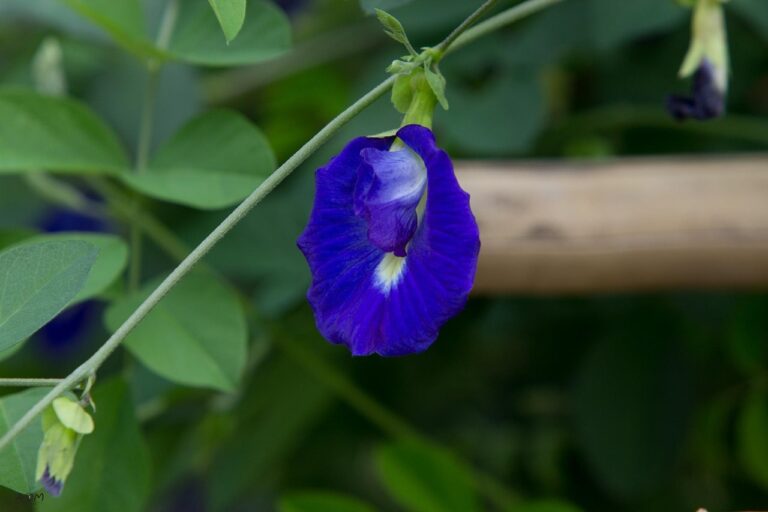
Aparajita (Butterfly Pea)

Butterfly Pea

Clitoria ternatea, commonly known as Blue Pea or Butterfly Pea or Aparajita, is most remarkable for its vivid cobalt-blue papilionaceous flowers, a rare and visually striking pigmentation among cultivated legumes. It belongs to the family Fabaceae and is widely considered…

See in details...Aparajita (Butterfly Pea)

Banana Plant (Musa spp.)

banana-plants

Introduction Musa is a genus of large monocotyledonous herbaceous plants in the family Musaceae, encompassing the cultivated bananas and plantains that rank among the most economically significant food crops on Earth. The genus comprises approximately 70 wild species, with commercial…

See in details...Banana Plant (Musa spp.)

Brahmi (Bacopa monnieri)

Brahmi Plant

Introduction Bacopa monnieri (L.) Wettst., commonly known as Brahmi, is a creeping perennial herb of the Plantaginaceae family distributed across tropical and subtropical wetlands worldwide. Its defining trait is the accumulation of bacosides, a group of triterpenoid saponins concentrated in…

See in details...Brahmi (Bacopa monnieri)

Tulsi Plant (Holy Basil)

tulsi holy basil

Introduction Ocimum tenuiflorum L., commonly known as tulsi or holy basil, is a perennial aromatic subshrub in the family Lamiaceae, native to the Indian subcontinent and widely distributed across tropical and subtropical Asia. The species is distinguished from the culinary…

See in details...Tulsi Plant (Holy Basil)