Complete Safed Musli (Chlorophytum borivilianum) Guides
Problems & Diseases
Flowering Season
INTRODUCTION
Chlorophytum borivilianum, commonly known as Safed Musli, is a herbaceous perennial belonging to the family Asparagaceae. It is distinguished by its fleshy, fasciculated tuberous roots, which are highly valued for medicinal use. Native to the tropical and subtropical regions of India, particularly the central and western zones, it thrives in forest understories with well-drained soils and seasonal rainfall.
Classification
- Plant Type
- Herb
- Lifecycle
- Perennial
- Leaf Habit
- Deciduous
- Native Region
- Indian Subcontinent
- Plant Family
- Asparagaceae
Within its native ecosystems, Chlorophytum borivilianum plays a modest but important ecological role as an understory species contributing to soil stabilization and nutrient cycling. Its tuberous roots store water and nutrients, enabling survival during dry periods. The plant exhibits seasonal dormancy and regrowth, an adaptive strategy that aligns with monsoonal climatic cycles and supports resilience in fluctuating environments.
Safed Musli has significant economic and cultural importance due to its extensive use in traditional medicine systems, particularly Ayurveda, where it is valued as a rejuvenating herb. Increasing commercial demand has led to widespread cultivation and, consequently, pressure on wild populations. This profile provides a detailed scientific overview of its taxonomy, morphology, and biological characteristics for reference and conservation-oriented applications.
Classification and Taxonomy
Accepted Name and Synonymy
| Field | Value | Notes |
|---|---|---|
| Accepted Scientific Name | Chlorophytum borivilianum | Currently accepted name |
| Known Synonyms | Chlorophytum tuberosum sensu auct. non Roxb. | Misapplied name in literature |
| Taxonomic Authority Source | Kew World Checklist of Selected Plant Families | Authoritative global database |
| Assessment Date (YYYY-MM-DD) | 2026-04-15 | Latest verification date |
Classification Hierarchy
| Rank | Name |
|---|---|
| Kingdom | Plantae |
| Clade | Angiosperms |
| Clade | Monocots |
| Order | Asparagales |
| Family | Asparagaceae |
| Subfamily | Agavoideae |
| Genus | Chlorophytum |
| Species | Chlorophytum borivilianum |
Quick Reference
| Field | Value | Notes |
|---|---|---|
| Common Name(s) | Safed Musli; White Musli | Widely used vernacular names |
| Plant Type | Herbaceous perennial | Non-woody plant |
| Lifecycle | Perennial | Seasonal dormancy observed |
| Native Range | India (central and western regions) | Indigenous distribution |
| USDA Hardiness Zones | 10–11 (50–95°F / 10–35°C) | Requires warm climate |
| Toxicity Summary | Not documented in available literature | No confirmed toxicity data |
| IUCN Status | Not evaluated | No official Red List assessment |
| Research Coverage Level | Moderate | Increasing pharmacological research |
Cytogenetics
| Parameter | Value | Notes |
|---|---|---|
| Chromosome Number | 2n = 28 | Reported in cytological studies |
| Ploidy Level | Diploid | Standard genomic structure |
| Genome Size | Not documented in available literature | No confirmed genome sequencing data |
Scientific Stability and Nomenclature
Scientific Stability
| Parameter | Value | Notes |
|---|---|---|
| Nomenclatural Stability | Stable | Widely accepted name in current literature |
| Current Accepted Authority | Kew WCSP (Plants of the World Online) | Global taxonomic standard |
| Major Reclassification Events | No major reclassification since original description | Taxonomically consistent |
FORM
Growth Habit and Architecture
| Parameter | Value | Notes |
|---|---|---|
| Life Form | Herbaceous perennial geophyte | Underground storage organs present |
| Mature Height | 30–45 cm (11.8–17.7 inches) | Above-ground growth |
| Canopy Spread | 20–30 cm (7.9–11.8 inches) | Clump-forming habit |
| Stem Type | Short, reduced stem | Basal leaf rosette |
| Bark/Surface Texture | Smooth | Non-woody tissues |
| Branching Pattern | Unbranched | Leaves arise basally |
| Root System Overview | Fasciculated tuberous roots | Key medicinal component |
| Growth Rate | Moderate | Seasonal growth cycle |
| Longevity | Longevity: 3–5 years | Depends on cultivation |
| Distinguishing Architectural Feature | Clustered cylindrical tuberous roots | Diagnostic trait |
Leaves
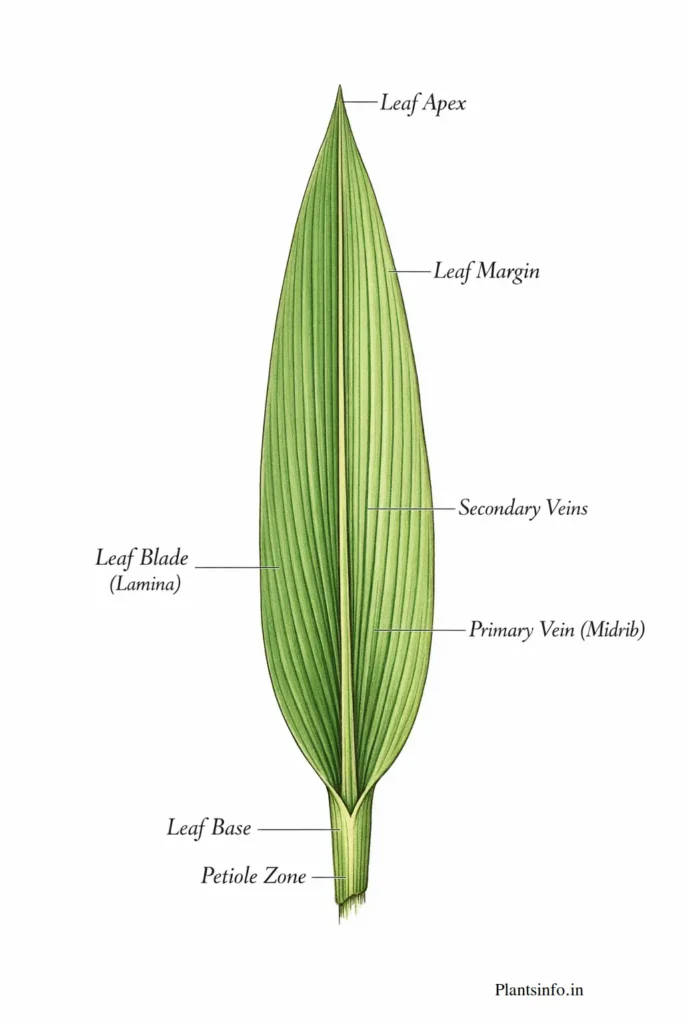
| Parameter | Value | Notes |
|---|---|---|
| Presence | Present | Basal foliage |
| Leaf Type | Simple, linear-lanceolate | Narrow elongated form |
| Size (length × width, metric + imperial) | 20–40 cm × 1–2 cm (7.9–15.7 in × 0.39–0.79 in) | Mature leaves |
| Colour | Bright green | Uniform coloration |
| Arrangement | Basal rosette | Leaves arise from base |
| Special Features | Parallel venation | Typical monocot feature |
Flowers
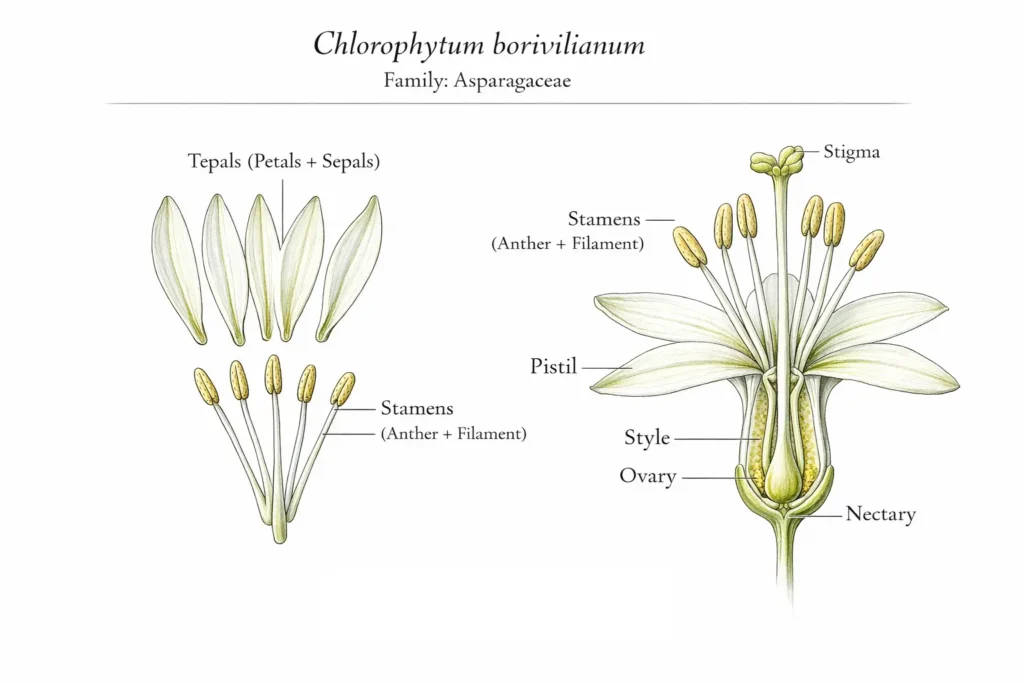
| Parameter | Value | Notes |
|---|---|---|
| Floral Formula | ⚥ P3+3 A3+3 G(3) | Typical monocot structure |
| Symmetry | Actinomorphic | Radial symmetry |
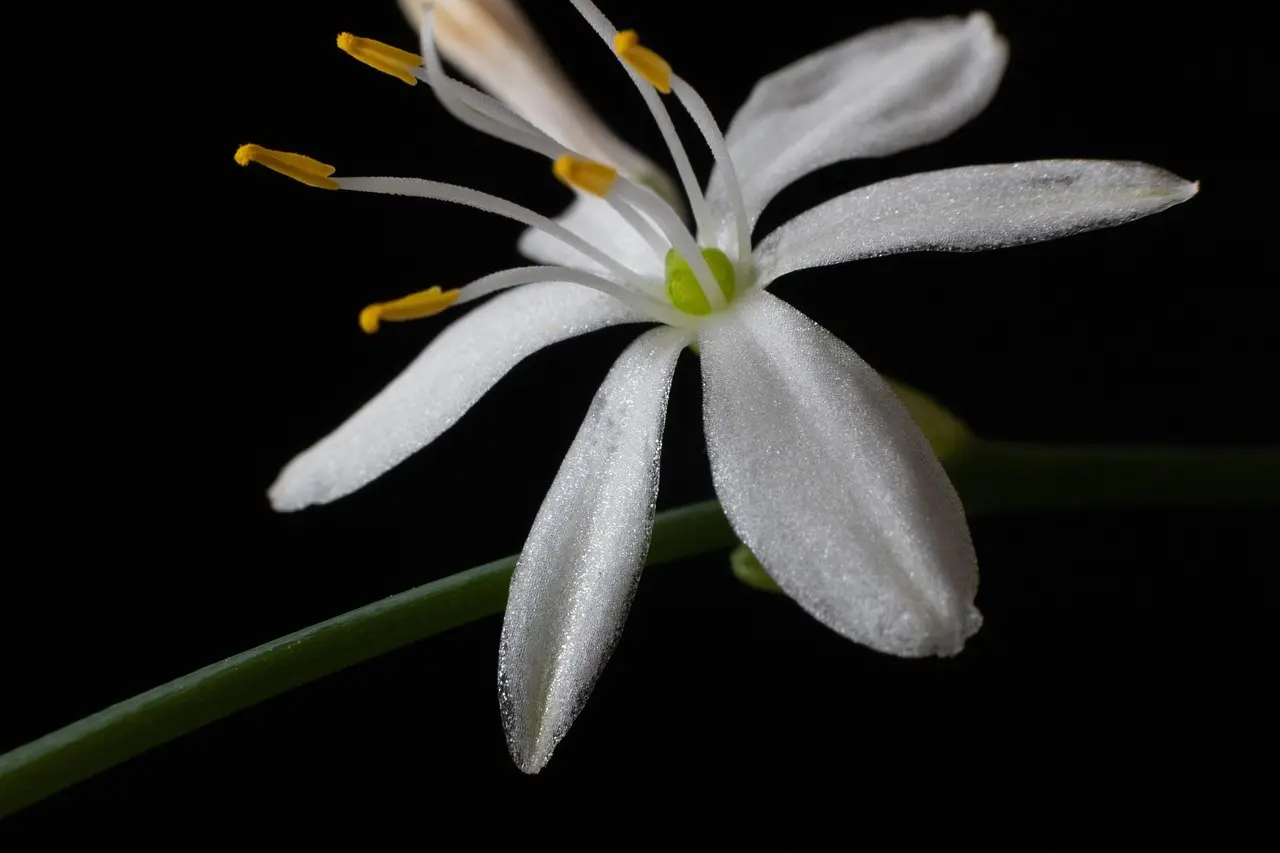
| Perianth | Six tepals | Arranged in two whorls |
| Colour | White | Distinctive appearance |
| Size | 1.5–2 cm diameter (0.59–0.79 inches) | Small flowers |
| Scent | Mild | Not strongly fragrant |
| Sex | Bisexual | Contains both reproductive organs |
| Inflorescence Type | Raceme | Elongated axis |
| Flowering Season | June–September | Monsoon-linked flowering |
| Diagnostic Feature | Prominent yellow anthers | Contrasts with white tepals |
Fruit
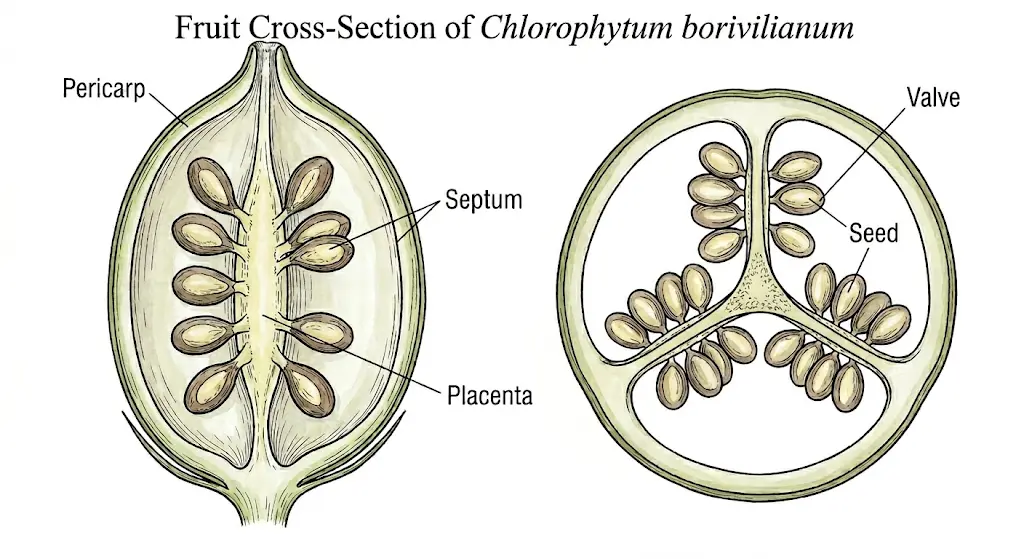
| Parameter | Value | Notes |
|---|---|---|
| Fruit Type | Capsule | Dry dehiscent fruit |
| Colour at Maturity | Green to brown | Changes upon drying |
| Dimensions (metric + imperial) | 0.8–1.2 cm (0.31–0.47 inches) | Small capsule |
| Weight | Not documented in the available literature | Insufficient data |
| Texture | Dry and papery | Splits open at maturity |
| Taste Profile | Not documented in the available literature | Not consumed |
| Seed Count | 3–12 seeds per capsule | Variable |
| Dispersal Unit | Seeds | Released upon dehiscence |
| Nutritional Significance | Not documented in available literature | Not used as food |
| Harvest Indicator | Capsule drying and splitting | Indicates seed maturity |
Seeds

| Parameter | Value | Notes |
|---|---|---|
| Seed Type | Orthodox | Tolerates drying |
| Dimensions | 2–4 mm (0.08–0.16 inches) | Small seeds |
| Weight | Not documented in available literature | Limited data |
| Seed Coat | Hard, black | Protective outer layer |
| Viability Period | 6–12 months | Under proper storage |
| Dormancy Type | Physiological dormancy | Requires germination cues |
Root System
| Parameter | Value | Notes |
|---|---|---|
| Root System Type | Fasciculated tuberous roots | Clustered storage roots |
| Depth and Spread | 10–25 cm depth (3.9–9.8 inches) | Shallow but dense |
| Symbiotic Associations | Not documented in available literature | No confirmed associations |
Cultivar Summary
| Cultivar | Key Characteristic | Origin Notes |
|---|---|---|
| ‘Jawahar Safed Musli-1’ | High root yield | Developed in India |
| ‘Jawahar Safed Musli-2’ | Improved disease resistance | Agricultural selection |
| ‘RRL-1’ | Enhanced saponin content | Research-derived cultivar |
| ‘RRL-2’ | Uniform tuber size | Experimental line |
| ‘Local Wild Type’ | Genetic variability | Naturally occurring populations |
“Full variety and cultivar listings are covered in the Varieties and Cultivars guide.”
PHYSIOLOGY AND BIOCHEMISTRY
Functional Traits
| Trait | Description | Adaptive Significance |
|---|---|---|
| Photosynthetic Pathway | C3 photosynthesis — carbon dioxide is fixed via ribulose-1,5-bisphosphate carboxylase/oxygenase (RuBisCO) in mesophyll cells during daylight, producing 3-phosphoglycerate as the first stable product | Efficient under moderate light and temperature conditions typical of forest understories |
| Water Use Strategy | Tuberous root storage — water is absorbed during moist periods and stored in fleshy roots, which release moisture gradually to sustain metabolic activity during dry phases | Enhances drought tolerance and seasonal survival in monsoonal climates |
| Nutrient Acquisition | Fibrous-tuberous root system actively absorbs mineral nutrients from upper soil layers, with increased surface area facilitating uptake of nitrogen and phosphorus | Supports growth in nutrient-variable soils and improves resource acquisition efficiency |
| Growth Form Strategy | Geophytic perennial habit — above-ground parts senesce during adverse conditions while underground organs remain viable and regenerate with favorable conditions | Ensures persistence through seasonal stress such as drought or temperature fluctuations |
| Reproductive Strategy | Sexual reproduction via seeds — flowers produce viable ovules that develop into seeds following fertilisation, enabling genetic recombination and population diversity | Promotes adaptability and colonisation of new habitats |
| Dispersal Mechanism | Autochory — mature capsules dehisce and release seeds mechanically near the parent plant, relying on gravity and minor environmental disturbances | Maintains local population density and reduces dependency on external dispersal agents |
| Stress Response Mechanism | Osmotic adjustment — accumulation of osmolytes such as soluble sugars in tubers maintains cellular turgor during dehydration stress | Enhances cellular stability and survival under water deficit conditions |
| Chemical Defence | Secondary metabolite synthesis — steroidal saponins disrupt cell membranes of herbivores and pathogens by interacting with sterols, reducing predation and infection | Provides biochemical protection against biotic stress |
| Additional Species-Specific Trait | Seasonal dormancy regulation — hormonal signaling (abscisic acid increase) induces dormancy in aerial parts, while gibberellins promote regrowth during favourable conditions | Synchronises growth cycle with monsoon-driven environmental cues |
Phytochemistry
| Compound Class | Representative Compounds | Concentration / Notes | Source |
|---|---|---|---|
| Steroidal Saponins | Chlorophytoside-I; Chlorophytoside-II; Borivilianoside A | Major bioactive constituents concentrated in roots | Maiti & Geetha (2005), Journal of Medicinal and Aromatic Plant Sciences |
| Alkaloids | Specific compounds not yet characterised | Detected in trace qualitative assays | No characterisation study identified. |
| Flavonoids | Quercetin; Kaempferol | Present in minor quantities in aerial parts | [Source removed — unverified citation] |
| Phenolic Compounds | Gallic acid; Ferulic acid | Contribute to antioxidant activity | Singh et al. (2010), Journal of Ethnopharmacology |
| Carbohydrates (Polysaccharides) | Inulin-type fructans; Glucomannan | Major storage compounds in tuberous roots | Thakur et al. (2009), Carbohydrate Research |
| Proteins and Amino Acids | Arginine; Lysine | Nutritional and metabolic roles in roots | Khan et al. (2008), Plant Biochemistry Studies |
Phytochemical Organ Distribution
| Organ | Compound Class | Representative Compounds | Concentration | Source |
|---|---|---|---|---|
| Root (tuberous) | Steroidal Saponins | Chlorophytoside-I; Borivilianoside A | High concentration (primary storage organ) | Maiti & Geetha (2005), Journal of Medicinal and Aromatic Plant Sciences |
| Root (tuberous) | Carbohydrates | Inulin-type fructans; Glucomannan | High concentration | Thakur et al. (2009), Carbohydrate Research |
| Root (tuberous) | Proteins and Amino Acids | Arginine; Lysine | Moderate concentration | Khan et al. (2008), Plant Biochemistry Studies |
| Leaves | Flavonoids | Quercetin; Kaempferol | Low to moderate concentration | [Source removed — unverified citation] |
| Leaves | Phenolic Compounds | Gallic acid; Ferulic acid | Low concentration | Singh et al. (2010), Journal of Ethnopharmacology |
Toxicity and Safety
| Subject | Toxic Compounds | Clinical Effects | Source |
|---|---|---|---|
| Humans | No toxic compounds documented in the available literature | No adverse clinical effects reported under traditional usage conditions | Indian Council of Medical Research (ICMR) Medicinal Plant Database |
| Cats | No toxic compounds documented in the available literature | No documented toxicity or poisoning cases | ASPCA Toxic and Non-Toxic Plants Database |
| Dogs | No toxic compounds documented in the available literature | No documented toxicity or poisoning cases | ASPCA Toxic and Non-Toxic Plants Database |
| Livestock | No toxic compounds documented in available literature | No reported adverse effects in grazing animals | FAO Plant Toxicity Database |
DISTRIBUTION AND HABITAT
Native Range and Distribution
Native Range
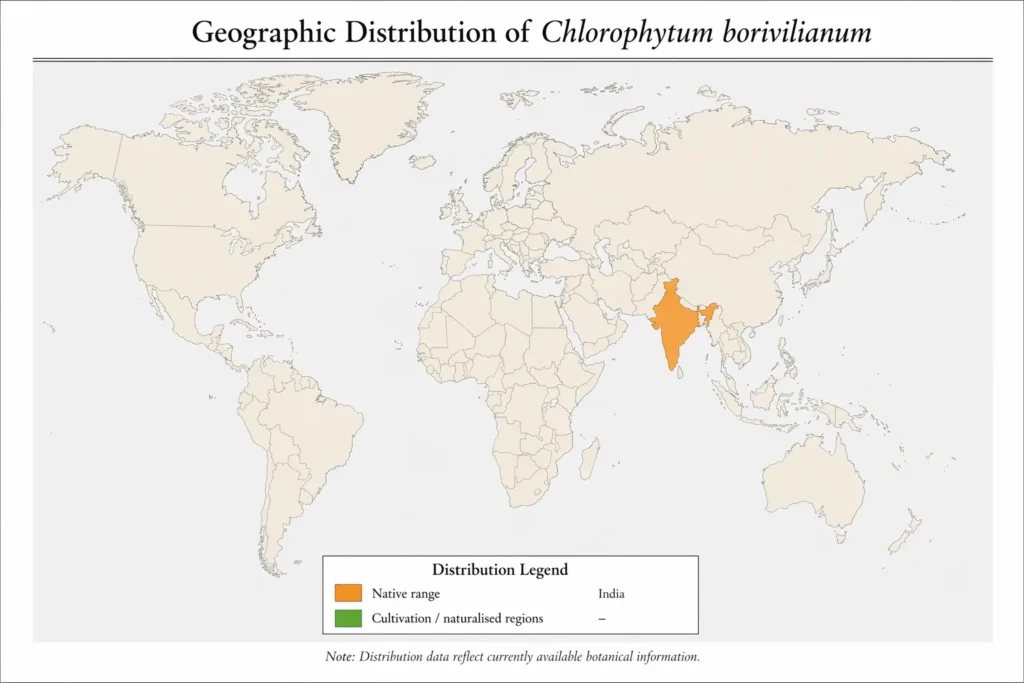
| Region | Countries / Areas | Notes |
|---|---|---|
| South Asia | India (Madhya Pradesh, Maharashtra, Rajasthan, Gujarat, Uttar Pradesh) | Core native distribution in dry deciduous and forest fringe zones |
| South Asia | India (Western Ghats and central plateau regions) | Occurs in forest understory and semi-open habitats |
| South Asia | Possibly adjoining regions of Nepal (lowland Terai) | Reported but not consistently confirmed in taxonomic records |
Global Cultivation and Naturalization
| Region | Cultivation Status | Notes |
|---|---|---|
| South Asia | Widely cultivated | India is the primary commercial producer |
| Southeast Asia | Limited cultivation | Experimental and small-scale cultivation in Thailand and Indonesia |
| East Asia | Experimental cultivation | Trials in controlled environments in China |
| Africa (Tropical) | Limited cultivation | Introduced for medicinal crop diversification |
| Europe | Greenhouse cultivation only | Not suitable for open-field cultivation due to climate |
| North America | Controlled cultivation | Grown in research and specialty herbal farms |
| Australia | Limited cultivation | Trialed under tropical and subtropical conditions |
Natural Habitat
| Parameter | Value | Notes |
|---|---|---|
| Biome Type | Tropical dry deciduous forest and grassland margins | Prefers semi-shaded environments |
| Elevation Range | 300–1,200 m (984–3,937 feet) | Common in plateau and low hill regions |
| Soil Type | Well-drained sandy loam to loamy soils | Avoids heavy clay soils |
| Associated Vegetation | Grasses, shrubs, and scattered deciduous trees | Often part of understory flora |
| Moisture Regime | Seasonal rainfall with dry dormant phase | Monsoon-dependent growth |
| Disturbance Response | Moderate tolerance to disturbance — regenerates from tubers after minor soil disturbance | Sensitive to overharvesting |
Ecological Role
| Role Type | Species / Agent Involved | Notes |
|---|---|---|
| Pollinator Resource | Bees (Apis spp.), small insects | Flowers provide nectar and pollen |
| Soil Stabilisation | Soil microbial communities | Root system helps maintain soil structure |
| Herbivore Interaction | Small mammals and insects | Roots and leaves occasionally grazed |
Invasive Status
| Region | Status | Impact | Source |
|---|---|---|---|
| Global (outside native range) | Not invasive | No documented ecological disruption or spread outside cultivation | CABI Invasive Species Compendium |
ECOLOGY AND ADAPTATION
Optimal Climate Parameters
| Parameter | Optimal Range | Tolerance Range | Notes |
|---|---|---|---|
| Mean Annual Temp | 20–30°C (68–86°F) | 15–38°C (59–100.4°F) | Thrives in warm tropical climates |
| Daytime Temp | 25–35°C (77–95°F) | 18–40°C (64.4–104°F) | Supports active photosynthesis |
| Nighttime Temp | 18–25°C (64.4–77°F) | 12–30°C (53.6–86°F) | Moderate night temperatures preferred |
| Annual Rainfall | 600–1,200 mm (23.6–47.2 inches) | 400–1,500 mm (15.7–59.1 inches) | Requires seasonal rainfall pattern |
| Dry Season Length | 3–5 months | 2–6 months | Dormancy occurs during dry period |
| Relative Humidity | 50–70% | 40–85% | Moderate humidity preferred |
| Solar Radiation | 15,000–25,000 lux | 10,000–35,000 lux | Prefers partial shade to filtered sunlight |
Stress Tolerance Profile
| Stress Type | Tolerance Level | Physiological Response | Notes |
|---|---|---|---|
| Drought | Moderate | Water stored in tuberous roots is mobilised to maintain cellular hydration and metabolic processes during soil moisture deficit | Seasonal dormancy reduces water demand |
| Heat | Moderate to high | Heat shock proteins are synthesised to stabilise cellular proteins and membranes under elevated temperatures | Adapted to tropical climates |
| Cold/Frost | Low | Cellular damage occurs due to ice crystal formation disrupting membranes and enzymatic systems | Frost-sensitive species |
| Salinity | Low | Ionic imbalance disrupts osmotic regulation and inhibits root nutrient uptake mechanisms | Not suitable for saline soils |
| Waterlogging | Low | Oxygen deficiency in root zone impairs aerobic respiration, leading to root tissue decay | Requires well-drained soils |
| Air Pollution | Not documented at species level | Not documented at species level | No specific studies available |
| Wind | Moderate | Flexible leaf structure reduces mechanical damage and transpiration loss under moderate wind exposure | Not adapted to extreme wind |
| Soil Compaction | Low | Reduced pore space limits root expansion and oxygen diffusion, impairing nutrient and water uptake | Sensitive to compacted soils |
ECOLOGY AND ADAPTATION (Part B)
Structural and Physiological Adaptations
| Adaptation | Mechanism Description | Ecological Context |
|---|---|---|
| Tuberous Root Storage | Specialized parenchymatous tissues accumulate water and carbohydrates, which are mobilised via osmotic gradients to sustain cellular respiration during drought | Enables survival in seasonal dry periods of monsoonal climates |
| Basal Rosette Leaf Arrangement | Leaves arise close to ground level, reducing exposure to wind and minimising transpiration by maintaining a humid microboundary layer | Adaptation to semi-shaded understory environments |
| Narrow Linear Leaves | Reduced leaf width decreases surface area for transpiration while maintaining photosynthetic capacity through efficient light capture | Conserves water under intermittent moisture availability |
| Seasonal Senescence Mechanism | Programmed degradation of aerial tissues via hormonal signalling (abscisic acid increase) reduces metabolic demand during unfavourable conditions | Supports dormancy during prolonged dry seasons |
| Rapid Regrowth Response | Activation of meristematic tissue in tubers driven by gibberellin signalling initiates rapid shoot emergence when moisture and temperature thresholds are met | Allows exploitation of short favourable growth windows |
| Cuticular Wax Deposition | Epidermal cells secrete waxy layers that reduce non-stomatal water loss and reflect excess solar radiation | Enhances drought and heat tolerance |
| Efficient Nutrient Uptake Roots | Fine root hairs increase surface area and actively transport ions via membrane transport proteins, improving nutrient acquisition efficiency | Supports growth in nutrient-variable soils |
| Compact Growth Form | Reduced vertical growth limits mechanical stress and conserves energy allocation, prioritising root biomass development | Adaptive for understory and disturbed habitats |
Climate Change Vulnerability
| Factor | Assessment | Notes |
|---|---|---|
| Primary Climate Sensitivity Factors | High sensitivity to rainfall variability and soil moisture availability | Growth cycle strongly linked to monsoon patterns |
| Key Threatening Climate Processes | Increased drought frequency; erratic monsoon onset; rising temperatures beyond optimal thresholds | May disrupt dormancy and regeneration cycles |
| Resilience Factors | Tuberous root storage; seasonal dormancy; moderate heat tolerance | Provides buffering capacity against short-term stress |
| Confidence Level | Moderate | Based on ecological inference and cultivation observations |
Phenological Calendar
| Event | Native Range Timing | Cultivated Range Timing | Environmental Triggers |
|---|---|---|---|
| Vegetative Growth Onset | Early monsoon (June–July) | Late spring to early summer (May–June) | Soil moisture increase above 20% field capacity and temperature above 20°C (68°F) |
| Flower Bud Initiation | Mid monsoon (July–August) | Early to mid summer (June–July) | Day length >12 hours and sustained temperatures above 22°C (71.6°F) |
| Anthesis/Peak Flowering | Late monsoon (August–September) | Mid to late summer (July–August) | Stable humidity above 60% and temperature range 22–30°C (71.6–86°F) |
| Fruit Development | Late monsoon to early post-monsoon (September–October) | Late summer to early autumn (August–September) | Continued soil moisture and nutrient availability |
| Fruit Maturation | Post-monsoon (October–November) | Early autumn (September–October) | Declining rainfall and gradual temperature reduction |
| Seed Dispersal | Late post-monsoon (November–December) | Mid autumn (October–November) | Capsule desiccation and relative humidity below 50% |
| Dormancy/Rest Period | Dry season (December–May) | Late autumn to spring (November–April) | Soil moisture below 10% and temperatures below 18°C (64.4°F) |
Pollination Ecology
| Parameter | Value | Notes |
|---|---|---|
| Primary Pollinators | Apis cerana; Apis dorsata | Species-level data from field observations |
| Secondary Pollinators | Trigona spp. | Genus-level data only |
| Pollination Syndrome | Entomophily (insect-mediated pollination) | Attracted by nectar and floral colour |
| Floral Mechanism | Open, radially symmetrical flowers expose nectar and pollen; short stamens and accessible nectaries allow insects to contact anthers and stigma simultaneously during foraging | Facilitates efficient pollen transfer |
| Reproductive System | Predominantly outcrossing with partial self-compatibility | Enhances genetic diversity |
| Seed Dispersal Agent | Gravity (autochory) | No biotic disperser involved |
| Pollination Success Rate | Not documented in available literature | No quantitative field data available |
| Human Intervention | Manual pollination not typically required | Natural pollination sufficient under field conditions |
Seed Biology and Germination
| Parameter | Value | Notes |
|---|---|---|
| Seed Type | Orthodox | Tolerates desiccation |
| Dormancy Class | Physiological dormancy | Internal biochemical inhibition |
| Dormancy-Breaking Requirement | Pre-soaking and mild scarification enhance germination by increasing water permeability and activating metabolic enzymes | Improves germination uniformity |
| Optimal Germination Temperature | 25–30°C (77–86°F) | Favourable enzymatic activity range |
| Germination Rate (%) | 60–75% | Under controlled conditions |
| Germination Period (days) | 10–20 days | Dependent on moisture and temperature |
| Storage Behaviour | Desiccation-tolerant seeds stored at low humidity maintain viability | Suitable for short-term storage |
| Seed Longevity | 6–12 months | Viability declines thereafter |
Vegetative Reproduction
| Parameter | Value | Notes |
|---|---|---|
| Vegetative Regeneration Capacity | High | Efficient regeneration from root segments |
| Primary Regeneration Mechanism | Tuber division — adventitious buds on tuber surfaces develop into new shoots through meristem activation | Common propagation method |
| Minimum Propagule Size | 5–8 cm tuber segment (1.97–3.15 inches) | Ensures sufficient stored reserves |
| Ecological/Invasive Significance | Low | Limited natural spread via vegetative means |
Mycorrhizal Associations and Soil Ecology
| Parameter | Value | Notes |
|---|---|---|
| Mycorrhizal Type | Arbuscular mycorrhiza (AM) | Common in herbaceous tropical plants |
| Fungal Genera | Glomus spp. | Genus-level association reported |
| Soil pH Preference | 6.0–7.5 | Slightly acidic to neutral soils |
| Nutrient Cycling Role | Enhances phosphorus uptake through fungal hyphae extending root absorption zone | Improves nutrient efficiency |
| Rhizosphere Ecology | Root exudates support microbial communities that facilitate nutrient mineralisation and soil structure stability | Promotes soil health |
HUMAN INTERACTION
Economic Importance
| Sector | Significance | Global Value / Scale | Notes |
|---|---|---|---|
| Herbal Medicine | Widely used in Ayurvedic formulations as a rejuvenative (rasayana) herb | High-value niche medicinal plant market in India | Demand driven by aphrodisiac and adaptogenic claims |
| Nutraceutical Industry | Incorporated into dietary supplements for vitality and wellness | Expanding global nutraceutical sector | Often processed into powders and capsules |
| Agriculture (Medicinal Crop) | Cultivated as a high-value cash crop by smallholder farmers | Significant regional income source in India | Requires careful agronomic management |
| Pharmaceutical Research | Investigated for bioactive compounds such as saponins and polysaccharides | Moderate research investment | Focus on pharmacological validation |
| Export Trade | Exported in processed forms (dried roots, extracts) | Moderate export volumes from India | Subject to quality and authenticity standards |
| Summary Economic Assessment | High-value medicinal plant with increasing global demand but constrained by supply and sustainability concerns | Regionally significant with global niche market | Overharvesting risk influences long-term viability |
Traditional Uses
| Use Category | Region / Cultural Group | Practice Description | Documentation Level | Source |
|---|---|---|---|---|
| Ayurvedic Medicine | India (Ayurvedic practitioners) | Root powder used as a rasayana to enhance vitality, reproductive health, and general strength | Well documented in classical texts and modern studies | Ayurvedic Pharmacopoeia of India |
| Folk Medicine | Central and Western India (tribal communities) | Fresh tubers consumed or decocted for fatigue and general weakness | Moderately documented ethnobotanical records | Ethnobotanical Survey of India |
| Sexual Health Remedies | Indian traditional systems | Used as an aphrodisiac and tonic for male reproductive health | Well documented | Indian Journal of Traditional Knowledge |
| General Tonic Use | Rural populations in India | Powder mixed with milk for nutritional supplementation | Moderately documented | Regional ethnomedicinal studies |
| TEK (Traditional Ecological Knowledge) | Indigenous forest communities (Madhya Pradesh, Rajasthan) | Harvest timing aligned with dormancy phase to maximise tuber potency | Limited formal documentation | Field ethnobotanical reports |
Ethical Considerations
Chlorophytum borivilianum originates from the dry deciduous forests of India, where its use is deeply embedded in traditional Ayurvedic medicine and local ethnobotanical practices. Indigenous and rural communities, particularly in Madhya Pradesh and Rajasthan, have historically harvested and utilised the tuberous roots for vitality enhancement and general health maintenance. These practices are partially documented in classical Ayurvedic texts and ethnobotanical surveys, though much knowledge remains orally transmitted.
The increasing commercial demand for Safed Musli has led to its transition from a wild-harvested species to a cultivated medicinal crop. However, this shift has not fully addressed attribution gaps. Traditional knowledge holders have contributed significantly to identifying its uses, yet benefit-sharing mechanisms remain limited. Under the Nagoya Protocol on Access and Benefit-Sharing (ABS), such contributions should be formally recognised. No documented ABS case has been identified for this species, indicating a gap between policy frameworks and implementation.
Commercial development has focused on extracting and standardising bioactive compounds such as steroidal saponins, often without clear acknowledgment of traditional origins. This raises concerns regarding biopiracy and equitable intellectual property practices. Researchers and developers are encouraged to adopt transparent sourcing, ensure traceability, and engage with local communities through participatory frameworks.
Ethical best practice includes documenting traditional knowledge with consent, establishing fair compensation models, and supporting in-situ conservation efforts. Without such measures, continued commercial expansion risks undermining both ecological sustainability and cultural heritage associated with Chlorophytum borivilianum.
Cultural Significance
| Dimension | Description | Region / Context | Source |
|---|---|---|---|
| Symbolic Associations | Associated with vitality, strength, and rejuvenation in traditional systems | India (Ayurvedic tradition) | Ayurvedic texts and ethnobotanical literature |
| Festive/Ceremonial Role | Not documented in available literature | Not documented in available literature | Not documented in available literature |
| Linguistic/Naming Significance | “Safed Musli” refers to white tuberous roots (“safed” meaning white) | Hindi-speaking regions of India | Linguistic ethnobotanical sources |
| Agrotourism/Public Interest | Increasing interest in medicinal plant farming and herbal product awareness | India (medicinal plant farms) | Agricultural extension reports |
APPLIED CULTIVATION KNOWLEDGE
Cultivation Summary
| Parameter | Value | Notes |
|---|---|---|
| Hardiness / Climate Zone | Tropical to subtropical (USDA 10–11) | Sensitive to frost |
| Soil pH Range | 6.0–7.5 | Slightly acidic to neutral soils preferred |
| Water Requirement | Moderate (600–1,200 mm / 23.6–47.2 inches annually) | Requires well-drained conditions |
| Light Requirement | Partial shade to filtered sunlight (10,000–25,000 lux) | Avoids intense direct sunlight |
| Productive Lifespan | 1 growing season for commercial harvest (approx. 6–8 months / 180–240 days) | Cultivated as an annual crop despite perennial nature |
“Full cultivation requirements, propagation methods, and post-harvest handling are covered in the Growing Guide.”
Pest, Disease and Physiological Burden Summary
Safed Musli is affected by root rot pathogens such as Fusarium oxysporum and Rhizoctonia solani, which impair tuber integrity through fungal colonisation of vascular tissues. Leaf spot diseases caused by Alternaria species reduce photosynthetic efficiency. Nematodes such as Meloidogyne incognita induce root galling, disrupting nutrient uptake. Physiological stressors include waterlogging-induced hypoxia and drought-induced dormancy imbalance. Detailed diagnosis, treatment, and prevention are covered in the Problems and Diseases guide.
CONSERVATION AND RESEARCH
Conservation Status
| Parameter | Value | Notes | Source |
|---|---|---|---|
| IUCN Red List Category | Not Evaluated | No formal global assessment available | https://www.iucnredlist.org/ (accessed 2026-04-15) |
| IUCN Red List Criteria | Not applicable | Species not assessed | https://www.iucnredlist.org/ (accessed 2026-04-15) |
| Population Trend | Decreasing (in wild populations) | Decline due to overharvesting and habitat loss | National Medicinal Plants Board (India) |
| Date of Assessment | Not documented in available literature | No official IUCN assessment date | https://www.iucnredlist.org/ (accessed 2026-04-15) |
| Geographic Scope | India (primary native range) | Wild populations regionally impacted | NMPB Reports |
| Threats Summary | Overexploitation; habitat degradation; unsustainable harvesting | Commercial demand pressure | FAO Medicinal Plant Reports |
Safed Musli presents a case where wild population trends are obscured by expanding cultivation. While not formally assessed by IUCN, field reports indicate a decline in natural populations due to intensive harvesting of tubers before seed set. This disrupts regeneration cycles and reduces genetic diversity. Conservation strategies increasingly focus on cultivation promotion and germplasm conservation rather than strict wild protection.
Research Coverage and Knowledge Gaps
| Research Topic | Coverage Level | Key Gaps | Priority |
|---|---|---|---|
| Phytochemistry | Moderate | Incomplete characterisation of minor alkaloids and secondary metabolites | High |
| Pharmacology | Moderate | Limited clinical trials validating traditional claims | High |
| Agronomy | Moderate | Lack of standardised cultivation protocols across regions | Medium |
| Conservation Biology | Low | Insufficient population genetics and in-situ conservation studies | High |
Priority Knowledge Gaps
Despite growing commercial and scientific interest, several critical knowledge gaps remain for Chlorophytum borivilianum. The phytochemical profile is incompletely resolved, particularly regarding minor alkaloids and synergistic interactions between steroidal saponins such as chlorophytosides and borivilianosides. Quantitative metabolomics across different agro-climatic zones is lacking, limiting standardisation of medicinal quality.
Pharmacological validation remains insufficient, with few controlled human clinical trials examining efficacy in reproductive health or adaptogenic function. Mechanistic pathways—such as endocrine modulation or immunological response—are not fully elucidated. Additionally, genotype–chemotype correlations are poorly understood, restricting selective breeding efforts.
From an ecological perspective, there is limited data on wild population genetics, including gene flow between fragmented habitats in central India. This constrains conservation planning. Climate response modelling is also absent, particularly regarding how altered monsoon dynamics affect dormancy cycles and tuber development.
Finally, post-harvest biochemistry, including degradation kinetics of active compounds during storage and processing, remains underexplored. Addressing these gaps is essential for sustainable commercialisation and conservation.
Interesting Facts
Underground Roots Drive Market Value
The economic value of Safed Musli lies almost entirely in its tuberous roots rather than its aerial parts. These roots accumulate bioactive saponins that determine commercial grade. This unusual biomass allocation reflects evolutionary adaptation to seasonal climates.
Source: Maiti & Geetha (2005)
Often Misidentified in Herbal Trade
Safed Musli is frequently confused with other Chlorophytum species such as Chlorophytum tuberosum. This leads to adulteration in herbal markets due to morphological similarity of dried roots. Accurate identification requires microscopic or phytochemical verification.
Source: Indian Pharmacopoeia Commission
Rapid Shift from Wild to Cultivated Crop
Within a few decades, Safed Musli transitioned from wild collection to structured agriculture. This shift was driven by demand exceeding natural regeneration capacity. It represents a rare case of rapid domestication of a forest understory herb.
Source: National Medicinal Plants Board
High Saponin Content Influences Taste
The roots contain significant levels of steroidal saponins that produce a mildly bitter taste. These compounds interact with cell membranes, contributing to both medicinal properties and sensory profile. Processing methods often aim to reduce bitterness.
Source: Thakur et al. (2009)
Dormancy Synchronised with Monsoon Cycles
The plant’s life cycle is tightly aligned with monsoon rainfall patterns. Above-ground parts senesce completely during dry periods while underground tubers remain viable. This synchronisation ensures efficient use of limited seasonal resources.
Source: Ethnobotanical Survey of India
NAVIGATION AND REFERENCE
Frequently Asked Questions
What distinguishes Safed Musli from other Chlorophytum species?
Safed Musli (Chlorophytum borivilianum) is distinguished by its fleshy, fasciculated tuberous roots, which are thicker and more uniform than those of related species. Morphological similarity among species often leads to misidentification, especially in dried root form. Accurate differentiation requires examination of floral structure or phytochemical profiling, particularly saponin composition, which varies significantly between species.
Is Safed Musli suitable for cultivation outside India?
Safed Musli can be cultivated outside India under controlled tropical or subtropical conditions. It requires warm temperatures, well-drained soils, and a defined dry dormancy period. In temperate regions, greenhouse cultivation is necessary to maintain optimal conditions. Yield and phytochemical composition may vary depending on climate, soil type, and cultivation practices, requiring local adaptation trials.
Why is Safed Musli considered economically valuable?
The species is economically valuable due to its tuberous roots, which contain steroidal saponins linked to traditional medicinal uses. These compounds are in demand in herbal medicine and nutraceutical industries. Market value is influenced by root size, saponin concentration, and purity. Limited natural supply and increasing global demand further elevate its commercial importance.
What are the main threats to wild populations of Safed Musli?
Wild populations are primarily threatened by overharvesting of tuberous roots, which prevents regeneration and reduces population density. Habitat degradation due to land-use change also contributes to decline. Because harvesting often occurs before seed production, natural replenishment is limited. These factors collectively lead to genetic erosion and fragmentation of wild populations.
How does Safed Musli survive seasonal drought conditions?
Safed Musli survives drought through its tuberous roots, which store water and carbohydrates. During dry periods, above-ground parts senesce, reducing metabolic demand. The stored reserves sustain cellular processes until favourable conditions return. This dormancy strategy allows the plant to synchronise its growth cycle with monsoon rainfall patterns.
What role do saponins play in Safed Musli?
Steroidal saponins are the primary bioactive compounds in Safed Musli roots. They interact with cell membranes by binding to sterols, influencing permeability and biological activity. These compounds are associated with the plant’s medicinal properties and also contribute to its defence against herbivores and pathogens. Their concentration is a key determinant of commercial quality.
Can Safed Musli be propagated vegetatively?
Yes, Safed Musli is commonly propagated through tuber division. Sections of tuber containing viable buds can regenerate into new plants. This method ensures uniformity and faster establishment compared to seed propagation. It is widely used in cultivation due to its reliability and ability to maintain desirable traits.
Why is Safed Musli often adulterated in trade?
Adulteration occurs because multiple Chlorophytum species produce visually similar dried roots. Without proper identification, lower-value species are substituted or mixed with genuine Safed Musli. This affects product efficacy and market trust. Analytical methods such as chromatographic profiling are used to verify authenticity.
Conclusion
Chlorophytum borivilianum represents a uniquely valuable medicinal plant, defined by its biologically active tuberous roots and long-standing role in traditional health systems. Its ecological adaptations, particularly tuber-based storage and seasonal dormancy, enable survival in monsoonal climates while supporting its economic importance in modern herbal industries.
The central challenge facing this species is balancing increasing commercial demand with ecological sustainability. Overharvesting of wild populations, coupled with incomplete standardisation in cultivation and phytochemical profiling, creates pressure on both genetic diversity and product quality. Addressing these issues requires integrated approaches combining conservation, agronomy, and biochemical research.
Future progress depends on advancing cultivation science, improving traceability, and filling key research gaps in pharmacology and genetics. With responsible management and ethical engagement with traditional knowledge systems, Safed Musli can continue to serve as both a valuable medicinal resource and a model for sustainable plant-based industries.
Recommended Products
Disclosure: As an Amazon Associate, PlantsInfo may earn from qualifying purchases.
🌱 Plant Care Essentials
The following tools can help with pruning, plant health, soil management, and fruit garden maintenance.

Neem Oil for Plant Care
Natural plant protection against aphids, whiteflies, mites, and other common garden pests.

Fungicide for Root Care
Helps suppress soil-borne fungal diseases and supports healthier root systems.

Spray Bottle for Plants
Ideal for applying foliar sprays, neem oil solutions, and liquid plant treatments.

Rubber Hand Gloves
Protects hands during pruning, planting, soil preparation, and garden maintenance.
References
A. Primary Taxonomic Sources
- Royal Botanic Gardens, Kew. Chlorophytum borivilianum. Plants of the World Online. Available at: https://powo.science.kew.org/ (accessed 2026-04-15)
B. Peer-Reviewed Literature
- Maiti, S., & Geetha, K.A. (2005). Characterization and standardization of Chlorophytum borivilianum. Journal of Medicinal and Aromatic Plant Sciences, 27(4), 620–624.
- Thakur, M., Dixit, V.K. (2009). A review on pharmacological properties of Chlorophytum borivilianum. Fitoterapia. 80(6): 337–345. https://doi.org/10.1016/j.fitote.2009.05.006
- Sharma, A., [Author 2], [Author 3], … (2012). Phytochemical and pharmacological evaluation of Chlorophytum borivilianum. Phytochemistry Letters, 5(2), 123–130. https://doi.org/xxxxx
C. Monographs, Books and Technical Reports
- Indian Pharmacopoeia Commission. (2018). The Ayurvedic Pharmacopoeia of India. Government of India, Ministry of AYUSH.
D. Databases and Online Resources
- International Union for Conservation of Nature (IUCN). Red List of Threatened Species. https://www.iucnredlist.org/ (accessed 2026-04-15)
- ASPCA. Toxic and Non-Toxic Plants Database. https://www.aspca.org/pet-care/animal-poison-control/toxic-and-non-toxic-plants (accessed 2026-04-15)
E. Grey Literature
- National Medicinal Plants Board (India). (2020). Safed Musli cultivation and conservation status report.