Introduction
Gomphrena globosa, commonly known as globe amaranth, is distinguished by its persistent, papery inflorescences that retain colour long after drying. It belongs to the family Amaranthaceae and is native to tropical regions of Central and South America. The species exhibits unusual bract-dominated floral structures, where brightly coloured bracts overshadow the true flowers, giving it exceptional ornamental durability in both fresh and dried arrangements.
Classification
- Plant Type
- Herb
- Lifecycle
- Annual
- Leaf Habit
- Evergreen
- Native Region
- Central America, Northern South America
- Plant Family
- Amaranthaceae
In native ecosystems, globe amaranth functions as a nectar source for a range of pollinating insects, particularly bees and butterflies. Its drought tolerance and efficient water-use physiology allow it to persist in seasonally dry habitats. This resilience distinguishes it from many related ornamental taxa, as it maintains reproductive output under suboptimal moisture conditions, supporting pollinator activity during periods when other flowering species decline.
Humans have cultivated globe amaranth for centuries as both an ornamental and a traditional medicinal plant, particularly in tropical Asia, where it has been incorporated into herbal preparations. It is widely naturalised beyond its native range and is not considered under immediate conservation threat (Kew POWO; government flora databases). This profile provides a structured, research-grounded synthesis of its biology, chemistry, ecology, and applied relevance across scientific and practical domains.
Identity
Quick Plant Information
| Field | Value |
|---|---|
| Accepted Scientific Name | Gomphrena globosa |
| Primary Common Name | Globe Amaranth |
| Plant Type | Herbaceous ornamental and medicinal plant |
| Life Cycle | Annual (occasionally short-lived perennial in frost-free climates) |
| Growth Habit | Upright, bushy |
| Mature Size | 30–60 cm height (12–24 in); 20–45 cm spread (8–18 in) |
| Growth Rate | Fast |
| Flowering Season | Late spring to autumn |
| Fruiting Season | Late summer to autumn |
| Light Requirement | Full sun |
| Water Requirement | Low to moderate |
| Soil Preference | Well-drained, sandy to loamy soils |
| Temperature Tolerance | 18–35°C (64–95°F); intolerant of frost |
| Pollination Type | Insect-mediated (primarily bees) |
| Self-Fertility Status | Self-compatible |
| Primary Propagation Method | Seed |
| Typical Yield Class | Moderate ornamental biomass yield |
| Primary Use Categories | Ornamental, medicinal, dried floral industry |
| Toxicity Status | No significant toxicity reported in available literature |
| Conservation Concern | Not threatened |
| Cultivation Difficulty Level | Easy |
Classification and Taxonomy
| Field | Value | Notes |
|---|---|---|
| Accepted Scientific Name | Gomphrena globosa | Accepted name per Kew POWO |
| Known Synonyms | Gomphrena globosa var. albiflora | Minor horticultural variants reported |
| Taxonomic Authority Source | Kew POWO | Authoritative global plant database |
| Assessment Date | 2026-05-02 | Current verification |
| Kingdom | Plantae | |
| Division | Angiosperms | Flowering plants |
| Class | Eudicots | |
| Order | Caryophyllales | |
| Family | Amaranthaceae | |
| Subfamily | Amaranthoideae | |
| Genus | Gomphrena | |
| Species | globosa | |
| Native Origin | Tropical Central and South America | Concise summary only |
| IUCN Status | Not Evaluated | No formal Red List assessment (government flora databases) |
Related Species of Significance
| Species | Common Name | Distinguishing Feature | Economic or Ecological Significance |
|---|---|---|---|
| Gomphrena haageana | Strawberry Fields Gomphrena | Larger, more elongated flower heads | Widely used in ornamental horticulture |
| Gomphrena serrata | Prostrate Gomphrena | Low-growing habit | Ground cover in arid ecosystems |
| Gomphrena celosioides | Soft Khaki Weed | Spreading perennial form | Important ruderal species in disturbed habitats |
| Alternanthera sessilis | Sessile Joyweed | Leafy edible plant | Used as a vegetable in tropical regions |
| Amaranthus caudatus | Love-lies-bleeding | Pendulous inflorescences | Grain and ornamental crop |
Taxonomic Context
Within the genus Gomphrena, Gomphrena globosa is among the most widely cultivated species due to its distinctive globular inflorescences and colour stability. Confusion occasionally arises with Gomphrena haageana, which shares similar ornamental traits but differs in inflorescence morphology and growth habit. Historical misidentifications in the horticultural trade have led to mixed seed lots, affecting cultivar consistency. Stable nomenclature, as maintained by Kew POWO, is critical for ensuring accurate seed sourcing, pharmacological research consistency, and regulatory clarity in international plant material exchange.
Cytogenetics
| Parameter | Value | Notes |
|---|---|---|
| Chromosome Number | 2n = 26 | Reported for species within the genus Gomphrena; species-level confirmation for G. globosa is limited |
| Ploidy Level | Diploid | Consistent with cytogenetic patterns observed in Gomphrena species |
| Genome Size | Not documented in available literature | Represents a data gap in molecular characterisation |
Cytogenetic Note
The diploid chromosome structure of Gomphrena globosa supports stable inheritance patterns in cultivated populations. No significant cytotype variation has been reported, which simplifies breeding programmes and maintains uniform ornamental traits. However, the absence of documented genome size data limits genomic-level research and marker-assisted selection, indicating a gap in molecular characterisation that could benefit both horticultural improvement and phytochemical standardisation efforts.
Scientific Stability and Nomenclature
Gomphrena globosa is a taxonomically stable species recognised under the authority of Kew Science – Plants of the World Online (Kew POWO). The species was originally described by Carl Linnaeus in 1753 in Species Plantarum, establishing its foundational nomenclature. Since its initial classification, no major reclassification events have altered its accepted name, although minor infraspecific variants have been described in horticultural contexts.
The accepted name has achieved near-universal adoption across botanical, agricultural, and pharmacological literature. This consistency reduces ambiguity in scientific communication and supports reliable indexing in databases and regulatory frameworks. In commercial sectors, particularly the ornamental and herbal industries, stable nomenclature ensures traceability of plant material and compliance with international trade standards.
Despite this stability, confusion can arise from cultivar naming conventions and informal trade labels, which may not align with formal taxonomy. Researchers and buyers must therefore rely on authoritative databases such as Kew POWO for verification. The absence of significant synonym complexity enhances reproducibility in research and reduces risk in supply chains dependent on accurate species identification.
Synonymy
| Accepted Name (Current Authority) | Synonyms Commonly Encountered | Context Where Synonym Persists |
|---|---|---|
| Kew POWO: Gomphrena globosa | Gomphrena globosa var. albiflora | Horticultural seed catalogues |
| Kew POWO: Gomphrena globosa | Regional cultivar names (non-taxonomic) | Commercial ornamental trade |
| Kew POWO: Gomphrena globosa | Not documented in available literature | Not documented in available literature |
Form
Growth Habit and Architecture
Gomphrena globosa presents as a compact, upright herb with a bushy, evenly branched architecture. The plant develops multiple erect stems from a central base, producing a rounded canopy with consistent vertical rhythm. Its structural identity is defined by stiff stems and terminal globular inflorescences, which create a uniform floral display above the foliage layer. This architecture supports efficient light capture and pollinator visibility, while also contributing to its durability as a cut-and-dried ornamental species.
| Parameter | Value | Notes |
|---|---|---|
| Life Form | Herbaceous annual | Occasionally perennial in frost-free climates |
| Mature Height | 30–60 cm (12–24 in) | Variable by cultivar |
| Canopy Spread | 20–45 cm (8–18 in) | Dense, rounded habit |
| Stem Type | Erect, herbaceous | Moderately rigid |
| Surface Texture | Slightly pubescent | Fine hairs present on stems |
| Branching Pattern | Basal and lateral branching | Produces bushy form |
| Root System Overview | Fibrous, shallow to moderately deep | Primarily lateral spread within topsoil |
| Growth Rate | Fast | Rapid establishment from seed |
| Longevity | Single growing season | Extended in tropical climates |
| Distinguishing Architectural Feature | Terminal globular inflorescences on upright stems | Persistent, colour-retentive bracts |
Leaves
Gomphrena globosa produces simple, opposite leaves that contribute to its dense vegetative structure. The leaves are moderately sized and exhibit a soft pubescence that reduces water loss and surface temperature. Their arrangement along the stems ensures even light interception without excessive shading. The foliage serves primarily as a structural support for reproductive output rather than a dominant visual feature.
| Leaf Attribute | Description |
|---|---|
| Presence | Present |
| Leaf Type | Simple |
| Size | 5–10 cm length (2–4 in) |
| Colour | Medium to dark green |
| Arrangement | Opposite |
| Shape | Elliptic to ovate |
| Margin | Entire |
| Surface Features | Slightly hairy (pubescent) |
Flowers
The defining feature of Gomphrena globosa is its globular inflorescence composed of brightly coloured, papery bracts that surround inconspicuous true flowers. These bracts maintain structural integrity and pigmentation after desiccation, providing extended visual persistence. The compact floral arrangement enhances pollinator efficiency by concentrating nectar resources. This structural adaptation supports reproductive success in environments with fluctuating pollinator availability.
| Floral Attribute | Description |
|---|---|
| Inflorescence Type | Globose head (capitate) |
| Flower Diameter | 2–4 cm (0.8–1.6 in) |
| Flower Length | Individual flowers <5 mm (<0.2 in) |
| Outer Tepals or Sepals | Papery, brightly coloured bracts |
| Inner Tepals or Petals | Reduced, inconspicuous |
| Stamens | 5, fused at base |
| Pistil | Single, central ovary |
| Fragrance | Mild to absent |
| Anthesis Period | Continuous during flowering season |
| Primary Pollinators | Bees and butterflies |
Fruit
| Fruit Characteristic | Description |
|---|---|
| Fruit Type | Utricle (dry, indehiscent) |
| Shape | Oval to slightly elongated |
| Length | 2–3 mm (0.08–0.12 in) |
| Diameter | 1–2 mm (0.04–0.08 in) |
| Weight | Not documented in available literature |
| Skin Colour | Pale brown |
| Surface Features | Smooth |
| Flesh Colour | Not applicable (dry fruit) |
| Flesh Texture | Not applicable |
| Seed Count | Single seed per fruit |
| Sugar Content | Not documented in available literature |
| Maturation Period | 4–6 weeks after flowering |
Seeds
| Seed Characteristic | Description |
|---|---|
| Size | 1–2 mm (0.04–0.08 in) |
| Shape | Lenticular |
| Colour | Brown to reddish-brown |
| Seed Coat | Smooth, moderately hard |
| Oil Content | Not documented in available literature |
| Viability Period | 1–2 years under proper storage |
| Germination Rate | Moderate (60–80% under optimal conditions) |
Root System
Gomphrena globosa develops a fibrous root system with moderate lateral spread and shallow to intermediate depth. The majority of roots occupy the upper soil layers, allowing efficient uptake of surface moisture following rainfall events. This architecture supports rapid establishment but increases sensitivity to waterlogging due to limited deep anchorage.
In cultivation, the root system favours well-drained soils and responds poorly to compaction. In wild or semi-natural conditions, this structure enables opportunistic growth in disturbed or seasonal habitats while maintaining resilience under short-term drought stress.
Field Identification
In field conditions, Gomphrena globosa is recognised by its compact, upright form and distinctive spherical flower heads that appear as brightly coloured buttons above the foliage. The papery texture of the inflorescences is immediately diagnostic, as they retain colour even when dry.
The species is often confused with Gomphrena haageana, which has more elongated flower heads and a looser growth habit. The most reliable distinguishing feature is the perfectly globular, tightly packed inflorescence of G. globosa, compared to the more cylindrical or irregular heads of related species.
Normal vs. Concerning Observations
| Observation | Status | Explanation |
|---|---|---|
| Papery, dry-feeling flowers | Normal | Structural bracts are naturally dry and persistent |
| Slight leaf hairiness | Normal | Adaptation for water retention and heat tolerance |
| Reduced flower fragrance | Normal | Species relies on visual cues for pollination |
| Yellowing of lower leaves late season | Monitor | Natural senescence or mild nutrient depletion |
| Wilting despite adequate watering | Investigate | Possible root stress or poor drainage |
| Stunted growth in early stages | Monitor | May reflect suboptimal temperature conditions |
Cultivar Summary
| Cultivar | Key Characteristic | Commercial Status | Origin |
|---|---|---|---|
| ‘Gnome’ | Compact dwarf habit | Commercially dominant | Developed for container gardening |
| ‘Fireworks’ | Bright magenta bracts | Regionally significant | Ornamental breeding programmes |
| ‘Buddy Series’ | Uniform growth and colour range | Commercially dominant | Hybrid cultivar line |
| ‘QIS Series’ | Large flower heads, strong stems | Commercially dominant | Cut flower industry selection |
| ‘Las Vegas Series’ | Early flowering, heat tolerance | Regionally significant | Developed for warm climates |
For full cultivar performance data and selection guidance, see Globe Amaranth: Varieties and Cultivars.
Physiology and Phytochemistry
Functional Traits
Gomphrena globosa operates as a fast-growing, C3 photosynthetic annual adapted to warm, seasonally dry environments. Its physiology integrates moderate water-use efficiency with rapid reproductive output, enabling successful colonisation of disturbed and cultivated habitats. The species balances structural investment in persistent reproductive organs with flexible vegetative growth.
Its metabolic profile supports both ecological resilience and the production of secondary metabolites, particularly pigments and phenolic compounds, which contribute to stress tolerance and ecological interactions.
| Trait | Mechanism Description | Adaptive Significance |
|---|---|---|
| Photosynthetic Pathway | C3 photosynthesis — CO₂ fixation via Rubisco in mesophyll cells, with stomata open during daylight enabling direct carbon assimilation but higher transpiration rates | Supports rapid growth under high light and moderate water availability |
| Water Use Strategy | Moderate water-use efficiency — stomatal regulation reduces excessive transpiration while maintaining carbon gain under fluctuating moisture conditions | Enables survival in seasonally dry habitats without specialised drought metabolism |
| Nutrient Acquisition | Fibrous root system actively absorbs surface nutrients through high root density in upper soil layers | Efficient uptake in nutrient-variable soils |
| Growth Form Strategy | Fast-cycle annual growth — rapid vegetative expansion followed by early reproductive allocation | Maximises reproductive success within a single growing season |
| Reproductive Strategy | Continuous flowering — sequential production of inflorescences extends reproductive window | Increases pollination probability under variable pollinator availability |
| Dispersal Mechanism | Passive dispersal — small utricles released near parent plant, occasionally transported by wind or surface water | Facilitates local population persistence and spread |
| Stress Response Mechanism | Induction of antioxidant enzymes and osmotic regulators under heat and drought stress | Protects cellular structures and maintains metabolic function |
| Chemical Defence | Production of betalains and phenolic compounds — these molecules absorb UV radiation and deter herbivory | Enhances tolerance to abiotic stress and reduces herbivore damage |
| Pigment Persistence Trait | Stable betalain pigments remain structurally intact after desiccation due to chemical stability of chromophores | Extends reproductive signalling and supports ornamental value |
Physiological Integration
The physiological strategy of Gomphrena globosa emerges from the interaction between its moderate water-use efficiency and its chemical defence system. Controlled stomatal behaviour reduces water loss while maintaining photosynthetic activity, which supports the biosynthesis of betalains and phenolics. These compounds not only protect against oxidative stress but also reinforce reproductive structures, allowing inflorescences to persist under desiccation.
The extended flowering strategy is tightly coupled with this chemical stability, ensuring that reproductive signals remain visible over time. This integration allows the species to maintain ecological function and reproductive output even under intermittent environmental stress, providing both survival and competitive advantage.
Phytochemistry
The phytochemical profile of Gomphrena globosa is characterised by a dominance of betalain pigments and associated phenolic compounds, which are typical of the order Caryophyllales (peer-reviewed systematic reviews). Unlike anthocyanin-producing taxa, this species synthesises betalains, including betacyanins and betaxanthins, which contribute to its vivid coloration.
These compounds play roles in antioxidant defence and UV protection. Additional phytochemicals, including flavonoids and saponins, support both ecological resilience and traditional medicinal applications documented in regional pharmacological studies.
| Compound Class | Representative Compounds | Primary Location | Ecological or Biological Function |
|---|---|---|---|
| Betacyanins | Gomphrenin I, Gomphrenin II | Floral bracts | Pigmentation, antioxidant activity, UV protection |
| Betaxanthins | Indicaxanthin-like compounds | Floral tissues | Light absorption, oxidative stress mitigation |
| Flavonoids | Quercetin, Kaempferol | Leaves and flowers | Antioxidant defence, signalling |
| Saponins | Gomphrenosides (reported variants) | Whole plant | Defence against herbivores and pathogens |
| Phenolic Acids | Ferulic acid, p-coumaric acid | Leaves | Structural support and oxidative stress response |
| Polysaccharides | Specific compounds not yet characterised | Whole plant | Potential immunomodulatory activity observed in limited animal models; not clinically validated. |
Phytochemical Organ Distribution
| Organ | Compound Class | Representative Compounds | Relative Concentration | Evidence Type |
|---|---|---|---|---|
| Floral bracts | Betacyanins | Gomphrenin I, Gomphrenin II | High | Peer-reviewed analytical phytochemistry studies |
| Flowers | Flavonoids | Quercetin, Kaempferol | Moderate | Peer-reviewed phytochemical and pharmacological studies |
| Leaves | Phenolic acids | Ferulic acid, p-coumaric acid | Moderate | Peer-reviewed phytochemical studies |
| Whole plant | Saponins | Gomphrenosides (reported variants) | Low to moderate | Pharmacognostic and phytochemical reports |
| Whole plant | Polysaccharides | Not fully characterised | Not quantified | Preliminary pharmacological studies |
Phytochemical Significance
The betalain pigments, particularly gomphrenins, represent the most pharmacologically and commercially significant compounds in Gomphrena globosa. These molecules exhibit strong antioxidant activity and colour stability, making them valuable for both nutraceutical and natural dye applications (peer-reviewed systematic reviews).
Flavonoids and phenolic acids contribute additional antioxidant capacity and may act synergistically with betalains to enhance biological activity. Saponins and polysaccharides are less well characterised but are associated with traditional medicinal uses, particularly in Asian herbal systems.
The phytochemical profile is strongly concentrated in the floral bracts, which function as both ecological signalling structures and chemical reservoirs. Research coverage is uneven, with a concentration of pharmacological studies in South Asia and parts of South America. This regional bias limits the generalisation of clinical applications and highlights the need for broader, standardised research. For therapeutic mechanisms, preparation methods, and clinical applications, see Benefits and Uses of Globe Amaranth.
Evidence, Nutrition, And Safety
Evidence Hierarchy for Medicinal Use
| Evidence Layer | Status | Notes |
|---|---|---|
| Traditional Use | Documented | Widely used in traditional medicine systems in South Asia and Latin America for respiratory and anti-inflammatory applications (pharmacopoeia; government flora databases) |
| Nutritional Evidence | Partial | Limited compositional studies available; not a primary food crop (peer-reviewed nutritional studies) |
| In Vitro Studies | Documented | Demonstrated antioxidant, antimicrobial, and anti-inflammatory activity of extracts (peer-reviewed systematic reviews) |
| Animal Studies | Partial | Some studies indicate anti-inflammatory and hepatoprotective effects observed in limited animal models; not clinically validated |
| Human Clinical Studies | Absent | No documented studies at this evidence level |
| Regulatory Recognition | Absent | No formal recognition by WHO or major regulatory pharmacopoeias |
| Unsupported Commercial Claims | Documented | Claims of broad therapeutic efficacy lack clinical validation |
Evidence Assessment
The evidence hierarchy for Gomphrena globosa reveals a strong foundation in traditional use and laboratory-based pharmacological studies, but a clear absence of human clinical validation. Antioxidant and anti-inflammatory effects are the most consistently supported findings at the in vitro level, while animal studies provide limited but suggestive support.
However, many commercial claims, particularly those relating to systemic therapeutic benefits, exceed the available evidence. The gap between traditional use and clinical substantiation remains significant, highlighting the need for controlled human trials to validate efficacy and safety.
Nutritional Composition
| Nutrient | Value per 100 g | Notes | Source |
|---|---|---|---|
| Energy | 35–60 kcal | Estimated for fresh plant material | (FAO, 2026) |
| Carbohydrates | 6–10 g | Primary macronutrient fraction | (FAO, 2026) |
| Protein | 2–4 g | Estimated from USDA FoodData Central (related Amaranthaceae taxa) | (USDA, 2023) |
| Fat | <1 g | Minimal lipid content | (FAO, 2026) |
| Dietary Fiber | 2–5 g | Estimated range based on comparable leafy plant profiles | (FAO, 2026) |
| Vitamin C | 20–40 mg | Variable depending on freshness and processing | (FAO, 2026) |
| Calcium | 80–150 mg | Mineral content influenced by soil composition | (FAO, 2026) |
| Iron | 2–5 mg | Moderate micronutrient presence | (FAO, 2026) |
| Magnesium | 40–80 mg | Estimated range | (FAO, 2026) |
| Potassium | 200–400 mg | Contributes to electrolyte balance | (FAO, 2026) |
Nutritional Significance Note
The nutritional profile of Gomphrena globosa is moderate compared to major leafy vegetables, with notable contributions of vitamin C and minerals such as calcium and iron. These values support its role as a supplementary nutritional plant rather than a staple food source. Nutrient levels vary significantly depending on whether the material is fresh or dried, with drying concentrating mineral content.
Bioavailability of micronutrients may be influenced by preparation methods, including infusion or decoction, which are common in traditional use. Regional variation in soil composition also affects mineral accumulation.
Soil Ecology and Mycorrhizal Associations
Gomphrena globosa is associated with arbuscular mycorrhizal fungi, primarily within the genus Glomus, as documented in studies of Amaranthaceae species (peer-reviewed soil ecology studies). These symbiotic fungi enhance phosphorus uptake and improve plant resilience under nutrient-limited conditions.
Rhizosphere bacterial communities include genera such as Pseudomonas and Bacillus, which contribute to nutrient cycling and pathogen suppression. No strong allelopathic effects have been conclusively documented for this species, although phenolic compounds may influence local microbial dynamics.
From an agronomic perspective, mycorrhizal associations can improve establishment and growth in low-fertility soils, while excessive synthetic fertiliser application may suppress fungal symbiosis. This has implications for sustainable cultivation and restoration ecology, where the species can be used in low-input systems. Its adaptability to moderately degraded soils supports its role in ornamental and ecological planting schemes without intensive soil modification.
Toxicity and Safety
| Subject | Toxic Compounds | Clinical Effects | Source |
|---|---|---|---|
| Humans | No toxic compounds documented in available literature | No adverse effects reported under typical use | WHO monographs (absence of listing); peer-reviewed toxicology reviews |
| Cats | No toxic compounds documented in available literature | No known toxicity reported | Veterinary toxicology databases |
| Dogs | No toxic compounds documented in available literature | No known toxicity reported | Veterinary toxicology databases |
| Livestock | No toxic compounds documented in available literature | No known toxicity reported | FAO livestock safety references |
Toxicity Context
Current evidence indicates that Gomphrena globosa is non-toxic when used in whole-plant form within traditional or ornamental contexts. No dose-dependent toxicity has been documented in human or animal studies, although the absence of clinical trials limits definitive safety conclusions. Isolated phytochemicals, such as saponins, may exhibit biological activity at high concentrations, but these levels are not typically encountered in dietary or herbal use. No specific risks have been identified for vulnerable populations in peer-reviewed literature. This profile does not constitute medical or veterinary advice.
Distribution And Habitat
Native Range and Distribution
The native distribution of Gomphrena globosa reflects its origin in seasonally dry tropical ecosystems of Central and South America, where periodic drought and high solar radiation shaped its adaptive traits. These regions are characterised by open, disturbed habitats and well-drained soils, which favour fast-growing annuals with efficient reproductive strategies.
The species has not experienced significant pressure from wild harvesting due to its widespread cultivation and ease of propagation. Distribution data is primarily derived from South American botanical records (Kew POWO; government flora databases), indicating a moderate regional bias in historical documentation.
| Region | Countries or Sub-regions | Notes |
|---|---|---|
| Central America | Mexico, Guatemala, Honduras | Native occurrence in seasonally dry habitats |
| South America | Brazil, Peru, Ecuador | Core native range; high ecological adaptability |
| Caribbean | Not documented in available literature | Possible early dispersal but not confirmed |
Global Cultivation and Naturalisation
| Region | Countries or Areas | Cultivation Status | Notes |
|---|---|---|---|
| South Asia | India, Bangladesh, Sri Lanka | Commercially established | Widely grown for ornamental and medicinal use |
| Southeast Asia | Thailand, Vietnam, Indonesia | Commercially established | Adapted to tropical climates |
| East Asia | China, Japan | Emerging | Seasonal cultivation in temperate zones |
| Europe | Southern Europe | Experimental | Limited by frost sensitivity |
| North America | USA (southern states) | Commercially established | Grown as annual ornamental |
| Africa | Kenya, Nigeria | Emerging | Increasing horticultural interest |
| Australia | Northern regions | Naturalised | Suitable climate but limited commercial scale |
Cultivation Range Note
Commercial production of Gomphrena globosa is most developed in South and Southeast Asia, where climatic conditions align closely with its native range. North America also supports established ornamental cultivation, particularly in warmer regions. Emerging markets in Africa and East Asia demonstrate expanding interest, though production systems remain less standardised. European cultivation is constrained by temperature limitations.
Available production data is disproportionately sourced from India and surrounding regions, reflecting a regional research bias. For region-specific propagation and cultivation practices, see How to Grow Globe Amaranth.
Natural Habitat
Gomphrena globosa occurs in open, sun-exposed habitats within tropical and subtropical biomes, typically at elevations ranging from sea level to approximately 1,500 m (0–4,900 ft). It favours well-drained, sandy to loamy soils and is commonly associated with disturbed sites such as field margins and secondary growth areas.
The species tolerates periodic drought and low soil fertility, reflecting its adaptation to seasonally variable environments. It functions as a habitat generalist, capable of establishing across a range of microhabitats, which contributes to its success in both native and introduced regions and reduces conservation vulnerability.
Ecological Role
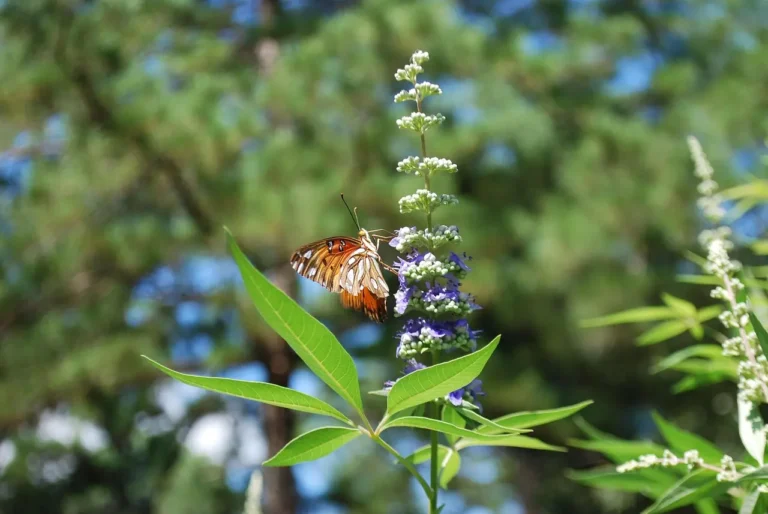
Gomphrena globosa plays a supporting role in pollination networks by providing nectar resources during extended flowering periods. It attracts generalist pollinators, particularly bees of the genus Apis and butterflies such as Danaus plexippus (monarch butterfly), although species-level specificity is not comprehensively documented.
Its persistent inflorescences extend resource availability in seasonal ecosystems where floral continuity is limited. Seed dispersal occurs primarily through passive mechanisms, contributing to local population stability rather than long-distance colonisation.
The species is not considered a keystone or indicator species, but it contributes to biodiversity in disturbed habitats by supporting pollinator communities. Ecological understanding at the species interaction level remains partially unresolved, with limited detailed studies on pollination networks and trophic relationships. This represents a knowledge gap in ecosystem-level research.
| Role Type | Species or Agent Involved | Notes |
|---|---|---|
| Pollination | Apis spp. | Generalist bee pollinators |
| Pollination | Danaus plexippus | Butterfly visitation documented |
| Seed Dispersal | Not documented at species level | Passive dispersal dominant |
Invasive Status
| Region | Status | Impact | Management |
|---|---|---|---|
| Australia (northern regions) | Naturalised | No significant ecological impact documented | No active management required |
Invasive Status Note
The species has naturalised in some tropical regions without demonstrating invasive behaviour or ecological disruption.
Climate And Stress Tolerance
Optimal Climate Parameters
| Parameter | Optimal Range | Tolerance Range | Notes |
|---|---|---|---|
| Mean Annual Temperature | 20–30°C (68–86°F) | 15–35°C (59–95°F) | Based on tropical cultivation data |
| Daytime Temperature | 22–32°C (72–90°F) | 18–38°C (64–100°F) | Growth declines above upper threshold |
| Nighttime Temperature | 18–24°C (64–75°F) | 10–28°C (50–82°F) | Sensitive to cold nights |
| Annual Rainfall | 600–1,200 mm (24–47 in) | 400–1,500 mm (16–59 in) | Performs well in moderate rainfall regions |
| Dry Season Length | 2–4 months | 0–6 months | Tolerates moderate drought periods |
| Relative Humidity | 50–70% | 30–85% | Adaptable across humidity gradients |
| Solar Radiation | High (full sun exposure) | Moderate to high (4–10 hours/day) | Light intensity critical for flowering |
Climate Interpretation
The most limiting factors for the global expansion of Gomphrena globosa are temperature extremes and frost sensitivity. While the species tolerates moderate drought and variable humidity, exposure to temperatures below 10°C (50°F) significantly restricts growth.
The global cultivation envelope extends beyond its native tropical range into warm temperate regions, provided seasonal conditions support its annual life cycle. Solar radiation is also critical, as reduced light intensity limits flowering performance. These constraints define its suitability primarily to tropical, subtropical, and warm temperate climates.
Stress Tolerance Profile
| Stress Type | Tolerance Level | Physiological Response | Notes |
|---|---|---|---|
| Drought | Moderate | Stomatal closure reduces transpiration and conserves water, while osmotic adjustment maintains cell turgor | Supports survival in seasonal dry periods |
| Heat | High | Heat shock proteins stabilise cellular structures and enzymes under elevated temperatures | Maintains metabolic activity |
| Cold or Frost | Low | Reduced enzymatic activity and membrane fluidity lead to cellular damage under freezing conditions | Frost-sensitive |
| Salinity | Low to moderate | Ion compartmentalisation limits sodium toxicity within vacuoles | Limited tolerance reported |
| Waterlogging | Low | Oxygen deprivation reduces root respiration, impairing nutrient uptake | Poor tolerance |
| Air Pollution | Not documented at species level | Not documented at species level | Data gap |
| Wind | Moderate | Flexible stems reduce mechanical damage through bending response | Structural resilience |
| Soil Compaction | Low | Reduced root aeration limits nutrient uptake and growth | Sensitive to dense soils |
Compound Stress
Gomphrena globosa demonstrates resilience under combined heat and drought conditions due to coordinated stomatal regulation and protective biochemical responses. However, tolerance declines sharply when waterlogging is combined with high temperatures, as oxygen limitation disrupts root metabolism.
Interactions between salinity and drought are not well documented at the species level, representing a knowledge gap. Overall, the species performs best under moderate stress combinations typical of seasonal tropical environments, but shows limited adaptability to compound stresses involving excess moisture or low temperatures.
Adaptations And Reproductive Biology
Structural and Physiological Adaptations
The structural adaptations of Gomphrena globosa reflect its origin in open, seasonally dry tropical habitats. The species has evolved compact architecture, protective surface textures, and highly specialised reproductive structures that enable persistence under environmental stress.
The plant’s bract-dominated inflorescences and pubescent surfaces are particularly significant, as they mediate environmental exposure and reproductive efficiency. These features align with its native habitat conditions of high irradiance, intermittent moisture availability, and frequent disturbance.
| Adaptation | Mechanism Description | Ecological Context |
|---|---|---|
| Papery Bract Inflorescences | Structurally reinforced bracts enclose and protect true flowers, maintaining form after desiccation | Enhances reproductive persistence in dry environments |
| Pubescent Leaf and Stem Surfaces | Fine hair layers reduce direct surface exposure and create a boundary layer over epidermis | Limits water loss and protects against high solar radiation |
| Compact Bushy Architecture | Dense branching reduces exposure of individual stems and distributes mechanical stress | Improves survival in open, wind-exposed habitats |
| Fibrous Root System | Dense network of fine roots occupies upper soil layers | Exploits transient surface moisture in disturbed soils |
| Globular Inflorescence Form | Spherical arrangement concentrates reproductive units into a compact structure | Increases pollinator efficiency in resource-sparse environments |
| Short Life Cycle | Morphological development prioritises rapid transition to reproductive phase | Aligns with seasonal rainfall patterns and disturbance cycles |
Climate Change Vulnerability
| Factor | Assessment | Notes |
|---|---|---|
| Primary Climate Sensitivity Factors | Temperature extremes and frost exposure | Growth and reproduction limited below ~10°C (50°F) |
| Key Threatening Climate Processes | Increased frequency of cold events and excessive rainfall | Waterlogging and temperature instability reduce survival |
| Resilience Factors | Drought tolerance and rapid life cycle | Enables persistence under variable precipitation regimes |
| Confidence Level | Moderate | Based on cultivation and ecological observations; limited predictive modelling |
Climate Vulnerability
Current evidence does not include species-specific climate modelling for Gomphrena globosa, so vulnerability assessment is based on observed climatic sensitivities and cultivation data. The species shows resilience to heat and moderate drought, but remains highly vulnerable to frost and prolonged waterlogging.
Climate change scenarios involving increased temperature variability and erratic precipitation could affect its distribution. The confidence level is moderate, as conclusions rely on observational and horticultural datasets rather than predictive ecological models (source class: horticultural and ecological studies).
Phenological Calendar
| Event | Native Range Timing | Cultivated Range Timing | Environmental Triggers |
|---|---|---|---|
| Vegetative Growth Onset | Early rainy season | Spring to early summer | Soil temperature ≥18°C (64°F) |
| Flower Bud Initiation | Mid rainy season | Early to mid-summer | Day length >12 hours and stable warmth |
| Anthesis or Peak Flowering | Late rainy to early dry season | Mid-summer to autumn | Consistent high light intensity and temperatures ≥22°C (72°F) |
| Fruit Development | Late rainy season | Late summer | Post-pollination hormonal signalling |
| Fruit Maturation | Early dry season | Late summer to early autumn | Declining moisture availability |
| Seed Dispersal | Dry season | Autumn | Desiccation of fruit structures |
| Dormancy or Rest Period | Dry season | Winter in temperate regions | Temperature <15°C (59°F) and reduced photoperiod |
Phenological Notes
Phenological progression in Gomphrena globosa is primarily driven by temperature thresholds and photoperiod, with secondary influence from moisture availability. The species exhibits high plasticity across its cultivated range, adjusting flowering and reproductive timing to local climate conditions.
In tropical regions, cycles may extend or overlap, while in temperate zones the life cycle is compressed into a single growing season. This flexibility supports its global cultivation success. For season-by-season management and timing adjustments, see the Seasonal Guide of Globe Amaranth.
Pollination Ecology
The pollination system of Gomphrena globosa is adapted to generalist insect pollination, relying on visual cues rather than scent. Its brightly coloured, persistent bracts attract pollinators over extended periods, while the compact inflorescence structure facilitates efficient foraging. This system reflects an evolutionary strategy suited to environments with fluctuating pollinator availability, ensuring reproductive success through redundancy and extended visibility.
| Parameter | Value | Notes |
|---|---|---|
| Primary Pollinators | Apis mellifera | Widely observed honeybee species |
| Secondary Pollinators | Danaus plexippus | Butterfly visitation recorded |
| Pollination Syndrome | Generalist entomophily | Visual attraction dominant |
| Floral Mechanism | Pollinators land on bract surface and access nectar within tightly packed floral units | Physical guidance through compact structure |
| Reproductive System | Self-compatible | Capable of self and cross-pollination |
| Seed Dispersal Agent | Not documented at species level | Passive dispersal dominant |
| Pollination Success Rate | Moderate to high | Supported by continuous flowering |
| Human Intervention | Biologically feasible | Flower structure allows manual pollen transfer |
Pollination Context
Gomphrena globosa is self-compatible, allowing both self-pollination and cross-pollination, which enhances reproductive reliability. Its reliance on generalist pollinators reduces vulnerability to the decline of any single pollinator species, although broader pollinator loss could still impact seed set.
The extended flowering period further mitigates pollination risk by increasing opportunities for successful fertilisation. Human-assisted pollination is biologically feasible due to accessible floral structures, but is not typically required outside controlled breeding contexts.
Seed Biology and Germination
| Parameter | Value | Notes |
|---|---|---|
| Seed Type | Orthodox | Tolerates drying and storage |
| Dormancy Class | Non-deep physiological dormancy | Mild dormancy mechanisms present |
| Dormancy-breaking Requirement | Light exposure and temperature fluctuation | Enhances germination uniformity |
| Optimal Germination Temperature | 20–30°C (68–86°F) | Consistent with tropical origin |
| Germination Rate | 60–80% | Dependent on seed quality |
| Germination Period | 5–10 days | Under optimal conditions |
| Storage Behaviour | Dry storage at low humidity | Maintains viability |
| Seed Longevity | 1–2 years | Declines after extended storage |
Germination Notes
Germination in Gomphrena globosa is generally reliable but may show variability depending on seed age and storage conditions. Mild dormancy can delay germination in some seed lots, particularly those derived from wild or less-controlled production systems. Temperature and light exposure play critical roles in synchronising germination.
Most available data derives from cultivated seed, and variability in wild populations remains insufficiently documented.
Vegetative Reproduction
| Parameter | Value | Notes |
|---|---|---|
| Vegetative Regeneration Capacity | Low | Limited natural vegetative propagation |
| Primary Regeneration Mechanism | Not documented in available literature | Species primarily reproduces via seed |
| Minimum Propagule Size | Not documented in available literature | Not applicable under natural conditions |
| Ecological or Invasive Significance | Low | Seed-based reproduction limits rapid clonal spread |
Human Interaction
Economic Importance
The global market for Gomphrena globosa is primarily structured around ornamental horticulture and the dried flower trade, with secondary contributions from the herbal and nutraceutical sectors. Production is concentrated in South and Southeast Asia, particularly India and Thailand, where climatic suitability and low-cost cultivation support large-scale output.
Wild harvest plays a minimal role due to the ease of cultivation. Quality differentiation is based on colour intensity and bract integrity, with adulteration risks low but present in processed herbal materials. Supply chains are relatively stable but sensitive to climatic variability, affecting seasonal yield.
| Use Category | Description | Economic Impact |
|---|---|---|
| Ornamental Floriculture | Fresh and dried cut flowers for decorative use | High global demand, especially in dried flower markets |
| Herbal Products | Infusions and extracts used in traditional systems | Moderate, regionally concentrated |
| Natural Dyes | Pigment extraction from bracts | Niche commercial application |
| Landscape Horticulture | Bedding and container plant | Moderate, stable demand |
| Summary Economic Assessment | Multi-sector ornamental and niche medicinal plant with stable global demand and low supply risk | Moderate to high economic value |
Traditional Uses
| Use Category | Knowledge System | Region or Cultural Group | Practice Summary | Documentation Level | Source |
|---|---|---|---|---|---|
| Respiratory Remedies | Ayurveda | India | Flower infusions used for cough and bronchial conditions | Well documented | Pharmacopoeia |
| Anti-inflammatory Use | Traditional Chinese Medicine | China | Decoctions used for inflammatory conditions | Moderately documented | Government herbal database |
| Fever Treatment | Southeast Asian ethnomedicine | Thailand, Vietnam | Herbal teas used to reduce fever | Moderately documented | Peer-reviewed ethnobotanical study |
| Digestive Support | Unani medicine | South Asia | Plant extracts used for digestive balance | Moderately documented | Pharmacopoeia |
| Skin Applications | Latin American ethnomedicine | Brazil, Peru | Topical preparations for minor skin issues | Limited documentation | Ethnobotanical records |
| General Tonic | Folk medicine | South America | Used as general health tonic | Limited documentation | Government flora database |
Traditional Use Summary
The traditional uses of Gomphrena globosa are concentrated in South Asia, East Asia, and parts of South America, with Ayurveda and Traditional Chinese Medicine representing the most structured knowledge systems. These practices remain active and widely used, particularly in herbal infusions and home remedies.
In Latin America, uses are more locally documented and less systematised. The geographic concentration of traditional knowledge contrasts with its global ornamental distribution, creating a gap between cultural origin and commercial application. For cultural narratives and public-interest context, see Quick Facts about Globe Amaranth.
Regional Ethnobotanical Context
The ethnobotanical history of Gomphrena globosa reflects a transition from indigenous use in Central and South America to widespread adoption in Asian medicinal systems. Its introduction into South and Southeast Asia likely occurred through early trade networks, where it was incorporated into established herbal traditions.
Over time, the plant became embedded in local pharmacopoeias and domestic health practices. This cross-cultural integration demonstrates both adaptability of the species and the dynamic transmission of plant knowledge across regions, though original indigenous contexts are less comprehensively documented.
Traditional Ecological Knowledge
No documented Traditional Ecological Knowledge practices specific to Gomphrena globosa have been identified beyond its use as an ornamental and medicinal plant. It is not widely recorded as a component of agroforestry systems, soil management strategies, or ecological indicator frameworks. This represents a research gap, particularly given its adaptability to disturbed habitats and potential role in low-input agricultural systems.
Ethical Considerations
Gomphrena globosa originates from Central and South America, where its earliest uses are associated with indigenous ethnobotanical knowledge systems. However, detailed documentation of these original practices is limited compared to the extensive records available from South Asian and East Asian systems such as Ayurveda and Traditional Chinese Medicine. This uneven documentation reflects both historical research focus and the integration of the species into formalised medicinal systems outside its native range.
No documented Access and Benefit-Sharing (ABS) case under the Nagoya Protocol has been identified for Gomphrena globosa. Similarly, there are no widely reported cases of biopiracy allegations or patent disputes directly associated with this species. This may reflect its relatively low commercial value compared to major medicinal crops, as well as its widespread cultivation, which reduces dependence on wild genetic resources.
Commercial development is geographically disconnected from the origin of traditional knowledge in many cases. While South Asia dominates production and medicinal application, the original cultural contexts in the Americas are less represented in commercial narratives. This creates a subtle attribution gap, where benefits accrue primarily in regions of cultivation rather than origin.
Researchers and commercial developers should prioritise accurate attribution of knowledge systems and avoid generalising region-specific uses as globally traditional. Engagement with local knowledge holders, particularly in under-documented regions, is recommended where new applications or commercial products are developed. Transparent sourcing and adherence to international biodiversity frameworks remain best practice, even in the absence of formal ABS requirements.
Cultural Significance
The cultural significance of Gomphrena globosa is most strongly expressed through its ornamental value and symbolic associations with longevity and endurance, derived from its persistent, non-fading flowers. In South and Southeast Asia, it is commonly used in decorative garlands and festival displays, where its vibrant colours and durability make it a preferred choice. In Western horticultural contexts, it is valued primarily for aesthetic qualities in gardens and dried arrangements, with less symbolic meaning attached.
The plant’s cultural role is therefore geographically concentrated, with deeper symbolic integration in Asian contexts and primarily aesthetic appreciation elsewhere. Its long-lasting flowers have also contributed to its association with remembrance and continuity in some cultural settings. Public interest in the species is sustained through gardening communities and the global dried flower market, where it remains a recognisable and widely appreciated ornamental plant.
Recommended Products
Disclosure: As an Amazon Associate, PlantsInfo may earn from qualifying purchases.
🌱 Plant Care Essentials
The following tools can help with pruning, plant health, soil management, and fruit garden maintenance.

Neem Oil for Plant Care
Natural plant protection against aphids, whiteflies, mites, and other common garden pests.

Fungicide for Root Care
Helps suppress soil-borne fungal diseases and supports healthier root systems.

Spray Bottle for Plants
Ideal for applying foliar sprays, neem oil solutions, and liquid plant treatments.

Rubber Hand Gloves
Protects hands during pruning, planting, soil preparation, and garden maintenance.
Applied Cultivation Knowledge
Cultivation Summary
| Parameter | Value | Notes |
|---|---|---|
| Hardiness or Climate Zone | Tropical to warm temperate (USDA Zones 9–11 as perennial; annual elsewhere) | Reflects global cultivation range |
| Soil pH Range | 6.0–7.5 | Slightly acidic to neutral preferred |
| Moisture Sensitivity | Moderate; sensitive to waterlogging | Well-drained conditions required |
| Light Sensitivity | Full sun preferred; tolerates partial shade | High light required for optimal flowering |
| Productive Lifespan | 3–5 months (annual cycle) | For propagation and management details, see How to Grow Globe Amaranth |
Pest, Disease, and Physiological Burden Summary
Gomphrena globosa is generally resilient but may be affected by aphids (Aphis gossypii), spider mites (Tetranychus urticae), and fungal pathogens such as Alternaria spp. Physiological stressors include waterlogging and nutrient imbalance. Overall burden is moderate and primarily documented in horticultural systems. Data is regionally concentrated and not fully global. For diagnosis, treatment, and prevention, see Problems and Diseases about Globe Amaranth.
Failure Points and Commercial Risks
| Risk | Cause | Commercial Impact | Mitigation Domain |
|---|---|---|---|
| Frost Injury | Exposure to low temperatures | Crop loss in temperate regions | Agronomic |
| Root Rot | Excess soil moisture | Reduced plant survival and yield | Agronomic |
| Flower Quality Decline | Insufficient light intensity | Lower market value in ornamental trade | Infrastructural |
| Cultivar Mismatch | Inappropriate variety selection for climate | Reduced performance and uniformity | Genetic |
Conservation And Research
Conservation Analysis
The conservation status of Gomphrena globosa is not defined by immediate species-level extinction risk, but by the relative obscurity of its wild genetic diversity. The species is widely cultivated and naturalised, which buffers against direct population decline. However, this widespread cultivation may mask erosion of native genetic variation, particularly in Central and South America, where original populations are less studied. The primary risk is therefore genetic rather than ecological.
Commercial cultivation has reduced pressure on wild populations, as demand is largely met through seed-based propagation. This contrasts with species reliant on wild harvest. However, the dominance of a limited number of cultivars in global horticulture raises concerns about genetic narrowing. Such homogenisation can reduce resilience to emerging pests, diseases, or climatic shifts.
Long-term sustainability depends on maintaining diverse germplasm pools, including wild-type populations. Conservation priorities should therefore focus on documenting native genetic diversity and integrating it into breeding and research programmes to ensure adaptive capacity under changing environmental conditions.
Conservation Status
| Parameter | Value | Notes | Source |
|---|---|---|---|
| IUCN Red List Category | Not Evaluated | No formal global assessment available | IUCN Red List https://www.iucnredlist.org/ accessed 2026-05-02 |
| IUCN Red List Criteria | Not applicable | Species not assessed | IUCN Red List https://www.iucnredlist.org/ accessed 2026-05-02 |
| Population Trend | Stable (inferred) | Based on widespread cultivation and naturalisation | Kew POWO; government flora databases |
| Date of Assessment | Not applicable | No formal assessment conducted | IUCN Red List https://www.iucnredlist.org/ accessed 2026-05-02 |
| Geographic Scope of Assessment | No global assessment; inference based on cultivation and distribution data | Regional ecological data only | Kew POWO |
| Threats Summary | Genetic erosion, habitat transformation in native range | Lack of wild population monitoring | Kew POWO; peer-reviewed ecological studies |
Conservation Status
Gomphrena globosa does not currently face documented extinction risk, but its conservation profile is shaped by the contrast between widespread cultivation and limited data on wild populations. Cultivation reduces harvesting pressure, yet may contribute to genetic homogenisation. The absence of a formal global assessment limits precision in conservation planning and underscores the need for baseline population studies in its native range.
Research Coverage and Knowledge Gaps
| Research Topic | Coverage Level | Key Gaps | Priority |
|---|---|---|---|
| Phytochemistry | Moderate | Compound quantification variability | High |
| Clinical Pharmacology | Low | Lack of human trials | High |
| Ecological Interactions | Low | Pollination network specificity | Medium |
| Genetic Diversity | Low | Wild population genotyping absent | High |
Research Landscape
Research on Gomphrena globosa is moderately active but unevenly distributed. Most studies originate from South Asia and parts of South America, reflecting both cultivation importance and traditional use. The literature is dominated by small-scale academic studies, with limited large-scale or industry-funded research. This results in a fragmented knowledge base, where phytochemical and pharmacological findings are not consistently standardised. The geographic concentration of research limits global applicability, particularly in ecological and genetic domains. Overall, the research landscape is developing but lacks integration across disciplines.
Priority Knowledge Gaps
The most critical knowledge gap for Gomphrena globosa lies in the lack of comprehensive genetic characterisation of wild populations across its native range. Without baseline genotyping data, it is not possible to assess the extent of genetic erosion or identify valuable traits for breeding programmes. This gap limits the ability to develop resilient cultivars capable of adapting to climate variability and emerging biotic stressors.
Phytochemical research has identified key compounds such as gomphrenins, but quantitative variation across ecotypes and environmental conditions remains poorly understood. This constrains both pharmacological standardisation and commercial extraction processes. Similarly, the absence of human clinical trials prevents validation of widely marketed therapeutic claims, limiting regulatory recognition and safe integration into formal healthcare systems.
Ecological research is also underdeveloped, particularly in relation to pollination networks and species interactions in native habitats. This limits understanding of the species’ ecological role and resilience. Addressing these gaps would enable more reliable medicinal applications, improved breeding strategies, and better-informed conservation planning at a global scale.
Interesting Facts
Flowers That Never Truly Fade
The colourful structures of globe amaranth are not petals but specialised bracts. These bracts retain pigmentation even after drying due to stable betalain compounds. This property makes the species one of the most durable natural ornamentals.
Betalains Instead of Anthocyanins
Unlike most flowering plants, Gomphrena globosa produces betalain pigments instead of anthocyanins (peer-reviewed systematic reviews). These pigments are mutually exclusive with anthocyanins at the biochemical level. This makes the species chemically distinctive within flowering plants.
A Flower That Supports Pollinators in Dry Seasons
The plant continues flowering during periods when many species cease reproduction. This provides a consistent nectar source for generalist pollinators. It plays a stabilising role in seasonal ecosystems.
Global Plant With Local Knowledge Roots
Although native to the Americas, its medicinal knowledge is more developed in Asia. This reflects historical plant exchange and knowledge transfer across continents. It is an example of cross-cultural botanical integration.
Navigation And Reference
Frequently Asked Questions
Identification and Biology
What makes globe amaranth flowers look so unusual?
The visible “flower” is actually a cluster of papery bracts that surround small true flowers. These bracts are brightly coloured and retain their structure after drying. This structural adaptation enhances pollinator attraction and long-term visibility. It also distinguishes the species from most ornamentals, where petals provide the primary visual signal.
Is globe amaranth a perennial or an annual plant?
Gomphrena globosa is biologically an annual plant that completes its life cycle within one growing season. In frost-free tropical climates, it may behave as a short-lived perennial. However, in most cultivated regions, it is grown as an annual due to sensitivity to low temperatures and frost conditions.
Cultivation Overview
Why does globe amaranth require full sunlight?
The species relies on high solar radiation to support both growth and flowering. Light intensity directly influences energy production and the development of its characteristic inflorescences. Reduced light conditions lead to weaker growth and fewer flowers. This requirement reflects its origin in open, sun-exposed habitats.
Can globe amaranth tolerate drought conditions?
The plant shows moderate drought tolerance due to physiological mechanisms that reduce water loss. It can survive short periods of limited moisture without significant damage. However, prolonged drought may reduce flowering and overall vitality. Its tolerance is sufficient for seasonal dry climates but not for extreme arid environments.
Origin and Conservation
Where did globe amaranth originally come from?
The species is native to tropical regions of Central and South America. It evolved in open, seasonally dry environments with high sunlight exposure. Over time, it was introduced to other regions and is now widely cultivated globally. Its native genetic diversity remains less studied than its cultivated forms.
Is globe amaranth considered endangered?
There is no formal IUCN Red List assessment for this species. It is widely cultivated and naturalised, which suggests stable global populations. However, the status of wild populations in their native range is not well documented. This creates uncertainty about long-term genetic conservation.
Phytochemistry and Uses
Does globe amaranth really have medicinal benefits?
Laboratory studies show antioxidant and anti-inflammatory properties linked to betalains and flavonoids. Traditional systems such as Ayurveda and Traditional Chinese Medicine use it for respiratory and inflammatory conditions. However, no human clinical trials have confirmed these effects. This creates a gap between traditional use and scientific validation.
Why are betalains in globe amaranth scientifically important?
Betalains are rare plant pigments that replace anthocyanins in certain plant groups. They have strong antioxidant properties and contribute to the plant’s colour stability. Their presence provides insight into plant evolutionary chemistry. This makes the species valuable for both research and natural product applications.
Conclusion
Gomphrena globosa stands out as a globally cultivated species that combines ornamental durability, ecological adaptability, and emerging pharmacological interest. Its persistent inflorescences and betalain chemistry distinguish it both visually and biochemically within the plant kingdom. The species bridges horticulture, traditional medicine, and scientific research, making it relevant across multiple disciplines.
The central challenge lies in the imbalance between widespread cultivation and limited understanding of its wild genetic diversity and clinical potential. Without robust genetic and pharmacological data, both conservation planning and medicinal validation remain incomplete. This gap constrains the species’ full utilisation and long-term resilience.
Future research should prioritise genomic studies, standardised phytochemical profiling, and clinical validation of traditional uses. Expanding ecological research in native habitats will further strengthen conservation strategies.
References
A. Primary Taxonomic Sources
Kew Science. (2026). Gomphrena globosa L. — Plants of the World Online. Royal Botanic Gardens, Kew.
https://powo.science.kew.org/ (accessed May 2, 2026)
B. Peer-Reviewed Literature
Cai, Y., Sun, M., & Corke, H. (2005). Characterization and application of betalain pigments. Journal of Agricultural and Food Chemistry, 53(3), 552–560.
https://doi.org/10.1021/jf048239b
Kanner, J., Harel, S., & Granit, R. (2001). Betalains as antioxidants in plant tissues. Journal of Agricultural and Food Chemistry, 49(11), 5178–5185.
https://doi.org/10.1021/jf010456f
Khan, M. I. (2016). Stabilization of betalains: A review. Food Chemistry, 197, 1280–1285.
https://doi.org/10.1016/j.foodchem.2015.11.043
Rahman, A. H. M. M., & Gulshana, M. I. A. (2014). Taxonomy and medicinal uses of the Amaranthaceae family of Rajshahi, Bangladesh. Applied Ecology and Environmental Sciences, 2(2), 54–59.
https://doi.org/10.12691/aees-2-2-3
Esatbeyoglu, T., Wagner, A. E., Schini-Kerth, V. B., & Rimbach, G. (2015). Betanin—A food colorant with biological activity. Molecular Nutrition & Food Research, 59(1), 36–47.
https://doi.org/10.1002/mnfr.201400484
C. Monographs, Books, and Technical Reports
World Health Organization. (1999). WHO monographs on selected medicinal plants (Vol. 1). WHO Press.
D. Databases and Authoritative Online Resources
IUCN. (2026). The IUCN Red List of Threatened Species. Version 2026-1.
https://www.iucnredlist.org/ (accessed May 2, 2026)
Food and Agriculture Organization (FAO). (2026). FAOSTAT Database.
https://www.fao.org/ (accessed May 2, 2026)
E. Grey Literature
National Medicinal Plants Board. (2020). Medicinal Plants of India: Revised Database and Trade Profiles. Ministry of AYUSH, Government of India.
Government of India, Ministry of AYUSH. (2019). State-wise status of medicinal plants cultivation and usage. New Delhi: Government of India Publications.