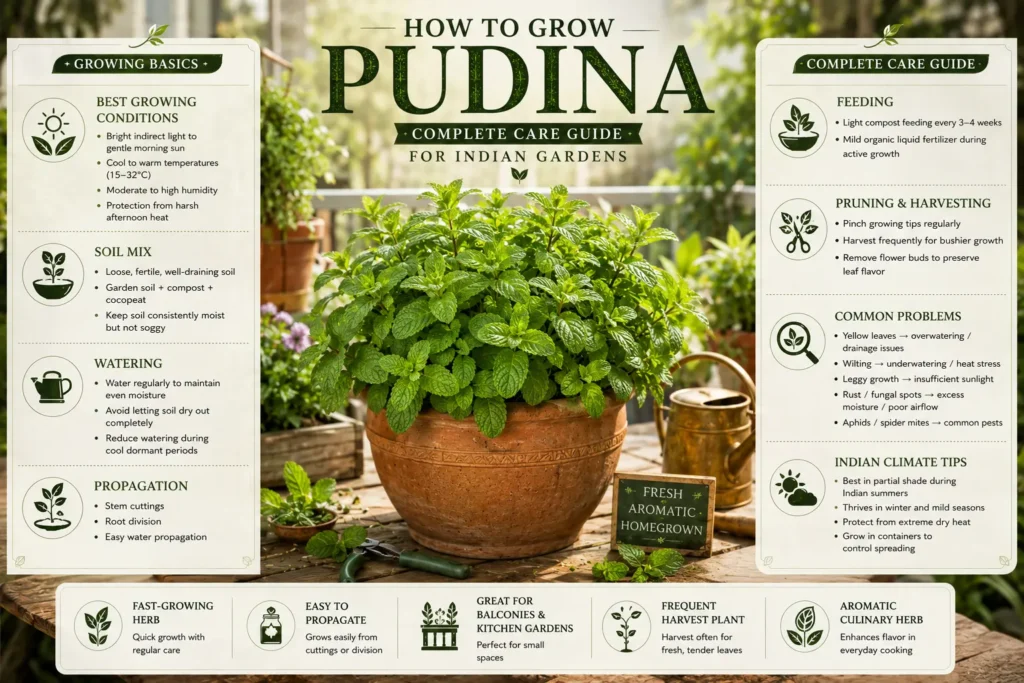
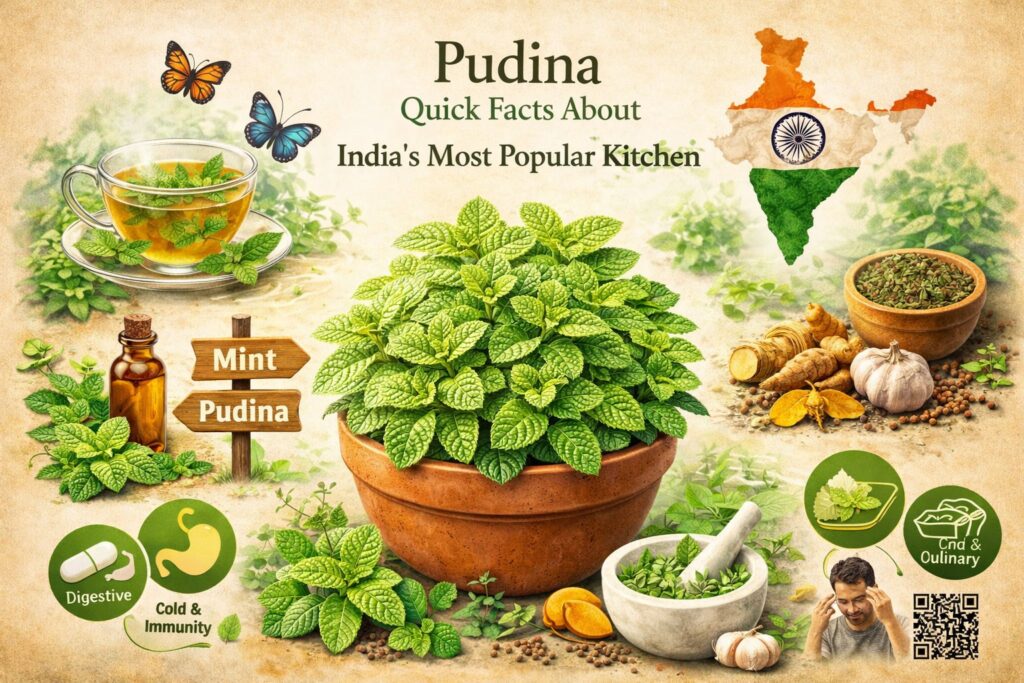
How to Grow Pudina: Complete Care Guide for Indian Gardens

Quick Answer: Pudina is easy to grow at home in containers or ground. It needs moist soil, 4–6 hours of sunlight, and regular watering. The biggest mistake beginners make is planting it directly in the ground — pudina spreads aggressively and will take over your garden.
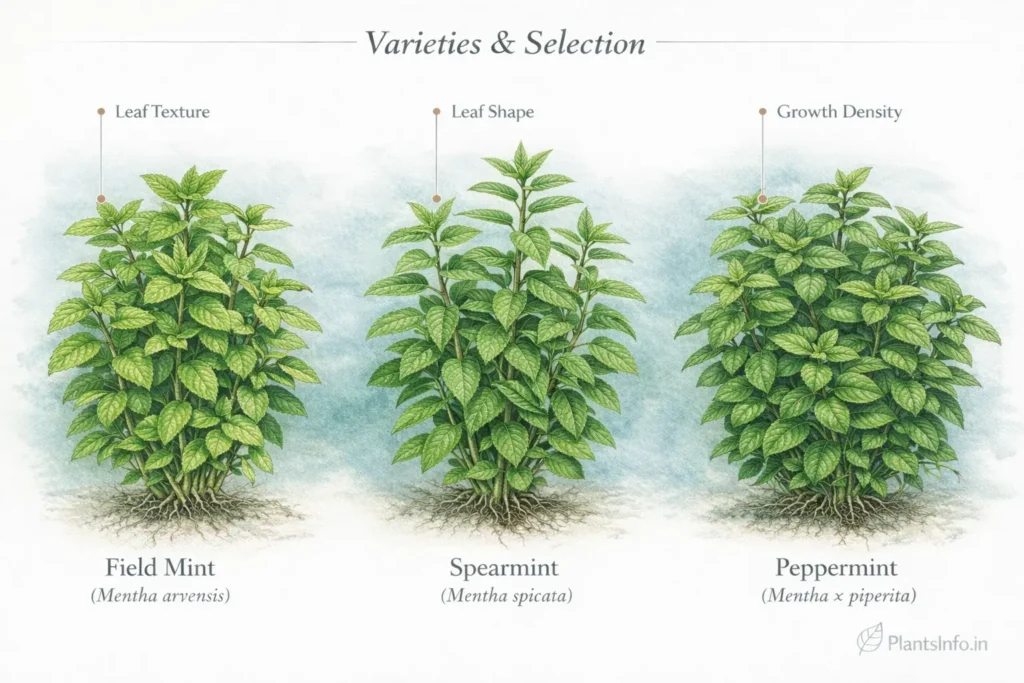
See also: Mint Plant plant profile, common problems, its flowering season, its benefits, and its varieties.
Walk past a kitchen garden in summer, and that cool, sharp fragrance cutting through the heat is pudina. This herb grows so easily in Indian conditions that it almost feels like cheating — cuttings root in days, leaves regrow after harvest, and a single plant can supply your kitchen for months. The challenge isn’t getting pudina to grow; it’s keeping it from spreading everywhere.
Recommended Products
Disclosure: As an Amazon Associate, PlantsInfo may earn from qualifying purchases.
🌱 Growing Essentials
The following products can help with container gardening, potting, root development, soil management, and healthy plant growth.
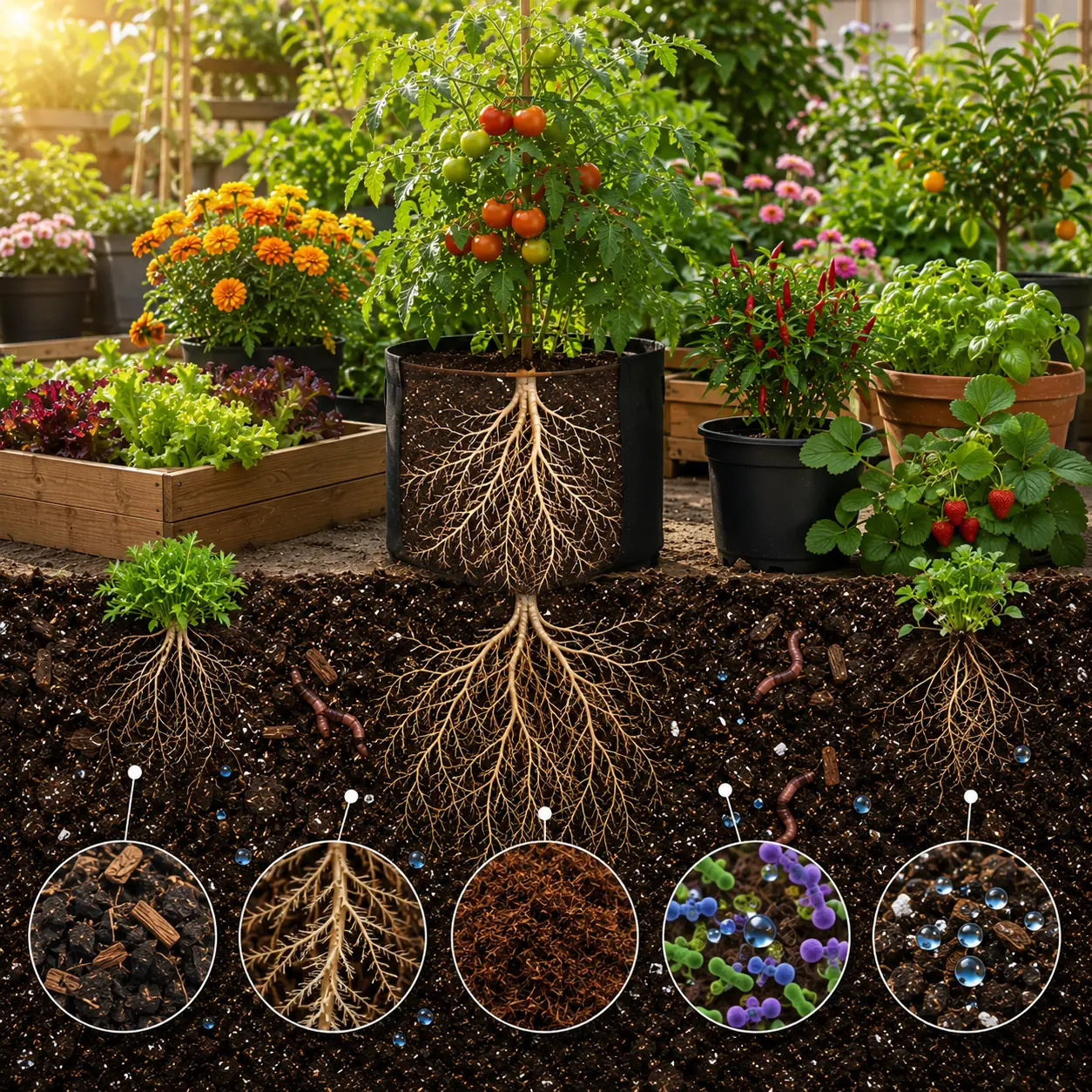
Organic Potting Soil Mix
Provides nutrients, structure, and healthy growing conditions for container plants.
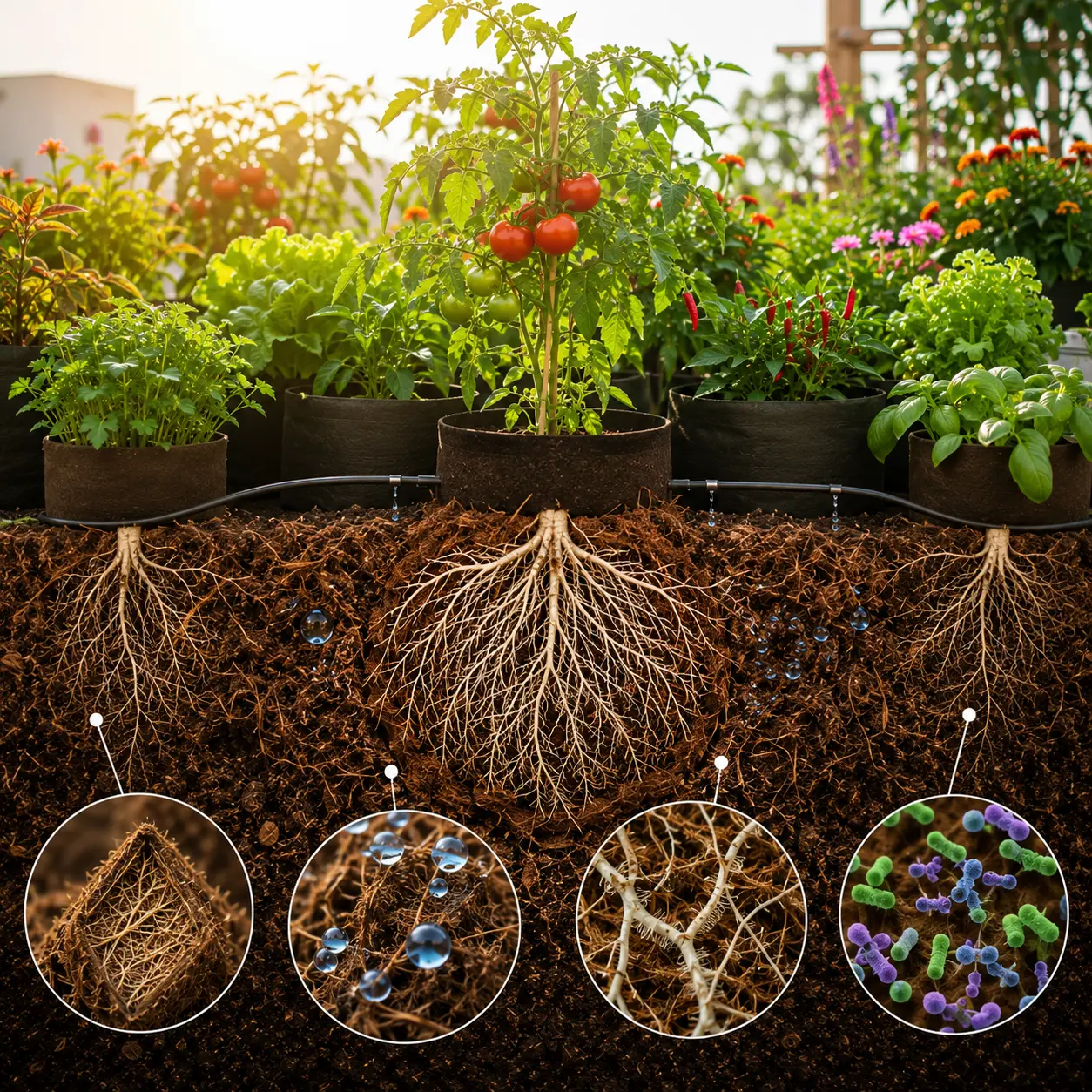
Coco Peat Growing Medium
Enhances moisture retention while maintaining excellent root-zone aeration.

Grow Bags for Plants
Improve drainage, root aeration, and vegetable production in limited spaces.

Plastic Pots for Plants
Ideal containers for seedlings, ornamentals, herbs, and balcony gardens.
Difficulty level: Easy
Most people plant pudina in the ground and then spend the next year pulling runners out of their vegetable beds. Containers solve this completely.
Quick Facts
| Attribute | Detail |
|---|---|
| Common names | Pudina, Mint, Spearmint, Garden Mint |
| Scientific name | Mentha spicata |
| Plant type | Perennial herb |
| Mature size | 30–60 cm tall, spreads indefinitely |
| Sunlight | Partial shade to full sun (4–6 hours) |
| Water needs | High — keep soil consistently moist |
| Best season to plant | October–February (cooler months) or early spring |
| Suitable states | All India — especially Uttar Pradesh, Punjab, West Bengal, Maharashtra |
Choosing the Right Spot
Pudina tolerates a range of light conditions but grows best with morning sun and afternoon shade, especially in hot regions. Four to six hours of sunlight is ideal. Full afternoon sun in May can scorch the leaves.
If growing in the ground, choose a spot you can contain with barriers — pudina sends out horizontal runners that pop up metres away from the mother plant. Containers work better. Wide, shallow pots allow the plant to spread without escaping.
Space individual plants 30–45 cm apart if planting multiples. Keep containers away from walls that trap heat.
Soil and Potting Mix
Pudina prefers rich, well-draining soil with a pH between 6.0 and 7.0. It tolerates slightly acidic to neutral soil but struggles in heavy clay.
For containers, mix equal parts garden soil, compost, and cocopeat. Add a handful of vermicompost for nutrients. The mix should hold moisture without becoming waterlogged.
In the ground, work compost or aged cow dung into the soil before planting. Pudina is a heavy feeder and responds well to organic matter.
Planting Pudina
From cuttings (easiest method): Take a 10–15 cm stem cutting from a healthy plant. Remove lower leaves and place the stem in a glass of water. Roots appear within 5–7 days. Once roots are 2–3 cm long, transplant into soil.
From seeds: Sow seeds on the soil surface and press them in lightly — don’t bury them. Keep soil moist. Germination takes 10–15 days. Thin seedlings to 30 cm spacing once they have 3–4 true leaves.
From nursery plants: Transplant in the evening. Water thoroughly after planting. Keep the soil moist for the first week while roots establish.
October to February is the best planting window. Early spring also works if you can provide regular water.
Watering Schedule
This is where most people get it wrong. Pudina needs consistently moist soil, not wet, not dry. Check the soil daily in summer. If the top 2 cm feels dry, water deeply.
In containers, pudina may need watering twice a day during peak summer. In the ground, deep watering every other day works better than daily light sprinkling.
During monsoon, reduce watering — pudina tolerates short dry spells better than waterlogging. Ensure pots have drainage holes.
Winter watering drops to twice a week unless rainfall is absent.
Feeding Your Pudina
Pudina responds well to organic fertilizers. Mix a handful of compost into the soil every month during the growing season. Liquid cow dung fertilizer diluted 1:10 works well — apply every 15 days.
For faster growth, use a balanced NPK fertilizer diluted to half strength once a month. Nitrogen promotes leaf growth, which is what you’re harvesting.
Yellowing older leaves signal nitrogen deficiency. Top-dress with compost or apply diluted urea solution.
Pruning and Pinching
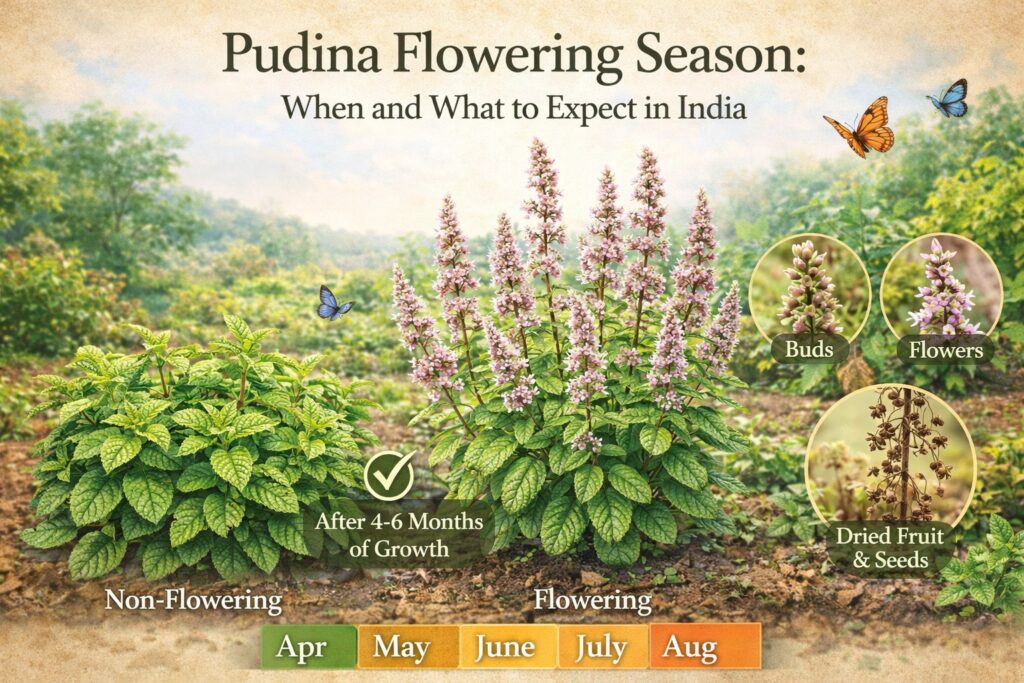
This is the secret to bushy, productive pudina. Pinch off the growing tips every 2–3 weeks to encourage branching. Remove any flower buds as soon as they appear — flowering makes leaves bitter.
Cut back the entire plant by one-third if it becomes leggy. New growth emerges within a week.
Regular harvesting is itself a form of pruning. Pick leaves from the top to stimulate lower growth.
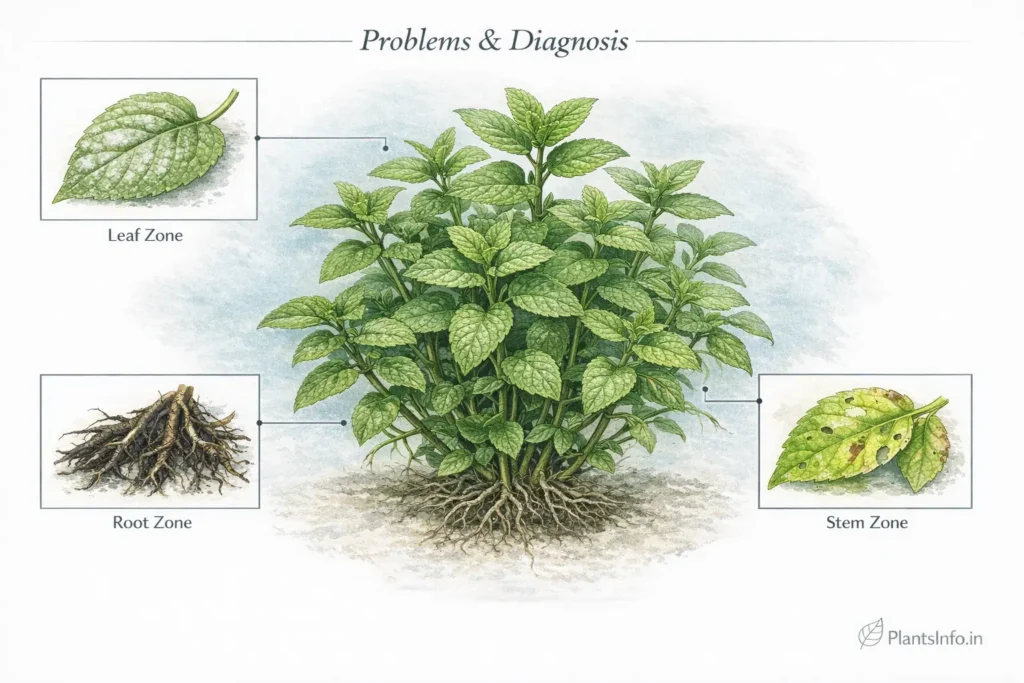
Common Problems and Solutions
Powdery mildew (white powder on leaves): Caused by poor air circulation and high humidity. Space plants wider. Remove affected leaves. Spray diluted neem oil.
Aphids (tiny green insects on new growth): Spray with soapy water (5 ml dish soap per litre). Repeat every 3 days until clear.
Spider mites (fine webbing, yellowing leaves): Increase humidity around the plant. Spray the underside of leaves with water. Apply neem oil if infestation persists.
Yellowing leaves: Usually nitrogen deficiency or overwatering. Check drainage. Feed with compost.
Rust (orange spots on leaves): Remove affected leaves immediately. Avoid overhead watering. Improve air circulation.
Harvesting Pudina
You can start harvesting when the plant reaches 15–20 cm tall, usually 40–50 days after planting.
For the best flavour, harvest in the morning after the dew dries. Cut stems 2–3 cm above the soil — this encourages new growth from the base.
Avoid taking more than one-third of the plant at once. Regular light harvesting keeps the plant producing.
Pudina leaves are most aromatic before flowering. Once flowers appear, the flavour turns slightly bitter.
Growing Pudina Indoors
Pudina adapts well to indoor growing if you provide enough light. Place containers near a sunny window that gets 4–5 hours of direct light, or use grow lights.
Indoor plants need less water than outdoor ones, but the soil should never dry out completely. Mist leaves occasionally to maintain humidity.
Rotate pots weekly so all sides get equal light. Indoor pudina grows more slowly but stays productive year-round.
Overwintering and Year-Round Care
In most of India, pudina grows year-round with minimal care. In very cold regions, growth slows in winter. Mulch around the base with dry leaves to protect roots.
Container plants can be moved to a sheltered spot during extreme cold. Cut back the plant in late winter to stimulate fresh spring growth.
Pudina dies back in temperatures below 5°C but regrows from roots once the weather warms.
Conclusion
Pudina rewards minimal effort with maximum output. Keep the soil moist, harvest regularly, and control its spread—that’s the entire care routine.