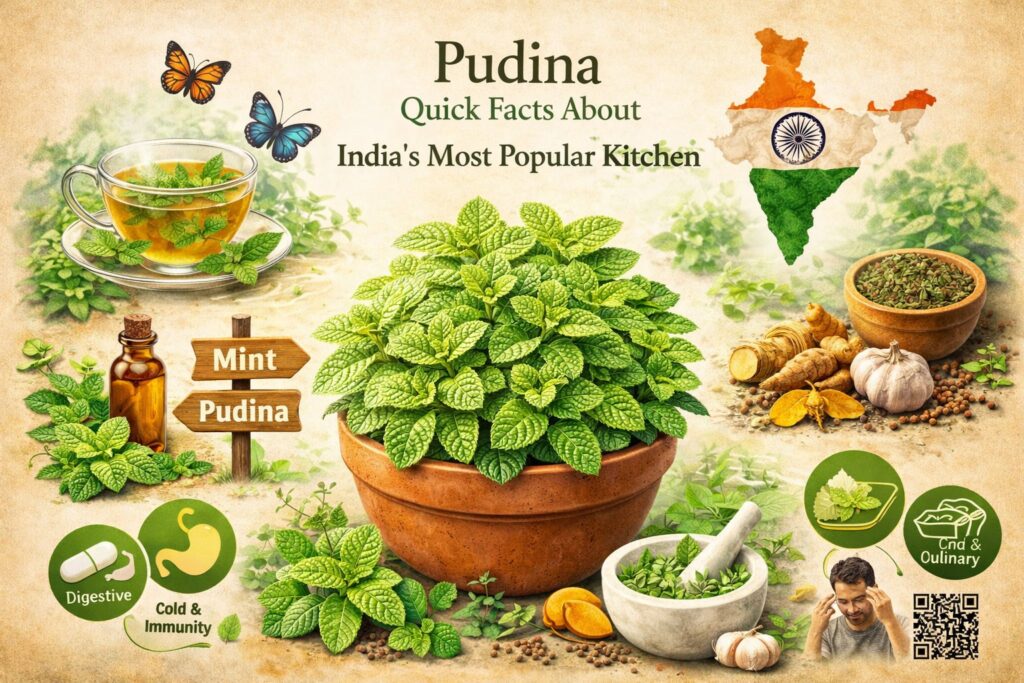
Pudina Benefits: Health Uses and Ayurvedic Properties of Mint
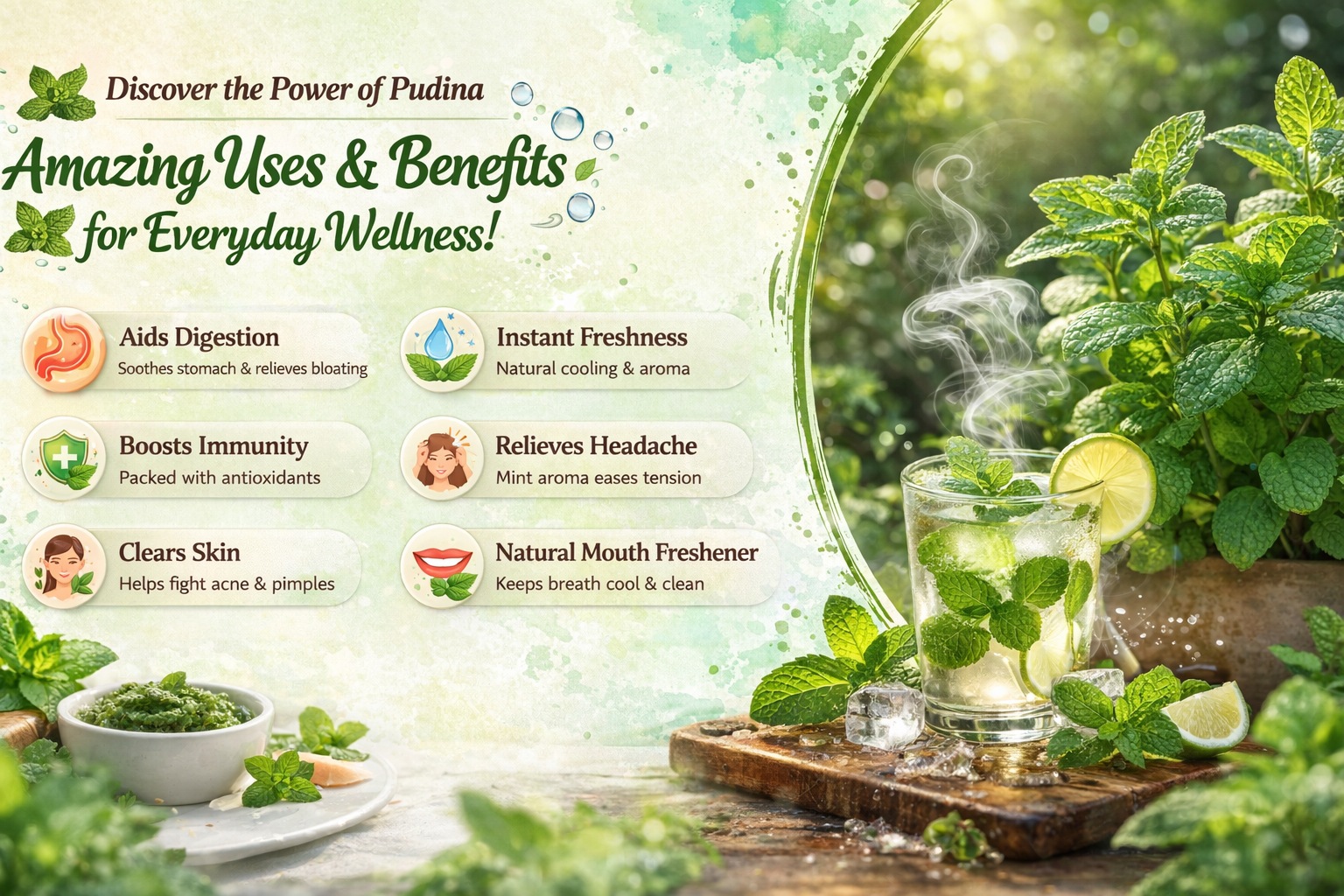
Quick Answer: Pudina aids digestion, relieves stomach discomfort, and provides a natural cooling effect. It’s used in Ayurveda to balance pitta dosha, soothe headaches, and freshen breath. The leaves are rich in antioxidants and have antimicrobial properties.
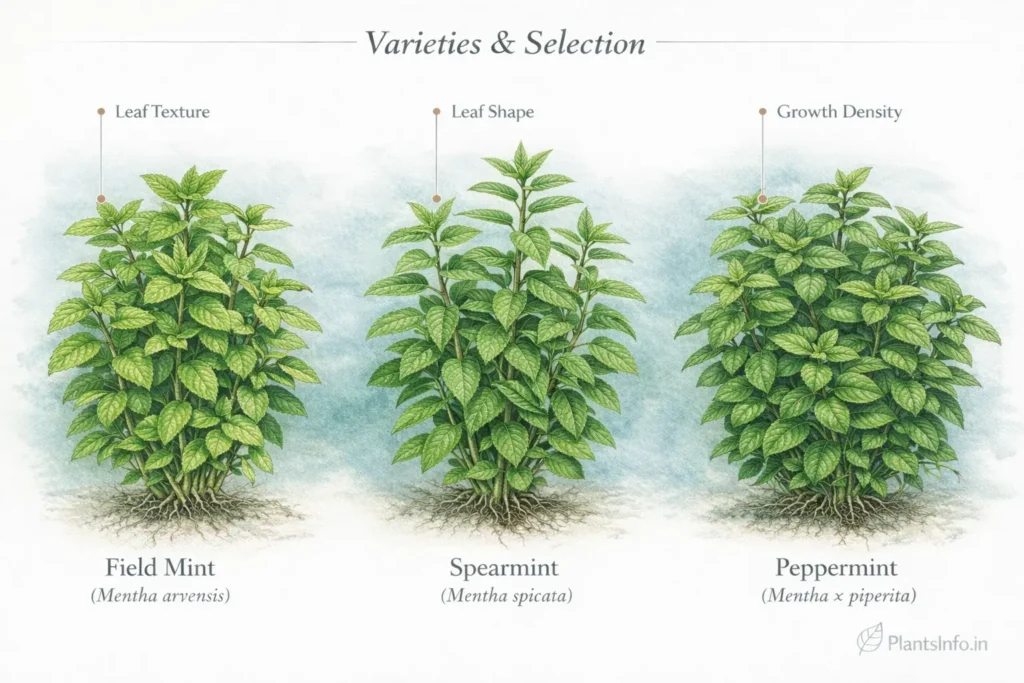
See also: Mint Plant plant profile, how to grow it, common problems, its flowering season, and its varieties.
A spoonful of pudina chutney with your meal isn’t just about flavour — your grandmother knew it helped digest heavy food. Traditional Indian kitchens have used this herb for centuries, not because someone read a study, but because it works. What Ayurveda calls balancing pitta, modern research describes as soothing digestive inflammation and relaxing intestinal muscles.
Recommended Products
Disclosure: As an Amazon Associate, PlantsInfo may earn from qualifying purchases.
🌱 Growing Essentials
The following products can help with container gardening, potting, root development, soil management, and healthy plant growth.

Organic Potting Soil Mix
Provides nutrients, structure, and healthy growing conditions for container plants.
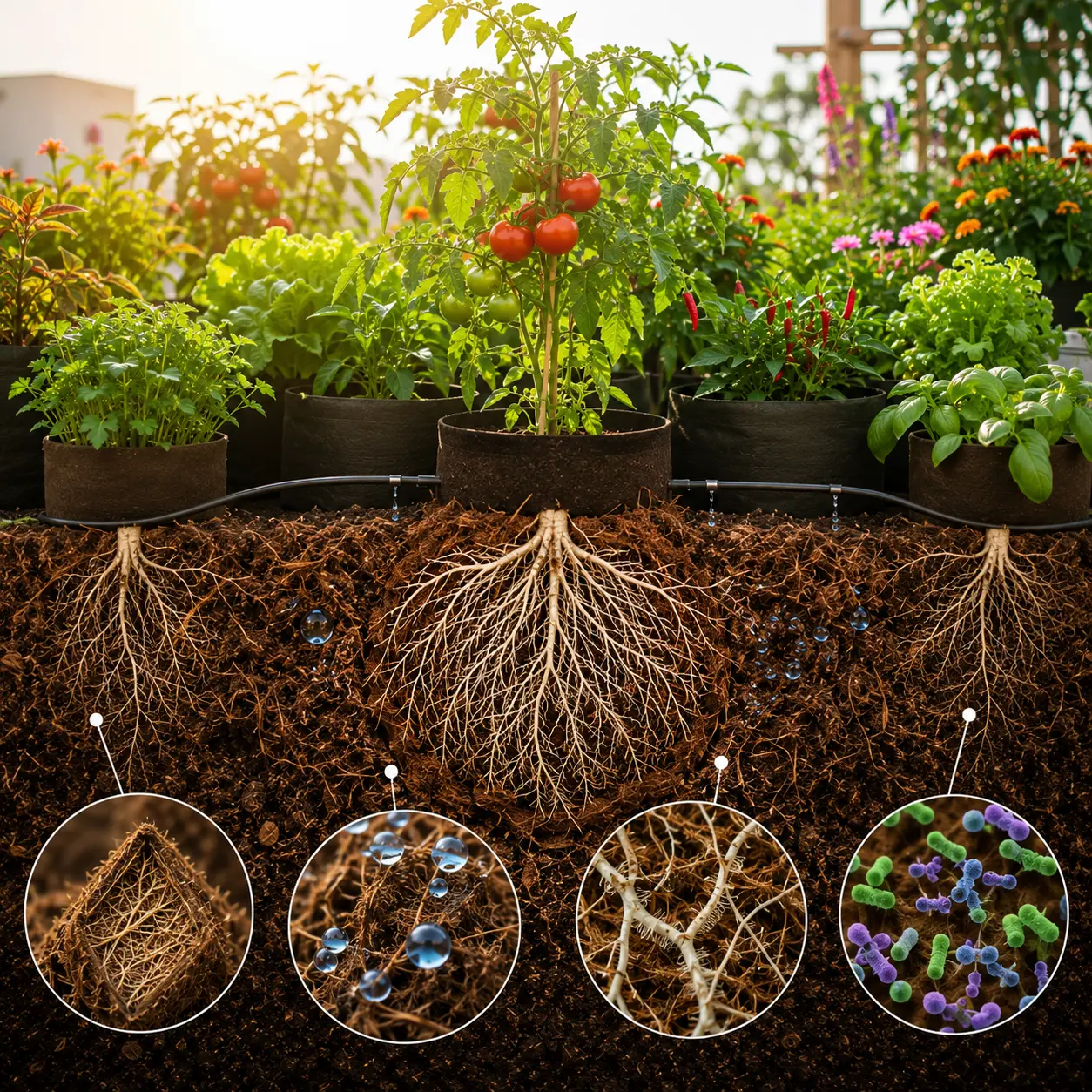
Coco Peat Growing Medium
Enhances moisture retention while maintaining excellent root-zone aeration.

Grow Bags for Plants
Improve drainage, root aeration, and vegetable production in limited spaces.

Plastic Pots for Plants
Ideal containers for seedlings, ornamentals, herbs, and balcony gardens.
Pudina’s cooling properties make it valuable year-round, but especially during Indian summers when internal heat builds from spicy food and external temperatures.
Nutritional Value of Pudina
Fresh pudina leaves are low in calories but high in vitamins A and C. They contain iron, calcium, potassium, and manganese. The essential oil in the leaves — primarily menthol, menthone, and menthyl acetate — gives pudina its characteristic aroma and most of its medicinal effects.
A 100-gram serving of fresh pudina provides significant amounts of folate and dietary fibre. The leaves also contain rosmarinic acid, a plant compound with anti-inflammatory properties.
Digestive Health Benefits
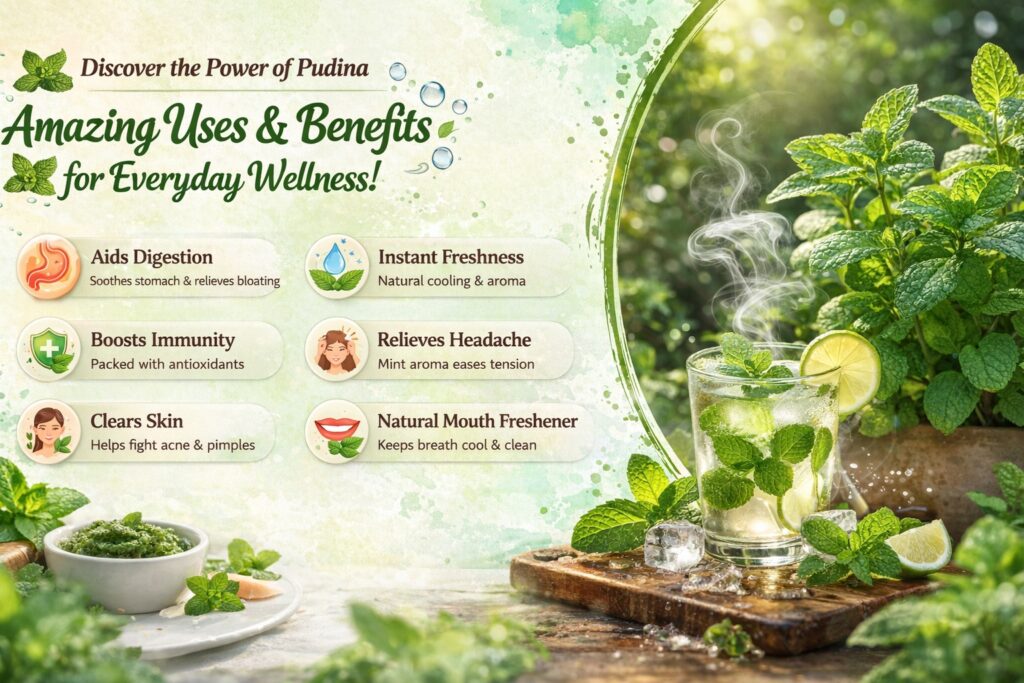
Pudina’s primary traditional use addresses digestion. The menthol in pudina leaves relaxes the smooth muscles of the digestive tract, reducing spasms and discomfort.
Research supports this traditional use. Studies show peppermint oil capsules reduce symptoms in people with irritable bowel syndrome, including abdominal pain, bloating, and gas.
Pudina stimulates digestive enzymes, helping break down food more efficiently. This is why it’s served as chutney with heavy meals in Indian cuisine — the timing isn’t accidental.
For indigestion, chew 4–5 fresh pudina leaves after meals or drink pudina tea made by steeping crushed leaves in hot water for 5 minutes. The relief usually comes within 10–15 minutes.
Traditional medicine also uses pudina paste mixed with the first bite of food to address intestinal worms, though modern treatments are more reliable.
Cooling and Pitta-Balancing Properties
In Ayurveda, pudina is classified as cooling with a pungent taste. It reduces excess pitta dosha — the heat principle associated with inflammation, acidity, and irritability.
This cooling effect isn’t metaphorical. Menthol activates cold-sensitive receptors in the skin and mouth, creating a sensation of coolness without changing actual temperature. This makes pudina useful for soothing heat-related discomfort.
Pudina reduces body heat when applied topically. Crushed leaves applied to the skin cool external heat. Adding pudina to bath water during summer provides a cooling, refreshing effect.
The herb balances excess heat in the stomach, making it useful for people prone to acidity and heartburn. However, some people with severe acid reflux find that pudina relaxes the lower oesophageal sphincter, potentially worsening symptoms. Individual response varies.
Respiratory and Cold Relief
Pudina’s menthol content makes it effective for respiratory discomfort. Inhaling steam infused with pudina leaves or pudina oil opens nasal passages and relieves congestion.
For blocked nose or sinus pressure, add a handful of crushed pudina leaves to a bowl of hot water. Cover your head with a towel and inhale the steam for 5–10 minutes.
Pudina tea with honey soothes a sore throat and suppresses cough. The antimicrobial properties help fight bacteria, while the menthol numbs throat irritation.
Traditional formulations combine pudina juice with honey in doses of 5–10 ml to relieve cough and throat discomfort.
Antimicrobial and Immunity Support
Pudina demonstrates antimicrobial activity against several common bacteria, including E. coli, Salmonella, and Staphylococcus. Research shows pudina oil kills these pathogens, though most studies use concentrated oil rather than fresh leaves.
The antioxidants in pudina — particularly rosmarinic acid — support immune function by protecting cells from oxidative damage. Regular consumption may contribute to overall immunity, though pudina alone doesn’t prevent illness.
Pudina’s antibacterial properties extend to oral health. Chewing fresh leaves reduces bacteria in the mouth, fights bad breath, and may reduce plaque formation. This is why pudina is a common ingredient in mouth fresheners and toothpaste.
Headache and Stress Relief
Applying pudina oil to the temples and forehead relieves tension headaches. The cooling sensation, combined with menthol’s mild analgesic effect, reduces pain perception.
Research indicates peppermint oil application can be as effective as acetaminophen for certain types of headaches, particularly tension headaches.
The aroma of pudina has calming effects on the nervous system. Inhaling pudina oil or drinking pudina tea may reduce stress and mental fatigue. Some studies show peppermint aroma improves alertness and reduces anxiety, though the effects are modest.
For headache relief, dilute 2–3 drops of pudina oil in coconut oil and massage into temples. For stress, drink warm pudina tea or add a few drops of pudina oil to a diffuser.
Skin Care Applications
Pudina’s anti-inflammatory and antimicrobial properties make it useful for skin care, particularly for acne-prone or oily skin.
A paste of crushed pudina leaves applied to the face reduces inflammation, controls excess oil, and fights acne-causing bacteria. The cooling effect soothes irritated skin and reduces redness.
For sunburn or itchy skin, apply fresh pudina paste or add pudina leaves to bath water. The menthol provides immediate cooling relief.
Pudina face packs, combining crushed leaves with yogurt or multani mitti, help manage summer heat rash and prickly heat. The leaves’ natural astringent properties tighten pores.
Regular use of pudina paste may improve skin tone due to its antioxidant content, though results take time and vary by individual.
Weight Management Support
Pudina stimulates digestive enzymes and promotes healthy metabolism. While this doesn’t directly burn fat, efficient digestion supports overall weight management.
Some people find pudina water or tea reduces appetite when consumed before meals. The aroma may affect satiety signals, though evidence is limited.
Pudina’s role in weight loss is supportive, not primary. It works best as part of a balanced diet and active lifestyle, not as a standalone solution.
Oral Hygiene and Breath Freshening
This is pudina’s most obvious use. The menthol provides an immediate fresh sensation, while the antimicrobial properties reduce odour-causing bacteria.
Chewing 3–4 fresh pudina leaves after meals freshens breath naturally. For persistent bad breath, gargle with pudina leaf juice diluted in water.
Pudina mouthwash reduces plaque buildup and may prevent gum inflammation when used regularly. Traditional practice recommends a pudina juice gargle for inflamed gums.
Traditional Ayurvedic Formulations
Pudina appears in numerous Ayurvedic preparations:
For digestive complaints: Pudina juice mixed with lemon juice and rock salt stimulates appetite and relieves bloating.
For dysmenorrhea: A cold infusion of pudina leaves (30–40 ml) traditionally addresses menstrual cramps.
For fever: The same cold infusion helps reduce fever, likely through its cooling and mild diaphoretic effects.
For joint pain, Pudina leaf paste applied externally relieves localized inflammation and pain.
Practical Value in Daily Life
Beyond medicine, pudina enhances everyday food and drinks. Fresh leaves add flavour to:
- Chutneys (ground with coriander, lemon, and spices)
- Raita and lassi
- Biryanis and rice dishes
- Lemonade and mojitos
- Salads and garnishes
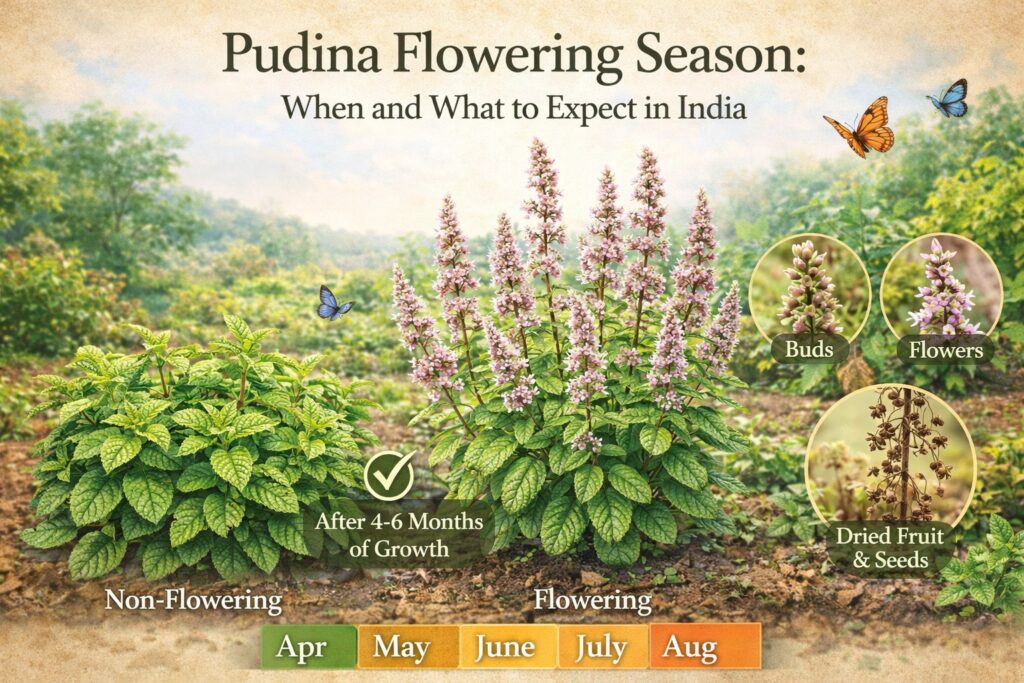
Pudina’s flowers arrive during the monsoon and post-monsoon months.
The dried leaves retain flavour and can substitute for fresh ones in cooking. Pudina oil is used in cosmetics, perfumes, and pharmaceutical products.
Safe Usage and Precautions
Most people tolerate pudina well in food amounts. Concentrated pudina oil requires more caution.
Allergic reactions are rare but possible. Symptoms include skin rash, headache, or digestive upset. Stop use if these occur.
Pregnant and breastfeeding women should stick to culinary amounts. Medicinal doses require medical consultation.
People taking medications for diabetes, blood pressure, or liver conditions should consult a doctor before using pudina medicinally, as interactions are possible.
Do not apply pure pudina oil to infants’ skin or near their face — high menthol concentration can cause breathing difficulties in young children.
High doses of pudina or concentrated oil may harm the liver. Moderation is key.
Conclusion
Pudina’s benefits come primarily from regular, moderate use in food and traditional preparations. It’s most reliable for digestive comfort, breath freshening, and providing a cooling effect. Claims about dramatic weight loss or disease cure lack evidence.