Amla Uses and Benefits: What Indian Gooseberry Actually Does for Your Health
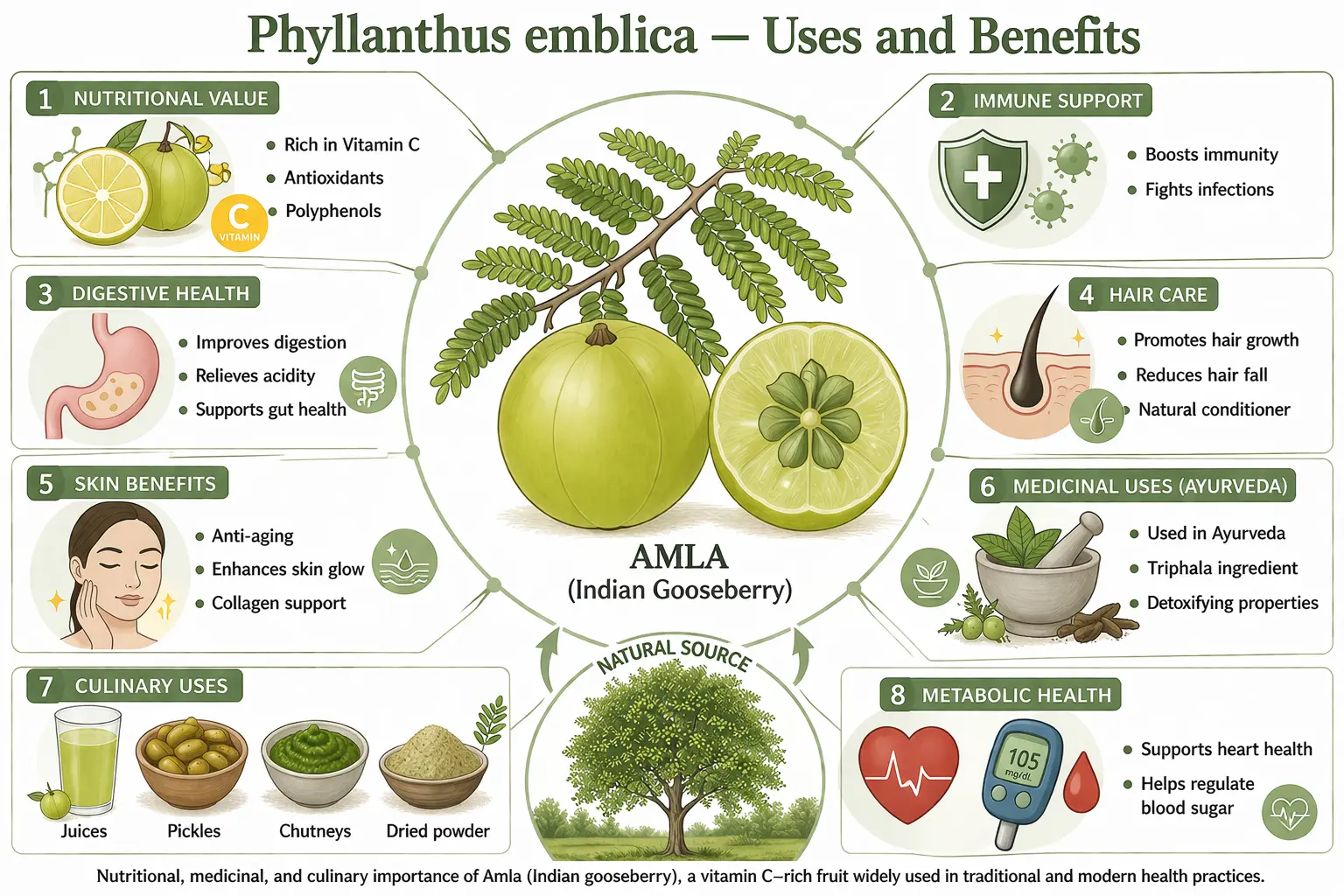
Amla is one of the richest plant sources of Vitamin C available in India and has been central to Ayurvedic medicine for over two thousand years. Research supports many traditional uses — particularly for immunity, digestion, and hair health — though most clinical studies are preliminary. Eating fresh or dried amla regularly is safe, beneficial, and backed by both tradition and emerging science.
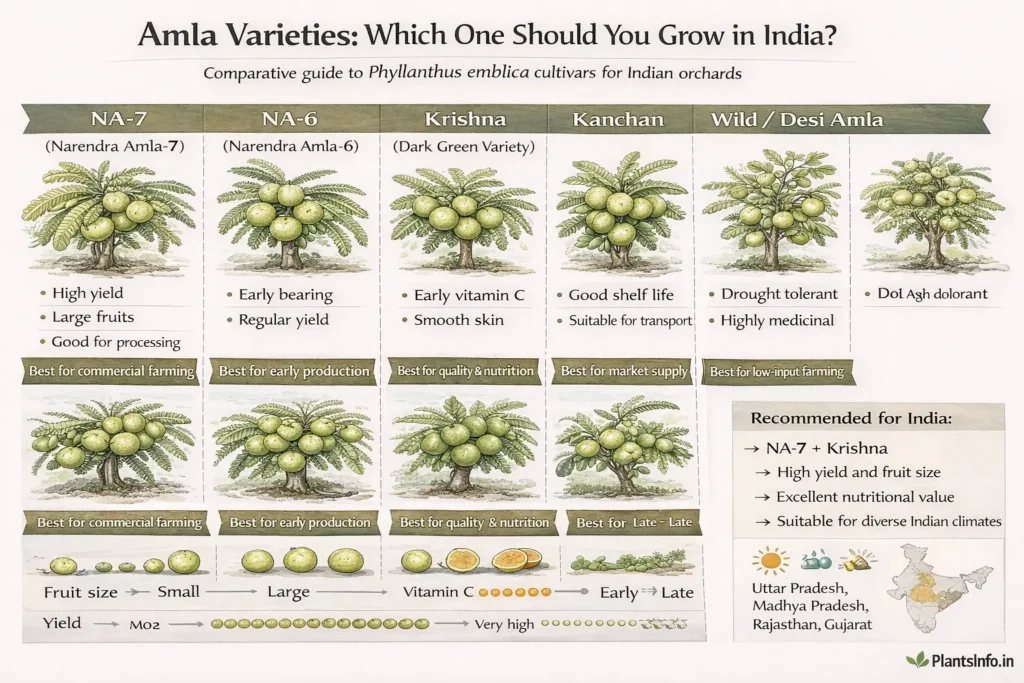
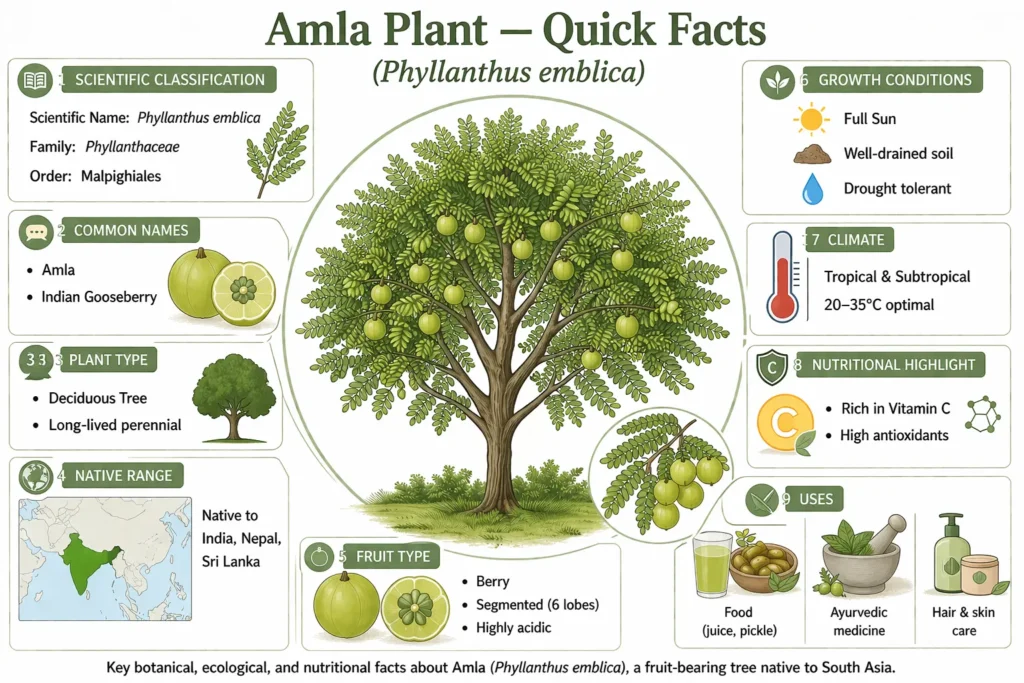
See also: Amla Plant plant profile, how to grow it, common problems, its flowering season, and its varieties.
One small amla contains more Vitamin C than two medium oranges — and unlike the Vitamin C in citrus, amla’s ascorbic acid is stabilised by tannins that prevent it from breaking down quickly during digestion or when the fruit is dried. This is not a folk claim; it is the biochemical reason amla has stayed at the centre of Indian medicine for millennia. Amlaki, as Sanskrit texts call it, was considered a rasayana — a substance capable of rejuvenating the entire body.
Recommended Products
Disclosure: As an Amazon Associate, PlantsInfo may earn from qualifying purchases.
🌱 Growing Essentials
The following products can help with container gardening, potting, root development, soil management, and healthy plant growth.
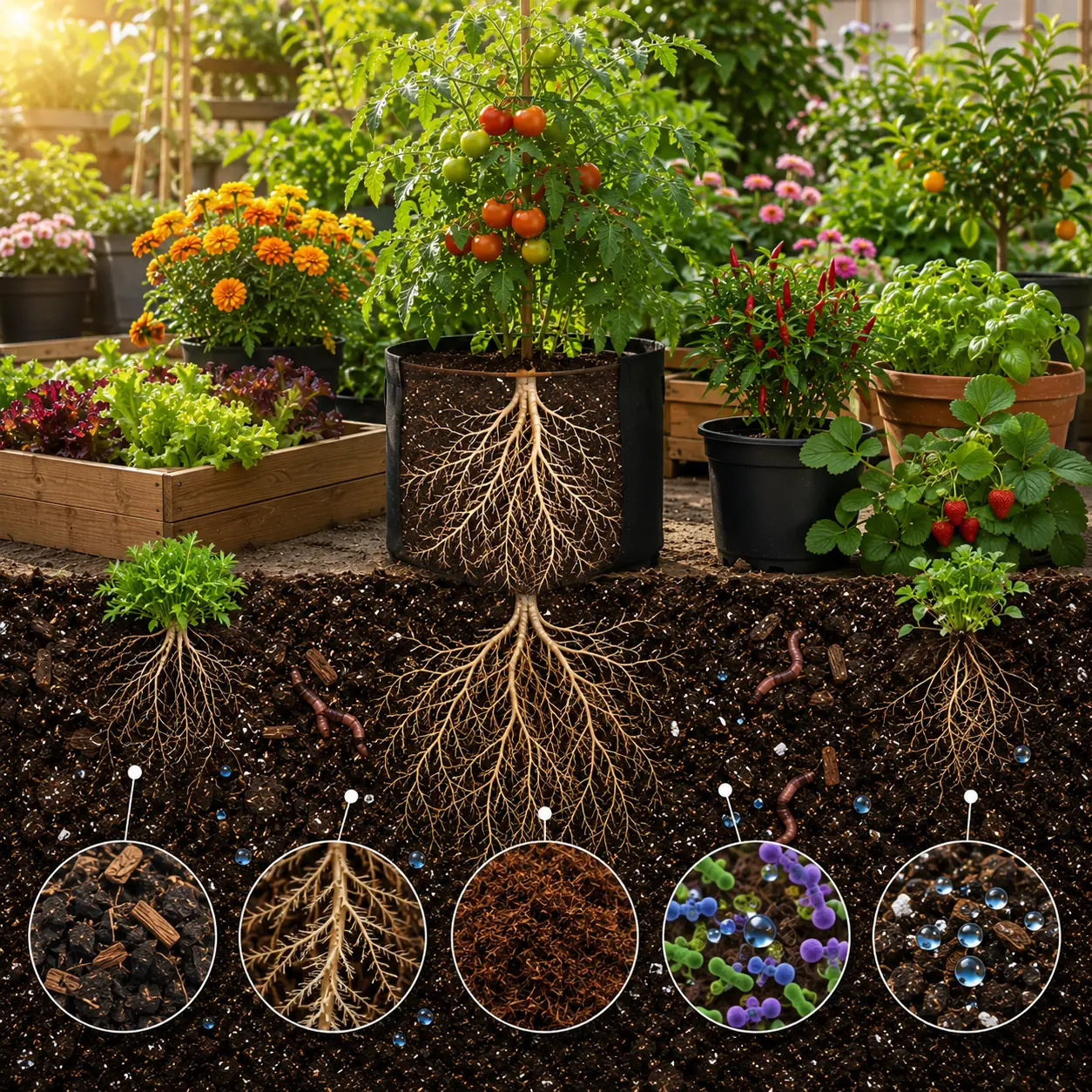
Organic Potting Soil Mix
Provides nutrients, structure, and healthy growing conditions for container plants.
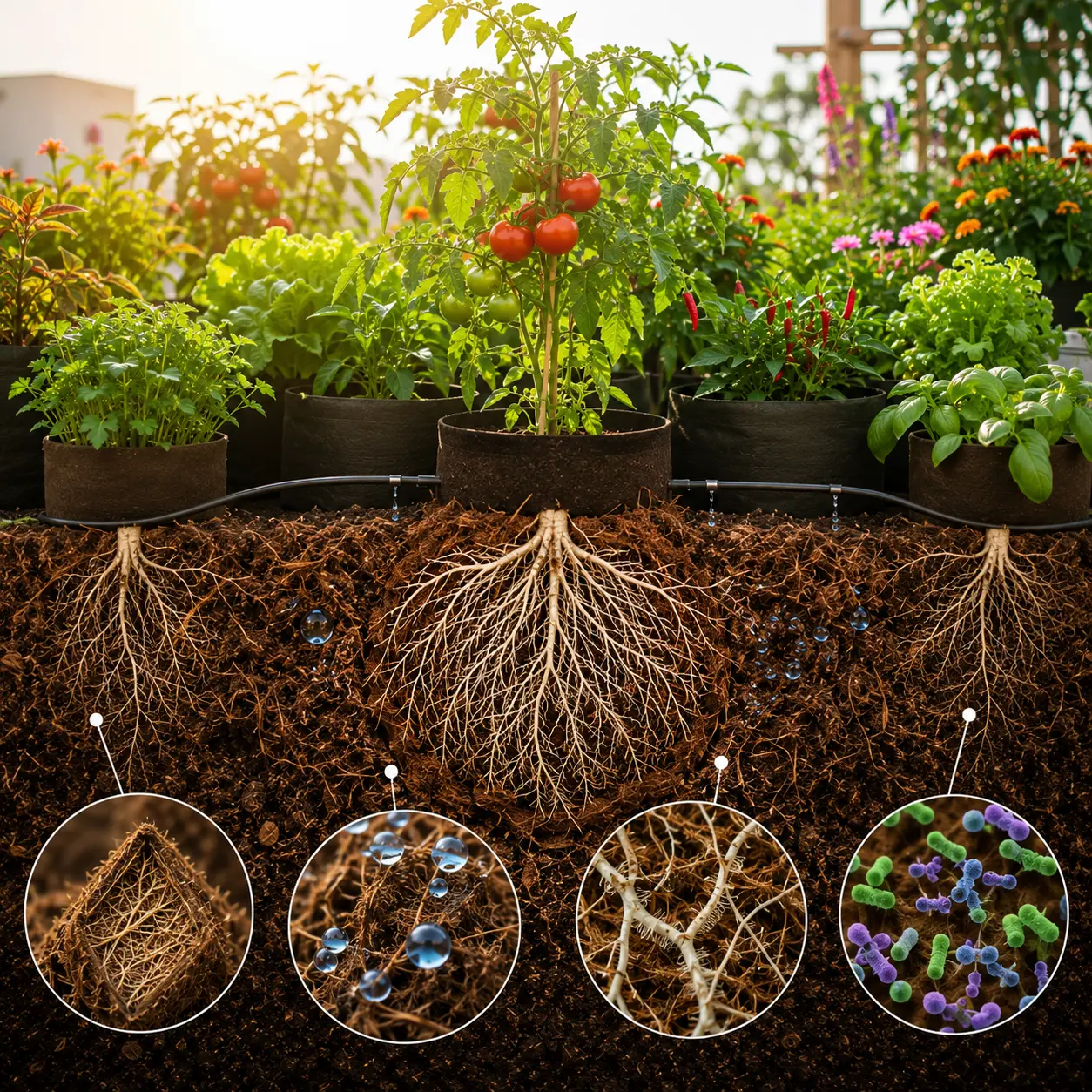
Coco Peat Growing Medium
Enhances moisture retention while maintaining excellent root-zone aeration.

Grow Bags for Plants
Improve drainage, root aeration, and vegetable production in limited spaces.

Plastic Pots for Plants
Ideal containers for seedlings, ornamentals, herbs, and balcony gardens.
Nutritional Profile
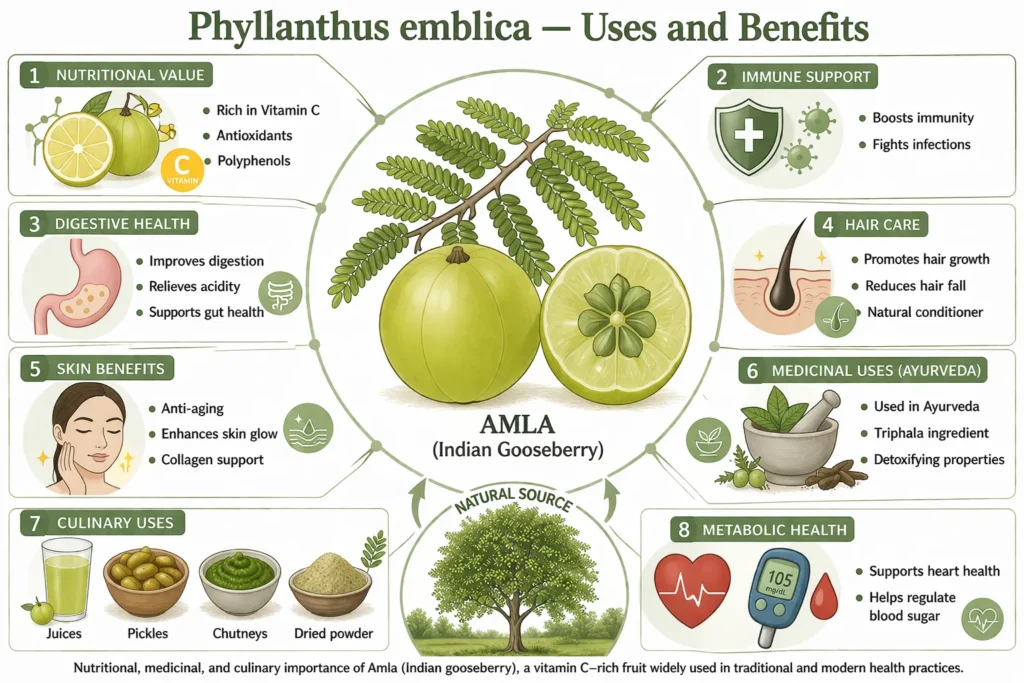
Amla is nutritionally dense in a way that is unusual even among superfoods. A 100g serving of fresh amla provides roughly 20 calories alongside a significant Vitamin C load — traditional analyses cite figures between 400–600 mg per 100g, though values vary by variety and freshness. For context, the Indian Council of Medical Research recommends 40 mg of Vitamin C daily for adults; a single amla comfortably exceeds that.
Beyond Vitamin C, amla contains Vitamin B-complex (particularly B5 and B6), calcium, iron, phosphorus, and dietary fibre. It is also rich in polyphenols — ellagic acid, gallic acid, and emblicanin A and B — compounds that research has increasingly linked to antioxidant and anti-inflammatory activity.
The tannin-Vitamin C interaction is worth understanding: in most foods, Vitamin C degrades with heat and storage. In amla, the tannins form a protective complex that significantly slows this degradation. Dried amla retains far more of its Vitamin C than dried citrus, which is why it has been a viable winter supplement in traditional Indian households for centuries.
Immunity and Antioxidant Activity
Amla’s reputation as an immunity-building food rests on a firm nutritional foundation. The high Vitamin C content directly supports white blood cell production and the skin barrier function. The polyphenols — particularly the emblicanins unique to amla — have demonstrated free-radical-scavenging activity in laboratory studies.
Research suggests that regular amla consumption may help reduce markers of oxidative stress, which is implicated in a wide range of chronic conditions. Traditional Ayurvedic texts describe amla as a vayasthapana herb — one that slows cellular ageing — and this aligns, at least conceptually, with what modern research is exploring in the area of antioxidant activity.
For practical immunity support, Ayurvedic practice recommends consuming one fresh amla each morning on an empty stomach during winter months — a habit that remains common across Indian households and has an internally consistent nutritional logic.
Digestive Health
Amla has a well-documented role in digestive health in both traditional and modern contexts. It is one of the three fruits in Triphala — the foundational Ayurvedic digestive formulation — alongside Haritaki and Bibhitaki. Triphala has been used for constipation, bloating, and gut motility for centuries, and preliminary clinical research has found promising results consistent with its traditional use.
Fresh amla acts as a mild carminative and digestive stimulant. The dietary fibre supports regular bowel movement. Amla also has traditionally been used to reduce hyperacidity — though this is counterintuitive given the fruit’s sourness, Ayurvedic texts categorise its post-digestive effect as cooling and alkalising (madhura vipaka).
A common mistake: taking amla juice concentrate on an empty stomach for acid reflux. Fresh or dried amla is gentler; concentrated juice can occasionally aggravate acidity in sensitive individuals.
Hair and Scalp Health
Amla’s association with hair health is one of its most widely recognised traditional uses and has a reasonable basis in both nutritional science and direct topical application research.
Internally, Vitamin C is essential for collagen synthesis — collagen forms a structural component of the hair follicle. Iron deficiency is a major cause of hair loss in Indian women; amla’s Vitamin C content significantly enhances non-haem iron absorption when consumed alongside iron-rich foods, which may explain part of its traditional role in hair health.
Topically, amla oil — made by infusing dried amla in a carrier oil — has been a staple of Indian hair care for generations. Research suggests amla extract inhibits 5-alpha reductase, an enzyme involved in a common form of hair thinning, though clinical evidence is still early-stage. The traditional practice of applying amla oil to the scalp overnight, massaging it in, and rinsing the following morning is well-documented and considered safe.
Blood Sugar and Metabolic Health
This is an area where traditional use and emerging research intersect with genuine interest. Amla has been used in Ayurvedic practice to support blood sugar balance, and several animal studies and small human trials have found that amla extracts can improve fasting blood glucose and insulin sensitivity.
The proposed mechanism involves amla’s chromium content — which may sensitise cells to insulin — and the polyphenols, which appear to inhibit certain carbohydrate-digesting enzymes. Research in this area is promising but not yet conclusive enough to make strong claims.
What can be said with confidence: amla is a low-glycaemic fruit with a high fibre content, and including it in a balanced diet is consistent with sound dietary management for blood sugar. It should complement, not replace, medical advice for diabetes management.
Liver and Kidney Support
Ayurvedic texts classify amla as one of the primary medhya and chakshushya herbs — beneficial for the liver and the eyes, respectively. Laboratory research has found hepatoprotective (liver-protective) properties in amla extracts, particularly against damage caused by oxidative stress and certain environmental toxins.
Traditional preparation for liver support involves taking dried amla powder with honey in the morning. This practice remains common in rural India and is considered safe for general health maintenance.
Research suggests amla may support kidney function by reducing markers of oxidative stress in renal tissue, but this work is largely animal-based and should not be interpreted as a treatment for kidney disease.
Traditional and Ayurvedic Context
In Ayurveda, amla occupies a position unlike almost any other plant. It is one of the few substances considered to balance all three doshas — Vata, Pitta, and Kapha — simultaneously. The Charaka Samhita and Sushruta Samhita both describe it extensively, and its Sanskrit name Amalaki means “the sustainer” or “the nurse.”
Chyawanprash — one of the most widely consumed Ayurvedic preparations in India — has amla as its primary ingredient. The legend of its origin involves the sage Chyavana consuming an amla-based preparation to restore his youth, and the formulation has been documented in texts going back at least fifteen centuries.
In folk traditions across India, amla is associated with Vishnu and is considered sacred. Amla Navami, observed in Kartik month, involves worship under an amla tree and eating a meal cooked beneath its branches — a practice that weaves nutritional wisdom into the ritual calendar.
How to Use Amla
The most direct method is eating one fresh amla daily during its November–February season. If fresh amla is unavailable or too astringent for daily eating, these traditional preparations are all nutritionally effective:
Amla murabba (amla in sugar syrup): reduces astringency significantly; still retains meaningful Vitamin C and polyphenols. Dried amla (sookha amla): available year-round; convenient for daily use. Amla powder: widely available; mix with water or honey. Amla juice: choose cold-pressed and unpasteurised where possible; heating degrades Vitamin C.
Combining amla with black pepper or long pepper (pippali) is a traditional practice documented in Ayurvedic texts — the piperine in pepper is understood to enhance the absorption of certain plant compounds.
⚠️ Health Disclaimer: The information in this article is for general educational purposes only and is not a substitute for professional medical advice, diagnosis, or treatment. Consult a qualified healthcare provider before using amla or amla preparations to address any specific health condition, particularly if you are pregnant, managing a chronic illness, or taking prescribed medication.
Key Takeaways
- Amla’s Vitamin C is stabilised by tannins, making it effective even when dried — unlike most other Vitamin C sources.
- Research supports traditional uses for immunity, digestion, and hair health, though most clinical studies are still preliminary.
- Combining amla with iron-rich foods at the same meal meaningfully improves iron absorption — a benefit especially relevant for vegetarian diets.
- Concentrated amla juice may aggravate acidity in sensitive individuals; whole or dried amla is gentler.
- Amla is safe for daily consumption through food and traditional preparations; medical-grade supplementation should involve professional guidance.
Amla is one of the few plants where ancient reputation and modern nutritional science point in the same direction. Eating it regularly — in whatever form suits your palate — is one of the simplest additions you can make to a healthy Indian diet.