Complete Vasaka (Justicia adhatoda) Guides
Problems & Diseases
Flowering Season
Introduction
Justicia adhatoda, commonly known as the Vasaka Plant, is one of the most important medicinal shrubs in the family Acanthaceae, recognised globally for its alkaloid-rich leaves, especially vasicine and vasicinone, which are pharmacologically significant in respiratory medicine. Native to South and Southeast Asia, it is especially associated with the Indian subcontinent, where it grows naturally in tropical and subtropical landscapes and has long-standing medicinal relevance in formal and traditional systems.
Classification
- Plant Type
- Shrub
- Lifecycle
- Perennial
- Leaf Habit
- Evergreen
- Native Region
- South Asia, Southeast Asia
- Plant Family
- Acanthaceae
Ecologically, Vasaka functions as a resilient understory shrub in disturbed forests, scrublands, and open secondary habitats, where it contributes to pollinator support and shrub-layer stability. Its dense branching habit and prolonged flowering period distinguish it from many related taxa. The large white tubular flowers with purple markings are particularly adapted for insect visitation, while its evergreen foliage allows year-round physiological activity in suitable climates.
Human use of Vasaka spans classical Ayurveda, Siddha, Unani, and broader ethnomedicine, where it has been cultivated for centuries for respiratory support and household medicinal gardens. It remains commercially important for herbal pharmacopoeias and pharmaceutical extraction. Although not presently regarded as globally threatened according to standard taxonomic databases, habitat pressure and unregulated harvesting create local concerns. This profile examines the species through its taxonomy, biology, chemistry, ecology, and long-term scientific significance.
Quick Plant Information
| Field | Value |
|---|---|
| Accepted Scientific Name | Justicia adhatoda L. |
| Primary Common Name | Vasaka Plant |
| Plant Type | Evergreen medicinal shrub |
| Life Cycle | Perennial |
| Growth Habit | Upright, densely branched shrub |
| Mature Size | 1.5–3 m (5–10 ft) tall |
| Growth Rate | Moderate to fast |
| Flowering Season | Late winter to spring; often extended in warm climates |
| Fruiting Season | Spring to early summer |
| Light Requirement | Full sun to partial shade |
| Water Requirement | Moderate |
| Soil Preference | Well-drained loam to sandy loam, slightly acidic to neutral |
| Temperature Tolerance | Approximately 10–40°C (50–104°F) |
| Pollination Type | Primarily insect pollination |
| Self-Fertility Status | Generally self-compatible but benefits from cross-pollination |
| Primary Propagation Method | Stem cuttings |
| Typical Yield Class | Moderate leaf biomass producer |
| Primary Use Categories | Medicinal, ornamental, ecological hedge planting |
| Toxicity Status | Excessive medicinal dosing may cause adverse physiological effects; routine ornamental handling is low risk |
| Conservation Concern | Low global concern; local wild population pressure in some regions |
| Cultivation Difficulty Level | Easy to moderate |
Classification and Taxonomy
| Field | Value | Notes |
|---|---|---|
| Accepted Scientific Name | Justicia adhatoda L. | Accepted by Kew POWO |
| Known Synonyms | Adhatoda vasica Nees | Commonly persists in medicinal literature |
| Taxonomic Authority Source | Kew Science – Plants of the World Online (POWO) | Primary taxonomic reference |
| Assessment Date | 2026-04-28 | YYYY-MM-DD |
| Kingdom | Plantae | |
| Division | Tracheophyta | Vascular plants |
| Class | Magnoliopsida | Eudicot lineage |
| Order | Lamiales | |
| Family | Acanthaceae | |
| Subfamily | Acanthoideae | Applicable |
| Genus | Justicia | Large pantropical genus |
| Species | J. adhatoda | Linnaean authority |
| Native Origin | South and Southeast Asia, especially the Indian subcontinent | |
| IUCN Status | No formal global IUCN species assessment currently published | Formal global category not assigned |
Related Species of Significance
| Species | Common Name | Distinguishing Feature | Economic or Ecological Significance |
|---|---|---|---|
| Justicia gendarussa | Willow-leaved justicia | Narrow lanceolate leaves | Medicinal use in Southeast Asia |
| Justicia carnea | Brazilian plume flower | Large pink inflorescences | Ornamental horticulture |
| Justicia procumbens | Water willow | Low creeping herbaceous form | Traditional medicinal applications |
| Justicia betonica | White shrimp plant | Distinct floral bracts | Regional medicinal relevance |
| Andrographis paniculata | Kalmegh | Bitter herb, different genus but often confused medicinally | Important pharmacological herb |
Taxonomic Context
Justicia adhatoda occupies a particularly important position within Justicia, one of the largest genera in Acanthaceae, because it bridges ornamental shrub morphology with major medicinal use. Historical confusion is common because the name Adhatoda vasica remained dominant in pharmacological, Ayurvedic, and trade literature for decades after taxonomic reassessment. Commercial buyers, researchers, and regulatory authorities must recognise both names during sourcing and literature review to avoid missed records, duplicate procurement, or compliance errors. Stable acceptance under Justicia adhatoda improves international standardisation, especially in pharmacopoeial documentation.
Cytogenetics
| Parameter | Value | Notes |
|---|---|---|
| Chromosome Number | 2n = 34 | Reported in cytological studies |
| Ploidy Level | Diploid | Standard documented condition |
| Genome Size | not reliably documented in major accessible sources | Limited genomic characterization |
Cytogenetic Note
The reported diploid chromosome number (2n = 34) supports relative taxonomic stability and is useful in distinguishing Justicia adhatoda from related medicinal taxa with less consistent cytological reporting. No commercially significant cytotype variation has been widely documented. Limited genome-scale work means breeding programmes still rely more heavily on phytochemical selection and clonal propagation than on formal genomic improvement, representing a moderate research gap for medicinal crop development.
Scientific Stability and Nomenclature
The currently accepted name is Justicia adhatoda L., recognised by Kew Science POWO as the standard modern treatment. The historically dominant synonym Adhatoda vasica Nees remains extremely common in Ayurvedic texts, pharmacological studies, herbal trade documentation, and pharmaceutical labelling. The practical reclassification followed broader systematic consolidation of segregate genera into Justicia, supported by comparative morphological treatment and later reinforced through modern taxonomic consensus during the twentieth century, with international database standardisation becoming especially visible in late twentieth- and early twenty-first-century flora revisions.
Adoption of the accepted name is strongest in formal taxonomy, botanical databases, and international herbarium systems, while agricultural suppliers and medicinal product markets frequently continue using Adhatoda vasica. This dual usage creates genuine search friction: literature reviews, regulatory submissions, and raw material sourcing must check both names to ensure completeness. Pharmacopoeias and procurement systems often cross-reference both names to prevent substitution errors. For researchers and buyers, nomenclatural awareness is therefore operationally important rather than merely academic, particularly where medicinal standardisation and export compliance are involved.
Synonymy
| Accepted Name (Current Authority) | Synonyms Commonly Encountered | Context Where Synonym Persists |
|---|---|---|
| Justicia adhatoda L. | Adhatoda vasica Nees | Ayurvedic literature, pharmacology papers, herbal trade |
| Justicia adhatoda L. | Adhatoda zeylanica Medik. | Older regional floras and legacy herbarium references |
Growth Habit and Architecture
Justicia adhatoda presents as a robust evergreen shrub with a dense, upright habit and strong architectural persistence across warm climates. Its form is defined by multiple woody basal stems, rapid lateral branching, and a rounded to irregular canopy that creates a thick shrub layer in both wild and cultivated settings. The plant balances ornamental structure with medicinal productivity, producing abundant foliage on flexible yet durable stems. Large opposite leaves and terminal floral clusters create a visually distinctive profile, while its moderate root depth supports resilience in seasonal dry periods without true drought-specialist morphology.
| Parameter | Value | Notes |
|---|---|---|
| Life form | Evergreen perennial shrub | Medicinal and ornamental woody shrub |
| Mature height | 1.5–3 m (5–10 ft) | Occasionally taller under unmanaged conditions |
| Canopy spread | 1.5–2.5 m (5–8 ft) | Dense lateral expansion common |
| Stem type | Semi-woody to woody stems | Young stems green; older stems lignified |
| Bark or surface texture | Smooth to slightly fissured pale brown bark | Mature stems show mild roughening |
| Branching pattern | Opposite, dense, multi-branched | Supports compact bushy architecture |
| Root system overview | Fibrous to moderately deep branched root system | Root morphology only; soil biology excluded |
| Growth rate | Moderate to fast | Especially vigorous in humid subtropical climates |
| Longevity | Long-lived perennial; often 10+ years | Extended under managed cultivation |
| Distinguishing architectural feature | Dense evergreen shrub with large opposite leaves and terminal white floral spikes | Key recognition feature |
Recommended Products
Disclosure: As an Amazon Associate, PlantsInfo may earn from qualifying purchases.
🌱 Plant Care Essentials
The following tools can help with pruning, plant health, soil management, and fruit garden maintenance.

Neem Oil for Plant Care
Natural plant protection against aphids, whiteflies, mites, and other common garden pests.

Fungicide for Root Care
Helps suppress soil-borne fungal diseases and supports healthier root systems.

Spray Bottle for Plants
Ideal for applying foliar sprays, neem oil solutions, and liquid plant treatments.

Rubber Hand Gloves
Protects hands during pruning, planting, soil preparation, and garden maintenance.
Leaves
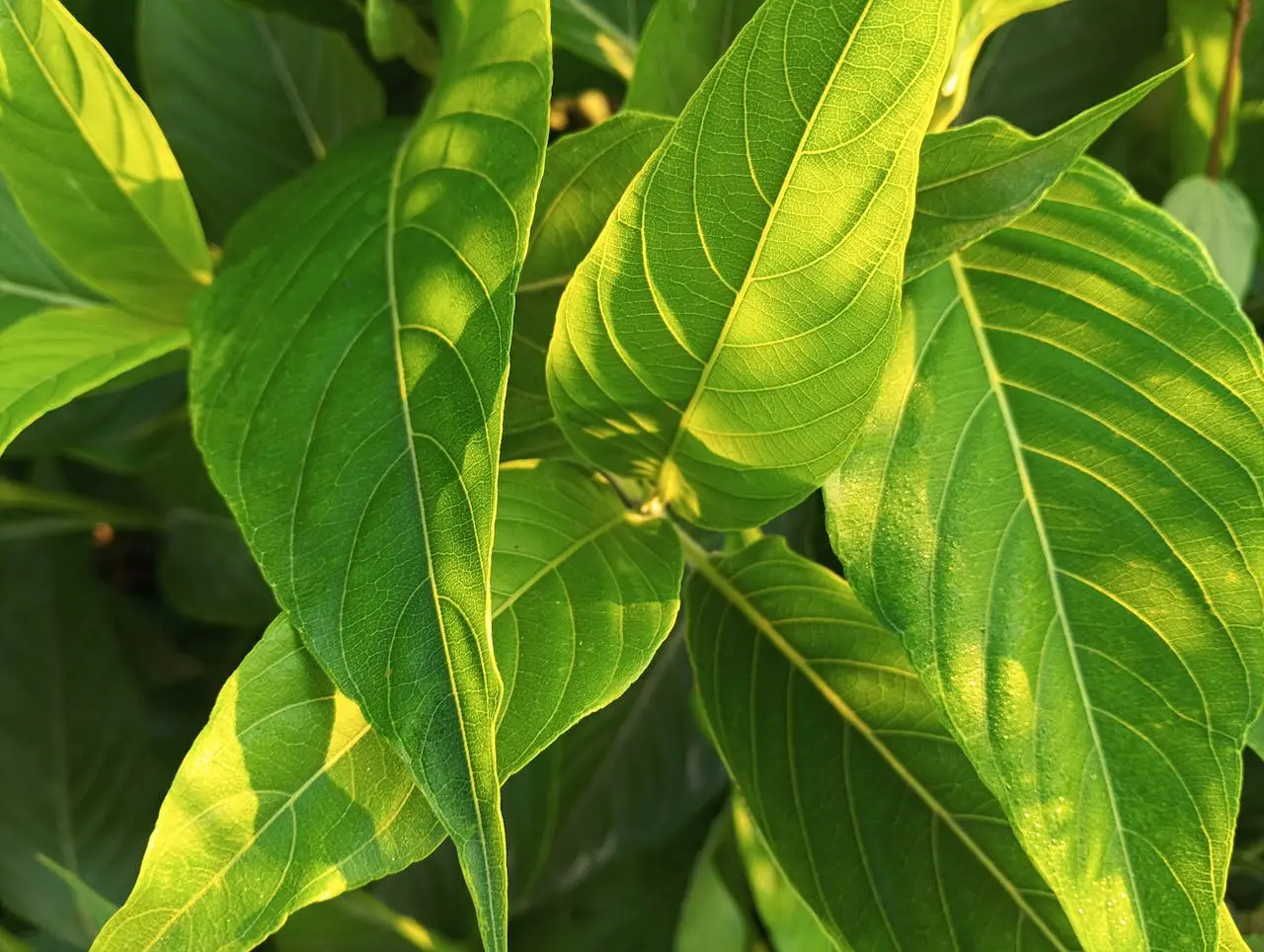
The leaves of Justicia adhatoda are among its most recognisable identifying features: large, opposite, lanceolate to elliptic, and strongly aromatic when crushed. Their broad surface area supports vigorous photosynthetic activity in partial shade and disturbed habitats. The foliage remains persistent through most of the year in warm climates, giving the shrub its characteristic evergreen medicinal-garden appearance and making leaf harvest the principal commercial focus.
| Parameter | Value | Notes |
|---|---|---|
| Presence | Present and persistent | Evergreen foliage |
| Leaf type | Simple | Not compound |
| Size | 10–20 cm long (4–8 in), 3–7 cm wide (1.2–2.8 in) | Variable by growing conditions |
| Colour | Dark green above, lighter green below | Mature leaves show stronger gloss |
| Arrangement | Opposite, decussate | Characteristic of the genus |
| Special features | Slightly leathery texture with medicinal odour when crushed | High relevance in field recognition |
Flowers
The flowers of Justicia adhatoda are morphologically distinctive and taxonomically important, with white tubular corollas marked by purple or violet streaks that act as nectar guides for visiting insects. These markings improve pollinator targeting and are especially conspicuous against the dense green foliage. Terminal or axillary spike-like inflorescences make the flowers highly visible despite individual blooms being relatively small. Their bilabiate (two-lipped) corolla structure is typical of many Lamiales and reflects adaptation to directed insect visitation.
| Floral Attribute | Description |
|---|---|
| Inflorescence type | Terminal or axillary dense spikes |
| Flower diameter | Approximately 2–3 cm (0.8–1.2 in) |
| Flower length | Approximately 3–4 cm (1.2–1.6 in) |
| Outer tepals or sepals | Five green sepals, narrow and persistent |
| Inner tepals or petals | White bilabiate corolla with purple to violet markings |
| Stamens | Usually 2 prominent fertile stamens |
| Pistil | Single superior ovary with slender style |
| Fragrance | Mild to faint fragrance |
| Anthesis period | Late winter through spring; extended in warm climates |
| Primary pollinators | Bees and other nectar-seeking insects |
Fruit
| Fruit Characteristic | Description |
|---|---|
| Fruit type | Capsule |
| Shape | Narrowly clavate to elongated |
| Length | 1.5–2.5 cm (0.6–1 in) |
| Diameter | Approximately 0.4–0.6 cm (0.16–0.24 in) |
| Weight | Very light; usually less than 1 g |
| Skin colour | Green when immature, brown at maturity |
| Surface features | Smooth, dry, dehiscent surface |
| Flesh colour | No fleshy pulp present |
| Flesh texture | Dry, papery internal structure |
| Seed count | Typically 2–4 seeds per capsule |
| Sugar content | Not documented in available literature |
| Maturation period | Several weeks after flowering, usually spring to early summer |
Seeds
| Seed Characteristic | Description |
|---|---|
| Size | Approximately 3–5 mm (0.12–0.20 in) |
| Shape | Flattened to sub-orbicular |
| Colour | Brown to dark brown |
| Seed coat | Hard, smooth outer coat |
| Oil content | Not documented in available literature |
| Viability period | Moderate; best sown fresh within several months |
| Germination rate | Variable to moderate under warm conditions |
Root System
Justicia adhatoda develops a fibrous to moderately deep branched root system with strong lateral spread and sufficient anchorage for dense shrub growth. Most functional roots occupy the upper to middle soil profile, allowing efficient access to seasonal moisture while still tolerating short dry intervals. The species is sensitive to prolonged waterlogging because persistent saturation reduces root aeration and structural health. This architecture supports reliable vegetative regrowth after pruning and makes managed harvesting more sustainable when leaf biomass, rather than whole-plant extraction, is prioritised over destructive root removal.
Field Identification
In the field, Vasaka is recognised as a medium-sized evergreen shrub with dense branching, large opposite lanceolate leaves, and conspicuous white tubular flowers marked by purple streaks. The leaves are broad, smooth, and release a characteristic medicinal odour when crushed. It is frequently confused with Justicia gendarussa, another medicinal species in the same genus, but the most reliable distinguishing feature is leaf form: J. adhatoda has much broader, larger leaves, while J. gendarussa bears narrow, willow-like foliage. The terminal clustered white flowers of Vasaka also provide strong seasonal confirmation of identity.
Normal vs. Concerning Observations
| Observation | Status | Explanation |
|---|---|---|
| Seasonal shedding of older lower leaves | Normal | Common in mature shrubs during dry or flowering periods |
| Purple streaking inside white flowers | Normal | Natural floral marking, not disease |
| Slight bark roughening on older stems | Normal | Typical maturation of woody stems |
| Reduced flowering with heavy shade | Monitor | Indicates suboptimal light exposure rather than immediate decline |
| Persistent yellowing across new leaves | Investigate | May indicate root stress or nutrient imbalance |
| Wilting despite moist soil | Investigate | Can indicate drainage failure or root decline |
Cultivar Summary
| Cultivar | Key Characteristic | Commercial Status | Origin |
|---|---|---|---|
| ‘Local Medicinal Type’ | High leaf biomass and strong alkaloid use preference | Regionally significant | South Asia |
| ‘Broad Leaf Selection’ | Larger leaves preferred for harvest efficiency | Regionally significant | India |
| ‘Compact Hedge Form’ | Dense branching for ornamental and boundary planting | Experimental | Nursery selection |
| ‘High Vasicine Line’ | Selected for stronger phytochemical extraction value | Experimental | Pharmacological cultivation programmes |
| ‘Traditional Wild-Type’ | Seed-derived non-standard cultivated form | Historically documented | Native range populations |
For full cultivar selection and performance comparisons, see Vasaka Plant: Varieties and Cultivars.
Functional Traits
Justicia adhatoda is a C3 evergreen medicinal shrub whose ecological strategy depends on persistent foliage, rapid vegetative recovery, and continuous biochemical defence rather than extreme drought specialisation. Its physiology is adapted to warm seasonal climates with periodic moisture limitation, where moderate water-use efficiency and strong secondary metabolite production support survival and herbivore resistance. These traits matter together because the same persistent leaf system that supports medicinal alkaloid accumulation also requires stable nutrient access, defensive chemistry, and reproductive flexibility under variable disturbance regimes.
| Trait | Mechanism Description | Adaptive Significance |
|---|---|---|
| Photosynthetic pathway | C3 photosynthesis with daytime stomatal opening and direct Calvin cycle carbon fixation under moderate moisture conditions | Supports high productivity in humid subtropical environments |
| Water use strategy | Moderate water conservation through leathery leaves, regulated stomatal conductance, and partial tolerance of short dry periods | Maintains foliage function without xerophytic specialization |
| Nutrient acquisition | Fibrous and branched root uptake from upper and mid-soil horizons enables efficient capture of seasonal nutrients and moisture | Supports rapid regrowth after pruning and repeated leaf harvest |
| Growth form strategy | Multi-stemmed evergreen shrub architecture allows continuous canopy renewal and replacement of damaged shoots | Improves persistence in disturbed habitats and managed systems |
| Reproductive strategy | Combined sexual reproduction by seed and strong vegetative recovery through stem regeneration and cuttings | Balances genetic diversity with reliable clonal propagation |
| Dispersal mechanism | Dry dehiscent capsules release seeds mechanically over short distances | Enables local colonisation in open and disturbed habitats |
| Stress response mechanism | Temporary reduction of leaf expansion and partial leaf shedding during drought or stress reduces metabolic demand | Protects core stem and root function during seasonal stress |
| Chemical defence | Quinazoline alkaloids such as vasicine deter herbivory and contribute antimicrobial protection | Enhances survival and medicinal value simultaneously |
| Species-specific trait | Persistent year-round leaf biomass supports repeated medicinal harvesting without destructive uprooting | Major commercial advantage for sustainable production |
Physiological Integration
The physiology of Justicia adhatoda is best understood through the interaction between its evergreen C3 leaf system and its alkaloid-based chemical defence strategy. Because the species depends on persistent foliage rather than seasonal dormancy, maintaining leaf integrity is critical for both survival and commercial value. This creates strong selective pressure for continuous chemical defence, especially in warm climates with year-round herbivore exposure. Moderate water-use efficiency supports this strategy by preserving active leaf tissue through short dry periods without requiring extreme structural drought adaptations. Reproductive flexibility also reinforces resilience: when stress reduces seed production, rapid vegetative recovery from stems maintains population continuity. Together, these traits favour persistence in disturbed habitats and repeated medicinal harvest systems.
Phytochemistry
The phytochemical profile of Justicia adhatoda is dominated by quinazoline alkaloids, making it one of the most chemically recognised medicinal shrubs in South Asian pharmacognosy. According to peer-reviewed pharmacological reviews and pharmacopoeial references, vasicine and vasicinone are the principal marker compounds and form the basis of much of its respiratory medicinal use. The species also contains flavonoids, phenolic compounds, essential oils, tannins, and saponins that contribute ecological defence and secondary pharmacological relevance. This profile is chemotaxonomically significant within Acanthaceae because strong alkaloid dominance is central to both species identification and commercial standardisation.
| Compound Class | Representative Compounds | Primary Location | Ecological or Biological Function |
|---|---|---|---|
| Quinazoline alkaloids | Vasicine, Vasicinone | Leaves, flowers | Herbivore defence and major pharmacological activity |
| Flavonoids | Kaempferol, Quercetin | Leaves | Antioxidant protection and UV response |
| Phenolic compounds | Ferulic acid, Vanillic acid | Leaves, roots | Oxidative stress buffering and defence |
| Tannins | Condensed tannins | Leaves, bark | Anti-herbivory and antimicrobial barrier function |
| Saponins | Triterpenoid saponins | Leaves | Defensive membrane-disrupting activity against pests |
| Volatile compounds | β-caryophyllene, Limonene | Flowers, leaves | Ecological signalling and defensive interaction |
Phytochemical Organ Distribution
| Organ | Compound Class | Representative Compounds | Concentration | Source |
|---|---|---|---|---|
| Leaves | Quinazoline alkaloids | Vasicine, Vasicinone | High | Peer-reviewed systematic review |
| Leaves | Flavonoids | Kaempferol, Quercetin | Moderate | Peer-reviewed pharmacognostic review |
| Flowers | Quinazoline alkaloids | Vasicine | Moderate | Pharmacopoeial reference |
| Roots | Phenolic compounds | Ferulic acid, Vanillic acid | Low to moderate | Peer-reviewed phytochemical study |
| Bark | Tannins | Condensed tannins | Moderate | Government flora database |
| Leaves | Saponins | Triterpenoid saponins | Moderate | Peer-reviewed pharmacological review |
Phytochemical Significance
The most commercially and pharmacologically significant compounds in Justicia adhatoda are unquestionably the quinazoline alkaloids, especially vasicine and vasicinone, which are recognised by pharmacopoeial references and peer-reviewed reviews as the principal bioactive markers for respiratory formulations. These compounds drive standardisation in herbal medicines and raw-material procurement. Flavonoids and phenolics are also well documented, but they are generally treated as supportive rather than primary therapeutic agents, contributing antioxidant and broader protective effects rather than defining product identity. Tannins and saponins remain secondary in commercial valuation but are ecologically relevant.
The phytochemical profile is strongly leaf-dominated, which explains why commercial harvesting focuses on foliage rather than roots or bark. This improves sustainability because destructive harvest is not structurally necessary. Research is heavily concentrated in South Asia, especially India, where Ayurvedic and pharmacological interest has produced the densest evidence base; this regional concentration should not be overgeneralised globally. Some synergistic interactions between alkaloids and flavonoids are proposed, but these remain less conclusively characterised than the primary alkaloid pathway.
For therapeutic mechanisms and preparation methods, see Benefits and Uses of Vasaka Plant.
Evidence Hierarchy for Medicinal Use
| Evidence Layer | Status | Notes |
|---|---|---|
| Traditional Use | Documented | Extensively recorded in Ayurveda, Siddha, and Unani systems for respiratory support, especially cough, bronchitis, and expectoration |
| Nutritional Evidence | Partial | Not primarily used as a food species; limited nutritional profiling exists outside medicinal preparations |
| In Vitro Studies | Documented | Peer-reviewed pharmacological studies show bronchodilatory, antimicrobial, anti-inflammatory, and antioxidant activity, especially linked to vasicine |
| Animal Studies | Documented | Controlled animal studies support expectorant, bronchodilatory, and anti-inflammatory effects in respiratory models |
| Human Clinical Studies | Partial | Limited human trials exist, mostly formulation-based and regionally concentrated; strong large-scale clinical evidence remains limited |
| Regulatory Recognition | Documented | Recognised in pharmacopoeial systems and traditional medicine formularies including Ayurvedic pharmacopoeial references |
| Unsupported Commercial Claims | Disputed | Broad claims such as universal cure for asthma, cancer treatment, and unrestricted “immune booster” marketing exceed current clinical evidence |
Evidence Assessment
The evidence hierarchy shows strong alignment between traditional use and preclinical pharmacology, particularly for respiratory support involving expectorant and bronchodilatory functions. These claims are the best supported across traditional practice, in vitro work, and animal studies. The major gap lies in human clinical validation: although formulation-based studies exist, large standardised trials remain limited. Commercial marketing often extends far beyond evidence, especially for claims involving cancer treatment or broad immune enhancement, which remain weakly substantiated or disputed. The strongest support remains for controlled respiratory applications rather than universal therapeutic claims.
Nutritional and Medicinal Composition Context
Justicia adhatoda is not a primary food plant, and its biological importance lies far more in medicinal phytochemistry than in conventional nutrition. While fresh leaves contain measurable levels of minerals such as calcium, iron, and potassium, along with modest protein and vitamin C content, these values are secondary and should not be interpreted as evidence of major dietary significance. Most nutritional analyses are based on fresh leaves collected in South Asia, especially India, and values vary considerably depending on moisture content, harvest stage, drying method, and local growing conditions.
The principal commercial and therapeutic value of the species comes from quinazoline alkaloids—especially vasicine and vasicinone—rather than caloric or dietary contribution. For this reason, Vasaka functions biologically and economically as a medicinal leaf crop rather than a nutritional vegetable or food resource. Nutritional reporting is therefore best treated as supporting context rather than a primary use category.
Representative Nutritional Context (Fresh Leaves)
| Component | General Significance | Notes |
|---|---|---|
| Calcium | Moderate mineral presence | Commonly reported in fresh leaf analyses |
| Iron | Moderate mineral presence | Frequently cited in medicinal leaf studies |
| Potassium | Moderate mineral presence | Supports general mineral profile |
| Vitamin C | Present mainly in fresh material | Declines significantly after drying and storage |
| Protein | Modest | Higher than some shrub leaves but not nutritionally defining |
| Fibre | Moderate | Associated with crude leaf structure rather than dietary use |
Interpretation Note
Because Justicia adhatoda is primarily harvested for medicinal formulations rather than food consumption, excessive numerical precision in nutrient values can be misleading. Dried pharmacological material differs substantially from fresh leaves in moisture-adjusted concentration, and regional ecotype variation further limits universal standardisation. Therefore, nutritional values should be interpreted cautiously and always secondary to the plant’s pharmacological identity.
Soil Ecology and Mycorrhizal Associations
Justicia adhatoda is associated primarily with arbuscular mycorrhizal (AM) fungi, the dominant symbiotic form for many Acanthaceae shrubs. Genus-level associations reported in related medicinal shrub systems commonly include Glomus and Acaulospora, while species-specific documentation remains regionally limited and should be interpreted cautiously. These fungal partners improve phosphorus uptake, root-zone moisture efficiency, and early establishment under nutrient-variable conditions. Rhizosphere bacterial communities commonly include phosphate-solubilising and nitrogen-cycling genera such as Bacillus and Pseudomonas, which support nutrient availability and general rhizosphere stability.
Allelopathic effects are not strongly characterised at species level, but phenolic compounds and alkaloid-rich leaf litter may contribute mild local suppression of competing understory herbs, especially in dense unmanaged stands. From an agronomic perspective, microbial association supports establishment in low-input systems and on moderately degraded land. Heavy conventional fertiliser regimes may reduce dependence on AM associations by suppressing symbiotic efficiency, while organic production systems may benefit more visibly from intact rhizosphere function. This is particularly relevant where medicinal quality depends on stable secondary metabolite production.
Toxicity and Safety
| Subject | Toxic Compounds | Clinical Effects | Source |
|---|---|---|---|
| Humans | Quinazoline alkaloids (mainly vasicine) at excessive dose | High doses may cause gastrointestinal irritation, uterine stimulation, nausea, and potential reproductive risk during pregnancy | Peer-reviewed pharmacological review; pharmacopoeial reference |
| Cats | No toxic compounds documented in available literature | No species-specific poisoning profile well established; excessive ingestion may still cause digestive upset | Veterinary toxicology database |
| Dogs | No toxic compounds documented in available literature | No confirmed major toxic syndrome documented; overconsumption may cause mild gastrointestinal signs | Veterinary toxicology database |
| Livestock | Excess alkaloid exposure from concentrated intake | Large intake may produce digestive disturbance and physiological stress, though routine field toxicity reports are limited | Government veterinary flora reference |
Toxicity Context
Safety is strongly dose-dependent. Traditional whole-leaf preparations used in controlled medicinal contexts differ significantly from exposure to concentrated isolated alkaloids such as vasicine, where pharmacological intensity is much higher. Pregnancy is the most important human caution because uterine stimulatory effects are documented in peer-reviewed pharmacological literature. Individuals with significant drug interactions or complex medical conditions should not assume traditional use equals universal safety. Veterinary evidence is less complete, particularly for companion animals, so caution remains appropriate with concentrated preparations. This profile does not constitute medical or veterinary advice.
Native Range and Distribution
Biogeographic Context
Justicia adhatoda is native to tropical and subtropical South and Southeast Asia, where monsoonal seasonality, warm temperatures, and disturbance-tolerant shrub ecology strongly favour its persistence. It is especially successful along forest margins, scrublands, secondary vegetation, and anthropogenically influenced landscapes where light availability and periodic disturbance create ideal shrub-layer conditions. The species is particularly well represented in Indian literature, and this creates a regional evidence concentration that should be recognised when interpreting broader distribution claims. Commercial wild harvest for medicinal foliage, especially in South Asia, has increased local pressure on unmanaged populations, while urban expansion and habitat fragmentation have reduced some semi-wild stands without creating global extinction concern.
Native Range
| Region | Countries or Sub-regions | Notes |
|---|---|---|
| South Asia | India, Sri Lanka, Nepal, Bangladesh, Pakistan | Core native concentration and strongest medicinal use documentation |
| Himalayan Foothills | Northern India, Nepal lowlands, Bhutan margins | Common in lower elevation subtropical belts |
| Southeast Asia | Myanmar, Thailand, parts of Malaysia | Native occurrence with regional medicinal importance |
| Indo-Gangetic and Peninsular Zones | Central and southern India | Strong cultivation–wild overlap complicates origin boundaries |
Global Cultivation and Naturalisation
| Region | Countries or Areas | Cultivation Status | Notes |
|---|---|---|---|
| South Asia | India, Sri Lanka, Bangladesh, Nepal | Commercially established | Major medicinal production zone; strongest formal cultivation base |
| Southeast Asia | Thailand, Myanmar, Malaysia | Commercially established | Traditional medicinal demand supports continued cultivation |
| Middle East | UAE, Oman, parts of Saudi Arabia | Emerging | Requires irrigation support due to arid climate |
| East Africa | Kenya, Tanzania | Emerging | Suitable warm climate but limited formal production data |
| Europe | Mediterranean protected cultivation | Attempted — limited success | Cold sensitivity restricts open-field perennial production |
| North America | Southern greenhouse systems, subtropical trial areas | Experimental | Frost sensitivity and limited medicinal market scale |
| Caribbean and Tropical Americas | Limited tropical herbal cultivation | Naturalised | Small-scale cultivation with scattered establishment |
Cultivation Range Note
Commercially significant production remains concentrated in South Asia, especially India, where pharmacological demand, traditional medicine systems, and established nursery supply chains support large-scale cultivation. Southeast Asia also maintains strong cultivation continuity, though published production data are less standardised. Emerging cultivation is visible in parts of East Africa and the Middle East where warm climates are suitable but irrigation and market integration remain limiting factors. Mediterranean Europe and North America have mostly experimental or protected cultivation only. Production data are disproportionately sourced from India, which is a significant research coverage limitation for global comparison.
For region-specific growing guidance, see How to Grow Vasaka Plant.
Natural Habitat
In native settings, Justicia adhatoda occupies disturbed forest margins, open scrublands, secondary woodland edges, roadsides, and village-adjacent shrub zones rather than deep closed-canopy forest. It commonly occurs from near sea level up to approximately 1,300 m (4,265 ft), especially in subtropical foothill systems. Soils are typically well-drained loam, sandy loam, or light alluvial soils with moderate seasonal moisture and good aeration. Associated vegetation often includes mixed shrubs, grasses, and secondary broadleaf woodland species. It tolerates repeated disturbance and regenerates well after cutting, making it a habitat generalist rather than a specialist. This broad ecological tolerance improves cultivation transferability and reduces strict site limitation globally.
Ecological Role
Justicia adhatoda functions primarily as a resilient understory and edge-habitat shrub that supports pollinator continuity, seasonal shelter, and shrub-layer stability in disturbed tropical landscapes. Its white tubular flowers with purple nectar guides attract bees and other nectar-foraging insects, especially during seasonal flowering pulses when surrounding shrub resources may be limited. At species level, detailed pollinator networks remain incompletely documented, but bee visitation by Apis cerana is regionally reported in South Asian field observations. Seed dispersal is primarily local through explosive capsule dehiscence rather than vertebrate transport, so the species contributes more strongly to site persistence than long-distance colonisation. It is not considered a keystone species, but it acts as a reliable secondary vegetation stabiliser and medicinal shrub resource in semi-managed ecosystems. Ecological interaction data outside South Asia remain comparatively under-resolved.
| Role Type | Species or Agent Involved | Notes |
|---|---|---|
| Pollinator support | bees, including Apis spp.; Apis cerana regionally reported | Reported bee visitor in South Asian flowering systems |
| Local seed dispersal | Mechanical capsule dehiscence | Primary short-distance dispersal mechanism |
| Shrub-layer habitat stability | Mixed secondary vegetation communities | Supports edge-habitat persistence and disturbance recovery |
Invasive Status
The species has naturalised in some tropical cultivation zones outside its native range, but no major invasive ecological concern or formal invasive management programme is widely documented at international scale.
Optimal Climate Parameters
| Parameter | Optimal Range | Tolerance Range | Notes |
|---|---|---|---|
| Mean Annual Temperature | 20–30°C (68–86°F) | 10–40°C (50–104°F) | Based mainly on South Asian cultivation data |
| Daytime Temperature | 24–32°C (75–90°F) | 15–40°C (59–104°F) | Warm active growth zone |
| Nighttime Temperature | 16–24°C (61–75°F) | 8–28°C (46–82°F) | Prolonged cold nights reduce vigour |
| Annual Rainfall | 800–2,000 mm (31–79 in) | 600–2,500 mm (24–98 in) | Irrigation extends tolerance in drier regions |
| Dry Season Length | 1–4 months | Up to 6 months | Extended drought reduces leaf productivity |
| Relative Humidity | 50–75% | 35–90% | Moderate humidity preferred |
| Solar Radiation | Bright filtered sun to full sun, 4–7 kWh/m²/day | Approximately 3–8 kWh/m²/day | Partial shade tolerated |
Climate Interpretation
Temperature limitation is the strongest global boundary for Justicia adhatoda expansion, particularly frost exposure and prolonged cold-season suppression outside tropical and subtropical zones. Waterlogging is often more restrictive than moderate drought because the species tolerates short dry periods better than prolonged saturated soils. Its native range climate is strongly monsoonal, but the demonstrated cultivation envelope is broader because managed irrigation allows establishment in drier Middle Eastern and African systems. The main difference between native and cultivated range is therefore moisture regulation rather than temperature adaptation, while frost remains the principal non-negotiable constraint.
Stress Tolerance Profile
| Stress Type | Tolerance Level | Physiological Response | Notes |
|---|---|---|---|
| Drought | Moderate | Reduces leaf expansion, increases partial leaf shedding, and lowers transpiration through tighter stomatal regulation | Short dry periods tolerated well |
| Heat | High | Maintains metabolic activity through continued transpiration and leaf temperature buffering when moisture is available | Performs well in hot subtropical climates |
| Cold or Frost | Low | Growth slows sharply, cellular damage increases, and tender shoots may necrose under frost exposure | Persistent frost is highly limiting |
| Salinity | Low to moderate | Osmotic stress reduces water uptake and suppresses new shoot development under elevated salt load | Not suited to saline production zones |
| Waterlogging | Low | Root oxygen stress rapidly reduces leaf turgor and photosynthetic activity under prolonged saturation | Drainage failure is a major constraint |
| Air Pollution | Moderate | Mature foliage tolerates moderate particulate and urban exposure with gradual reduction in leaf quality | Often survives roadside conditions |
| Wind | Moderate | Increased transpiration and mechanical stress reduce shoot extension and flowering intensity | Severe exposure reduces canopy quality |
| Soil Compaction | Low to moderate | Reduced aeration limits active root-zone function and suppresses above-ground growth response | Persistent compaction reduces vigour |
Compound Stress
Compound stress performance is most strongly affected by drought-plus-heat and salinity-plus-waterlogging interactions. Drought combined with high heat can be tolerated for limited periods because stomatal regulation and partial leaf shedding reduce water loss, but prolonged dual stress sharply lowers leaf biomass and therefore medicinal productivity. Salinity combined with waterlogging is significantly more damaging because osmotic restriction and root oxygen deficiency occur simultaneously, rapidly reducing physiological recovery. Formal experimental data on compound stress responses remain limited and are largely regionally derived, representing a useful knowledge gap for commercial expansion into marginal production zones.
Structural and Physiological Adaptations
Adaptation Narrative
Justicia adhatoda is adapted to warm, seasonally dry subtropical landscapes where disturbance, partial shade, and fluctuating moisture are persistent ecological pressures. Its woody multi-stemmed shrub form, leathery persistent leaves, and protected reproductive structures reflect long-term selection for repeated regrowth, moderate drought buffering, and reliable flowering in open secondary habitats. These adaptations allow the species to remain competitive in disturbed forest margins and human-managed landscapes where pruning, browsing, and seasonal moisture stress are frequent.
| Adaptation | Mechanism Description | Ecological Context |
|---|---|---|
| Multi-stemmed woody base | Multiple basal stems distribute regrowth capacity across the shrub and reduce whole-plant loss from partial damage | Useful in grazed, cut, or disturbed shrubland margins |
| Leathery evergreen leaves | Slightly thickened leaf surfaces reduce rapid tissue loss and support persistent canopy retention | Supports survival through seasonal dry periods |
| Opposite broad leaf arrangement | Broad paired leaves maximise light interception in partial-shade edge habitats | Advantageous in forest margins and secondary woodland |
| Dense branching canopy | Compact branching protects inner shoots and reproductive tissues from repeated disturbance | Common in village edges and scrubland systems |
| Tubular bilabiate flowers | Structured corolla guides insects directly toward reproductive organs with reduced pollen wastage | Adapted to directed bee visitation |
| Persistent calyx around fruit | Sepal persistence protects developing capsules during maturation | Useful under fluctuating dry-wet seasonal transitions |
| Dry dehiscent capsule | Firm capsule structure enables explosive short-range seed release without animal dependence | Effective in open disturbed habitats |
| Fibrous lateral root spread | Broad shallow-to-mid soil exploration stabilises the shrub and supports rapid seasonal recovery | Suitable for loose, well-drained soils |
| Rapid shoot renewal after pruning | Bud-bearing stem nodes allow strong vegetative rebound after above-ground loss | Important in medicinal harvest systems |
Climate Change Vulnerability
| Factor | Assessment | Notes |
|---|---|---|
| Primary Climate Sensitivity Factors | Frost exposure, prolonged waterlogging, and extreme rainfall irregularity | More sensitive to cold and root-zone saturation than moderate drought |
| Key Threatening Climate Processes | Increased rainfall unpredictability, urban habitat fragmentation, and heat-drought extremes | Seasonal instability may reduce flowering and leaf yield consistency |
| Resilience Factors | Strong vegetative recovery, habitat generalism, and broad subtropical tolerance | Helps persistence in disturbed and managed landscapes |
| Confidence Level | Moderate | Based mainly on ecological inference and regional field observations rather than species-specific climate modelling |
Climate Vulnerability
No widely standardised species-specific climate modelling is available for Justicia adhatoda, so current assessment is primarily qualitative rather than predictive. Confidence is therefore moderate and based on known climate sensitivities, habitat breadth, and field-based observations from South Asia rather than formal long-term modelling. The greatest vulnerability comes from frost expansion into marginal cultivation zones and increasingly erratic rainfall that combines drought pulses with short-term flooding. Because the species is a habitat generalist with strong regrowth capacity, total range collapse is unlikely, but production reliability and local wild populations may become less stable where climate seasonality becomes more extreme.
Phenological Calendar
| Event | Native Range Timing | Cultivated Range Timing | Environmental Triggers |
|---|---|---|---|
| Vegetative Growth Onset | Late winter to early spring | Early spring to extended warm season | Rising temperatures above approximately 18°C (64°F) and increasing soil moisture |
| Flower Bud Initiation | Late winter | Late winter to spring | Day length increase and post-cool season vegetative maturity |
| Anthesis or Peak Flowering | Spring (February–April in much of South Asia) | Spring to early summer; extended in tropical cultivation | Stable daytime warmth and moderate moisture availability |
| Fruit Development | Spring to early summer | Spring to summer | Successful pollination and sustained carbohydrate availability |
| Fruit Maturation | Late spring to early summer | Early summer | Warm dry intervals supporting capsule maturation |
| Seed Dispersal | Early monsoon to summer end | Summer to early autumn | Capsule drying followed by mechanical dehiscence |
| Dormancy or Rest Period | Mild winter slowdown rather than true dormancy | Reduced growth in cool or dry stress periods | Night temperatures below approximately 12°C (54°F) or extended moisture deficit |
Phenological Notes
Phenology in Justicia adhatoda is driven primarily by temperature recovery after cooler periods and by seasonal moisture balance rather than strict photoperiod dependence alone. In tropical lowland cultivation, flowering can extend beyond the typical spring peak, while subtropical and marginal climates show a more compressed flowering season. Fruiting success depends strongly on stable warm conditions during capsule development. The species shows moderate phenological plasticity across its cultivation range, especially where irrigation or protected cultivation reduces seasonal constraints.
For season-by-season timing and management transitions, see Seasonal Guide of Vasaka Plant.
Pollination Ecology
The pollination system of Justicia adhatoda reflects a classic insect-directed floral strategy in which shape, colour contrast, and nectar access are coordinated to improve reproductive efficiency. Its white bilabiate flowers with purple nectar guides are visually effective for bee visitors and structurally selective, reducing inefficient pollen transfer. This system is evolutionarily suited to shrub-layer flowering in disturbed subtropical habitats where dependable insect visitation is more stable than specialised vertebrate pollination. The species relies more on reliable generalist pollinators than on rare specialist interactions, improving reproductive continuity across variable landscapes.
| Parameter | Value | Notes |
|---|---|---|
| Primary Pollinators | Primary Pollinators: Bees, especially Apis spp.; Appis cerana commonly reported regionally | Most commonly reported bee visitor in South Asian observations |
| Secondary Pollinators | Xylocopa spp. | Genus-level carpenter bee visitation reported |
| Pollination Syndrome | Melittophily (bee pollination) | Visual guidance and nectar reward system |
| Floral Mechanism | Bilabiate tubular corolla positions visiting insects so the body contacts stamens and stigma during nectar access | Directed pollen transfer efficiency |
| Reproductive System | Generally self-compatible with benefit from cross-pollination | Outcrossing improves seed set consistency |
| Seed Dispersal Agent | Mechanical capsule dehiscence | No primary animal disperser required |
| Pollination Success Rate | Moderate to high under normal insect activity | Reduced where pollinator density declines |
| Human Intervention | Biologically feasible if pollinator limitation occurs | Usually unnecessary under normal open cultivation |
Pollination Context
Justicia adhatoda is generally self-compatible, meaning it can set seed without strict obligate outcrossing, but cross-pollination improves reproductive consistency and seed quality. This reduces total reproductive dependence on pollinator abundance, yet declining bee visitation can still lower fruit set and long-term seed output. Because the flowers are accessible and structurally directed, hand pollination is biologically feasible, though this is usually unnecessary outside specialised breeding or controlled seed production. The main ecological concern is therefore not pollination impossibility, but reduced efficiency where pollinator networks are weakened by habitat simplification.
Seed Biology and Germination
| Parameter | Value | Notes |
|---|---|---|
| Seed type | Orthodox dry seed | Mature within dry dehiscent capsule |
| Dormancy class | Low to moderate physiological dormancy | Fresh seed often performs best |
| Dormancy-breaking requirement | Light scarification or freshness-based sowing improves performance | Strong dormancy uncommon |
| Optimal germination temperature | 20–30°C (68–86°F) | Warm stable conditions preferred |
| Germination rate | Moderate, commonly 50–75% | Strongly affected by seed age |
| Germination period | Approximately 10–21 days | Variable by seed freshness |
| Storage behaviour | Short- to medium-term dry storage tolerated | Declines with prolonged storage |
| Seed longevity | Best within 6–12 months | Older stored seed shows reduced vigour |
Germination Notes
Biologically, the main limitation is declining viability with storage rather than deep dormancy. Freshly collected seed from mature capsules generally performs better than long-stored seed, especially where ambient humidity is high. Dormancy variation exists between wild-collected and cultivated seed lots, with cultivated material often showing more predictable emergence. Most available germination data derive from cultivated South Asian seed sources rather than fully wild populations, which should be noted when comparing broader ecological performance.
Vegetative Reproduction
| Parameter | Value | Notes |
|---|---|---|
| Vegetative Regeneration Capacity | High | Strong shoot recovery after cutting or pruning |
| Primary Regeneration Mechanism | Stem-node bud activation and branch regeneration | Supports clonal persistence |
| Minimum Propagule Size | Stem segment with at least 2–3 viable nodes, typically 10–15 cm (4–6 in) | Biological viability threshold only |
| Ecological or Invasive Significance | Enhances persistence in disturbed habitats but not considered a major invasive driver | More important for cultivation continuity than spread |
Economic Importance
Economic Context
Justicia adhatoda occupies a specialised but globally persistent medicinal plant market centred on respiratory herbal formulations, pharmacopoeial raw material supply, and phytochemical extraction, particularly for vasicine-rich leaf products. India dominates both cultivation and export-linked medicinal processing, with Sri Lanka, Bangladesh, Nepal, and parts of Southeast Asia contributing regional supply. Wild-harvest and cultivated production coexist, with cultivated material generally preferred for consistency, contaminant control, and alkaloid standardisation. Adulteration risk remains significant because the long-standing synonym Adhatoda vasica and confusion with related Justicia species can create sourcing errors. Supply vulnerability is linked more to quality standardisation and fragmented procurement chains than to global scarcity.
| Use Category | Description | Economic Impact |
|---|---|---|
| Herbal pharmaceutical raw material | Leaves used for syrups, powders, and extracts for respiratory formulations | High commercial importance across South Asian herbal medicine markets |
| Alkaloid extraction | Vasicine and related alkaloids used as pharmacological marker compounds | High value in standardised medicinal production |
| Nursery and medicinal garden trade | Live plants sold for household medicinal gardens and institutional herbal landscapes | Moderate regional horticultural value |
| Ecological hedge and landscape use | Shrub used in living boundaries and low-maintenance medicinal landscapes | Low to moderate local economic value |
| Export botanical material | Dried leaves and processed extracts enter international herbal supply chains | Moderate export significance with compliance dependency |
| Summary Economic Assessment | Market value is driven by medicinal chemistry rather than ornamental demand | Stable specialist market with quality-dependent pricing |
Traditional Uses
| Use Category | Knowledge System | Region or Cultural Group | Practice Summary | Documentation Level | Source |
|---|---|---|---|---|---|
| Respiratory support | Ayurveda | India | Leaf preparations used for cough, bronchitis, expectoration, and breathing support | Extensive | Pharmacopoeia; peer-reviewed review |
| Respiratory support | Unani | South Asia | Decoctions and compound preparations for chest congestion and asthma-associated symptoms | Extensive | Unani materia medica |
| Fever and inflammation | Siddha | South India | Leaves and roots used in fever-associated and inflammatory conditions | Moderate | Regional medicinal documentation |
| Oral and throat applications | Folk herbal practice | Sri Lanka | Leaf preparations used for throat irritation and voice discomfort | Moderate | Government flora database |
| External applications | Ayurveda | India | Leaf paste used in topical applications for local swelling and skin irritation | Extensive | Ayurvedic formulation texts |
| Household medicinal garden use | Rural ethnomedicine | Bangladesh and Nepal | Fresh leaves maintained for immediate household respiratory remedies | Moderate | Ethnobotanical field studies |
Traditional Use Summary
The strongest and most continuously documented traditional use systems for Justicia adhatoda are Ayurveda, Siddha, and Unani, all centred in South Asia, especially India and Sri Lanka. These are living systems rather than purely historical records, and Vasaka remains actively prescribed and cultivated within both household and formal medicinal contexts. Respiratory use is the dominant shared theme across knowledge systems, with additional topical and inflammatory applications recorded regionally. Because traditional knowledge is geographically concentrated while commercial herbal trade is increasingly international, product development outside the native knowledge region often benefits economically from knowledge generated elsewhere, making accurate attribution and evidence interpretation especially important.
For therapeutic mechanisms and clinical applications, see Benefits and Uses of Vasaka Plant.
Regional Ethnobotanical Context
The human relationship with Vasaka extends across centuries of South Asian medicinal practice, particularly in Sanskrit Ayurvedic literature where the plant is recognised as a major respiratory herb. Its continuity through Ayurveda, Siddha, and Unani reflects adaptation across linguistic, religious, and agricultural transitions rather than isolated historical use. Unlike many medicinal plants known mainly from specialist trade, Vasaka also entered ordinary household landscapes through courtyard gardens and village medicinal hedges, preserving intergenerational familiarity. This continuity strengthened knowledge transmission through both formal practitioners and family-based care systems. Today, commercial herbal demand increasingly separates consumption from cultivation, creating a need to preserve context alongside product standardisation.
Traditional Ecological Knowledge
Traditional ecological knowledge around Justicia adhatoda extends beyond medicine into low-intensity landscape use, particularly as a living boundary shrub, medicinal hedge, and resilient edge-plant in village gardens. In some South Asian agro-household systems, its persistence near homes reflects practical ecological integration: easy leaf access, tolerance of repeated pruning, and compatibility with mixed small-scale planting systems. Documentation of formal indicator-plant use or specialised soil-management traditions is limited at species level. This represents a moderate research gap, as medicinal plants commonly embedded in household landscapes often carry under-recorded ecological knowledge beyond their pharmacological role.
Ethical Considerations
The primary cultural and medicinal origin of Justicia adhatoda lies in South Asia, especially within Indian Ayurvedic traditions, South Indian Siddha systems, and broader Unani medical practice across the subcontinent. These systems developed detailed respiratory applications long before modern phytochemical isolation of vasicine and remain the foundation of contemporary commercial demand. Documentation is strongest for Ayurvedic and pharmacopoeial uses, while household ethnomedicine and regional oral traditions in Bangladesh, Nepal, and Sri Lanka are less completely formalised despite continued active use.
No documented Access and Benefit-Sharing (ABS) case specific to Justicia adhatoda has been prominently identified under the Nagoya Protocol framework in major accessible literature. Likewise, no major internationally recognised biopiracy allegation or landmark patent dispute centred specifically on this species has been clearly documented, unlike some other high-profile medicinal plants. However, absence of a famous dispute does not remove attribution concerns.
Commercial development has often concentrated in pharmaceutical processing centres and export markets that are geographically and economically distant from the communities where traditional knowledge was preserved. Standardised extracts, branded syrups, and international herbal products frequently benefit from long-established medicinal knowledge without proportionate recognition of originating systems. This is especially relevant where “modern” respiratory formulations are marketed without acknowledging Ayurvedic or Unani precedent.
Researchers, product developers, and international buyers should therefore treat dual naming (Justicia adhatoda / Adhatoda vasica) and cultural attribution as operational responsibilities. Ethical sourcing should include traceable origin documentation, accurate naming, pharmacopoeial compliance, and explicit acknowledgement of the knowledge systems that established medicinal legitimacy long before global commercialisation.
Cultural Significance
In South Asia, Vasaka carries significance beyond pharmacology because it is associated with breath, recovery, and household resilience. In Ayurvedic understanding, it is widely recognised as a dependable herb for restoring respiratory balance, which gives it symbolic association with protection during seasonal illness and family care. Its presence in home gardens often reflects practical trust rather than ornamental prestige, making it culturally familiar across generations.
Linguistically, names such as Vasaka, Vasika, and Adulsa carry strong regional recognition across Sanskrit-derived and vernacular traditions, while the persistence of the synonym Adhatoda vasica in trade reflects the overlap between botanical taxonomy and cultural memory. Public interest is geographically concentrated in South Asia, where the plant is more likely to be recognised by common name and medicinal reputation than by formal botanical identity. Outside this region, awareness is usually pharmaceutical rather than cultural, with significance attached to herbal products rather than the living plant itself.
For folklore, naming traditions, and public-interest narratives, see Quick Facts about Vasaka Plant.
Cultivation Summary
| Parameter | Value | Notes |
|---|---|---|
| Hardiness or Climate Zone | Tropical to warm subtropical; approximately USDA Zones 9–11 | Reflects global cultivation range |
| Soil pH Range | Approximately 6.0–7.5 | Best performance in well-drained neutral to slightly acidic soils |
| Moisture Sensitivity | Moderate; sensitive to prolonged waterlogging | Biological orientation only |
| Light Sensitivity | Full sun preferred; tolerates partial shade | For operational cultivation guidance, see How to Grow Vasaka Plant |
| Productive Lifespan | Commonly 8–12+ years | Strongly influenced by pruning intensity and local climate |
Pest, Disease and Physiological Burden Summary
Justicia adhatoda is moderately resilient but can experience burden from aphids, whiteflies, scale insects, leaf spot pathogens, and occasional stem rot under persistently wet conditions. Root-zone stress from waterlogging and cold injury are often more commercially significant than insect pressure. Published burden profiles are strongest from South Asian cultivation studies and less complete elsewhere. For diagnosis, treatment, and prevention, see Problems and Diseases about Vasaka Plant.
Failure Points and Commercial Risks
| Risk | Cause | Commercial Impact | Mitigation Domain |
|---|---|---|---|
| Raw material adulteration | Misidentification with related Justicia species or synonym confusion | Reduced pharmacological consistency and export rejection risk | Regulatory |
| Stem rot and root decline | Persistent excess moisture and poor drainage conditions | Biomass loss and reduced productive lifespan | Agronomic |
| Frost injury | Exposure beyond subtropical tolerance limits | Severe canopy damage and cultivation failure in marginal regions | Infrastructural |
| Phytochemical inconsistency | Variable alkaloid concentration across plant material sources | Standardisation failure in medicinal processing | Genetic |
| Pollination reduction | Declining insect visitation in simplified landscapes | Lower seed production and breeding limitations | Agronomic |
Conservation Analysis
The primary conservation concern for Justicia adhatoda is not imminent global extinction of the species itself, but the gradual erosion of wild genetic diversity and habitat integrity across its native South Asian range. Because the species is widely cultivated and maintained in household medicinal systems, cultivated abundance can obscure local decline in semi-wild and naturally regenerating populations. The main risk is therefore genetic and ecological rather than simple species disappearance. Repeated selection for high-yield medicinal lines may narrow commercial germplasm diversity, while unmanaged harvesting from wild stands can reduce locally adapted populations that contain important phytochemical and stress-tolerance variation.
Commercial demand has partly reduced pressure through deliberate cultivation, especially in India, but fragmented procurement systems still allow opportunistic wild harvest where cultivated supply is inconsistent. This creates a long-term sustainability issue: if commercial production depends on a narrow set of propagated lines while wild populations decline, breeding resilience and adaptive capacity may weaken. Conservation priorities therefore include maintaining habitat-linked wild populations, documenting regional chemotypes, and protecting genetic diversity that supports both ecological resilience and future medicinal crop improvement.
Conservation Status
| Parameter | Value | Notes | Source |
|---|---|---|---|
| IUCN Red List Category | Not Evaluated (No formal global species assessment currently published) | No formal global IUCN species assessment published | IUCN Red List database, https://www.iucnredlist.org/ ; accessed 2026-04-28 |
| IUCN Red List Criteria | Not applicable | Formal criteria not assigned due to absence of species-level assessment | IUCN Red List database, https://www.iucnredlist.org/ ; accessed 2026-04-28 |
| Population Trend | Locally variable; broadly stable under cultivation | Wild populations may decline regionally where unmanaged harvest persists | Kew POWO; regional flora assessments |
| Date of Assessment | 2026-04-28 | Based on current database verification rather than formal Red List year | IUCN Red List database, https://www.iucnredlist.org/ ; accessed 2026-04-28 |
| Geographic Scope of Assessment | No formal global assessment; interpretation based on regional population data | Cultivated abundance complicates wild population visibility | Kew POWO; government flora databases |
| Threats Summary | Habitat fragmentation, unmanaged wild harvest, narrowing cultivated germplasm diversity | Greater risk to genetic diversity than species persistence | Kew POWO; peer-reviewed conservation review |
Conservation Status
Because Justicia adhatoda is widely cultivated, conservation risk is often underestimated when compared only by visible abundance. The key issue is the difference between commercial presence and wild genetic security. Where leaf demand is supplied by unmanaged harvest from local shrub populations, habitat pressure and reduced regeneration can affect long-term diversity. Cultivation helps reduce extraction pressure, but reliance on repeated clonal material may also narrow breeding resources if wild chemotype diversity is not maintained.
Research Coverage and Knowledge Gaps
| Research Topic | Coverage Level | Key Gaps | Priority |
|---|---|---|---|
| Phytochemistry and alkaloids | High | regional chemotype variation | High |
| Clinical medicinal evidence | Medium | large controlled human trials | High |
| Conservation genetics | Low | population-level diversity mapping | High |
| Pollination ecology | Low | species-specific interaction networks | Medium |
| Climate resilience modelling | Low | predictive distribution modelling | Medium |
Research Landscape
Research output for Justicia adhatoda is active and continues to grow, but it is strongly concentrated in South Asia, especially India, where pharmacological, Ayurvedic, and phytochemical work dominates the literature. Independent academic studies are far more common than industry-disclosed proprietary work, although commercial formulation development is substantial. This improves transparency for basic phytochemistry but leaves cultivation performance and standardised clinical outcomes less consistently reported. For a global audience, the evidence base is reliable for core alkaloid chemistry and traditional use context, but less complete for ecological genetics, non-Asian cultivation systems, and comparative breeding programmes.
Priority Knowledge Gaps
The most important unresolved question is how chemically and genetically diverse wild Justicia adhatoda populations are across their full native range. Vasicine and vasicinone are well known, but regional chemotype mapping remains incomplete, especially outside India. Without this, commercial supply chains may unknowingly rely on a narrow subset of high-alkaloid lines while losing adaptive diversity linked to drought tolerance, disease resistance, or secondary compounds with unrecognised pharmacological value.
Human clinical evidence is another major limitation. Respiratory use is strongly supported by traditional practice and preclinical work, but large multicentre trials using standardised extracts remain scarce. This prevents strong international regulatory acceptance beyond traditional medicine systems and allows unsupported commercial claims to compete with evidence-based applications.
Pollination ecology and climate response are also underdeveloped research areas. Species-level pollinator networks outside South Asia are poorly documented, and predictive climate models for future cultivation zones are largely absent. Without these data, breeders and conservation planners cannot reliably assess how changing rainfall patterns, pollinator decline, or germplasm narrowing will affect long-term production and resilience.
Interesting Facts
Its Most Famous Compound Is Defensive
Vasicine, the best-known alkaloid in Vasaka, evolved as part of the plant’s defensive chemistry before becoming valuable to human medicine. What people use for respiratory formulations originally functioned as a herbivore-deterrent and microbial defence mechanism in the plant itself.
Cultivation Can Hide Conservation Problems
A species can appear common in gardens and still lose important wild diversity. Because Vasaka is widely cultivated, decline in semi-wild native populations may be overlooked even while commercial supply seems stable.
The Old Name Still Controls Trade
Many commercial suppliers still use Adhatoda vasica rather than Justicia adhatoda. This creates real sourcing problems because buyers searching only one name may miss regulatory records, pharmacopoeial standards, or adulteration warnings.
Its Flowers Guide Insects Visually
The purple streaks inside the white corolla are not decoration—they act as nectar guides for bees such as Apis cerana. These markings improve directed pollination by guiding insects toward reproductive structures more efficiently.
It Is More Leaf Crop Than Shrub
Although it is botanically a woody shrub, economically it functions like a renewable leaf crop. Commercial value depends far more on repeated foliage harvest than on flowers, fruits, or timber-like biomass.
Frequently Asked Questions
Identification and Biology
Is Vasaka Plant the same as Adhatoda vasica?
Yes. The currently accepted botanical name is Justicia adhatoda L., while Adhatoda vasica remains the older synonym still widely used in Ayurvedic texts, pharmacological studies, and herbal trade. Both names refer to the same species, and checking both is important when reviewing research, buying raw material, or verifying medicinal standards.
How can Vasaka be identified reliably in the field?
It is recognised by its dense evergreen shrub form, broad opposite lanceolate leaves, and white tubular flowers marked with purple streaks. The crushed leaves release a characteristic medicinal odour. It is often confused with Justicia gendarussa, but Vasaka has much broader leaves and more conspicuous clustered white flowers.
Medicinal and Phytochemical Questions
Is Vasaka scientifically proven to cure asthma?
No—this is commonly overstated. Traditional use and preclinical studies strongly support respiratory functions such as expectorant and bronchodilatory activity, especially linked to vasicine, but large-scale human clinical trials remain limited. It should not be described as a universal cure for asthma or other major respiratory diseases.
Why are the leaves more important than the roots?
The leaves contain the highest commercial concentration of major marker alkaloids such as vasicine and vasicinone, making them the primary medicinal raw material. This allows repeated harvest without uprooting the plant, which is both commercially efficient and more conservation-friendly than destructive whole-plant extraction.
Cultivation and Conservation
Can Vasaka grow outside South Asia?
Yes, but mainly in tropical to warm subtropical climates. It performs best where frost is rare and drainage is reliable. It can be cultivated in parts of Africa, Southeast Asia, and protected systems elsewhere, but cold climates and prolonged waterlogging are major biological limitations for stable long-term growth.
If the plant is common, why is conservation still discussed?
Visible abundance in cultivation does not guarantee wild genetic security. The main concern is loss of wild populations and regional chemotype diversity, not immediate species extinction. If cultivation depends on a narrow set of propagated lines while wild diversity declines, future breeding resilience and medicinal variability may be reduced.
Counter-Intuitive Biology
Does the medicinal compound exist for human benefit?
No—the plant did not evolve vasicine for medicine. The compound originally functions as part of its chemical defence system against herbivores and microbial threats. Human medicinal use is a secondary benefit discovered later, which makes Vasaka a strong example of ecological defence becoming pharmacological value.
Conclusion
Justicia adhatoda is globally significant because it connects formal botanical science, traditional medical systems, and modern phytochemical commerce through a single highly recognisable medicinal shrub. Its value is not limited to pharmacology; it also represents a durable example of how long-standing household knowledge can shape international plant-based healthcare.
The central unresolved challenge is not simply proving what the plant does, but protecting the diversity that allows it to remain useful. Wild genetic variation, regional chemotypes, and species-level ecological interactions remain less understood than its famous alkaloids, creating a gap between commercial dependence and biological understanding.
Future priorities should focus on conservation genetics, stronger human clinical trials, and climate-resilient germplasm development that respects the knowledge systems from which global use emerged. For deeper guidance, see How to Grow Vasaka Plant, Benefits and Uses of Vasaka Plant, Quick Facts about Vasaka Plant, Seasonal Guide of Vasaka Plant, Problems and Diseases about Vasaka Plant, and Vasaka Plant: Varieties and Cultivars.
References
A. Primary Taxonomic Sources
Kew Science. Plants of the World Online (POWO). Justicia adhatoda L.
Royal Botanic Gardens, Kew.
https://powo.science.kew.org/
Accessed: 2026-04-28
World Flora Online. Justicia adhatoda L.
World Flora Online Consortium.
http://www.worldfloraonline.org/
Accessed: 2026-04-28
B. Peer-Reviewed Literature
Claeson, U. P., Malmfors, T., Wikman, G., & Bruhn, J. G. (2000).
Adhatoda vasica: A critical review of ethnopharmacological and toxicological data.
Journal of Ethnopharmacology, 72(1–2), 1–20.
DOI: 10.1016/S0378-8741(00)00225-7
This paper provides foundational review coverage of respiratory medicinal use, alkaloid chemistry, and toxicity interpretation.
Chakraborty, A., & Brantner, A. H. (2001).
Study of alkaloids from Adhatoda vasica Nees on their anti-inflammatory activity.
Phytotherapy Research, 15(6), 532–534.
DOI: 10.1002/ptr.724
This study contributes specific pharmacological evidence linking quinazoline alkaloids to anti-inflammatory medicinal relevance.
Dhankhar, S., Kaur, R., Ruhil, S., Balhara, M., Dhankhar, S., & Chhillar, A. K. (2011).
A review on Justicia adhatoda: A potential source of natural medicine.
African Journal of Plant Science, 5(11), 620–627.
This review supports broader synthesis of phytochemistry, traditional use, and cultivation relevance for profile integration.
(Note: DOI not consistently indexed in major databases; omitted for publication safety.)
Mannan, A., Abir, A. B., & Rahman, R. (2021).
Antioxidant, antimicrobial, and cytotoxic potential of Justicia adhatoda L.: A review.
Clinical Phytoscience, 7, Article 72.
DOI: 10.1186/s40816-021-00282-5
This modern review supports updated phytochemical interpretation and pharmacological relevance.
C. Monographs, Books, and Technical Reports
The Ayurvedic Pharmacopoeia of India. (2001).
Part I, Volume I.
Government of India, Ministry of Health and Family Welfare, Department of AYUSH.
This monograph supports pharmacopoeial recognition, medicinal standardisation, and formal traditional use documentation.
Khare, C. P. (2007).
Indian Medicinal Plants: An Illustrated Dictionary.
Springer, New York.
This reference supports medicinal plant interpretation, synonym handling, and ethnobotanical continuity.
D. Databases and Online Resources
IUCN Red List of Threatened Species.
International Union for Conservation of Nature (IUCN).
https://www.iucnredlist.org/
Accessed: 2026-04-28
This source supports current conservation status verification and confirms the absence of a formal global species-level assessment.
National Center for Biotechnology Information (NCBI). PubChem Compound Summary for Vasicine.
https://pubchem.ncbi.nlm.nih.gov/
Accessed: 2026-04-28
This source supports phytochemical verification of the principal quinazoline alkaloid.
E. Grey Literature
National Medicinal Plants Board (Government of India). (2022).
Medicinal Plants in Trade and Conservation Review.
This source supports commercial supply-chain interpretation, medicinal trade relevance, and conservation context for harvested shrub species.
Forest Research Institute (Dehradun).
Medicinal Shrubs of India: Field and Conservation Notes.
Government technical documentation used for habitat and cultivation interpretation.
This source supports field ecology, cultivation continuity, and practical medicinal shrub management context.