Complete Pea Plant (Pisum sativum) Guides
Problems & Diseases
Flowering Season
Introduction
Pisum sativum, commonly known as the garden pea plant, is one of the world’s most historically significant pulse crops and a major member of the Fabaceae (legume) family. Its defining biological trait is symbiotic nitrogen fixation, a process in which root-associated bacteria convert atmospheric nitrogen into plant-usable forms. Native range assessments from Kew POWO and peer-reviewed crop-origin studies place its primary origin in the Mediterranean Basin and Southwest Asia, with early domestication extending into the Near East.
Classification
- Plant Type
- Vine
- Lifecycle
- Annual
- Leaf Habit
- Deciduous
- Native Region
- Africa, Asia, Europe, North Africa, South Asia, Southern Europe, West Asia
- Plant Family
- Fabaceae
Ecologically, pea functions as both a pioneer crop and a soil-enrichment species. Unlike many annual legumes, it combines rapid cool-season growth with efficient tendril-assisted climbing, allowing dense canopy development without heavy woody support. Its flowers are primarily self-pollinating, yet still provide nectar resources for insects. The plant’s nitrogen-enriching role improves soil fertility and supports crop rotation systems, making it ecologically valuable far beyond its immediate harvest.
Humans have cultivated peas for thousands of years, from Neolithic agriculture to modern intensive farming systems. They hold nutritional importance as a protein-rich food source and commercial significance in fresh vegetable, dry pulse, fodder, and seed industries. Conservation concern is generally low due to widespread cultivation, but wild relatives remain important genetic resources. This profile examines the species from taxonomic identity through ecological adaptation, chemistry, and long-term scientific relevance.
Quick Plant Information
| Field | Value |
|---|---|
| Accepted Scientific Name | Pisum sativum L. |
| Primary Common Name | Pea Plant |
| Plant Type | Annual herbaceous legume |
| Life Cycle | Annual |
| Growth Habit | Climbing or bushy vine with tendrils |
| Mature Size | 0.5–2 m (1.6–6.6 ft), cultivar dependent |
| Growth Rate | Fast |
| Flowering Season | Late winter to spring in cool climates |
| Fruiting Season | Spring to early summer |
| Light Requirement | Full sun to light partial shade |
| Water Requirement | Moderate, evenly moist soil |
| Soil Preference | Well-drained loam, fertile, neutral to slightly alkaline |
| Temperature Tolerance | Best at 10–25°C (50–77°F); poor heat tolerance above 30°C (86°F) |
| Pollination Type | Primarily self-pollinating |
| Self-Fertility Status | Self-fertile |
| Primary Propagation Method | Direct seed sowing |
| Typical Yield Class | Moderate to high |
| Primary Use Categories | Food crop, pulse crop, vegetable, fodder, soil improvement |
| Toxicity Status | Generally non-toxic; raw seeds in excess may contain mild antinutritional factors |
| Conservation Concern | Low for cultivated species |
| Cultivation Difficulty Level | Easy to moderate |
Classification and Taxonomy
| Field | Value | Notes |
|---|---|---|
| Accepted Scientific Name | Pisum sativum L. | Accepted by Kew POWO |
| Known Synonyms | Pisum arvense, Pisum elatius (historically confused in trade) | Synonym use varies by agricultural literature |
| Taxonomic Authority Source | Kew POWO | Primary taxonomic source class |
| Assessment Date | 2026-04-27 | Current review date |
| Kingdom | Plantae | |
| Division | Magnoliophyta | Angiosperms |
| Class | Magnoliopsida | Eudicot classification context |
| Order | Fabales | |
| Family | Fabaceae | Legume family |
| Subfamily | Faboideae | Also called Papilionoideae |
| Genus | Pisum | Small Eurasian legume genus |
| Species | sativum | Domesticated pea |
| Native Origin | Mediterranean Basin and Southwest Asia | Full distribution in Block 4 |
| IUCN Status | Not Evaluated | Status category only |
Related Species of Significance
| Species | Common Name | Distinguishing Feature | Economic or Ecological Significance |
|---|---|---|---|
| Pisum fulvum | Red-yellow wild pea | Smaller seeds, red-yellow flowers | Important wild genetic resource for breeding |
| Pisum abyssinicum | Abyssinian pea | Regional domesticate with narrow distribution | Local food crop and domestication interest |
| Lens culinaris | Lentil | Smaller lens-shaped seeds, no tendrils | Major pulse crop comparison species |
| Vicia faba | Broad bean | Larger erect plant, larger seeds | High-protein pulse crop of similar agronomic value |
| Cicer arietinum | Chickpea | Bushy habit, inflated pods | Major pulse crop in dryland systems |
Taxonomic Context
Pisum sativum occupies the central cultivated position within the small genus Pisum, where distinctions among domesticated peas and wild relatives have historically caused confusion in seed trade and older literature. Forms once treated separately as field peas or forage peas were often assigned names such as Pisum arvense. Stable acceptance of P. sativum by Kew POWO improves consistency for breeders, exporters, and researchers, especially when tracing cultivar pedigrees, phytochemical studies, or germplasm exchange across countries.
Cytogenetics
| Parameter | Value | Notes |
|---|---|---|
| Chromosome Number | 2n = 14 | Standard diploid count |
| Ploidy Level | Diploid | Cytogenetically stable in cultivation |
| Genome Size | Approximately 4.45 Gb | Large genome relative to many legumes |
Cytogenetic Note
The stable diploid chromosome number of Pisum sativum has made it a classic model organism in genetics, including Mendel’s foundational inheritance work. Its relatively large genome complicates whole-genome assembly compared with smaller legumes, but it also provides rich breeding potential. No major commercial cytotype instability is reported at species level, supporting reliable seed uniformity and predictable cultivar development in breeding programmes.
Scientific Stability and Nomenclature
The accepted name Pisum sativum L. remains the standard nomenclature across scientific, agricultural, and regulatory literature, supported by Kew POWO and major government flora databases. The formal authority originates with Carl Linnaeus in 1753 in Species Plantarum, which established the modern baseline for pea taxonomy. Later agricultural literature frequently separated field pea forms under names such as Pisum arvense, while some wild and semi-domesticated populations were treated under closely allied taxa.
The major nomenclatural consolidation occurred during 20th-century systematic revisions, particularly through comparative morphology and later molecular phylogenetic work, which supported broad treatment of cultivated pea within P. sativum rather than maintaining multiple commercially used segregates. Adoption of the accepted name is now nearly universal in seed regulation, germplasm databases, and academic literature, though older agronomy texts and seed catalogues may still preserve legacy terminology.
This stability is practically important for literature searches, export certification, and phytosanitary labelling. Buyers sourcing breeding material or reviewing older agronomic trials must account for synonym persistence to avoid missing relevant records under outdated names.
Synonymy
| Accepted Name (Current Authority) | Synonyms Commonly Encountered | Context Where Synonym Persists |
|---|---|---|
| Pisum sativum L. | Pisum arvense | Older agronomy texts, forage pea references |
| Pisum sativum L. | Pisum elatius (misapplied context) | Historical treatment of wild-associated forms |
| Pisum sativum L. | Field pea / garden pea treated separately without formal taxonomic distinction | Commercial seed trade and cultivar catalogues |
Growth Habit and Architecture
Pisum sativum is a fast-growing annual climbing herb that combines delicate foliage with an efficient support-seeking architecture. Its slender, angular green stems develop tendrils from the leaf rachis, allowing the plant to anchor itself to surrounding vegetation or support structures rather than investing in woody tissue. Depending on cultivar, plants range from compact bush forms to vigorous climbing vines. The shallow but branched root system supports rapid seasonal growth, while the lightweight canopy and pod-bearing nodes make the species visually distinct among temperate legumes.
| Parameter | Value | Notes |
|---|---|---|
| Life form | Annual herbaceous legume | Completes life cycle in one growing season |
| Mature height | 0.5–2 m (1.6–6.6 ft) | Strongly cultivar dependent |
| Canopy spread | 30–60 cm (12–24 in) | Wider in bush cultivars |
| Stem type | Soft, green, angular climbing stem | Non-woody and flexible |
| Bark or surface texture | Smooth, slightly ridged epidermis | No bark present |
| Branching pattern | Basal and nodal branching | Influenced by cultivar and spacing |
| Root system overview | Shallow taproot with lateral branching, usually 30–90 cm (12–35 in) depth | Morphology only; soil biology excluded |
| Growth rate | Fast | Rapid cool-season vegetative growth |
| Longevity | Annual | Dies after seed production |
| Distinguishing architectural feature | Tendril-bearing compound leaves with climbing habit | Primary visual recognition feature |
Recommended Products
Disclosure: As an Amazon Associate, PlantsInfo may earn from qualifying purchases.
🌱 Plant Care Essentials
The following tools can help with pruning, plant health, soil management, and fruit garden maintenance.

Neem Oil for Plant Care
Natural plant protection against aphids, whiteflies, mites, and other common garden pests.

Fungicide for Root Care
Helps suppress soil-borne fungal diseases and supports healthier root systems.

Spray Bottle for Plants
Ideal for applying foliar sprays, neem oil solutions, and liquid plant treatments.

Rubber Hand Gloves
Protects hands during pruning, planting, soil preparation, and garden maintenance.
Leaves
The leaves of Pisum sativum are compound and highly modified for climbing efficiency. Each leaf typically bears one to three pairs of oval leaflets and ends in branched tendrils that coil around nearby supports. Large leaf-like stipules at the stem base are especially conspicuous and often mistaken for true leaves. This arrangement balances photosynthesis with structural economy, allowing the plant to climb without developing heavy supportive stems.
| Parameter | Value | Notes |
|---|---|---|
| Presence | Present | Persistent through active growth |
| Leaf type | Pinnately compound with terminal tendrils | Typical legume morphology |
| Size | 5–12 cm (2–4.7 in) overall leaf length | Excluding extended tendrils |
| Colour | Medium to bluish green | Glaucous in some cultivars |
| Arrangement | Alternate | One leaf per node |
| Special features | Large stipules and coiling tendrils | Major identification character |
Flowers
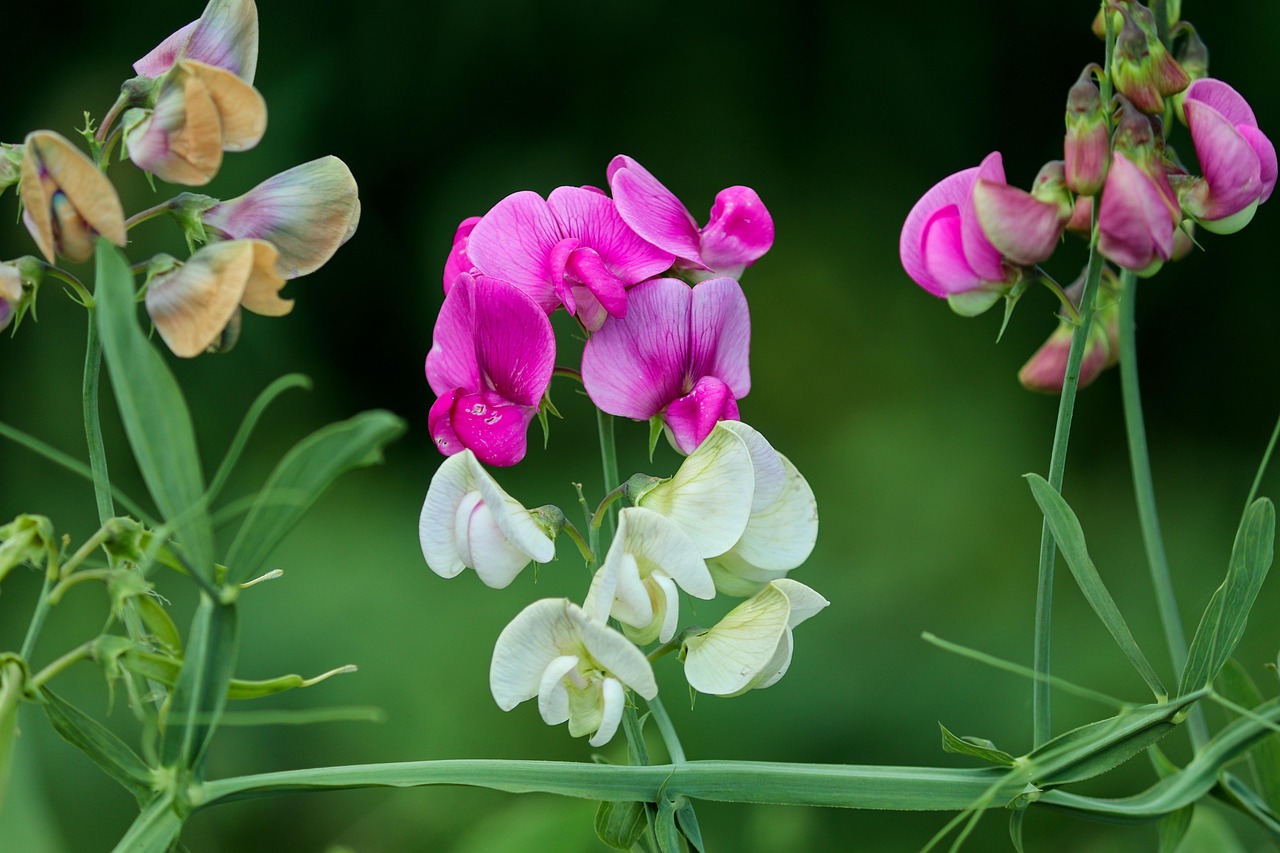
The flowers of Pisum sativum display the classic papilionaceous (“butterfly-like”) form characteristic of the Fabaceae family, with a large banner petal, wing petals, and a fused keel enclosing reproductive structures. This structure supports efficient self-pollination while still allowing insect visitation. Flowers are typically white, cream, pink, or purple depending on cultivar and genetic lineage. Their compact axillary placement and sequential blooming pattern contribute directly to pod set and harvest timing in commercial production.
| Floral Attribute | Description |
|---|---|
| Inflorescence type | Axillary raceme, usually 1–3 flowers per node |
| Flower diameter | 2–3 cm (0.8–1.2 in) |
| Flower length | 2.5–4 cm (1–1.6 in) |
| Outer tepals or sepals | Five green sepals, fused at base |
| Inner tepals or petals | Five petals: banner, two wings, fused keel |
| Stamens | 10 stamens, usually diadelphous (9+1 arrangement) |
| Pistil | Single superior ovary with curved style |
| Fragrance | Usually mild or absent |
| Anthesis period | Spring to early summer depending on sowing season |
| Primary pollinators | Bees, especially bumblebees and solitary bees |
Fruit
| Fruit Characteristic | Description |
|---|---|
| Fruit type | Legume (pod) |
| Shape | Linear to slightly curved |
| Length | 5–12 cm (2–4.7 in) |
| Diameter | 1–2.5 cm (0.4–1 in) |
| Weight | Highly variable by cultivar; commonly 5–15 g per pod |
| Skin colour | Green when immature; yellow to brown when dry |
| Surface features | Smooth or slightly inflated pod wall |
| Flesh colour | Green inner wall when fresh |
| Flesh texture | Crisp and succulent in garden peas; firmer in field peas |
| Seed count | Usually 4–10 seeds per pod |
| Sugar content | High in fresh garden peas; lower in dry field peas |
| Maturation period | Approximately 55–80 days after sowing depending on cultivar |
Seeds
| Seed Characteristic | Description |
|---|---|
| Size | 5–10 mm (0.2–0.4 in) diameter |
| Shape | Spherical to angular, smooth or wrinkled |
| Colour | Green, yellow, cream, or brown depending on cultivar |
| Seed coat | Thin to moderately firm testa |
| Oil content | Low; primarily starch and protein rather than oil |
| Viability period | Typically 2–3 years under dry cool storage |
| Germination rate | Commonly 80–95% under suitable storage and sowing conditions |
Root System
Pisum sativum develops a primary taproot with numerous lateral branches concentrated in the upper soil profile. Most functional roots occur within 30–60 cm (12–24 in), although deeper penetration may occur in loose, well-drained soils. The plant is sensitive to waterlogging because prolonged saturation restricts oxygen access to fine roots. Its relatively shallow architecture supports rapid seasonal nutrient uptake but also makes consistent moisture important during flowering and pod formation. In cultivation, this root structure favors friable soils and careful irrigation rather than deep or prolonged flooding.
Field Identification
In the field, Pisum sativum is recognised by its slender green climbing stems, paired oval leaflets, large leafy stipules, and terminal branched tendrils that grasp supports. The white to purple butterfly-shaped flowers and elongated green pods confirm identification during reproductive stages. It is commonly confused with Vicia sativa (common vetch), another climbing legume with tendrils. The most reliable distinguishing feature is the large, broad stipules of pea, which are much more prominent than in vetch. Pea pods are also typically thicker and more commercially uniform in cultivated forms.
For cultivar-specific recognition and selection guidance, see Pea Plant: Varieties and Cultivars.
Normal vs. Concerning Observations
| Observation | Status | Explanation |
|---|---|---|
| Tendrils curling tightly around support | Normal | Natural climbing behaviour |
| Lower older leaves yellowing late in season | Normal | Common during reproductive maturity |
| Slight flower drop during temperature fluctuation | Monitor | Mild environmental response; may self-correct |
| Excessive leaf growth with poor pod set | Monitor | May indicate imbalance in growth conditions |
| Sudden stem collapse near soil line | Investigate | May indicate serious basal disease or root failure |
| Persistent wilting despite moist soil | Investigate | Suggests root dysfunction or vascular stress |
Cultivar Summary
| Cultivar | Key Characteristic | Commercial Status | Origin |
|---|---|---|---|
| ‘Little Marvel’ | Compact dwarf garden pea with sweet seeds | Commercially dominant | Europe |
| ‘Lincoln’ | High-yield shelling pea with heat tolerance | Regionally significant | North America |
| ‘Alderman’ | Tall climbing heirloom with large pods | Historically documented | United Kingdom |
| ‘Sugar Snap’ | Edible-pod snap pea with thick sweet pods | Commercially dominant | United States |
| ‘Meteor’ | Early dwarf pea suited to cool climates | Regionally significant | Europe |
Functional Traits
Pisum sativum is a cool-season annual C3 legume whose physiology is built around rapid vegetative growth, efficient seed production, and strong seasonal nutrient economy. Its metabolic strategy depends on fast canopy development under moderate temperatures, direct seed reproduction, and symbiotic nitrogen acquisition that reduces dependence on external nitrogen inputs. Rather than drought endurance or structural persistence, pea invests in short-cycle productivity and reproductive efficiency. These traits function together as a coordinated strategy suited to temperate agricultural systems and disturbance-adapted cultivation landscapes.
| Trait | Mechanism Description | Adaptive Significance |
|---|---|---|
| Photosynthetic pathway | C3 photosynthesis fixes atmospheric CO2 directly through the Calvin cycle during daylight, with stomata open primarily under cool, moist conditions | Supports rapid biomass accumulation in cool seasons but limits heat and drought tolerance |
| Water use strategy | Moderate transpiration with shallow active roots allows fast uptake of available moisture, but dependence on evenly moist soil increases sensitivity to drought stress | Effective for short-season productivity in temperate climates |
| Nutrient acquisition | Root nodules with nitrogen-fixing rhizobia convert atmospheric nitrogen into plant-available forms, reducing reliance on soil nitrate | Improves growth in rotation systems and enhances soil fertility |
| Growth form strategy | Soft herbaceous climbing stems with tendrils reduce structural investment and redirect energy toward flowering and seed production | Maximises reproductive output with minimal woody biomass |
| Reproductive strategy | Predominantly self-pollinating flowers enclosed by the keel structure ensure reliable fertilisation even under low pollinator activity | Stable seed set and varietal consistency in cultivation |
| Dispersal mechanism | Mature dry pods split along sutures and release seeds near the parent plant through dehiscence | Efficient for local seed persistence and domesticated harvest systems |
| Stress response mechanism | Heat and drought stress reduce flowering and accelerate senescence through hormonal shifts and reduced carbohydrate allocation | Protects survival but lowers pod yield under stress |
| Chemical defence | Phenolic compounds, protease inhibitors, and lectins reduce herbivory and seed predation while supporting pathogen defence | Protects reproductive tissues and stored reserves |
| Species-specific trait | Wrinkled-seed and smooth-seed starch metabolism differences alter sugar-to-starch conversion during seed maturation | Important for breeding, food quality, and classical genetic studies |
Physiological Integration
The physiology of Pisum sativum depends on tight coordination between nitrogen economy, reproductive reliability, and seasonal water sensitivity. Nitrogen fixation supports rapid vegetative growth and protein-rich seed formation, but this advantage is constrained when drought or heat reduces root activity and flowering stability. Because the species relies on self-pollination, reproductive success is less dependent on insect presence and more dependent on maintaining favourable temperature and moisture during flowering. Its herbaceous climbing architecture further reinforces this strategy by minimising carbon investment in support tissues, allowing greater allocation to pods and seeds. This makes pea highly productive under cool, stable conditions but comparatively vulnerable when environmental stress disrupts short-cycle reproductive timing.
Phytochemistry
The phytochemical profile of Pisum sativum is shaped by its dual role as both a food crop and a legume with defensive seed chemistry. As a Fabaceae species, it contains abundant storage proteins, flavonoids, phenolic acids, and antinutritional compounds such as lectins and protease inhibitors. These compounds function in seed protection, oxidative defence, and plant–herbivore interactions. Unlike strongly medicinal taxa dominated by alkaloids or essential oils, pea chemistry is nutritionally centred, with the seed as the principal biochemical organ and green tissues contributing additional flavonoid diversity.
| Compound Class | Representative Compounds | Primary Location | Ecological or Biological Function |
|---|---|---|---|
| Storage proteins | Legumin, Vicilin, Convicilin | Seeds | Nitrogen reserve for germination; major human dietary protein source |
| Phenolic acids | Ferulic acid, p-Coumaric acid, Caffeic acid | Seeds, seed coat, leaves | Antioxidant activity and structural defence |
| Flavonoids | Quercetin, Kaempferol, Apigenin derivatives | Leaves, flowers, pods | UV protection, pigmentation, oxidative defence |
| Saponins | Pisumoside-related triterpenoid saponins | Seeds | Defence against herbivores and microbial attack |
| Lectins | Pea lectin (Pisum sativum agglutinin) | Seeds | Seed defence and carbohydrate-binding biological activity |
| Protease inhibitors | Trypsin inhibitors, Chymotrypsin inhibitors | Seeds | Reduce seed predation and influence digestibility |
Phytochemical Organ Distribution
| Organ | Compound Class | Representative Compounds | Concentration | Source |
|---|---|---|---|---|
| Dry seed | Storage proteins | Legumin, Vicilin | High; dominant biochemical fraction | Peer-reviewed food chemistry studies |
| Dry seed | Lectins | Pisum sativum agglutinin | Moderate; concentrated in seed tissues | Peer-reviewed pharmacological literature |
| Dry seed | Protease inhibitors | Trypsin inhibitor | Moderate | Peer-reviewed nutritional studies |
| Seed coat | Phenolic acids | Ferulic acid, p-Coumaric acid | Moderate to high depending on cultivar | Peer-reviewed phytochemical analysis |
| Leaves | Flavonoids | Quercetin, Kaempferol derivatives | Moderate | Peer-reviewed plant physiology studies |
| Immature pods | Flavonoids and sugars | Apigenin derivatives, sucrose | Moderate | Peer-reviewed food science studies |
Phytochemical Significance
The most commercially significant compounds in Pisum sativum are storage proteins, especially legumin and vicilin, because they define its nutritional value in human food, livestock feed, and plant-protein processing industries. From a pharmacological perspective, lectins, phenolic acids, flavonoids, and protease inhibitors are the most studied, particularly for antioxidant activity and digestive interactions. Peer-reviewed systematic reviews show that phenolic compounds contribute antioxidant capacity, while lectins and protease inhibitors influence both defence biology and food-processing considerations. The phytochemical profile is strongly seed-dominated, with leaves and immature pods contributing secondary flavonoid diversity rather than primary economic chemistry.
Characterisation of seed proteins is strong and globally distributed, but detailed profiling of minor secondary metabolites is more regionally concentrated in European and Asian food chemistry literature. Synergistically, phenolics and flavonoids reinforce oxidative defence, while lectins and protease inhibitors act more directly in anti-herbivory protection. Antinutritional factors may antagonise digestibility unless reduced by cooking or processing. For therapeutic mechanisms and applied health uses, see Benefits and Uses of Pea Plant.
Evidence Hierarchy for Medicinal Use
| Evidence Layer | Status | Notes |
|---|---|---|
| Traditional Use | Documented | Pea seeds, shoots, and pods have long-standing food and supportive dietary use in Eurasian agricultural traditions; traditional medicinal use is limited and mainly nutritional rather than pharmacopoeial |
| Nutritional Evidence | Documented | Strong evidence supports value as a protein-rich pulse crop with dietary fibre, vitamins, and mineral contribution |
| In Vitro Studies | Documented | Peer-reviewed studies show antioxidant activity, lectin bioactivity, and enzyme inhibition associated with phenolics and seed proteins |
| Animal Studies | Partial | Some controlled studies on protein digestibility, glycaemic modulation, and lipid metabolism exist, but evidence is narrower than for major medicinal legumes |
| Human Clinical Studies | Partial | Human evidence mainly concerns dietary inclusion, satiety, glycaemic response, and plant-protein nutrition rather than direct therapeutic treatment |
| Regulatory Recognition | Documented | Recognised globally as a food crop by FAO and national food databases; not recognised as a medicinal drug species by WHO monographs |
| Unsupported Commercial Claims | Documented | Claims of direct disease cure, rapid weight-loss effects, or standalone detoxification benefits are not supported by clinical evidence |
Evidence Assessment
The strongest evidence for Pisum sativum supports its role as a functional food rather than a medicinal plant. Nutritional benefits, including protein supply, fibre contribution, and effects on satiety and glycaemic moderation, are well substantiated through food science and human dietary studies. In contrast, direct therapeutic claims—such as disease treatment or detoxification—remain commercially prominent but poorly supported clinically. Antioxidant and lectin-related mechanisms are well described in vitro, yet translation into specific clinical interventions is limited. The evidence hierarchy clearly favours nutritional application over pharmacological treatment claims.
Nutritional Composition
| Nutrient | Value per 100g | Notes | Source |
|---|---|---|---|
| Energy | 81 kcal (fresh green peas) | Fresh edible peas, boiled standard reference | USDA FoodData Central |
| Protein | 5.4 g | Moderate plant protein source in fresh peas | USDA FoodData Central |
| Carbohydrates | 14.5 g | Includes starches and natural sugars | USDA FoodData Central |
| Dietary Fibre | 5.1 g | Higher than many common vegetables | USDA FoodData Central |
| Total Sugars | 5.7 g | Higher in garden peas than dry field peas | USDA FoodData Central |
| Fat | 0.4 g | Naturally low-fat food | USDA FoodData Central |
| Vitamin C | 40 mg | Higher in fresh immature peas than dry seed | USDA FoodData Central |
| Vitamin K | 24.8 µg | Supports nutritional significance in fresh pods and seeds | USDA FoodData Central |
| Folate | 65 µg | Important B-vitamin contribution | USDA FoodData Central |
| Potassium | 244 mg | Moderate mineral contribution | USDA FoodData Central |
| Iron | 1.5 mg | Useful but not exceptionally high compared to lentils | USDA FoodData Central |
| Magnesium | 33 mg | Moderate mineral value | USDA FoodData Central |
Nutritional Significance Note
Fresh green peas are nutritionally notable for combining moderate protein with relatively high fibre and vitamin C in a low-fat vegetable format, making them distinct from many other green vegetables. Compared with dry pulses such as lentils or chickpeas, fresh peas are less protein-dense but more commonly consumed as a fresh vegetable rather than a storage staple. Cooking improves digestibility and reduces lectins and protease inhibitors, increasing practical nutritional value. Most published values derive from cultivated fresh peas rather than dry field peas, so direct comparisons must consider harvest stage and processing form.
Soil Ecology and Mycorrhizal Associations
Pisum sativum forms strong biological associations in the rhizosphere, most notably with nitrogen-fixing Rhizobium leguminosarum bv. viciae, which establishes nodules and supports nitrogen acquisition. It also associates with arbuscular mycorrhizal fungi, especially genera such as Glomus, Rhizophagus, and related Glomeraceae taxa documented in peer-reviewed agronomic studies. These fungi improve phosphorus uptake, water-use efficiency, and establishment under low-fertility conditions. Excessive synthetic nitrogen fertilisation can suppress nodulation efficiency by reducing the plant’s dependence on symbiotic fixation.
The rhizosphere also supports diverse bacterial communities involved in phosphate solubilisation and pathogen suppression. Allelopathic effects are limited compared with strongly allelopathic crops, though phenolic root exudates may influence neighbouring microbial activity and seedling competition. These interactions are agronomically important because biological inoculation improves performance in degraded or nutrient-poor soils and supports low-input and organic production systems more effectively than high-input conventional systems.
Toxicity and Safety
| Subject | Toxic Compounds | Clinical Effects | Source |
|---|---|---|---|
| Humans | Lectins, protease inhibitors, excess antinutritional factors in large quantities of raw seeds | Raw or poorly processed seeds may cause digestive discomfort, reduced protein digestibility, or mild gastrointestinal irritation; normal cooked consumption is considered safe | USDA nutritional literature; peer-reviewed food toxicology |
| Cats | No toxic compounds documented in available literature | Fresh peas in small dietary amounts are generally considered low risk; digestive upset possible if excessive | ASPCA reference context and veterinary nutritional literature |
| Dogs | No toxic compounds documented in available literature | Generally low toxicity; excessive intake may cause gastrointestinal upset due to fibre load | Veterinary nutritional literature |
| Livestock | Excess raw seed intake with antinutritional factors, especially in poorly balanced feed | Reduced digestibility and feed efficiency if improperly processed or overused in ration formulation | Peer-reviewed livestock nutrition studies |
Toxicity Context
Toxicity in Pisum sativum is primarily dose-dependent and relates more to raw seed chemistry than to normal culinary use. Lectins and protease inhibitors are biologically active in uncooked seeds but are substantially reduced by soaking, cooking, and industrial processing. This distinction is important because isolated compounds may show measurable biological effects while whole-food consumption remains safe. Individuals with specialised digestive disorders or highly restricted renal diets may require dietary moderation of legume intake. This profile does not constitute medical or veterinary advice.
Native Range and Distribution
Biogeographic Context
Pisum sativum originated within the Mediterranean Basin and Southwest Asia, with domestication strongly associated with the Fertile Crescent and adjacent dry temperate zones where seasonal winter rainfall and cool spring growth favored annual legumes. Archaeobotanical and Kew POWO-supported taxonomic evidence place its early distribution across regions including modern Turkey, Syria, Iraq, Iran, and the eastern Mediterranean. Its success in these areas reflects adaptation to open disturbed habitats, calcareous soils, and seasonal moisture regimes rather than deep tropical environments. Wild relatives remain regionally important genetic resources, but habitat conversion, agricultural intensification, and genetic erosion of landraces have reduced the conservation security of ancestral populations more than the cultivated species itself.
Native Range
| Region | Countries or Sub-regions | Notes |
|---|---|---|
| Eastern Mediterranean | Greece, Cyprus, coastal Türkiye, Levant | Strong early domestication zone |
| Southwest Asia | Syria, Iraq, Iran | Core Fertile Crescent domestication region |
| Anatolia and Caucasus margins | Türkiye interior, Armenia, Georgia | Important wild-relative interface |
| North Africa margins | Egypt, parts of Libya | Secondary historical expansion zone |
Global Cultivation and Naturalisation
| Region | Countries or Areas | Cultivation Status | Notes |
|---|---|---|---|
| Europe | United Kingdom, France, Germany, Spain, Italy, Netherlands | Commercially established | Strong fresh pea and processing industries |
| South Asia | India, Pakistan, Bangladesh, Nepal | Commercially established | Major winter-season production; heat limits summer cultivation |
| East Asia | China, Japan, Korea | Commercially established | Strong vegetable and processing markets |
| North America | United States, Canada | Commercially established | Field pea and snap pea systems highly developed |
| South America | Peru, Chile, Argentina, Brazil highlands | Emerging to Commercially established | Climate suitability strongest in cooler elevations |
| Africa | Ethiopia, Kenya, Morocco, South Africa | Regionally significant / Emerging | Highland production favored; lowland heat limits performance |
| Oceania | Australia, New Zealand | Commercially established | Strong dry pea and export systems |
| Tropical lowlands | Equatorial humid zones | Attempted — limited success | Heat, humidity, and disease pressure restrict production |
Cultivation Range Note
Commercially significant production is strongest in Europe, India, China, Canada, and Australia, where cool-season cultivation aligns with the species’ reproductive requirements. Highland regions in Africa and South America support expanding production, while tropical lowlands remain constrained by heat stress, humidity, and pathogen pressure. Production statistics are disproportionately strong from India and China due to scale and reporting frequency, which creates a research concentration bias toward Asian agronomic literature. Temperate processing systems in Europe and North America, however, dominate mechanised field-pea research.
For region-specific cultivation methods and production systems, see How to Grow Pea Plant.
Natural Habitat
In its native ecological context, Pisum sativum and its wild relatives occur in open grasslands, disturbed field margins, scrub edges, and seasonally cultivated Mediterranean landscapes, usually from near sea level to about 2,000 m (6,560 ft) depending on regional topography. Soils are commonly well-drained loams, calcareous substrates, or light clay-loams with moderate fertility. Associated vegetation includes annual grasses, wild legumes, and low shrubby vegetation in semi-open habitats. Moisture regimes are strongly seasonal, with cool wet winters followed by drier warm periods. The species behaves as a habitat generalist within this temperate disturbance zone, which supports broad cultivation adaptability but makes conservation of wild landrace reservoirs regionally important.
Ecological Role
Pisum sativum functions primarily as a nitrogen-contributing annual legume within both wild-edge ecosystems and cultivated rotational systems. Its flowers provide nectar and pollen access mainly for bees, especially Bombus species and solitary bees, even though the species is largely self-pollinating. This makes it a supplementary rather than obligate pollinator resource. Seeds are mainly dispersed locally by pod dehiscence, but in agricultural landscapes birds, rodents, and human harvest dominate redistribution. It is not considered a keystone species in wild ecosystems, but it plays strong agroecological value by improving soil fertility and reducing synthetic nitrogen dependence in rotations. Ecological understanding is strongest for agricultural systems; species-level data on wild ecosystem interactions outside cultivation remains less completely resolved than for major perennial legumes.
Ecological Role
| Role Type | Species or Agent Involved | Notes |
|---|---|---|
| Pollinator support | Bombus terrestris and related Bombus species | Supplemental nectar visitation despite self-fertility |
| Local seed dispersal | Gravity and pod dehiscence | Primary natural dispersal mechanism |
| Agroecosystem fertility role | Rhizobium leguminosarum bv. viciae | Supports nitrogen cycling and rotation value |
Invasive Status
Pisum sativum has naturalised in some temperate agricultural margins and disturbed habitats outside its native range, but it is not generally classified as an invasive species of major ecological concern.
Optimal Climate Parameters
| Parameter | Optimal Range | Tolerance Range | Notes |
|---|---|---|---|
| Mean Annual Temperature | 10–18°C (50–64°F) | 5–24°C (41–75°F) | Best performance in cool temperate systems |
| Daytime Temperature | 15–24°C (59–75°F) | 8–30°C (46–86°F) | Flowering declines above upper range |
| Nighttime Temperature | 7–15°C (45–59°F) | 2–18°C (36–64°F) | Cool nights improve reproductive stability |
| Annual Rainfall | 600–1,000 mm (24–39 in) | 350–1,200 mm (14–47 in) | Irrigated systems extend tolerance |
| Dry Season Length | Short to moderate, 1–3 months | Up to 4 months with seasonal adaptation | Excessive prolonged drought limits yield |
| Relative Humidity | 50–70% | 35–80% | High humidity increases disease pressure |
| Solar Radiation | Full sun, moderate intensity | Partial shade tolerated; high heat radiation reduces pod set | Regional variation strong in South Asia |
Climate Interpretation
The most limiting factors for global expansion of Pisum sativum are heat during flowering and prolonged waterlogging rather than absolute annual rainfall. Its native range evolved under cool wet winters and dry finishing seasons, but the global cultivation envelope is broader because irrigation and seasonal scheduling allow production beyond Mediterranean climates. Tropical lowlands remain the weakest production zone because high nighttime temperatures and persistent humidity disrupt flowering, pod formation, and disease balance. Breeding programs therefore focus more on heat tolerance and reproductive stability than on basic rainfall adaptation.
Stress Tolerance Profile
| Stress Type | Tolerance Level | Physiological Response | Notes |
|---|---|---|---|
| Drought | Moderate to low | Stomatal closure reduces transpiration, followed by reduced flowering and accelerated senescence under prolonged deficit | Sensitive during flowering and pod fill |
| Heat | Low | High temperatures reduce pollen viability, shorten flowering duration, and redirect metabolism toward survival rather than seed fill | Major production constraint |
| Cold or Frost | Moderate | Cool temperatures slow growth; light frost may be tolerated by vegetative tissues but reproductive tissues are more sensitive | Young seedlings more tolerant than flowers |
| Salinity | Low | Osmotic stress reduces water uptake and disrupts nutrient balance, limiting nodulation and vegetative growth | Poor performer in saline soils |
| Waterlogging | Low | Root-zone oxygen deficiency rapidly suppresses respiration and nutrient uptake, causing wilting despite wet soil | Highly sensitive compared to many legumes |
| Air Pollution | Moderate | Reduced stomatal efficiency and oxidative stress may impair photosynthesis under chronic exposure | Urban production less ideal |
| Wind | Moderate | Mechanical movement increases water loss and may damage flowers and tendrils, reducing climbing stability | Exposure affects tall cultivars more |
| Soil Compaction | Low | Reduced pore space limits root respiration and restricts lateral exploration for water and nutrients | Strongly affects establishment |
Compound Stress
Pisum sativum performs poorly when heat and drought occur together because reduced soil moisture and high temperature simultaneously suppress flowering, pollen viability, and nitrogen fixation efficiency. This compound stress is significantly more damaging than either factor alone. Salinity combined with waterlogging is especially severe because osmotic stress and oxygen deficiency jointly impair root metabolism and nutrient uptake. Published compound-stress studies are stronger in controlled agronomic trials than in wild ecological contexts, and species-level long-term adaptation data remain limited. This represents an important breeding and climate resilience knowledge gap.
Structural and Physiological Adaptations
Adaptation Narrative
Pisum sativum is structurally adapted to cool-season, open-habitat environments where rapid seasonal completion is more advantageous than long-term persistence. Unlike woody legumes, it invests in lightweight herbaceous stems and climbing tendrils that reduce structural cost while improving access to light among surrounding vegetation. Large stipules and broad leaflets maximise photosynthetic surface during short favorable growth windows. Its enclosed papilionaceous flower structure protects reproductive organs and supports reliable self-fertilisation under unstable spring weather. These adaptations reflect selection in Mediterranean and Southwest Asian disturbance landscapes where seasonal moisture, open competition, and short reproductive windows shaped annual legume evolution. Full physiological mechanisms are discussed in Block 3.
| Adaptation | Mechanism Description | Ecological Context |
|---|---|---|
| Terminal tendrils | Modified terminal leaf structures coil around nearby supports, allowing vertical positioning without woody stem investment | Advantageous in open herbaceous communities and cultivated fields |
| Large stipules | Expanded stipules increase photosynthetic area near stem nodes | Supports rapid biomass accumulation during short cool seasons |
| Papilionaceous flower enclosure | Keel petals physically enclose stamens and pistil, shielding reproductive structures | Protects reproduction during cool, variable spring conditions |
| Thin annual stem architecture | Soft green stems prioritise rapid extension over long-term support tissue | Suitable for annual completion in seasonal habitats |
| Dry dehiscent pod | Pod walls split along sutures at maturity, releasing seeds efficiently | Supports rapid local reseeding in disturbed habitats |
| Smooth, starch-rich seeds | Compact seed reserves support rapid seedling establishment after germination | Effective in cultivated and disturbed seasonal soils |
Climate Change Vulnerability
| Factor | Assessment | Notes |
|---|---|---|
| Primary Climate Sensitivity Factors | High sensitivity to heat during flowering and prolonged waterlogging | Reproductive stage is the main vulnerability point |
| Key Threatening Climate Processes | Rising night temperatures, erratic rainfall, late frost shifts, pathogen pressure under humidity | Particularly significant in subtropical production zones |
| Resilience Factors | Short life cycle, wide cultivar diversity, strong breeding history | Breeding offers adaptation potential faster than perennial crops |
| Confidence Level | Moderate | Strong agronomic evidence; fewer long-term wild population models |
Climate Vulnerability
Climate vulnerability in Pisum sativum is driven more by reproductive instability than by survival failure. Peer-reviewed agronomic studies and FAO crop analyses indicate that rising nighttime temperatures and flowering-stage heat stress reduce pod set more consistently than moderate shifts in annual rainfall. Earlier spring warming can also create mismatch between vegetative growth and late frost exposure. Confidence is moderate because cultivated production data are strong, but species-level modelling for wild relatives and landrace persistence is less comprehensive. Vulnerability assessment is therefore strongest for agricultural performance and weaker for long-term native-range ecological forecasting.
Phenological Calendar
| Event | Native Range Timing | Cultivated Range Timing | Environmental Triggers |
|---|---|---|---|
| Vegetative Growth Onset | Late winter to early spring | Late winter, spring, or cool-season sowing periods globally | Soil temperature above 8–10°C (46–50°F) and adequate moisture |
| Flower Bud Initiation | Early to mid spring | 30–45 days after sowing depending on cultivar | Increasing day length and stable cool daytime temperatures |
| Anthesis or Peak Flowering | Mid spring | Spring to early summer depending on production region | Day temperatures of 15–24°C (59–75°F) and low heat stress |
| Fruit Development | Mid to late spring | 10–20 days after flowering | Successful fertilisation and stable moisture availability |
| Fruit Maturation | Late spring to early summer | 55–80 days after sowing depending on cultivar | Drying conditions and full seed filling |
| Seed Dispersal | Early summer | Harvest stage or dry pod dehiscence period | Pod desiccation and low ambient humidity |
| Dormancy or Rest Period | Summer dry season and post-seed phase | Stored seed phase between production cycles | Completion of seed maturation and dry storage conditions |
Phenological Notes
Phenology in Pisum sativum is strongly governed by temperature thresholds and day-length response rather than by rainfall alone. Cool establishment conditions followed by moderate spring warmth produce the most stable flowering sequence. High heat accelerates senescence and shortens reproductive phases, especially in lowland subtropical systems, while cooler temperate regions extend flowering duration. Considerable phenological plasticity exists across the global cultivation range because sowing windows shift by latitude and elevation. For season-by-season timing and regional scheduling, see Seasonal Guide of Pea Plant.
Pollination Ecology
The pollination system of Pisum sativum is biologically distinctive because it is primarily self-compatible and structurally designed for self-fertilisation, yet still retains ecological interaction with insect visitors. The papilionaceous flower protects reproductive organs inside the keel, allowing pollen transfer before or during flower opening. This reduces dependence on pollinators compared with obligately outcrossing legumes. Bees, especially bumblebees, still visit flowers for nectar and can contribute to occasional cross-pollination, which supports limited genetic exchange and ecological connectivity in mixed landscapes.
| Parameter | Value | Notes |
|---|---|---|
| Primary Pollinators | Bombus terrestris and related Bombus species | Main visiting pollinators where insect activity is high |
| Secondary Pollinators | Solitary bees including Osmia species | Supplemental visitation |
| Pollination Syndrome | Predominantly self-pollinating with facultative insect-assisted cross-pollination | Stable seed set even under low pollinator presence |
| Floral Mechanism | Keel petals enclose stamens and pistil; visiting insects depress petals and contact reproductive organs during nectar access | Physical guidance reduces pollen loss |
| Reproductive System | Self-compatible and self-fertile | Cross-pollination occurs at low frequency |
| Seed Dispersal Agent | Gravity and pod dehiscence | Primary natural seed release mechanism |
| Pollination Success Rate | High under normal cool-season conditions | Largely independent of pollinator abundance |
| Human Intervention | Biologically feasible but rarely necessary for seed set | Mostly relevant for controlled breeding |
Pollination Context
Because Pisum sativum is self-compatible, pollinator decline creates less direct production risk than in fruit crops dependent on obligate cross-pollination. Yield losses are more strongly linked to temperature stress affecting pollen viability than to reduced bee visitation. Insect visitors remain ecologically useful by enabling occasional outcrossing and supporting local pollinator networks. Hand pollination is biologically feasible because flowers are accessible and reproductive organs are clearly structured, but it is generally relevant only for breeding programmes rather than normal crop production.
Seed Biology and Germination
| Parameter | Value | Notes |
|---|---|---|
| Seed type | Orthodox dry seed | Suitable for dry storage |
| Dormancy class | Minimal physiological dormancy to non-dormant | Most cultivated seed germinates readily |
| Dormancy-breaking requirement | Usually none; occasional hydration needed for hard seed lots | Wild-associated material may vary more |
| Optimal germination temperature | 10–22°C (50–72°F) | Cool-season preference |
| Germination rate | Commonly 80–95% | Depends on seed age and storage |
| Germination period | 7–14 days | Slower under low temperatures |
| Storage behaviour | Dry cool storage maintains viability well | Sensitive to moisture during storage |
| Seed longevity | Typically 2–3 years, sometimes longer under ideal storage | Cultivated seed data strongest |
Germination Notes
Most cultivated Pisum sativum seed shows low dormancy and predictable germination, reflecting long domestication selection for rapid field emergence. Hard-seed behaviour is uncommon but may appear in poorly stored lots or in wild-associated germplasm. Moisture during storage is a stronger limiting factor than dormancy itself because fungal damage and loss of viability increase rapidly under humid conditions. Most published germination values derive from cultivated agricultural seed rather than wild-collected populations.
Vegetative Reproduction
| Parameter | Value | Notes |
|---|---|---|
| Vegetative Regeneration Capacity | Very low | Not a naturally persistent vegetative species |
| Primary Regeneration Mechanism | None significant beyond limited regrowth from basal nodes after minor damage | Seed reproduction is dominant |
| Minimum Propagule Size | Not applicable for standard commercial biology | Vegetative propagation not normally used |
| Ecological or Invasive Significance | Low | Lack of strong vegetative spread limits invasive persistence |
Economic Importance
Economic Context
Pisum sativum is one of the world’s major pulse and vegetable crops, with large-scale production concentrated in India, China, Canada, Russia, France, and the United Kingdom. Fresh green peas, dry field peas, snap peas, and processed frozen products form distinct but interconnected global markets. Cultivated production overwhelmingly dominates trade; wild-harvest has no significant commercial role except for limited germplasm conservation and breeding resources. Quality value depends heavily on seed uniformity, sugar retention in fresh peas, protein quality in dry peas, and freedom from fungal contamination. Supply chain vulnerabilities include climate-driven flowering failure, fungal disease outbreaks, storage losses, and varietal mismatch affecting export standards.
| Use Category | Description | Economic Impact |
|---|---|---|
| Fresh vegetable market | Green peas, garden peas, snap peas, snow peas for direct consumption | High-value horticultural trade with strong domestic and export demand |
| Dry pulse market | Field peas for dry grain, flour, and pulse processing | Major international commodity crop and protein source |
| Plant protein industry | Pea protein isolates for food manufacturing and alternative protein products | Rapidly expanding high-value processing sector |
| Livestock feed | Dry peas and by-products used in feed formulations | Moderate to high economic contribution in mixed farming systems |
| Seed industry | Certified seed production for commercial agriculture | Essential for cultivar turnover and breeding systems |
| Summary Economic Assessment | Globally significant multi-sector crop with strong food-security and industrial relevance | High strategic agricultural value across both developed and emerging markets |
Traditional Uses
| Use Category | Knowledge System | Region or Cultural Group | Practice Summary | Documentation Level | Source |
|---|---|---|---|---|---|
| Dietary staple pulse | Mediterranean agrarian food systems | Southern Europe and Levant | Dry peas cooked as soups, stews, and staple protein foods | Strongly documented | FAO food history and regional agrarian literature |
| Fresh vegetable use | European horticultural tradition | Western and Central Europe | Immature green peas consumed fresh or preserved | Strongly documented | Horticultural and agricultural records |
| Pulse flour use | South Asian food systems | India, Pakistan, Nepal | Dry peas milled for flour blends and cooked foods | Well documented | Regional food ethnobotany literature |
| Supportive convalescent food | Ayurveda-influenced household nutrition | Indian subcontinent | Light cooked peas used as part of restorative diet rather than formal medicinal prescription | Partial documentation | Regional nutritional and ethnobotanical literature |
| Fodder and forage use | Mixed farming tradition | Europe, West Asia | Green biomass and residues used for livestock feeding | Strongly documented | Agricultural records |
| Soil-restoration crop | Traditional rotational farming | Mediterranean and Eurasian farming communities | Used in crop rotation for soil improvement and fertility maintenance | Strongly documented | Agronomic historical literature |
Traditional Use Summary
The strongest traditional knowledge systems surrounding Pisum sativum are agrarian rather than medicinal, centred in Mediterranean farming cultures, Southwest Asia, and South Asian pulse-food systems. European horticultural traditions strongly shaped fresh vegetable use, while South Asian food systems expanded its role in pulse flour and household nutrition. Most practices remain living and active rather than reconstructed from historical sources, especially as food and rotational agriculture rather than formal ethnomedicine. This geographic continuity explains why commercial development has focused on nutrition and protein processing rather than pharmaceutical extraction. For cultural narratives and public-interest context, see Quick Facts about Pea Plant.
Regional Ethnobotanical Context
The human relationship with Pisum sativum extends back to early Neolithic agriculture, where peas were among the foundational domesticated legumes of the Fertile Crescent. Their importance was tied not only to direct food value but also to storage reliability and compatibility with cereal-based farming systems. As agriculture spread into Europe, North Africa, and Asia, peas adapted into region-specific cuisines and seasonal farming calendars. Unlike highly ritualised medicinal plants, pea retained significance through continuity of daily use—food security, fodder, and soil fertility—making its ethnobotanical integrity unusually stable across thousands of years of agricultural transition.
Traditional Ecological Knowledge
Traditional ecological knowledge for Pisum sativum is strongly linked to rotational agriculture and soil observation rather than symbolic landscape functions such as sacred groves or living fences. Farmers across Mediterranean and Eurasian systems historically recognised peas as a restoring crop that improved field performance for cereals grown afterward, even before microbial nitrogen fixation was scientifically understood. Seasonal sowing aligned with winter moisture cycles and cool spring growth formed a practical ecological calendar. Beyond these agricultural integrations, little distinct TEK is documented at species level, representing a minor research gap outside food-system history.
Ethical Considerations
The geographic origin of Pisum sativum lies in the Mediterranean Basin, Southwest Asia, and the Fertile Crescent, where early farming communities domesticated the species and integrated it into cereal-legume agricultural systems. Traditional use knowledge is therefore rooted primarily in long-standing agrarian food systems rather than formal medicinal traditions such as Ayurveda or Classical Chinese medicine. Documentation is strongest for food, fodder, and rotational soil management practices across Europe, the Levant, and South Asia, while community-specific oral traditions are less comprehensively preserved because pea has long been treated as a common staple rather than a specialist ethnomedicinal plant.
No documented Access and Benefit-Sharing (ABS) case under the Nagoya Protocol has been identified specifically for Pisum sativum, largely because the crop is globally naturalised in agriculture and commercial development focuses on breeding and food processing rather than extraction of restricted traditional medicinal knowledge. Similarly, no major biopiracy allegations or internationally prominent patent disputes centred on pea traditional knowledge have been documented. Intellectual property disputes are more commonly associated with cultivar breeding and protein-processing technologies than with ethnobotanical claims.
Commercial benefit has largely accrued in industrial breeding systems, seed companies, and plant-protein processing sectors concentrated in North America, Europe, and parts of Asia, while the historical knowledge base originates in older farming communities across West Asia and the Mediterranean. Attribution gaps therefore concern agricultural heritage rather than medicinal appropriation. Researchers and commercial buyers should reference origin regions accurately, distinguish landrace resources from modern proprietary cultivars, and recognise that crop domestication history itself is part of shared agricultural heritage requiring transparent sourcing and germplasm ethics.
Cultural Significance
The cultural significance of Pisum sativum is concentrated more in food memory and agricultural identity than in formal ceremonial symbolism. Across Europe, peas became associated with spring harvests, kitchen gardens, and domestic seasonality, often symbolising freshness and early abundance after winter scarcity. In South Asia, dry peas entered everyday household cuisine as practical protein foods rather than prestige crops, reinforcing their identity as dependable staples.
Linguistically, the pea appears in numerous idioms linked to smallness, abundance, and familiarity, reflecting how deeply embedded it is in ordinary life. Public interest also remains high through educational history because Pisum sativum is inseparable from Gregor Mendel’s foundational genetics experiments, giving the species unusual scientific cultural visibility. Garden tourism and heirloom cultivar preservation in Europe and North America further sustain public engagement. Its cultural significance is therefore strongest in temperate agricultural societies where home gardening and historical crop identity remain socially visible.
Cultivation Summary
| Parameter | Value | Notes |
|---|---|---|
| Hardiness or Climate Zone | Cool temperate to subtropical cool-season production zones | Reflects global cultivation range rather than strict perennial hardiness |
| Soil pH Range | 6.0–7.5 | Slightly acidic to neutral soils preferred |
| Moisture Sensitivity | Moderate; sensitive to waterlogging and prolonged drought | Biological orientation only |
| Light Sensitivity | Full sun preferred; tolerates light partial shade | For operational growing methods, see How to Grow Pea Plant |
| Productive Lifespan | One seasonal production cycle (annual) | Lifespan consistent globally, though cropping window varies by region |
Pest, Disease and Physiological Burden Summary
Pisum sativum is moderately susceptible to pest and disease burden, with aphids (Acyrthosiphon pisum), pea weevil (Bruchus pisorum), powdery mildew, downy mildew, Fusarium wilt, and root rot among the most documented constraints. Physiological stress from heat, waterlogging, and flowering-stage drought further reduces productivity. The burden profile is well documented globally due to the crop’s commercial importance. For diagnosis, treatment, and prevention, see Problems and Diseases about Pea Plant.
Failure Points and Commercial Risks
| Risk | Cause | Commercial Impact | Mitigation Domain |
|---|---|---|---|
| Flower drop and poor pod set | Heat stress during flowering and unstable night temperatures | Reduced yield and market-grade inconsistency | Genetic |
| Root and stem rot | Waterlogging and soil-borne pathogen pressure | Plant loss and field-level production decline | Agronomic |
| Frost injury to flowers | Late-season cold events after vegetative establishment | Reproductive failure and delayed harvest | Infrastructural |
| Cultivar mismatch | Incorrect cultivar selection for regional climate or market demand | Reduced profitability and export rejection | Genetic |
| Storage quality loss | High seed moisture and fungal contamination post-harvest | Reduced seed value and food safety concerns | Infrastructural |
Conservation and Research
Conservation Analysis
Although Pisum sativum itself is not threatened as a cultivated species, the principal conservation concern lies in the erosion of wild genetic diversity and the loss of traditional landraces that support breeding resilience. Wild relatives in the Mediterranean Basin, Southwest Asia, and adjacent regions provide essential traits for disease resistance, drought adaptation, and reproductive stability under climate stress. The primary risk is therefore genetic rather than immediate species extinction. Habitat conversion, agricultural intensification, and replacement of locally adapted landraces by uniform commercial cultivars reduce the available germplasm base.
Commercial cultivation has protected the species from direct extinction risk but has also narrowed genetic representation through reliance on a limited number of high-performance breeding lines. This creates vulnerability to emerging pathogens and climatic instability. Long-term sustainability depends on both ex situ germplasm conservation and in situ protection of wild Pisum populations. Breeding programmes increasingly depend on these wild relatives for heat tolerance and disease resistance, making conservation a direct agricultural security issue rather than only a botanical concern.
Conservation Status
| Parameter | Value | Notes | Source |
|---|---|---|---|
| IUCN Red List Category | Not Evaluated | Cultivated Pisum sativum is generally not assessed separately as a domesticated crop species | IUCN Red List. https://www.iucnredlist.org/ Accessed 2026-04-27 |
| IUCN Red List Criteria | Not formally assigned | Wild relatives may be assessed separately under related taxa | IUCN Red List. https://www.iucnredlist.org/ Accessed 2026-04-27 |
| Population Trend | Stable in cultivation; variable in wild relatives | Commercial populations secure, wild gene pools regionally vulnerable | Kew POWO and crop diversity literature |
| Date of Assessment | No formal global species assessment | Cultivated species status inferred from global agricultural persistence | IUCN Red List. https://www.iucnredlist.org/ Accessed 2026-04-27 |
| Geographic Scope of Assessment | Global cultivated range; wild-relative conservation often regional | Conservation concern is strongest in native-range genetic reservoirs | Kew POWO; regional flora databases |
| Threats Summary | Genetic erosion, landrace replacement, habitat conversion, climate stress on wild relatives | Primary threat is breeding diversity loss rather than species disappearance | FAO crop diversity reports |
Conservation Status
Commercial cultivation ensures that Pisum sativum itself is not at immediate extinction risk, but this masks conservation vulnerability in wild populations and traditional landraces. Demand for uniform high-yield cultivars reduces the maintenance of genetically diverse local forms. The conservation implication of commercial success is therefore paradoxical: wider cultivation can coincide with narrower usable diversity. Protection of wild relatives and seed-bank preservation are central to maintaining future breeding capacity.
Research Coverage and Knowledge Gaps
| Research Topic | Coverage Level | Key Gaps | Priority |
|---|---|---|---|
| Taxonomy and crop genetics | High | Wild-relative boundary resolution | High |
| Nutritional chemistry | High | Minor metabolite profiling | Medium |
| Climate resilience breeding | High | Heat-stable reproductive traits | High |
| Wild population ecology | Medium | Species-level field monitoring | High |
| Pollination ecology outside cultivation | Limited | Non-agricultural interaction mapping | Medium |
Research Landscape
Research output for Pisum sativum remains strong and continues to accelerate, especially in plant protein processing, genomic breeding, and climate resilience studies. The evidence base is geographically concentrated in Europe, India, China, Canada, and Australia, reflecting both production scale and institutional crop research capacity. Much breeding research is supported by agricultural industry and public crop-improvement programmes, while phytochemical and ecological studies are more often independent academic work. This creates strong reliability for agronomic knowledge but less complete global understanding of wild ecological systems and landrace conservation.
Priority Knowledge Gaps
The most critical unresolved issue for Pisum sativum is not basic cultivation biology but preservation and functional use of wild genetic diversity. Many breeding targets—especially flowering stability under high nighttime temperatures, combined drought-heat tolerance, and resistance to emerging fungal diseases—depend on traits found in poorly characterised wild relatives such as Pisum fulvum and regionally conserved landraces. Without stronger field documentation and genomic mapping of these populations, breeding programmes risk depending on a narrowing germplasm base.
Phytochemically, seed protein fractions are well understood, but secondary metabolites in leaves, pods, and wild-associated germplasm remain less consistently characterised. This limits precision in nutritional comparison and functional food development. Pollination ecology outside managed agriculture is also under-documented; species-level understanding of wild bee interactions and landscape-scale ecological roles remains incomplete.
Addressing these gaps would improve not only crop resilience but also global food security planning, because peas are increasingly important in plant-protein systems and low-input agricultural rotations under climate pressure.
Interesting Facts
Mendel Built Genetics Using Peas
Gregor Mendel used Pisum sativum to establish the basic laws of inheritance that became modern genetics. The species was ideal because traits such as seed shape and flower colour were easy to track across generations, and self-pollination allowed controlled breeding.
Wrinkled Seeds Are Sweeter
Wrinkled pea seeds are not just a visual trait—they result from altered starch metabolism. Because less starch forms during development, more sugars remain in immature seeds, making many garden peas sweeter for fresh eating.
Peas Improve Soil Without Fertiliser
The plant can support its own nitrogen economy through association with Rhizobium leguminosarum. This means peas can enrich cropping systems by reducing dependence on synthetic nitrogen, which is one reason they remain central to rotation farming.
A Crop Can Be Safe Yet Raw Seeds Matter
Cooked peas are globally safe foods, but raw seeds contain lectins and protease inhibitors that reduce digestibility. This is a counter-intuitive example where a common food plant contains biologically active compounds that matter mainly before processing.
Wild Relatives Matter More Than Wild Harvest
Unlike many commercial plants, conservation concern is not about harvesting wild peas for trade. The real value lies in preserving wild relatives because they carry genes needed for future breeding against climate stress and disease.
Frequently Asked Questions
Identification and Biology
Is the pea plant a vegetable or a legume?
It is both. Botanically, Pisum sativum belongs to the Fabaceae legume family because it produces seeds in pods. In food systems, immature green peas are commonly treated as vegetables, while dried field peas are classified as pulses, which are dry edible legumes with high protein value.
Why do pea plants have tendrils instead of stronger stems?
Pea plants evolved tendrils to climb surrounding vegetation rather than invest energy in thick supportive stems. This allows rapid seasonal growth and greater allocation of resources to flowers and seeds. The tendrils are modified leaf structures, not separate branches, which is often misunderstood.
Are pea flowers dependent on bees for pollination?
Not primarily. Most pea flowers are self-compatible and self-pollinating, meaning they can set seed without insect visitation. Bees such as bumblebees still visit flowers and may increase occasional cross-pollination, but pollinator decline affects peas less directly than crops requiring obligate outcrossing.
Origin and Conservation
Where did the pea plant originally come from?
The species originated in the Mediterranean Basin and Southwest Asia, especially around the Fertile Crescent. Archaeobotanical evidence links peas to some of the earliest farming communities in human history. Their long storage life and compatibility with cereal farming made them one of the foundational domesticated crops.
Is the pea plant endangered?
The cultivated species itself is not endangered because it is grown worldwide. The real conservation concern involves wild relatives and traditional landraces, which hold valuable genes for breeding disease resistance and climate tolerance. Losing these populations reduces future agricultural resilience even if farming remains widespread.
Benefits and Chemistry
Are peas medicinal plants?
Not in the formal pharmacological sense used for medicinal species. Their strongest evidence supports nutritional and functional food value—protein, fibre, vitamins, and glycaemic moderation—rather than direct disease treatment. Claims of detoxification or rapid therapeutic effects are commercially common but not strongly supported by clinical evidence.
Why are raw peas and cooked peas biologically different?
Raw seeds contain lectins and protease inhibitors that can reduce digestibility and cause mild gastrointestinal discomfort in excess. Cooking denatures much of this activity, improving nutritional availability and safety. This difference explains why the same plant can be both nutritionally valuable and chemically defensive.
Conclusion
Pisum sativum is globally significant because it combines food security, agricultural sustainability, and scientific importance in a single species. It feeds human populations as both fresh vegetable and dry pulse, supports livestock systems, improves crop rotations through nitrogen contribution, and remains historically central to the development of modern genetics.
Its central unresolved challenge is genetic resilience. Commercial abundance can disguise vulnerability when breeding systems depend on a narrowing set of cultivars while wild relatives and traditional landraces decline. Climate instability, especially reproductive heat stress, makes preservation of broad germplasm diversity more urgent than simple production expansion.
Future priorities lie in protecting wild gene pools, improving climate-stable flowering performance, and expanding research beyond seed protein into ecological and secondary metabolite diversity. Continued progress depends on integrating breeding, conservation, and public understanding across How to Grow Pea Plant, Benefits and Uses of Pea Plant, Quick Facts about Pea Plant, Seasonal Guide of Pea Plant, Problems and Diseases about Pea Plant, and Pea Plant: Varieties and Cultivars.
References
A. Primary Taxonomic Sources
Kew Science. Plants of the World Online (POWO). Pisum sativum L.
Royal Botanic Gardens, Kew.
https://powo.science.kew.org/
Accessed: 2026-04-27
B. Peer-Reviewed Literature
Smýkal, P., Aubert, G., Burstin, J., Coyne, C. J., Ellis, N. T. H., Flavell, A. J., Ford, R., Hýbl, M., Macas, J., Neumann, P., McPhee, K. E., Redden, R. J., Rubiales, D., Weller, J. L., & Warkentin, T. D. (2012). Pea (Pisum sativum L.) in the genomic era. Agronomy, 2(2), 74–115.
DOI: 10.3390/agronomy2020074
Annotation: Provides comprehensive treatment of pea genetics, domestication history, breeding relevance, cytogenetics, and wild-relative conservation used throughout this profile.
Dahl, W. J., Foster, L. M., & Tyler, R. T. (2012). Review of the health benefits of peas (Pisum sativum L.). British Journal of Nutrition, 108(S1), S3–S10.
DOI: 10.1017/S0007114512000852
Annotation: Supports nutritional evidence, functional food interpretation, evidence hierarchy assessment, and dietary relevance in human health.
Ambrose, M. J. (2008). Garden peas, winter peas and vining peas. Plant Varieties and Seeds, 21(1), 1–15.
Annotation: Supports cultivar interpretation, agricultural distinctions among pea market classes, and historical classification persistence in horticultural and seed trade literature.
C. Monographs, Books and Technical Reports
Zohary, D., Hopf, M., & Weiss, E. (2012). Domestication of Plants in the Old World: The Origin and Spread of Domesticated Plants in Southwest Asia, Europe, and the Mediterranean Basin (4th ed.). Oxford University Press.
Use: Supports domestication history, native origin interpretation, archaeological crop history, and ethnobotanical continuity across early agricultural systems.
D. Databases and Online Resources
USDA FoodData Central. Green Peas, Nutritional Composition.
U.S. Department of Agriculture.
https://fdc.nal.usda.gov/
Accessed: 2026-04-27
IUCN Red List of Threatened Species. Species Assessment Portal.
International Union for Conservation of Nature.
https://www.iucnredlist.org/
Accessed: 2026-04-27
E. Grey Literature
Food and Agriculture Organization of the United Nations (FAO). Pulses and Sustainable Farming Systems. FAO Agricultural Resources Portal.
Use: Supports economic importance, rotational agriculture significance, global production systems, and conservation implications of genetic diversity in pulse crops.