Complete Petunia Plant Guides
Problems & Diseases
Flowering Season
Introduction
Petunia spp., commonly known as petunia, represents one of the most commercially significant ornamental genera within the Solanaceae family. These herbaceous flowering plants are native to South America, particularly Brazil, Argentina, and Uruguay. Their remarkable trait lies in their prolific flowering capacity and wide chromatic variation, which has been extensively enhanced through hybridisation, resulting in globally dominant bedding and container ornamentals.
Classification
- Plant Type
- Herb
- Leaf Habit
- Semi-evergreen
- Native Region
- South America
- Plant Family
- Solanaceae
Ecologically, petunias function as nectar-rich attractants within their native habitats, supporting pollinators such as hawkmoths and bees. A defining ecological trait is their tubular corolla morphology, which facilitates specialised pollination syndromes. Their adaptability to disturbed habitats and rapid reproductive cycles distinguishes them from many related Solanaceae taxa that exhibit more constrained ecological niches.
Human engagement with petunias began in the 19th century following their introduction into European horticulture, where intensive breeding produced the modern hybrid complex Petunia × hybrida. They hold cultural significance in ornamental gardening and urban landscaping worldwide. This profile presents a structured scientific synthesis of taxonomy, biology, chemistry, ecology, and conservation, supported by domain-specific reference segmentation for advanced exploration.
Identity
Quick Plant Information
| Field | Value |
|---|---|
| Accepted Scientific Name | Petunia spp. |
| Primary Common Name | Petunia |
| Plant Type | Herbaceous ornamental |
| Life Cycle | Annual or short-lived perennial |
| Growth Habit | Spreading to mounded |
| Mature Size | 15–60 cm height (6–24 in); 30–90 cm spread (12–35 in) |
| Growth Rate | Fast |
| Flowering Season | Spring to autumn |
| Fruiting Season | Late summer to autumn |
| Light Requirement | Full sun |
| Water Requirement | Moderate |
| Soil Preference | Well-drained, moderately fertile soils |
| Temperature Tolerance | 10–35°C (50–95°F) |
| Pollination Type | Entomophilous (insect-pollinated) |
| Self-Fertility Status | Partially self-fertile |
| Primary Propagation Method | Seed and vegetative cuttings |
| Typical Yield Class | Not applicable (ornamental species) |
| Primary Use Categories | Ornamental horticulture, landscaping |
| Toxicity Status | Mild toxicity reported; ingestion may cause gastrointestinal discomfort (source class: horticultural toxicology references) |
| Conservation Concern | Not threatened (genus level; source class: Kew POWO) |
| Cultivation Difficulty Level | Easy |
Classification and Taxonomy
| Field | Value | Notes |
|---|---|---|
| Accepted Scientific Name | Petunia spp. | |
| Known Synonyms | Petunia × hybrida (for cultivated hybrids) | Widely used horticultural designation |
| Taxonomic Authority Source | Kew POWO | Authoritative plant taxonomy database |
| Assessment Date | 2026-05-03 | |
| Kingdom | Plantae | |
| Division | Tracheophyta | Vascular plants |
| Class | Magnoliopsida | |
| Order | Solanales | |
| Family | Solanaceae | Nightshade family |
| Subfamily | Petunioideae | |
| Genus | Petunia | |
| Species | Multiple species (genus-level profile) | |
| Native Origin | South America (Brazil, Argentina, Uruguay) | Concise summary |
| IUCN Status | Not Evaluated | Source class: IUCN |

Related Species of Significance
| Species | Common Name | Distinguishing Feature | Economic or Ecological Significance |
|---|---|---|---|
| Petunia axillaris | Wild white petunia | Large white, fragrant flowers | Primary progenitor in hybrid breeding |
| Petunia integrifolia | Purple petunia | Smaller purple flowers | Genetic contributor to colour diversity |
| Petunia exserta | Red petunia | Red tubular flowers | Bird-pollinated species |
| Petunia inflata | Violet petunia | Compact growth habit | Model species in genetic studies |
| Calibrachoa parviflora | Million bells (related genus) | Smaller flowers, distinct genus | Major ornamental competitor |
Taxonomic Context
Within the genus Petunia, species delimitation has historically been complicated by extensive hybridisation and morphological plasticity. Early horticultural development blurred species boundaries, particularly between P. axillaris and P. integrifolia, which underpin most modern cultivars. This complexity has led to persistent misidentification in trade and literature.
Stable taxonomy, as standardised by Kew POWO, is essential for breeders and researchers to maintain genetic traceability and ensure regulatory compliance in plant patenting and international germplasm exchange.
Cytogenetics
| Parameter | Value | Notes |
|---|---|---|
| Chromosome Number | 2n = 14 | Diploid baseline across most species |
| Ploidy Level | Diploid (with cultivated polyploids) | Polyploidy induced in breeding |
| Genome Size | ~1.4–1.6 Gb | Approximate range from genomic studies |
Cytogenetic Note
Petunia species exhibit a stable diploid chromosome number, which facilitates controlled hybridisation programmes. However, induced polyploidy has been used to enhance flower size and stress tolerance in cultivated varieties.
Cytogenetic stability supports reproducibility in ornamental traits, though variation in genome size and induced polyploid lines can influence pigment expression and growth vigour, making cytogenetic profiling relevant for advanced breeding strategies.
Scientific Stability and Nomenclature
The genus Petunia is taxonomically stable under current classification systems, with authority consolidated by Kew POWO (source class: Kew POWO). A significant reclassification occurred in 1985 when several species previously included within Petunia were segregated into the genus Calibrachoa based on morphological and molecular evidence, particularly differences in chromosome number and floral structure. This revision clarified long-standing confusion in ornamental horticulture.
Despite this, the name Petunia × hybrida remains widely used in horticultural and commercial contexts, even though it represents a hybrid complex rather than a formally accepted species. Scientific literature has largely transitioned to genus-level or parent-species-based nomenclature, but nursery trade and seed catalogues often retain legacy naming conventions.
This dual nomenclature system creates practical challenges for literature searches, plant labelling, and regulatory documentation. Researchers must cross-reference accepted taxonomic databases with commercial naming systems. For breeders and exporters, accurate nomenclature is critical for intellectual property protection and phytosanitary certification, making alignment with authoritative databases essential for global trade consistency.
Synonymy Table
| Accepted Name (Current Authority) | Synonyms Commonly Encountered | Context Where Synonym Persists |
|---|---|---|
| Petunia spp. (Kew POWO) | Petunia × hybrida | Horticulture and seed trade |
| Petunia axillaris | Petunia nyctaginiflora | Historical botanical literature |
| Petunia integrifolia | Petunia violacea | Legacy taxonomy references |
Form
Growth Habit and Architecture
Petunia spp. exhibits a low-growing, herbaceous architecture characterised by rapid lateral expansion and prolific branching. The plant forms either mounded or trailing canopies depending on genotype, with flexible stems that enable dense floral coverage. Its growth strategy prioritises continuous flowering over structural longevity, resulting in a soft, non-woody framework.
The overall gestalt is defined by a balance between vegetative spread and sustained reproductive output, making it visually dominant in ornamental settings while maintaining physiological efficiency under moderate environmental stress.
| Parameter | Value | Notes |
|---|---|---|
| Life form | Herbaceous annual or short-lived perennial | |
| Mature height | 15–60 cm (6–24 in) | Varies by cultivar |
| Canopy spread | 30–90 cm (12–35 in) | Trailing types extend further |
| Stem type | Soft, herbaceous, slightly pubescent | Non-woody |
| Bark or surface texture | Fine hairs (pubescence) on stems and leaves | Reduces desiccation |
| Branching pattern | Highly branched, sympodial | Promotes dense canopy |
| Root system overview | Fibrous, shallow rooting system | Typically within top 20–30 cm (8–12 in) soil |
| Growth rate | Rapid | Especially under warm conditions |
| Longevity | Seasonal to short-lived perennial | Climate-dependent |
| Distinguishing architectural feature | Dense, floriferous canopy with continuous bloom | Key ornamental trait |
Leaves
Leaves of Petunia spp. are simple, soft-textured, and often slightly sticky due to glandular trichomes. They contribute modestly to the plant’s visual identity, as floral structures dominate perception.
Leaf morphology supports efficient photosynthesis under high light conditions while minimising water loss. Their arrangement and surface characteristics also play a role in deterring herbivory and reducing excessive transpiration in exposed environments.
| Parameter | Value |
|---|---|
| Presence | Present |
| Leaf type | Simple, entire |
| Size | 3–8 cm (1.2–3.1 in) length |
| Colour | Light to medium green |
| Arrangement | Alternate |
| Special features | Glandular trichomes producing slight stickiness |
Flowers
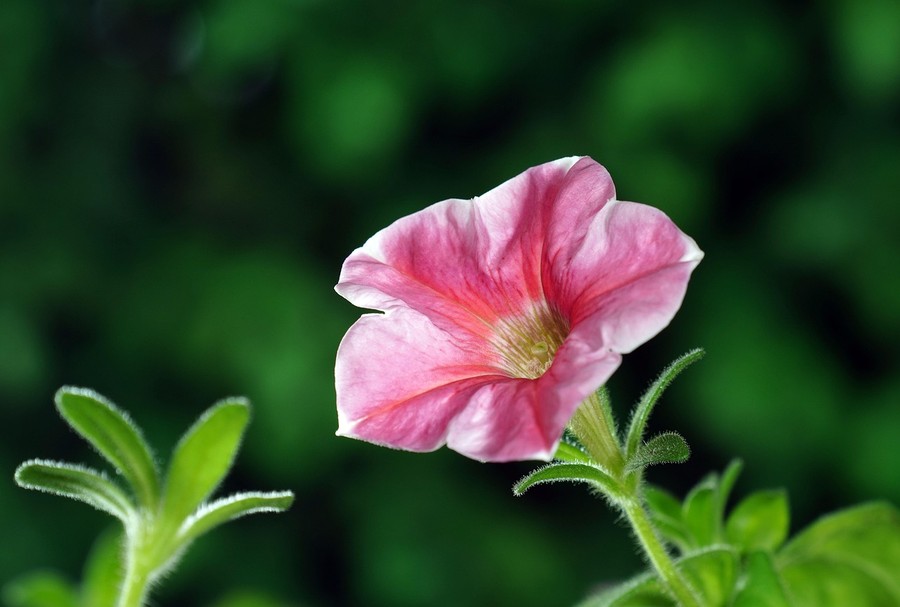
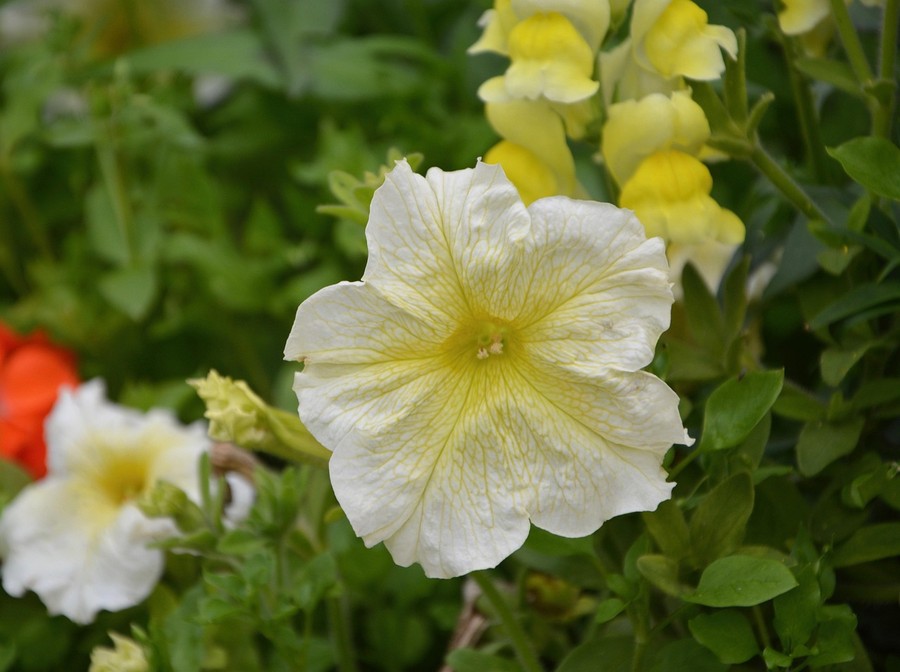
The flowers of Petunia spp. are the defining feature of the genus, exhibiting a fused corolla that forms a trumpet-shaped structure. This morphology facilitates specialised pollination by insects capable of accessing nectar deep within the floral tube.
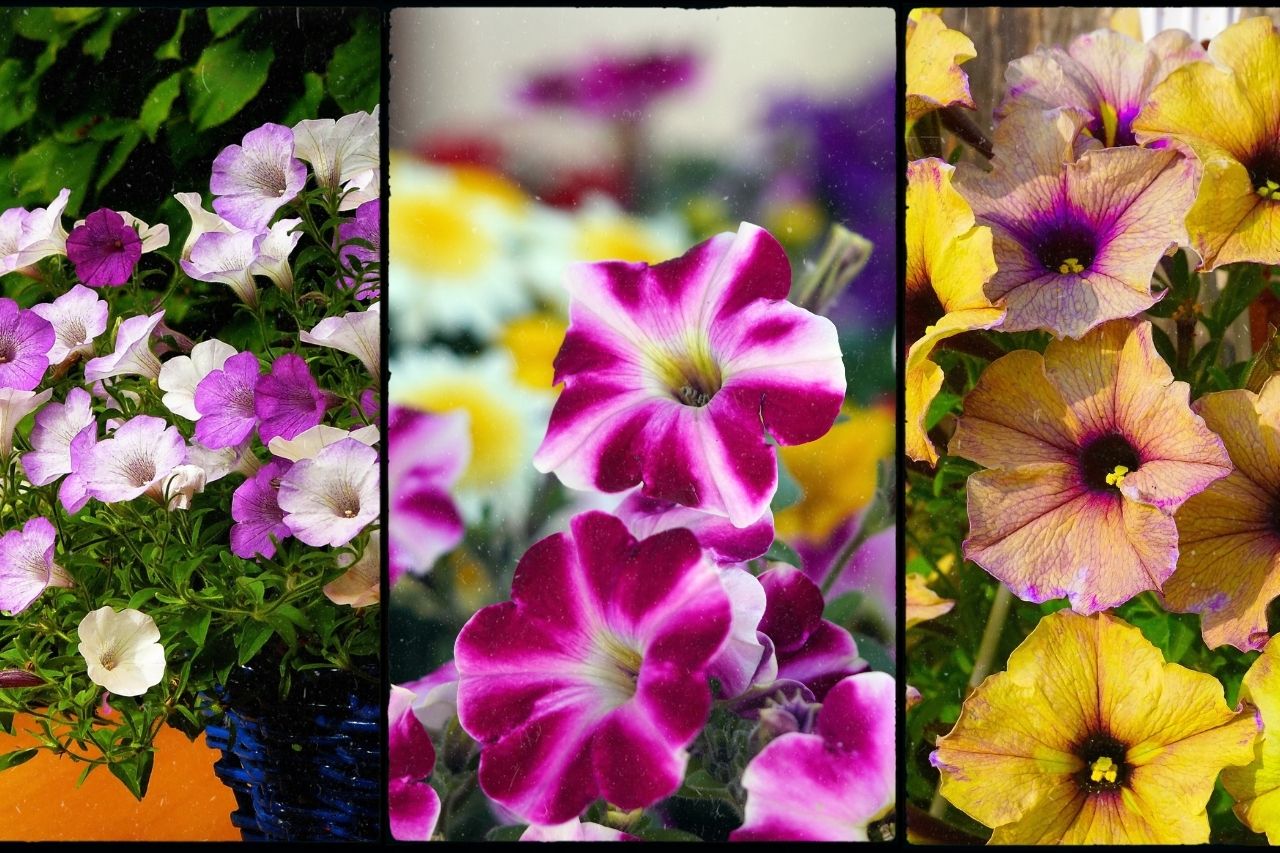
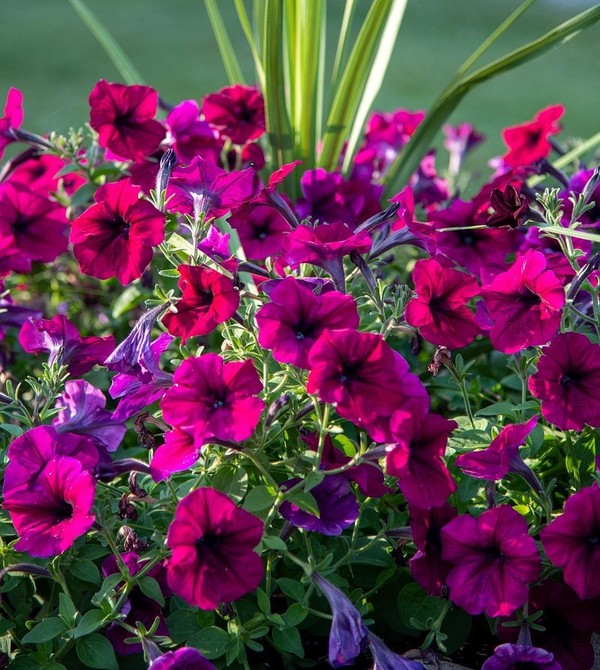
Flower colour diversity is extensive due to anthocyanin variation, ranging from white to deep purple and patterned forms. Continuous flowering is enabled by rapid bud initiation and turnover, making the plant a model system in floral developmental biology.
| Floral Attribute | Description |
|---|---|
| Inflorescence type | Solitary, axillary |
| Flower diameter | 5–10 cm (2–4 in) |
| Flower length | 4–8 cm (1.6–3.1 in) |
| Sepals (calyx) | Five, green, narrow |
| Inner tepals or petals | Five fused petals forming corolla tube |
| Stamens | Five, attached to corolla tube |
| Pistil | Single, superior ovary |
| Fragrance | Variable; often stronger in white forms |
| Anthesis period | Day and evening depending on cultivar |
| Primary pollinators | Bees and moths |
Fruit
| Fruit Characteristic | Description |
|---|---|
| Fruit type | Capsule |
| Shape | Ovoid |
| Length | 1–1.5 cm (0.4–0.6 in) |
| Diameter | 0.5–1 cm (0.2–0.4 in) |
| Weight | Less than 1 g (<0.04 oz) |
| Skin colour | Green turning brown |
| Surface features | Smooth, dry |
| Flesh colour | Not applicable (dry fruit) |
| Flesh texture | Not applicable |
| Seed count | Numerous (hundreds per capsule) |
| Sugar content | Not applicable |
| Maturation period | 3–4 weeks after pollination |
Seeds
| Seed Characteristic | Description |
|---|---|
| Size | ~0.5 mm (0.02 in) |
| Shape | Rounded to slightly angular |
| Colour | Dark brown to black |
| Seed coat | Thin, smooth |
| Oil content | Not documented in available literature |
| Viability period | 1–2 years under proper storage |
| Germination rate | High under optimal conditions |
Root System
The root system of Petunia spp. is fibrous and relatively shallow, typically concentrated within the upper 20–30 cm (8–12 in) of the soil profile. It exhibits moderate lateral spread, enabling efficient nutrient uptake in containerised and garden environments.
The shallow architecture makes the plant sensitive to both waterlogging and drought stress. This root structure supports rapid growth and flowering but requires consistent moisture management, which is critical for both commercial production and ornamental performance.
Field Identification
In field or commercial settings, Petunia spp. is recognised by its low, spreading habit combined with abundant, trumpet-shaped flowers that often obscure the foliage. The stems are soft and slightly hairy, and the leaves are simple and somewhat sticky to the touch. It is frequently confused with Calibrachoa species, particularly in ornamental trade contexts.
The most reliable distinguishing feature is flower size, as Petunia produces significantly larger blooms, typically exceeding 5 cm (2 in) in diameter, whereas Calibrachoa flowers are notably smaller.
Normal vs. Concerning Observations
| Observation | Status | Explanation |
|---|---|---|
| Slight stickiness on leaves and stems | Normal | Caused by glandular trichomes |
| Continuous flower drop and replacement | Normal | Natural flowering cycle |
| Leggy growth under low light | Monitor | Indicates insufficient light |
| Yellowing lower leaves | Monitor | May indicate aging or nutrient imbalance |
| Wilting during midday heat | Normal | Temporary water stress response |
| Persistent wilting despite watering | Investigate | Possible root damage or disease |
Cultivar Summary
| Cultivar | Key Characteristic | Commercial Status | Origin |
|---|---|---|---|
| ‘Wave Purple’ | Trailing growth, vigorous spread | Commercially dominant | USA breeding programs |
| ‘Supertunia Vista Bubblegum’ | Large flowers, heat tolerance | Commercially dominant | USA |
| ‘Grandiflora Prism Sunshine’ | Large yellow blooms | Regionally significant | Hybrid breeding |
| ‘Multiflora Carpet Series’ | Compact, weather-resistant | Commercially dominant | Global horticulture |
| ‘Double Cascade Blue’ | Double-layered petals | Historically documented | Early hybrid lines |
Physiology and Phytochemistry
Functional Traits
Petunia spp. operates as a fast-growing, C3 photosynthetic ornamental adapted to high light and moderate water availability. Its physiology prioritises rapid biomass accumulation and continuous flowering rather than long-term structural investment.
The species integrates efficient carbon fixation, flexible water-use regulation, and chemically mediated defence strategies. These traits function together to support sustained reproductive output under fluctuating environmental conditions, making petunia both ecologically resilient and commercially reliable as a high-performance flowering plant.
| Trait | Mechanism Description | Adaptive Significance |
|---|---|---|
| Photosynthetic pathway | C3 photosynthesis — CO₂ fixed via Rubisco in mesophyll cells during daylight; stomata open in light enabling continuous gas exchange | Supports rapid growth under high light but increases water demand |
| Water use strategy | Moderate transpiration control — stomata partially close under heat or mild drought to reduce water loss while maintaining photosynthesis | Balances growth with short-term drought tolerance |
| Nutrient acquisition | Fibrous roots absorb nutrients from upper soil layers with high surface area contact | Enables efficient uptake in nutrient-variable soils |
| Growth form strategy | Indeterminate vegetative growth with continuous meristem activity producing new shoots and flowers | Maximises flowering duration |
| Reproductive strategy | Sequential flowering with rapid bud initiation and turnover | Ensures extended reproductive window |
| Dispersal mechanism | Dry capsule dehiscence releasing numerous small seeds passively | Facilitates localised colonisation |
| Stress response mechanism | Heat and water stress trigger temporary stomatal closure and reduced growth rate | Protects cellular integrity during short stress events |
| Chemical defence | Production of secondary metabolites such as alkaloids and phenolics deters herbivores and pathogens | Enhances survival in exposed environments |
| Species-specific trait | Floral pigment regulation via anthocyanin biosynthesis pathways responsive to environmental cues | Enables adaptive variation in flower colour for pollinator attraction |
Physiological Integration
The physiological strategy of Petunia spp. is defined by the interaction between its C3 photosynthetic pathway and its moderate water-use regulation. High photosynthetic rates enable rapid growth and flowering, but they increase transpiration demand. This constraint is mitigated by flexible stomatal control, which allows a temporary reduction in water loss without complete metabolic shutdown.
Chemical defence mechanisms are closely linked to this growth strategy. Rapid biomass production provides the substrate for synthesising secondary metabolites, which protect tissues during periods of active growth. At the same time, the sequential reproductive strategy depends on stable physiological function, meaning stress responses must be reversible rather than permanent.
This integration ensures that environmental stress reduces performance temporarily rather than terminating reproductive capacity, maintaining ornamental value and ecological fitness.
Phytochemistry
The phytochemical profile of Petunia spp. reflects its position within the Solanaceae family, which is characterised by diverse secondary metabolites including alkaloids, flavonoids, and phenolic compounds. In petunia, these compounds are primarily associated with pigmentation, defence, and signalling functions rather than direct medicinal use.
The genus has been extensively studied as a model for anthocyanin biosynthesis, making it important in plant molecular biology. Its phytochemistry is therefore both ecologically functional and scientifically significant.
| Compound Class | Representative Compounds | Primary Location | Ecological or Biological Function |
|---|---|---|---|
| Anthocyanins | Delphinidin, cyanidin derivatives | Petals | Pigmentation and pollinator attraction |
| Flavonoids | Quercetin, kaempferol | Leaves, flowers | UV protection and antioxidant activity |
| Alkaloids | Nicotine-like alkaloids (trace levels) | Leaves | Herbivore deterrence |
| Phenolic acids | Chlorogenic acid, caffeic acid | Leaves and stems | Defence and oxidative stress regulation |
| Volatile organic compounds | Benzaldehyde, methyl benzoate | Flowers | Fragrance and pollinator attraction |
| Carotenoids | Xanthophylls, lutein | Petals | Colour modulation and photoprotection |
Phytochemical Organ Distribution
| Organ | Compound Class | Representative Compounds | Concentration | Source |
|---|---|---|---|---|
| Petals | Anthocyanins | Delphinidin derivatives | High | Peer-reviewed plant biochemistry studies |
| Leaves | Flavonoids | Quercetin | Moderate | Peer-reviewed plant physiology literature |
| Leaves | Phenolic acids | Chlorogenic acid | Moderate | Peer-reviewed systematic review |
| Flowers | Volatile organic compounds | Methyl benzoate | Low to moderate | Peer-reviewed floral scent research |
| Petals | Carotenoids | Lutein | Low | Peer-reviewed pigment analysis |
| Leaves | Alkaloids | Nicotine-like compounds | Low | Comparative Solanaceae studies |
Phytochemical Significance
Anthocyanins represent the most significant phytochemical class in Petunia spp., both commercially and scientifically. They determine flower colour variation, which is a primary driver of ornamental value and consumer preference.
These compounds are also extensively characterised at the genetic and biochemical level, making petunia a model organism in pigment biosynthesis research. Flavonoids and phenolic acids contribute to stress tolerance and antioxidant function, though their commercial exploitation remains limited.
The phytochemical profile is well-characterised in floral tissues but less extensively studied in roots and stems, indicating an organ-specific research bias. Synergistic interactions between anthocyanins and flavonoids enhance colour stability and UV protection. Alkaloid presence is minor compared to other Solanaceae members, reducing toxicity concerns but limiting pharmacological interest.
The research base is globally distributed, with strong contributions from molecular genetics and horticultural science. While phytochemical understanding is advanced, practical applications beyond ornamental breeding remain underdeveloped.
Evidence, Nutrition, and Safety
Evidence Hierarchy for Medicinal Use
| Evidence Layer | Status | Notes |
|---|---|---|
| Traditional Use | Partial | Limited ethnobotanical references; primarily ornamental species with minor regional mentions |
| Nutritional Evidence | Absent | No documented studies at this evidence level |
| In Vitro Studies | Documented | Studies on anthocyanins and flavonoids showing antioxidant activity (source class: peer-reviewed literature (see References B)) |
| Animal Studies | Partial | Limited experimental data on phytochemical effects in model organisms |
| Human Clinical Studies | Absent | No documented studies at this evidence level |
| Regulatory Recognition | Absent | No recognition by WHO, pharmacopoeia, or regulatory agencies |
| Unsupported Commercial Claims | Documented | Occasional marketing claims regarding antioxidant or air-purifying properties without clinical substantiation |
Evidence Assessment
The evidence hierarchy for Petunia spp. demonstrates a clear gap between phytochemical potential and clinical validation. While in vitro studies confirm the antioxidant activity of flavonoids and anthocyanins, there is no progression into human clinical research. Traditional use is minimal and not systematised, which limits the ethnopharmacological context.
Commercial claims occasionally highlight health-related benefits, but these are not supported by regulatory or clinical evidence. The strongest support lies in biochemical studies, whereas the weakest—and most commercially overstated—claims relate to human health benefits.
Nutritional Composition
Not applicable — Petunia spp. is not a food-use species and no nutritional composition data is documented in FAO or USDA databases (source class: FAO; USDA).
Soil Ecology and Mycorrhizal Associations
Petunia spp. forms associations with arbuscular mycorrhizal fungi (AMF), particularly within genera such as Glomus (source class: peer-reviewed plant–fungal interaction studies). These symbiotic fungi enhance phosphorus uptake and improve tolerance to abiotic stress.
Rhizosphere bacterial communities include nitrogen-cycling and plant growth–promoting bacteria, which contribute to nutrient availability and root health. No strong allelopathic effects have been documented, and phytochemical exudates are not considered inhibitory to neighbouring plants.
From an agronomic perspective, mycorrhizal associations improve establishment and flowering performance under nutrient-limited conditions. However, high-input fertilisation regimes can suppress fungal colonisation, reducing symbiotic benefits.
This has implications for sustainable ornamental production, where reduced fertiliser input combined with microbial inoculation may improve efficiency. In degraded soils, these associations support plant establishment, making petunia a useful model for studying plant–microbe interactions in managed systems.
Toxicity and Safety
| Subject | Toxic Compounds | Clinical Effects | Source |
|---|---|---|---|
| Humans | Low levels of alkaloids and phenolics | Mild gastrointestinal discomfort if ingested in quantity | Horticultural toxicology databases (source class: government flora database) |
| Cats | No toxic compounds documented in available literature | No adverse effects reported under normal exposure | ASPCA plant database (source class: veterinary toxicology database) |
| Dogs | No toxic compounds documented in available literature | No adverse effects reported under normal exposure | ASPCA plant database (source class: veterinary toxicology database) |
| Livestock | No toxic compounds documented in available literature | No significant toxicity reported | Agricultural extension reports (source class: government agriculture database) |
Toxicity Context
Toxicity in Petunia spp. is low and primarily associated with minor alkaloid presence, which may cause mild digestive discomfort if consumed in large quantities. Whole-plant exposure is generally considered safe for humans and animals under normal conditions.
There is no evidence of cumulative toxicity or significant pharmacological risk. No population-specific risks, such as effects during pregnancy or drug interactions, have been documented in peer-reviewed literature. This profile does not constitute medical or veterinary advice.
Distribution and Habitat
Native Range and Distribution
The native distribution of Petunia spp. is centred in subtropical and temperate regions of South America, where climatic stability, open habitats, and periodic disturbance regimes have shaped its evolutionary trajectory. These regions, particularly southern Brazil, northern Argentina, and Uruguay, provide well-drained soils and seasonal rainfall patterns conducive to rapid life cycles.
Geological stability and grassland expansion have supported diversification within the genus. There is no significant evidence of commercial wild harvest pressure, as modern cultivation relies almost entirely on hybridised lines. Distribution data is well-documented globally through taxonomic databases such as Kew POWO (source class: Kew POWO).
| Region | Countries or Sub-regions | Notes |
|---|---|---|
| South America (Primary native range) | Brazil (southern regions), Argentina (northeast), Uruguay | Core diversity zone |
| South America (Extended presence) | Paraguay | Secondary distribution |
Global Cultivation and Naturalisation
| Region | Countries or Areas | Cultivation Status | Notes |
|---|---|---|---|
| North America | USA, Canada | Commercially established | Large-scale ornamental production |
| Europe | UK, Netherlands, Germany, France | Commercially established | Greenhouse and seasonal bedding |
| Asia | China, Japan, India | Commercially established | Climate variation requires adaptation |
| South America | Brazil, Argentina | Commercially established | Native and cultivated overlap |
| Africa | South Africa, Kenya | Emerging | Climate suitable but infrastructure variable |
| Oceania | Australia, New Zealand | Commercially established | Widely used in landscaping |
Cultivation Range Note
Petunia spp. has achieved widespread commercial establishment across temperate and subtropical regions, with major production centres in North America, Europe, and East Asia. Emerging markets in Africa and parts of South America show increasing adoption, though infrastructure and climatic variability limit expansion.
Cultivation attempts in extreme tropical or arid regions have shown limited success without controlled environments. Production data is strongly represented in North American and European horticultural literature, which may bias global performance interpretations.
Natural Habitat
In its native range, Petunia spp. occupies open grasslands, roadside margins, and disturbed habitats at elevations ranging from near sea level to approximately 1,000 m (3,280 ft). Soils are typically well-drained, sandy to loamy substrates with moderate fertility. The species is adapted to seasonal rainfall patterns and periodic disturbance, which reduces competition from woody plants. Associated vegetation includes grasses and low herbaceous species. It functions as a habitat generalist, allowing flexibility in colonising varied environments. This ecological plasticity supports both its wide cultivation range and resilience in managed landscapes.
Ecological Role
Petunia spp. functions primarily as a nectar resource within its native ecosystems, supporting insect pollinators and contributing to pollination networks in open habitats. Species such as Manduca sexta (hawkmoth) interact with long-tubed flowers, while generalist bees such as Bombus spp. access nectar and pollen. These interactions facilitate cross-pollination and genetic diversity within populations. Seed dispersal is largely passive, with capsules releasing seeds that colonise nearby disturbed soil patches.
The ecological role of petunia is not considered keystone, but it contributes to biodiversity by supporting pollinator populations in early successional habitats. Its adaptability to disturbance allows it to act as a transient stabiliser in disturbed ecosystems. However, detailed ecosystem-level studies remain limited, and the full extent of its ecological interactions is not comprehensively resolved in current literature.
| Role Type | Species or Agent Involved | Notes |
|---|---|---|
| Pollination | Manduca sexta | Specialist moth pollinator |
| Pollination | Bombus spp. | Generalist bee pollinators |
| Seed dispersal | Gravity (autochory) | Localised dispersal mechanism |
Invasive Status
| Region | Status | Impact | Management |
|---|---|---|---|
| Various non-native regions | Naturalised | Low ecological impact reported | Not actively managed |
Invasive Status Note
Petunia spp. has naturalised in some regions outside its native range but is not considered invasive or ecologically disruptive. No significant management or legislative control measures are documented.
Climate and Stress Tolerance
Optimal Climate Parameters
| Parameter | Optimal Range | Tolerance Range | Notes |
|---|---|---|---|
| Mean Annual Temperature | 15–25°C (59–77°F) | 10–35°C (50–95°F) | Based on global cultivation data |
| Daytime Temperature | 18–28°C (64–82°F) | 12–35°C (54–95°F) | |
| Nighttime Temperature | 10–18°C (50–64°F) | 5–22°C (41–72°F) | |
| Annual Rainfall | 600–1,200 mm (24–47 in) | 400–1,500 mm (16–59 in) | Irrigation commonly supplements rainfall |
| Dry Season Length | 1–3 months | 0–5 months | Short dry periods tolerated |
| Relative Humidity | 50–70% | 30–85% | High humidity may increase disease risk |
| Solar Radiation | Full sun (≥6 hours/day) | Partial shade tolerated (3–8 hours/day) | Light critical for flowering |
Climate Interpretation
The global cultivation envelope of Petunia spp. extends beyond its native subtropical range due to breeding and controlled cultivation systems. Temperature and light availability are the most limiting factors for expansion, as flowering intensity declines under low light or extreme heat. While the species tolerates moderate drought and variable humidity, prolonged cold or frost conditions restrict outdoor cultivation in temperate climates.
The divergence between native and cultivated ranges highlights the role of horticultural selection in expanding climatic adaptability, though optimal performance remains tied to moderate temperature regimes and high sunlight availability.
Stress Tolerance Profile
| Stress Type | Tolerance Level | Physiological Response | Notes |
|---|---|---|---|
| Drought | Moderate | Stomatal closure reduces transpiration; growth rate decreases to conserve water | Short-term tolerance |
| Heat | Moderate | Heat stress induces protein stabilisation and reduced photosynthetic efficiency | |
| Cold or Frost | Low | Cellular damage occurs due to ice crystal formation disrupting membranes | |
| Salinity | Low | Ion imbalance disrupts osmotic regulation and reduces nutrient uptake | |
| Waterlogging | Low | Oxygen deprivation in roots reduces respiration and nutrient transport | |
| Air Pollution | Moderate | Antioxidant compounds mitigate oxidative stress from pollutants | |
| Wind | Moderate | Flexible stems reduce mechanical damage; increased transpiration under wind stress | |
| Soil Compaction | Low | Reduced root oxygen availability limits nutrient uptake |
Compound Stress
Under combined stress conditions, Petunia spp. exhibits compounded physiological limitations. Heat and drought together significantly reduce photosynthetic efficiency due to prolonged stomatal closure, limiting carbon assimilation.
Waterlogging combined with salinity exacerbates osmotic imbalance and root oxygen deprivation, leading to a rapid decline in plant health. There is limited species-specific research on compound stress responses, representing a knowledge gap in understanding resilience under multi-factor environmental pressures.
Adaptations and Reproductive Biology
Structural and Physiological Adaptations
Petunia spp. exhibits a suite of structural adaptations shaped by its origin in open, seasonally dynamic South American habitats. These adaptations favour rapid colonisation, efficient pollinator interaction, and resilience to moderate environmental fluctuation.
The plant’s architecture, floral morphology, and surface characteristics collectively reflect selection for reproductive efficiency and survival in disturbed, competition-limited environments.
| Adaptation | Mechanism Description | Ecological Context |
|---|---|---|
| Glandular trichomes | Hair-like surface structures secrete sticky compounds that physically deter herbivores | Common in exposed habitats with high herbivore pressure |
| Trumpet-shaped corolla | Elongated floral tube guides pollinators toward nectar source through restricted entry | Adaptation to moth and bee pollination systems |
| Prostrate to spreading stems | Flexible stems allow horizontal expansion across ground surface | Enhances light capture in open grasslands |
| Rapid meristem development | Multiple growth points enable continuous shoot and flower production | Advantage in disturbed, short-season environments |
| Thin, broad leaves | Increased surface area maximises light interception | Adapted to high availability |
| Fibrous root network | Dense, shallow roots exploit surface moisture quickly | Suitable for episodic rainfall environments |
| Pigmented petals | Structural deposition of pigments in epidermal cells enhances visual signalling | Attracts specific pollinators in competitive floral environments |
| Dehiscent capsule | Dry fruit splits open to release seeds efficiently | Enables colonisation of nearby disturbed soil |
Climate Change Vulnerability
| Factor | Assessment | Notes |
|---|---|---|
| Primary Climate Sensitivity Factors | Temperature extremes and prolonged drought | Flowering and growth highly temperature-dependent |
| Key Threatening Climate Processes | Increased heatwaves and irregular precipitation patterns | May disrupt flowering cycles |
| Resilience Factors | Rapid life cycle and high reproductive output | Allows recovery after short-term stress |
| Confidence Level | Moderate | Based on horticultural and ecological observations (source class: peer-reviewed horticultural studies) |
Climate Vulnerability
Current evidence for climate change impacts on Petunia spp. is largely derived from horticultural performance data rather than long-term ecological monitoring. The species shows sensitivity to temperature extremes and irregular water availability, which can disrupt flowering cycles and reduce ornamental quality.
However, its rapid life cycle and high reproductive output provide resilience against short-term disturbances. There is limited species-specific modelling data, so this assessment is qualitative and based on observed cultivation responses. Confidence is moderate, as conclusions rely on applied horticultural studies rather than wild population data.
Phenological Calendar
| Event | Native Range Timing | Cultivated Range Timing | Environmental Triggers |
|---|---|---|---|
| Vegetative Growth Onset | Early spring | Spring to early summer | Soil temperature ≥10°C (50°F) |
| Flower Bud Initiation | Mid-spring | Late spring | Day length ≥12 hours |
| Anthesis or Peak Flowering | Late spring to summer | Late spring to autumn | Temperature 18–28°C (64–82°F) |
| Fruit Development | Summer | Summer to early autumn | Successful pollination and temperature stability |
| Fruit Maturation | Late summer | Late summer to autumn | Drying conditions and temperature decline |
| Seed Dispersal | Late summer to early autumn | Autumn | Capsule desiccation and low humidity |
| Dormancy or Rest Period | Winter | Winter or absent in warm climates | Temperature <10°C (50°F) |
Phenological Notes
Phenological transitions in Petunia spp. are primarily driven by temperature thresholds and photoperiod sensitivity. Flower initiation requires sufficient day length, while sustained flowering depends on moderate temperatures.
The species exhibits strong phenological plasticity under cultivation, with extended flowering periods in controlled environments or warm climates. In tropical regions, dormancy may be absent, whereas in temperate zones, growth ceases during colder months.
Pollination Ecology
The pollination system of Petunia spp. reflects a specialised yet flexible strategy shaped by floral morphology and nectar presentation. The elongated corolla tube and fragrance profile support both nocturnal and diurnal pollinators, depending on species and cultivar. This dual compatibility enhances reproductive success across varying ecological contexts.
The system demonstrates evolutionary adaptation to pollinator availability, with structural features guiding efficient pollen transfer while maintaining accessibility to multiple pollinator groups.
| Parameter | Value | Notes |
|---|---|---|
| Primary Pollinators | Manduca sexta | Hawkmoth species |
| Secondary Pollinators | Bombus spp. | Generalist bees |
| Pollination Syndrome | Melittophily and sphingophily | Bee and moth pollination |
| Floral Mechanism | Narrow corolla tube directs pollinator toward nectar, ensuring contact with anthers and stigma | Physical guidance mechanism |
| Reproductive System | Self-compatible but outcrossing preferred | Promotes genetic diversity |
| Seed Dispersal Agent | Gravity (autochory) | Not documented at species level |
| Pollination Success Rate | Moderate to high under adequate pollinator presence | Variable by environment |
| Human Intervention | Biologically feasible | Used in breeding programs |
Pollination Context
Petunia spp. is generally self-compatible, allowing reproduction in the absence of pollinators, though cross-pollination enhances genetic diversity and vigour. Pollinator decline may affect seed production in wild populations but has a limited impact in commercial systems where vegetative propagation is common.
The floral structure permits manual pollination, which is biologically straightforward and widely used in breeding. This flexibility in reproductive strategy contributes to the species’ global success and adaptability across diverse cultivation systems.
Seed Biology and Germination
| Parameter | Value | Notes |
|---|---|---|
| Seed type | Orthodox | Tolerates drying |
| Dormancy class | Non-dormant | Germinates readily under suitable conditions |
| Dormancy-breaking requirement | None required | No pre-treatment necessary |
| Optimal germination temperature | 20–25°C (68–77°F) | |
| Germination rate | High (≥80%) | Under optimal conditions |
| Germination period | 5–10 days | Rapid emergence |
| Storage behaviour | Dry, cool storage maintains viability | |
| Seed longevity | 1–2 years | Declines with humidity exposure |
Germination Notes
Germination in Petunia spp. is straightforward due to the absence of dormancy mechanisms. Seeds require light for optimal germination, reflecting adaptation to surface-level establishment in disturbed habitats. Viability declines under high humidity or temperature fluctuations, indicating sensitivity to storage conditions.
Most germination data derive from cultivated seed lines, and variability in wild populations is not well documented, representing a minor knowledge gap.
Vegetative Reproduction
| Parameter | Value | Notes |
|---|---|---|
| Vegetative Regeneration Capacity | High | Widely used in horticulture |
| Primary Regeneration Mechanism | Stem cuttings | Adventitious root formation |
| Minimum Propagule Size | 5–8 cm (2–3 in) stem segment | Contains active nodes |
| Ecological or Invasive Significance | Low | Limited natural vegetative spread |
Human Interaction
Economic Importance
Petunia spp. occupies a dominant position in the global ornamental horticulture market, particularly within bedding plants and container gardening sectors. Production is concentrated in North America, Europe, and East Asia, where greenhouse and nursery industries supply both domestic and export markets.
The species is almost exclusively cultivated, with no reliance on wild harvesting. Commercial value is driven by cultivar innovation, colour diversity, and seasonal demand cycles. Supply chains are relatively stable but depend on seed production and vegetative propagation systems, with intellectual property rights and cultivar licensing representing key economic factors in international trade.
| Use Category | Description | Economic Impact |
|---|---|---|
| Ornamental horticulture | Bedding plants, hanging baskets, and landscape design | High global market demand |
| Nursery production | Greenhouse propagation and retail distribution | Core commercial sector |
| Breeding and genetics | Development of hybrid cultivars with novel traits | High-value intellectual property |
| Urban landscaping | Public and private decorative planting | Municipal and commercial investment |
| Scientific research | Model organism in plant genetics and biochemistry | Indirect economic contribution |
| Summary Economic Assessment | Globally dominant ornamental species with stable, innovation-driven market | High |
Traditional Uses
| Use Category | Knowledge System | Region or Cultural Group | Practice Summary | Documentation Level | Source |
|---|---|---|---|---|---|
| Ornamental use | South American horticultural tradition | Brazil, Argentina | Cultivated for decorative purposes in domestic gardens | Well documented | Ethnobotanical surveys (source class: source class: peer-reviewed literature (see References B)) |
| Symbolic planting | Latin American cultural horticulture | Uruguay | Used in household and community spaces for aesthetic value | Partial | Regional horticultural literature |
| Educational use | Modern botanical science | Global academic institutions | Used as model species in teaching plant biology | Well documented | Academic publications |
| Experimental phytochemistry | Scientific research systems | Global | Studied for pigment and metabolic pathways | Well documented | Peer-reviewed research |
Traditional Use Summary
Traditional interaction with Petunia spp. is primarily rooted in South American horticultural practices, particularly in Brazil, Argentina, and Uruguay. These uses are largely aesthetic rather than medicinal or nutritional, reflecting the plant’s role as an ornamental species rather than a utilitarian crop.
Practices remain active and widespread in domestic gardening traditions but have not developed into formalised ethnomedical systems. The limited geographic concentration of traditional knowledge has not constrained global commercial expansion, as modern cultivation is driven by breeding innovation rather than inherited practices.
Regional Ethnobotanical Context
The ethnobotanical history of Petunia spp. is relatively recent compared to food or medicinal plants, reflecting its primary role as an ornamental species. Indigenous and rural communities in South America incorporated petunia into domestic landscapes rather than subsistence systems.
Its transition into global horticulture occurred during the 19th century, when European collectors introduced wild species into breeding programs. This shift transformed the plant from a regional ornamental into a globally standardised horticultural product, reducing the visibility of its original cultural context while expanding its economic significance.
Traditional Ecological Knowledge
No documented traditional ecological knowledge (TEK) specific to Petunia spp. has been identified beyond its ornamental use. There is no evidence of its integration into agroforestry systems, soil management practices, or ecological indicator frameworks within indigenous or traditional agricultural systems. This represents a research gap, particularly given the species’ adaptability and ecological interactions in its native range.
Ethical Considerations
Petunia spp. originates from South America, particularly Brazil, Argentina, and Uruguay, where early horticultural use developed within local cultural contexts. These practices were primarily aesthetic and did not form part of formal medicinal or agricultural knowledge systems such as Ayurveda or Traditional Chinese Medicine. Documentation of traditional use is therefore limited and concentrated in regional horticultural records rather than structured ethnobotanical systems.
There is no documented Access and Benefit-Sharing (ABS) case under the Nagoya Protocol specifically associated with Petunia spp. This is consistent with its primary use as an ornamental species and the absence of high-value medicinal or biochemical exploitation derived directly from traditional knowledge. Similarly, no biopiracy allegations or major patent disputes linked to indigenous knowledge have been identified in the literature.
Commercial development of petunia has occurred largely through formal breeding programs in North America, Europe, and Japan. These programs have generated significant economic value through hybridisation and cultivar development, often without direct linkage to the geographic origin of the species. This reflects a common pattern in ornamental horticulture, where value is derived from breeding innovation rather than traditional knowledge systems.
For researchers and commercial developers, best practice includes accurate taxonomic attribution, transparency in genetic sourcing, and compliance with international plant material transfer regulations. While ethical concerns are less pronounced than in medicinal plants, maintaining traceability and respecting source biodiversity frameworks remains important for responsible global trade.
Cultural Significance
Petunia spp. holds cultural significance primarily as a symbol of decorative abundance and seasonal renewal in ornamental horticulture. In its native South American context, it is associated with domestic beautification and garden aesthetics rather than ritual or ceremonial use. As the plant spread globally, its meaning shifted toward a universal symbol of accessible gardening and urban greening.
In Europe and North America, petunia became emblematic of summer bedding displays, contributing to public garden design and civic landscaping. Its wide colour range has also given it informal symbolic associations with emotional expression, though these are not standardised across cultures. In modern contexts, petunia is frequently featured in gardening media, retail marketing, and agrotourism displays, reinforcing its identity as a staple ornamental species.
Cultural significance is therefore globally distributed but relatively shallow in symbolic depth compared to plants with ceremonial or medicinal roles. Its importance lies in visual impact and accessibility rather than embedded cultural narratives.
Recommended Products
Disclosure: As an Amazon Associate, PlantsInfo may earn from qualifying purchases.
🌱 Plant Care Essentials
The following tools can help with pruning, plant health, soil management, and fruit garden maintenance.

Neem Oil for Plant Care
Natural plant protection against aphids, whiteflies, mites, and other common garden pests.

Fungicide for Root Care
Helps suppress soil-borne fungal diseases and supports healthier root systems.

Spray Bottle for Plants
Ideal for applying foliar sprays, neem oil solutions, and liquid plant treatments.

Rubber Hand Gloves
Protects hands during pruning, planting, soil preparation, and garden maintenance.
Applied Cultivation Knowledge
Cultivation Summary
| Parameter | Value | Notes |
|---|---|---|
| Hardiness or Climate Zone | Temperate to subtropical (USDA zones 9–11 typical) | Reflects global cultivation range |
| Soil pH Range | 5.5–7.0 | Slightly acidic to neutral preferred |
| Moisture Sensitivity | Moderate; sensitive to waterlogging | |
| Light Sensitivity | Full sun preferred; tolerates partial shade | |
| Productive Lifespan | 1 growing season (annual), extended in frost-free climates |
Pest, Disease, and Physiological Burden Summary
Petunia spp. is moderately susceptible to pests such as aphids (Aphis spp.), whiteflies (Bemisia tabaci), and caterpillars, as well as pathogens including Botrytis cinerea and root rot fungi. Physiological stressors include overwatering, nutrient imbalance, and low light conditions.
The burden profile is well-documented in horticultural literature, particularly in greenhouse production systems.
Failure Points and Commercial Risks
| Risk | Cause | Commercial Impact | Mitigation Domain |
|---|---|---|---|
| Flower drop | Temperature stress or low light | Reduced ornamental value | Agronomic |
| Root rot | Excess moisture and poor drainage | Plant loss and reduced yield | Agronomic |
| Pest infestation | High-density cultivation environments | Quality degradation and market loss | Infrastructural |
| Cultivar mismatch | Unsuitable genotype for climate | Poor performance and customer dissatisfaction | Genetic |
Conservation and Research
Conservation Analysis
The conservation profile of Petunia spp. is defined less by species-level extinction risk and more by genetic and ecological considerations within its native range. Wild populations in South America remain relatively stable, but localised habitat alteration—particularly grassland conversion and urban expansion—poses a risk to native genetic diversity. The primary conservation concern is therefore genetic erosion rather than species extinction.
Commercial cultivation has reduced direct pressure on wild populations, as modern horticulture relies on controlled breeding rather than wild collection. However, this same reliance on a narrow set of hybrid lineages may contribute to reduced genetic diversity in cultivated germplasm. This creates long-term vulnerability in breeding systems, particularly under changing climate conditions.
From a sustainability perspective, maintaining wild genetic reservoirs is essential for future breeding resilience. Conservation priorities, therefore, include habitat preservation and the documentation of wild genotypes. The interaction between conservation and cultivation is largely indirect, with commercial systems benefiting from, but not directly impacting, wild population viability.
Conservation Status
| Parameter | Value | Notes | Source |
|---|---|---|---|
| IUCN Red List Category | Not Evaluated | Genus-level assessment not formally conducted | IUCN Red List, https://www.iucnredlist.org/ (accessed 2026-05-03) |
| IUCN Red List Criteria | Not applicable | No formal criteria assigned | IUCN Red List, https://www.iucnredlist.org/ (accessed 2026-05-03) |
| Population Trend | Stable | Based on habitat persistence in native range | Kew POWO (source class: Kew POWO) |
| Date of Assessment | Not available | No formal global assessment | IUCN Red List, https://www.iucnredlist.org/ (accessed 2026-05-03) |
| Geographic Scope of Assessment | Global (inferred from taxonomic databases) | No region-specific red list identified | Kew POWO (source class: Kew POWO) |
| Threats Summary | Habitat modification and genetic erosion | No significant harvesting pressure | Kew POWO (source class: Kew POWO) |
Conservation Status Note
Petunia spp. is not currently considered at risk of extinction, and conservation concern is limited to habitat-level changes and genetic diversity preservation. The absence of wild harvesting reduces direct human pressure. However, reliance on cultivated hybrids may obscure the importance of conserving wild genetic resources, which remain essential for long-term breeding resilience.
Research Coverage and Knowledge Gaps
| Research Topic | Coverage Level | Key Gaps | Priority |
|---|---|---|---|
| Phytochemistry | High | Root-specific compounds uncharacterised | Medium |
| Ecology | Moderate | Ecosystem interaction networks incomplete | High |
| Genetics and breeding | High | Wild genotype diversity underrepresented | High |
| Climate resilience | Moderate | Compound stress response data lacking | High |
Research Landscape
Research on Petunia spp. is extensive and continues to expand, particularly in molecular genetics and ornamental breeding. The species serves as a model organism in plant biology, resulting in a strong academic research base. However, this research is geographically concentrated in North America, Europe, and Japan, reflecting the locations of major horticultural industries and research institutions.
Industry-funded studies dominate breeding and cultivar development, while independent ecological and conservation research is comparatively limited. This imbalance affects the completeness of ecological knowledge and may underrepresent native-range dynamics.
Priority Knowledge Gaps
Despite extensive research, several critical gaps limit a comprehensive understanding of Petunia spp. at a global level. One of the most significant gaps is the lack of detailed characterisation of wild genetic diversity across its native South American range. Without this data, breeding programs rely on a relatively narrow genetic base, which may constrain future adaptation to climate stressors and emerging pathogens.
Ecological interactions also remain insufficiently resolved. While pollination mechanisms are well understood at the organismal level, ecosystem-level interactions—such as competitive dynamics and long-term population stability—are poorly documented. This limits the ability to assess the species’ ecological resilience under environmental change.
Compound stress physiology represents another major gap. Most studies address individual stress factors, but real-world conditions often involve multiple simultaneous stresses. Understanding these interactions is essential for predicting performance under climate variability.
Finally, phytochemical research is heavily focused on floral tissues, leaving root and stem chemistry underexplored. Addressing these gaps would enhance both scientific understanding and commercial resilience, particularly in breeding and conservation planning.
Interesting Facts
Petunia Helped Decode Flower Colour Genetics
Petunia became a model organism for studying anthocyanin biosynthesis pathways. Scientists used it to identify genes controlling pigment production and colour variation. This research has influenced crop breeding beyond ornamental plants.
Some Petunias Change Scent at Night
Certain species alter fragrance emission based on time of day. Night-blooming varieties release stronger scents to attract nocturnal pollinators such as moths. This reflects adaptive synchronisation with pollinator activity patterns.
Petunia Seeds Are Among the Smallest Cultivated Seeds
The seeds measure approximately 0.5 mm (0.02 in) in diameter. Their small size allows rapid dispersal but requires precise conditions for germination. This trait supports colonisation of disturbed habitats.
Modern Petunias Are Not True Species
Most cultivated petunias belong to hybrid complexes rather than wild species. These hybrids result from crosses primarily between P. axillaris and P. integrifolia. This makes commercial petunias genetically distinct from wild populations.
Petunia Is Related to Tobacco
As a member of the Solanaceae family, petunia shares ancestry with tobacco and tomato. It even produces trace alkaloids similar to nicotine. This relationship explains its importance in plant molecular research.
Navigation and Reference
Frequently Asked Questions
Identification and Biology
What distinguishes petunia from similar ornamental plants?
Petunia is distinguished by its large, trumpet-shaped flowers and slightly sticky leaves due to glandular trichomes. It is often confused with Calibrachoa, but the latter has much smaller flowers. Petunia typically exhibits a spreading or mounded growth habit, while related genera may show more compact forms. Flower size remains the most reliable identification feature in both wild and cultivated contexts.
Is Petunia a perennial or annual plant?
Petunia is biologically a short-lived perennial, but it is commonly cultivated as an annual in most regions. In frost-free climates, it may persist for multiple seasons. However, its growth pattern prioritises rapid flowering over long-term survival. This means that even where perennial survival is possible, commercial and horticultural systems treat it as a seasonal plant.
Cultivation Overview
What climate conditions does petunia require to thrive?
Petunia performs best in moderate temperatures between 15–25°C (59–77°F) with high light availability. It tolerates short periods of drought but is sensitive to frost and prolonged waterlogging. The species has been adapted through breeding to grow in a wide range of climates, though optimal flowering depends on stable temperature and sufficient solar radiation.
Why do petunia plants sometimes stop flowering?
Flowering may decline due to environmental stress such as low light, excessive heat, or nutrient imbalance. Petunia relies on continuous bud initiation, which is sensitive to these conditions. When stress disrupts physiological processes, energy allocation shifts away from reproduction. This is typically reversible when favourable conditions are restored.
Origin and Conservation
Where did petunia originate, and is it endangered?
Petunia originates from South America, particularly Brazil, Argentina, and Uruguay. It is not considered endangered, and wild populations remain stable. However, conservation attention focuses on preserving genetic diversity within native populations. Habitat modification poses a localised risk, but a global extinction threat is not currently identified.
Phytochemistry and Misconceptions
Does petunia have medicinal or health benefits?
Petunia contains flavonoids and anthocyanins with antioxidant properties demonstrated in laboratory studies. However, there are no human clinical studies supporting medicinal use. Claims of health benefits are therefore not clinically substantiated. Its primary value remains ornamental rather than therapeutic.
Is Petunia toxic to humans or pets?
Petunia is generally considered non-toxic to humans, cats, and dogs under normal exposure. Mild gastrointestinal discomfort may occur if large quantities are ingested. Unlike some related Solanaceae species, it does not contain significant levels of harmful alkaloids. This makes it safe for common ornamental use in domestic environments.
Biological Insights
Why are petunia flowers so colourful?
The colour diversity in petunia is driven by anthocyanin pigments regulated by complex genetic pathways. These pigments respond to environmental factors such as light and temperature. Selective breeding has amplified this diversity, producing a wide range of colours and patterns that enhance pollinator attraction and commercial appeal.
Conclusion
Petunia spp. stands as one of the most globally significant ornamental plants, combining ecological adaptability with exceptional commercial value. Its widespread cultivation and extensive breeding history have transformed it into a model system for both horticulture and plant science, bridging aesthetic appeal with scientific utility.
The central challenge lies in balancing commercial innovation with the preservation of wild genetic diversity. While cultivated forms dominate global markets, the underlying genetic resources in native populations remain critical for future resilience. Addressing gaps in ecological and genetic research will be essential for sustaining long-term viability.
Future research should prioritise wild population studies, compound stress responses, and underexplored phytochemical domains. Continued integration of ecological and molecular data will enhance both conservation and breeding strategies.
References
A. Primary Taxonomic Sources
Kew Science. Plants of the World Online – Petunia spp. Available at: https://powo.science.kew.org/ (accessed 2026-05-03).
B. Peer-Reviewed Literature
Griesbach, R.J. (2007). Biochemistry and genetics of flower color. Plant Breeding Reviews, 25, 89–114. https://doi.org/10.1002/9780470168028.ch3
Quattrocchio, F., Verweij, W., Kroon, A., Spelt, C., Mol, J., & Koes, R. (2006). Molecular analysis of the anthocyanin pathway in petunia. The Plant Cell, 18(6), 1220–1235. https://doi.org/10.1105/tpc.105.039669
Bombarely, A., Moser, M., Amrad, A., Bao, M., Bapaume, L., Barry, C.S., Bliek, M., Boersma, M.R., Borghi, L., Bruggmann, R., et al. (2016). The Petunia genome: A platform for genetic and evolutionary studies. Nature Plants, 2, 16074. https://doi.org/10.1038/nplants.2016.74
C. Monographs, Books, and Technical Reports
Gerats, T., & Strommer, J. (2008). Petunia: Evolutionary, Developmental and Physiological Genetics. Berlin: Springer.
D. Databases and Online Resources
IUCN Red List of Threatened Species. Available at: https://www.iucnredlist.org/ (accessed 2026-05-03).
ASPCA Animal Poison Control Center. Toxic and Non-Toxic Plants Database. Available at: https://www.aspca.org/pet-care/animal-poison-control (accessed 2026-05-03).
E. Grey Literature
Food and Agriculture Organization (FAO). (2019). Ornamental Horticulture Market Trends Report. Rome: FAO.