
How to Grow Petunia: Complete Care Guide for Indian Gardens

Quick Answer: Petunia is one of the easiest flowering plants to grow in India. It thrives in pots and garden beds during the cool months — winter through early spring — and rewards even beginner gardeners with weeks of continuous bloom. The most common mistake is planting too late into the season and expecting summer performance it simply cannot give.
See also: Petunia Plant plant profile, common problems, its flowering season, its benefits, and its varieties.
Walk past any Mumbai or Delhi balcony in January, and you’ll likely spot a riot of petunias — magenta, white, violet, bicoloured — spilling over terracotta pots in the morning sun. Petunias (Petunia × hybrida) are the go-to winter flowering plant for Indian home gardeners, and for good reason: they’re forgiving, fast-blooming, and genuinely showy. Difficulty level: Easy. The one thing that trips up beginners is timing — plant too late in winter and the heat arrives before the plant hits its stride.
Recommended Products
Disclosure: As an Amazon Associate, PlantsInfo may earn from qualifying purchases.
🌱 Growing Essentials
The following products can help with container gardening, potting, root development, soil management, and healthy plant growth.
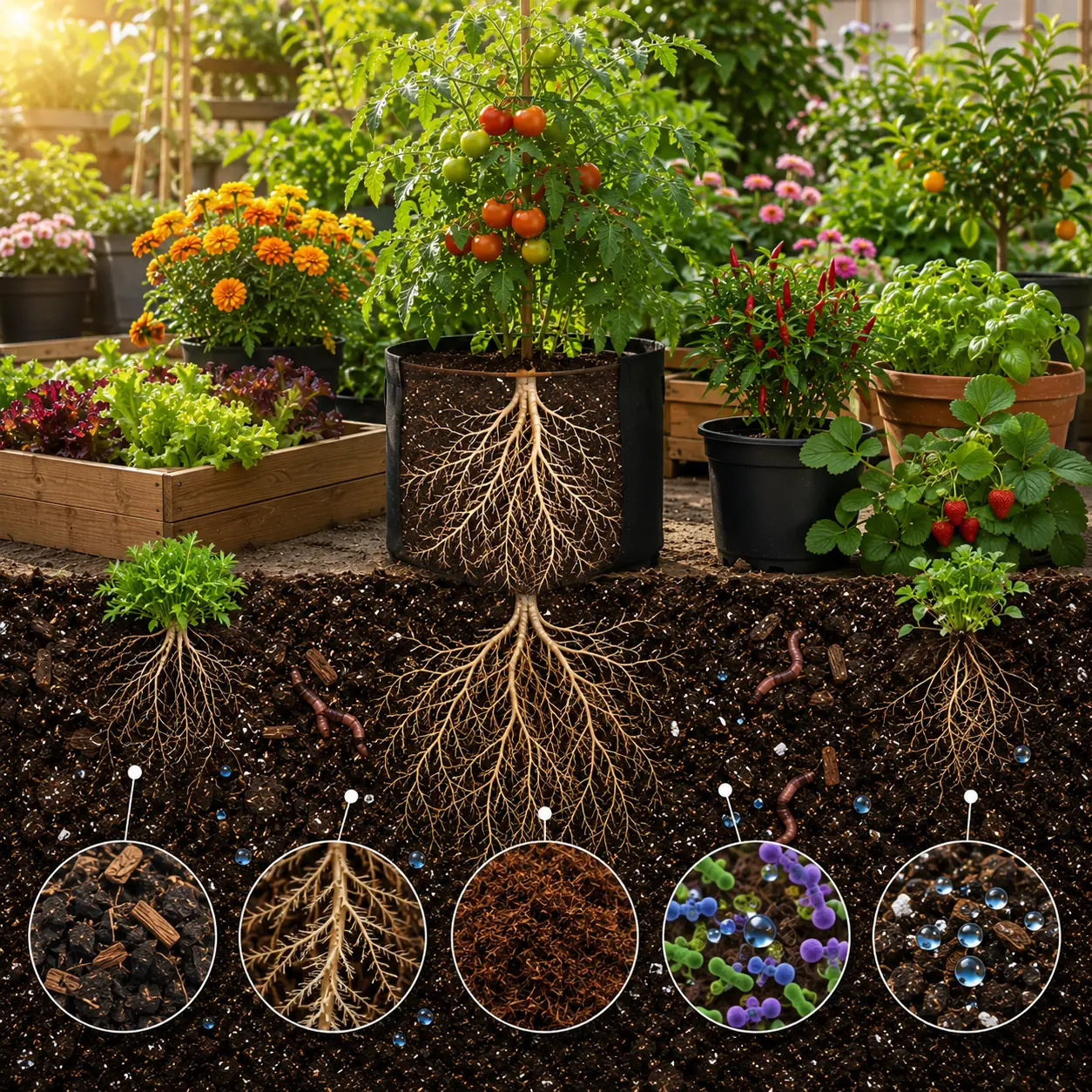
Organic Potting Soil Mix
Provides nutrients, structure, and healthy growing conditions for container plants.
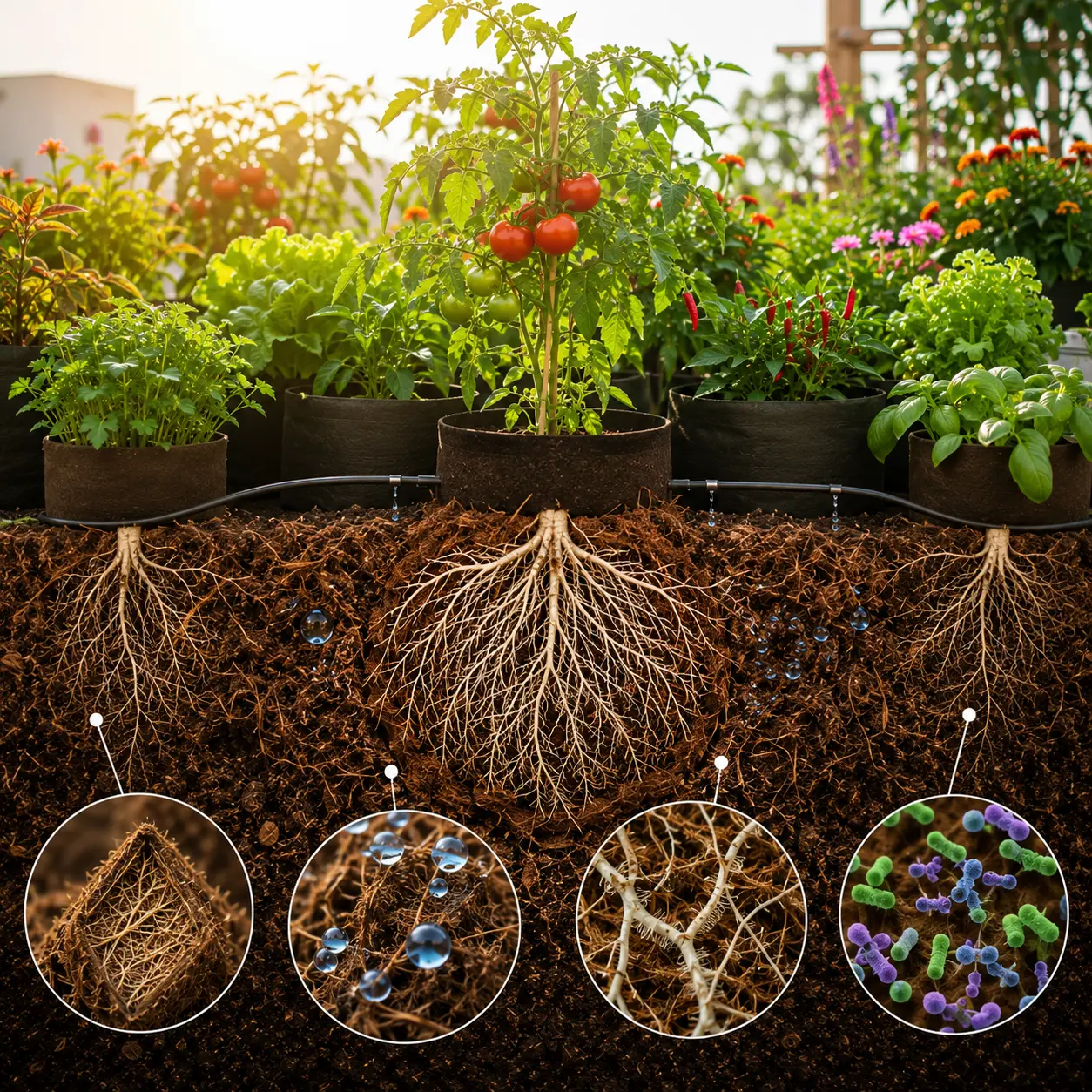
Coco Peat Growing Medium
Enhances moisture retention while maintaining excellent root-zone aeration.

Grow Bags for Plants
Improve drainage, root aeration, and vegetable production in limited spaces.

Plastic Pots for Plants
Ideal containers for seedlings, ornamentals, herbs, and balcony gardens.
Quick Facts
| Attribute | Detail |
|---|---|
| Common names | Petunia, Petunia phool |
| Scientific name | Petunia × hybrida |
| Plant type | Annual (grown as a seasonal in India) |
| Mature size | 20–45 cm tall; trailing varieties spread up to 90 cm |
| Sunlight | Full sun — minimum 5–6 hours direct light daily |
| Water needs | All Indian states during the cool season; hill stations year-round |
| Best season to plant | Early winter (October–November) |
| Suitable states | All Indian states during cool season; hill stations year-round |
Choosing the Right Spot
Petunias are sun-lovers. They need at least 5–6 hours of direct sunlight daily to flower well — shade produces leggy stems and sparse blooms. A south- or east-facing balcony or windowsill is ideal in most Indian cities.
In North India, a spot with full morning and afternoon sun works beautifully from November through February. In South India and coastal areas, some afternoon shade during the warmer months of the season (February–March) can extend flowering life slightly.
Petunias perform exceptionally well in containers, which is how most Indian gardeners grow them. Pots allow you to move plants to follow the sun and protect them when unseasonal rain arrives. Ground planting works well in garden beds where drainage is reliable — waterlogged soil after rain is a fast way to lose a petunia.
Soil and Potting Mix
Petunias prefer well-draining, slightly acidic to neutral soil with a pH of around 5.5–6.5. Rich, heavy garden soil tends to retain too much moisture and can cause root rot during the cooler, slower-evaporating months.
For container growing, a reliable mix is two parts regular garden soil, one part coarse river sand, and one part vermicompost. This gives good drainage, aeration, and enough nutrition to see the plant through its early weeks. If using a readymade potting mix, it will usually work fine without modification.
The most common soil mistake Indian gardeners make with petunias is using plain black cotton soil or heavy clay straight from the garden. It compacts in pots, drains poorly, and stunts root development. Even adding a single handful of perlite or coarse sand to your mix makes a visible difference.
Planting — Season and Method
The best time to plant petunias in India is early winter, October to November. This gives the plant the full cool season to establish, bloom, and put on a real show before the heat of March shuts it down. In the hills — Shimla, Ooty, Darjeeling, Munnar — petunias can be grown almost year-round.
Seedlings (saplings) from a nursery are the most practical starting point for home gardeners. Seeds are tiny, slow, and need fairly controlled conditions to germinate reliably — they’re manageable but not beginner-friendly. Most nurseries across India stock petunia seedlings from September onwards.
If growing from seed, sow 10–12 weeks indoors before you want to transplant — don’t cover them, as petunia seeds need light to germinate. Press them gently onto the surface of a moist mix and keep in a bright spot. Germination takes 7–14 days.
When transplanting seedlings into pots or beds, space them 20–25 cm apart. Plant at the same depth as the nursery pot — burying the stem invites rot. Water gently and thoroughly after planting and keep in light shade for the first two or three days while the plant adjusts.
Watering
In the first 2–3 weeks after planting, water every day or every other day — enough to keep the soil evenly moist but not soggy. Once established, petunias prefer a slight dry-down between waterings: check the top inch of soil and water when it feels dry to the touch.
Mature plants in full bloom, especially in pots, can dry out quickly on warm winter afternoons. Check daily during peak flowering. A wilted petunia in the morning usually means it’s overdue for water; one that wilts only in the afternoon heat but recovers by evening is likely fine.
The specific overwatering sign to watch for isn’t yellow leaves alone — it’s yellowing at the base of the stem combined with soft, darkened lower leaves and a faint sour smell from the soil. This pattern points to root rot, not nutrient deficiency.
Monsoon is when petunias are typically not in season, but if you are growing them in the hills during June–August, reduce watering sharply and ensure drainage holes are clear. Sitting in monsoon waterlogging is fatal for petunias within days.
Fertiliser
Petunias are moderate feeders and respond well to regular, light fertilisation during their flowering season. Begin feeding about 3 weeks after planting, once the plant is visibly growing.
A fortnightly dose of a balanced NPK fertiliser (like 19:19:19) diluted in water is the easiest approach. Alternatively, mustard cake water (soak mustard cake overnight, dilute 1:10, apply monthly) is a well-proven organic option that Indian gardeners have used for generations — it feeds slowly and improves soil texture over the season.
Once buds appear, switch to or add a fertiliser higher in phosphorus and potassium (like 0:52:34 or a bloom booster available at most Indian garden shops) to support flowering over nitrogen-driven leaf growth. Vermicompost mixed into the topsoil at planting reduces the need for heavy feeding through the early weeks.
Avoid over-fertilising with nitrogen — it produces lush green plants with disappointingly few flowers.
Common Problems and Fixes
1. Leggy, sparse stems with few flowers. This almost always means insufficient light. Move the pot to a brighter spot with direct sun. Pinch back the long stems by a third — this seems counterintuitive but triggers branching and more bloom sites.
2. Powdery white coating on leaves (powdery mildew). Common when nights are cold and humid, and air circulation is poor — typical in foggy North Indian winters. Space plants well, avoid wetting foliage when watering, and spray with a dilute neem oil solution (5 ml neem oil + a drop of dish soap in 1 litre water) every 10 days.
3. Sticky stems and distorted new growth. This is aphid damage. Aphids cluster on new growth and flower buds. A strong jet of water dislodges most of them; follow up with neem oil spray. The commonly misdiagnosed version of this problem is when curled leaves are blamed on fertiliser burn or cold damage — check the undersides of leaves first; aphids are almost always the cause of curling in petunias.
When Will You See Results?
Petunias planted from nursery seedlings in October–November typically begin flowering within 3–5 weeks of planting. Plants grown from seed take longer — expect first blooms around 10–12 weeks from sowing.
Peak flowering falls in December through February across most of India. This is when the plant is at its most vigorous and showy — a well-cared-for pot can produce dozens of blooms simultaneously.
By late February or early March, rising temperatures signal the plant to slow down. Flowering becomes sparser, stems stretch, and the plant begins to look tired. This is natural — petunias in the plains are seasonal plants, not perennials. The patience note here is this: don’t expect the October performance to last through April. Enjoy the peak season fully and plan for fresh seedlings the following October.
Propagation
Petunias are most commonly grown fresh from seed or nursery seedlings each season. Stem cuttings are possible and work reasonably well — take 8–10 cm tip cuttings from healthy, non-flowering stems, remove lower leaves, and place in a moist sand-and-perlite mix in a shaded spot. Rooting takes 2–3 weeks.
For home gardeners, cuttings make most sense if you have a particularly beautiful variety you want to carry forward. The most practical approach overall remains buying fresh seedlings each October — they’re inexpensive, widely available, and establish quickly.
Pruning and Training
Petunias benefit significantly from regular pinching and deadheading. Remove spent flowers every few days — this prevents the plant from directing energy into seed formation and keeps bloom production going.
Around the midpoint of the season (January), if your plants are looking leggy or tired, cut stems back by one-third. Use clean scissors. This hard pinch triggers a new flush of branching and a second wave of heavy flowering in February. Many gardeners skip this step and then wonder why their petunias fade early.
Trailing varieties used in hanging baskets need almost no training — just regular deadheading and occasional pinching of the longest trails to keep the plant full.
Container Growing
Petunias are perfectly suited to container growing, and that’s how most Indian gardeners grow them. A pot of at least 20–25 cm diameter works for a single plant; for a fuller display, use a 30 cm or larger pot with 2–3 plants.
Terracotta pots are excellent for petunias — they breathe, drain well, and the slight warmth they absorb on sunny winter days suits the plant. Plastic pots work too, but require more careful watering as they retain moisture longer.
Repotting mid-season is not usually necessary or advisable. You’ll know the container is too small if roots are visibly escaping from drainage holes early in the season — move up one pot size at that point. Top-dress with a small amount of vermicompost if the soil level has dropped significantly.
Key Takeaways
- Plant petunia seedlings in October–November for the best results across most of India; later planting cuts the productive season short.
- Full sun — at least 5–6 hours daily — is non-negotiable for good flowering; shade produces stems, not blooms.
- Use a well-draining potting mix and never let roots sit in waterlogged soil, particularly during cool, slow-evaporating winter days.
- Deadhead spent flowers regularly and do a one-third cutback in January to trigger a strong second flush of bloom in February.
- Petunias are seasonal plants in the plains — plan to replace them each year rather than trying to carry them through summer.
Conclusion
Petunias are one of the most satisfying winter flowers an Indian home gardener can grow — fast to bloom, generous with colour, and perfectly suited to balcony pots. Get the timing right, give them full sun, and they’ll reward you with months of flowers.


