

Petunia Plant: Facts, Types, and Where It Grows in India
Quick Answer: Petunia is a South American flowering annual widely grown across India as a cool-season ornamental. It belongs to the nightshade family and is available in hundreds of varieties. In India, it grows best during the winter months and thrives from Kashmir to Kanyakumari — the timing and duration of its season simply shifts depending on altitude and latitude.
See also: Petunia Plant plant profile, how to grow it, common problems, its flowering season, and its benefits.
You’re probably more familiar with petunias than you realise. The cheerful, trumpet-shaped flowers spilling from balcony pots and park beds every winter? That’s almost certainly a petunia. One of the world’s most widely grown ornamental plants, it has made itself entirely at home in India’s cool-season garden — and has been doing so for well over a century.
Recommended Products
Disclosure: As an Amazon Associate, PlantsInfo may earn from qualifying purchases.
🌱 Growing Essentials
The following products can help with container gardening, potting, root development, soil management, and healthy plant growth.
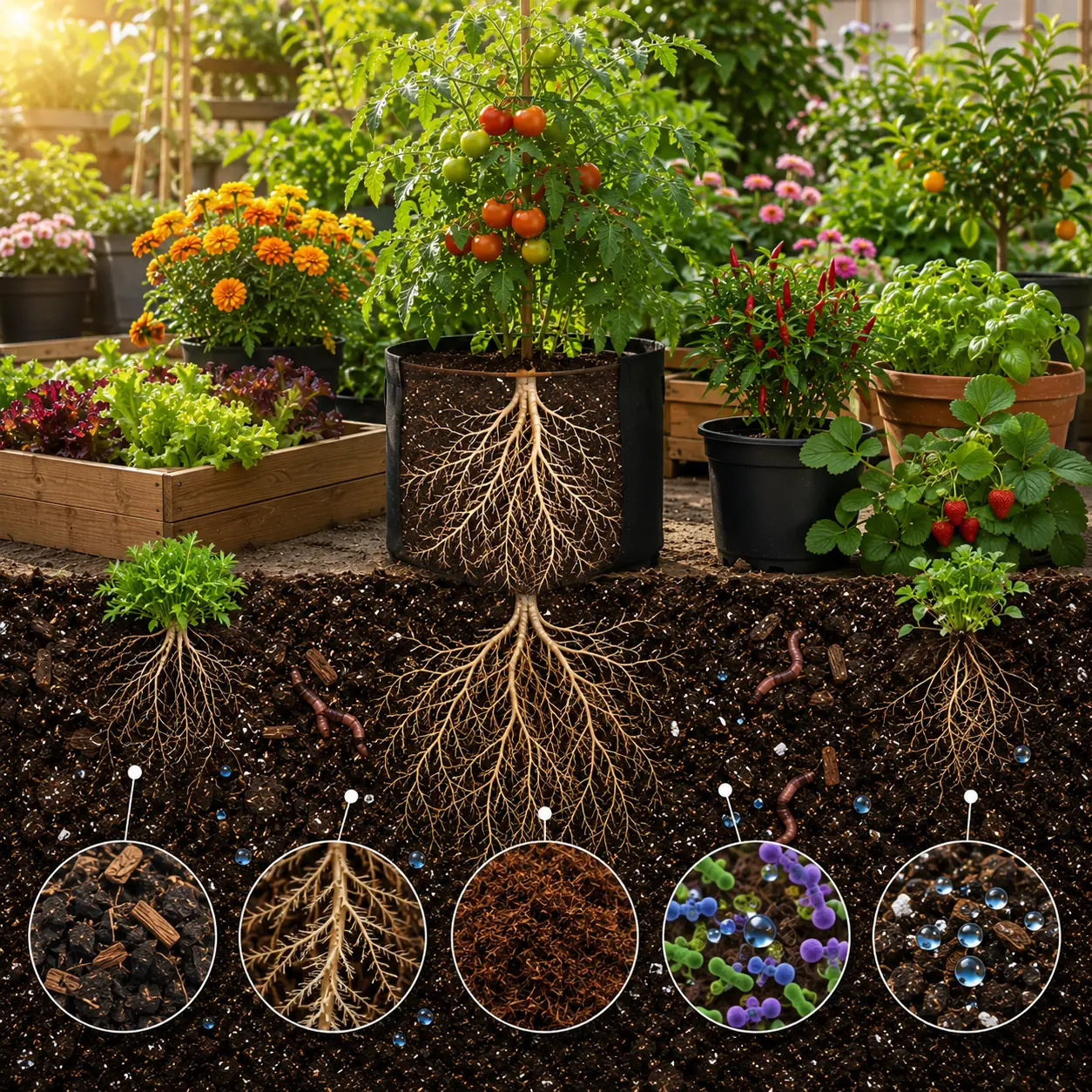
Organic Potting Soil Mix
Provides nutrients, structure, and healthy growing conditions for container plants.
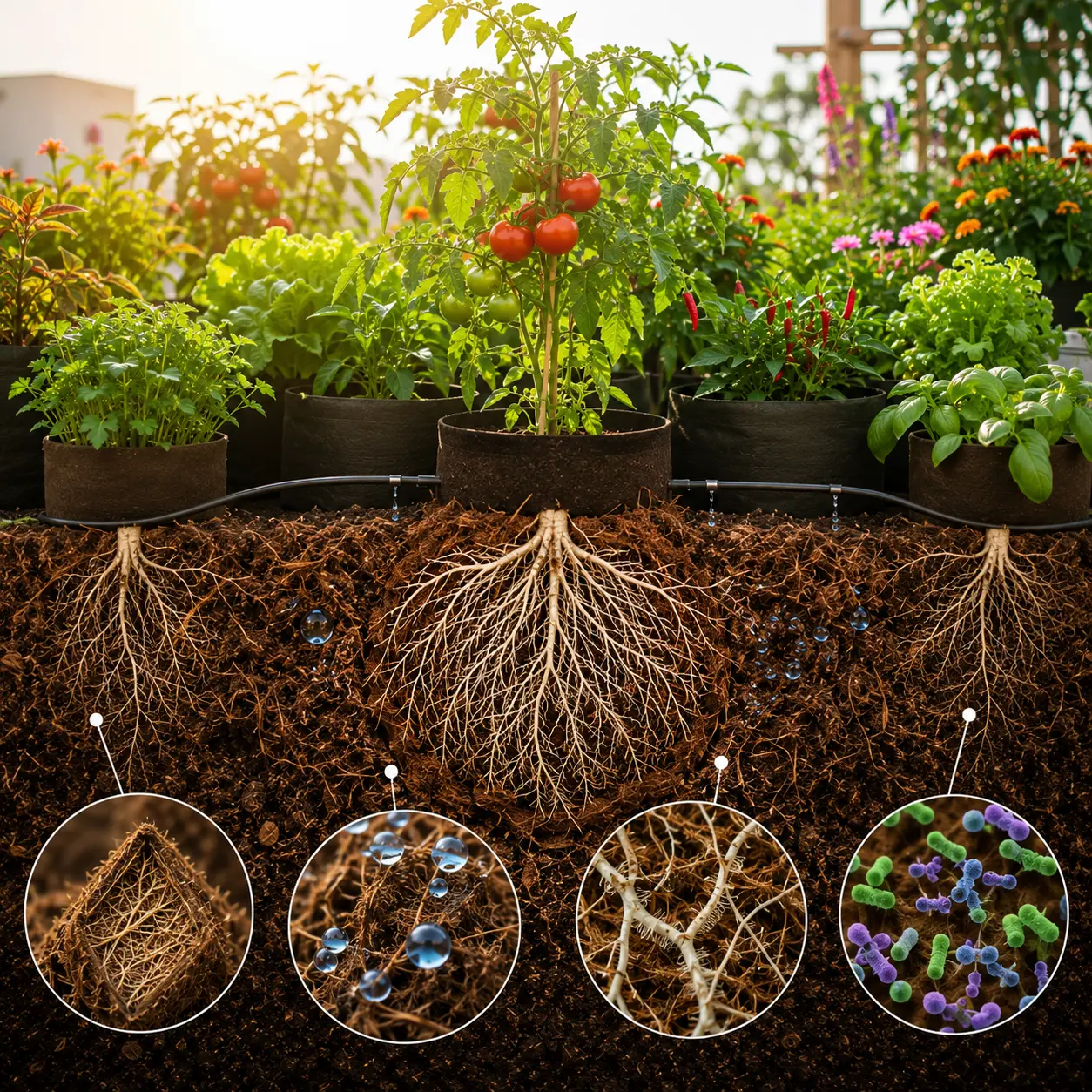
Coco Peat Growing Medium
Enhances moisture retention while maintaining excellent root-zone aeration.

Grow Bags for Plants
Improve drainage, root aeration, and vegetable production in limited spaces.

Plastic Pots for Plants
Ideal containers for seedlings, ornamentals, herbs, and balcony gardens.
At a Glance
| Attribute | Detail |
|---|---|
| Scientific name | Petunia × hybrida |
| Family | Solanaceae (nightshade family) |
| Origin | South America (primarily Argentina and Brazil) |
| Plant type | Tender perennial; grown as an annual in most climates |
| Common Indian names | Petunia (universal), Petunia phool |
| Height | 20–45 cm; trailing types up to 90 cm spread |
| Flower colours | White, pink, red, purple, violet, yellow, bicolour, striped |
| Flowering season in India | November–March (plains); year-round in hills |
| IUCN status | Not listed (cultivated hybrid) |
Origin and Botanical Background
Petunias originate from South America, where wild species grow in Argentina, Uruguay, and southern Brazil. The garden petunias we know today are almost entirely hybrids — Petunia × hybrida — developed through extensive breeding over the past 150 years, first in Europe and then refined globally.
They belong to the Solanaceae family, which puts them in the company of tomatoes, brinjal, chillies, and tobacco. The family connection to tobacco is more than botanical trivia — the name “petunia” itself derives from petun, a Tupi-Guaraní word for tobacco, reflecting how early European botanists recognised the relationship between the two plants.
Petunias reached India during the British colonial period as part of the broader introduction of ornamental European garden plants. They found an immediate fit in hill-station gardens — Ooty, Shimla, Darjeeling — where the cool climate matched their native conditions well.
Types of Petunia
Understanding the main types helps Indian gardeners choose the right variety for their space.
Grandiflora — Large flowers (up to 10 cm across), fewer per plant. Visually dramatic but more vulnerable to rain damage; best for sheltered balconies and covered terraces.
Multiflora — Smaller flowers, but far more of them. More weather-tolerant and better suited to open garden beds and exposed balconies in Indian conditions. The preferred choice for most home gardeners.
Milliflora — Very small, very numerous flowers. Compact plants are well-suited to small pots and window boxes.
Trailing/Spreading (Wave series and similar) — Low, spreading habit; ideal for hanging baskets, cascading over railing planters, or as ground cover in beds. Extremely popular in contemporary Indian balcony gardens.
Double-flowered varieties — Heavily ruffled, rose-like blooms. Purely ornamental; less attractive to pollinators and less rain-tolerant than single-flowered types.
Most Indian nurseries stock multiflora and trailing types as standard. Grandiflora and double varieties are available at larger nurseries and through online plant sellers.
Where Petunias Grow in India
Petunias grow across all of India, but the timing and duration of their productive season vary significantly by region.
North India (Delhi, UP, Punjab, Rajasthan): The cool, dry winters are ideal. October–November planting gives a long productive season through February. Sharp March heat ends the season decisively.
Western India (Maharashtra, Gujarat): Mumbai’s mild, humid winters support petunias well, though the season is slightly shorter than in the drier north. Pune’s cooler winters are excellent for petunias, and the city has a strong nursery culture around them.
South India (Karnataka, Tamil Nadu, Kerala, Andhra Pradesh): The season is compressed but reliable — typically December through February in the plains. Bangalore’s altitude (roughly 900 metres) extends the season usefully. Hill stations across the South — Ooty, Kodaikanal, Munnar, Coorg — enjoy some of the best petunia growing conditions in the country.
East India (West Bengal, Odisha, Jharkhand): Kolkata and surrounding areas support good winter petunia growing from November through February. Darjeeling and the Northeast hills can grow petunias across a much longer season, sometimes approaching year-round.
Hill stations across India: This is where petunias truly shine. The temperate conditions in Shimla, Manali, Mussoorie, Darjeeling, Ooty, and Kodaikanal allow growing windows that last 6–9 months or more. Many hill-station municipal gardens and homestays use petunias as a signature planting.
Botanical Characteristics
Petunias are herbaceous plants with slightly sticky, hairy stems and leaves — a texture that many people notice when handling them. The hairiness is not just textural; it is part of the plant’s defence mechanism, making it harder for small insects to move freely on the surface.
Flowers are funnel- or trumpet-shaped, with five fused petals. They open in the morning and remain open through the day. Individual flowers last 3–7 days; a healthy plant produces a continuous succession of buds.
The root system is relatively shallow and fibrous, which is why petunias establish quickly in containers but also why they need regular watering — they can’t draw on deep soil moisture reserves.
Cultural and Traditional Significance
Petunias don’t carry deep ritual or sacred significance in Indian tradition — they are ornamental introductions without the millennia of cultural context that surrounds plants like tulsi, marigold, or hibiscus.
What they do carry is a strong contemporary identity in Indian garden culture. In the nursery trade across India, the seasonal arrival of petunia seedlings in October is a reliable marker of the winter gardening season. For many urban Indian gardeners — particularly in apartments and on balconies — petunias are the first flowering plant they ever successfully grew, and they hold genuine affection for the plant.
In hill towns like Ooty and Shimla, petunias have become visually associated with the aesthetic of hill-station gardens and tourism-facing hospitality — hotel gardens, guesthouse balconies, and municipal plantings across these towns use petunias extensively as part of a deliberate visual identity.
Is It Easy to Grow?
Yes — petunias are genuinely easy for Indian home gardeners, with one important caveat: they are seasonal. Plant in October–November, enjoy through February, and accept that the plains cannot support them through summer. Within that window, they are forgiving, fast-growing, and responsive to basic care. They suit small balconies, terraces, and garden beds equally well, and are available as inexpensive seedlings from virtually every Indian nursery during the season.
⚠️ Note on toxicity: Petunias belong to the Solanaceae family and are mildly toxic if ingested. They can cause gastrointestinal irritation in humans, dogs, and cats. They are not among the most dangerous garden plants, but should not be eaten and should be planted out of reach of pets and young children who may chew on foliage.
Frequently Asked Questions
Are petunias perennial in India? In hill stations with year-round cool weather, petunias can persist for more than one season, but they are best treated as annuals. In the plains, summer heat ends them. Fresh seedlings each winter give better results than trying to carry old plants forward.
Can petunias grow in full shade? No — petunias need a minimum of 5–6 hours of direct sunlight to flower well. Deep shade produces leggy stems and almost no blooms.
Are petunias safe around pets? Petunias are mildly toxic to dogs and cats if eaten in quantity. They are not considered severely toxic, but it is sensible to keep them out of reach of pets that chew on plants.
Conclusion
Petunias are South American plants that have become a defining part of India’s winter garden landscape — from Shimla’s heritage hotel gardens to Mumbai’s high-rise balconies. They are easy, colorful, and honest about what they need: cool weather, full sun, and a little attention.


