How to Take Care of Desert Rose Plant Problems?
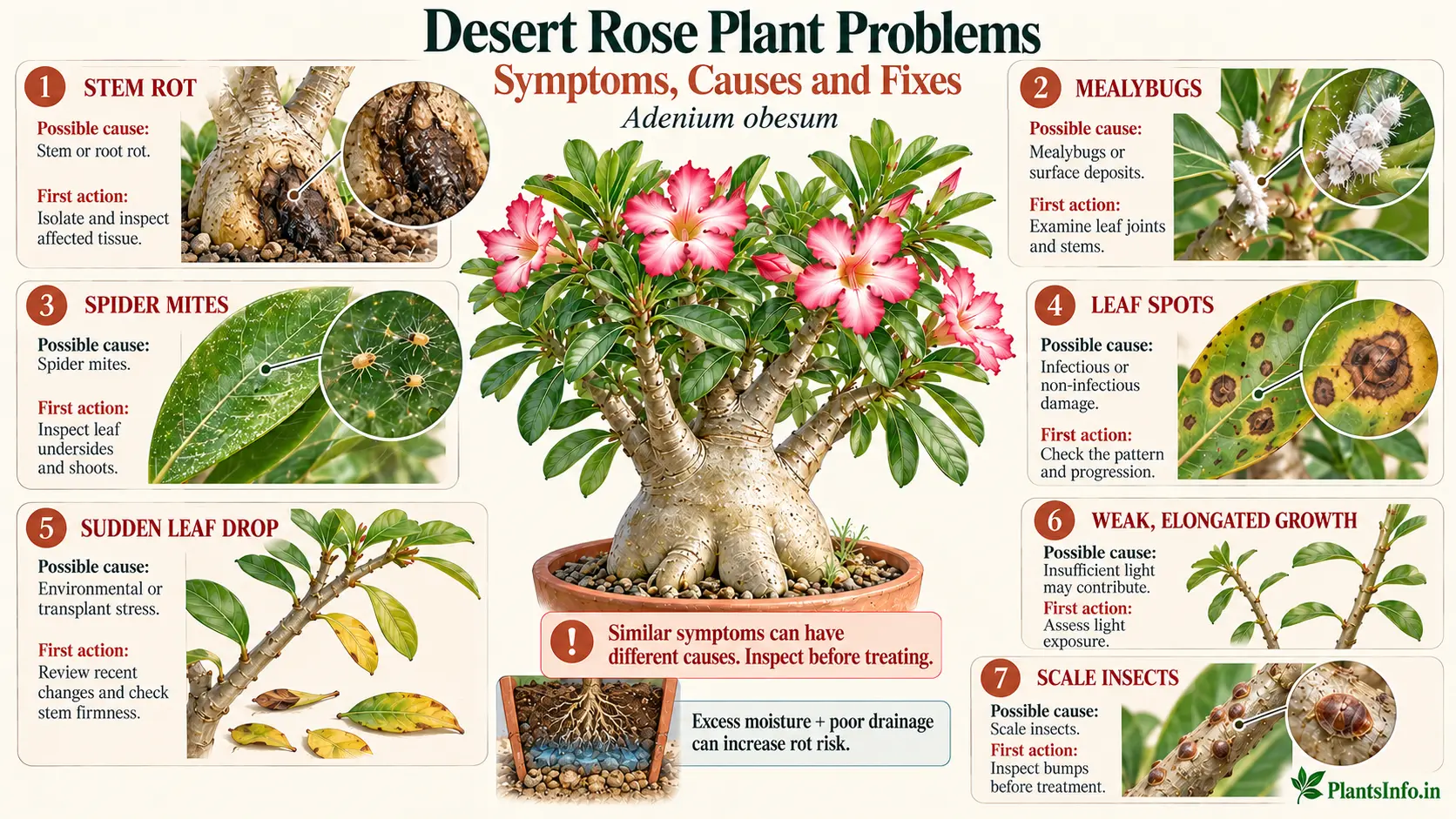
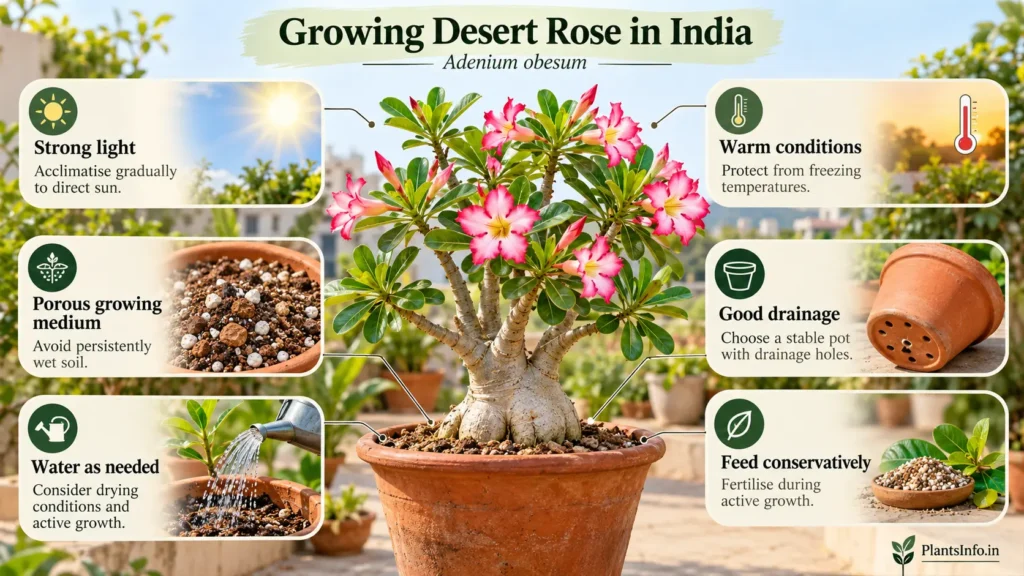
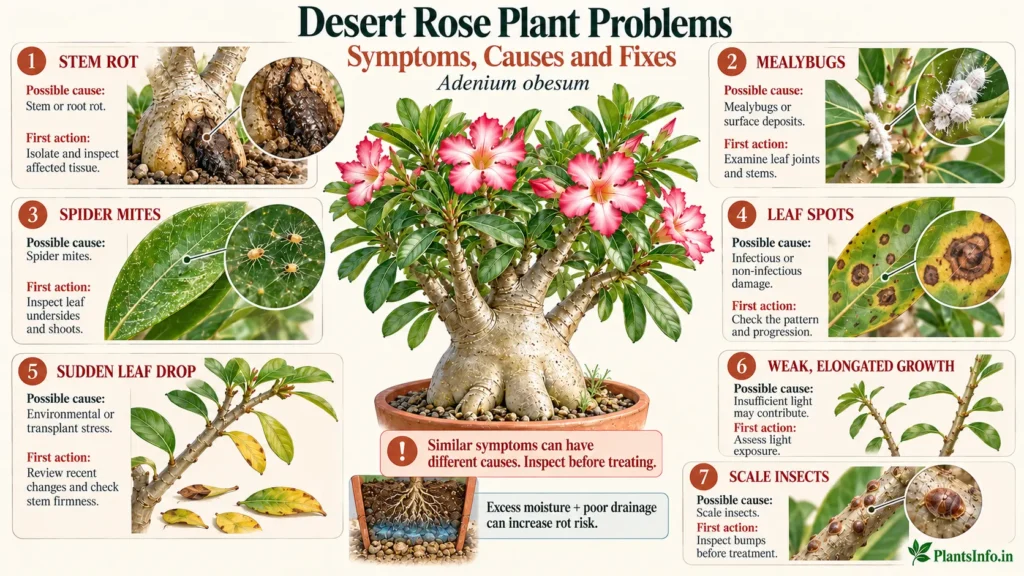
Excess moisture and inadequate drainage can contribute to serious problems in desert rose (Adenium obesum), particularly when growing conditions remain wet for extended periods. Leaf discolouration, spots, pests, and stem changes can have different causes, so inspect the symptoms and their progression before choosing a treatment. Extensive decay of the caudex or root system can severely limit the plant’s chances of recovery.
See also: Adenium obesum plant profile, how to grow it, seasonal care, its flowering season, and its benefits.
Quick Diagnosis
| Observed symptom | Possible cause | First action |
|---|---|---|
| Soft, darkened tissue near the stem base | Stem or root rot | Isolate the plant and inspect the affected tissue. |
| White, cotton-like clusters | Mealybugs or another surface deposit | Examine leaf joints and stems closely to identify the material. |
| Fine leaf stippling with delicate webbing | Spider mites | Inspect leaf undersides and affected shoots. |
| Brown or expanding leaf spots | Infectious disease or non-infectious damage | Examine the pattern and progression; do not assume a pathogen from appearance alone. |
| Sudden leaf drop after relocation | Environmental or transplant stress, or another underlying problem | Review recent changes and check stem firmness. |
| Long, weak branches with widely spaced leaves | Insufficient light may be contributing | Assess the plant’s light exposure and growth pattern. |
| Small, fixed bumps on stems or leaves | Scale insects | Inspect the bumps closely before selecting a treatment. |
These signs are useful starting points, not definitive diagnoses. Several plant problems can produce similar symptoms, and more than one issue may occur on the same specimen.
Recommended Products
Disclosure: As an Amazon Associate, PlantsInfo may earn from qualifying purchases.
🌱 Growing Essentials
The following products can help with container gardening, potting, root development, soil management, and healthy plant growth.
Organic Potting Soil Mix
Provides nutrients, structure, and healthy growing conditions for container plants.
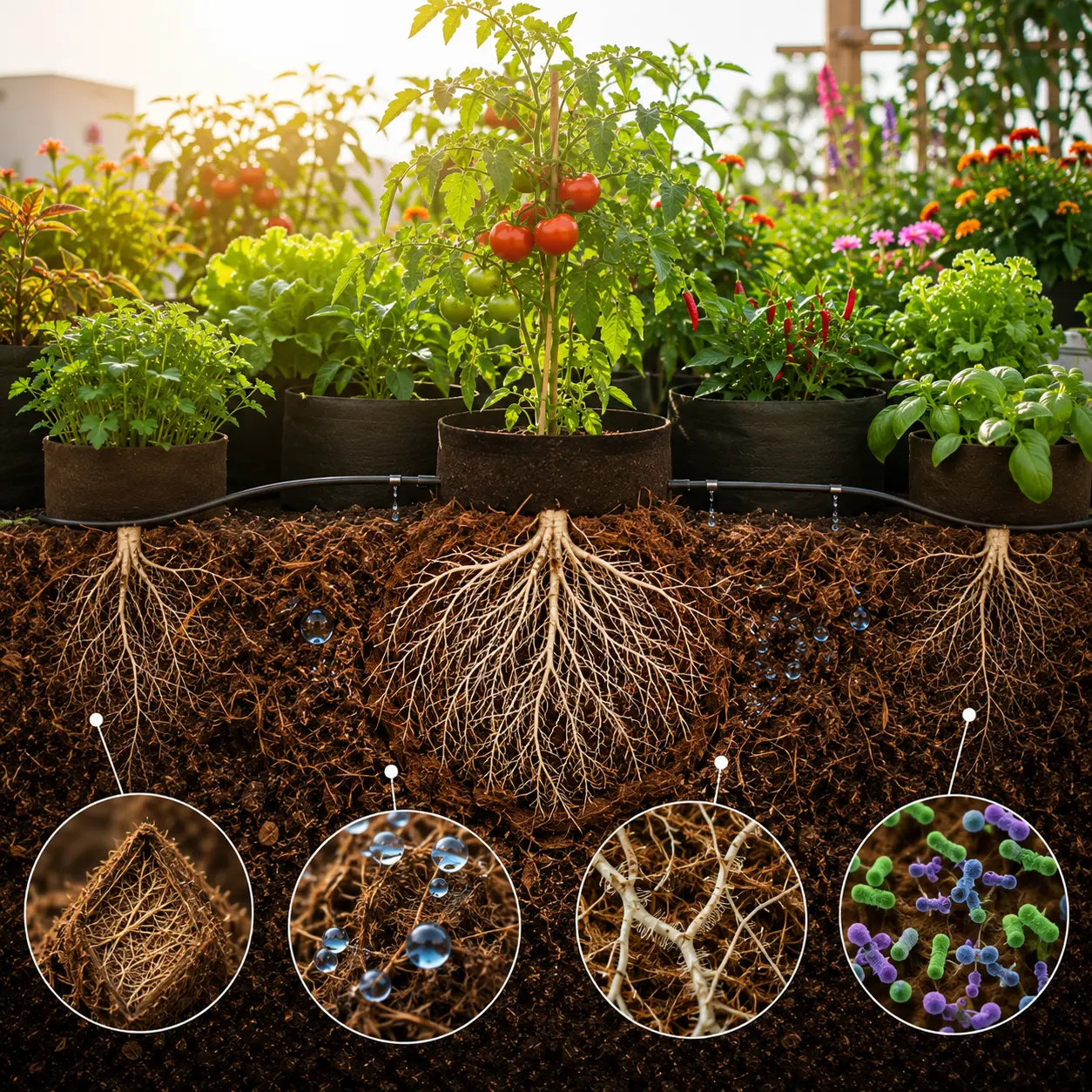
Coco Peat Growing Medium
Enhances moisture retention while maintaining excellent root-zone aeration.

Grow Bags for Plants
Improve drainage, root aeration, and vegetable production in limited spaces.

Plastic Pots for Plants
Ideal containers for seedlings, ornamentals, herbs, and balcony gardens.
Diseases
Stem and Root Rot
Soft, darkened, or deteriorating tissue near the caudex or soil line can indicate stem or root rot. Prolonged moisture and inadequate aeration may contribute to the problem, although symptoms alone cannot establish the specific cause.
Isolate the affected plant and inspect the stem base and accessible roots. Pay particular attention to whether the tissue remains firm or has become soft and extensively discoloured.
Early intervention may help when substantial healthy tissue remains. If decay has spread extensively through the caudex or root system, recovery may be unlikely. Avoid returning a plant to persistently wet conditions, and clean the container thoroughly before reuse. Replace growing medium associated with suspected rot rather than assuming it is safe for immediate reuse.
Fungal Leaf Spot
Fungal leaf spots may appear as brown or dark lesions that enlarge over time. Some develop yellow margins or become dry as the affected tissue deteriorates. However, similar marks can result from bacterial infection, physical injury, or environmental stress.
Remove severely affected foliage with clean tools when appropriate, and dispose of diseased plant material responsibly. Avoid unnecessarily wetting the foliage and maintain adequate air circulation around the plant.
If lesions continue to spread or recur, seek a more reliable diagnosis before selecting a fungicide. Not every leaf spot is fungal, and a fungicide will not correct damage caused by a non-infectious condition or a different pathogen.
Bacterial Leaf Spot
Bacterial leaf spot may produce dark, irregular, or water-soaked lesions that enlarge as the affected tissue deteriorates. These features can raise suspicion of bacterial disease, but appearance alone cannot reliably distinguish it from fungal disease or non-infectious damage.
Remove affected foliage when appropriate, use clean tools, and avoid handling wet plants when an infectious condition is suspected. Clean tools between plants to reduce the risk of transferring contaminated plant material.
There is no single treatment that reliably cures every bacterial leaf infection. Management depends on the actual cause and extent of damage, so avoid applying a pesticide or fungicide solely on the basis of leaf appearance.
Pest Problems
Mealybugs
Mealybugs often appear as white, cotton-like clusters around leaf joints, tender shoots and other sheltered plant surfaces. These sap-feeding insects may weaken growth, distort foliage, and contribute to leaf loss when infestations are heavy. Some infestations also produce sticky honeydew.
Initial management: Inspect the plant carefully and remove small, accessible infestations manually where practical. Recheck affected areas because insects may remain hidden in sheltered joints and crevices.
Treatment options: An insecticidal soap or horticultural oil may be suitable when its label specifically permits use against the identified pest on ornamental plants. Follow all label instructions and test plant sensitivity where directed. Do not assume that a product described as organic is automatically harmless to the plant, people, or pets.
Spider Mites
Spider mites are very small and may be difficult to see without magnification. Their feeding can cause fine, pale stippling on leaves. More extensive infestations may produce bronzing and delicate webbing.
Inspect the undersides of leaves and the areas where leaves meet stems. Early discolouration may be mistaken for a nutritional problem or leaf disease, so look for the pests or other supporting evidence before choosing a treatment.
Initial management: Remove heavily infested fallen foliage and use a suitable physical removal method where practical, taking care not to injure the plant.
Treatment options: If treatment is necessary, use a product specifically labelled for the target mite and intended plant use. Ordinary insecticides may not control spider mites, and some treatments can harm beneficial organisms that help keep mite populations in check. Follow product directions and avoid repeated applications that are not permitted by the label.
Scale Insects
Scale insects may appear as small, fixed bumps that are brown, tan, or pale. They attach to stems or leaves and feed on plant sap. Some species produce honeydew, which can support the growth of dark sooty mould.
Inspect suspicious bumps closely before treating the plant, since other surface deposits can resemble scale insects.
Initial management: Remove accessible insects manually with a soft brush or cotton swab where practical, taking care not to damage the plant’s surface.
Treatment options: Horticultural oil may help control susceptible scale insects when the product is labelled for the pest and intended use. Effectiveness depends on the species and life stage. Follow the label carefully and do not assume that a treatment effective against one pest will work against another.
Pesticide safety: Wear the protective equipment specified on the product label, avoid contact with the plant’s milky sap, and keep children and pets away from treated plants and surfaces as directed. Never mix products or increase application rates beyond label instructions.
Environmental and Care Mistakes
Sudden Leaf Drop After Relocation
A desert rose may shed leaves after being moved between locations with different light, temperature, or other environmental conditions. Transplanting and changes in the growing environment can also contribute to temporary stress.
Consider when the leaf drop began and whether other symptoms appeared at the same time. If the stems remain firm and there is no progressive tissue deterioration, environmental stress may be more likely than advanced rot, although this observation alone cannot rule out disease.
Avoid making several major environmental changes at once. Observe the plant’s subsequent condition and reassess it if the symptoms continue to worsen.
Long, Weak and Sparse Branches
Elongated branches with widely spaced leaves can indicate insufficient light. The plant may stretch towards a light source, resulting in less compact growth.
Assess the plant’s current exposure and make any necessary transition to brighter conditions gradually. Abruptly moving a shaded plant into intense direct sunlight can cause additional injury.
Existing elongated growth may not return to a compact form, but subsequent growth can provide a better indication of how the plant is responding to improved conditions.
Sunscald After Abrupt Exposure
Pale, bleached, or brown patches on the exposed side of leaves or stems may develop when a plant is moved suddenly from shade into intense direct sunlight. This can occur when specimens are transferred between indoor and outdoor environments without gradual acclimatisation.
Damaged tissue may not regain its original appearance. New growth, however, can develop without the same visible damage if the plant’s conditions are suitable.
Consider the location of the damaged patches and the timing of the exposure change. Lesions that continue to expand or appear on unrelated areas may require further investigation rather than being attributed automatically to sunscald.
Transplant Stress
Temporary leaf loss or reduced growth after repotting may result from root disturbance and changes in the growing environment. These signs should be assessed alongside the condition of the caudex, stems and roots.
Allow the plant to stabilise and avoid unnecessary repeated disturbance. If the stem becomes soft, discoloured or progressively deteriorated, investigate the possibility of more serious tissue damage rather than assuming that transplant stress explains every symptom.
A Common Diagnostic Mistake
Do not treat every yellow or fallen leaf as evidence of disease. Leaf loss can have several causes, and a reliable assessment considers the distribution of symptoms, stem firmness, recent environmental changes, and the presence of visible pests.
Prevention Protocol
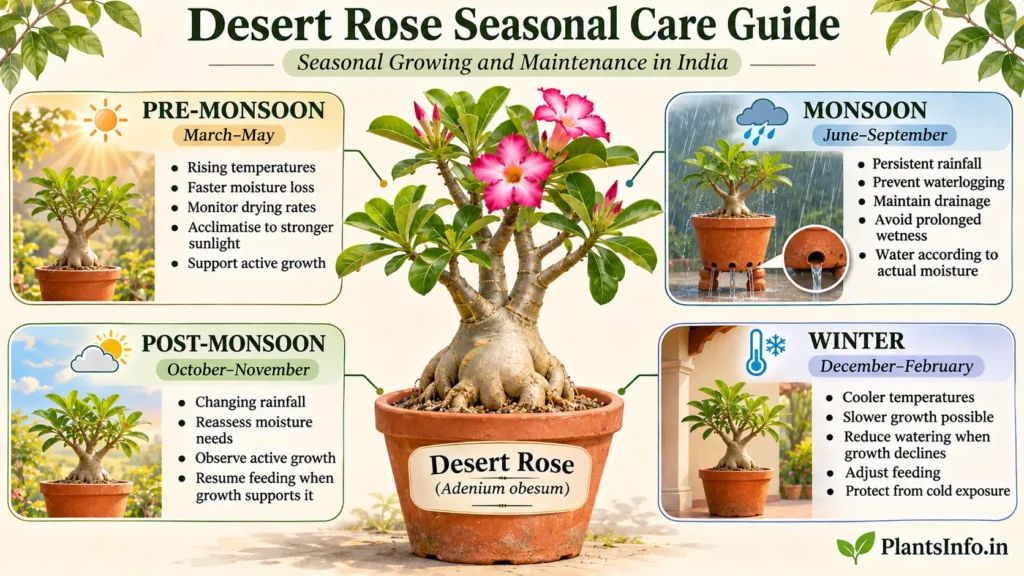
- Before prolonged rainy periods: Check that container drainage holes are unobstructed and that pots are not standing where rainwater collects.
- During routine inspections: Examine leaf joints, shoot tips, leaf undersides, and stem surfaces for pests or unusual lesions.
- When introducing a new plant: Keep it separate from established specimens while checking for visible pests and signs of disease.
- After pruning or repotting: Clean tools between plants and avoid transferring potentially contaminated plant material or growing medium.
- When increasing sunlight exposure: Acclimatise the plant gradually and monitor new growth for signs of environmental injury.
- When symptoms appear: Record where the damage occurs, how quickly it changes, and whether pests or other signs are present before selecting a treatment.
- Before applying a pesticide or fungicide: Confirm that the product is labelled for the intended pest or disease and the plant’s intended use. Follow the label’s precautions and application instructions.
When Is a Desert Rose Unlikely to Recover?
Recovery becomes less likely when extensive decay has destroyed much of the caudex, principal stem, and root system, leaving little firm, viable tissue. The amount of remaining healthy tissue and whether deterioration is continuing are more informative than leaf loss alone.
If serious decay is suspected, isolate the plant from other specimens while assessing its condition. If it is extensively deteriorated and recovery is unlikely, remove it and dispose of the affected material responsibly.
Clean the container before reuse and replace growing medium associated with suspected infectious rot. These precautions reduce the chance of transferring contaminated material, although the presence of rot does not by itself establish that a specific infectious pathogen is responsible.
Frequently Asked Questions
Can a desert rose recover after losing all its leaves?
Leaf loss alone does not establish that a plant is dead. Inspect the caudex, stems, and accessible roots for firmness and signs of progressive deterioration. The amount of remaining viable tissue is more informative than foliage loss by itself.
Are white patches on desert rose always mealybugs?
No. Mealybugs may produce cotton-like clusters, but mineral deposits, dried residues, and other surface material can look similar. Inspect the material closely before choosing a treatment.
Can brown spots on desert rose leaves be diagnosed by appearance?
Not reliably in every case. Fungal and bacterial infections can produce overlapping symptoms, and environmental injury may look similar. The location, progression, and accompanying signs can help guide an initial assessment, but persistent or severe cases may require expert diagnosis.
Why is my desert rose losing leaves after being moved?
A change in light, temperature, or growing conditions may contribute to leaf loss. Transplant disturbance and other underlying problems are also possible. Check whether the stems remain firm and whether additional symptoms are developing before concluding that relocation is the only cause.
Is desert rose sap toxic?
Yes. The plant’s milky sap contains toxic compounds, so avoid contact with it and keep the plant away from children and pets. Wear suitable gloves when handling damaged tissue, wash exposed skin promptly, and follow appropriate medical or veterinary advice if accidental exposure causes concern.
Should I use a fungicide for every leaf spot?
No. Leaf spots are not always caused by fungi. Identify the likely cause as accurately as possible before selecting a treatment, and use a fungicide only when it is appropriate for the suspected problem and permitted by the product label.
Conclusion
Effective desert rose problem management begins with careful observation rather than immediate treatment. Soft stem tissue, expanding leaf lesions, visible pests, and changes following relocation provide different clues, but none should be interpreted without considering the wider pattern of symptoms.
Early identification and appropriate corrective action can help protect viable tissue and limit the spread of pests or potentially infectious material. When the cause remains uncertain, avoid unnecessary chemical treatment and seek a more reliable diagnosis before proceeding.