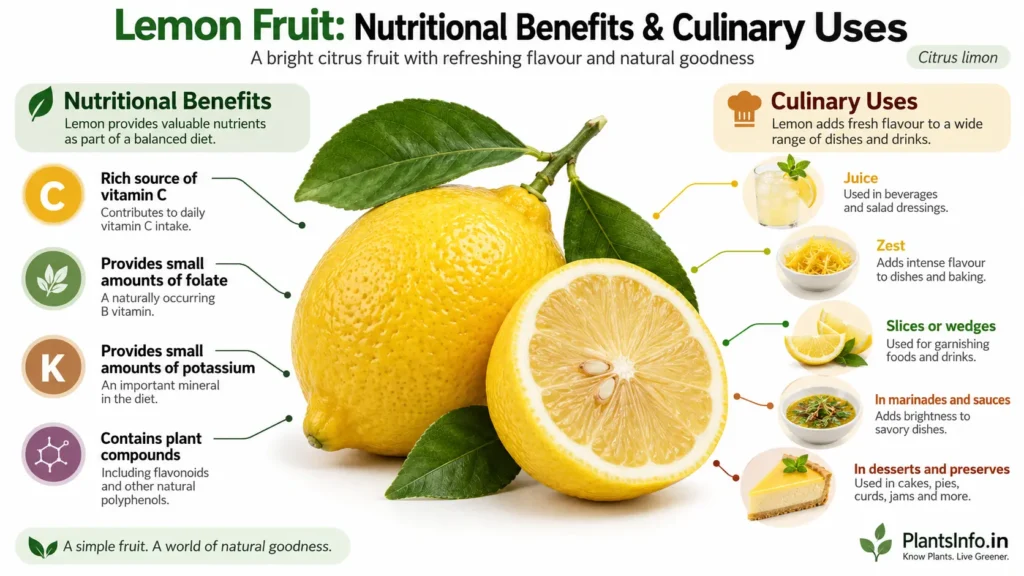
Lemon Fruit: Nutritional Benefits & Culinary Uses
Quick Answer
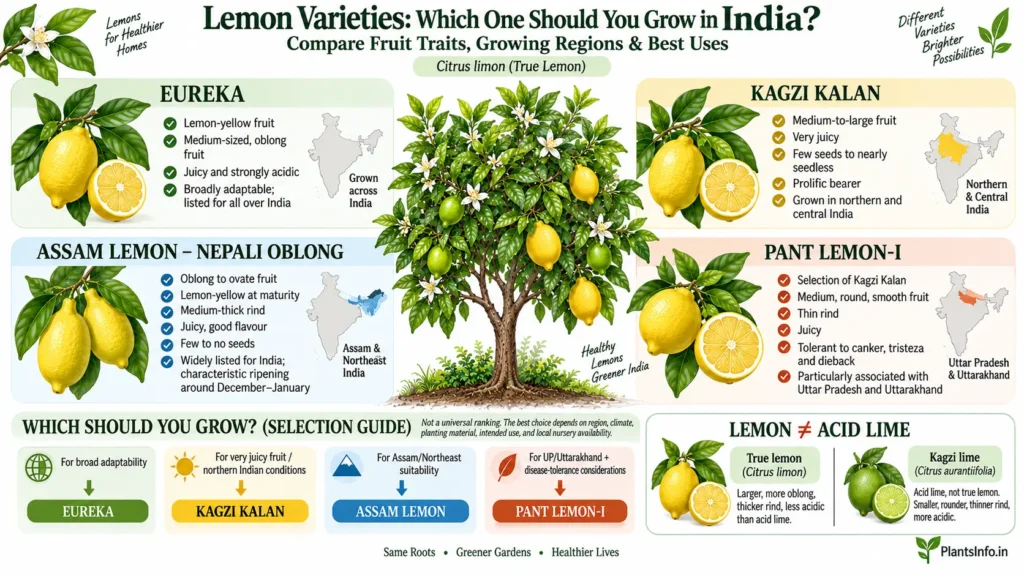
Lemon (Citrus limon) is primarily valuable as a food and culinary fruit, contributing vitamin C and other naturally occurring citrus compounds while adding acidity and aroma to everyday foods. Its juice, zest and peel also give it wider culinary and food-processing value.
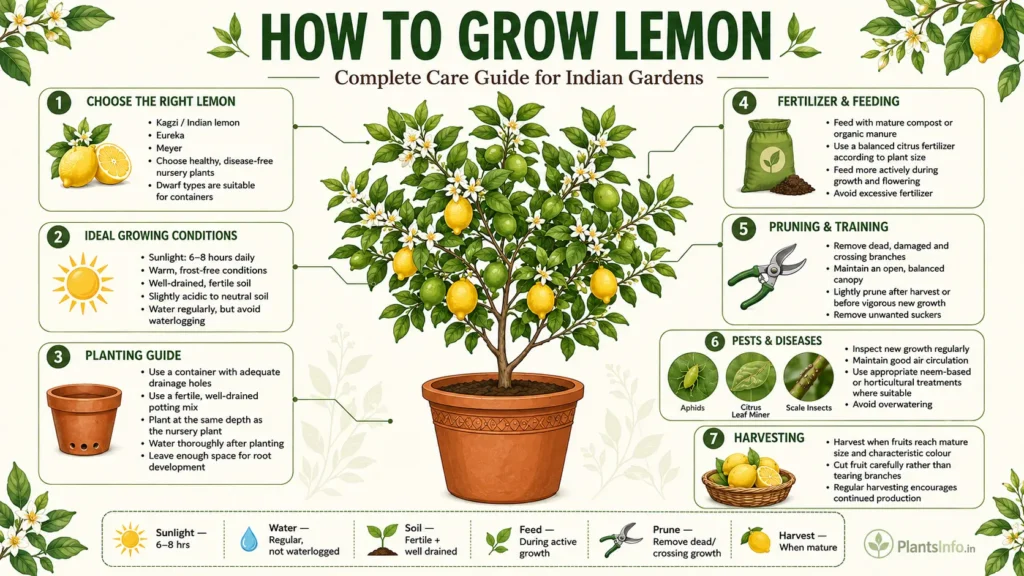
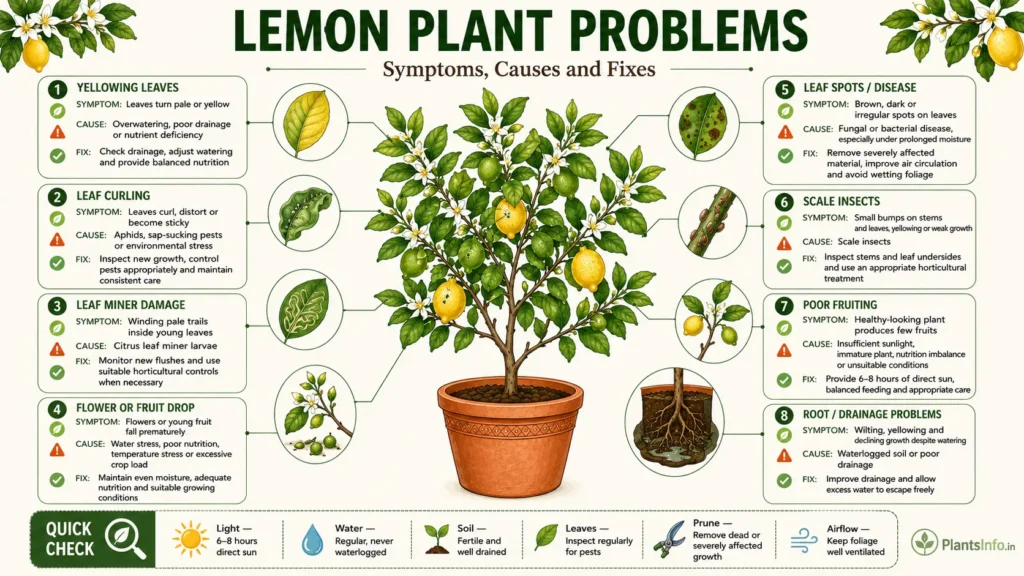
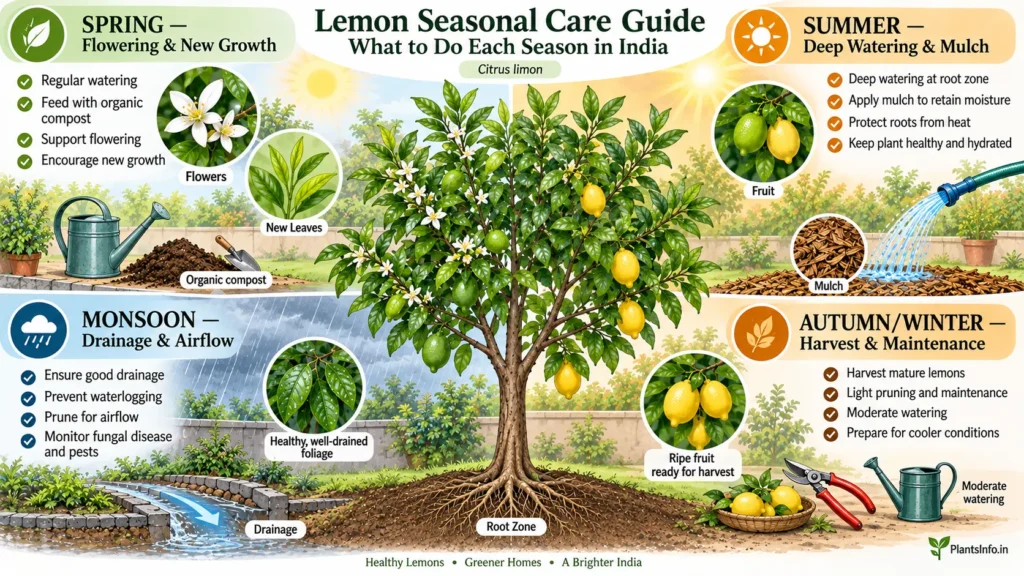
See also: Lemon (Citrus limon) Plant plant profile, how to grow it, common problems, seasonal care, and its flowering season.
Uses at a Glance
| Domain | Main use/role | Context |
|---|---|---|
| Food | Nutritional citrus fruit | Juice, pulp and whole-fruit preparations |
| Culinary | Acidity, flavour and aroma | Drinks, chutneys, pickles and cooked dishes |
| Traditional | Household and traditional use | Indian food and cultural traditions |
| Ornamental | Fragrant evergreen fruit tree | Edible home gardens |
| Ecological | Flowering resource for insects | Mixed gardens and edible landscapes |
Introduction
A small squeeze of lemon can change the flavour of an entire dish because its strong acidity works alongside salt, spices and other ingredients rather than simply adding sweetness or bulk. The fruit is also unusually versatile: juice, peel and zest each have distinct culinary roles.
Recommended Products
Disclosure: As an Amazon Associate, PlantsInfo may earn from qualifying purchases.
🌱 Growing Essentials
The following products can help with container gardening, potting, root development, soil management, and healthy plant growth.

Organic Potting Soil Mix
Provides nutrients, structure, and healthy growing conditions for container plants.

Coco Peat Growing Medium
Enhances moisture retention while maintaining excellent root-zone aeration.

Grow Bags for Plants
Improve drainage, root aeration, and vegetable production in limited spaces.

Plastic Pots for Plants
Ideal containers for seedlings, ornamentals, herbs, and balcony gardens.
Nutritional Value of Lemon
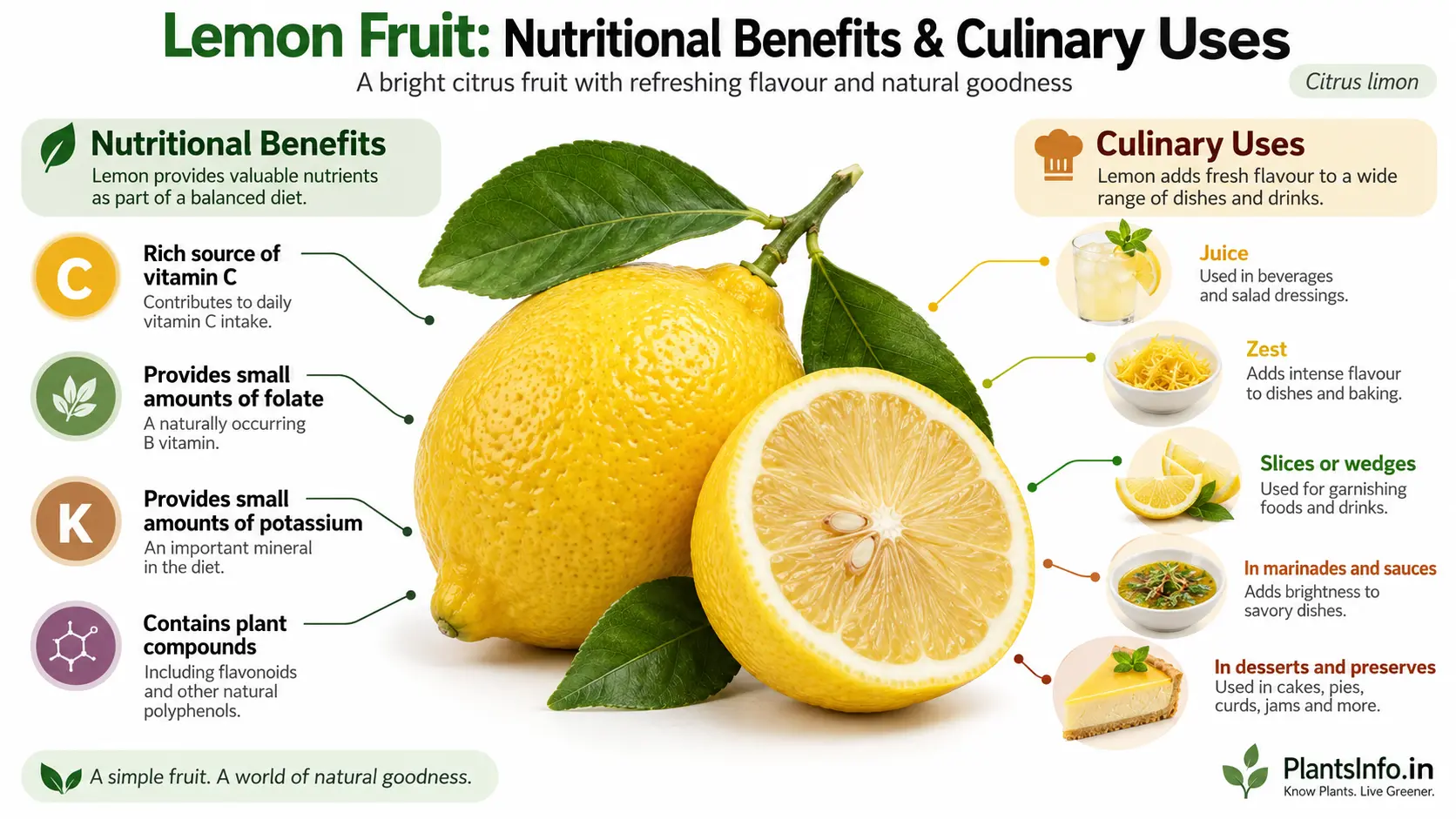
Lemon’s main food value comes from its combination of vitamin C, organic acids and naturally occurring plant compounds. Citrus fruits also contain flavonoids, phenolic compounds, terpenes, limonoids and pectin, although their amounts vary between the juice, pulp and peel.
The juice is particularly useful as a concentrated source of acidity and flavour in a meal without adding much volume. Lemon peel differs chemically from the juice and contains aromatic oils and other compounds that contribute to its characteristic fragrance.
This distinction matters in the kitchen: juice supplies most of the familiar sour taste, while zest is used primarily for its aroma.
Culinary Uses Across India
Lemon has a broad role in Indian cooking because its acidity fits savoury dishes, beverages, preserved foods and some sweets.
Everyday food
Fresh lemon juice is commonly added to dal, vegetables, salads, chaats and cooked dishes shortly before serving. It can brighten flavours that would otherwise taste heavy or flat.
Chutneys and condiments
Lemon can be incorporated into chutneys and other fresh condiments, where its acidity contributes both flavour and preservation value.
Pickles and preserved preparations
Lemon is used with salt and spices in pickled preparations. Preserved lemon develops a softer texture and a concentrated salty-acidic flavour that can be used in small amounts.
Drinks
Lemon is widely used in lemonade, squash and homemade sherbet, as well as in other refreshing drinks prepared across India.
Zest and peel
The coloured outer peel can be used as zest in desserts, drinks and savoury preparations. Because the white inner pith is more bitter, it is generally the outer coloured layer that is valued for fresh zest.
Food Processing and Household Uses
Lemon has significance beyond fresh kitchen use. Juice is processed into beverages and other food products, while peel provides aromatic oils and compounds of interest to food-processing applications.
Lemon processing also creates useful by-products from peel and other parts of the fruit. This makes the species relevant not only as a fresh food but also as a source of ingredients and raw materials for food-related industries.
Traditional Indian household use further increases its practical significance, particularly where fresh fruit is routinely incorporated into meals, drinks and preserved preparations.
Ecological Role
Lemon flowers provide a seasonal food resource for visiting insects, including insects that use flowering plants for nectar or pollen. Their ecological value is greatest when the tree forms part of a diverse garden containing several flowering species.
The evergreen foliage also contributes year-round vegetation to a mixed edible landscape. In a home garden, lemon therefore combines food production with flowering and habitat value rather than functioning only as a fruit crop.
Practical Value for Home Gardeners
A lemon tree can provide several forms of household value from one plant: edible fruit, fragrant flowers, evergreen foliage and ingredients for everyday cooking.
For gardeners who regularly use lemon, growing a tree can also provide access to fruit at different stages of maturity and allow small quantities to be picked for immediate kitchen use.
Its usefulness is especially clear in compact edible gardens where a single plant can contribute both food and visual interest.
Growing or cultivation method — see the Growing Guide.
How to Prepare or Use at Home
Fresh juice
Add freshly squeezed lemon juice to finished dishes, salads, chutneys or drinks according to taste. Because acidity varies between fruits, it is practical to add it gradually.
Zest
Use the coloured outer layer of the peel when fresh citrus aroma is wanted in desserts, drinks or savoury dishes. Avoid relying on the bitter white pith when the recipe specifically calls for zest.
Preserved lemon
Salt-preserved lemon can be finely chopped and added in small amounts to dishes that benefit from concentrated citrus flavour. The softened peel contributes a distinctive salty and acidic character.
One thing not to do: do not assume concentrated lemon extracts or essential oils are interchangeable with ordinary food ingredients; they are substantially more concentrated than fresh juice or zest.
Conclusion
Lemon earns its place in an Indian kitchen not through one single use, but through the unusual range of flavours, aromas and food applications that can come from the same fruit.