15 Amazing Okra Benefits and Uses You Should Know
Quick Info
| Aspect | Summary |
|---|---|
| Edible Parts | Immature pods, young leaves (in some regions), seeds |
| Primary Nutritional Highlights | Dietary fibre, vitamin C, vitamin K, folate, magnesium, potassium and antioxidants |
| Major Health Benefit | Supports digestive health as part of a balanced diet |
| Common Culinary Uses | Curries, stir-fries, soups, stews, pickles and roasted dishes |
| Functional Characteristic | Natural mucilage acts as a thickening agent in cooking |
| Traditional Importance | Widely used in Indian, African, Middle Eastern and Southern American cuisines |
| Commercial Importance | Fresh vegetable, frozen products, canned products, dehydrated products and seed oil |
Quick Answer
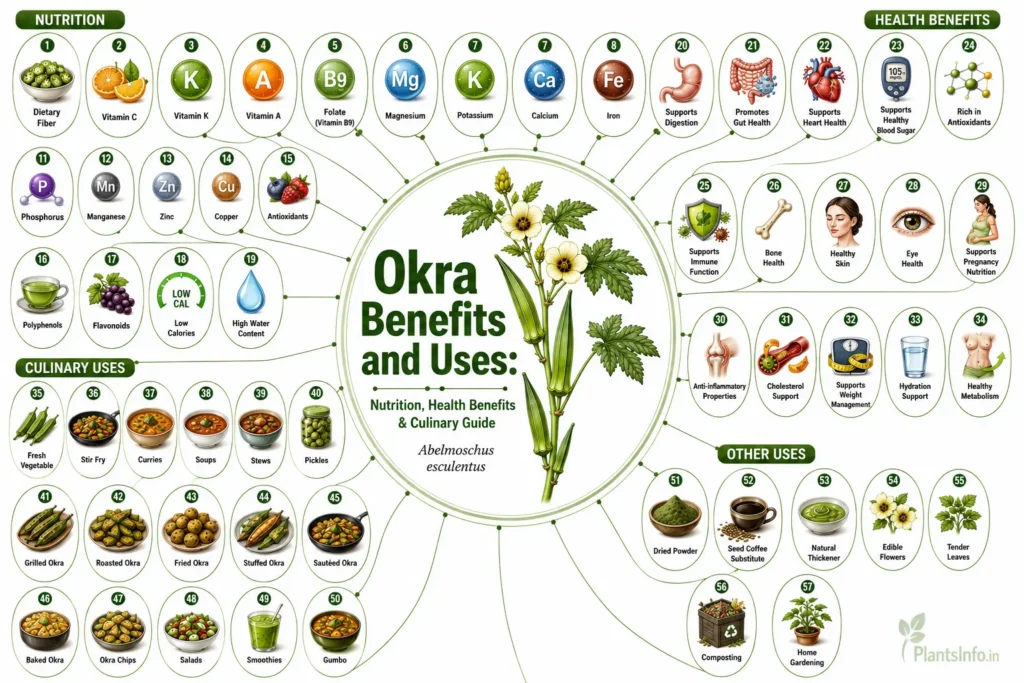
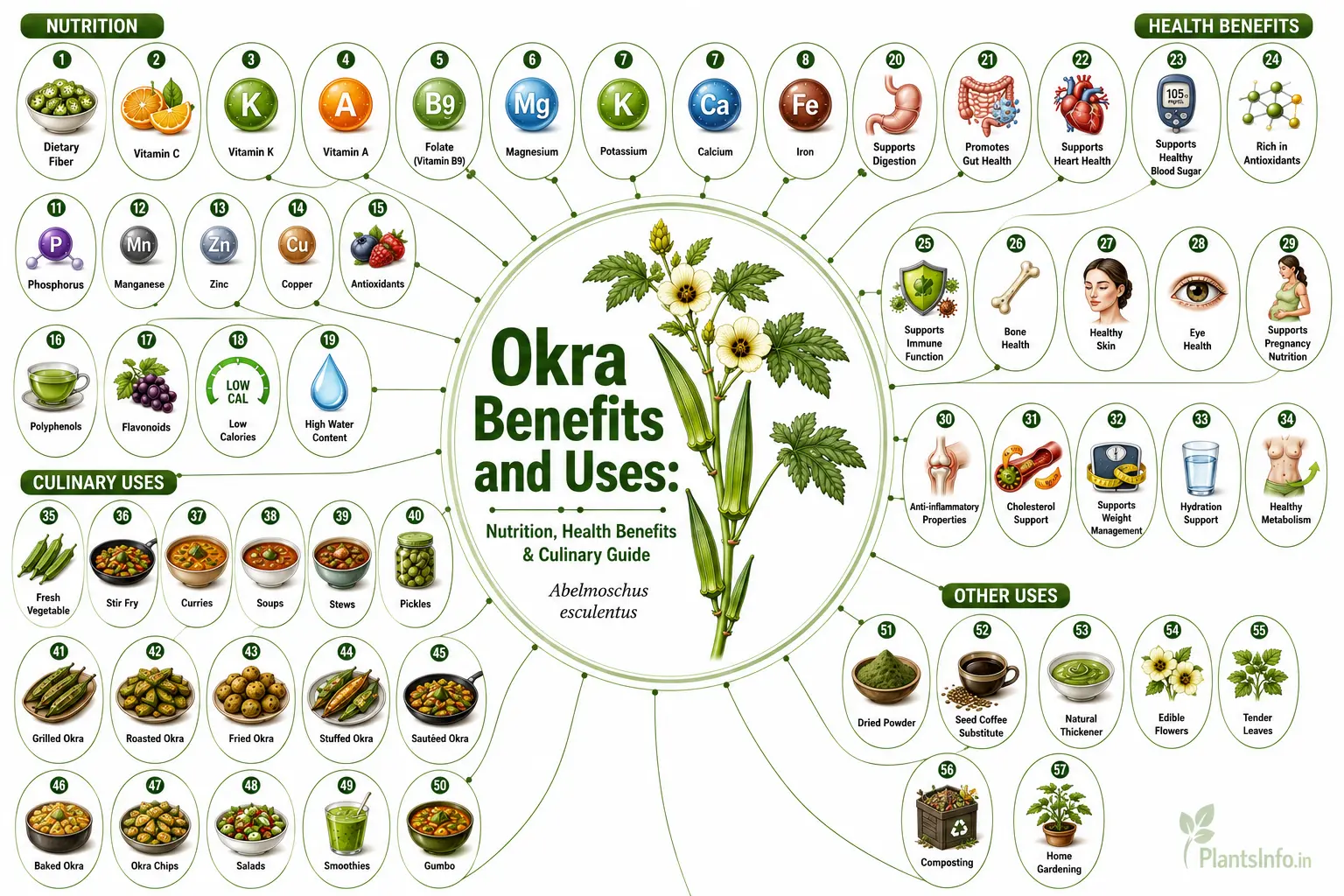
Okra (Abelmoschus esculentus) is valued worldwide not only for its productivity but also for its nutritional quality and remarkable culinary versatility. The tender pods provide dietary fibre, essential vitamins, minerals, and naturally occurring plant compounds while contributing very few calories.
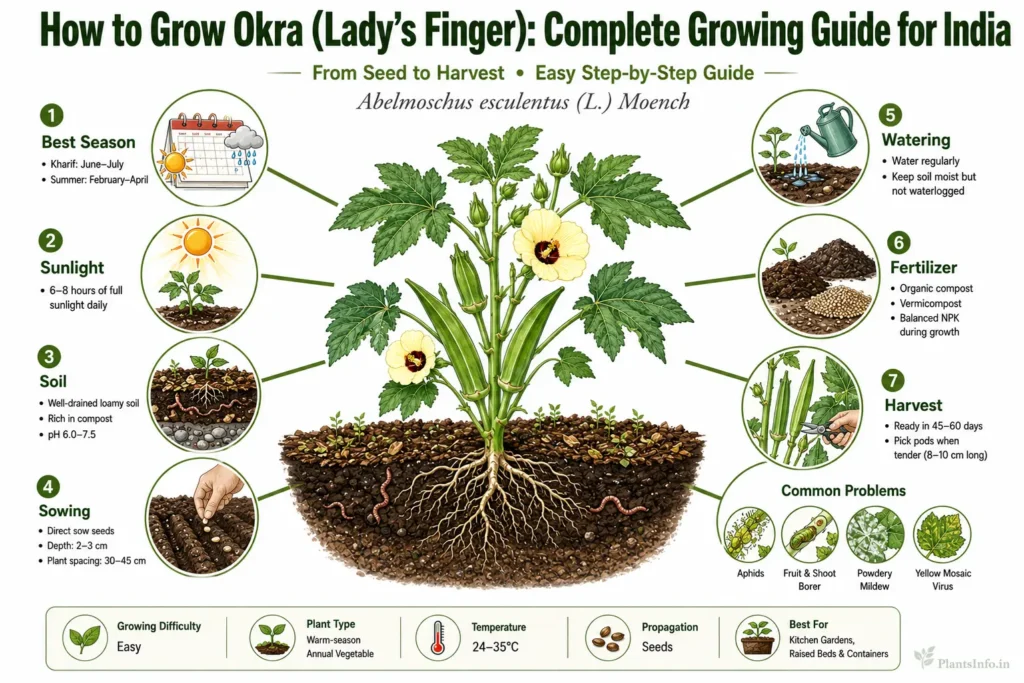
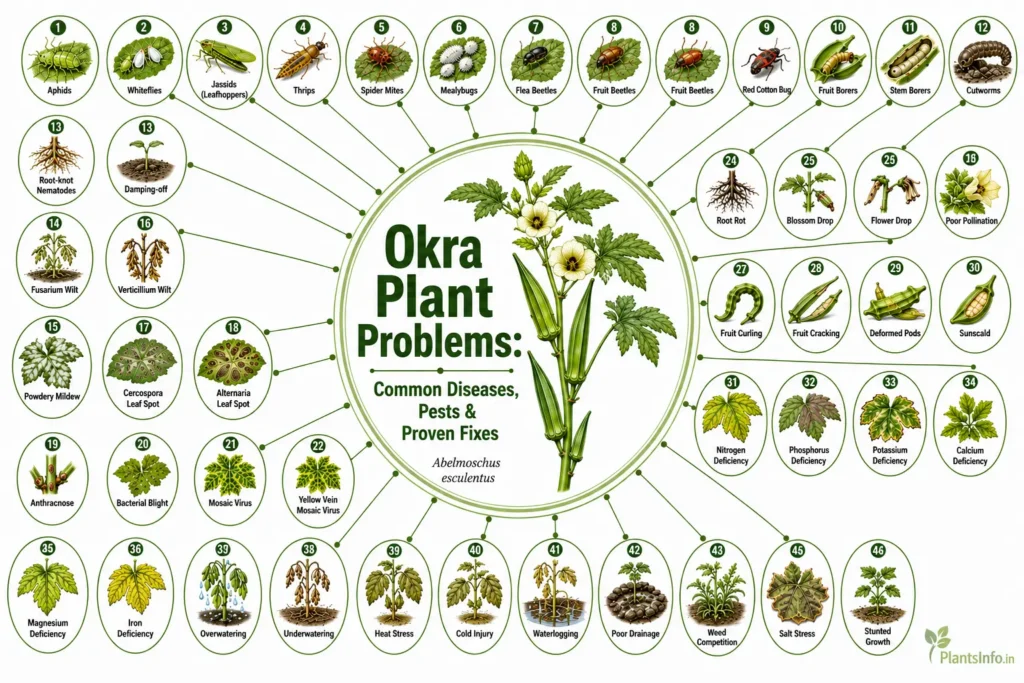
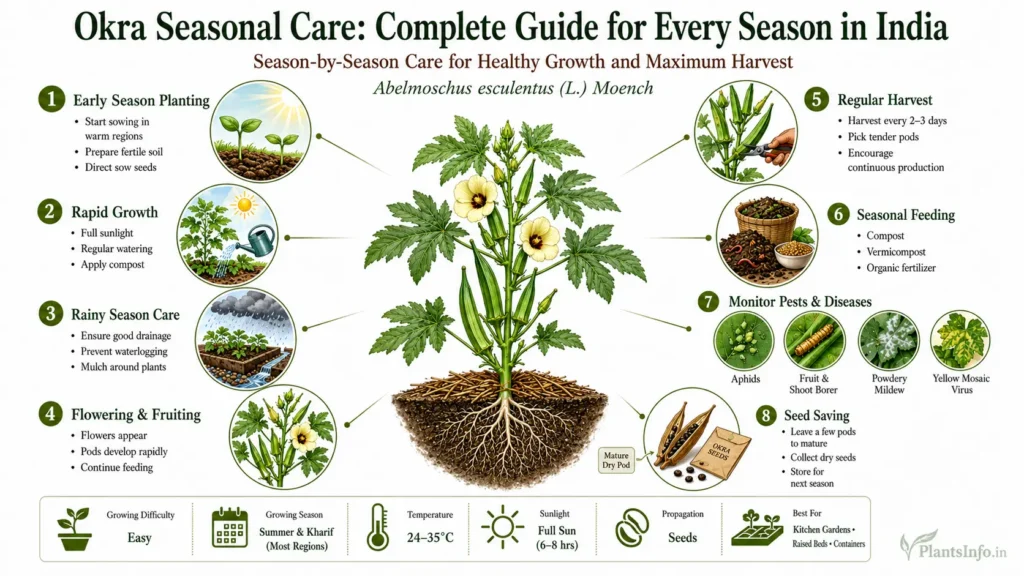
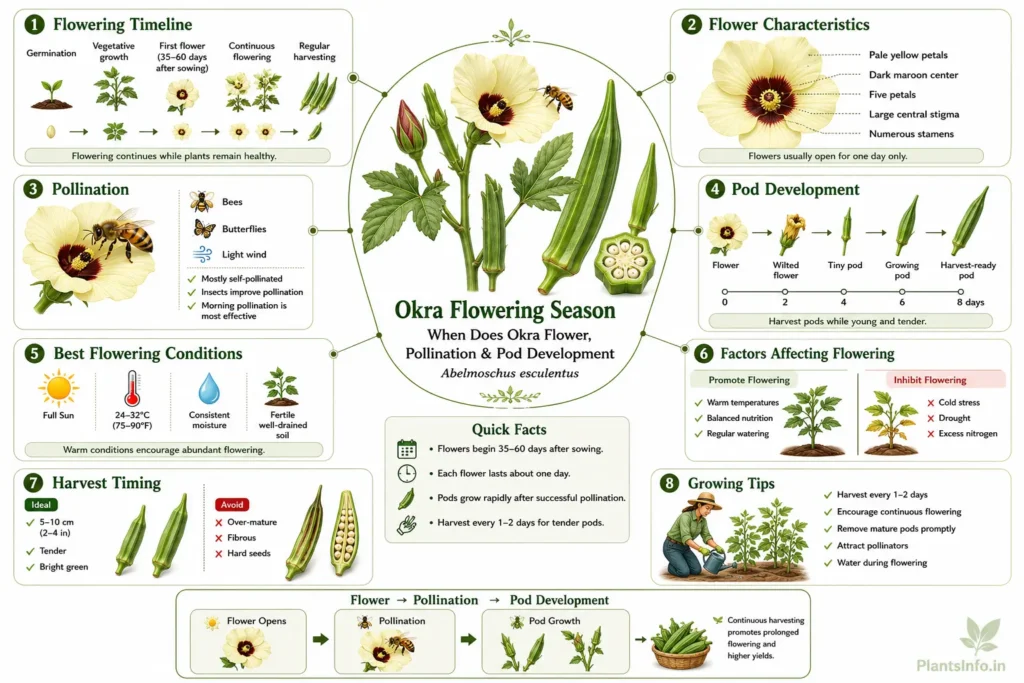
See also: Okra plant profile, how to grow it, common problems, seasonal care, and its flowering season.
Beyond its role as a vegetable, okra is appreciated for its characteristic mucilage, which improves the texture of soups and stews, and for its diverse applications in traditional cuisines across tropical and subtropical regions.
Recommended Products
Disclosure: As an Amazon Associate, PlantsInfo may earn from qualifying purchases.
🌱 Growing Essentials
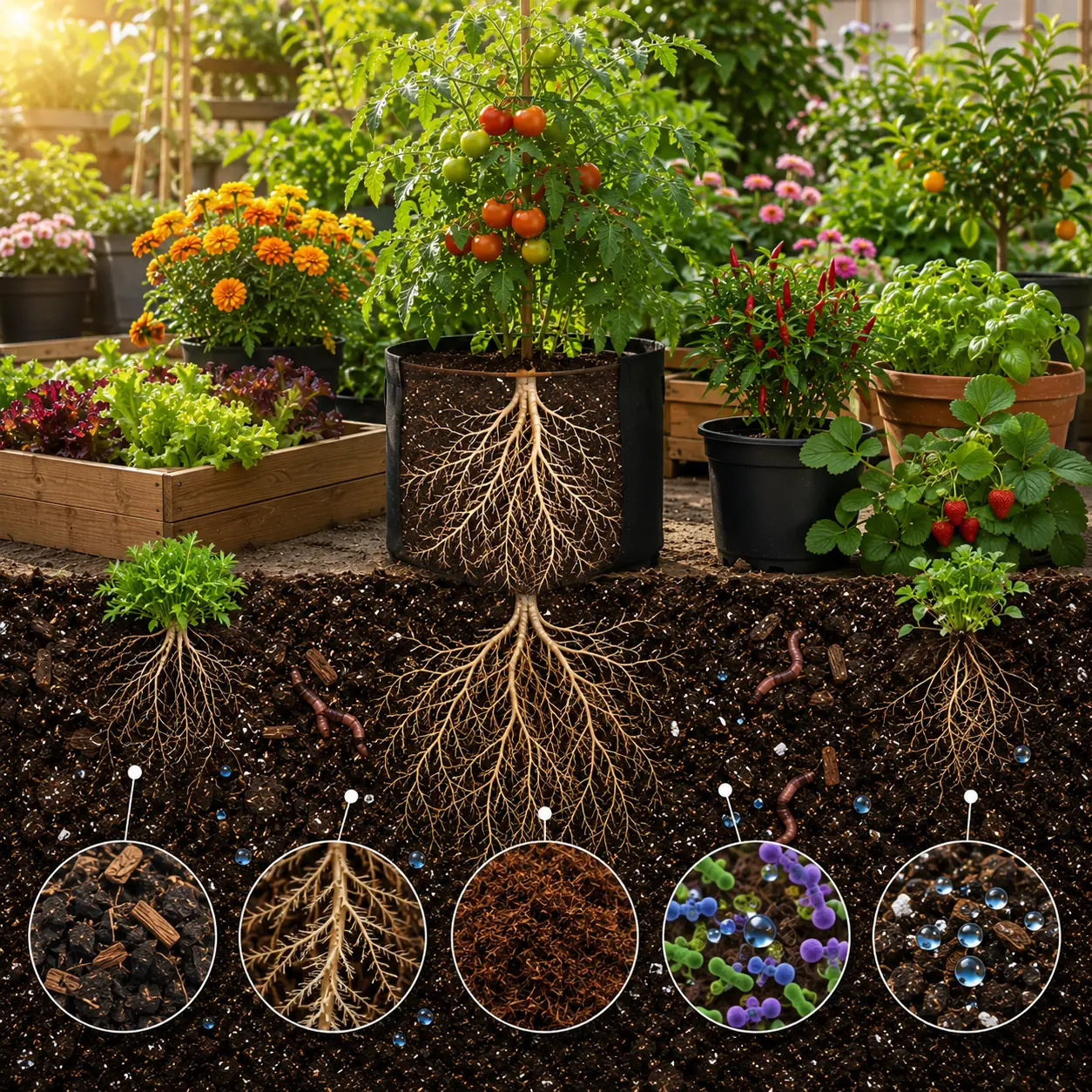
The following products can help with container gardening, potting, root development, soil management, and healthy plant growth.
Organic Potting Soil Mix
Provides nutrients, structure, and healthy growing conditions for container plants.
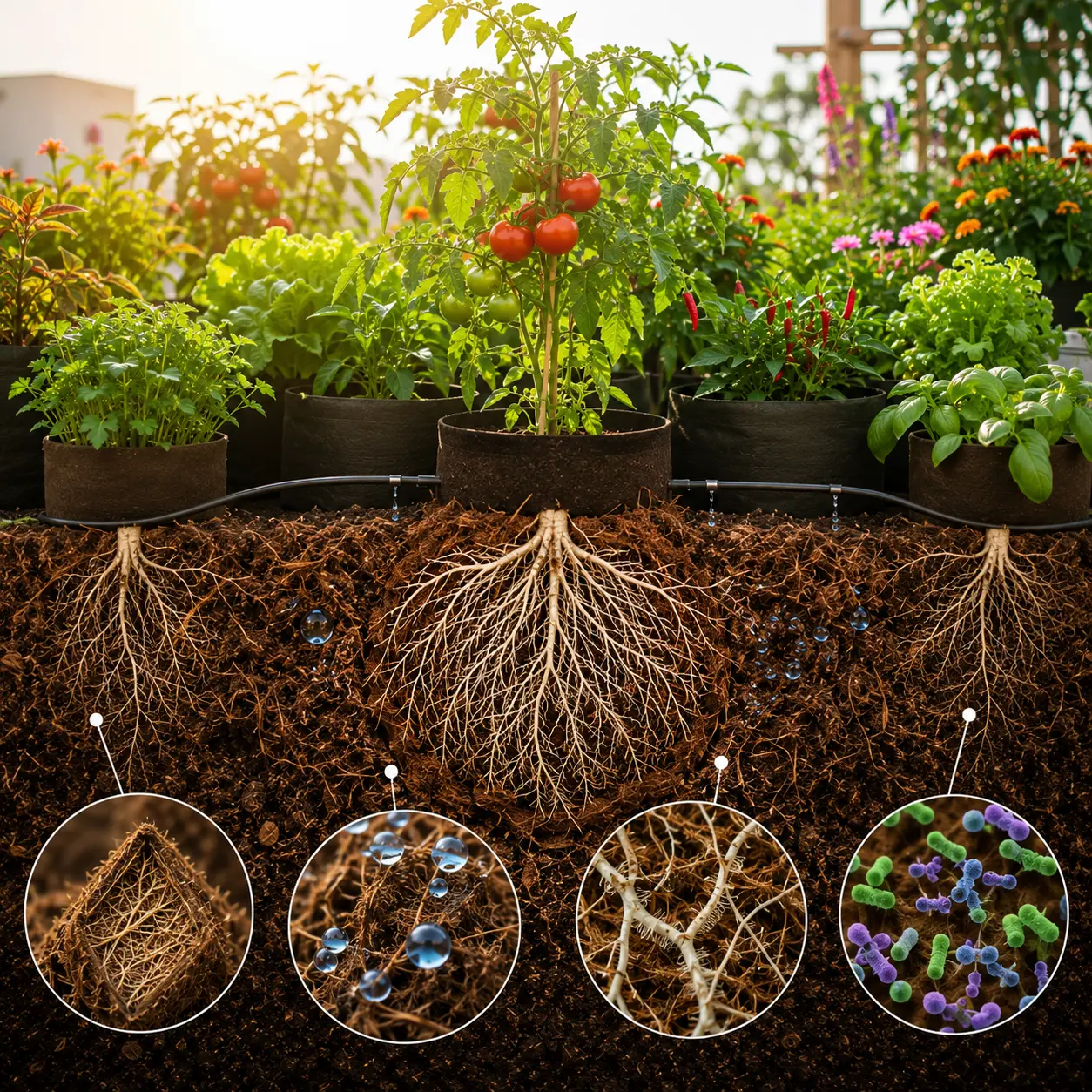
Coco Peat Growing Medium
Enhances moisture retention while maintaining excellent root-zone aeration.

Grow Bags for Plants
Improve drainage, root aeration, and vegetable production in limited spaces.

Plastic Pots for Plants
Ideal containers for seedlings, ornamentals, herbs, and balcony gardens.
Introduction
| Feature | Information |
|---|---|
| Primary Use | Vegetable crop |
| Secondary Uses | Traditional food ingredient, processed food products, edible seeds and leaves in some regions |
| Nutritional Value | Rich in fibre, vitamins, minerals and antioxidants |
| Culinary Diversity | Suitable for numerous cooking methods |
| Global Importance | Widely cultivated across tropical and subtropical regions |
Okra is one of the world’s most widely consumed warm-season vegetables. Although it is often recognised for its distinctive pods, the plant provides value far beyond its role in everyday cooking.
The immature pods contribute important nutrients while remaining naturally low in calories, making them suitable for a wide range of balanced dietary patterns. Their unique mucilage gives cooked dishes a characteristic texture that is highly valued in many traditional cuisines and increasingly appreciated in modern cooking.
Different cultures have incorporated okra into soups, curries, stews, stir-fries, roasted dishes, and preserved foods for centuries. In addition, several parts of the plant—including young leaves and mature seeds—are utilised in specific regional food traditions, demonstrating the crop’s versatility.
Nutritional Profile
Nutritional Summary
| Nutrient Category | Nutritional Contribution |
|---|---|
| Energy | Low-calorie vegetable |
| Carbohydrates | Moderate |
| Protein | Small amount |
| Fat | Naturally very low |
| Dietary Fibre | High |
| Water Content | High |
Okra provides a nutrient-dense food while contributing relatively few calories, making it a valuable addition to balanced diets. Its high water content and dietary fibre promote satiety without substantially increasing energy intake.
Major Vitamins
| Vitamin | Nutritional Role |
|---|---|
| Vitamin C | Supports normal immune function and collagen formation |
| Vitamin K | Contributes to normal blood clotting and bone health |
| Folate (Vitamin B9) | Supports cell division and normal fetal development during pregnancy |
| Vitamin A Precursors (Carotenoids) | Help maintain normal vision and immune function |
| Vitamin B6 | Supports normal metabolism and nervous system function |
Okra supplies several vitamins that participate in essential physiological processes. Vitamin C functions as an antioxidant while supporting connective tissue formation. Folate is particularly important during periods of rapid cell growth, and vitamin K contributes to normal blood coagulation.
Essential Minerals
| Mineral | Primary Function |
|---|---|
| Potassium | Supports normal muscle and nerve function |
| Magnesium | Involved in hundreds of enzymatic reactions |
| Calcium | Supports bone and tooth health |
| Phosphorus | Essential for energy metabolism and skeletal health |
| Manganese | Supports normal metabolic processes |
| Iron | Contributes to oxygen transport (present in modest amounts) |
Although okra should not be viewed as the sole source of any mineral, regular consumption contributes to overall dietary mineral intake when combined with a varied and balanced diet.
Dietary Fibre
| Fibre Type | Potential Dietary Role |
|---|---|
| Soluble Fibre | Supports healthy digestion and contributes to normal cholesterol metabolism as part of a balanced diet |
| Insoluble Fibre | Helps maintain regular bowel movements |
| Natural Mucilage | Adds viscosity to foods and contributes to the vegetable’s characteristic texture |
One of okra’s defining nutritional characteristics is its fibre content. The combination of soluble fibre, insoluble fibre, and mucilage distinguishes it from many other vegetables and contributes to both its culinary properties and digestive benefits.
Plant Compounds
| Compound Group | Examples |
|---|---|
| Polyphenols | Naturally occurring antioxidant compounds |
| Flavonoids | Quercetin derivatives and related compounds |
| Carotenoids | Pigments with antioxidant activity |
| Chlorophyll | Present in green tissues |
| Mucilage Polysaccharides | Complex carbohydrates unique to okra’s texture |
Like many vegetables, okra contains a variety of naturally occurring phytochemicals. These compounds contribute antioxidant activity and are an active area of nutritional research.
Health Benefits
Note: The following benefits refer to the role of okra as part of a balanced, varied diet. Okra is a nutritious food but should not be considered a treatment, cure, or replacement for professional medical care.
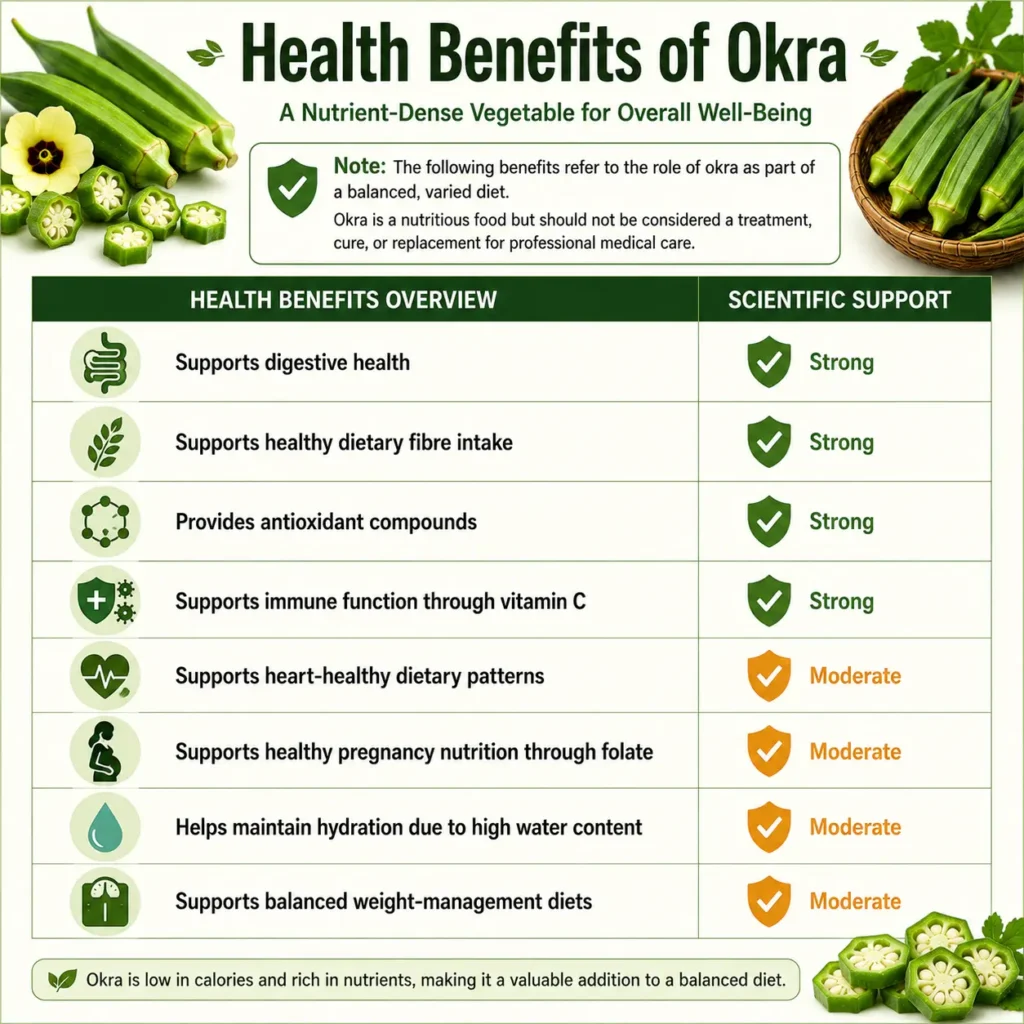
Health Benefits Overview
| Potential Benefit | Scientific Support |
|---|---|
| Supports digestive health | Strong |
| Supports healthy dietary fibre intake | Strong |
| Provides antioxidant compounds | Strong |
| Supports immune function through vitamin C | Strong |
| Supports heart-healthy dietary patterns | Moderate |
| Supports healthy pregnancy nutrition through folate | Moderate |
| Helps maintain hydration due to high water content | Moderate |
| Supports balanced weight-management diets | Moderate |
Supports Digestive Health
The combination of soluble fibre, insoluble fibre, and mucilage helps support normal digestive function. Fibre contributes to regular bowel movements, while soluble fibre supports a healthy intestinal environment by serving as a substrate for beneficial gut microorganisms.
Provides Antioxidant Compounds
Okra contains naturally occurring antioxidants, including vitamin C, flavonoids, and polyphenols. These compounds help protect cells from oxidative stress as part of the body’s normal antioxidant defence systems.
Supports Heart-Healthy Eating Patterns
The vegetable is naturally low in saturated fat and provides dietary fibre and potassium. When incorporated into an overall balanced dietary pattern rich in fruits, vegetables, legumes, and whole grains, okra contributes to nutritional approaches associated with cardiovascular health.
Supports Immune Function
Vitamin C contributes to the normal functioning of the immune system and supports collagen formation, which is important for healthy skin, blood vessels, and connective tissues.
Supports Bone Health
Vitamin K, magnesium, calcium, and phosphorus all contribute to maintaining normal bone structure and function. Although okra is not the richest dietary source of these nutrients, it contributes to overall nutrient intake.
Supports Healthy Pregnancy Nutrition
Okra contains folate, an essential nutrient involved in DNA synthesis and normal fetal neural tube development. Adequate folate intake is particularly important before conception and during early pregnancy.
May Support Healthy Weight Management
Because okra combines high water content, dietary fibre, and relatively low energy density, it can increase meal volume without adding many calories, helping promote fullness as part of a balanced eating plan.
Blood Sugar Research
Some studies have investigated okra’s bioactive compounds and blood glucose regulation. However, current evidence is insufficient to recommend okra as a treatment for diabetes.
Culinary Uses
Culinary Applications Overview
| Use | Description |
|---|---|
| Curries | One of the most popular preparations in South Asia |
| Stir-fries | Quick cooking preserves texture |
| Soups | Natural thickening agent |
| Stews | Adds body and viscosity |
| Roasted Dishes | Develops deeper flavour and reduced mucilage |
| Grilled Preparations | Produces a smoky flavour |
| Pickles | Traditional preservation method |
| Frozen Products | Common commercial product |
Okra is exceptionally versatile and adapts to numerous cooking techniques across different cuisines. Its flavour is generally mild, allowing it to absorb spices and seasonings while contributing a distinctive texture.
Indian Cuisine
Okra is widely used throughout India in regional dishes such as:
- Dry stir-fries
- Masala preparations
- Mixed vegetable curries
- Stuffed okra recipes
- Lentil-based dishes
Different regions prepare okra using diverse spice blends and cooking methods, making it one of India’s most popular home-grown vegetables.
Soups and Stews
One of okra’s defining culinary characteristics is its natural mucilage, which thickens soups and stews without requiring additional starches.
This property is particularly valued in:
- African cuisines
- Middle Eastern dishes
- Southern United States cooking
- Caribbean cuisine
Roasting and Grilling
High-temperature cooking methods such as roasting and grilling reduce the vegetable’s characteristic mucilage while concentrating its flavour.
These methods produce:
- Crisp edges
- Mild sweetness
- Richer roasted flavour
- Firmer texture
Pickling
Young, tender pods are well suited to pickling. The process preserves their texture while adding acidity and complex flavours through spices and seasonings.
Freezing and Processing
Commercially, okra is processed into:
- Frozen cut pods
- Whole frozen pods
- Canned products
- Dehydrated slices
- Ready-to-cook vegetable mixes
Processing extends shelf life and allows year-round availability without significantly changing the vegetable’s primary culinary uses.
Edible Seeds and Leaves
Although the immature pods remain the principal edible portion, other parts of the plant are also used in certain regions:
- Young leaves may be cooked similarly to leafy greens.
- Mature seeds can be roasted and are sometimes used as a coffee substitute in traditional preparations or processed for edible oil in some regions.
These uses are less common than pod consumption but demonstrate the versatility of the crop across different food cultures.
Traditional & Cultural Uses
| Traditional Use | Region | Description |
|---|---|---|
| Everyday Vegetable | India | Widely used in home cooking across diverse regional cuisines |
| Thickening Ingredient | West Africa | Natural mucilage used to thicken soups and stews |
| Gumbo | Southern United States | Signature ingredient providing body and texture |
| Vegetable Stews | Middle East | Added to tomato-based and meat-based dishes |
| Traditional Home Remedies* | Asia, Africa, Middle East | Used in various traditional health practices |
| Festival and Family Meals | Many cultures | Common seasonal vegetable during harvest periods |
*Traditional uses reflect historical or cultural practices and should not be interpreted as evidence of medical effectiveness.
Okra has been cultivated and consumed for centuries, becoming deeply integrated into the culinary traditions of tropical and subtropical regions. Its versatility, ease of cultivation, and dependable productivity have made it an important household vegetable in many agricultural communities.
Indian Culinary Heritage
Across India, okra is one of the most familiar vegetables grown in home gardens and commercial farms alike. Almost every state has its own preparation, reflecting local ingredients, cooking methods, and spice preferences.
Common regional preparations include:
- Dry sautéed dishes
- Stuffed okra
- Onion-based curries
- Tomato gravies
- Lentil combinations
- Mixed vegetable preparations
Because fresh pods are available through much of the warm season, okra remains a staple ingredient in everyday meals rather than a seasonal speciality.
African Culinary Traditions
Many historians consider northeastern Africa among the earliest regions where okra became an important food crop.
Across West and Central Africa, the vegetable is especially valued for its mucilage, which naturally thickens soups while contributing a smooth, characteristic texture. These preparations continue to form an important part of traditional diets today.
Middle Eastern Cuisine
Throughout several Middle Eastern countries, okra is commonly prepared with tomatoes, onions, herbs, and spices, often accompanying rice, flatbreads, or meat dishes.
Slow cooking allows the pods to soften while enriching the consistency of the cooking liquid.
Southern United States
Perhaps the best-known cultural association outside Asia is gumbo, where okra serves both as a vegetable and a natural thickening agent.
The crop became firmly established through African agricultural traditions and remains closely associated with Southern American cuisine.
Traditional Household Uses
Historically, different communities have utilised various parts of the plant beyond the immature pods.
Examples include:
- Young leaves as cooked greens
- Mature seeds in roasted beverages
- Seed oil for culinary purposes in some regions
- Plant fibres for small-scale household applications
Many of these practices continue today on a regional basis while preserving traditional agricultural knowledge.
Industrial & Commercial Uses
| Industry | Commercial Application |
|---|---|
| Fresh Produce | Retail vegetable markets |
| Frozen Foods | Frozen whole and sliced okra |
| Food Processing | Canned products and ready-to-cook mixes |
| Seed Oil | Extraction of edible oil from mature seeds |
| Animal Feed | Crop residues and seed by-products in some regions |
| Food Ingredients | Natural thickening agent from mucilage |
| Research | Nutrition, plant breeding, and functional food studies |
Okra supports multiple industries beyond fresh vegetable production, contributing to food processing, agricultural research, and value-added product development.
Fresh Vegetable Industry
The largest commercial use remains the marketing of fresh immature pods.
Quality standards generally emphasise:
- Tender texture
- Uniform size
- Bright green colour
- Freedom from mechanical damage
- Minimal fibre development
Fresh-market production supports local vegetable markets as well as regional and international trade.
Frozen and Processed Foods
Freezing extends product availability throughout the year while retaining much of the vegetable’s culinary value.
Commercial products include:
- Whole frozen pods
- Sliced okra
- Mixed vegetable packs
- Ready-to-cook preparations
Processing also reduces post-harvest losses by extending shelf life.
Seed Oil Production
Although less widely known than pod production, mature okra seeds contain edible oil.
Research has explored its composition and potential uses, but commercial production remains relatively limited compared with traditional oilseed crops.
Functional Food Research
The natural mucilage found in okra has attracted scientific interest because of its physical properties.
Current areas of investigation include:
- Food stabilisers
- Natural hydrocolloids
- Functional ingredients
- Texture improvement in processed foods
These applications continue to develop as food technology advances.
Agricultural Research
Okra is also an important research crop.
Plant breeding programmes focus on:
- Yield improvement
- Heat tolerance
- Disease resistance
- Pod quality
- Adaptation to different production systems
Ornamental & Garden Benefits
| Garden Benefit | Value |
|---|---|
| Attractive Flowers | Large hibiscus-like blooms |
| Vertical Accent | Upright growth habit adds structure |
| Pollinator Attraction | Flowers attract many beneficial insects |
| Edible Landscaping | Combines ornamental and food value |
| Long Harvest Season | Provides extended garden interest |
| Suitable for Mixed Beds | Integrates well with vegetables and ornamentals |
Although primarily grown for food, okra possesses several ornamental qualities that make it suitable for decorative kitchen gardens and edible landscapes.
Attractive Flowers
One of the plant’s most striking features is its large flowers.
Characteristics include:
- Cream to pale yellow petals
- Dark maroon or purple centre
- Hibiscus-like appearance
- Individual blooms that open successively
Even gardeners unfamiliar with the crop often appreciate its flowers before recognising it as a vegetable.
Architectural Growth
The upright stems and large leaves provide strong vertical structure within vegetable gardens.
Depending on the cultivar, mature plants may exceed one metre in height, creating visual contrast among lower-growing crops.
Edible Landscaping
Modern edible landscapes combine ornamental appeal with practical food production.
Okra contributes by offering:
- Attractive foliage
- Decorative flowers
- Distinctive seed pods
- Productive harvests
This combination makes it suitable for ornamental kitchen gardens where aesthetics and productivity are equally important.
Ecological Benefits
| Ecological Role | Contribution |
|---|---|
| Pollinator Resource | Flowers provide nectar and pollen |
| Biodiversity Support | Increases plant diversity within gardens |
| Organic Matter | Crop residues contribute to compost systems |
| Soil Protection | Living canopy helps reduce surface exposure |
| Local Food Production | Reduces transport requirements for home-grown vegetables |
| Sustainable Gardening | Suitable for diversified vegetable gardens |
Okra contributes positively to home garden ecosystems when incorporated into diverse planting systems.
Pollinator Support
The flowers attract numerous beneficial insects, including:
- Bees
- Butterflies
- Hoverflies
- Other native pollinators
Although okra is capable of self-pollination, insect visitation often supports efficient pollination and contributes to broader garden biodiversity.
Increasing Plant Diversity
Including multiple crop species within vegetable gardens promotes ecological resilience.
Okra introduces:
- Different flowering periods
- Unique plant architecture
- Additional food resources for insects
- Greater habitat diversity
Mixed plantings are generally more resilient than large monocultures.
Compost Contribution
After crop completion, healthy plant residues can be composted where appropriate.
Composting returns valuable organic matter to the soil while recycling nutrients within the garden system.
Supporting Sustainable Gardening
Home-grown okra contributes to sustainable food production by:
- Producing fresh vegetables close to the point of consumption
- Encouraging seasonal eating
- Supporting household food diversity
- Reducing reliance on transported produce
Companion Plant Benefits
| Companion Benefit | Explanation |
|---|---|
| Supports Pollinators | Flowers attract beneficial insects |
| Vertical Growing Habit | Uses vertical space efficiently |
| Suitable for Mixed Vegetable Beds | Integrates with many warm-season vegetables |
| Provides Light Afternoon Shade | Taller plants may offer limited protection for heat-sensitive crops when carefully positioned |
| Promotes Garden Diversity | Increases species richness within planting areas |
Companion planting focuses on designing diverse gardens that improve productivity, biodiversity, and efficient use of available space. Rather than relying on unsupported claims that certain plant combinations automatically repel pests or increase yields, companion planting should be viewed as a strategy for creating balanced growing systems.
Pollinator-Friendly Plant
Okra’s attractive flowers provide nectar and pollen that draw a range of beneficial insects into the garden. These pollinators may also visit neighbouring flowering crops, supporting pollination throughout the planting area.
Efficient Use of Garden Space
The plant’s upright growth habit allows gardeners to make effective use of vertical space. When spaced correctly, okra can be combined with lower-growing vegetables without excessive competition for light.
Supporting Crop Diversity
Growing okra alongside a variety of warm-season vegetables increases overall plant diversity. Diverse gardens often support a wider range of beneficial organisms and may be more resilient to environmental fluctuations than single-crop plantings.
Thoughtful Garden Design
Because mature okra plants can become relatively tall, position them carefully to avoid shading sun-loving neighbouring crops. In particularly hot climates, however, their height may provide limited afternoon shade for selected heat-sensitive vegetables if planned appropriately.
Overall, the greatest companion planting benefit of okra comes from enhancing biodiversity, attracting pollinators, and contributing structural diversity, rather than from any universally proven plant-pairing effect. This evidence-based approach aligns with current horticultural research while avoiding unsupported companion planting claims.
Precautions & Limitations
Important: Okra is a nutritious vegetable and can be part of a healthy, balanced diet. However, it is not a medicine and should not be used as a substitute for professional medical advice, diagnosis, or treatment.
Quick Overview
| Consideration | Information |
|---|---|
| General Safety | Safe for most people when consumed as a food |
| Food Allergy | Rare but possible |
| Oxalates | Present in moderate amounts; individuals with certain kidney stone conditions may need dietary guidance |
| Vitamin K | Contains vitamin K; people taking anticoagulant medication should maintain consistent dietary intake rather than avoiding it completely |
| Digestive Effects | High fibre intake may cause temporary digestive discomfort if increased suddenly |
| Mucilage | Safe for consumption and contributes to the vegetable’s culinary properties |
Food Allergies
Although uncommon, some individuals may experience allergic reactions to okra.
Possible symptoms include:
- Itching of the mouth or throat
- Skin irritation
- Swelling
- Digestive discomfort
Anyone experiencing signs of a food allergy should discontinue consumption and seek medical advice.
Fibre Intake
Okra is naturally rich in dietary fibre.
People who are not accustomed to high-fibre diets may temporarily experience:
- Bloating
- Mild abdominal discomfort
- Increased intestinal gas
Introducing fibre gradually while maintaining adequate hydration usually helps minimise these effects.
Vitamin K and Anticoagulant Medication
Okra contains vitamin K, an important nutrient involved in normal blood clotting.
Individuals taking vitamin K antagonist medications (such as warfarin) should maintain a consistent intake of vitamin K-rich foods and consult their healthcare provider before making major dietary changes.
The goal is dietary consistency rather than avoidance.
Oxalates
Like many vegetables, okra contains naturally occurring oxalates.
For most healthy individuals, this presents no concern. However, people who have been advised to follow a low-oxalate diet because of specific types of kidney stones should discuss appropriate dietary choices with a qualified healthcare professional.
Digestive Texture
The natural mucilage in okra is completely edible and contributes valuable soluble fibre.
Some people enjoy its characteristic texture, while others prefer cooking methods such as roasting, grilling, or high-heat stir-frying, which reduce its viscosity.
Food Safety
For best quality:
- Wash pods thoroughly before preparation.
- Remove damaged or spoiled pods.
- Refrigerate fresh okra promptly after purchase or harvest.
- Cook or preserve fresh pods within a few days for optimal quality.
Harvest & Storage for Best Nutrition
Storage Summary
| Storage Method | Best Use | Approximate Storage Period* |
|---|---|---|
| Refrigeration | Fresh consumption | About 3–5 days |
| Freezing | Long-term storage | Up to 8–12 months with good quality |
| Pickling | Preservation | Several months when properly prepared |
| Dehydration | Dry storage | Several months in airtight containers |
*Storage duration varies with handling, temperature, and storage conditions.
Preserve Freshness Quickly
Fresh okra is highly perishable.
For the best nutritional quality:
- Refrigerate soon after harvesting or purchasing.
- Minimise exposure to direct sunlight.
- Avoid leaving pods at room temperature for extended periods.
Rapid cooling helps slow moisture loss and maintain texture.
Refrigeration
Store fresh pods:
- Unwashed until ready to use
- In a breathable bag or perforated container
- In the vegetable compartment of the refrigerator
Excess moisture encourages spoilage, so avoid washing immediately before storage unless necessary.
Freezing
Freezing is one of the most effective methods for preserving okra over long periods.
Commercial and home freezing generally retain much of the vegetable’s:
- Fibre
- Minerals
- Vitamins (although some vitamin C is naturally reduced during processing and storage)
- Culinary quality
Proper blanching before freezing helps preserve colour, texture, and overall quality.
Pickling
Pickling extends shelf life while creating a distinctive flavour profile.
Although nutritional composition changes because of the pickling process, pickled okra remains a popular preserved product in many cuisines.
Cooking and Nutrient Retention
Different cooking methods influence nutrient retention.
| Cooking Method | General Nutritional Consideration |
|---|---|
| Steaming | Good retention of water-soluble nutrients |
| Stir-frying | Short cooking time helps preserve texture |
| Roasting | Concentrates flavour with moderate nutrient retention |
| Boiling | Some water-soluble vitamins may leach into cooking liquid |
| Soups and Stews | Nutrients released into the cooking liquid are generally retained when the broth is consumed |
Using minimal cooking time and avoiding excessive water generally helps preserve heat-sensitive vitamins while maintaining desirable texture.
Frequently Asked Questions
Is okra considered a healthy vegetable?
Yes. Okra is a nutrient-dense vegetable that provides dietary fibre, vitamins, minerals, and naturally occurring antioxidants while remaining relatively low in calories.
Is okra good for digestion?
Its combination of soluble fibre, insoluble fibre, and natural mucilage supports normal digestive function as part of a balanced diet.
Why does okra become slimy during cooking?
The characteristic texture comes from natural mucilage, a complex mixture of soluble polysaccharides that also contributes to the vegetable’s thickening properties.
How can I reduce the slimy texture?
Cooking methods such as roasting, grilling, stir-frying, or high-heat sautéing generally reduce mucilage more than slow simmering.
Are okra leaves edible?
Yes. Young leaves are eaten as cooked greens in some regions, although the immature pods remain the most commonly consumed part of the plant.
Can mature seeds be eaten?
Yes. Mature seeds may be roasted, processed for edible oil, or used in traditional food preparations in certain regions.
Does freezing reduce nutrition?
Freezing preserves much of okra’s nutritional value, although some heat-sensitive vitamins may decrease slightly during blanching and storage.
Is raw okra safe to eat?
Yes. Fresh, properly washed tender pods can be eaten raw, although most people prefer cooked preparations because of flavour and texture.
Does cooking destroy all the nutrients?
No. Cooking alters some nutrients, particularly heat-sensitive vitamins, but many minerals, dietary fibre, and numerous beneficial plant compounds remain available.
Is okra a superfood?
“Superfood” is a marketing term rather than a scientific classification. Okra is best regarded as a nutritious vegetable that contributes valuable nutrients within a varied, balanced diet.
Conclusion
Okra is far more than a productive warm-season vegetable. Its combination of dietary fibre, essential vitamins, minerals, antioxidants, and naturally occurring plant compounds makes it a nutritious addition to balanced dietary patterns across many cultures. Equally important, its culinary versatility allows it to be enjoyed in a wide variety of dishes, from traditional Indian curries and African soups to Middle Eastern stews, roasted side dishes, and modern healthy recipes.
Beyond the kitchen, okra contributes to agriculture, food processing, home gardening, and ecological sustainability. Its attractive flowers support pollinators, its upright growth enhances edible landscapes, and its seeds and natural mucilage continue to attract interest in food science and agricultural research. These diverse applications highlight the crop’s value far beyond its familiar green pods.
Although okra offers numerous nutritional and practical benefits, it should be viewed as part of a varied, balanced diet rather than as a medicinal treatment. Regular consumption alongside fruits, vegetables, whole grains, legumes, and other nutrient-rich foods can contribute to an overall healthy eating pattern.
Whether grown in home gardens or on commercial farms, okra remains one of the world’s most versatile warm-season vegetables. Its nutritional value, culinary diversity, cultural significance, ecological contributions, and expanding commercial applications ensure that it continues to play an important role in sustainable food systems and healthy diets worldwide.