Complete Mint Plant (Mentha) Guides
Problems & Diseases
Flowering Season
Introduction
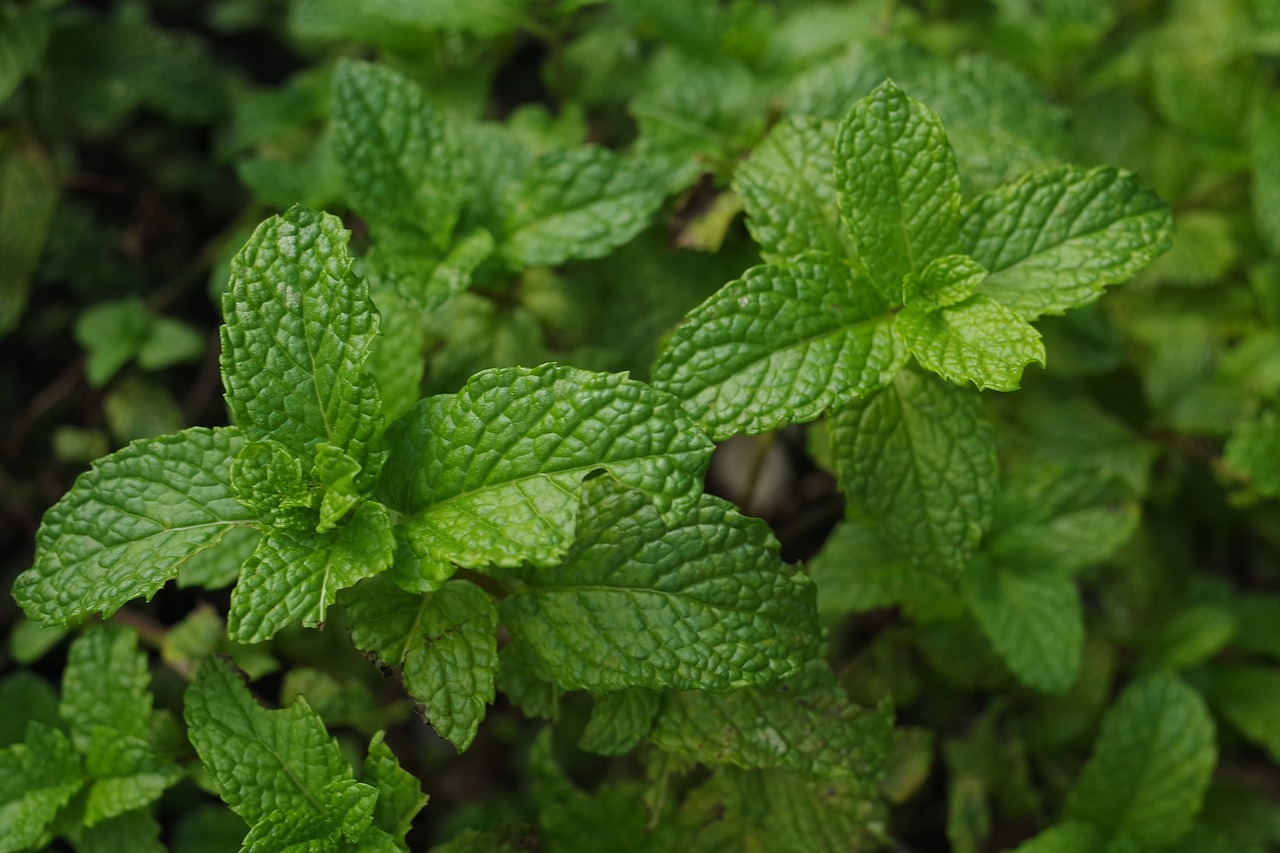
Mint refers to a group of aromatic perennial plants belonging to the genus Mentha, widely recognized for their fragrant foliage, spreading growth habit, and long-standing cultural significance. The genus comprises multiple closely related species and hybrids that are collectively valued for their sensory qualities and broad applicability across culinary, medicinal, and traditional contexts. Mint plants are characterized by their vigorous growth, square stems, and oppositely arranged leaves, features typical of the mint family.
Classification
Across regions and cultures, mint has maintained a consistent presence in both wild and cultivated landscapes. Its adaptability to varied environments and capacity for rapid vegetative expansion have contributed to its global distribution. Within plant databases, mint is documented not as a single species but as a genus encompassing diverse forms with shared botanical traits.
Quick Plant Information
| Attribute | Details |
|---|---|
| Common Names | Mint, Garden Mint |
| Scientific Name | Mentha spp. |
| Family | Lamiaceae |
| Plant Type | Aromatic herb |
| Lifespan | Perennial |
| Native Region | Europe, Asia, North Africa |
| Growth Habit | Spreading, creeping |
| Average Height | 30–60 cm |
| Leaf Characteristics | Soft, ovate to lance-shaped, aromatic |
| Flower Color | White, pink, or purple |
| Sunlight Requirement | Full sun to partial shade |
| Water Requirement | Moderate to high |
| Soil Type | Moist, well-drained soil |
| Toxicity | Non-toxic to humans |
Botanical Characteristics
Plants of the genus Mentha display a combination of morphological traits that make them easily identifiable. Stems are typically square in cross-section, a defining feature of the Lamiaceae family. The foliage is arranged oppositely along the stem, with leaves varying in size, shape, and surface texture depending on species and hybrid origin.
Leaves contain specialized oil glands responsible for the characteristic mint aroma, which can range from sweet and mild to sharp and cooling. The root system consists largely of creeping rhizomes that spread horizontally beneath the soil surface, enabling the plant to colonize surrounding areas efficiently.
Flowers are produced in terminal or axillary clusters, forming whorled inflorescences. Individual flowers are small and tubular, with bilateral symmetry. While visually subtle, they contribute to the plant’s reproductive cycle and botanical identity.
Native Habitat and Distribution
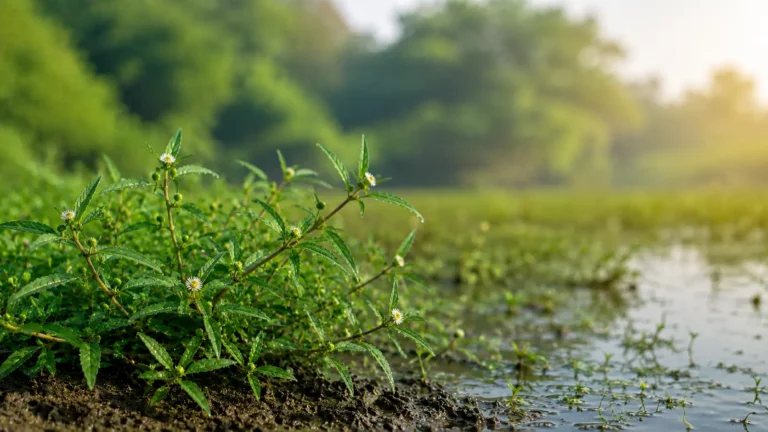
Mint species are native to temperate regions of Europe, Asia, and North Africa, where they commonly occur near water sources such as streams, wetlands, and damp meadows. These habitats provide consistent moisture and partial sunlight, conditions under which mint naturally thrives.
Over centuries of cultivation and naturalization, Mentha species have spread across nearly all continents. They are now widely found in home gardens, agricultural settings, and semi-wild environments. In some regions, mint has become naturalized beyond cultivation due to its aggressive vegetative growth.
The extensive distribution of mint reflects both human-mediated cultivation and the genus’s inherent adaptability to diverse climatic and soil conditions.
Common Varieties or Types
The genus Mentha includes numerous species and naturally occurring hybrids. Some of the most commonly recognized types include spearmint (Mentha spicata), peppermint (Mentha × piperita), apple mint (Mentha suaveolens), and water mint (Mentha aquatica).
These types differ in leaf shape, aroma profile, and growth vigor, though they share core botanical characteristics. Hybridization is common within the genus, resulting in overlapping traits and occasional difficulty in precise species identification.
Such diversity has contributed to mint’s wide-ranging applications and its prominence in botanical and ethnobotanical records.
Uses and Importance
Mint holds considerable importance across culinary, medicinal, and cultural domains. Its aromatic leaves are traditionally associated with flavoring and fragrance applications, forming a foundational component of many food and beverage traditions worldwide.
Historically, mint has also been documented in traditional medicinal systems, where it is associated with soothing and refreshing properties. In addition, mint-derived oils are widely utilized in personal care products, oral hygiene formulations, and perfumery.
Beyond direct human use, mint plants contribute to agricultural and garden ecosystems by attracting pollinators during flowering periods, enhancing local biodiversity.
Growth Behavior and Care (Descriptive)
Mint exhibits vigorous vegetative growth driven primarily by its spreading rhizome system. New shoots frequently emerge from underground stems, leading to rapid horizontal expansion. Above-ground growth is typically dense, forming lush patches of foliage during active growing periods.
The plant demonstrates strong regenerative capacity, with foliage renewing regularly throughout the growing season. Growth tends to be most pronounced under conditions of consistent moisture and moderate temperatures.
Due to its expansive nature, mint often dominates the spaces it occupies, a trait that has been widely documented in cultivated and semi-natural environments.
Lifecycle, Flowering, and Harvesting
As a perennial herb, mint persists for multiple years, regenerating from its root system even after above-ground growth declines seasonally. Vegetative growth resumes actively with favorable environmental conditions.
Flowering generally occurs during warmer months, producing small but abundant blossoms arranged in clusters. These flowers play a role in seed production, although vegetative spread remains the primary mode of persistence.
Harvesting patterns observed in cultivated settings indicate that mint tolerates repeated leaf removal, with continued foliage production over extended periods.
Environmental or Ecological Value
Mint plants contribute positively to ecological systems by supporting pollinating insects such as bees and butterflies. The flowers provide nectar resources, while dense foliage offers ground cover that can reduce soil erosion in suitable environments.
In naturalized settings, mint may influence plant community dynamics due to its competitive growth habit. Its ecological role, therefore, varies depending on context, ranging from beneficial ground cover to dominant species.
Recommended Products
Disclosure: As an Amazon Associate, PlantsInfo may earn from qualifying purchases.
🌱 Plant Care Essentials
The following tools can help with pruning, plant health, soil management, and fruit garden maintenance.

Neem Oil for Plant Care
Natural plant protection against aphids, whiteflies, mites, and other common garden pests.

Fungicide for Root Care
Helps suppress soil-borne fungal diseases and supports healthier root systems.

Spray Bottle for Plants
Ideal for applying foliar sprays, neem oil solutions, and liquid plant treatments.

Rubber Hand Gloves
Protects hands during pruning, planting, soil preparation, and garden maintenance.
Conclusion
The mint plant genus (Mentha) represents a diverse and widely distributed group of aromatic perennials with significant botanical, cultural, and ecological relevance. Defined by distinctive foliage, vigorous growth, and aromatic compounds, mint has secured a lasting position in both cultivated and natural landscapes.
Its combination of adaptability and sensory appeal has ensured continued documentation and interest within plant reference databases. As a genus rather than a single species, mint exemplifies botanical diversity unified by shared structural and functional traits.
Frequently Asked Questions (FAQs)
Is mint an annual or perennial plant?
Mint is a perennial plant that regenerates each year from its root system.
Does mint spread naturally?
Mint spreads primarily through underground rhizomes, allowing it to expand across available space.
Are all mint plants aromatic?
Most Mentha species contain aromatic oils, though scent intensity varies among types.
Does mint produce flowers every year?
Flowering typically occurs annually during periods of active growth under suitable conditions.
Is mint considered toxic?
Mint is generally regarded as non-toxic to humans when used appropriately.
Plants Info provides structured reference content covering herbs, medicinal plants, ornamental species, and everyday garden plants. The mint plant entry contributes to this broader plant database by documenting botanical characteristics, habitat, growth behavior, and ecological relevance in a consistent encyclopedic format.