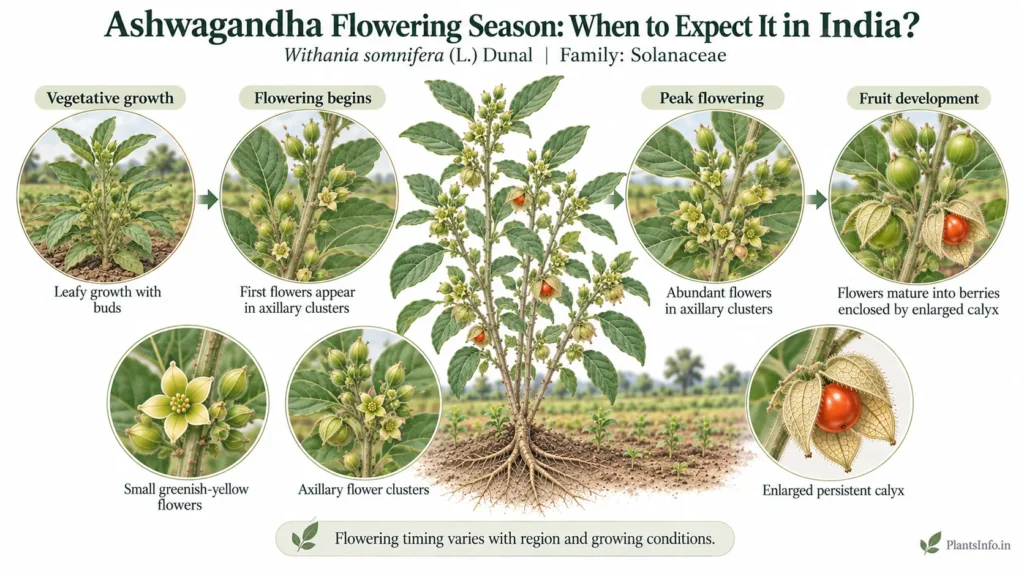
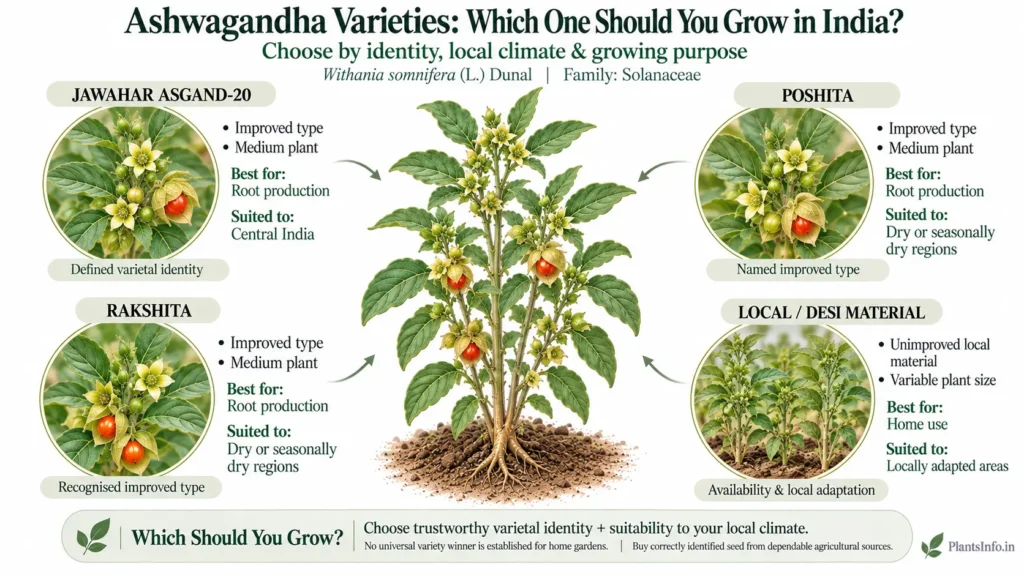
Ashwagandha Plant Problems: Symptoms and Fixes
Quick Answer
Excess moisture around the roots is a major problem for Ashwagandha in home conditions, and early moisture-related decline can often be corrected. The first step is to distinguish wet-root problems from leaf diseases, sucking pests and temporary environmental stress.
See also: Ashwagandha plant profile, how to grow it, seasonal care, its flowering season, and its benefits.
Ashwagandha generally copes better with controlled moisture than with a persistently saturated root zone. When a plant declines, check the growing conditions and the affected plant parts before assuming that it simply needs more water.
Recommended Products
Disclosure: As an Amazon Associate, PlantsInfo may earn from qualifying purchases.
🌱 Growing Essentials
The following products can help with container gardening, potting, root development, soil management, and healthy plant growth.
Organic Potting Soil Mix
Provides nutrients, structure, and healthy growing conditions for container plants.
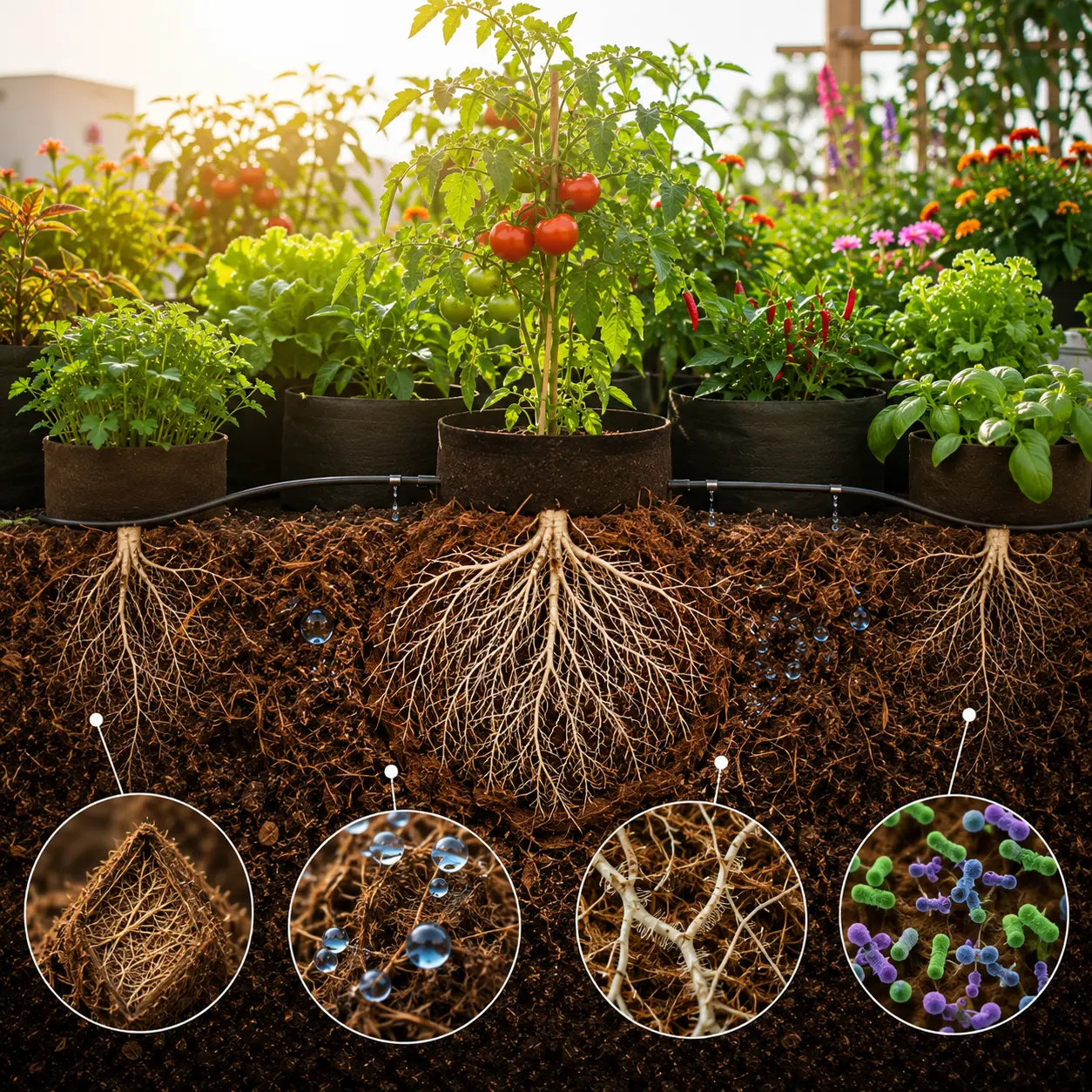
Coco Peat Growing Medium
Enhances moisture retention while maintaining excellent root-zone aeration.

Grow Bags for Plants
Improve drainage, root aeration, and vegetable production in limited spaces.

Plastic Pots for Plants
Ideal containers for seedlings, ornamentals, herbs, and balcony gardens.
Quick Diagnosis
| Symptom | Most Likely Cause | First Action |
|---|---|---|
| Soft dark stem base | Root or collar rot | Remove excess moisture |
| Brown leaf spots | Leaf-spot disease | Remove affected leaves |
| Fine leaf stippling | Spider mite feeding | Inspect leaf undersides |
| Sticky leaves | Aphid infestation | Wash foliage gently |
| Tiny pale insects fly up | Whitefly infestation | Inspect foliage closely |
| Scorched leaves after moving | Sudden exposure stress | Reduce exposure change |
| Wilting after transplanting | Root disturbance | Avoid further disturbance |
Diseases
Root and Collar Rot
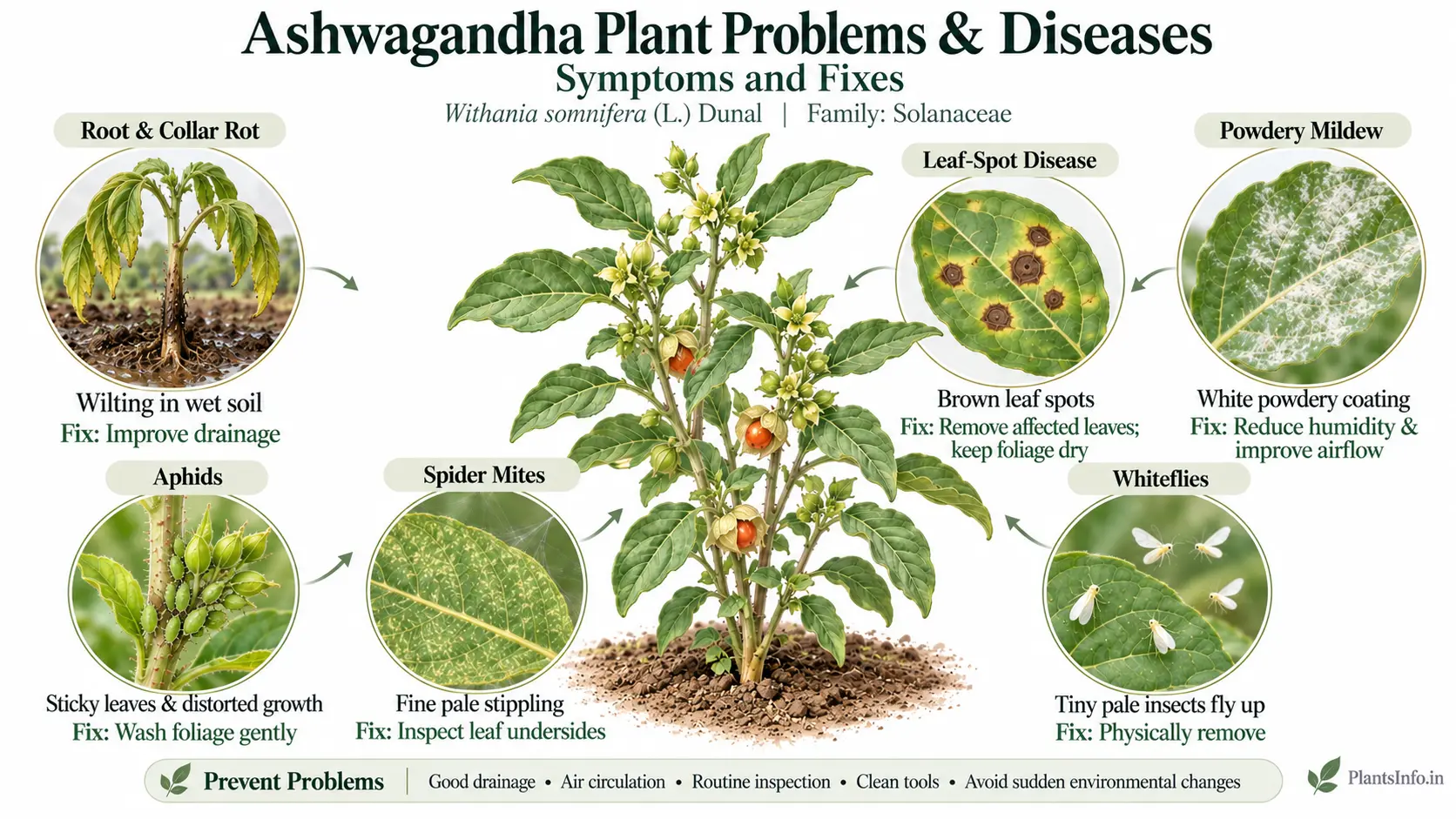
Root or collar problems associated with excessive moisture can cause wilting even when the surrounding soil is wet. The lower stem may become soft or dark, while affected roots can lose their normal firmness.
The main risk factor is prolonged saturation around the roots. Early damage may be recoverable when substantial healthy root tissue remains, but severe root damage can be irreversible.
Manage: Correct the source of excessive moisture and allow the root zone to drain.
Prevent: Avoid conditions that keep the growing medium continuously saturated.
Leaf-Spot Disease
Leaf-spot disease can produce distinct brown, dark, or dead-looking patches on otherwise green leaves. Such spots can become more noticeable when humid conditions persist.
Several fungal organisms can cause leaf spots, so a visible spot alone does not establish a particular pathogen. Severely damaged tissue will not normally return to healthy green growth.
Manage: Remove badly affected leaves and reduce conditions that keep foliage persistently wet.
Prevent: Maintain good air movement and avoid unnecessary prolonged leaf wetness.
Powdery Mildew
Powdery mildew produces a characteristic white, powder-like coating on leaf surfaces. The coating differs from ordinary dust because it develops as fungal growth and can spread across affected foliage.
It is favoured by suitable humidity and restricted air movement. Mild infection does not necessarily mean the entire plant will be lost.
Manage: Reduce the environmental conditions that favour persistent humid foliage.
Prevent: Avoid crowded conditions with poor air circulation.
Pest Problems
Aphids
Aphids are small, soft-bodied insects that often cluster around tender shoots and young leaves. Their feeding can distort new growth and produce sticky honeydew on foliage.
For a light infestation, washing the affected foliage can physically remove many insects. A neem-based insecticidal product labelled for the crop and pest may be considered; persistent infestations may require a pesticide specifically registered or labelled for aphid control.
Aphids can be mistaken for disease because distorted young growth may appear suddenly and unevenly.
Spider Mites
Spider mites are extremely small and are usually easier to recognise from their damage than from the insects themselves. Fine pale stippling may develop across leaves, followed by bronzing, drying or fine webbing when infestations become heavy.
For a light infestation, washing foliage can reduce pest numbers. A suitably labelled neem-based product may be an option, while a miticide labelled for the crop and pest may be considered for persistent infestations.
Whiteflies
Whiteflies are tiny pale insects that rise from foliage when disturbed. Their feeding can weaken leaves and may be accompanied by honeydew on the plant surface.
Early infestations can sometimes be reduced through physical removal and an appropriately labelled neem-based product. Where stronger control is necessary, use only a pesticide specifically labelled or registered for the crop and pest.
Chemical-use note: Always read and follow the product label before applying any pesticide or fungicide. Use only products permitted for the intended crop and pest, follow applicable state guidance, and keep children and pets away from treated areas as directed by the label.
Environmental and Care Mistakes
Keeping the Root Zone Saturated
Wilting in wet soil does not automatically mean the plant needs more water. Prolonged saturation can reduce oxygen around the roots and contribute to root or collar problems.
Fix: Correct the source of excess moisture before adding more water.
This is the mistake most likely to catch a first-time Ashwagandha grower: assuming every wilted plant is thirsty.
Sudden Exposure to Strong Conditions
A plant moved abruptly from protected or low-light conditions into intense outdoor exposure can develop scorched or stressed foliage. The timing of the damage after relocation is an important clue.
Fix: Avoid abrupt environmental changes when moving the plant outdoors.
Root Disturbance During Transplanting
A plant may wilt temporarily after substantial root disturbance because damaged or unsettled roots cannot maintain normal water balance immediately.
Fix: Allow the root system time to re-establish rather than repeatedly disturbing it.
Prevention Protocol
- Inspect new plants before placing them beside established Ashwagandha.
- Check leaf undersides and young shoots during routine plant inspections.
- Clean reused containers and gardening tools before introducing fresh planting material.
- Remove fallen or severely deteriorated plant material from the immediate growing area.
- Give established plants a stable position rather than repeatedly relocating or disturbing them.
Frequently Asked Questions
Can a wilted Ashwagandha plant recover?
Recovery depends on the cause and severity. Temporary environmental stress may be reversible, while extensive root damage can permanently impair the plant.
Are white patches on Ashwagandha always powdery mildew?
No. White material can have non-disease causes, including residue. Powdery mildew typically forms a characteristic powder-like fungal coating on leaf surfaces.
Can neem-based products be used on Ashwagandha?
Only use a neem-based product when its label permits the intended crop and pest, and follow the stated concentration and application directions.
Conclusion
When Ashwagandha declines, identify the affected plant part and underlying condition first; early, accurate diagnosis makes the appropriate corrective action much clearer.