Ashwagandha Flowering Season: When to Expect It
Quick Answer
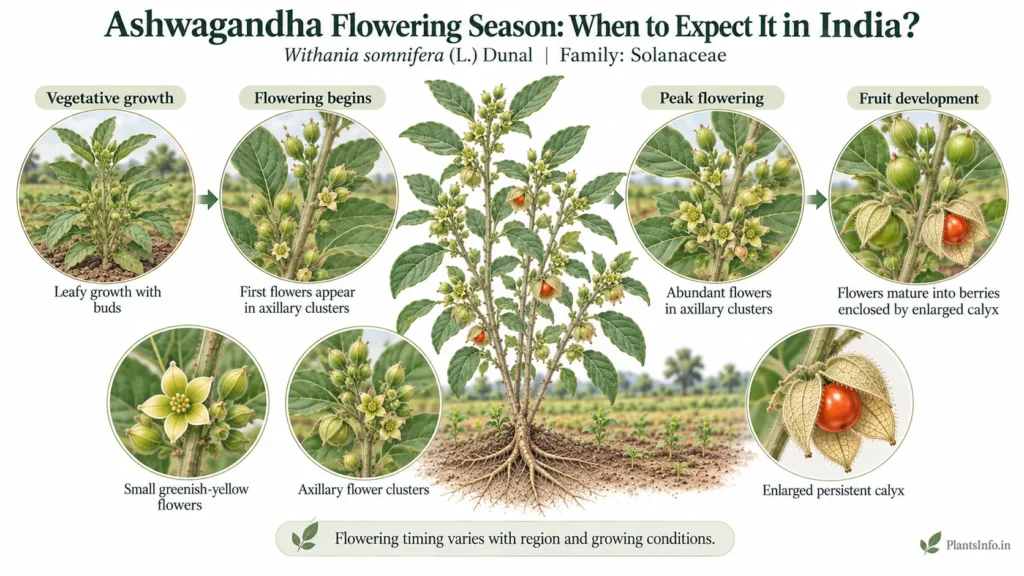
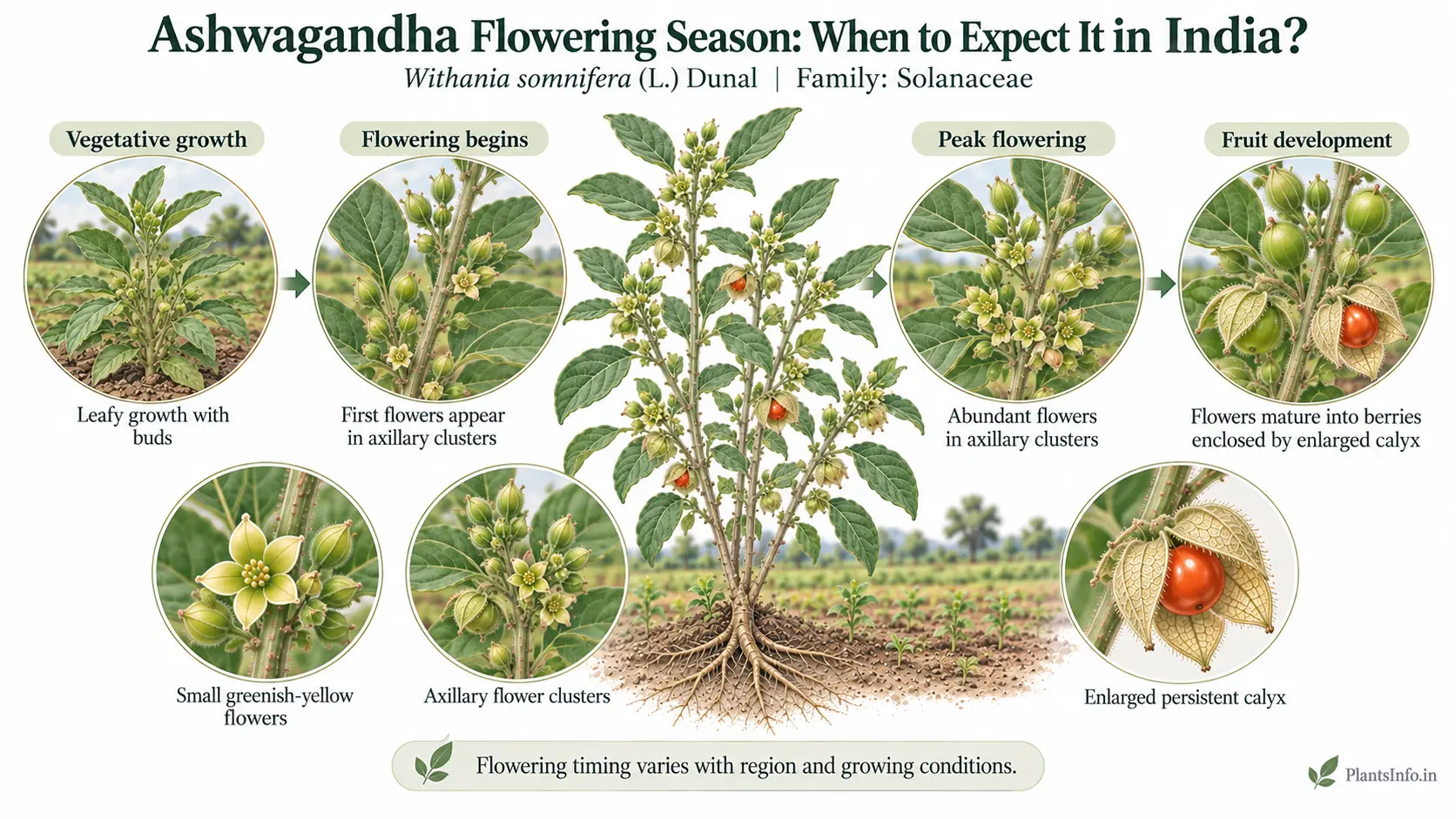
Ashwagandha generally flowers from the Monsoon into the Post-monsoon period and develops berries afterward, with ripening commonly extending into Winter. The exact sequence varies with planting date, region and local weather, so the calendar should be treated as a guide rather than a fixed national schedule.
See also: Ashwagandha plant profile, how to grow it, common problems, seasonal care, and its benefits.
Ashwagandha’s small greenish-yellow flowers are easy to miss among its foliage. The developing berries are much easier to notice because they become enclosed by the plant’s enlarged papery calyx.
Recommended Products
Disclosure: As an Amazon Associate, PlantsInfo may earn from qualifying purchases.
🌱 Growing Essentials
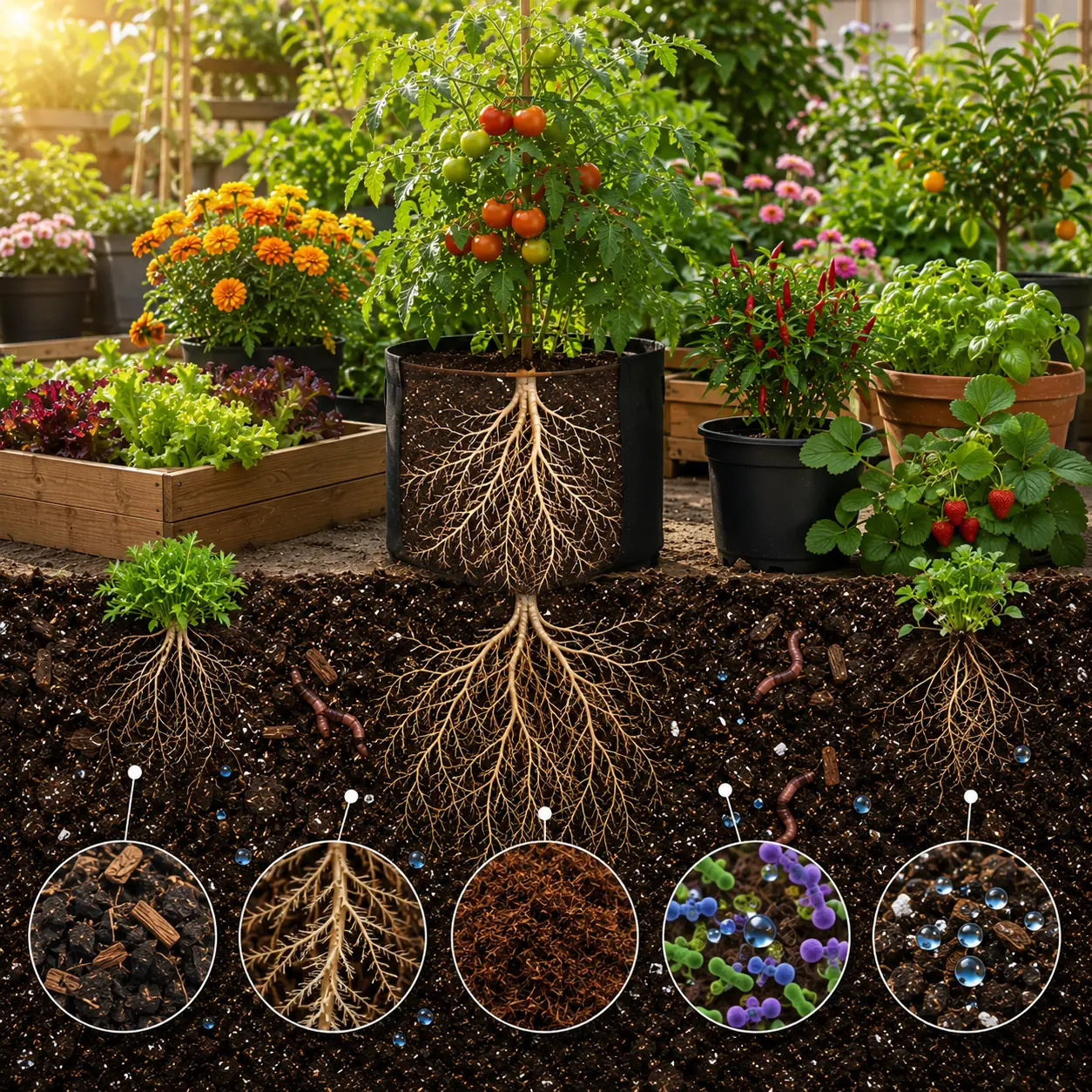
The following products can help with container gardening, potting, root development, soil management, and healthy plant growth.
Organic Potting Soil Mix
Provides nutrients, structure, and healthy growing conditions for container plants.
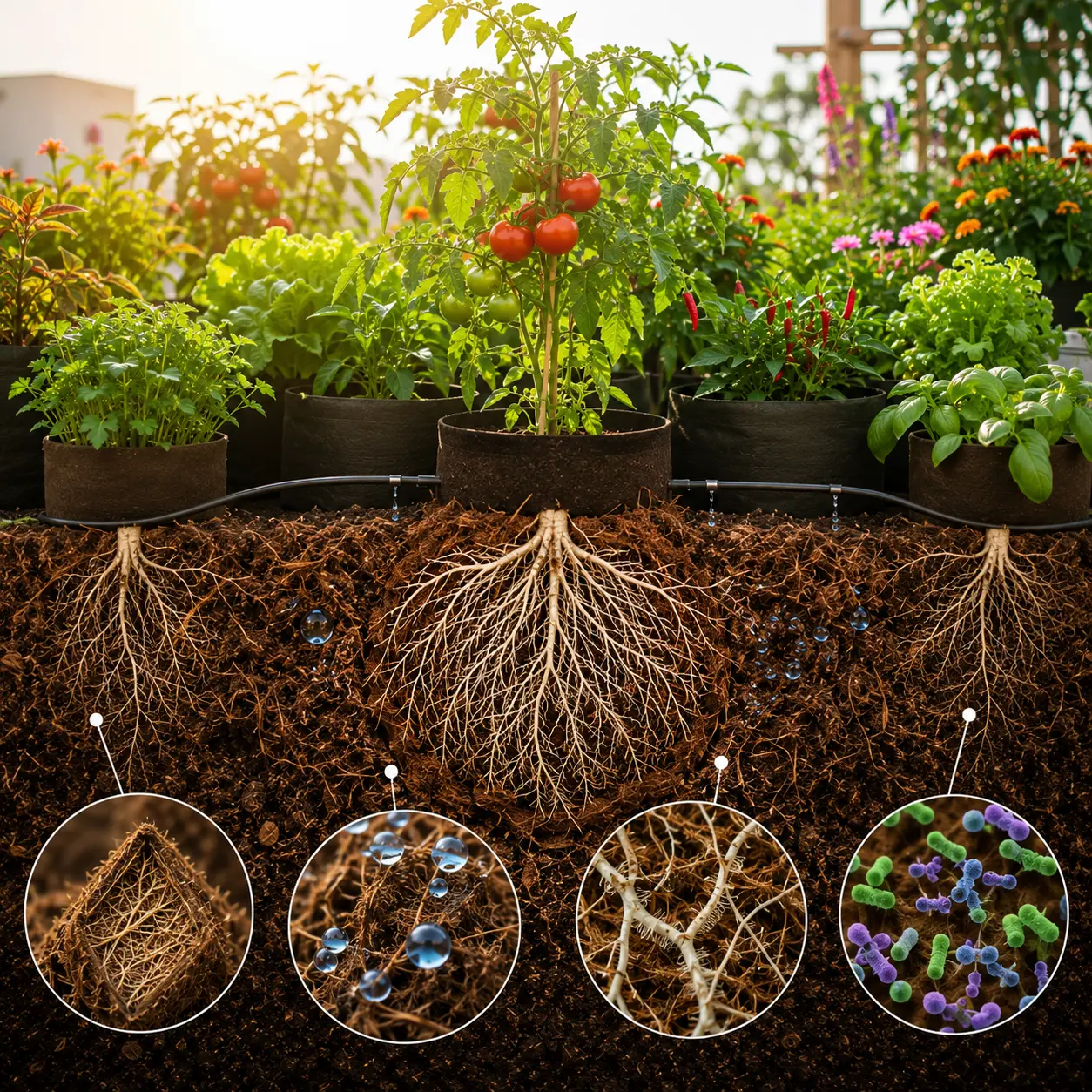
Coco Peat Growing Medium
Enhances moisture retention while maintaining excellent root-zone aeration.

Grow Bags for Plants
Improve drainage, root aeration, and vegetable production in limited spaces.

Plastic Pots for Plants
Ideal containers for seedlings, ornamentals, herbs, and balcony gardens.
Biological Timing
| Biological stage | Typical period |
|---|---|
| Flower initiation | Monsoon to late Monsoon |
| Peak flowering | Late Monsoon to Post-monsoon |
| Fruit development | Post-monsoon |
| Fruit ripening | Post-monsoon to Winter |
| Mature berries | Often Winter |
India’s Seasons and Ashwagandha
| Season | Typical biological stage |
|---|---|
| Pre-monsoon (Mar–May) | Usually outside the main flowering and fruiting period |
| Monsoon (Jun–Sep) | Mature plants may enter flowering |
| Post-monsoon (Oct–Nov) | Flowering gives way increasingly to fruit development |
| Winter (Dec–Feb) | Berries may mature as the annual cycle progresses toward completion |
Flowering Season in Detail
Small greenish-yellow flowers generally appear from the Monsoon into the Post-monsoon period. Because they occur in the leaf axils rather than in large clusters, a plant can be flowering without producing an obvious floral display.
Flowering does not begin at the same time across India. Planting date, regional conditions, and the weather during establishment can shift the reproductive cycle.
The flowers may appear progressively rather than opening all at once, so flowering can be observed over a period rather than on a single date.
Fruiting Season
Fruit development follows flowering and commonly becomes more noticeable during the Post-monsoon period. The developing berry remains enclosed by the enlarged calyx, making the fruiting stage easier to recognise than the flowering stage.
As the berry matures, its colour changes toward orange-red or red. In many Indian growing conditions, mature berries can be encountered during Winter, although the timing varies with establishment date and local conditions.
Best Time to Plant
Monsoon is the principal planting window for Ashwagandha in suitable Indian growing areas, commonly around June–July where dependable seasonal moisture is available.
The exact planting date should not be treated as a national fixed rule. A later establishment can shift the subsequent flowering and fruiting sequence, so the biological calendar should be interpreted in relation to when the plant was actually established.
Month-by-Month Calendar
| Month | Season | Biological observation |
|---|---|---|
| January | Winter | Later-stage plants may still carry mature berries |
| February | Winter | Older annual plants may be approaching the end of their cycle |
| March | Pre-monsoon | Main reproductive activity is generally limited |
| April | Pre-monsoon | Usually outside the principal flowering period |
| May | Pre-monsoon | Flowering is generally not the dominant stage |
| June | Monsoon | Newly established plants are generally in vegetative development |
| July | Monsoon | Vegetative growth continues; mature plants may approach reproductive development |
| August | Monsoon | Flower initiation or early flowering may become visible |
| September | Monsoon | Flowering may continue in mature plants |
| October | Post-monsoon | Fruit development increasingly follows flowering |
| November | Post-monsoon | Developing berries may become more conspicuous |
| December | Winter | Berries may reach mature colour in later-stage plants |
What Can Go Wrong Seasonally?
Delayed Flowering
A late establishment date can shift flowering beyond the usual Monsoon-to-Post-monsoon window. Regional weather can produce additional variation.
Shifted Fruiting
If flowering occurs later than usual, fruit development and ripening can also move later in the calendar. The planting date is therefore an important reference when comparing plants.
Early End of the Cycle
A plant declining near the end of its normal annual production period should not automatically be interpreted as entering a temporary dormant phase. Its stage of development should be considered before assigning a seasonal explanation.
Conclusion
For Ashwagandha, use the Monsoon-to-Winter progression as a broad biological guide, while allowing for shifts caused by planting date and regional conditions.