
Brahmi Benefits: What Ayurveda and Modern Research Say

Quick Answer: Brahmi is Ayurveda’s most celebrated herb for cognitive function — memory, learning, and mental clarity. Modern research has investigated these traditional claims more rigorously than almost any other Indian medicinal herb, with findings that broadly support use for cognitive support, anxiety reduction, and neuroprotection. It is a gentle adaptogen suitable for long-term use in appropriate doses, with a notably good safety profile compared to many potent medicinal herbs.
See also: Brahmi plant profile, how to grow it, common problems, its flowering season, and its varieties.
There is a story told in several Ayurvedic traditions about scholars in ancient India who ate brahmi daily before study and recitation — not as a ritual but as a deliberate cognitive practice, the way a modern student might reach for strong tea before an examination. Whether or not the story is historically precise, it captures something real about this plant: brahmi has been used intentionally for mental performance for longer than almost any other botanical in India’s pharmacopoeia, and it has attracted enough serious scientific attention to have moved well beyond folk claim into documented research territory.
Recommended Products
Disclosure: As an Amazon Associate, PlantsInfo may earn from qualifying purchases.
🌱 Growing Essentials
The following products can help with container gardening, potting, root development, soil management, and healthy plant growth.
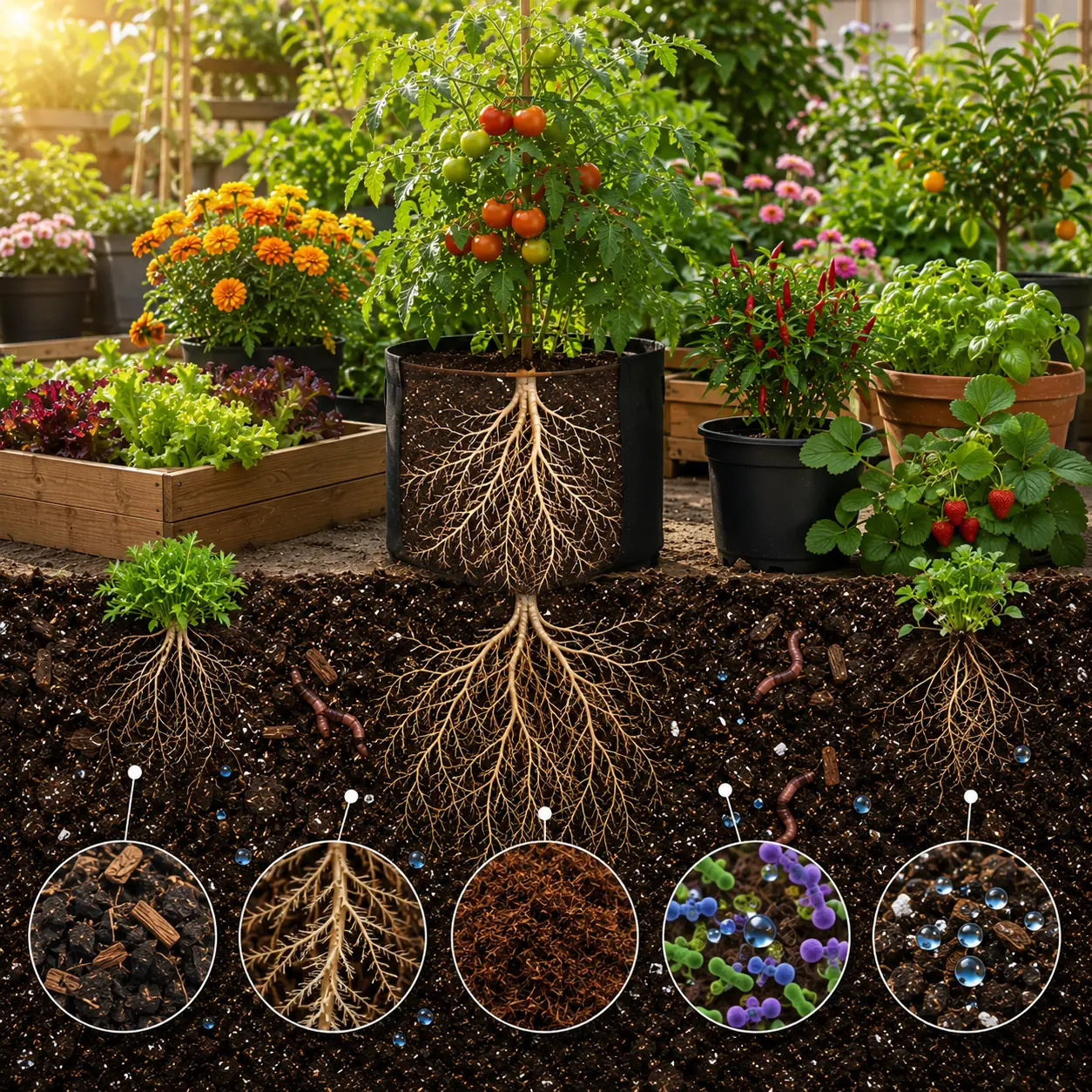
Organic Potting Soil Mix
Provides nutrients, structure, and healthy growing conditions for container plants.
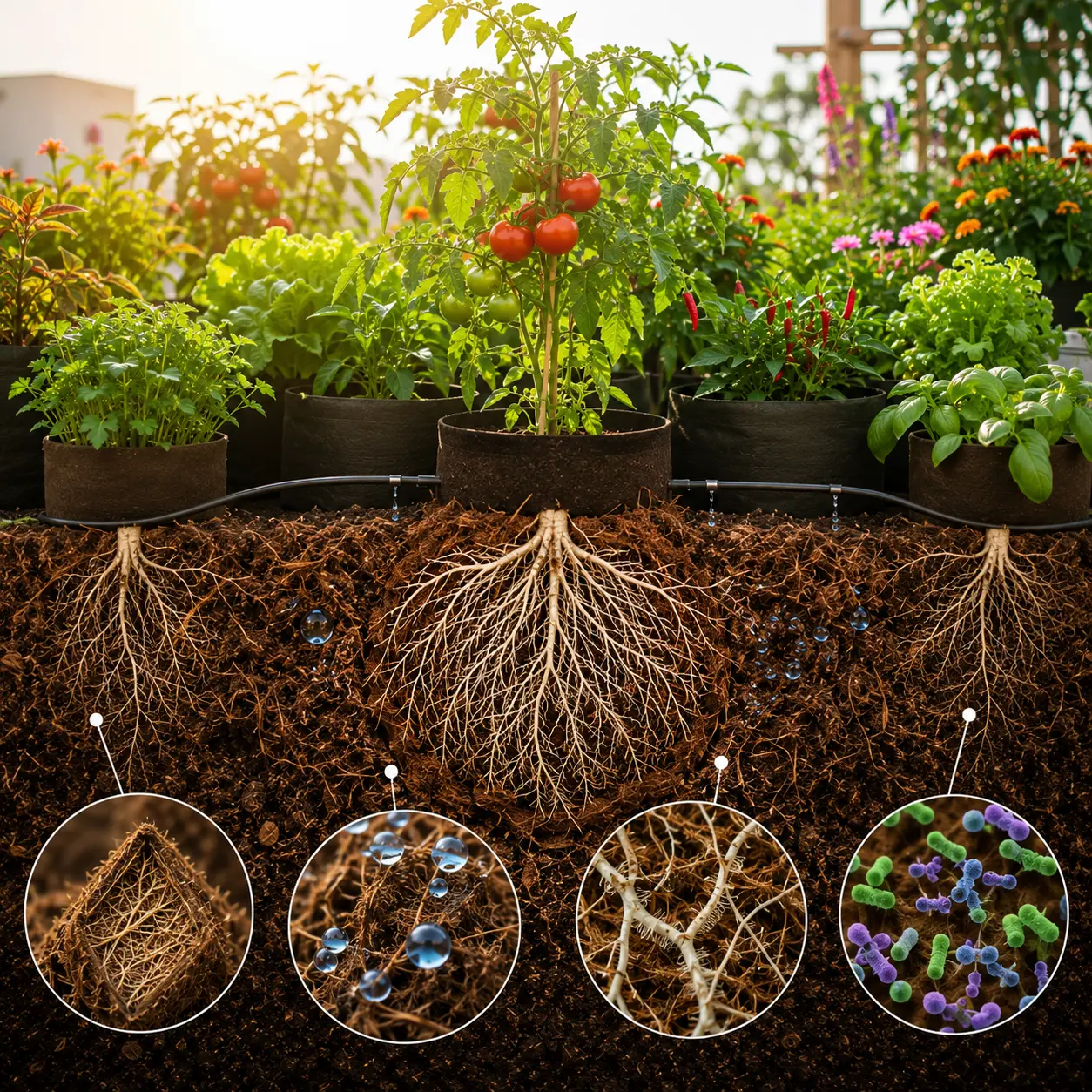
Coco Peat Growing Medium
Enhances moisture retention while maintaining excellent root-zone aeration.

Grow Bags for Plants
Improve drainage, root aeration, and vegetable production in limited spaces.

Plastic Pots for Plants
Ideal containers for seedlings, ornamentals, herbs, and balcony gardens.
Cognitive and Neurological Benefits — Ayurveda and Research
Brahmi holds a unique position in Ayurvedic medicine as a medhya rasayana — a category of herbs specifically designated for enhancing intellect, memory, and cognitive function. The term medhya derives from medha, meaning intelligence or cognitive capacity, and brahmi is considered the foremost herb in this category alongside shankhpushpi and ashwagandha.
Classical Ayurvedic texts, including the Charaka Samhita, describe brahmi as a herb that enhances dhi (comprehension), dhriti (retention), and smriti (recall) — a remarkably specific trifold description of cognitive function that corresponds closely to what modern cognitive neuroscience calls encoding, consolidation, and retrieval. The precision of this traditional classification, made without the benefit of neuroimaging or controlled trials, is striking.
The primary active compounds responsible for brahmi’s cognitive effects are steroidal saponins called bacosides, particularly bacoside A and bacoside B. Research suggests these compounds support synaptic transmission, modulate neurotransmitter systems including serotonin and acetylcholine pathways, and exhibit antioxidant activity in neural tissue.
Clinical research on brahmi and cognitive function has produced some of the more consistent findings in the herbal medicine literature. Multiple human trials suggest that standardised bacopa extract improves memory acquisition and retention, reduces the rate of forgetting newly learned information, and supports processing speed in adults — particularly in older adults where cognitive decline is a concern. Research suggests effects become detectable after four to six weeks of consistent use, with more pronounced benefits emerging after twelve weeks — a timeline consistent with the traditional Ayurvedic instruction to use brahmi as a sustained course rather than an acute intervention.
Research has also investigated Brahmi’s effect on anxiety. Findings suggest it reduces cortisol levels and self-reported anxiety scores in stressed adults, consistent with its traditional classification as an adaptogen — a herb that modulates the stress response rather than suppressing it directly.
This information is based on traditional Ayurvedic knowledge and published research. It is not a substitute for medical advice. Consult a qualified healthcare professional before using any plant-based remedy for health conditions.
Cultural and Spiritual Significance
Brahmi’s name itself carries layered significance. In Sanskrit, Brahmi connects to Brahman — the universal consciousness — reflecting the traditional belief that the herb supports the aspect of human awareness that connects individual intellect to broader understanding. It is one of the few Indian herbs whose name directly invokes a metaphysical concept rather than a physical characteristic.
The plant is associated with Saraswati, the goddess of knowledge, learning, and wisdom, in Hindu tradition. It is used ritually in some traditions as an offering during Saraswati Puja and is given to children at the commencement of formal education in certain regional practices — a tradition that persists in parts of Bengal and South India.
In traditional household practice across India, brahmi leaves are eaten fresh — typically one to three leaves daily — as a morning routine for mental clarity, particularly by students during examination periods. This practice is documented across very different regional cultures: Bengali households, Tamil Brahmin families, and Ayurvedic households in Kerala independently share the custom of fresh brahmi leaf consumption, which suggests a genuine cross-cultural recognition of its cognitive effects rather than a single cultural tradition spreading outward.
For full mythological and textual detail, see the Brahmi Quick Facts Guide.
Ecological Role
Brahmi grows as a semi-aquatic creeping herb along the margins of ponds, slow-moving rivers, paddy fields, and marshy ground. In these habitats, it plays a stabilising role — the dense mat of roots and stems binds loose, wet soil at water margins and reduces erosion.
Its small white flowers attract small solitary bees and hoverflies. While not a major nectar source, it contributes to pollinator diversity in wetland margins and paddy field ecosystems where few other flowering plants are present at certain times of year.
In traditional paddy cultivation systems in Kerala and West Bengal, brahmi growing at field margins has historically been tolerated and sometimes encouraged — both for its medicinal value and because its mat growth suppresses weed establishment at the water’s edge. This integration into traditional agricultural landscapes represents a form of incidental ecological management that is now recognised in agroecology literature as beneficial to field margin biodiversity.
Practical Value for Home Gardeners
Brahmi is one of the most practically valuable medicinal herbs for Indian home growing because its primary traditional use — fresh leaf consumption for cognitive support — requires no preparation, no drying, no decoction. Three to five fresh leaves eaten in the morning, perhaps with honey or mixed into a small amount of coconut oil or ghee, constitutes a complete traditional dose.
A single container of brahmi on a kitchen windowsill or balcony produces a continuous supply of fresh leaves through most of the year. The harvest is quick — a few leaves pinched from stem tips — and the plant regrows immediately. There is no simpler medicinal herb to maintain as a daily household resource.
For households with children in school, the traditional practice of giving one to two fresh brahmi leaves in the morning before school is accessible, low-cost, and consistent with both traditional use and the direction of current research for cognitive support.
How to Prepare or Use at Home
Fresh leaf consumption: The simplest and most traditional preparation. Eat three to five fresh leaves in the morning, ideally on an empty stomach or with a small amount of ghee or coconut oil. The fat improves absorption of fat-soluble bacosides. The taste is mildly bitter and slightly astringent — not unpleasant. This is the preferred daily use method in Ayurvedic practice.
Brahmi ghee (Brahmi Ghrita): A classical Ayurvedic preparation. Fresh brahmi juice or paste is cooked into ghee at low heat until the water evaporates and the active compounds infuse into the fat. A small amount — half a teaspoon — taken in the morning is used in traditional practice for cognitive support and as a nervine tonic. This preparation keeps for several months when stored properly.
Leaf decoction: Boil ten to fifteen fresh leaves or the equivalent in dried material in 300 ml of water for ten minutes. Strain and drink warm. This preparation is used in traditional practice for anxiety, sleep support, and as a general cognitive tonic. One cup daily in the evening is the traditional timing for this preparation.
Brahmi powder: Dried leaves powdered finely. Traditional practice suggests doses in the range of 1–3 grams of dried powder taken with warm milk or water. This is the basis for most standardised commercial brahmi preparations.
What to Avoid
Brahmi is considered safe at traditional doses for most adults. However, brahmi can cause gastrointestinal discomfort — nausea, loose stools, cramping — particularly when taken on an empty stomach without a fat carrier. Starting with a smaller amount and building up over one to two weeks reduces this risk considerably.
Brahmi should be used with caution by individuals taking sedative medications, as additive sedative effects have been noted in research — the herb’s calming, anxiolytic properties can compound the effects of pharmaceutical sedatives or anti-anxiety medications.
Pregnant and breastfeeding women should consult a qualified Ayurvedic practitioner before use. Although brahmi is generally regarded as milder than many medicinal herbs, its effects on uterine tissue have not been comprehensively studied, and caution is appropriate.
At very high doses, traditional texts note that brahmi can cause sedation and cognitive slowing — the opposite of its intended effect at therapeutic doses. More is not better. Traditional doses are small for a reason.
Key Takeaways
- Brahmi is Ayurveda’s primary medhya rasayana herb — specifically classified for memory, learning, and cognitive clarity — and has attracted more clinical research than almost any other Indian medicinal herb in this category.
- Modern research broadly supports traditional use for memory retention and anxiety reduction, with effects emerging after four to twelve weeks of consistent use.
- The simplest and most practical use is three to five fresh leaves eaten daily — no preparation needed.
- It has a good safety profile at traditional doses but can cause gastrointestinal discomfort without a fat carrier; use with ghee or coconut oil.
- Caution is warranted with sedative medications, and consultation is advised for pregnant women.
Brahmi is not a dramatic herb — it works quietly over weeks and months rather than acutely. That patience requirement is itself a reflection of how Ayurveda approaches cognitive health: not as a crisis to be treated, but as a capacity to be cultivated.


