
Brahmi Flowering Season: When and What to Expect in India

Quick Answer: Brahmi flowers intermittently through much of the year in South India and coastal regions, with the most consistent bloom occurring from July through October — the monsoon and post-monsoon period when warmth and moisture are both abundant. In North India, flowering is concentrated in the monsoon months and slows or stops in winter. Flowering is not the primary event in brahmi’s seasonal calendar — the leaf harvest is.
See also: Brahmi plant profile, how to grow it, common problems, its benefits, and its varieties.
Unlike most flowering herbs, where the bloom marks a seasonal peak, brahmi’s small white flowers are almost incidental to the plant’s value. The real seasonal rhythm for brahmi growers is about when to harvest leaves, when growth accelerates and slows, and — in North India — when to protect the plant from cold. That rhythm follows India’s seasons closely and is straightforward once understood.
Recommended Products
Disclosure: As an Amazon Associate, PlantsInfo may earn from qualifying purchases.
🌱 Growing Essentials
The following products can help with container gardening, potting, root development, soil management, and healthy plant growth.
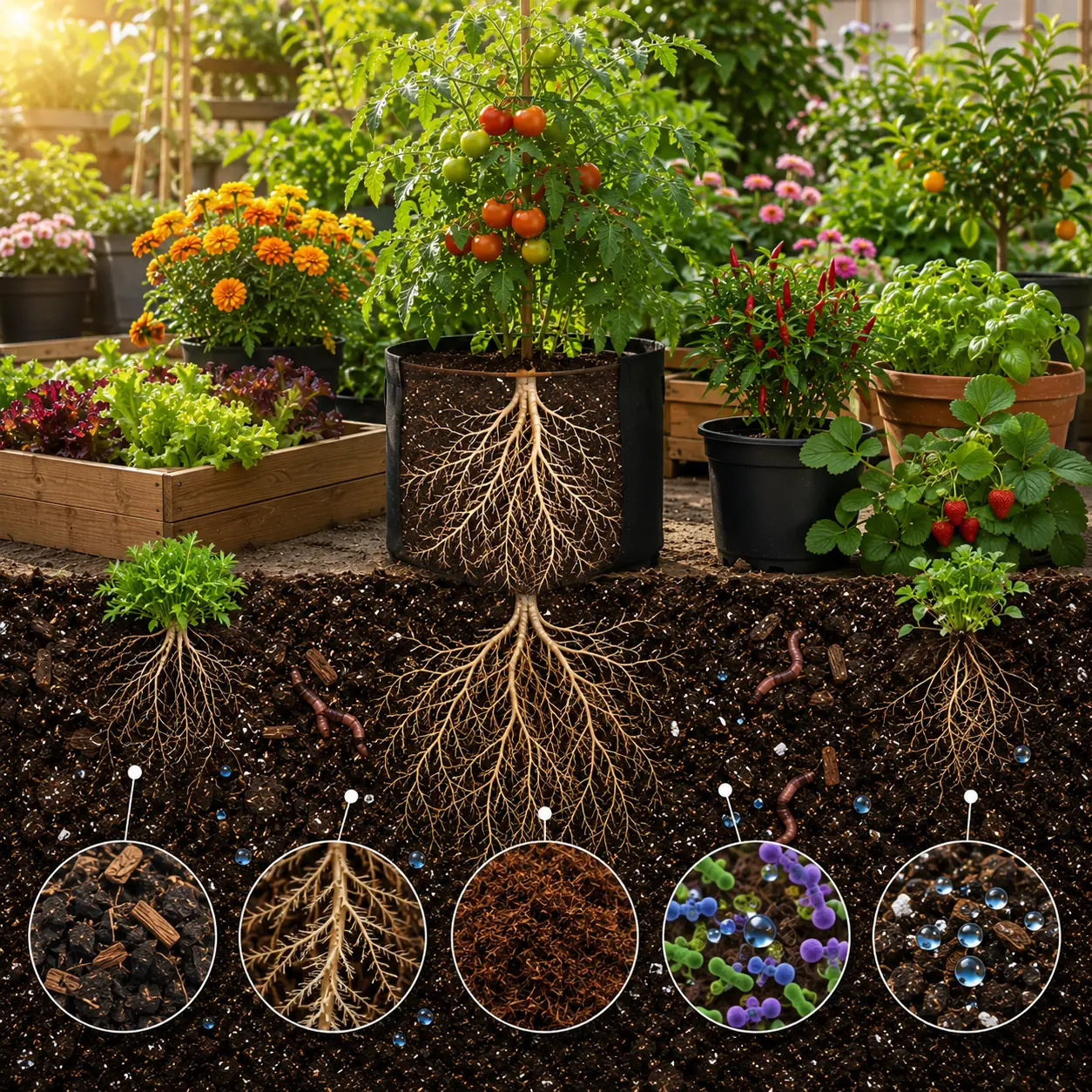
Organic Potting Soil Mix
Provides nutrients, structure, and healthy growing conditions for container plants.
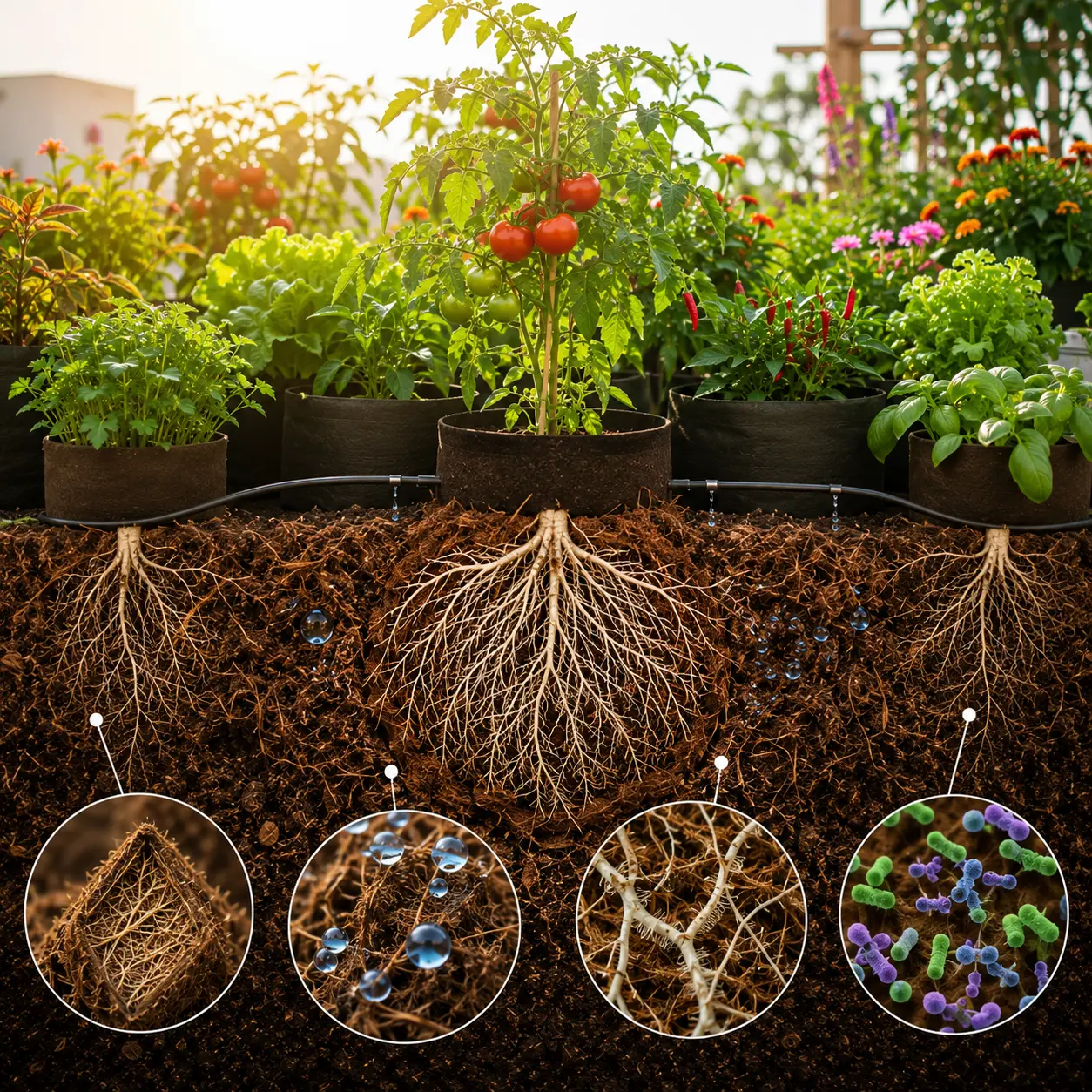
Coco Peat Growing Medium
Enhances moisture retention while maintaining excellent root-zone aeration.

Grow Bags for Plants
Improve drainage, root aeration, and vegetable production in limited spaces.

Plastic Pots for Plants
Ideal containers for seedlings, ornamentals, herbs, and balcony gardens.
India’s Seasons and This Plant
| Season (months) | What the plant is doing |
|---|---|
| Pre-monsoon (Mar–May) | Regrowth and expansion after winter; active spreading; good leaf harvest period |
| Monsoon (Jun–Sep) | Most vigorous growth of the year; dense mat formation; intermittent flowering; primary propagation window |
| Post-monsoon (Oct–Nov) | Continued growth in South India; flowering continues; slowing in North India |
| Winter (Dec–Feb) | Slow or dormant in North India; year-round active in South India; cold protection needed above Vindhyas |
Flowering Season in Detail
Brahmi does not have a single, dramatic flowering season in the way that many Indian garden plants do. It is an opportunistic, intermittent flowerer — producing small white to pale lilac flowers throughout the warmer months whenever growing conditions are favourable, rather than concentrating bloom into one predictable period.
The most consistent flowering in Indian conditions occurs from July through October, during and immediately after the monsoon, when soil moisture is at its highest and temperatures are warm. Plants growing in consistently wet conditions — water trays, pond margins, paddy field borders — tend to flower more consistently than those in periodically drying soil.
Each flower is small, 5–8 mm across, with four or five petals, borne singly on a short stalk from the leaf axils. Individual flowers last two to four days. Because flowering is staggered across the plant rather than synchronised, a healthy brahmi mat carries a few open flowers at almost any time during the growing season without ever producing the visual impact of a mass-flowering plant.
Flowering is triggered by a combination of warm temperatures and consistent moisture — day length appears to be a less critical trigger for brahmi than for many other Indian medicinal herbs. This is consistent with its year-round flowering behaviour in South India, where day length variation is modest.
In North India, flowering effectively stops from November through February as temperatures drop and growth slows. It resumes in March or April as the soil warms.
Fruiting Season
Brahmi produces small, pointed, ovoid seed capsules — roughly 4–5 mm long — that follow each flower within two to three weeks of pollination. The capsules are modest and easily overlooked. They split when ripe to release numerous tiny seeds.
Seed viability is reasonable, but seed germination is slow and inconsistent — brahmi grown from seed is a much less productive approach than stem cuttings, which root within days. The fruiting season is therefore primarily relevant for botanists and breeders rather than home gardeners, who have no practical reason to wait for seed when vegetative propagation is so reliable.
Ripening capsules are pale green, turning straw-coloured when mature. In South India, fruiting occurs year-round in rhythm with continuous flowering. In North India, seed capsules from monsoon-season flowers mature from September through November.
Best Time to Plant
The primary planting window for brahmi is monsoon onset — June to July — across all Indian regions. Natural rainfall maintains soil moisture through the establishment period, warm temperatures promote rapid rooting of cuttings, and the longest period of active growth through September and October follows naturally.
Why this window works: cuttings placed in moist monsoon soil root within one week. Established plants then grow vigorously through the wet season and enter post-monsoon with a dense, well-rooted mat that handles the transition to drier conditions better than plants established later.
The secondary planting window is post-monsoon — September to October — in South India and coastal regions where warmth and residual soil moisture persist. In these regions, post-monsoon planting produces a plant established before the relatively cooler, drier December to January period.
In North India, avoid planting after September. Plants established too late in the season do not develop sufficient root mass before winter cold arrives, and recovery the following spring is slower than for plants with a full season’s root development.
Month-by-Month Calendar
| Month | Season | What to Do |
|---|---|---|
| January | Winter | Dormant in North India — no intervention; year-round growing in South India; harvest leaves if available |
| February | Late winter | Watch for first new growth in North India; continue regular harvest in South India |
| March | Pre-monsoon | Growth resumes actively in North India; excellent propagation window; divide and repot established containers |
| April | Pre-monsoon | Active growth and spreading; regular leaf harvest; good time to establish new cuttings in South India |
| May | Pre-monsoon | Growth continues; increase watering frequency as temperatures peak; protect from drying in North India |
| June | Monsoon onset | Primary planting window; place new cuttings; reduce supplemental watering as rain begins |
| July | Monsoon | Most vigorous growth of the year; first intermittent flowers appear; harvest regularly to prevent overgrowth |
| August | Monsoon | Continue harvest; check for fungal disease in crowded or poorly aerated mats |
| September | Late monsoon | Continued active growth and flowering; excellent propagation window; harvest peak in North India before slowdown |
| October | Post-monsoon | Flowering continues; last major harvest window in North India; begin reducing outdoor exposure in cold-sensitive areas |
| November | Post-monsoon | Growth slowing in North India; move containers under cover before first cold nights; harvest and dry before dormancy |
| December | Early winter | Move indoor in North India; year-round active in South India; seed collection from autumn-flowering plants |
What Can Go Wrong Seasonally?
Cold damage in North India
Brahmi exposed to temperatures below 5°C develops blackened, softened leaves and stem dieback. Container plants left outdoors through a North Indian December to January are frequently damaged or killed. Move containers under cover — a south-facing window, a greenhouse, or even a covered balcony — before the first cold nights in November. Ground-planted brahmi may survive mild winters through root reserves and regrow in March.
Summer drying before the monsoon
May is the most vulnerable month for brahmi in North Indian and Deccan growing conditions. Heat combined with low humidity dries container plants rapidly — sometimes within a single day of missed watering. The tray watering method is most important during this period. A plant that wilts and partially desiccates in May will recover, but takes two to three weeks to regain its vigour after the monsoon arrives.
Post-monsoon fungal disease in crowded mats
Dense brahmi mats that have grown through the monsoon without periodic thinning develop airless, humid interiors at the soil level — an ideal environment for fungal disease. Thin the mat in September, removing the densest central portions and improving airflow at the base. This seasonal maintenance prevents most post-monsoon disease problems.
Dormancy and Off-Season Care
In North India, brahmi enters a period of reduced activity or partial dormancy from November through February. This is not death — it is a seasonal rest that the plant has evolved for the temperature range of the Gangetic plains winter. Roots remain alive below ground even when surface growth dies back completely in hard winters.
Signs of seasonal dormancy versus distress: dormant brahmi has stems that are pale, slow-growing, or partially dried back, but roots are firm and white when examined. Distressed brahmi has roots that are brown, soft, or absent. In dormancy, simply reduce watering to once every ten to fourteen days and wait for March. Do not discard a brahmi plant that looks dead in January — check the roots first.
Revival in spring is rapid. New growth typically appears within two weeks of the first warm soil temperatures in March, and plants regain full density by May to June.
Brahmi’s seasonal calendar is simple to follow: grow it wet through the monsoon, harvest it through October, protect it from cold in November, and it will regrow for you every March without fail.


