
Brahmi Plant: Key Facts, Names, and What You Should Know

Quick Answer: Brahmi (Bacopa monnieri) is a small, creeping, semi-aquatic herb native to the Indian subcontinent, found growing wild at the margins of ponds, rivers, and paddy fields across the country. It is one of Ayurveda’s most important cognitive herbs, used for over three thousand years for memory and mental clarity, and is now the subject of active pharmaceutical research worldwide.
See also: Brahmi plant profile, how to grow it, common problems, its flowering season, and its benefits.
There is something quietly remarkable about the fact that one of the world’s most researched botanical compounds for cognitive function — bacoside, the active compound in brahmi — comes from a small, nondescript creeping plant that grows at the muddy edges of Indian ponds and rice fields, indistinguishable at a glance from ordinary ground cover. Brahmi has never needed a dramatic appearance to earn its standing.
Recommended Products
Disclosure: As an Amazon Associate, PlantsInfo may earn from qualifying purchases.
🌱 Growing Essentials
The following products can help with container gardening, potting, root development, soil management, and healthy plant growth.
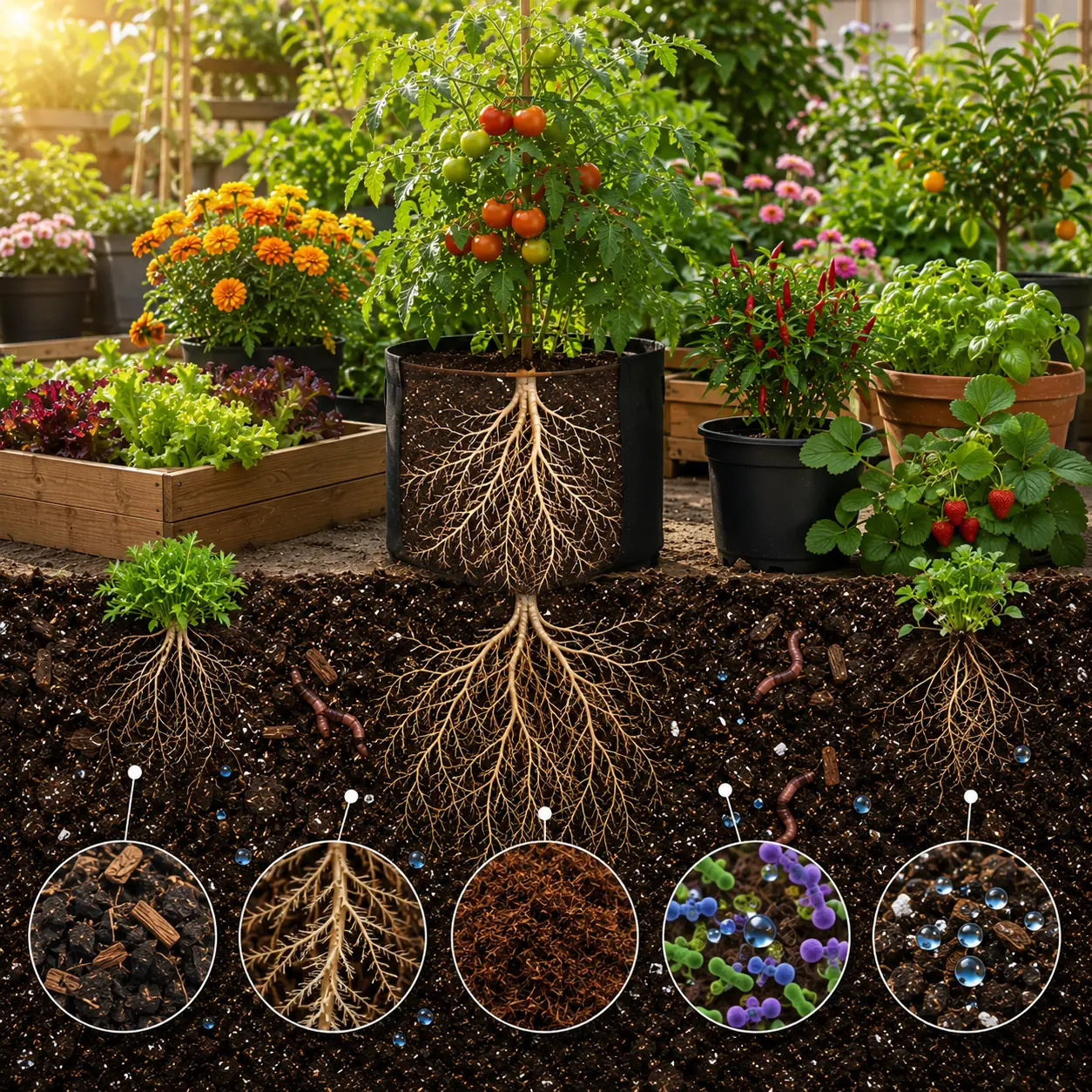
Organic Potting Soil Mix
Provides nutrients, structure, and healthy growing conditions for container plants.
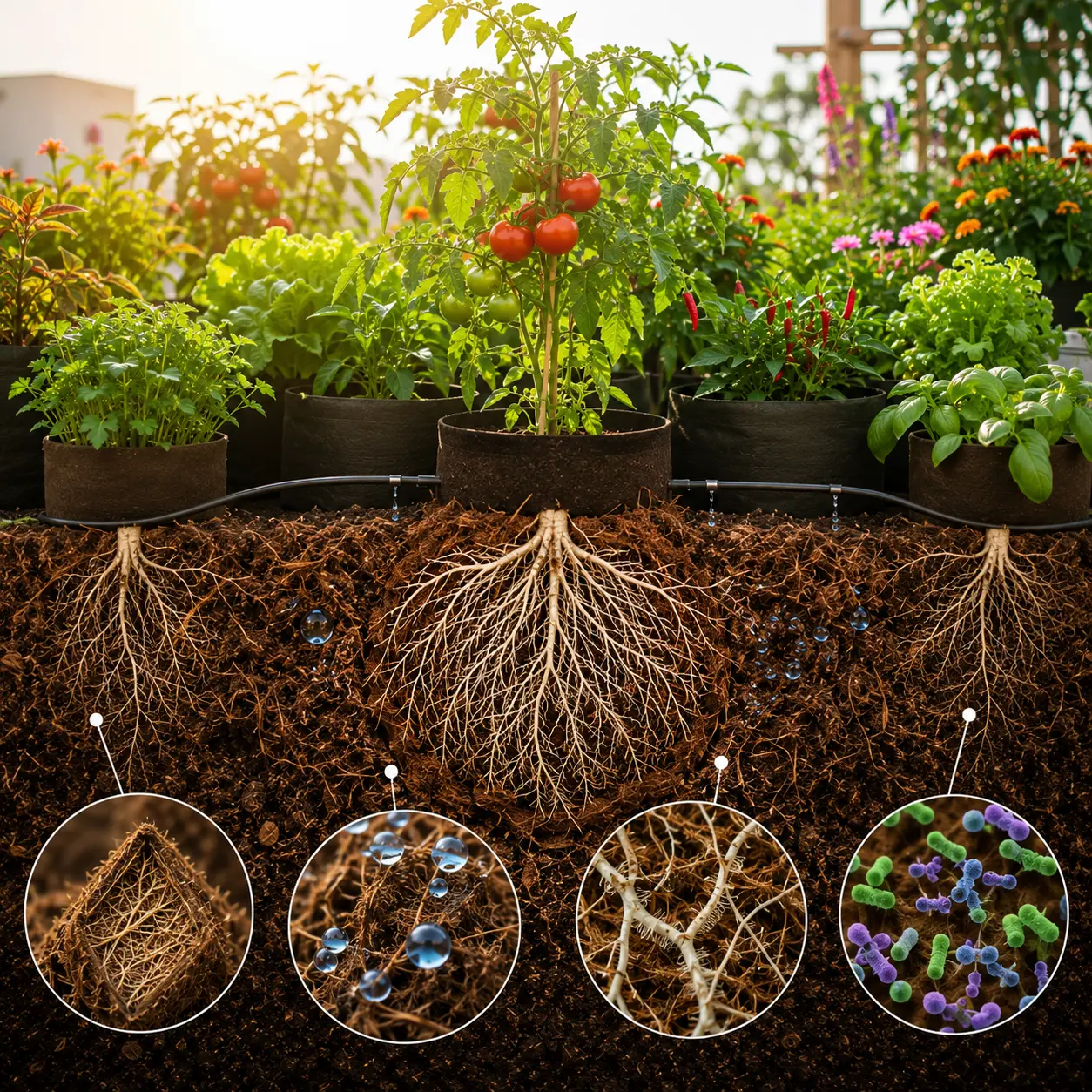
Coco Peat Growing Medium
Enhances moisture retention while maintaining excellent root-zone aeration.

Grow Bags for Plants
Improve drainage, root aeration, and vegetable production in limited spaces.

Plastic Pots for Plants
Ideal containers for seedlings, ornamentals, herbs, and balcony gardens.
Names in Different Languages
| Language | Name |
|---|---|
| English | Water Hyssop, Herb of Grace, Thyme-leafed Gratiola |
| Hindi | Brahmi, Jalabrahmi |
| Bengali | Brahmi, Thankuni (note: Thankuni sometimes refers to Centella asiatica — see confusion note below) |
| Tamil | Neer Brahmi, Nirpirami, Brahmi |
| Telugu | Sambrani Chettu, Neerabrahmi |
| Marathi | Brahmi, Nirbrahmi |
| Kannada | Jalabrahmi, Neerabraahmi |
| Malayalam | Brahmi, Nirbrahmi |
| Gujarati | Neerbrahmi, Bamanevri |
| Punjabi | Brahmi, Jalabrahmi |
| Scientific name | Bacopa monnieri (L.) Pennell |
| Family | Plantaginaceae (formerly Scrophulariaceae) |
The name most searched in India is Brahmi — used consistently across Hindi, Bengali, Malayalam, and Marathi-speaking regions. Neer Brahmi is the common South Indian name, with the prefix neer (water) distinguishing it from Centella asiatica, which is also called Brahmi in some regional traditions.
What Does It Look Like?
Brahmi is a low-growing, creeping herb that rarely exceeds 10–30 cm in height. Its stems are succulent, pale green, and prostrate — they spread horizontally along the ground or across water surfaces, rooting at nodes where they touch moist soil.
Leaves are small — 1–2 cm long — oblong to spatula-shaped, fleshy, and arranged in opposite pairs along the stem. They are smooth, slightly succulent, and bright green with a pale underside. The fleshy texture is distinctive and immediately apparent when a leaf is pinched between fingers.
Flowers are small — roughly 5–8 mm — white to pale lilac-blue with four or five petals, borne singly in the leaf axils on short stalks. They are modest and easy to overlook, appearing intermittently through the warmer months rather than in a single dramatic flush.
The one unmistakable visual detail is the leaf texture and arrangement: small, rounded, fleshy, opposite leaves on a low-spreading stem, growing from very wet or waterlogged ground. No other common Indian medicinal herb has exactly this combination of habit, habitat, and leaf form.
Where Does It Grow in India?
Brahmi is native to the Indian subcontinent and is found wild across the entire country, from sea level to approximately 1,300 metres altitude. It is most abundant in the wetter, lower-lying regions: West Bengal, Bihar, Uttar Pradesh, Odisha, and the river plains of North India, and across South India, particularly in Kerala, Tamil Nadu, and Andhra Pradesh.
It grows characteristically in semi-aquatic conditions — the margins of ponds, slow rivers, irrigation channels, paddy field boundaries, and seasonally flooded land. It is also found in damp, shaded ground in forests and along roadsides where water collects.
Urban brahmi populations have declined as waterbodies are filled and paddy cultivation in peri-urban areas retreats, but it remains abundant in rural agricultural landscapes and is widely cultivated in home gardens, Ayurvedic gardens, and medicinal plant farms across its natural range.
Commercial cultivation is concentrated in Rajasthan, Uttar Pradesh, Gujarat, and parts of South India, where it is grown for pharmaceutical extraction and dried herb trade.
What Is It Used For?
Brahmi is used primarily as a cognitive and adaptogenic herb in Ayurvedic medicine — for memory support, anxiety reduction, and mental clarity — with a well-documented history of use in classical texts and growing clinical research support. Full medicinal details belong in the Brahmi Benefits Guide.
It is a standard ingredient in Ayurvedic formulations for neurological and cognitive health, including Brahmi Ghrita, Saraswatarishta, and various proprietary preparations sold across Indian pharmacies.
Fresh brahmi leaves are eaten directly in traditional household practice — particularly in South India and Bengal — as a daily cognitive tonic, most commonly in the morning before study or work.
Brahmi oil, prepared by infusing leaves in coconut or sesame oil, is used in traditional hair and scalp care practice across India — applied to the scalp for its cooling properties and as part of Ayurvedic hair treatment protocols.
The plant is also used in traditional veterinary practice in some regions of India for livestock health.
In Mythology and Ancient Texts
Brahmi’s presence in Indian classical literature is among the most extensive of any medicinal herb. It is named and described in the Charaka Samhita and the Sushruta Samhita — two foundational texts of Ayurvedic medicine — where it is classified as a medhya rasayana, a category of rejuvenating herbs specifically for enhancing intellectual and cognitive function.
The Ashtanga Hridayam, the third major classical Ayurvedic text, describes brahmi in the context of formulations for memory enhancement and mental disorders. The consistency of its description across these three independent classical compilations — all placing it foremost among cognitive herbs — establishes it as one of Ayurveda’s most deeply documented botanicals.
The Sanskrit name Brahmi is linguistically connected to Brahman — the universal consciousness or supreme reality in Hindu philosophy — and to Brahma, the creator deity. Traditional commentators explain this connection through the belief that the herb supports the development of brahmateja — the radiant intelligence associated with Brahma’s creative capacity. The name thus carries a philosophical weight that positions brahmi not merely as a medicinal plant but as a herb that supports the specifically human capacity for knowledge and understanding.
Saraswati, the goddess of learning, arts, and wisdom, is traditionally associated with Brahmī in South Indian and Vaishnava traditions. The plant is offered at Saraswati Puja in some regional practices, and the tradition of giving brahmi to children beginning formal education reflects this association — the herb as a material support for the goddess’s domain of knowledge.
In the Puranic tradition, brahmi is described as sacred to both Brahma and Saraswati, and traditional texts prescribe its use specifically at the commencement of Vedic study — a prescription that integrates medicinal, ritual, and educational practice in a way characteristic of Ayurveda’s approach to the inseparability of physical and cognitive health.
Is It Easy to Grow?
Yes — brahmi is among the easiest perennial herbs to grow in Indian conditions, with the important qualification that it must be kept consistently moist. For gardeners who can provide reliable water through a tray method, proximity to a water source, or the natural abundance of the monsoon, brahmi establishes quickly, spreads readily, and requires almost no other attention.
It is not suited to gardeners who tend to forget to water. In dry conditions, it wilts rapidly and, though it recovers after rewatering, repeated cycles of drying and recovery progressively weaken the plant.
Space requirements are minimal — a 25–30 cm wide shallow container is sufficient for a productive plant. Climate suitability is broad — Brahmi grows across almost every Indian state except the highest altitude zones.
⚠ Special Flags
Name confusion — Brahmi vs. Thankuni/Gotu Kola: In Bengali and some Marathi traditions, the name “Brahmi” is applied to Centella asiatica (Gotu Kola / Thankuni) rather than Bacopa monnieri. These are entirely different plants with different appearances and overlapping but distinct medicinal properties. In North and South Indian usage, “Brahmi” reliably refers to Bacopa monnieri. When purchasing plants, seeds, or dried herbs, confirm the scientific name — Bacopa monnieri for water hyssop brahmi, Centella asiatica for gotu kola. This confusion is one of the most common and consequential identification errors in Indian medicinal herb use.
Not to be confused with: Beyond the Centella confusion, brahmi is occasionally confused in the field with Lindernia species, which grow in similar wet habitats. Lindernia has similar small white flowers and a comparable creeping habit but lacks the fleshy, succulent leaf texture of brahmi. The fleshy leaves are the fastest identification check.
Frequently Asked Questions
Is the brahmi sold in Indian pharmacies and stores the same plant I can grow at home?
Most commercial brahmi products — capsules, powders, oils — are derived from Bacopa monnieri, which is the same species grown at home. However, commercial preparations are standardised to a specified bacoside content; home-grown material varies in compound concentration depending on growing conditions, harvest timing, and ecotype. Home-grown brahmi is appropriate for traditional fresh-leaf use; standardised preparations are more appropriate for specific therapeutic dosing.
Can brahmi grow in a regular flower pot without standing water?
Yes, but it requires significantly more frequent watering than most potted plants — daily in summer, every other day in cooler months. The tray method — keeping the pot in a saucer of water — is more reliable than standard pot-and-drain growing and is strongly recommended for brahmi specifically.
My brahmi plant is growing well, but it rarely flowers — is something wrong?
No. Brahmi flowers intermittently and modestly — small, sparse flowers are normal for this species. Flowering frequency is not a reliable indicator of plant health. Consistent leaf production and lateral spreading are the correct signs of a thriving brahmi plant.
Brahmi is a plant whose modesty of appearance stands in almost comic contrast to its stature in Indian medicine. A small, creeping, water-loving herb with tiny white flowers — and one of the most documented cognitive botanicals in the world.


