Stevia Benefits: What Sweet Leaf Actually Does for Your Health
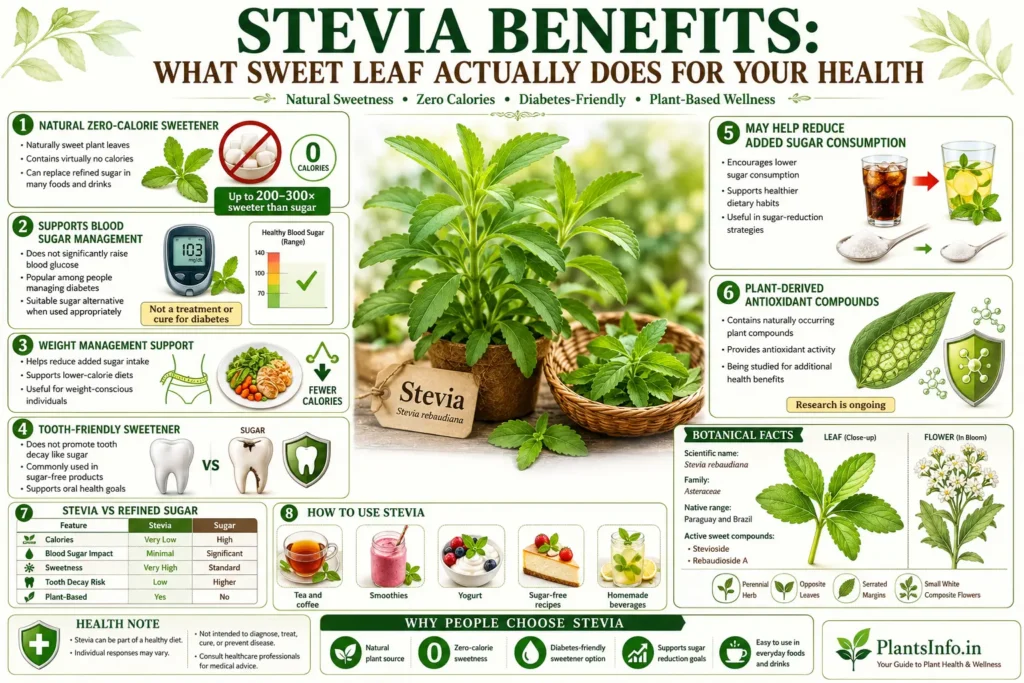
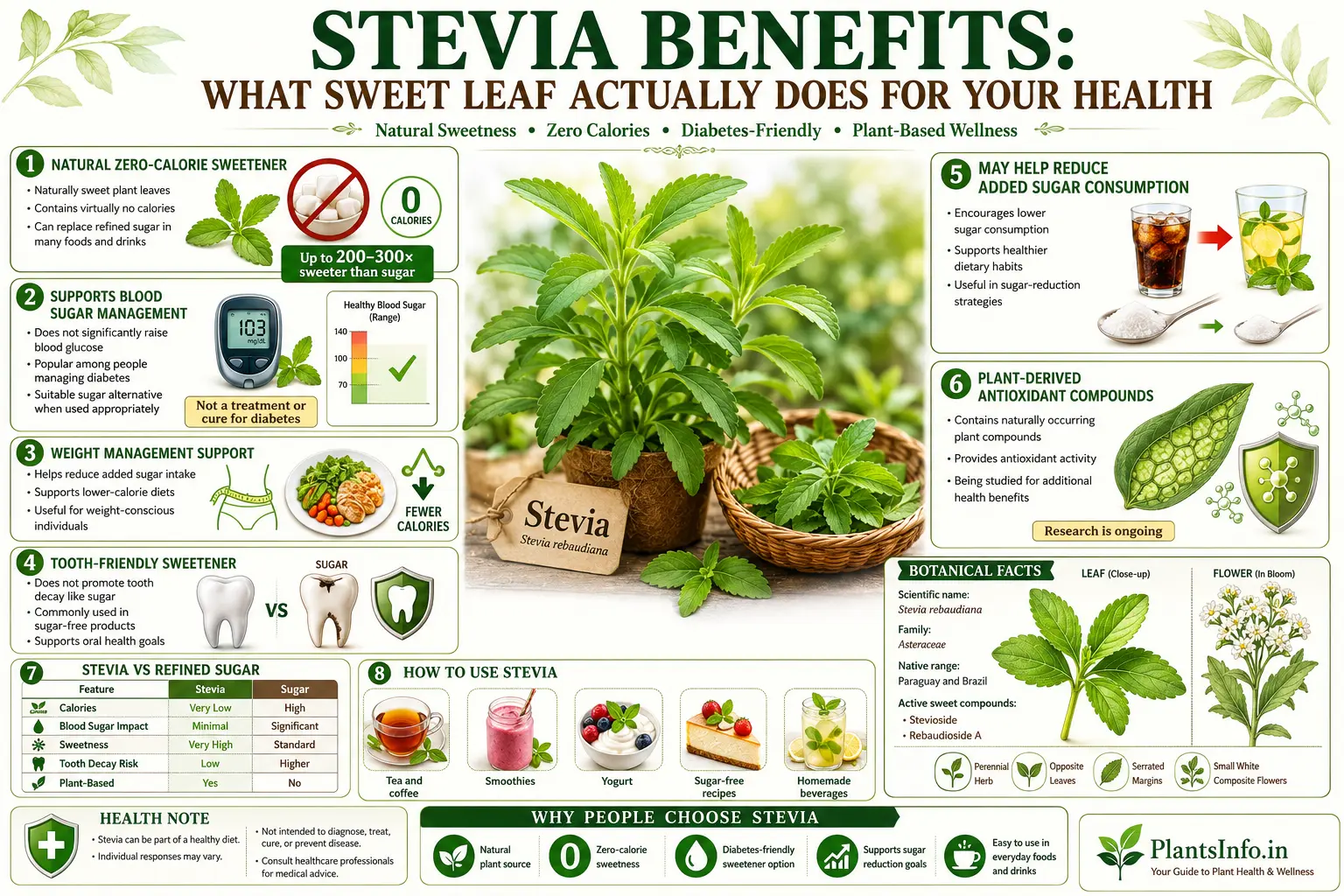
Quick Answer: Stevia leaves contain natural compounds called steviol glycosides — primarily stevioside and rebaudioside A — which are intensely sweet but not metabolised as sugar by the human body. Research suggests these compounds do not raise blood glucose, making stevia a genuinely useful sugar substitute for people managing diabetes or weight. The leaf in its whole, dried form also contains trace antioxidants, though the processed white powder sold in shops is largely stripped of these.
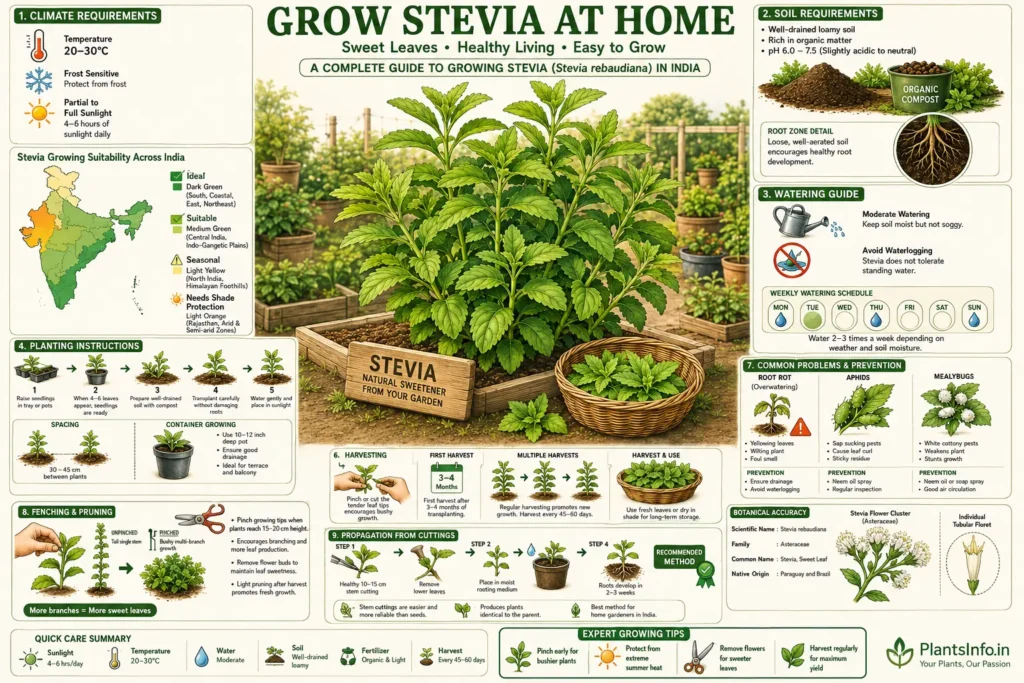
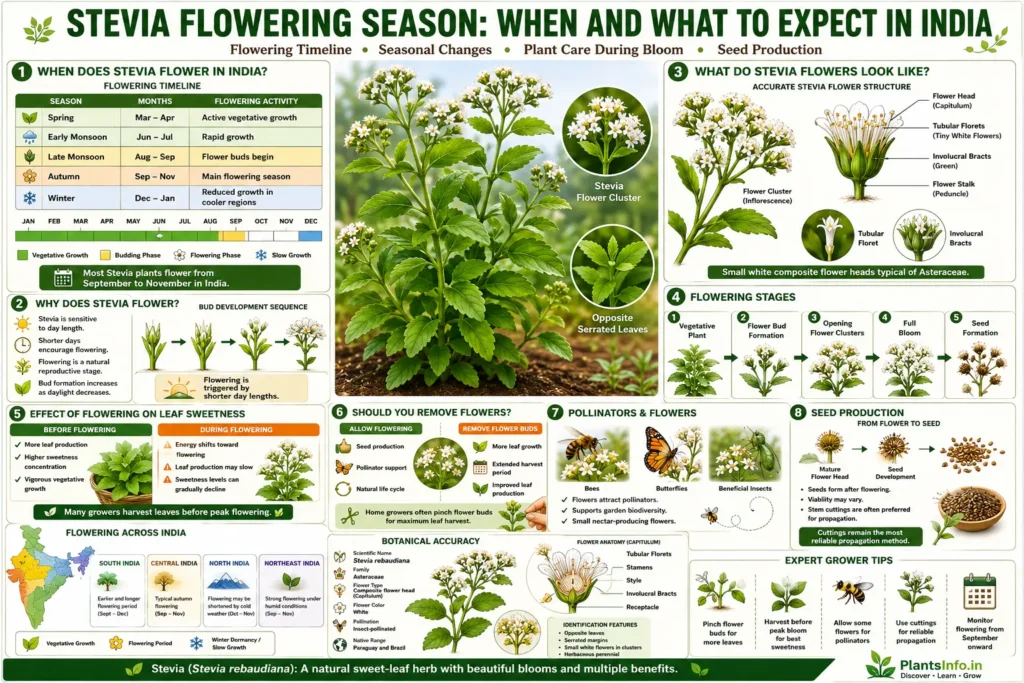
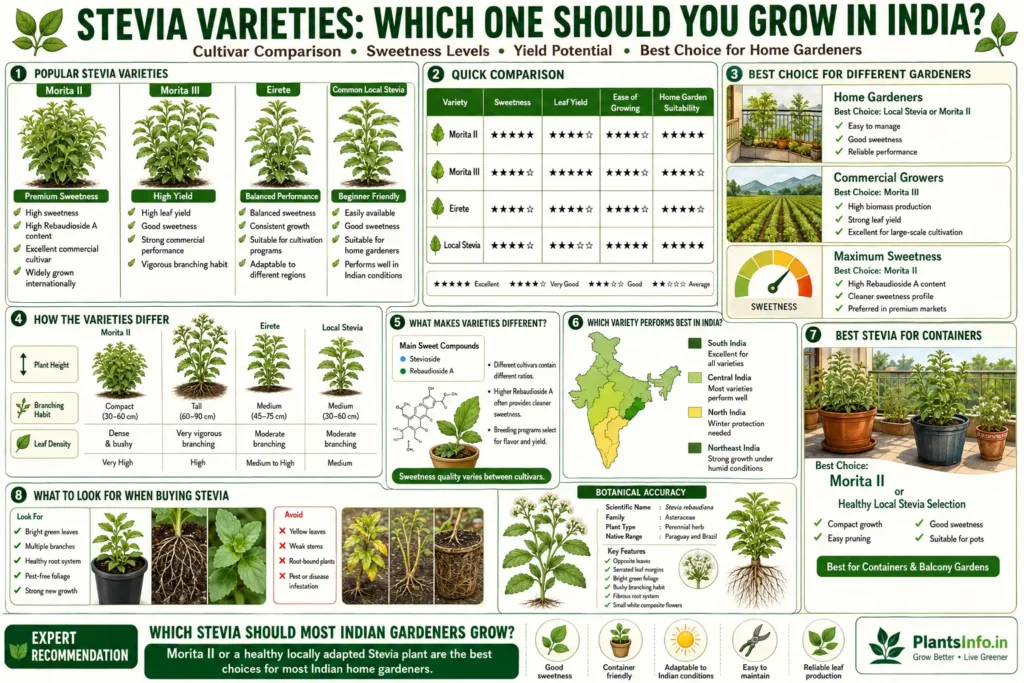
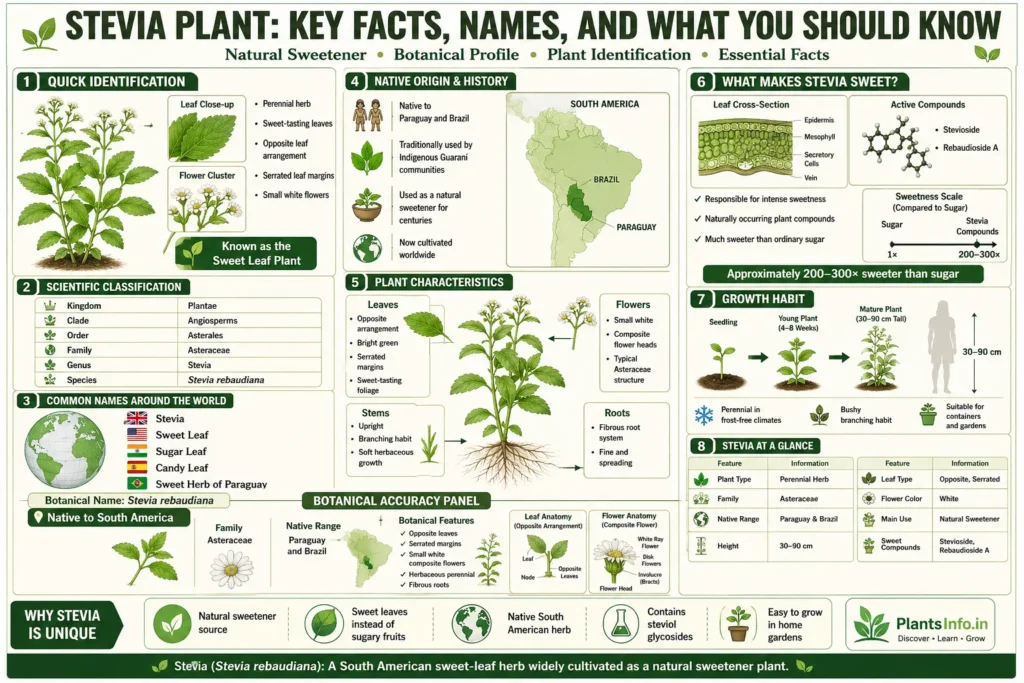
See also: Stevia rebaudiana plant profile, how to grow it, common problems, its flowering season, and its varieties.
The antioxidant content is highest in fresh and minimally processed forms. Commercial stevia extracts — particularly the refined rebaudioside A isolates sold in sachets — retain the sweetening glycosides but lose most flavonoid and polyphenol content through processing. For the antioxidant benefit, the whole dried leaf or a simple home-prepared leaf tea is meaningfully more complete than any white powder product.
Recommended Products
Disclosure: As an Amazon Associate, PlantsInfo may earn from qualifying purchases.
🌱 Growing Essentials
The following products can help with container gardening, potting, root development, soil management, and healthy plant growth.
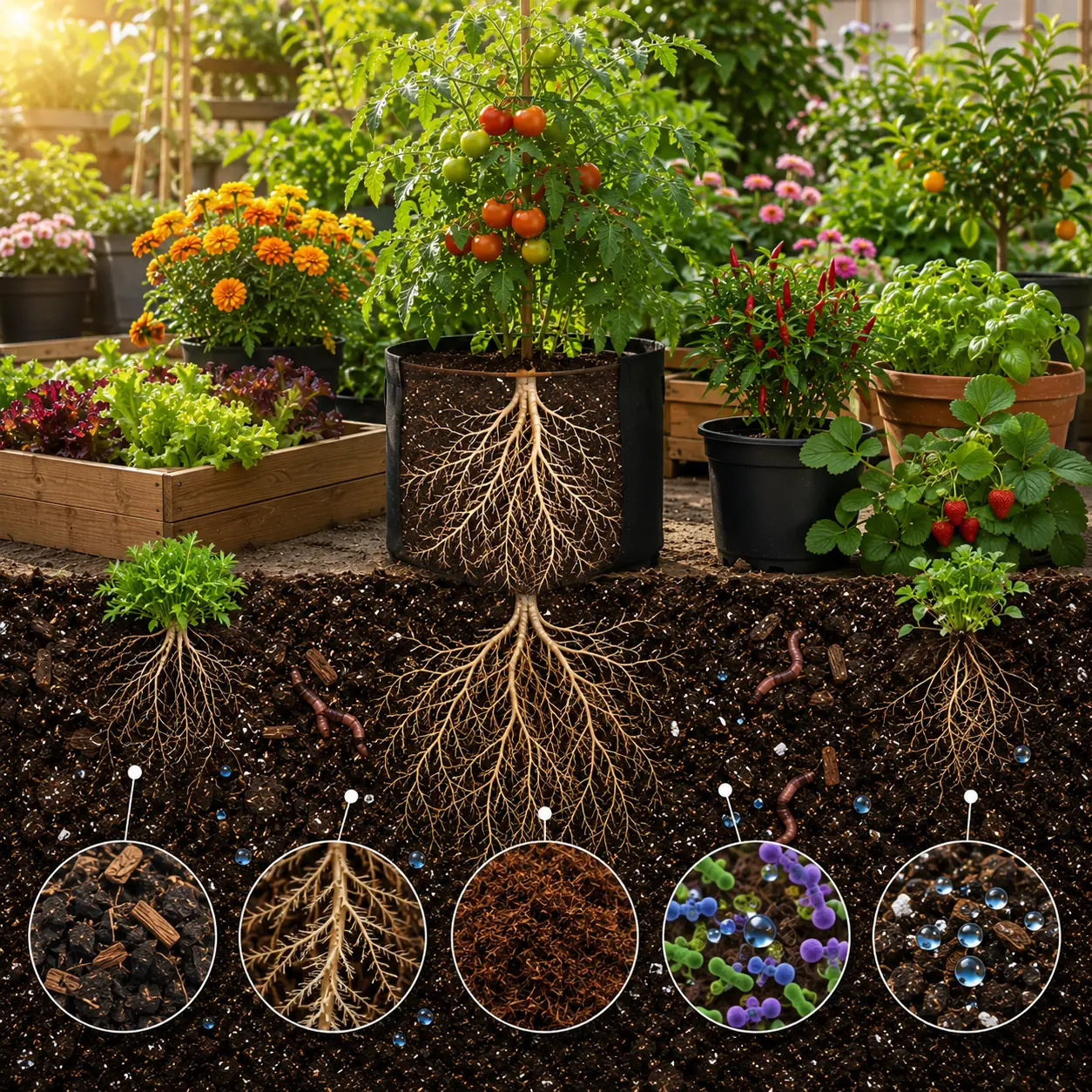
Organic Potting Soil Mix
Provides nutrients, structure, and healthy growing conditions for container plants.
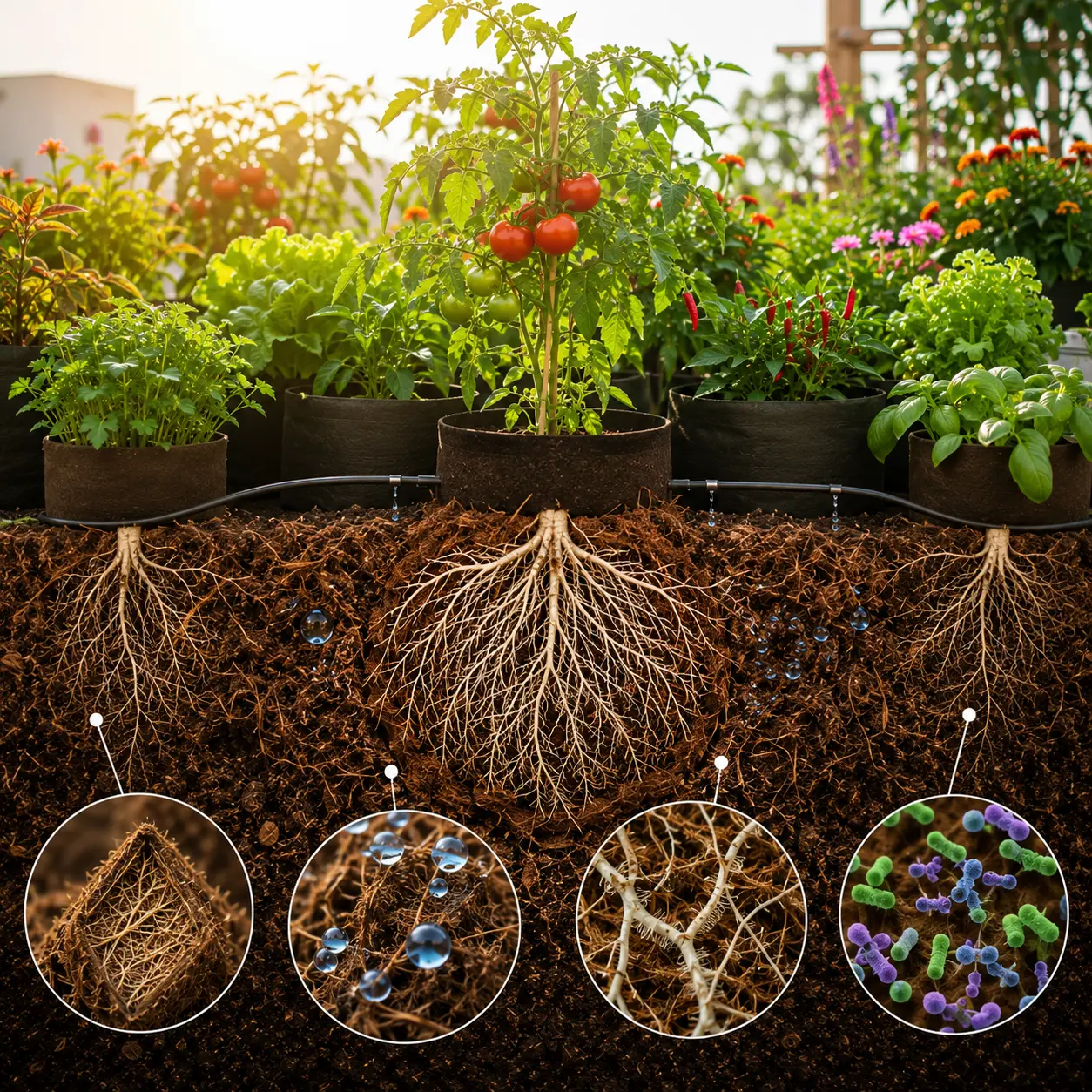
Coco Peat Growing Medium
Enhances moisture retention while maintaining excellent root-zone aeration.

Grow Bags for Plants
Improve drainage, root aeration, and vegetable production in limited spaces.

Plastic Pots for Plants
Ideal containers for seedlings, ornamentals, herbs, and balcony gardens.
Culinary and Practical Uses
Stevia’s primary practical value for Indian home gardeners is as a zero-calorie sweetener for daily beverages. Two or three fresh leaves steeped in a cup of chai, herbal tea, or jeera water provide sufficient sweetness without any processing. Dried and powdered leaves dissolve less cleanly than refined extracts but carry full-spectrum leaf benefits.
Beyond beverages, dried stevia leaf powder can substitute for sugar in simple preparations — lassi, shikanji, and herbal decoctions respond well. It does not caramelise or behave like sugar in baking, so it works best in uncooked or lightly heated applications. Commercial food processors in India have begun incorporating stevia extracts into diabetic-friendly mithai and sugar-free health drinks, which has driven consumer awareness considerably in the last decade.
This information is based on traditional knowledge and published research. It is not a substitute for medical advice. Consult a qualified healthcare professional before using any plant-based remedy for health conditions.
Ecological Role
Stevia’s small white flowers, though modest in appearance, are a consistent nectar source for small bees, hoverflies, and butterflies during the December–February flowering window in India — a period when many garden flowers are absent. In kitchen gardens, this makes stevia a quiet but useful pollinator attractor during the cool season.
The plant’s dense shallow root system has some value in preventing topsoil displacement in container and terrace garden setups, though it is too small to have significant erosion-control value in ground plantings. As a low-input crop with no aggressive spreading habit, stevia integrates cleanly into mixed kitchen gardens without competing heavily with neighbours.
Practical Value for Home Gardeners
A single healthy stevia plant in a 25 cm pot can supply enough leaves to sweeten 3–5 cups of tea per day with no processing required. For a family managing diabetes or reducing sugar intake, two to three plants growing in rotation provide a genuinely useful daily supply throughout the cool season.
The dried leaf stores well for 8–12 months in a sealed glass container, bridging the gap between productive cool-season harvests and the less productive summer period. Home-ground leaf powder, while coarser than commercial stevia, contains the full-spectrum compounds that refined extracts lack — a meaningful advantage for those using it therapeutically rather than purely as a sweetener.
How to Prepare or Use at Home
Leaf tea: Steep 3–5 fresh or dried leaves per cup in hot (not boiling) water for 3–5 minutes. Boiling water can bring out a faint bitter note from the stevioside. Remove leaves before drinking. This preparation is the most traditional and most nutritionally complete form.
Dried leaf powder: Sun-dry harvested leaves for 2–3 days until fully crisp, then grind in a clean dry mixer. Use approximately ½ teaspoon per cup as a starting point and adjust to taste — sweetness intensity varies by variety and harvest timing. Store in an airtight glass jar.
Green stevia water: Muddle 4–6 fresh leaves in a glass, add cold water, and a squeeze of lime. This is a simple, zero-processing home use that preserves volatile flavour compounds lost in drying. Best consumed the same day.
Reasonable daily intake from home use sits comfortably within established acceptable daily intake guidelines for steviol glycosides — at home-garden quantities, overconsumption is practically unlikely.
What to Avoid
Stevia in normal culinary quantities is considered safe for most adults. However, people with allergies to Asteraceae family plants (ragweed, chrysanthemums, marigolds) may experience sensitivity reactions — stevia belongs to the same botanical family, and cross-reactivity is documented in some individuals.
Pregnant and breastfeeding women should use stevia moderately and consult a healthcare provider before using it as a daily supplement, as research on these groups remains limited. People on blood pressure medications or diabetes medications should monitor responses carefully — research suggests stevia may have mild hypoglycaemic and hypotensive effects, and combining it with pharmaceutical treatment for these conditions warrants medical supervision.
Do not use stevia leaves as a direct replacement for prescribed diabetes medication without medical guidance.
Key Takeaways
- Stevia’s zero-calorie sweetness comes from steviol glycosides — natural compounds that do not raise blood glucose, making it genuinely useful for people managing diabetes.
- The whole dried leaf or leaf tea is nutritionally more complete than refined white stevia powder sold in shops.
- Two to three plants in pots supply a family’s daily sweetening needs through the cool season.
- People with diabetes or blood pressure medication should consult a doctor before using stevia therapeutically.
- Normal culinary quantities from home-grown plants are safe for most healthy adults.
The sweetest plant in your kitchen garden is also one of the simplest — grow it, dry the leaves, and quietly retire a little sugar from your day.