Stevia Plant: Key Facts, Names, and What You Should Know
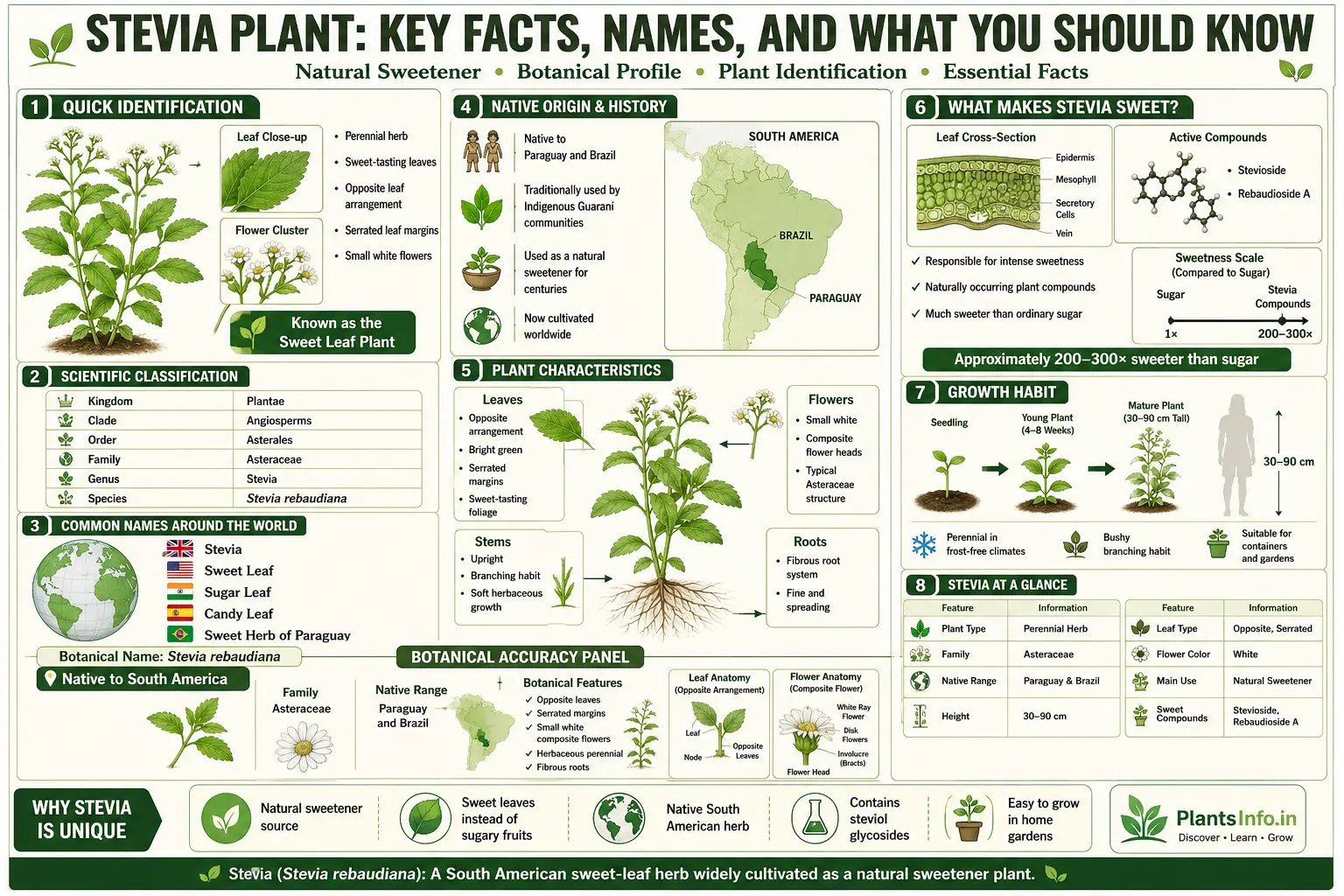
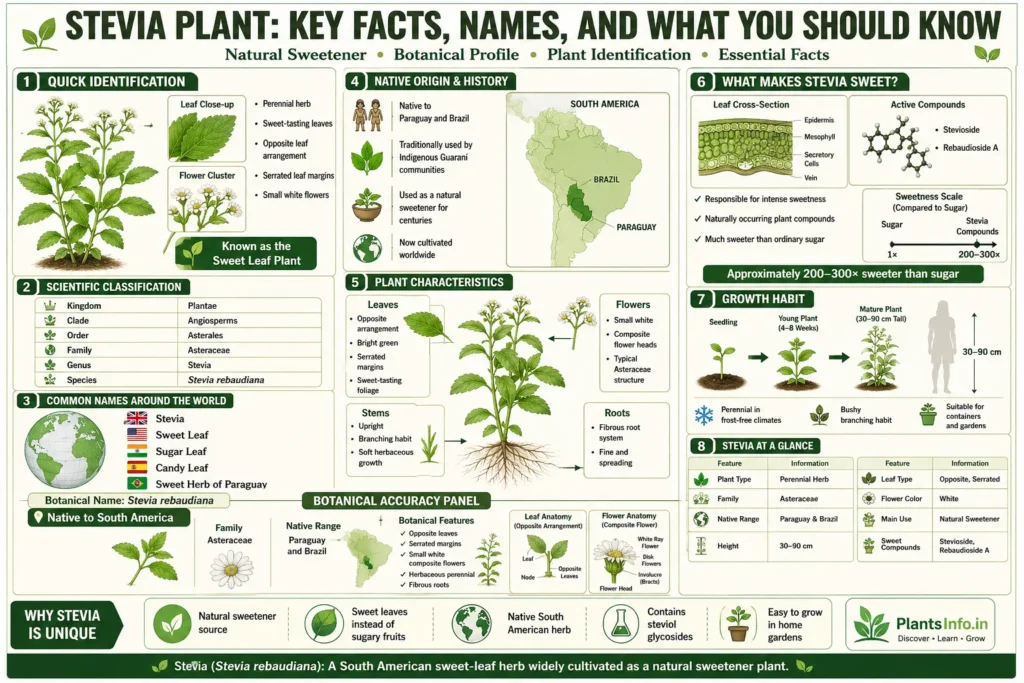
Quick Answer: Stevia (Stevia rebaudiana) is a small perennial herb native to South America, now commercially cultivated across several Indian states for its intensely sweet leaves. The leaves contain zero calories and do not raise blood sugar. The plant grows 40–60 cm tall, produces small white flowers in winter, and is increasingly common in Indian nurseries as interest in sugar alternatives grows.
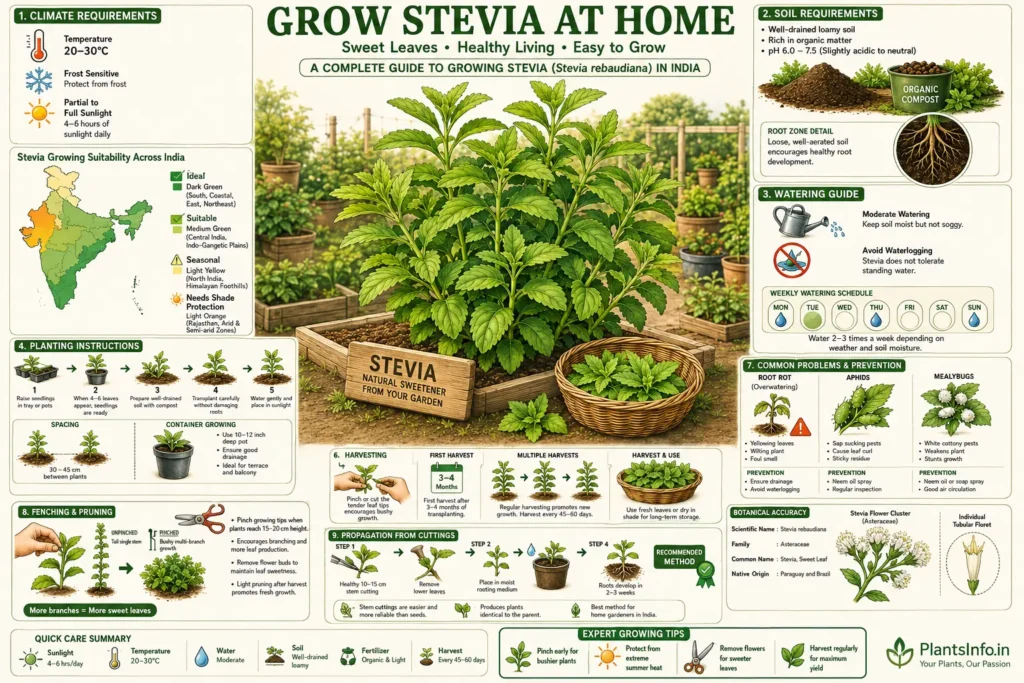
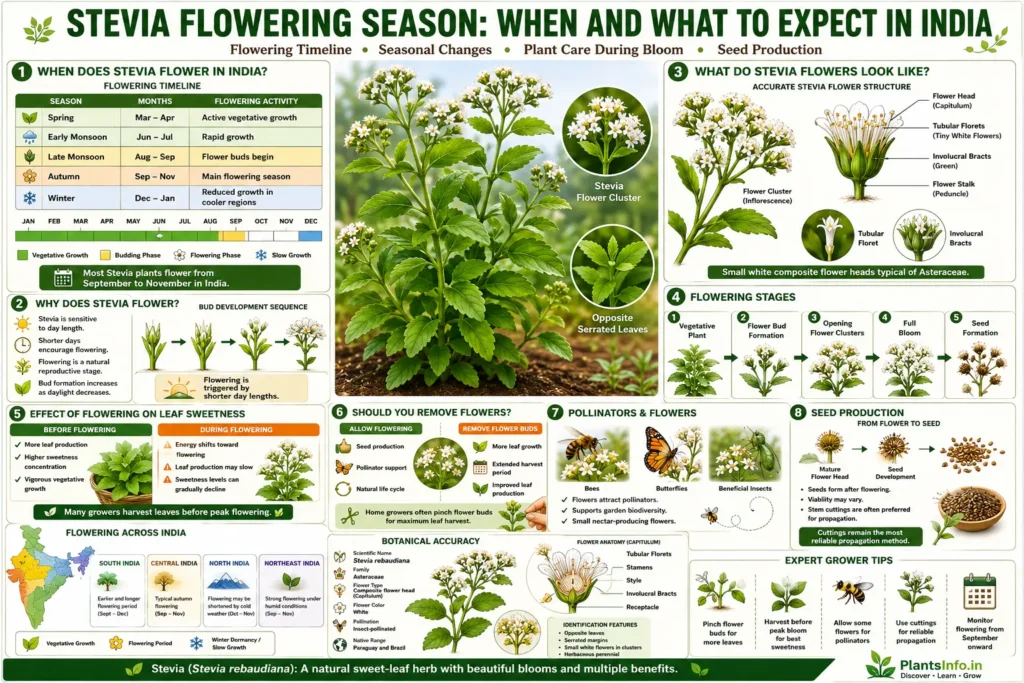
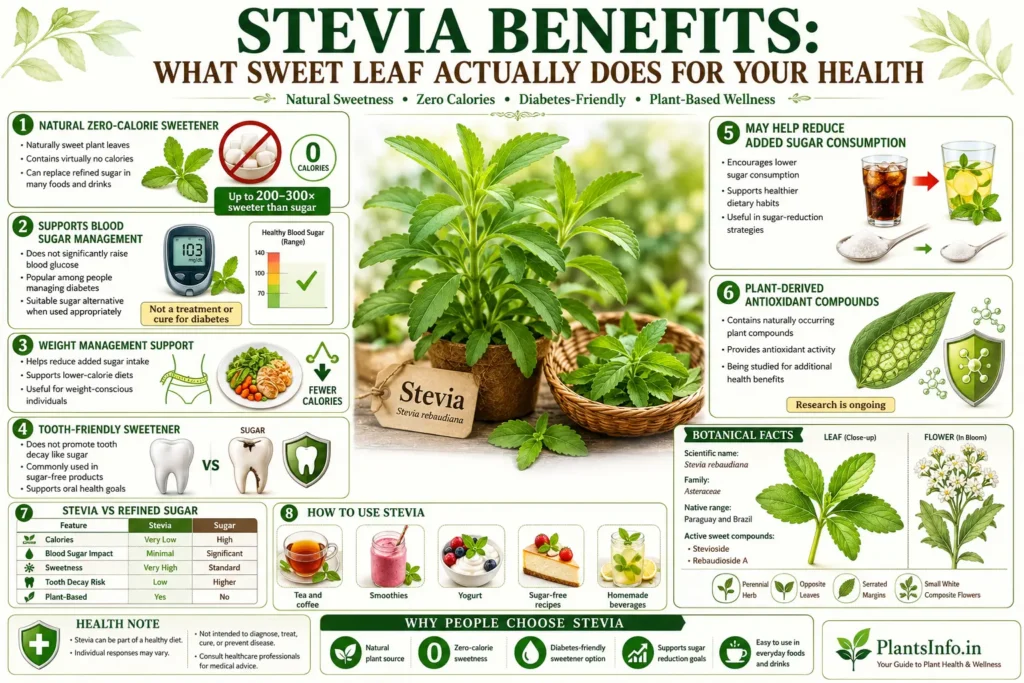
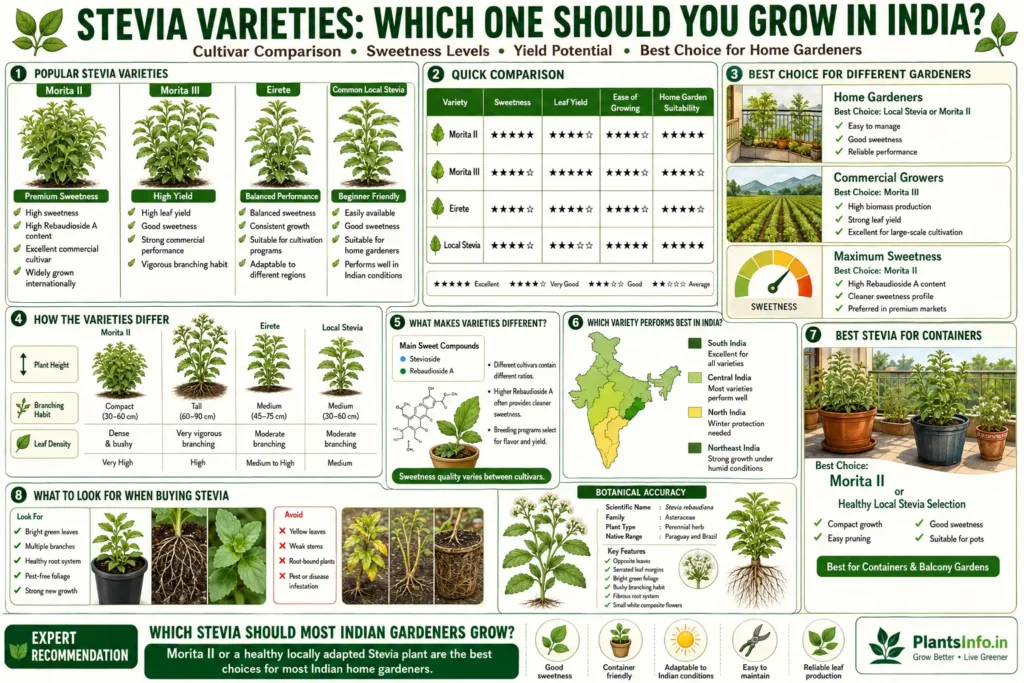
See also: Stevia rebaudiana plant profile, how to grow it, common problems, its flowering season, and its benefits.
If someone asks what stevia looks like, the most accurate answer is: a slightly untidy basil plant with a faint sweet smell when you brush the leaves. It does not look like a wonder crop. It looks like a kitchen herb — which is, precisely, what it is. What the modest appearance conceals is a leaf chemistry so concentrated that a single dried leaf can sweeten an entire cup of tea.
Recommended Products
Disclosure: As an Amazon Associate, PlantsInfo may earn from qualifying purchases.
🌱 Growing Essentials
The following products can help with container gardening, potting, root development, soil management, and healthy plant growth.
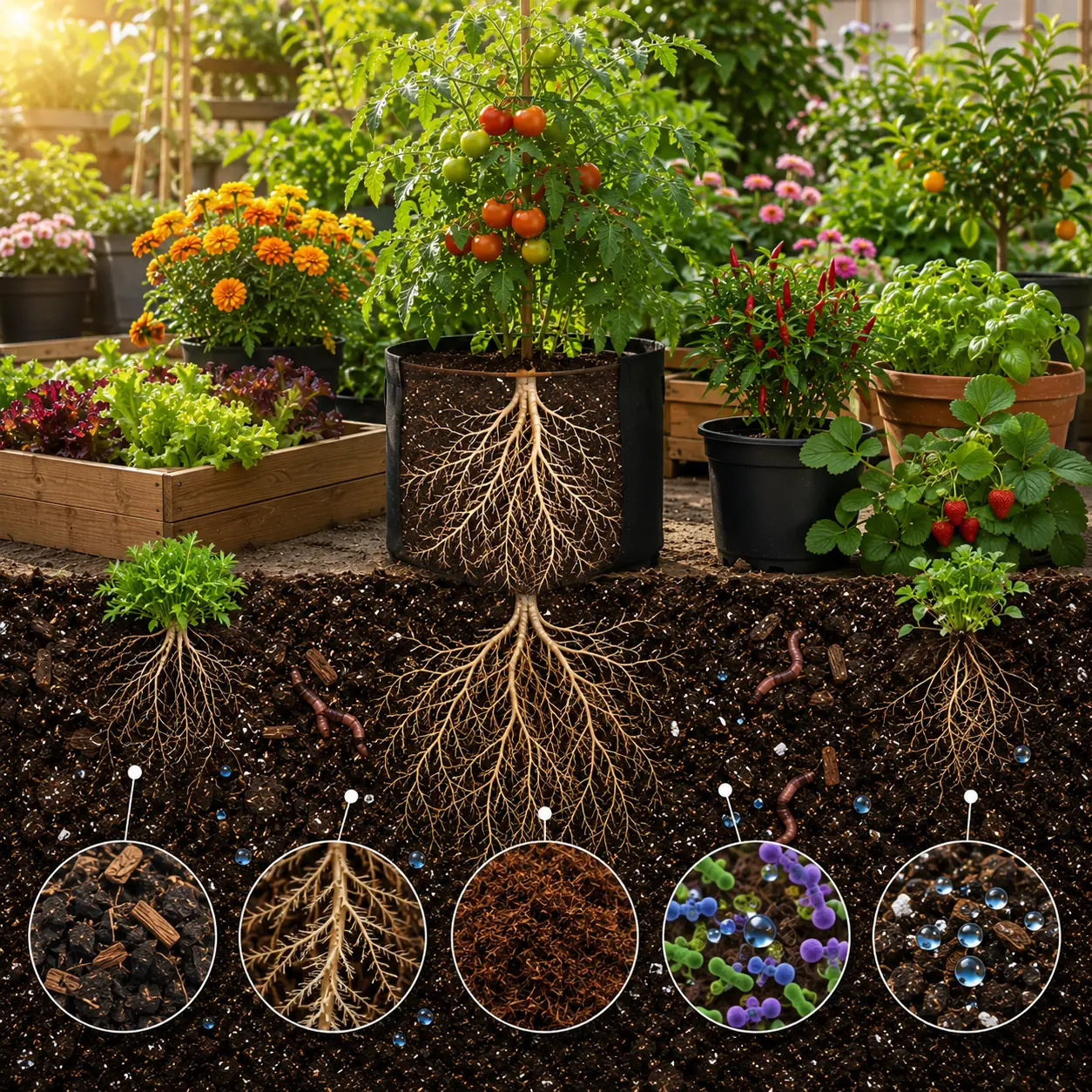
Organic Potting Soil Mix
Provides nutrients, structure, and healthy growing conditions for container plants.
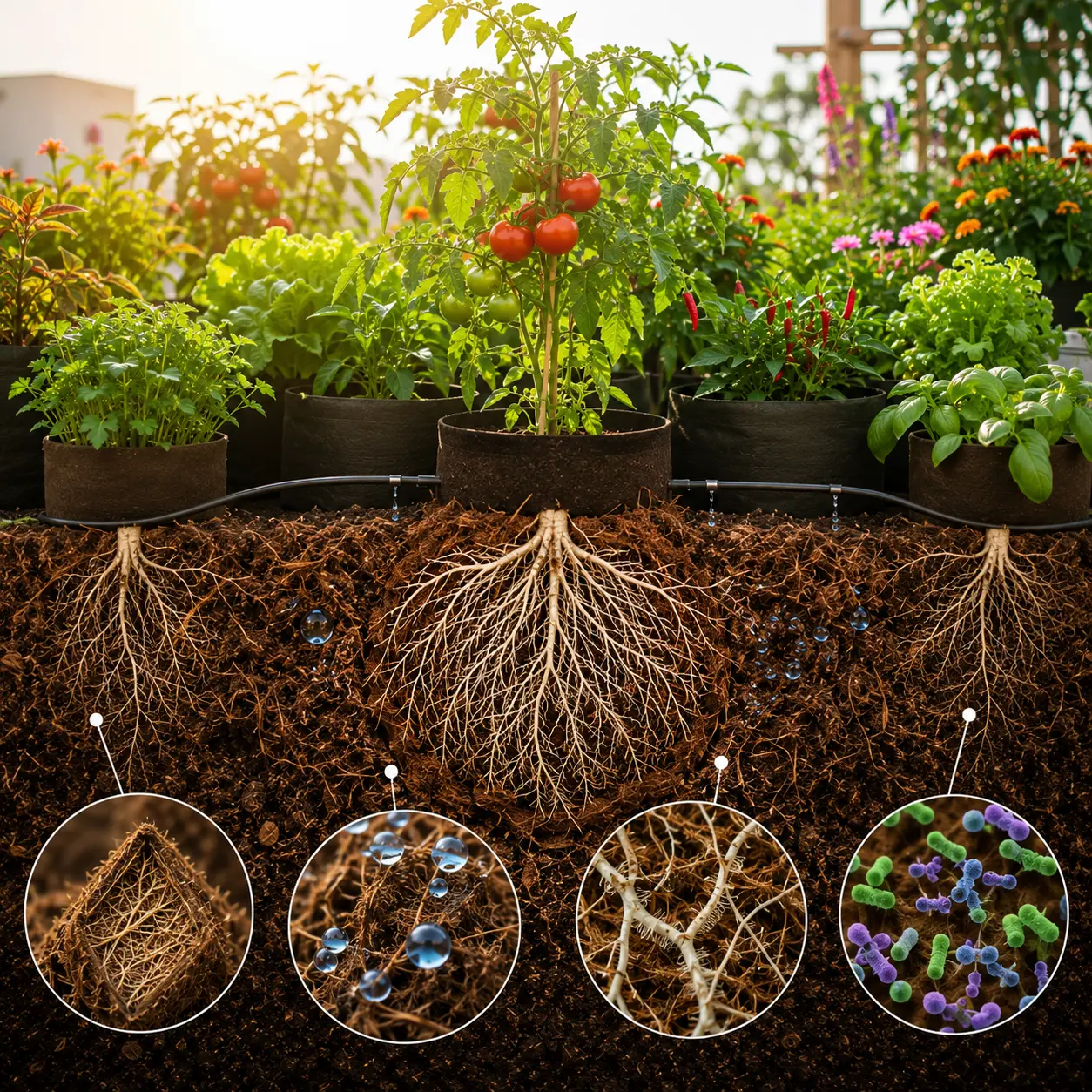
Coco Peat Growing Medium
Enhances moisture retention while maintaining excellent root-zone aeration.

Grow Bags for Plants
Improve drainage, root aeration, and vegetable production in limited spaces.

Plastic Pots for Plants
Ideal containers for seedlings, ornamentals, herbs, and balcony gardens.
Names in Different Languages
| Language | Name |
|---|---|
| English | Stevia, Sweet Leaf, Sugar Leaf, Candyleaf |
| Hindi | Meethi Tulsi, Stevia |
| Bengali | Meethi Tulsi, Stevia Pata |
| Tamil | Stevia, Inippu Ilai |
| Telugu | Madhura Tulasi, Stevia |
| Marathi | Stevia, Goad Tulsi |
| Kannada | Madhura Tulasi, Stevia |
| Malayalam | Stevia, Madhura Ela |
| Gujarati | Meethi Tulsi, Stevia |
| Punjabi | Meethi Tulsi |
| Scientific name | Stevia rebaudiana Bertoni |
| Family | Asteraceae (Daisy family) |
“Meethi Tulsi” — meaning Sweet Basil or Sweet Holy Basil — is the most commonly searched Indian name, reflecting both the leaf’s sweetness and its visual resemblance to tulsi, though the two plants are unrelated. The name creates occasional confusion at nurseries where unlabelled plants are sold.
What Does It Look Like?
Stevia is a small, multi-branched herb that grows 40–60 cm tall and 30–40 cm wide at maturity. The stems are slightly woody at the base and green above, becoming more branched as the plant matures through the season.
The leaves are the plant’s most distinctive feature: small (2–4 cm long), slightly elongated with gently serrated edges, and a dull matte green on top with a slightly lighter underside. They have no strong visual gloss or texture but release a distinctly sweet, clean fragrance when crushed — the simplest field identification test for the species.
Flowers appear in winter (December–February in most of India): tiny, white, star-shaped blooms in small clusters at the stem tips. Individual flowers are only 5–6 mm across, and the overall flowering display is subtle rather than showy. Seeds are small and feathery, similar in appearance to dandelion seeds.
The one unmistakable visual detail: the leaf base narrows to a very short petiole — the leaf almost appears to sit directly on the stem — which, combined with the serrated edge, gives the plant its “slightly rough basil” appearance.
Where Does It Grow in India?
Stevia is not native to India. It originates from the highland border region of Brazil and Paraguay in South America and was introduced to India for commercial cultivation in the early 2000s.
Commercial cultivation is most established in Maharashtra (particularly Nashik, Satara, and Pune districts), Karnataka, Andhra Pradesh, Telangana, and Gujarat. Small-scale cultivation has expanded to Punjab, Himachal Pradesh, and Uttarakhand, where the cooler climate matches the plant’s preference well.
Stevia performs best at altitudes of 200–1,800 m in Indian conditions, with temperate upland zones producing the highest stevioside concentration in leaves. In coastal cities and humid plains, the plant grows successfully but requires particular attention to drainage and monsoon management. It is now available in most urban nurseries across India as interest in diabetic-friendly home gardening has grown substantially.
What Is It Used For?
Stevia is primarily grown for its leaves, which serve as a zero-calorie natural sweetener for teas, beverages, and diabetic-friendly food preparations. The processed extract (rebaudioside A) is used as a commercial food additive in sugar-free drinks, health products, and diabetic mithai across India. Research suggests stevia has blood sugar management properties. The plant is also used as an ornamental kitchen herb in terrace and balcony gardens. Dried leaf powder is marketed through health food channels as a direct sugar substitute.
Is It Easy to Grow?
Stevia is genuinely easy to grow for most Indian home gardeners, with one important qualification: drainage must be good, or the plant will fail. Given a well-drained pot or raised bed, at least 6 hours of sun, and moderate watering, stevia establishes quickly and begins producing harvestable leaves within 6–8 weeks of planting. It is not demanding about fertiliser and has no serious pest vulnerabilities during the cool season. The main risk is overwatering, particularly during the monsoon. For container growers in most Indian cities, the plant ranks among the more forgiving kitchen herbs.
Frequently Asked Questions
Is stevia the same as tulsi (holy basil)?
No, they are entirely different plants from different plant families. Stevia belongs to the Asteraceae (daisy) family; tulsi is in the Lamiaceae (mint) family. The common name “Meethi Tulsi” refers only to the leaf’s visual resemblance to tulsi, not any botanical relationship.
Can stevia survive Indian summers?
In most plains regions, stevia struggles above 38–40°C and may die back to the root in peak summer. Container plants moved to afternoon shade often survive and regrow when temperatures ease in September. In hill stations and upland areas, the plant can survive year-round.
Is the stevia sold in Indian nurseries reliable?
Quality varies considerably. For guaranteed variety identity and viable plants, state agriculture department nurseries and KVK (Krishi Vigyan Kendra) outlets are the most reliable sources. General nursery stock is often cutting-grown from unspecified varieties.
Stevia is a small plant with a quietly significant role — the sweetest leaf in the kitchen garden, and one of the few genuinely practical answers to reducing refined sugar at home.