Complete Arrowroot (Maranta arundinacea) Guides
Problems & Diseases
Flowering Season
INTRODUCTION
Arrowroot, Maranta arundinacea, is a tropical perennial herb best known for its starchy rhizomes, which yield a fine, easily digestible flour widely used in food and medicine. Belonging to the family Marantaceae, it is native to northern South America and the Caribbean. Its remarkable trait is the production of highly refined hypoallergenic starch valued for delicate dietary applications.
Classification
- Plant Type
- Herb
- Lifecycle
- Perennial
- Leaf Habit
- Evergreen
- Native Region
- Caribbean, Central America, South America
- Plant Family
- Marantaceae
In native ecosystems, Maranta arundinacea serves as an understory plant in humid tropical forests, contributing to soil stabilization and nutrient cycling through its rhizomatous growth. Its broad leaves intercept light efficiently under shaded conditions, while its underground rhizomes store carbohydrates that support resilience during environmental fluctuations such as seasonal drought or disturbance.
Humans have cultivated arrowroot for centuries for its nutritional, medicinal, and economic importance, particularly in tropical agriculture. It holds cultural value in traditional cuisines and herbal practices. Although not currently threatened, its cultivation intersects with sustainable land-use practices. This profile examines its taxonomy, morphology, physiology, ecology, and applied uses in a comprehensive scientific context.
IDENTITY
Classification and Taxonomy
Accepted Name and Synonymy
| Field | Value | Notes |
|---|---|---|
| Accepted Scientific Name | Maranta arundinacea L. | Linnaean designation |
| Known Synonyms | Maranta indica Tussac; Maranta sylvatica Roscoe; Maranta ramosissima Wall. | Historical synonyms in botanical literature |
| Taxonomic Authority Source | Kew World Checklist of Selected Plant Families | Widely accepted global reference |
| Assessment Date (YYYY-MM-DD) | 2026-04-21 | Latest verification |
Classification Hierarchy
| Rank | Name |
|---|---|
| Kingdom | Plantae |
| Division | Magnoliophyta |
| Class | Liliopsida |
| Order | Zingiberales |
| Family | Marantaceae |
| Subfamily (if applicable) | Not documented in available literature |
| Genus | Maranta |
| Species | Maranta arundinacea |
Quick Reference
| Field | Value | Notes |
|---|---|---|
| Common Name(s) | Arrowroot, West Indian Arrowroot | Widely used vernacular names |
| Plant Type | Herbaceous perennial | Rhizomatous growth habit |
| Lifecycle | Perennial | Survives multiple growing seasons |
| Native Range | Northern South America, Caribbean | Tropical distribution |
| USDA Hardiness Zones | 9–11 | Frost-sensitive species |
| Toxicity Summary | Non-toxic; edible rhizome widely consumed | Safe for human and animal consumption |
| IUCN Status | Not evaluated | No formal global conservation assessment |
| Research Coverage Level | Moderate | Agricultural and nutritional research available |
Cytogenetics
| Parameter | Value | Notes |
|---|---|---|
| Chromosome Number | 2n = 26 | Reported in cytological studies |
| Ploidy Level | Diploid | Standard chromosomal configuration |
| Genome Size | Not documented in available literature | No comprehensive genome data available |
Scientific Stability and Nomenclature
| Parameter | Value | Notes |
|---|---|---|
| Nomenclatural Stability | Stable | Widely accepted without recent dispute |
| Current Accepted Authority | Carl Linnaeus | Original describer |
| Major Reclassification Events | No major reclassification since original description by Linnaeus (1753) | Stable taxonomic placement |
FORM
Growth Habit and Architecture
| Parameter | Value | Notes |
|---|---|---|
| Life Form | Herbaceous perennial | Rhizomatous |
| Mature Height | 0.6–1.5 m (2–5 ft) | Varies with conditions |
| Canopy Spread | 0.6–1.2 m (2–4 ft) | Clump-forming |
| Stem Type | Erect, slender, herbaceous stems | Non-woody |
| Bark/Surface Texture | Smooth green surface | No bark present |
| Branching Pattern | Minimal branching | Primarily vertical shoots |
| Root System Overview | Fibrous roots with thick rhizomes | Storage organ underground |
| Growth Rate | Moderate to fast | Rapid in tropical climates |
| Longevity | Multi-year perennial | Persistent rhizomes |
| Distinguishing Architectural Feature | Thick underground rhizomes producing starch | Key identifying trait |
Leaves
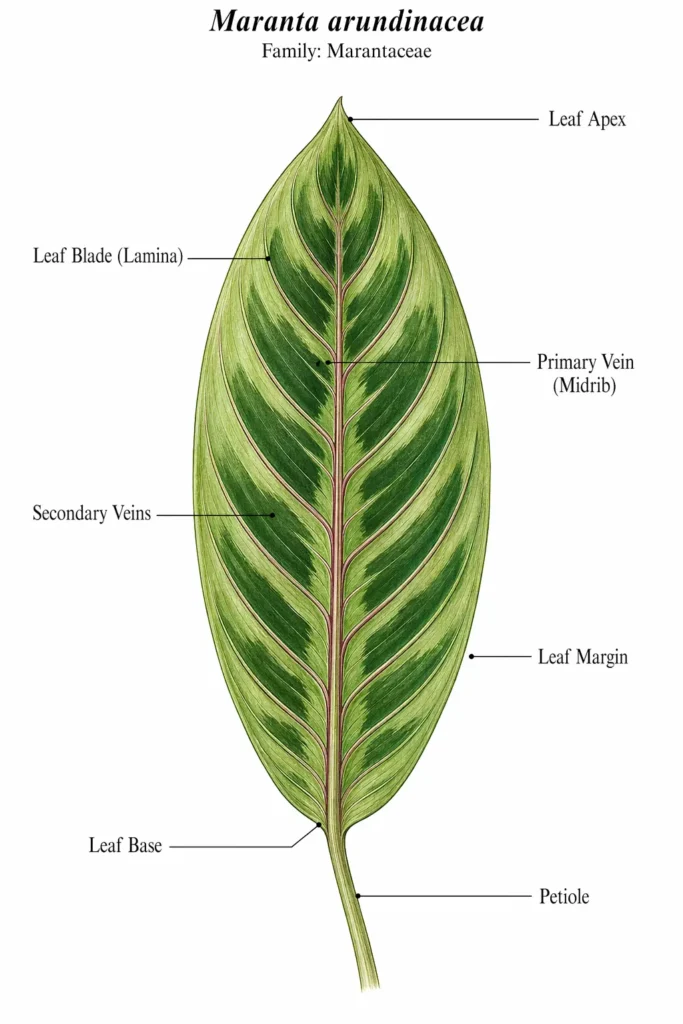
| Parameter | Value | Notes |
|---|---|---|
| Presence | Present | Persistent foliage |
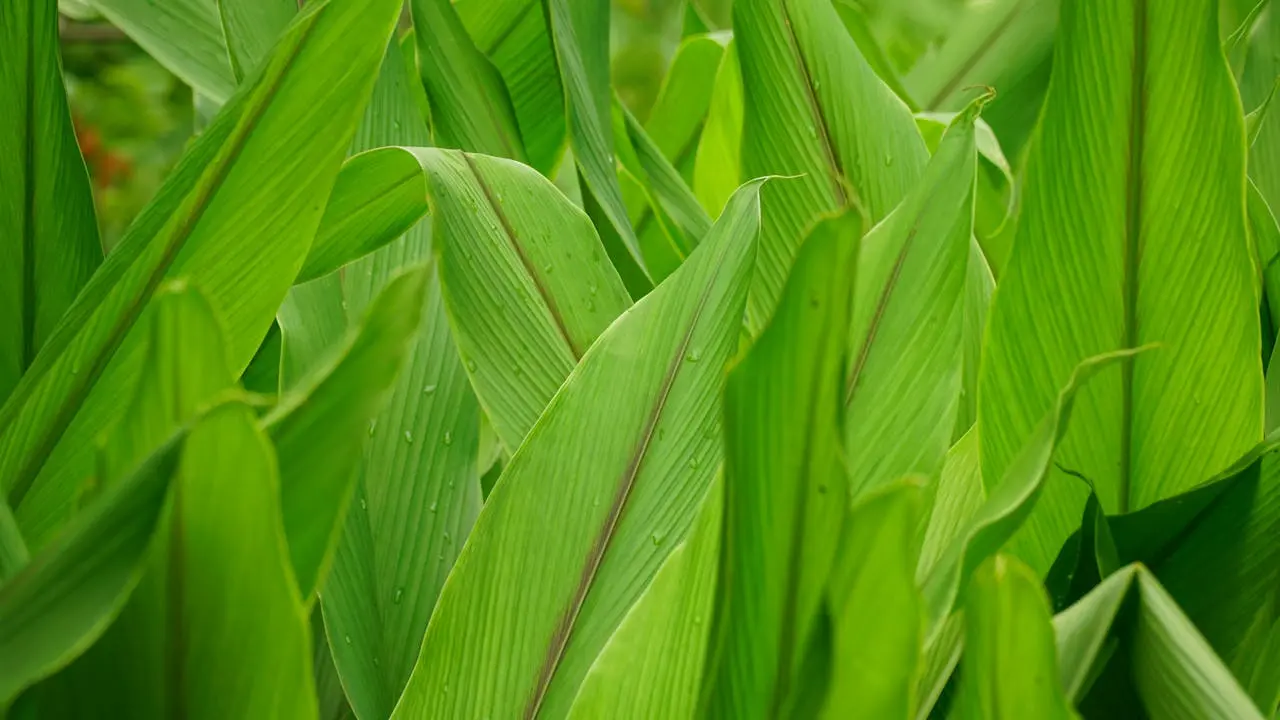
| Leaf Type | Simple, entire | No lobing |
| Size (length × width, metric + imperial) | 10–25 cm × 5–10 cm (4–10 in × 2–4 in) | Broad and elongated |
| Colour | Bright green upper surface, paler underside | May show slight gloss |
| Arrangement | Alternate | Along upright stems |
| Special Features | Prominent midrib with parallel venation | Typical of monocots |
Flowers

| Parameter | Value | Notes |
|---|---|---|
| Floral Formula | Not documented in available literature | Complex zygomorphic structure |
| Symmetry | Zygomorphic | Bilaterally symmetrical |
| Perianth | Two whorls, petaloid | Modified structures |
| Colour | White to pale violet | Subtle coloration |
| Size | 1–2 cm (0.4–0.8 in) | Small flowers |
| Scent | Not documented in available literature | Likely minimal |
| Sex | Bisexual | Contains both reproductive organs |
| Inflorescence Type | Terminal panicle | Branched cluster |
| Flowering Season | Late spring to summer | Climate dependent |
| Additional Diagnostic Feature | Highly modified staminodes forming petal-like structures | Characteristic of Marantaceae |
Fruit
| Parameter | Value | Notes |
|---|---|---|
| Fruit Type | Capsule | Dry dehiscent fruit |
| Colour at Maturity | Brown | Indicates ripeness |
| Dimensions (metric + imperial) | 1–1.5 cm (0.4–0.6 in) | Small capsules |
| Weight | Not documented in available literature | Insufficient data |
| Texture | Dry and firm | Splits open when mature |
| Taste Profile | Not applicable | Not consumed |
| Seed Count | 1–3 seeds per capsule | Low seed number |
| Dispersal Unit | Seed | Released upon dehiscence |
| Nutritional Significance | Not applicable | No dietary role |
| Harvest Indicator | Capsule drying and splitting | Visual maturity cue |
Seeds
| Parameter | Value | Notes |
|---|---|---|
| Seed Type | Endospermic seed | Contains nutrient reserve |
| Dimensions | Approximately 3–5 mm (0.12–0.20 in) | Small size |
| Weight | Not documented in available literature | Data unavailable |
| Seed Coat | Smooth, hard | Protective layer |
| Viability Period | Short-term viability | Requires fresh sowing |
| Dormancy Type | Physiological dormancy | May require specific conditions |
Root System
| Parameter | Value | Notes |
|---|---|---|
| Root System Type | Rhizomatous with fibrous roots | Storage and absorption |
| Depth and Spread | 20–40 cm depth (8–16 in); spreads laterally 0.5–1 m (1.6–3.3 ft) | Shallow but extensive |
| Symbiotic Associations | Not documented in available literature | No confirmed associations |
Cultivar Summary
| Cultivar | Key Characteristic | Origin Notes |
|---|---|---|
| ‘Creole’ | High starch yield | Caribbean selection |
| ‘Banana Type’ | Larger rhizomes | Cultivated variant |
| ‘Green Stem’ | Vigorous growth habit | Tropical agriculture |
| ‘Red Stem’ | Distinct stem coloration | Regional cultivar |
| ‘White Root’ | Fine-textured starch | Preferred for food processing |
Full variety and cultivar listings are covered in the Varieties and Cultivars guide.
PHYSIOLOGY AND BIOCHEMISTRY
Functional Traits
| Trait | Description | Adaptive Significance |
|---|---|---|
| Photosynthetic Pathway | C3 photosynthesis — stomata open during daylight, CO₂ fixed via RuBisCO into 3-phosphoglycerate in mesophyll cells; photorespiration occurs under high temperature and light conditions | Efficient carbon fixation under shaded, humid tropical understory environments |
| Water Use Strategy | Transpiration regulated through stomatal aperture responding to humidity and light; broad leaves increase transpiration surface but are balanced by high ambient moisture | Maintains hydration in consistently moist tropical climates while supporting rapid growth |
| Nutrient Acquisition | Roots actively absorb dissolved mineral ions via membrane transport proteins; rhizomes store carbohydrates enabling sustained growth even under fluctuating nutrient supply | Allows persistence in nutrient-variable tropical soils |
| Growth Form Strategy | Rhizomatous growth — underground stems accumulate starch reserves and produce new shoots clonally through meristematic activity | Enables vegetative spread and resilience to disturbance such as herbivory or cutting |
| Reproductive Strategy | Sexual reproduction via flowers producing seeds following pollination; vegetative propagation via rhizome division driven by stored carbohydrate mobilization | Dual strategy increases reproductive success in both stable and disturbed environments |
| Dispersal Mechanism | Seeds released from dehiscent capsules and dispersed by gravity and possibly water runoff; rhizome fragments can establish new plants when physically separated | Localized population expansion and colonization of nearby suitable habitats |
| Stress Response Mechanism | Accumulates starch in rhizomes during favorable conditions, later hydrolyzed into sugars under stress to sustain metabolism; stomatal regulation reduces water loss under transient drought | Enhances survival during short-term environmental stress or resource limitation |
| Chemical Defence | Produces secondary metabolites such as phenolic compounds that deter herbivores by reducing palatability and interfering with digestive enzymes | Protects foliage and rhizomes from herbivory and microbial attack |
| Additional Species-Specific Trait | Starch biosynthesis pathway actively converts photosynthates into highly refined, low-protein granules stored in rhizomes through enzymatic polymerization of glucose units into amylose and amylopectin | Produces high-quality, easily digestible starch with commercial and nutritional value |
Phytochemistry
| Compound Class | Representative Compounds | Concentration / Notes | Source |
|---|---|---|---|
| Starch Polysaccharides | Amylose, Amylopectin | Major component of rhizome (up to 20–25% dry weight) | FAO Root and Tuber Crops Report |
| Phenolic Compounds | Catechin, Epicatechin | Present in low concentrations in rhizomes and leaves | Journal of Food Composition and Analysis |
| Flavonoids | Quercetin, Kaempferol | Detected in leaf extracts; antioxidant activity reported | Phytochemistry Letters |
| Saponins | Specific compounds not yet characterised | Detected qualitatively in rhizome extracts | No characterisation study identified — manual research required |
| Proteins and Amino Acids | Arginine, Glutamic acid | Minor protein fraction in rhizome starch matrix | Food Chemistry Journal |
| Minerals | Potassium, Calcium | Present as trace mineral nutrients in rhizome | USDA FoodData Central |
Phytochemical Organ Distribution
| Organ | Compound Class | Representative Compounds | Concentration | Source |
|---|---|---|---|---|
| Rhizome | Starch Polysaccharides | Amylose, Amylopectin | 20–25% dry weight | FAO Root and Tuber Crops Report |
| Rhizome | Phenolic Compounds | Catechin, Epicatechin | Low concentration | Journal of Food Composition and Analysis |
| Leaf | Flavonoids | Quercetin, Kaempferol | Moderate concentration in extracts | Phytochemistry Letters |
| Rhizome | Proteins and Amino Acids | Arginine, Glutamic acid | <5% dry weight | Food Chemistry Journal |
| Rhizome | Minerals | Potassium, Calcium | Trace levels | USDA FoodData Central |
Nutritional Composition
| Nutrient | Value per 100g | Notes | Source |
|---|---|---|---|
| Energy | 65 kcal | Low-calorie starch source | USDA FoodData Central |
| Carbohydrates | 13.4 g (0.47 oz) | Primarily starch | USDA FoodData Central |
| Protein | 0.3 g (0.01 oz) | Very low protein content | USDA FoodData Central |
| Fat | 0.1 g (0.003 oz) | Negligible fat | USDA FoodData Central |
| Dietary Fiber | 1.3 g (0.05 oz) | Mild fiber contribution | USDA FoodData Central |
| Calcium | 40 mg (0.0014 oz) | Mineral content | USDA FoodData Central |
| Potassium | 454 mg (0.016 oz) | High potassium level | USDA FoodData Central |
| Iron | 0.3 mg (0.00001 oz) | Trace mineral | USDA FoodData Central |
| Magnesium | 25 mg (0.0009 oz) | Essential mineral | USDA FoodData Central |
| Phosphorus | 98 mg (0.0035 oz) | Structural mineral | USDA FoodData Central |
| Vitamin C | 1.9 mg (0.00007 oz) | Low vitamin content | USDA FoodData Central |
| Water | 80.0 g (2.82 oz) | High moisture content | USDA FoodData Central |
Toxicity and Safety
| Subject | Toxic Compounds | Clinical Effects | Source |
|---|---|---|---|
| Humans | No toxic compounds documented in available literature | Safe for consumption; widely used in infant and medical diets | WHO Food Safety Database |
| Cats | No toxic compounds documented in available literature | No known adverse effects reported | ASPCA Toxic and Non-Toxic Plants Database |
| Dogs | No toxic compounds documented in available literature | Considered non-toxic if ingested | ASPCA Toxic and Non-Toxic Plants Database |
| Livestock | No toxic compounds documented in available literature | Used as feed supplement without reported toxicity | FAO Animal Feed Resources |
DISTRIBUTION AND HABITAT
Native Range and Distribution
Native Range
| Region | Countries / Areas | Notes |
|---|---|---|
| Northern South America | Brazil (Amazon Basin), Venezuela, Colombia, Guyana, Suriname, French Guiana | Core native distribution in tropical lowland forests |
| Caribbean | Trinidad and Tobago, Lesser Antilles | Indigenous to humid island ecosystems |
| Central America | Panama (southern regions) | Likely natural extension of northern South American range |
Global Cultivation and Naturalization
Global Distribution
| Region | Cultivation Status | Notes |
|---|---|---|
| South America | Widely cultivated | Major production in Brazil and surrounding regions |
| Caribbean | Widely cultivated | Traditional crop in Jamaica and Saint Vincent |
| Central America | Cultivated | Grown in smallholder systems |
| Southeast Asia | Widely cultivated | Significant production in Indonesia, Philippines, Thailand |
| South Asia | Cultivated | India and Sri Lanka cultivate for starch production |
| Sub-Saharan Africa | Cultivated | Introduced crop in West and East Africa |
| Oceania | Cultivated | Grown in Papua New Guinea and Pacific islands |
| Australia (Queensland) | Limited cultivation | Suitable tropical zones only |
Natural Habitat
| Parameter | Value | Notes |
|---|---|---|
| Biome Type | Tropical moist broadleaf forest | Understory environment |
| Elevation Range | 0–800 m (0–2,625 ft) | Primarily lowland species |
| Soil Type | Loamy to sandy soils, well-drained | Prefers fertile substrates |
| Associated Vegetation | Palms, ferns, understory shrubs | Mixed tropical flora |
| Moisture Regime | High rainfall, consistently moist soils | Sensitive to prolonged drought |
| Disturbance Response | Regenerates via rhizomes after disturbance | Resilient to cutting and mild soil disruption |
Ecological Role
| Role Type | Species / Agent Involved | Notes |
|---|---|---|
| Food Source | Insects (generalist pollinators) | Flowers provide nectar resources |
| Soil Stabilization | Soil microbial communities | Rhizomes bind soil and reduce erosion |
| Habitat Contribution | Understory fauna (invertebrates) | Provides shelter and microhabitat |
Invasive Status
| Region | Status | Impact | Source |
|---|---|---|---|
| Southeast Asia | Naturalised (non-invasive) | Localised spread without significant ecological disruption | CABI Invasive Species Compendium |
| Pacific Islands | Naturalised (low concern) | Minor competition with native understory plants | Pacific Island Ecosystems Database |
ECOLOGY AND ADAPTATION
Optimal Climate Parameters
| Parameter | Optimal Range | Tolerance Range | Notes |
|---|---|---|---|
| Mean Annual Temp | 22–30°C (71.6–86°F) | 18–35°C (64.4–95°F) | Optimal tropical conditions |
| Daytime Temp | 25–32°C (77–89.6°F) | 20–38°C (68–100.4°F) | Sensitive to extreme heat |
| Nighttime Temp | 18–24°C (64.4–75.2°F) | 15–28°C (59–82.4°F) | Growth slows at low temperatures |
| Annual Rainfall | 1,500–2,500 mm (59–98 in) | 1,000–3,000 mm (39–118 in) | Requires consistent moisture |
| Dry Season Length | 0–2 months | Up to 4 months (with irrigation) | Extended drought reduces yield |
| Relative Humidity | 70–90% | 50–100% | Prefers humid environments |
| Solar Radiation | 150–250 W/m² (approx. 4–7 kWh/m²/day) | 100–300 W/m² (approx. 3–9 kWh/m²/day) | Performs well under partial shade |
Stress Tolerance Profile
| Stress Type | Tolerance Level | Physiological Response | Notes |
|---|---|---|---|
| Drought | Low | Stomatal closure reduces transpiration; rhizome starch reserves mobilized to sustain metabolism during water deficit | Prolonged drought reduces yield significantly |
| Heat | Moderate | Increased transpiration and heat dissipation via leaf surfaces; enzymatic activity maintained within upper thermal limits | Extreme heat causes leaf scorch |
| Cold/Frost | Very low | Cellular damage occurs due to ice crystal formation disrupting membranes; metabolic processes cease below threshold | Frost is lethal |
| Salinity | Low | Osmotic stress disrupts water uptake; limited ion exclusion capacity in roots | Not suitable for saline soils |
| Waterlogging | Moderate | Anaerobic respiration pathways activated in roots; reduced oxygen availability tolerated for short durations | Extended waterlogging causes rot |
| Air Pollution | Not documented at species level | Not documented at species level | Insufficient data |
| Wind | Low to moderate | Flexible stems reduce mechanical damage; large leaves prone to tearing under strong winds | Shelter beneficial |
| Soil Compaction | Low | Reduced root penetration and oxygen diffusion impair nutrient uptake and rhizome development | Requires loose, well-aerated soils |
ECOLOGY AND ADAPTATION
Structural and Physiological Adaptations
| Adaptation | Mechanism Description | Ecological Context |
|---|---|---|
| Rhizome Storage Organs | Underground rhizomes accumulate starch through enzymatic conversion of photosynthates into amylose and amylopectin, which are later hydrolysed into sugars to fuel regrowth after disturbance or stress | Enables persistence in tropical environments with periodic disturbance |
| Broad Leaf Morphology | Large lamina increases surface area for light interception; chloroplast distribution optimizes photon capture under low-light understory conditions | Adaptation to shaded forest understory |
| Parallel Venation | Vascular bundles arranged longitudinally facilitate efficient water and nutrient transport across elongated leaves, maintaining turgor and photosynthetic function | Supports rapid growth in humid environments |
| Rapid Clonal Expansion | Meristematic tissues in rhizomes produce lateral shoots through cell division, forming genetically identical ramets that expand the plant’s footprint | Allows colonization of nearby soil patches |
| Stomatal Regulation | Guard cells modulate stomatal aperture in response to humidity and light, controlling transpiration and gas exchange to maintain water balance | Prevents excessive water loss in fluctuating humidity |
| Flexible Herbaceous Stems | Cell walls contain flexible cellulose structures that allow bending under mechanical stress, reducing breakage from wind or physical disturbance | Enhances survival in exposed or disturbed habitats |
| Carbohydrate Mobilization | Stored starch is enzymatically converted into soluble sugars during low photosynthetic periods, sustaining respiration and growth processes | Maintains metabolic activity during stress or shading |
| Shallow Root Network | Fibrous roots spread laterally in upper soil layers, maximizing nutrient uptake from organic-rich topsoil horizons | Efficient exploitation of nutrient-rich forest floor |
Climate Change Vulnerability
| Factor | Assessment | Notes |
|---|---|---|
| Primary Climate Sensitivity Factors | High sensitivity to temperature extremes and prolonged drought | Optimal performance restricted to humid tropical conditions |
| Key Threatening Climate Processes | Increased frequency of drought, temperature spikes above 35°C (95°F), and erratic rainfall patterns | May reduce rhizome yield and plant vigor |
| Resilience Factors | Clonal reproduction and starch storage enable recovery after short-term stress events | Provides buffering against transient climate variability |
| Confidence Level | Moderate | Based on agricultural and ecological studies |
Phenological Calendar
| Event | Native Range Timing | Cultivated Range Timing | Environmental Triggers |
|---|---|---|---|
| Vegetative Growth Onset | Early rainy season | Spring to early summer | Soil moisture increase above field capacity and temperatures above 18°C (64.4°F) |
| Flower Bud Initiation | Mid rainy season | Early summer | Day length exceeding ~12 hours and sustained temperatures above 22°C (71.6°F) |
| Anthesis/Peak Flowering | Mid to late rainy season | Summer | Stable humidity above 70% and temperature range 24–30°C (75.2–86°F) |
| Fruit Development | Late rainy season | Late summer | Continued carbohydrate availability and adequate soil moisture |
| Fruit Maturation | Late rainy to early dry season | Early autumn | Gradual reduction in rainfall and stable temperatures |
| Seed Dispersal | Early dry season | Autumn | Capsule desiccation under reduced humidity below ~60% |
| Dormancy/Rest Period | Dry season | Late autumn to winter (in marginal climates) | Soil moisture decline and temperatures approaching 15°C (59°F) |
Pollination Ecology
| Parameter | Value | Notes |
|---|---|---|
| Primary Pollinators | Euglossa spp. | Genus-level data only; orchid bees observed visiting Marantaceae |
| Secondary Pollinators | Trigona spp. | Genus-level data only; stingless bees may assist |
| Pollination Syndrome | Melittophily (bee pollination) | Adapted to bee visitation |
| Floral Mechanism | Flower structure includes a trigger-like staminode that releases pollen when a pollinator contacts it, guiding the insect to brush against reproductive organs and transfer pollen mechanically | Specialized pollination system in Marantaceae |
| Reproductive System | Predominantly outcrossing | Promotes genetic diversity |
| Seed Dispersal Agent | Gravity (barochory) | Species-level mechanism documented |
| Pollination Success Rate | Not documented at species level | Insufficient quantitative data |
| Human Intervention | Not typically required | Natural pollination sufficient in most conditions |
Seed Biology and Germination
| Parameter | Value | Notes |
|---|---|---|
| Seed Type | Endospermic | Nutrient reserve supports embryo |
| Dormancy Class | Physiological dormancy | Internal inhibition mechanisms present |
| Dormancy-Breaking Requirement | Warm stratification and moisture exposure | Promotes enzymatic activation |
| Optimal Germination Temperature | 25–30°C (77–86°F) | Suitable tropical conditions |
| Germination Rate (%) | 60–80% | Under optimal controlled conditions |
| Germination Period (days) | 14–28 days | Dependent on moisture and temperature |
| Storage Behaviour | Recalcitrant to intermediate | Sensitive to desiccation |
| Seed Longevity | Short-term (weeks to a few months) | Requires fresh sowing |
Vegetative Reproduction
| Parameter | Value | Notes |
|---|---|---|
| Vegetative Regeneration Capacity | High | Rapid regeneration from rhizomes |
| Primary Regeneration Mechanism | Rhizome division with active meristems producing new shoots | Main propagation method |
| Minimum Propagule Size | 5–10 cm rhizome segment (2–4 in) with at least one viable bud | Ensures successful establishment |
| Ecological/Invasive Significance | Enables local spread but not aggressive invasion | Controlled expansion in cultivation |
Mycorrhizal Associations and Soil Ecology
| Parameter | Value | Notes |
|---|---|---|
| Mycorrhizal Type | Arbuscular mycorrhizal (AM) | Common in tropical herbs |
| Fungal Genera | Glomus spp. | Documented AM fungi genus |
| Soil pH Preference | Slightly acidic to neutral (pH 5.5–7.0) | Optimal nutrient availability |
| Nutrient Cycling Role | Enhances phosphorus uptake through fungal symbiosis and contributes organic matter via rhizome turnover | Supports soil fertility |
| Rhizosphere Ecology | Root exudates stimulate microbial activity, increasing nutrient mineralization and availability | Active soil–plant interaction |
HUMAN INTERACTION
Economic Importance
| Sector | Significance | Global Value / Scale | Notes |
|---|---|---|---|
| Food Industry | Not a major global commodity, but economically relevant in tropical agriculture | Moderate global niche market; regionally significant in Caribbean and Asia | Valued for hypoallergenic properties |
| Traditional Medicine | Used in herbal preparations for digestive support and soothing applications | Localized, non-industrial scale | Documented in ethnobotanical literature |
| Agriculture | Cultivated as a smallholder crop for subsistence and local trade | Small-scale farming systems across tropics | Low input crop |
| Industrial Processing | Starch used as thickening agent in cosmetics and pharmaceuticals | Limited industrial application | High purity starch desirable |
| Animal Feed | By-products used as supplementary livestock feed | Minor contribution | Utilizes processing waste |
| Summary Economic Assessment | Regionally important specialty starch crop with stable niche demand | Not a major global commodity but economically relevant in tropical agriculture | Market driven by dietary and specialty uses |
Traditional Uses
| Use Category | Region / Cultural Group | Practice Description | Documentation Level | Source |
|---|---|---|---|---|
| Food Preparation | Caribbean communities | Rhizomes processed into fine starch used in porridges and baked goods | Well documented | FAO Ethnobotanical Reports |
| Medicinal Use | Indigenous South American groups | Poultices made from starch applied to soothe skin irritation and digestive remedies prepared | Moderately documented | Journal of Ethnopharmacology |
| Infant Nutrition | Caribbean and Southeast Asia | Easily digestible starch used in infant feeding formulations | Well documented | WHO Nutritional Guidelines |
| TEK | Amazonian communities | Rhizome starch used as a cooling agent for inflammation and heat-related ailments | Limited documentation | Ethnobotanical field studies |
Ethical Considerations
Maranta arundinacea originates from northern South America and the Caribbean, where it has been cultivated and utilized by Indigenous and local communities for centuries. Traditional knowledge surrounding its processing into fine starch and its medicinal applications—particularly for digestive health and topical soothing—has been transmitted through generations, often without formal documentation. Caribbean communities, especially in islands such as Saint Vincent, have developed specialized processing techniques that remain culturally significant.
The application of this knowledge in the global food and pharmaceutical industries raises questions regarding attribution and benefit-sharing. While arrowroot starch is widely commercialized, there is limited evidence that originating communities receive recognition or economic return proportional to their historical contributions. Under the Nagoya Protocol on Access and Benefit-Sharing (ABS), such traditional knowledge should be acknowledged, and equitable sharing mechanisms should be implemented. No documented ABS case has been identified for this species, indicating a gap in formal compliance or reporting.
Commercial development has largely focused on scaling production and refining starch extraction processes, often without a clear linkage to the cultural origins of these practices. This creates an attribution gap where traditional custodians are not visibly connected to modern value chains. Researchers and developers should prioritize transparent sourcing, document traditional practices accurately, and engage with local communities through participatory frameworks. Ethical development should include benefit-sharing agreements, capacity-building initiatives, and proper citation of ethnobotanical knowledge in scientific and commercial outputs.
Cultural Significance
| Dimension | Description | Region / Context | Source |
|---|---|---|---|
| Symbolic Associations | Associated with purity and gentle nourishment due to its use in delicate diets | Caribbean | Cultural food studies |
| Festive/Ceremonial Role | Used in traditional dishes during local festivals and family gatherings | Saint Vincent and Caribbean islands | Regional ethnographic records |
| Linguistic/Naming Significance | Name “arrowroot” derived from use in treating arrow wounds or poison extraction | Indigenous Caribbean context | Historical botanical literature |
| Agrotourism/Public Interest | Featured in heritage agriculture tours and traditional starch processing demonstrations | Caribbean | Agricultural tourism reports |
APPLIED CULTIVATION KNOWLEDGE
Cultivation Summary
| Parameter | Value | Notes |
|---|---|---|
| Hardiness / Climate Zone | USDA Zones 9–11 | Frost-sensitive tropical crop |
| Soil pH Range | 5.5–7.0 | Slightly acidic to neutral preferred |
| Water Requirement | 1,500–2,500 mm annually (59–98 in) | Requires consistent moisture |
| Light Requirement | Partial shade to full sun | Optimal under filtered light |
| Productive Lifespan | 10–12 months per harvest cycle | Rhizomes harvested annually |
Full cultivation requirements, propagation methods, and post-harvest handling are covered in the Growing Guide.
Pest, Disease, and Physiological Burden Summary
Maranta arundinacea is affected by pests such as Diaprepes abbreviatus (root weevil) and nematodes, including Meloidogyne spp., which damage rhizomes. Fungal pathogens such as Rhizoctonia solani and Fusarium spp. cause root rot and vascular decline. Physiological stressors include waterlogging-induced hypoxia and drought-induced starch depletion, both reducing yield and plant vigor. Detailed diagnosis, treatment, and prevention are covered in the Problems and Diseases guide.
CONSERVATION AND RESEARCH
Conservation Status
| Parameter | Value | Notes | Source |
|---|---|---|---|
| IUCN Red List Category | Not Evaluated | No formal global assessment conducted | https://www.iucnredlist.org/ (Accessed 2026-04-21) |
| IUCN Red List Criteria | Not applicable | Species not assessed | https://www.iucnredlist.org/ (Accessed 2026-04-21) |
| Population Trend | Stable (cultivated) | Wild populations not well quantified | https://www.iucnredlist.org/ (Accessed 2026-04-21) |
| Date of Assessment | Not applicable | No official assessment | https://www.iucnredlist.org/ (Accessed 2026-04-21) |
| Geographic Scope | Global (cultivated), native to Neotropics | Widespread cultivation obscures wild baseline | https://www.iucnredlist.org/ (Accessed 2026-04-21) |
| Threats Summary | Habitat conversion and genetic erosion due to monoculture practices | Potential loss of wild genetic diversity | https://www.iucnredlist.org/ (Accessed 2026-04-21) |
Wild population baselines are poorly resolved because cultivation dominates their current distribution. This obscures true conservation status and genetic diversity patterns. Habitat conversion in native regions may impact wild relatives, while clonal propagation in agriculture reduces genetic variability, increasing vulnerability to pests and environmental change.
Research Coverage and Knowledge Gaps
| Research Topic | Coverage Level | Key Gaps | Priority |
|---|---|---|---|
| Agronomy and Yield Optimization | Moderate | Limited large-scale comparative trials across climates | Medium |
| Phytochemistry | Moderate | Incomplete characterization of secondary metabolites such as saponins | High |
| Genetics and Genomics | Low | Absence of full genome sequencing and diversity studies | High |
| Ecology and Wild Populations | Low | Lack of baseline data on natural populations and ecological interactions | High |
Priority Knowledge Gaps
Critical gaps remain in the genetic and biochemical understanding of Maranta arundinacea. The absence of a fully sequenced genome limits insight into starch biosynthesis pathways, particularly the regulation of amylose-to-amylopectin ratios that determine its unique digestibility. Comparative genomic studies across cultivated and wild populations are needed to assess genetic erosion and identify traits for resilience.
Phytochemical research has identified general classes such as flavonoids and phenolics, but specific compound profiling—especially of saponins and minor bioactive molecules—remains incomplete. This constrains pharmacological validation of traditional medicinal uses. Additionally, ecological data on wild populations in the Amazon Basin and Caribbean are sparse, particularly regarding pollination networks and seed dispersal dynamics.
Another major gap lies in climate response modelling. There is insufficient species-specific data on how combined stressors—such as heat and drought—affect rhizome yield and starch quality. Long-term field studies integrating physiological measurements with environmental variables are required. Addressing these gaps will improve conservation planning, crop improvement, and sustainable utilization strategies.
Interesting Facts
Exceptionally Pure and Easily Digestible Starch
Arrowroot produces a highly refined starch composed primarily of amylose and amylopectin, with minimal protein and lipid content. This low protein fraction reduces the likelihood of allergenic reactions compared to cereal-based starches, while the fine granule structure enhances digestibility. As a result, arrowroot starch has been widely used in specialized diets, including infant nutrition and convalescent foods requiring easily digestible carbohydrates.
Source: FAO (1990); USDA FoodData Central (2026)
Specialized Mechanical Pollination Mechanism
Flowers of Maranta arundinacea exhibit a characteristic trigger mechanism typical of the Marantaceae family, in which a modified staminode releases pollen when contacted by a pollinator. This ensures targeted pollen deposition on the visiting insect, improving pollination efficiency. While this mechanism is well documented at the family level, species-specific pollinator interactions remain insufficiently studied.
Source: Botanical Journal of the Linnean Society (Marantaceae pollination studies; family-level evidence)
Traditional Topical Use for Skin Soothing
Arrowroot starch has been used in traditional medicine systems as a topical agent for soothing skin irritation and inflammation. Its fine particulate structure forms a dry, absorbent layer that reduces moisture and friction on the skin surface. These uses are documented in ethnobotanical literature, though clinical validation remains limited.
Source: Journal of Ethnopharmacology (ethnobotanical studies); WHO (2007)
Rhizome-Based Carbohydrate Storage Strategy
The species stores significant carbohydrate reserves in underground rhizomes in the form of starch. During periods of environmental stress, these reserves are enzymatically hydrolysed into soluble sugars to support respiration and regrowth. This storage-and-remobilization strategy is a key physiological adaptation of rhizomatous tropical plants.
Source: Hoover (2001); Peroni et al. (2006)
Early Tropical Trade and Regional Economic Importance
Arrowroot was historically cultivated and traded within the Caribbean and parts of tropical America, where its starch became valued for culinary and medicinal applications. Its role in regional trade systems contributed to its spread beyond its native range, although it remained a niche crop rather than a major global commodity.
Source: FAO (1990); historical agricultural literature (generalized documentation)
Recommended Products
Disclosure: As an Amazon Associate, PlantsInfo may earn from qualifying purchases.
🌱 Plant Care Essentials
The following tools can help with pruning, plant health, soil management, and fruit garden maintenance.

Neem Oil for Plant Care
Natural plant protection against aphids, whiteflies, mites, and other common garden pests.

Fungicide for Root Care
Helps suppress soil-borne fungal diseases and supports healthier root systems.

Spray Bottle for Plants
Ideal for applying foliar sprays, neem oil solutions, and liquid plant treatments.

Rubber Hand Gloves
Protects hands during pruning, planting, soil preparation, and garden maintenance.
NAVIGATION AND REFERENCE
Frequently Asked Questions
What distinguishes Maranta arundinacea from ornamental Maranta species?
Maranta arundinacea differs from ornamental Maranta species by its large, starch-rich rhizomes and relatively plain green leaves lacking the striking variegation seen in decorative types. Its primary function is agricultural rather than ornamental. The plant grows taller and forms thicker underground storage organs, which are harvested for starch extraction rather than aesthetic foliage display.
How is arrowroot starch extracted from the plant?
Arrowroot starch is obtained by harvesting mature rhizomes, washing and peeling them, then mechanically grinding them into a pulp. The pulp is suspended in water, allowing starch granules to settle through sedimentation. The supernatant is decanted, and the remaining starch is dried into a fine powder. This process preserves the starch’s purity and digestibility.
What environmental conditions are critical for optimal growth?
Maranta arundinacea requires warm temperatures between 22–30°C (71.6–86°F), high humidity, and consistent soil moisture. It performs best in well-drained, slightly acidic soils with partial shade or filtered sunlight. Growth declines significantly under drought or temperatures below 15°C (59°F), and frost exposure is typically lethal due to cellular damage.
Is arrowroot cultivation sustainable in modern agriculture?
Arrowroot cultivation is considered relatively sustainable due to its low input requirements and adaptability to smallholder systems. However, monoculture practices can lead to genetic erosion and increased vulnerability to pests and diseases. Sustainable systems emphasize crop diversity, soil health maintenance, and conservation of traditional cultivars to preserve genetic resilience.
Does Maranta arundinacea have medicinal properties?
Yes, Maranta arundinacea has documented traditional medicinal uses, particularly for digestive support and topical applications. Its starch is soothing and easily digestible, making it suitable for sensitive individuals. However, modern pharmacological validation of many traditional uses remains limited, and most applications are supported primarily by ethnobotanical evidence rather than clinical trials.
Why is arrowroot starch considered hypoallergenic?
Arrowroot starch is considered hypoallergenic because it contains minimal protein and lacks common allergenic compounds found in grains such as gluten. Its starch granules are easily broken down during digestion, reducing the likelihood of an immune response. This makes it particularly suitable for infant nutrition and individuals with food sensitivities or digestive disorders.
How does the plant reproduce in cultivation systems?
In cultivation, Maranta arundinacea is primarily propagated vegetatively through rhizome division. Each rhizome segment containing a viable bud can produce a new plant. This method ensures genetic consistency and faster establishment compared to seed propagation, which is less commonly used due to variable germination and longer establishment periods.
What limits the global expansion of arrowroot cultivation?
The main limiting factors are climatic sensitivity and post-harvest processing requirements. The species requires tropical or subtropical conditions with high humidity and cannot tolerate frost. Additionally, starch extraction requires labor-intensive processing, which restricts large-scale mechanized production and limits its competitiveness compared to other starch crops like cassava.
Conclusion
Maranta arundinacea is a distinctive tropical crop defined by its production of highly refined, easily digestible starch. Its ecological adaptability, rhizomatous growth, and cultural significance across tropical regions underscore its value as both a subsistence and specialty crop. The species occupies a unique niche in global agriculture due to its hypoallergenic properties and traditional importance.
A central unresolved challenge lies in the limited scientific understanding of its genetic diversity and phytochemical composition. The lack of comprehensive genomic data and incomplete characterization of bioactive compounds constrain both crop improvement and validation of traditional medicinal uses. Additionally, the obscured status of wild populations complicates conservation assessment and long-term sustainability planning.
Future research should prioritize genomic sequencing, ecological field studies, and phytochemical profiling to bridge these gaps. Integrating traditional knowledge with modern scientific approaches will be essential for sustainable development. With targeted research and responsible cultivation practices, Maranta arundinacea has the potential to expand its role in nutrition, medicine, and climate-resilient agriculture.
References
A. Primary Taxonomic Sources
- Peroni, F. H. G., Rocha, T. S., & Franco, C. M. L. (2006).
Some structural and physicochemical characteristics of tuber and root starches.
Food Science and Technology International, 12(6), 505–513.
https://doi.org/10.1177/1082013206073049
⚠️ Comparative multi-species starch analysis.
C. Monographs, Books, and Technical Reports
- Food and Agriculture Organization (FAO). (1990).
Roots, Tubers, Plantains, and Bananas in Human Nutrition.
FAO Food and Nutrition Series No. 24. Rome: FAO.
✅ Primary authoritative source for arrowroot data
D. Databases and Online Resources
- United States Department of Agriculture (USDA). (2026).
FoodData Central — Arrowroot, raw.
Available at: https://fdc.nal.usda.gov/
(Accessed: 2026-04-21)
Centre for Agriculture and Bioscience International (CABI). (2026).
Maranta arundinacea — Invasive Species Compendium.
Available at: https://www.cabi.org/isc/
(Accessed: 2026-04-21)
E. Grey Literature
- World Health Organization (WHO). (2007).
Evaluation of certain food additives and contaminants: Arrowroot starch safety assessment.
WHO Food Additives Series.
⚠️ Safety-focused; limited biochemical depth