Cocoa (Theobroma cacao L.) Benefits and Uses: An Evidence-Based Guide
Quick Answer
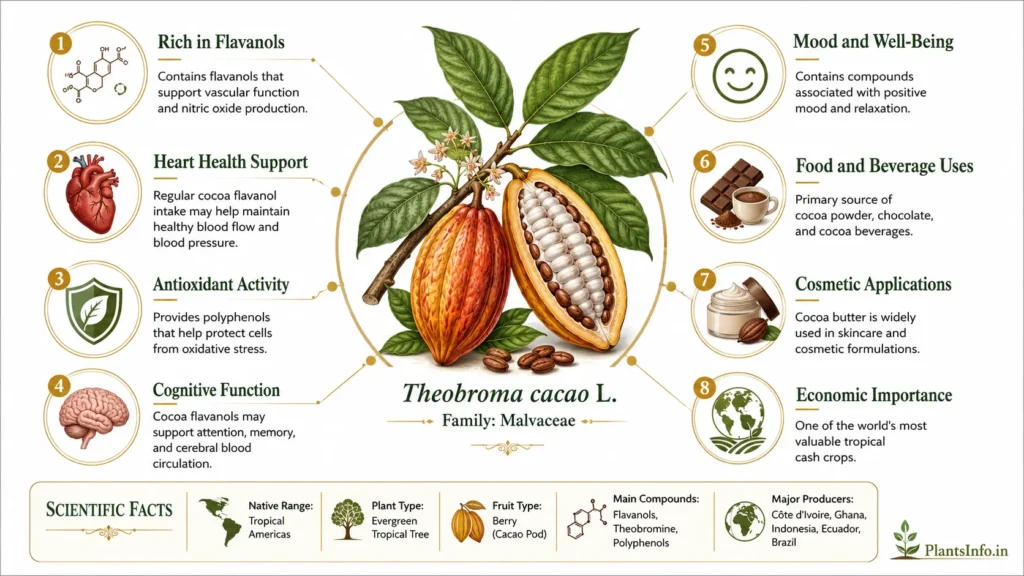
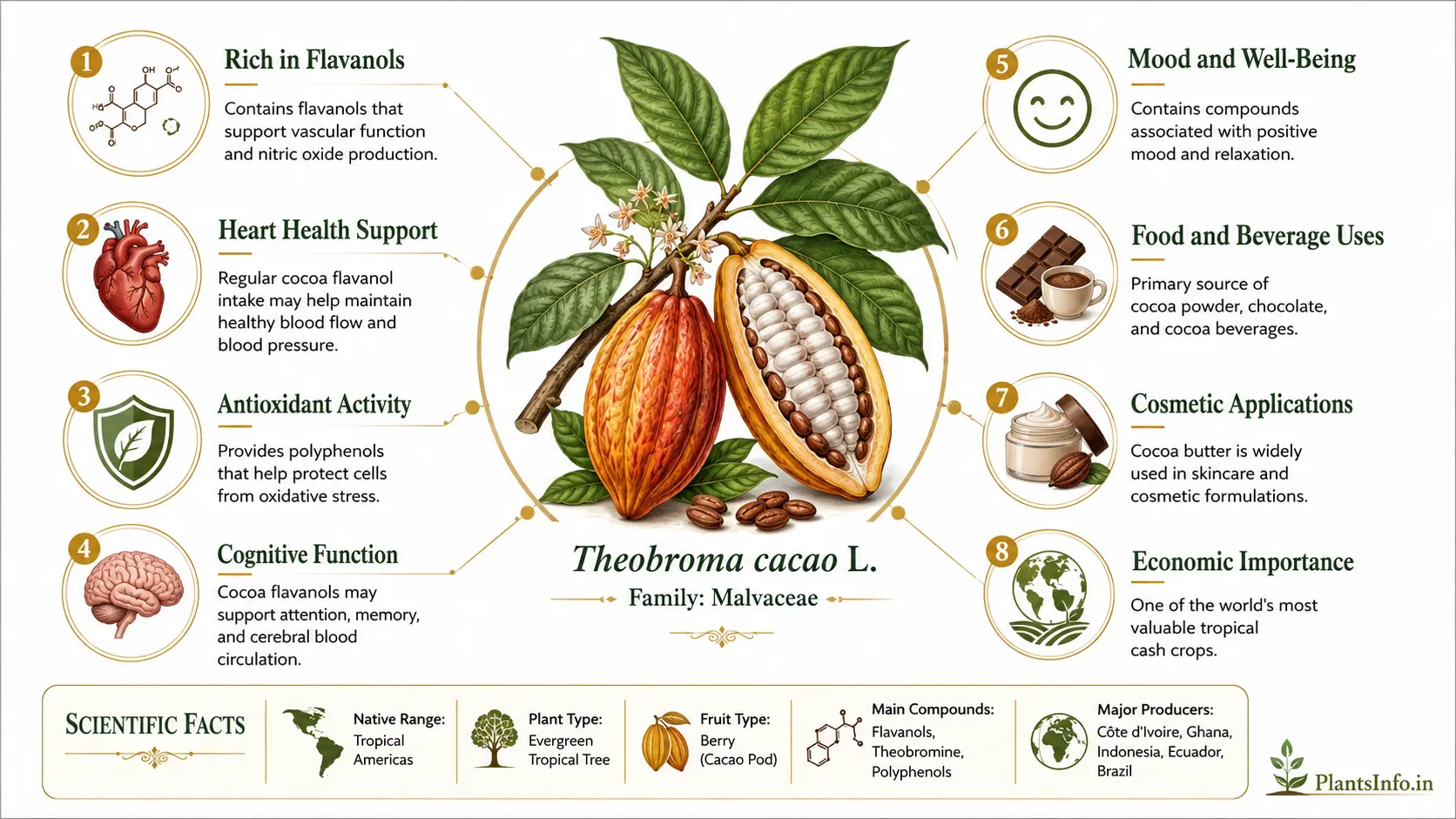
Cocoa (Theobroma cacao L.) is one of the world’s most economically and nutritionally important tropical crops. Its fermented and dried seeds (commonly called cocoa beans) are the primary raw material for cocoa powder, cocoa butter, dark chocolate, milk chocolate, and numerous food, cosmetic, and pharmaceutical products. Beyond its commercial importance, cocoa provides dietary fibre, essential minerals, and naturally occurring polyphenols—particularly flavanols—that have been widely investigated for their potential effects on cardiovascular health, vascular function, cognitive performance, and metabolic health.
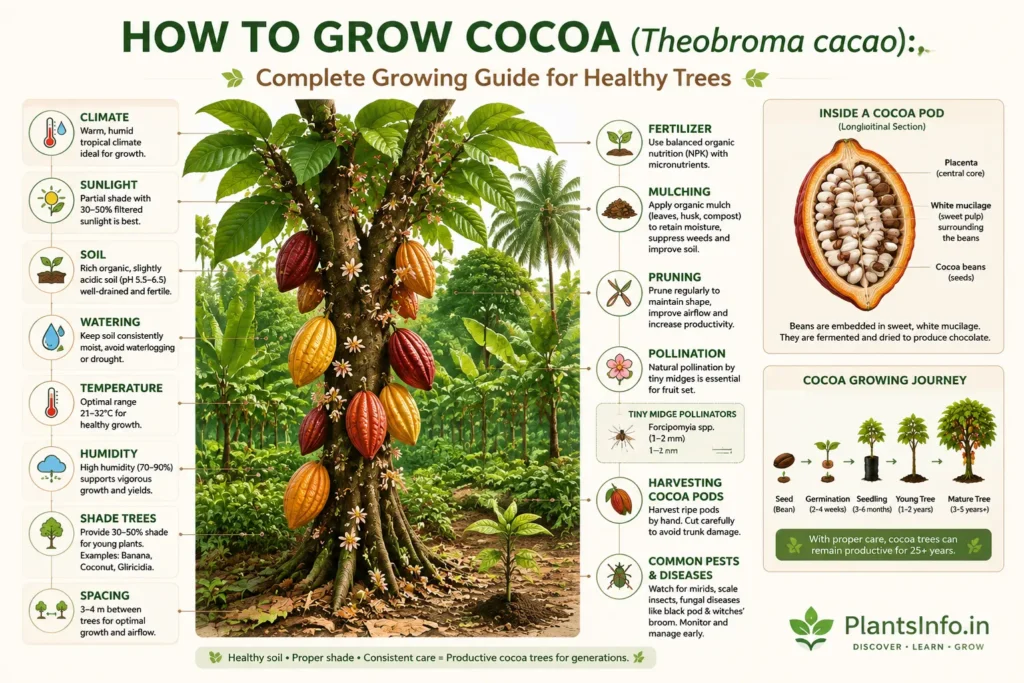
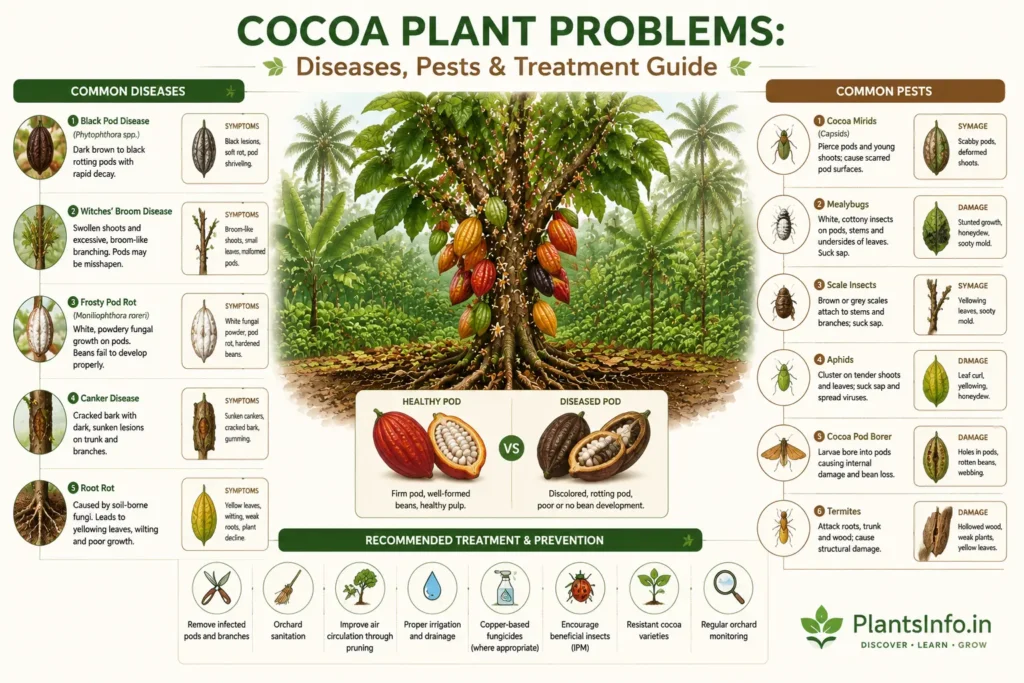
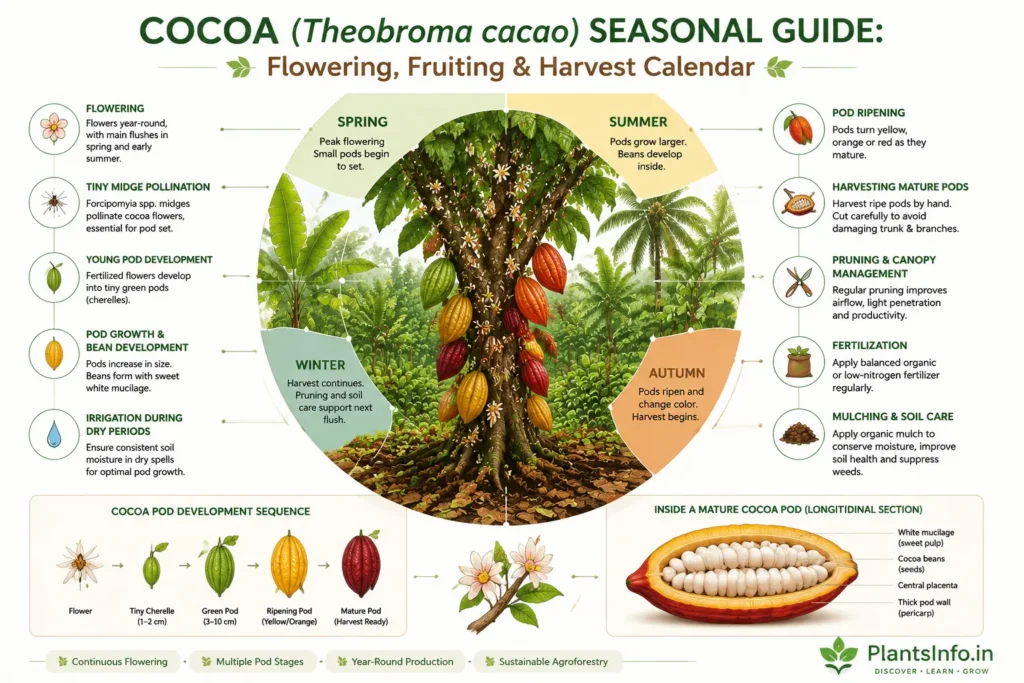
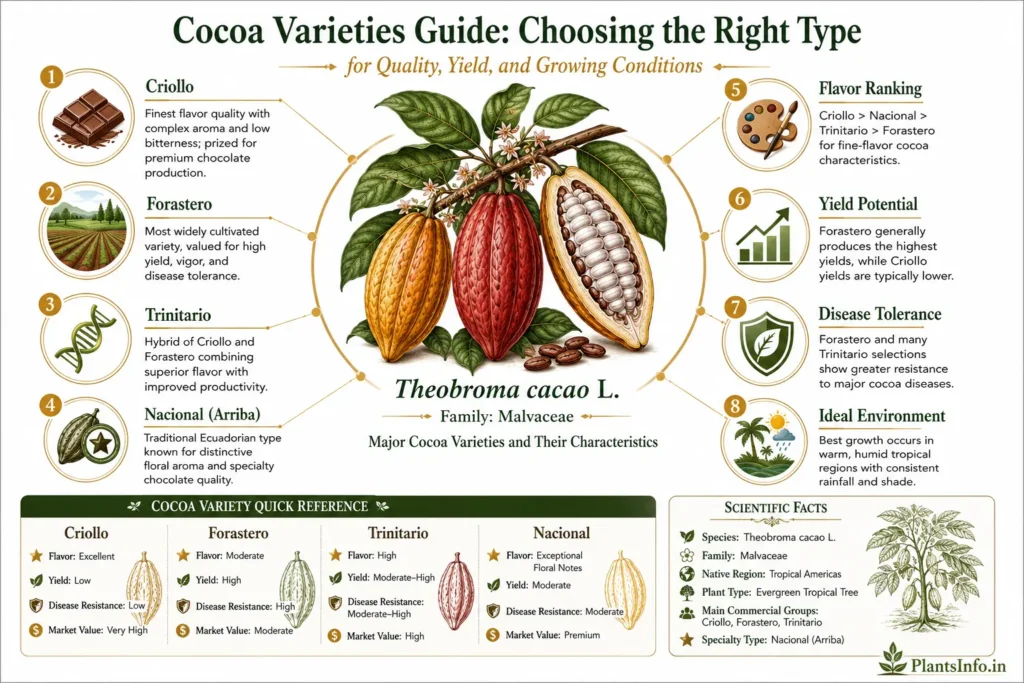
See also: Cocoa plant plant profile, how to grow it, common problems, its flowering season, and its varieties.
The strongest scientific evidence supports cocoa’s value as a nutrient-rich food and a major source of bioactive flavanols. While laboratory and clinical studies suggest several potential health benefits, cocoa should not be regarded as a treatment or cure for disease, and many reported effects depend on the type of cocoa product, processing methods, dosage, and overall dietary pattern.
Recommended Products
Disclosure: As an Amazon Associate, PlantsInfo may earn from qualifying purchases.
🌱 Growing Essentials
The following products can help with container gardening, potting, root development, soil management, and healthy plant growth.

Organic Potting Soil Mix
Provides nutrients, structure, and healthy growing conditions for container plants.

Coco Peat Growing Medium
Enhances moisture retention while maintaining excellent root-zone aeration.

Grow Bags for Plants
Improve drainage, root aeration, and vegetable production in limited spaces.

Plastic Pots for Plants
Ideal containers for seedlings, ornamentals, herbs, and balcony gardens.
Introduction
Few plants have influenced global agriculture, commerce, cuisine, and culture as profoundly as cocoa. Native to the tropical rainforests of Central and South America, Theobroma cacao has been cultivated for thousands of years and today supports the livelihoods of millions of farming households across tropical regions.
Although best known as the source of chocolate, cocoa’s uses extend far beyond confectionery. Different components of the seed yield products with distinct physical and chemical properties:
- Cocoa liquor (cocoa mass) forms the basis of chocolate manufacture.
- Cocoa powder is widely used in beverages, bakery products, desserts, and processed foods.
- Cocoa butter is valued in confectionery, cosmetics, pharmaceuticals, and personal care products because of its unique melting characteristics.
- Cocoa husks and by-products are increasingly utilised in animal feed, composting, biomass production, and value-added agricultural applications.
Scientific interest in cocoa has expanded considerably during the past three decades. Numerous studies have investigated naturally occurring flavanols, methylxanthines (including theobromine and small amounts of caffeine), dietary fibre, and essential minerals found in minimally processed cocoa products. While many findings are encouraging, researchers continue to investigate optimal intake levels, long-term health effects, and the influence of food processing on bioactive compounds.
Quick Benefits Summary
Evidence Summary
| Benefit or Use | Evidence Strength | Summary |
|---|---|---|
| Rich source of flavanols (especially minimally processed cocoa) | Strong | Well documented through analytical chemistry and human nutrition research. |
| Provides essential minerals (magnesium, copper, iron, manganese) | Strong | Cocoa powder contributes meaningful amounts of several dietary minerals. |
| Source of dietary fibre | Strong | Natural cocoa products contain appreciable fibre, although content varies with processing. |
| Supports normal vascular function through flavanol intake | Moderate to Strong | Numerous controlled trials report improvements in endothelial function under specific conditions. |
| Antioxidant activity | Strong (laboratory); Moderate (human relevance) | Cocoa polyphenols demonstrate antioxidant activity, though biological effects are more complex than laboratory assays suggest. |
| Cognitive performance | Moderate | Some studies suggest short-term improvements in cerebral blood flow and selected cognitive tasks; findings remain mixed. |
| Blood pressure support | Moderate | Meta-analyses report small reductions in some populations, particularly with flavanol-rich cocoa. |
| Blood glucose and insulin sensitivity | Limited to Moderate | Research is promising but inconsistent; further long-term studies are required. |
| Weight management | Limited | Evidence does not support cocoa alone as a weight-loss food. |
| Disease prevention or treatment | Insufficient | Cocoa should not be promoted as a treatment or preventive therapy for specific diseases. |
Most Important Evidence-Based Benefits
Current scientific evidence most consistently supports cocoa as:
- A concentrated source of naturally occurring flavanols.
- A food providing important dietary minerals.
- A contributor of dietary fibre.
- An ingredient with demonstrated cardiovascular research interest.
- A valuable agricultural commodity supporting global food systems.
Many popular claims made about cocoa on the internet exceed the available scientific evidence and should therefore be interpreted cautiously.
Nutritional Overview
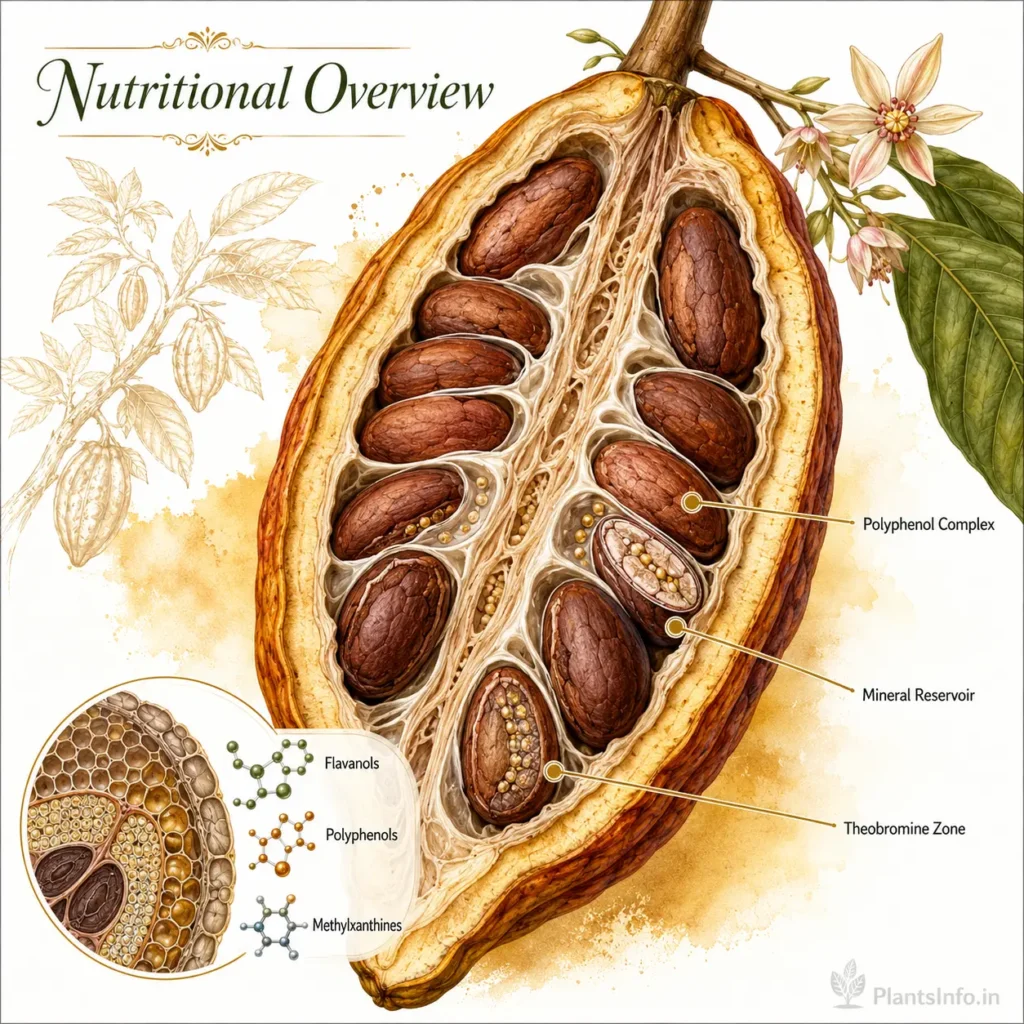
The nutritional composition of cocoa depends greatly on how it is processed. Natural cocoa powder retains many naturally occurring phytochemicals, whereas chocolate products often contain varying amounts of sugar, milk solids, and added fats that substantially alter their nutritional profile.
Consequently, health research frequently focuses on unsweetened cocoa powder or flavanol-rich cocoa preparations rather than commercially manufactured chocolate.
Major Nutritional Components
| Component | Importance |
|---|---|
| Dietary fibre | Supports normal digestive function and contributes to satiety. |
| Protein | Present in moderate amounts in cocoa solids. |
| Fat | Primarily contained within cocoa butter; rich in stearic, oleic, and palmitic fatty acids. |
| Carbohydrates | Naturally present, though commercial products often contain added sugars. |
| Polyphenols | Includes flavanols, catechins, and procyanidins that are extensively studied for biological activity. |
| Methylxanthines | Mainly theobromine with smaller amounts of caffeine. |
Vitamins
Although cocoa is not considered a major source of vitamins compared with fruits and vegetables, it contributes small amounts of several vitamins depending on processing.
These may include:
- Vitamin K
- Several B-complex vitamins in modest quantities
- Trace amounts of vitamin E
Their nutritional contribution is generally less significant than cocoa’s mineral and polyphenol content.
Mineral Profile
Natural cocoa powder is particularly notable for its mineral density.
| Mineral | Physiological Role |
|---|---|
| Magnesium | Supports muscle and nerve function, energy metabolism, and numerous enzymatic reactions. |
| Copper | Essential for iron metabolism, connective tissue formation, and antioxidant enzymes. |
| Iron | Required for oxygen transport and normal red blood cell formation. |
| Manganese | Involved in metabolism, bone health, and antioxidant defence systems. |
| Phosphorus | Supports bone mineralisation and cellular energy transfer. |
| Potassium | Contributes to normal nerve and muscle function. |
| Zinc | Supports immune function and enzyme activity. |
Actual mineral intake depends on serving size and the proportion of cocoa solids in the final food product.
Cocoa Flavanols
Among cocoa’s many constituents, flavanols have attracted the greatest scientific attention.
Important flavanols include:
- (-)-Epicatechin
- (+)-Catechin
- Procyanidins
These compounds belong to the broader family of plant polyphenols and have been investigated for their effects on:
- endothelial function,
- vascular elasticity,
- nitric oxide availability,
- cerebral blood flow,
- and antioxidant-related biological pathways.
However, flavanol content varies enormously according to:
- genotype,
- fermentation,
- drying,
- roasting,
- alkalisation (Dutch processing),
- and manufacturing techniques.
Consequently, two cocoa products with similar appearance may contain substantially different flavanol concentrations.
Methylxanthines
Cocoa naturally contains two principal methylxanthines.
| Compound | Relative Abundance | Characteristics |
|---|---|---|
| Theobromine | High | Mild central nervous system stimulant with pharmacological activity distinct from caffeine. |
| Caffeine | Low | Present in much smaller quantities than coffee or tea. |
Theobromine contributes to cocoa’s characteristic physiological properties and flavour profile while also explaining why cocoa-containing products can be toxic to dogs and several other animal species.
Cocoa Butter
Approximately half of the dry weight of cocoa beans consists of fat, largely extracted as cocoa butter.
Its fatty acid composition is dominated by:
- Stearic acid.
- Oleic acid.
- Palmitic acid.
This unique composition gives cocoa butter its characteristic melting behaviour, making it particularly valuable for chocolate manufacture and numerous cosmetic and pharmaceutical applications.
Dietary Fibre
Natural cocoa powder provides both soluble and insoluble dietary fibre.
Dietary fibre contributes to:
- normal digestive health,
- bowel function,
- satiety,
- and overall dietary quality.
Commercial chocolate products may provide substantially less fibre depending on formulation and cocoa content.
Nutritional Considerations
The nutritional value of cocoa products depends more on product composition than on cocoa alone.
For example:
- Unsweetened cocoa powder differs substantially from sweetened drinking chocolate.
- Dark chocolate generally contains more cocoa solids than milk chocolate, although formulations vary widely.
- Products marketed as “chocolate” may differ considerably in flavanol content, sugar concentration, fat composition, and overall nutritional quality.
Therefore, conclusions drawn from scientific studies using flavanol-rich cocoa preparations should not automatically be applied to all commercial chocolate products.
Practical Perspective
From a nutritional standpoint, cocoa is best viewed as a mineral-rich, polyphenol-containing plant food with substantial scientific interest, rather than as a standalone “superfood.” Its greatest value comes when incorporated into an overall balanced dietary pattern, and the health effects observed in research are influenced by processing methods, serving size, and the composition of the final cocoa product.
Culinary Uses
Cocoa is among the world’s most versatile food ingredients. After harvesting, fermentation, drying, roasting, and processing, cocoa beans yield products that form the foundation of a vast range of foods and beverages.
The flavour, aroma, colour, and functional properties of cocoa vary considerably depending on bean genetics, fermentation quality, roasting conditions, and manufacturing processes.
Cocoa Products Used in Food
| Product | Primary Culinary Use |
|---|---|
| Cocoa liquor (cocoa mass) | Chocolate manufacture |
| Cocoa powder | Beverages, baking, desserts, confectionery |
| Cocoa butter | Chocolate, confectionery, bakery products |
| Cocoa nibs | Snacks, cereals, desserts, specialty baking |
| Dark chocolate | Direct consumption and cooking |
| Milk chocolate | Confectionery and desserts |
| White chocolate* | Confectionery and bakery products |
*White chocolate contains cocoa butter but no cocoa solids.
Beverage Uses
One of cocoa’s oldest and most widespread applications is beverage preparation.
Examples include:
- Hot cocoa.
- Drinking chocolate.
- Traditional spiced cocoa beverages.
- Chocolate-flavoured milk.
- Smoothies.
- Protein beverages.
- Specialty coffee drinks such as mochas.
Unsweetened cocoa powder is often preferred in nutrition-focused recipes because it provides cocoa solids with relatively little added sugar.
Bakery and Confectionery
Cocoa contributes flavour, colour, aroma, and texture to numerous baked products.
Common applications include:
- Cakes.
- Brownies.
- Biscuits.
- Cookies.
- Muffins.
- Pastries.
- Chocolate fillings.
- Frostings.
- Ganache.
- Dessert sauces.
Because cocoa powder contributes relatively little fat compared with chocolate, recipes often require adjustments in butter or oil when substituting one ingredient for another.
Desserts
Cocoa forms the flavour base for many desserts, including:
- Ice cream.
- Chocolate mousse.
- Puddings.
- Custards.
- Cheesecakes.
- Truffles.
- Chocolate syrups.
- Frozen desserts.
The balance between cocoa solids, sugar, and fat strongly influences flavour intensity and texture.
Savoury Applications
Although less common, cocoa also appears in savoury cuisine.
Examples include:
- Mexican mole sauces.
- Dry spice rubs.
- Braised meat dishes.
- Chili preparations.
- Certain regional marinades.
In these dishes, cocoa contributes depth and complexity rather than sweetness.
Cocoa Butter in Food Processing
Cocoa butter possesses unique physical properties.
Its relatively sharp melting point near body temperature contributes to:
- smooth mouthfeel,
- glossy chocolate appearance,
- desirable texture,
- and clean flavour release.
These characteristics explain its continued importance in premium chocolate manufacture despite the availability of alternative vegetable fats.
Cocoa Nibs
Cocoa nibs are roasted fragments of cocoa beans that retain their natural composition.
They are increasingly incorporated into:
- breakfast cereals,
- granola,
- trail mixes,
- yogurt,
- smoothies,
- artisan breads,
- and gourmet desserts.
Compared with finished chocolate, cocoa nibs contain no added sugar and preserve much of the bean’s natural flavour profile.
India Perspective
In India, cocoa consumption has expanded well beyond traditional confectionery.
Growing applications include:
- bakery industries,
- dairy beverages,
- premium chocolates,
- artisanal chocolate production,
- functional foods,
- and gourmet desserts.
Domestic cocoa cultivation also supports a developing bean-to-bar chocolate industry that emphasizes regional flavour characteristics and traceability.
Traditional Uses
Long before modern chocolate production, cocoa held important cultural, ceremonial, and dietary roles among indigenous civilizations of Central and South America.
Traditional uses should be understood within their historical and cultural context rather than interpreted as scientifically validated medical practices.
Traditional Beverage
The earliest documented cocoa preparations consisted primarily of beverages rather than solid chocolate.
Historical preparations often included combinations of:
- ground cocoa,
- water,
- spices,
- maize,
- vanilla,
- chilli,
- and other regional ingredients.
Many of these beverages differed substantially from modern sweetened hot chocolate.
Ceremonial Importance
Among several Mesoamerican civilizations, cocoa held exceptional cultural significance.
Historical records indicate its use in:
- ceremonial gatherings,
- elite feasting,
- religious observances,
- diplomatic exchanges,
- and important social occasions.
Its value extended well beyond nutrition.
Traditional Medicinal Practices
Historical documents describe cocoa being used in traditional systems for a variety of purposes, including:
- supporting general vitality,
- reducing fatigue,
- improving mood,
- promoting digestive comfort,
- and serving as a nourishing beverage.
These historical practices reflect traditional knowledge and should not be interpreted as proof of medical effectiveness.
Traditional Food Preservation
Fermentation, drying, and roasting techniques evolved over centuries to improve:
- flavour,
- storage stability,
- transport,
- and overall product quality.
Many modern cocoa-processing methods remain based on principles developed through these traditional practices.
Traditional Use in Tropical Regions
In several cocoa-producing countries, fresh cocoa pulp surrounding the beans is also consumed.
Traditional uses include:
- fresh consumption,
- juices,
- fermented beverages,
- jams,
- and local specialty foods.
Although commercial attention primarily focuses on the beans, the pulp has attracted increasing interest as a food ingredient because of its natural sweetness and flavour.
Medicinal Uses (Evidence-Based)
Scientific research has investigated cocoa extensively, particularly its flavanol-rich preparations. Nevertheless, cocoa should be regarded as a food with biologically active compounds rather than a medicine.
Many promising findings remain under active investigation, and observed effects often depend on:
- flavanol concentration,
- processing methods,
- dosage,
- duration of consumption,
- and participant characteristics.
Cardiovascular Health
Among all proposed health applications, cardiovascular research currently has the strongest evidence base.
Flavanol-rich cocoa has been investigated for its potential to:
- improve endothelial function,
- support nitric oxide production,
- enhance vascular elasticity,
- and improve blood flow.
Several controlled human trials and systematic reviews report modest improvements in vascular function under specific conditions.
However, these findings should not be interpreted as evidence that chocolate prevents or treats cardiovascular disease.
Blood Pressure
Meta-analyses have reported small reductions in blood pressure among some participants consuming flavanol-rich cocoa products.
Observed benefits appear more consistent in:
- individuals with elevated baseline blood pressure,
- higher flavanol intake,
- and controlled research settings.
Effects remain modest and do not replace established medical management.
Cognitive Function
Researchers have investigated whether improved cerebral blood flow associated with cocoa flavanols may influence cognitive performance.
Areas studied include:
- attention,
- executive function,
- processing speed,
- working memory,
- and mental fatigue.
Although several studies report encouraging short-term effects, results remain inconsistent across different age groups and study designs.
Current evidence supports continued research rather than definitive conclusions.
Metabolic Health
Research has explored cocoa’s possible influence on:
- insulin sensitivity,
- glucose metabolism,
- inflammatory pathways,
- and metabolic syndrome.
Some intervention studies report favourable changes, whereas others observe minimal or no significant effects.
Overall evidence remains promising but insufficient to recommend cocoa specifically for metabolic disease management.
Exercise Performance
Several investigations have examined whether cocoa flavanols influence:
- exercise capacity,
- muscle oxygenation,
- recovery,
- and vascular responses during physical activity.
Current findings remain mixed.
Some studies demonstrate modest physiological improvements, while others show little measurable performance benefit.
No consistent evidence supports cocoa as an established ergogenic aid.
Mood and Psychological Well-being
Cocoa consumption is frequently associated with positive emotional responses.
Potential contributing factors include:
- sensory pleasure,
- methylxanthines,
- flavanols,
- and social or cultural influences.
Scientific studies have explored mood, stress, and emotional well-being, but distinguishing biological effects from psychological and behavioural influences remains challenging.
Current evidence is suggestive rather than conclusive.
Scientific Evidence
Cardiovascular Research
Evidence Strength: Moderate to Strong
This remains the most extensively studied area of cocoa research.
Numerous randomized controlled trials indicate that flavanol-rich cocoa can improve endothelial function, particularly through increased nitric oxide bioavailability.
However:
- benefits are generally modest,
- Responses vary among individuals,
- And commercial chocolate products often differ substantially from research preparations.
Antioxidant Research
Evidence Strength: Strong (Laboratory); Moderate (Human Health)
Cocoa polyphenols demonstrate high antioxidant capacity in laboratory analyses.
However, antioxidant activity measured in test tubes does not necessarily translate directly into clinical health benefits because:
- absorption varies,
- Metabolism alters polyphenols,
- and biological mechanisms are considerably more complex.
Modern nutrition research increasingly focuses on cell signalling and vascular effects rather than antioxidant capacity alone.
Gut Microbiome Research
Evidence Strength: Moderate
Emerging evidence suggests cocoa polyphenols may interact with intestinal microorganisms.
Possible observations include:
- changes in microbial composition,
- production of beneficial metabolites,
- and reciprocal metabolism of cocoa flavanols by gut bacteria.
Although results are encouraging, this field remains relatively new and continues to evolve rapidly.
Inflammation Research
Evidence Strength: Moderate
Several studies have examined inflammatory biomarkers following cocoa consumption.
Some report reductions in selected inflammatory indicators, whereas others find minimal changes.
Differences in study populations, flavanol doses, intervention length, and cocoa processing complicate interpretation.
Neurovascular Research
Evidence Strength: Moderate
Researchers continue investigating whether improved cerebral blood flow contributes to cognitive effects observed in some clinical studies.
Current evidence supports further investigation but does not establish cocoa as a therapy for neurological conditions.
Cancer Research
Evidence Strength: Insufficient
Laboratory experiments have explored potential mechanisms through which cocoa polyphenols may influence cellular processes.
However:
- Laboratory findings cannot be directly applied to humans,
- Clinical evidence remains insufficient,
- And cocoa should not be promoted for cancer prevention or treatment.
Evidence Limitations
Interpreting cocoa research requires several important considerations.
Product Differences
Commercial chocolate products differ markedly in:
- cocoa content,
- sugar concentration,
- fat composition,
- processing methods,
- and flavanol retention.
Consequently, research findings using standardized flavanol-rich cocoa preparations cannot automatically be generalized to all chocolate products.
Processing Effects
Fermentation, roasting, alkalisation (Dutch processing), and manufacturing significantly influence flavanol content.
Highly processed cocoa products may contain substantially lower concentrations of bioactive compounds than minimally processed cocoa.
Study Design
Many published studies:
- involve relatively small participant numbers,
- evaluate short intervention periods,
- Or use specialized cocoa extracts unavailable in ordinary foods.
Further long-term research remains necessary.
Overall Scientific Perspective
Current evidence supports cocoa as a nutritionally valuable food with biologically active phytochemicals and promising cardiovascular research, particularly regarding flavanol-rich preparations.
At the same time, responsible interpretation requires acknowledging that:
- observed benefits are generally modest,
- Effects depend on the specific cocoa product consumed,
- and cocoa is not a substitute for balanced nutrition, healthy lifestyle practices, or appropriate medical care.
Economic Uses
Cocoa is one of the world’s most valuable plantation crops and supports a global industry spanning agriculture, food manufacturing, cosmetics, pharmaceuticals, and international trade. Beyond its role in chocolate production, nearly every component of the cocoa fruit has potential commercial value, contributing to efforts aimed at reducing waste and improving farm profitability.
Chocolate Industry
The overwhelming majority of global cocoa production is processed into chocolate and cocoa-based foods.
Principal products include:
- Dark chocolate.
- Milk chocolate.
- White chocolate (manufactured using cocoa butter).
- Chocolate coatings.
- Confectionery fillings.
- Bakery ingredients.
- Cocoa beverages.
- Dessert preparations.
The quality of fermented and dried beans largely determines the flavour profile and commercial value of finished chocolate products.
Cocoa Powder Industry
After cocoa butter extraction, the remaining press cake is processed into cocoa powder.
Major applications include:
- Beverage mixes.
- Bakery products.
- Breakfast cereals.
- Ice cream.
- Dairy products.
- Nutritional supplements.
- Functional food formulations.
Natural and alkalised (Dutch-processed) cocoa powders serve different technological purposes because they differ in colour, flavour, acidity, and processing characteristics.
Cocoa Butter
Cocoa butter is among the most valuable products obtained from cocoa beans.
Its unique melting characteristics make it highly desirable for:
- Premium chocolate manufacturer.
- Pharmaceutical formulations.
- Lip balms.
- Skin creams.
- Moisturisers.
- Soaps.
- Cosmetic products.
- Suppository bases in pharmaceutical manufacturing.
Because cocoa butter melts close to body temperature, it provides a smooth texture highly valued in both food and cosmetic industries.
Cosmetics and Personal Care
Cocoa butter has long been incorporated into products designed to improve skin feel and barrier function.
Common applications include:
- Body lotions.
- Facial creams.
- Lip care products.
- Massage products.
- Hair care formulations.
- Moisturising soaps.
Although cocoa butter functions as an effective emollient, claims regarding scar removal or treatment of specific skin disorders remain inadequately supported by high-quality clinical evidence.
Pharmaceutical Applications
Cocoa-derived ingredients contribute primarily as functional excipients rather than active medicines.
Uses include:
- Ointment bases.
- Capsule formulations.
- Suppositories.
- Topical preparations.
Its stability and melting behaviour make cocoa butter particularly useful in pharmaceutical formulation.
Agricultural By-products
Historically regarded as waste, several cocoa by-products are now being utilised more efficiently.
| By-product | Potential Uses |
|---|---|
| Cocoa pod husk | Compost, organic fertiliser, livestock feed (where appropriate), biomass, biochar research |
| Cocoa bean shell | Mulch, compost, dietary fibre ingredient, biomass applications |
| Cocoa pulp | Juices, fermented beverages, syrups, jams, specialty food ingredients |
| Pruned branches | Organic mulch and composting |
Research continues to explore additional high-value uses for cocoa processing residues within circular agricultural systems.
Rural Livelihoods
Globally, cocoa cultivation provides income for millions of smallholder farming families.
In India, cocoa is primarily cultivated as an intercrop beneath coconut and arecanut plantations, allowing growers to:
- diversify farm income,
- improve land-use efficiency,
- utilise existing irrigation systems,
- and reduce dependence on a single crop.
Integrated plantation systems have become particularly important in southern India, where cocoa complements established perennial cropping systems.
Emerging Value-Added Opportunities
Growing consumer interest has created new market opportunities, including:
- Bean-to-bar chocolate.
- Single-origin cocoa.
- Premium artisan chocolate.
- Organic cocoa production.
- Fair-trade certification.
- Sustainable cocoa supply chains.
- Cocoa tourism and educational experiences.
These markets generally reward quality, traceability, and sustainable production rather than production volume alone.
Cultural Significance
Few crops possess cultural histories as rich as cocoa.
For thousands of years, cocoa has served not only as food but also as a symbol of social status, ritual significance, economic exchange, and culinary innovation.
Ancient Civilizations
Archaeological and historical evidence indicates that cocoa was cultivated and consumed by several ancient Mesoamerican civilizations long before European contact.
Historical records associate cocoa with:
- ceremonial beverages,
- elite feasts,
- diplomatic exchanges,
- religious practices,
- and social prestige.
Its cultural importance extended well beyond ordinary nutrition.
Historical Trade
Following its introduction to Europe during the sixteenth century, cocoa gradually evolved into an internationally traded commodity.
Advances in processing technology during the nineteenth century transformed chocolate from an expensive luxury into a widely consumed food.
This transition helped establish one of today’s largest global food industries.
Modern Global Culture
Chocolate has become closely associated with:
- celebrations,
- festivals,
- hospitality,
- gift-giving,
- seasonal traditions,
- and premium culinary experiences.
Although cultural traditions differ among countries, cocoa remains one of the world’s most universally recognised food ingredients.
Cocoa in India
Commercial cocoa cultivation expanded in India during the twentieth century, largely through intercropping with coconut and arecanut plantations.
Today, cocoa contributes to:
- rural livelihoods,
- domestic chocolate manufacturing,
- artisanal chocolate production,
- agricultural diversification,
- and value-added food industries.
The emergence of Indian bean-to-bar chocolate makers has also increased appreciation for region-specific flavour profiles and locally produced cocoa.
Safety Considerations
Cocoa is generally considered safe for most people when consumed as part of a balanced diet. However, certain populations, medical conditions, and companion animals require additional consideration.
Caffeine and Theobromine
Cocoa naturally contains:
- theobromine,
- and smaller amounts of caffeine.
Most healthy adults tolerate moderate dietary intake well.
Individuals particularly sensitive to stimulants may experience:
- restlessness,
- sleep disturbance,
- increased heart rate,
- or gastrointestinal discomfort,
especially when consuming large quantities of dark chocolate or concentrated cocoa products.
Added Sugar and Calories
Many commercial chocolate products contain substantial amounts of:
- added sugars,
- saturated fat,
- and calories.
Potential health effects therefore depend largely on the overall composition of the finished product, not on cocoa solids alone.
Nutrition research involving flavanol-rich cocoa preparations should not be interpreted as supporting unrestricted consumption of sugar-rich confectionery.
Allergies
True cocoa allergy appears to be uncommon.
Reported reactions are more frequently associated with:
- milk proteins,
- tree nuts,
- soy,
- or other ingredients present in chocolate products.
Individuals with suspected food allergies should seek professional medical evaluation.
Kidney Stones
Cocoa naturally contains oxalates.
Individuals advised to follow low-oxalate diets because of recurrent calcium oxalate kidney stones may need to moderate intake based on individual medical advice.
Migraine and Sensitivity
Some individuals report chocolate as a potential migraine trigger.
Current scientific evidence remains mixed, and responses appear highly individual.
People who consistently identify chocolate as a trigger should discuss dietary management with their healthcare professional.
Pregnancy and Breastfeeding
Moderate consumption of cocoa-containing foods is generally considered compatible with pregnancy.
However, total caffeine intake from all dietary sources should remain within healthcare recommendations.
Pet Safety
Important Safety Notice
Chocolate and cocoa products can be highly toxic to dogs, cats, and several other animals because they metabolise theobromine much more slowly than humans.
Symptoms of theobromine poisoning may include:
- vomiting,
- restlessness,
- increased heart rate,
- tremors,
- seizures,
- and, in severe cases, death.
Dark chocolate, cocoa powder, and baking chocolate generally present greater risks than milk chocolate because they contain higher concentrations of cocoa solids.
Any suspected chocolate ingestion by pets should be treated as a veterinary emergency.
Frequently Asked Questions
Is cocoa considered a superfood?
The term “superfood” has no accepted scientific definition.
Cocoa is a nutrient-dense food containing flavanols, minerals, and dietary fibre, but its overall nutritional value depends on the specific product and the broader dietary pattern.
Is dark chocolate healthier than milk chocolate?
Dark chocolate generally contains a higher proportion of cocoa solids and often provides more flavanols than milk chocolate.
However, nutritional composition varies considerably among products, and not all dark chocolate contains high flavanol levels.
Does processing affect cocoa’s nutritional value?
Yes.
Fermentation, roasting, alkalisation, and manufacturing can substantially influence flavanol concentrations and other bioactive compounds.
Highly processed cocoa products may contain lower flavanol levels than minimally processed cocoa.
Can cocoa lower blood pressure?
Research suggests flavanol-rich cocoa may produce modest reductions in blood pressure in some individuals.
However, cocoa should not replace prescribed treatment or other evidence-based cardiovascular risk reduction strategies.
Is cocoa beneficial for brain health?
Some studies suggest flavanol-rich cocoa may improve cerebral blood flow and certain aspects of cognitive performance.
Current evidence remains promising but insufficient to recommend cocoa specifically for maintaining or improving brain health.
Can cocoa prevent cancer?
No.
Laboratory studies have investigated cocoa polyphenols, but current clinical evidence does not support claims that cocoa prevents or treats cancer.
Is cocoa good for digestive health?
Natural cocoa powder provides dietary fibre, which contributes to normal digestive function.
Emerging research also suggests interactions between cocoa polyphenols and the gut microbiome, although this field continues to develop.
Why is cocoa toxic to dogs but safe for humans?
Dogs metabolise theobromine much more slowly than humans.
As a result, concentrations that are harmless to people may become toxic to dogs and several other animal species.
Are all chocolate products equally nutritious?
No.
Commercial products vary greatly in:
- cocoa content,
- added sugars,
- fat composition,
- processing,
- and flavanol retention.
Reading nutrition labels remains important when comparing products.
Is cocoa butter healthy?
Cocoa butter functions primarily as a fat source and contributes desirable texture to foods and cosmetic products.
Its health effects should be considered within the context of total dietary fat intake rather than in isolation.
Most Important Takeaway
Among the many claims made about cocoa, the strongest scientific evidence supports three conclusions:
- Cocoa is a nutritionally valuable food rich in flavanols, minerals, and dietary fibre, particularly when minimally processed.
- Flavanol-rich cocoa has demonstrated promising cardiovascular effects, especially regarding endothelial function and vascular health, although observed benefits are generally modest and product-dependent.
- Cocoa should be appreciated as part of an overall healthy dietary pattern rather than viewed as a medicine or cure for disease.
Understanding the difference between evidence-supported benefits and marketing claims enables consumers to make informed dietary choices.
Conclusion
Cocoa (Theobroma cacao L.) occupies a unique position among cultivated plants because of its exceptional economic, cultural, nutritional, and scientific importance. While best known as the source of chocolate, its value extends to numerous food products, cosmetics, pharmaceutical formulations, and emerging bio-based industries.
Current scientific research supports cocoa as a nutrient-rich food containing biologically active flavanols with well-documented effects on vascular function and promising areas of ongoing investigation, including cognition, gut microbiome interactions, and metabolic health. At the same time, many popular health claims remain incompletely supported, highlighting the importance of interpreting research within its proper scientific context.
Ultimately, cocoa’s greatest contribution lies not in any single claimed health effect but in its combination of culinary versatility, nutritional value, economic importance, and cultural heritage. Consumed in appropriate forms and as part of a balanced diet, cocoa remains one of the world’s most valuable and extensively studied plant-derived foods.