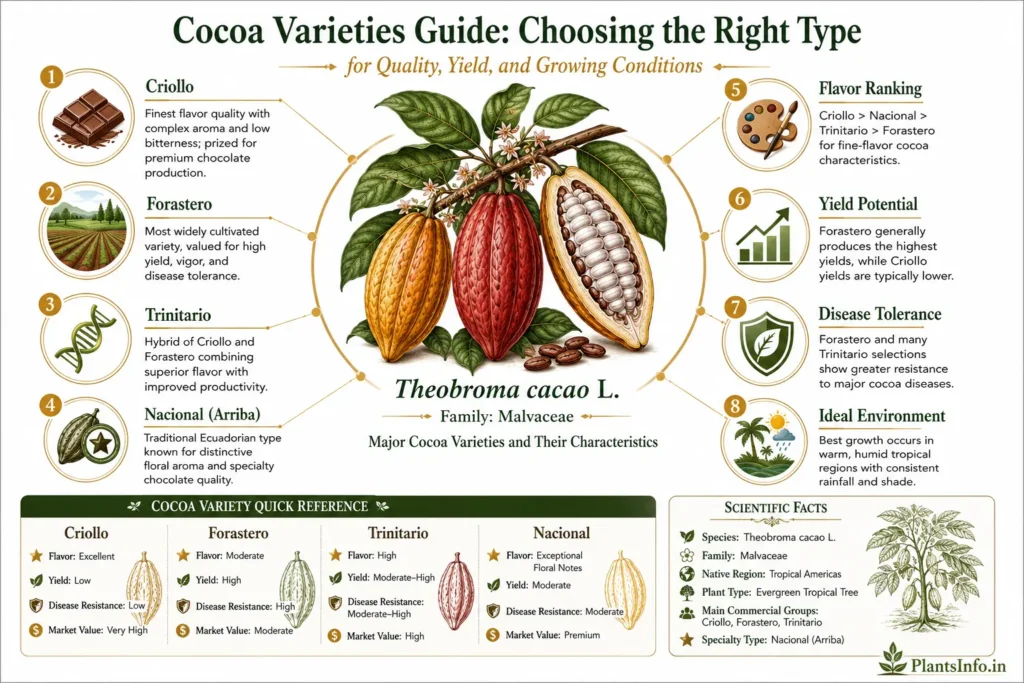
Cocoa Varieties Guide: Choosing the Right Type for Quality, Yield, and Growing Conditions
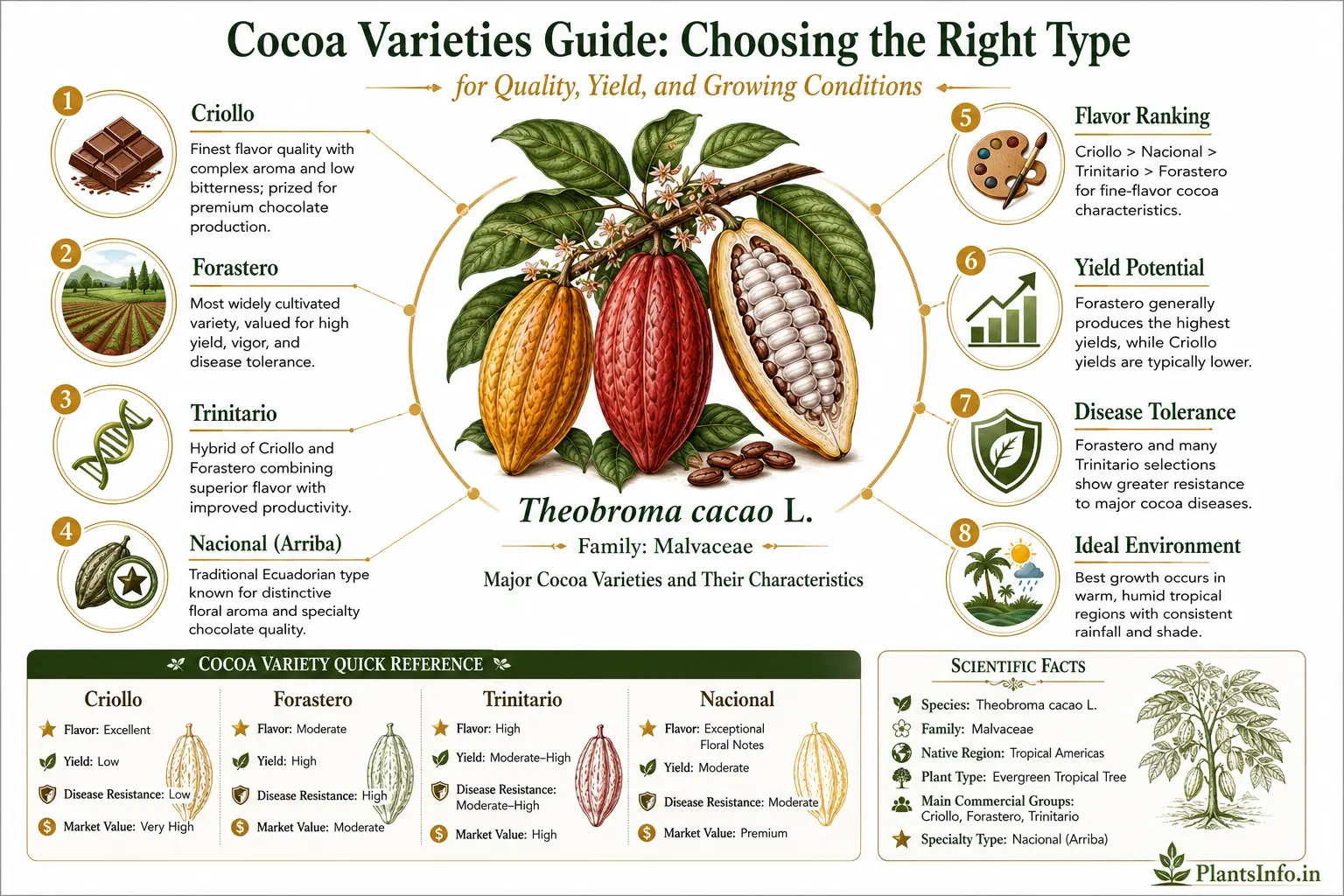
Quick Answer
Modern cocoa cultivation is based primarily on three major genetic groups: Criollo, Forastero, and Trinitario. Although these names are often referred to as “varieties,” they are more accurately described as broad genetic populations comprising numerous cultivars and breeding lines.
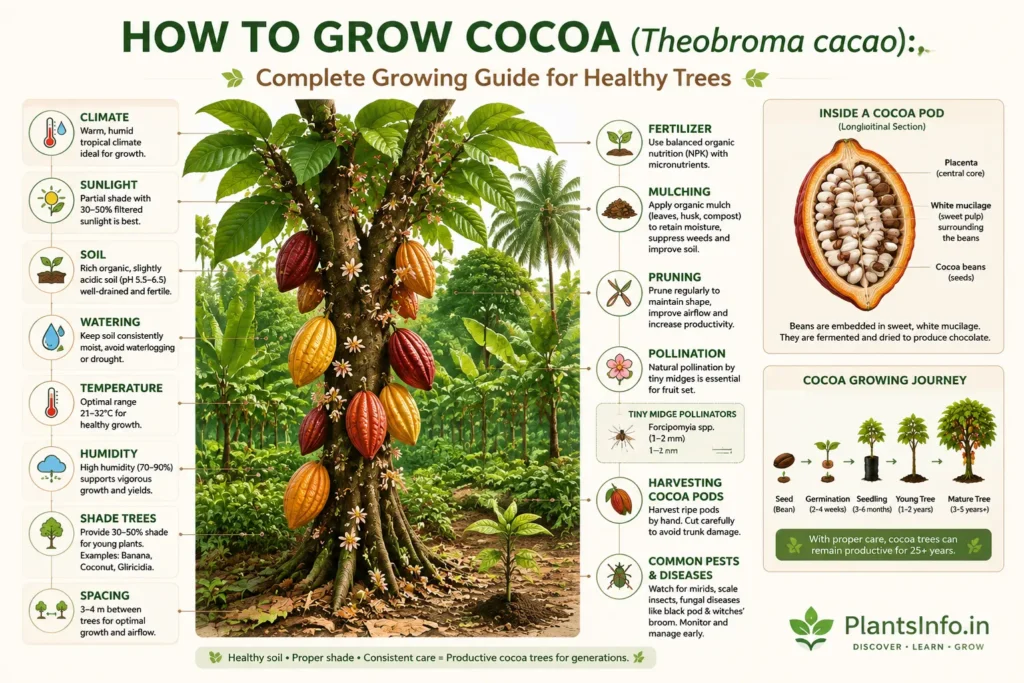
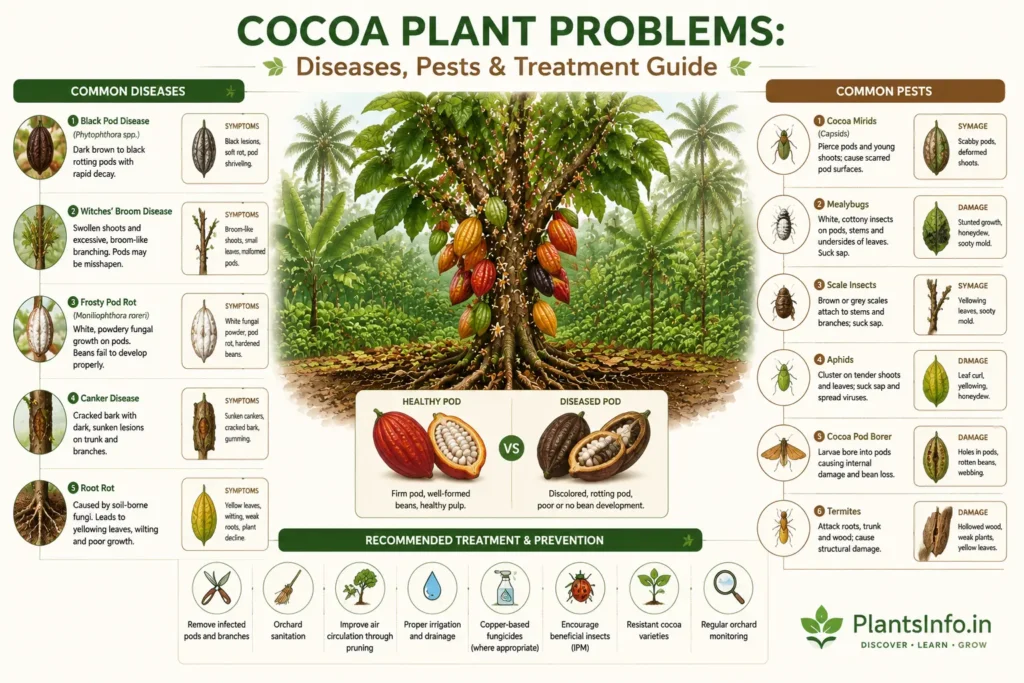
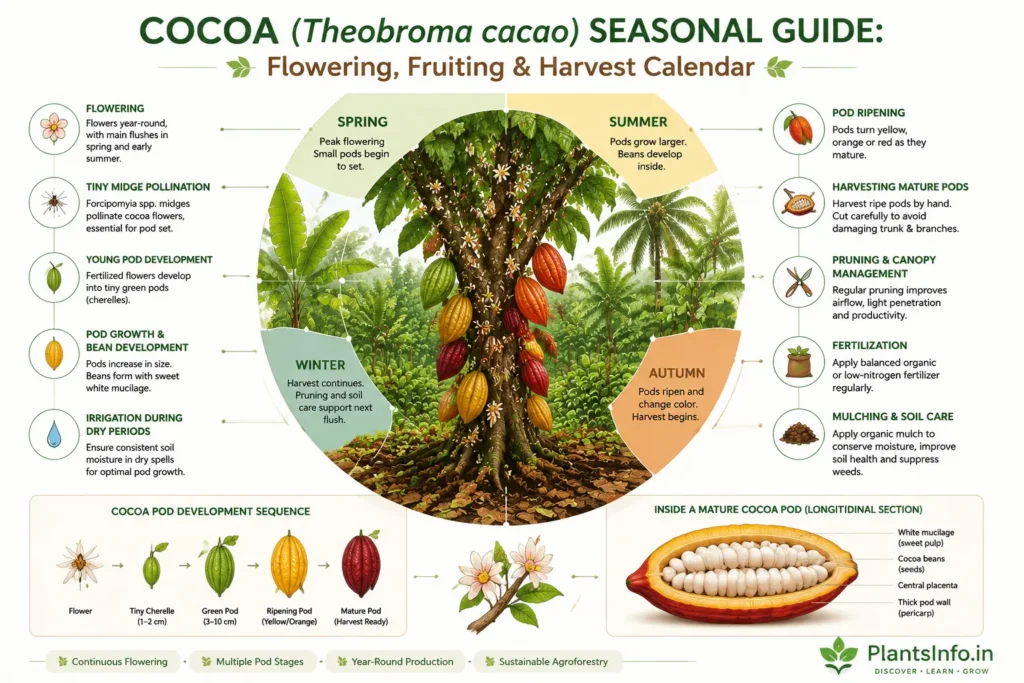
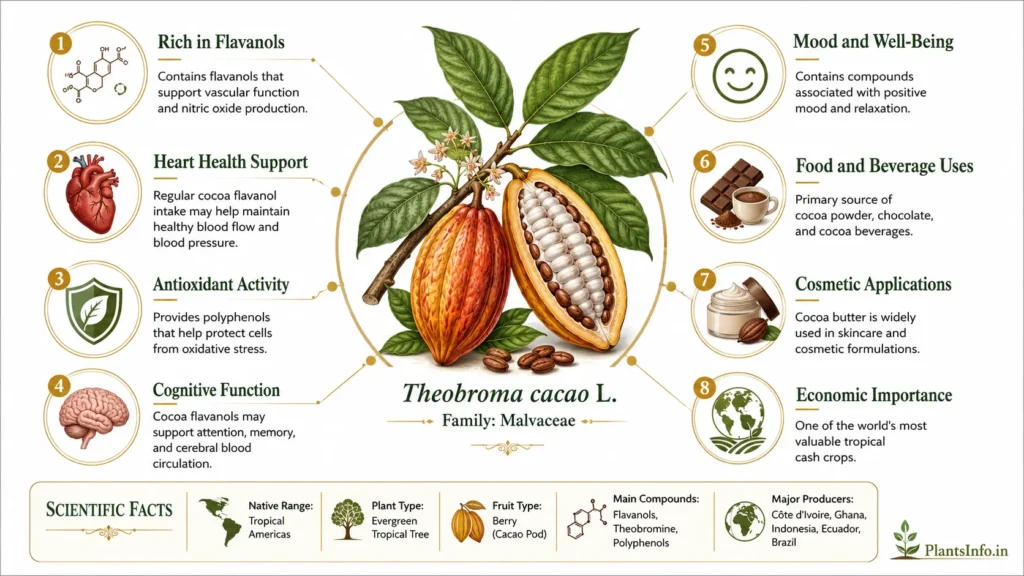
See also: Cocoa plant plant profile, how to grow it, common problems, its flowering season, and its benefits.
For most commercial growers, Forastero-derived planting material remains the preferred choice because of its high productivity, broad adaptability, and relatively greater tolerance to production stresses. Criollo is highly valued for exceptional flavour and fine-aroma chocolate but generally produces lower yields and requires more careful management. Trinitario, a hybrid group originating from natural hybridization between Criollo and Forastero, combines many desirable quality characteristics with improved vigour and has become the foundation for numerous premium cocoa breeding programmes.
Recommended Products
Disclosure: As an Amazon Associate, PlantsInfo may earn from qualifying purchases.
🌱 Growing Essentials
The following products can help with container gardening, potting, root development, soil management, and healthy plant growth.
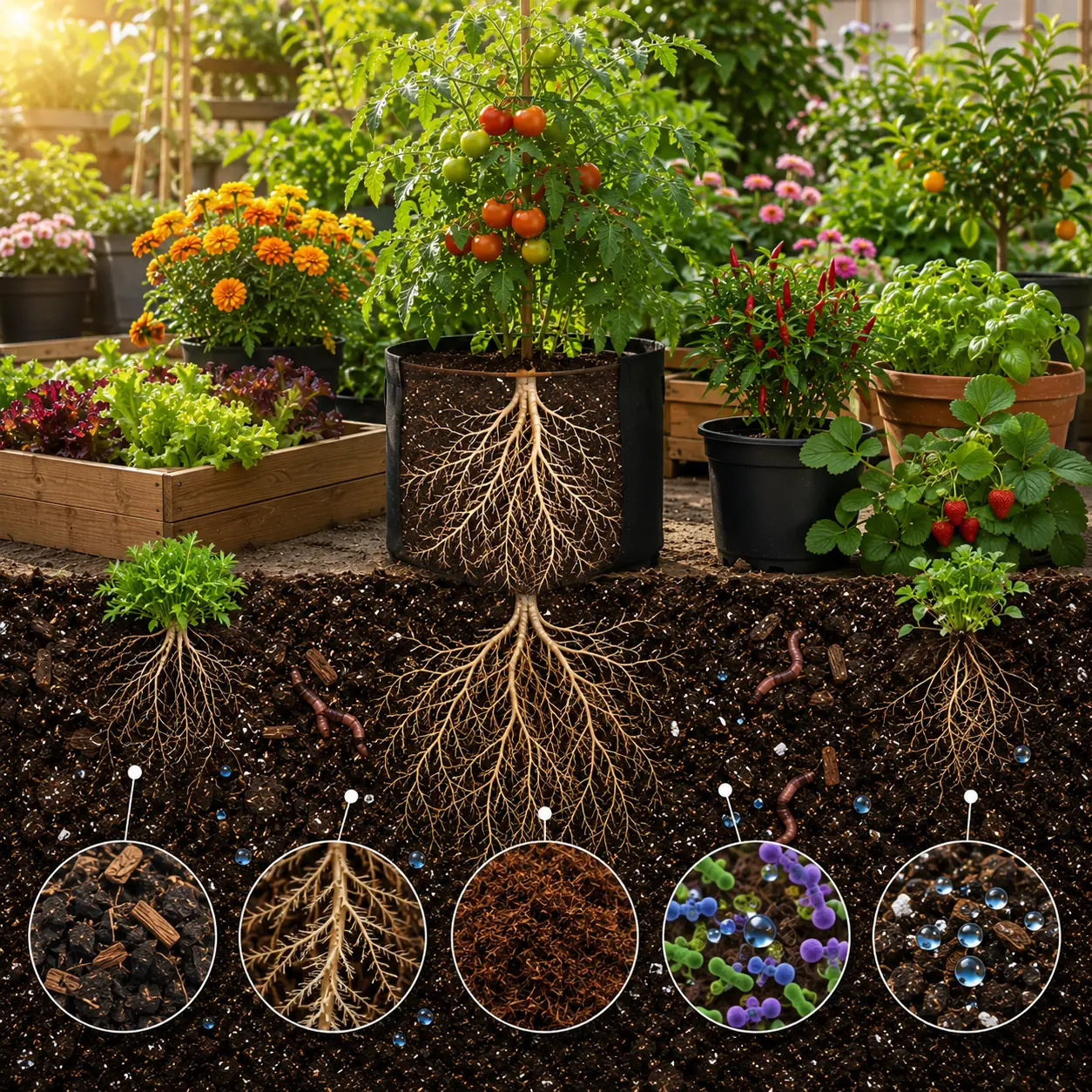
Organic Potting Soil Mix
Provides nutrients, structure, and healthy growing conditions for container plants.
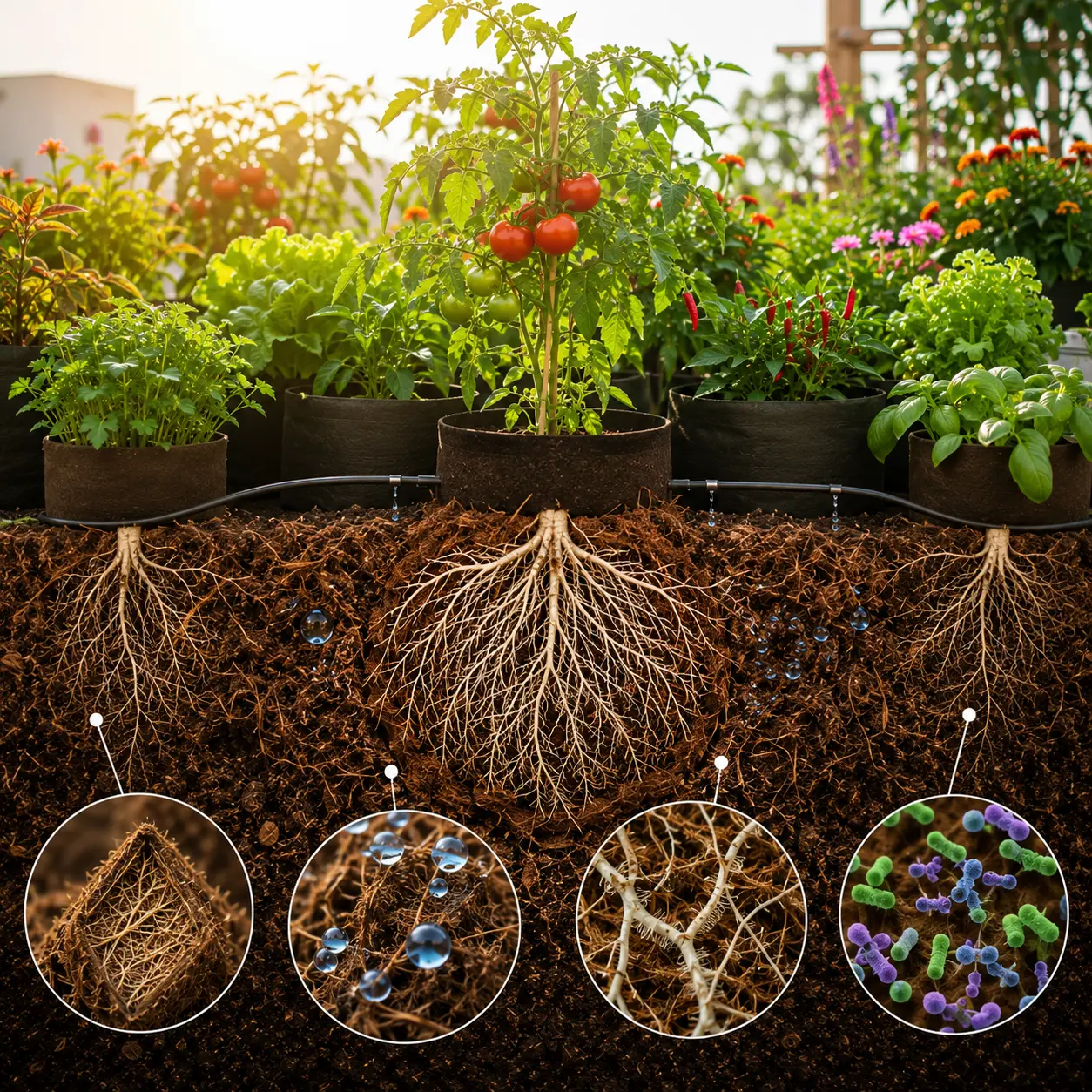
Coco Peat Growing Medium
Enhances moisture retention while maintaining excellent root-zone aeration.

Grow Bags for Plants
Improve drainage, root aeration, and vegetable production in limited spaces.

Plastic Pots for Plants
Ideal containers for seedlings, ornamentals, herbs, and balcony gardens.
In India, commercial plantations typically cultivate selected improved clones and hybrids, many of which are genetically dominated by Upper Amazon Forastero or Trinitario ancestry rather than pure traditional genetic groups.
Introduction
Selecting appropriate cocoa planting material is one of the most important long-term decisions for any grower. Unlike annual crops, cocoa remains productive for decades, making the choice of genetic material a major determinant of future yield, bean quality, disease tolerance, and economic return.
Historically, cocoa was classified into three principal groups:
- Criollo
- Forastero
- Trinitario
Modern genetic research has shown that cocoa diversity is considerably more complex than this traditional classification, with numerous genetically distinct populations identified throughout the Amazon Basin. Nevertheless, the three-group system remains widely used because it provides growers with a practical framework for understanding broad differences in productivity, flavour, and commercial importance.
Today’s commercial cocoa industry relies largely on improved clones, hybrids, and breeding populations developed from these genetic resources. Consequently, growers selecting planting material should focus on locally recommended, well-evaluated clones rather than assuming that any tree labelled “Criollo” or “Forastero” will possess identical characteristics.
Quick Variety Selector
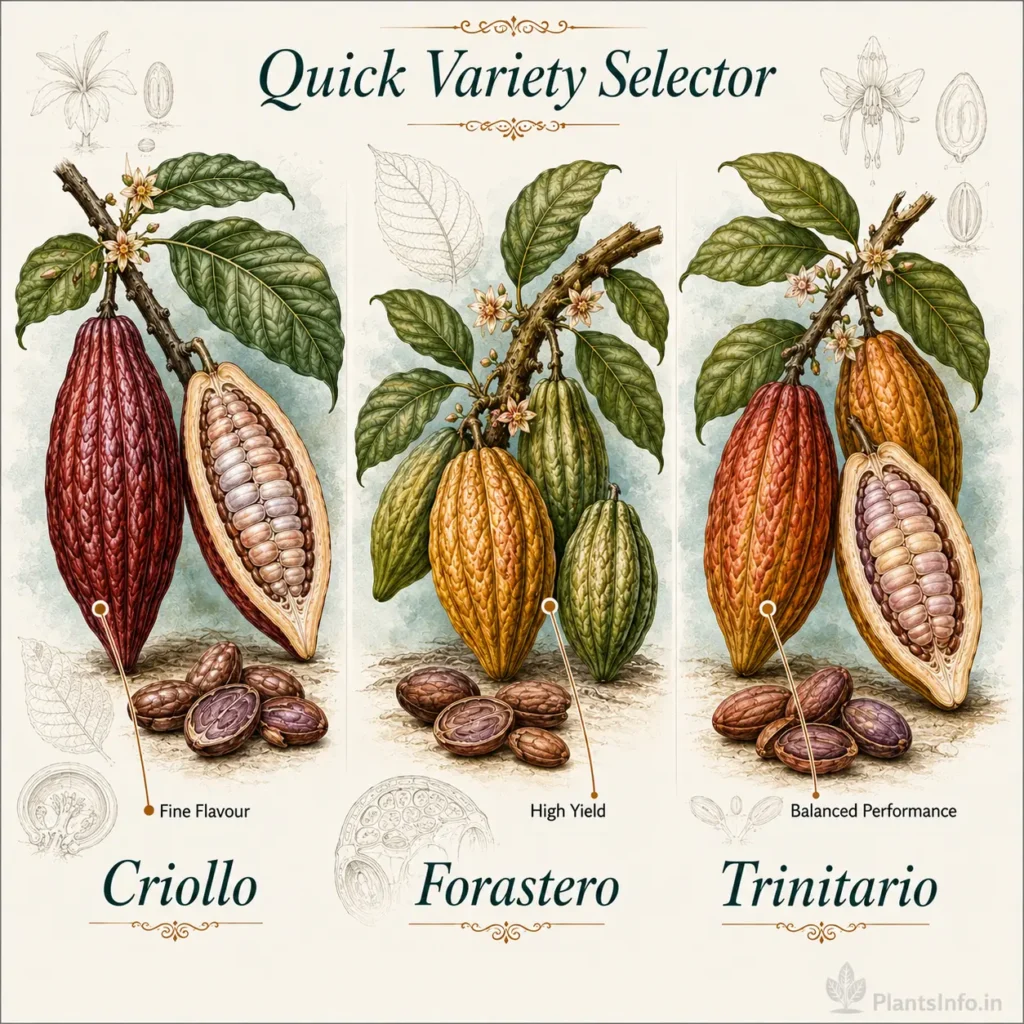
Decision Matrix
| Growing Goal | Recommended Genetic Group | Reason |
|---|---|---|
| Highest commercial yield | Forastero-derived improved clones | Vigorous growth and dependable production |
| Premium flavour | Criollo | Fine aroma and complex flavour profile |
| Balance of quality and productivity | Trinitario | Combines flavour with improved vigour |
| Beginner commercial cultivation | Improved Forastero or recommended regional hybrids | Greater adaptability and consistent performance |
| Premium bean-to-bar chocolate | High-quality Trinitario or recognised fine-flavour Criollo selections | Superior sensory characteristics |
| Long-term plantation establishment | Regionally recommended improved clones | Proven local performance and adaptation |
Quick Comparison
| Characteristic | Criollo | Forastero | Trinitario |
|---|---|---|---|
| Bean Quality | Excellent | Good | Very Good to Excellent |
| Yield Potential | Low–Moderate | High | Moderate–High |
| Flavour Complexity | Outstanding | Moderate | High |
| Commercial Importance | Limited | Very High | High |
| Plantation Vigour | Moderate | Strong | Strong |
| Genetic Diversity | Relatively limited | Extensive | Highly variable |
The best choice depends on production objectives rather than any single characteristic.
Modern Genetic Classification
Researchers have identified multiple major cocoa genetic populations beyond the traditional Criollo–Forastero–Trinitario framework, including:
- Amelonado
- Contamana
- Curaray
- Iquitos
- Marañón
- Nanay
- Purús
- Nacional
- Guiana
Variety Overview
Traditional Classification
For many decades, cocoa varieties were grouped into three major categories based on morphology, origin, and cultivation history.
Although modern molecular studies have refined cocoa taxonomy and identified additional genetic populations, these traditional groups continue to provide practical value for growers, breeders, processors, and chocolate manufacturers.
Modern Perspective
Current breeding programmes rarely rely on pure traditional genetic groups alone.
Instead, breeders combine desirable characteristics such as:
- high productivity,
- improved bean quality,
- adaptability,
- disease tolerance,
- canopy architecture,
- and stable long-term performance.
Consequently, commercial planting material increasingly consists of selected clones and controlled hybrids rather than historically pure genetic populations.
Why Variety Selection Matters
Appropriate genetic selection influences:
- yield potential,
- flavour quality,
- bean size,
- harvesting efficiency,
- plantation longevity,
- adaptation to local environments,
- and market value.
Once established, replacing an unsuitable plantation is both costly and time-consuming, making careful selection especially important.
Individual Variety Profiles
Criollo
Criollo is traditionally regarded as the classic fine-flavour cocoa and has historically been associated with premium chocolate manufacture.
Although its global production represents only a small proportion of total cocoa output, Criollo remains highly valued by specialty chocolate producers because of its distinctive sensory qualities.
Key Characteristics
| Characteristic | Description |
|---|---|
| Flavour | Fine, delicate, complex, often less bitter |
| Aroma | Highly regarded by premium chocolate manufacturers |
| Yield | Generally lower than commercial Forastero |
| Vigour | Moderate |
| Commercial Production | Limited compared with Forastero |
Advantages
- Exceptional flavour quality.
- Fine-aroma characteristics.
- Reduced bitterness in many selections.
- Highly valued in specialty chocolate markets.
Limitations
- Lower productivity.
- Greater management requirements.
- Limited availability of true planting material.
- Considerably smaller role in global commercial production.
Suitable For
Criollo is best suited to:
- specialty chocolate production,
- premium bean-to-bar markets,
- germplasm conservation,
- and breeding programmes seeking superior flavour characteristics.
For most commercial plantations focused primarily on production volume, Criollo is generally not the first recommendation.
Forastero
Forastero forms the foundation of most commercial cocoa production worldwide.
The group includes extensive genetic diversity, particularly Upper Amazon populations that have contributed substantially to modern breeding programmes.
Key Characteristics
| Characteristic | Description |
|---|---|
| Yield | High |
| Vigour | Strong |
| Commercial Importance | Dominant worldwide |
| Adaptability | Broad |
| Bean Quality | Good commercial quality |
Advantages
- Reliable productivity.
- Strong vegetative growth.
- Wide environmental adaptability.
- Broad use in commercial chocolate manufacturing.
- Extensive availability of improved breeding material.
Limitations
- Flavour generally considered less delicate than premium Criollo selections.
- Quality varies considerably among individual populations and clones.
It is important to recognise that “Forastero” encompasses considerable genetic diversity, and performance differs significantly among breeding lines.
Suitable For
Forastero-derived material is generally preferred for:
- commercial plantations,
- large-scale production,
- integrated farming systems,
- and growers seeking dependable long-term productivity.
Most improved cocoa clones released worldwide contain substantial Upper Amazon Forastero ancestry.
Trinitario
Trinitario originated through natural hybridisation between Criollo and Forastero following historical events in Trinidad and has since become one of the world’s most important premium cocoa groups.
Rather than representing a single uniform variety, Trinitario comprises numerous genetically diverse hybrid populations.
Key Characteristics
| Characteristic | Description |
|---|---|
| Flavour | High quality with considerable variation |
| Yield | Moderate to high |
| Vigour | Strong |
| Commercial Value | High |
| Genetic Diversity | Extensive |
Advantages
- Combines desirable flavour with improved productivity.
- Better commercial performance than many traditional Criollo selections.
- Widely used in premium chocolate manufacture.
- Important source of breeding material.
Limitations
- Performance varies substantially among individual clones.
- Quality cannot be judged solely by the label “Trinitario.”
Consequently, growers should evaluate specific recommended planting material rather than relying only on broad genetic group names.
Suitable For
Trinitario is particularly attractive for:
- premium chocolate production,
- specialty markets,
- quality-focused commercial plantations,
- and breeding programmes seeking balance between yield and flavour.
Many internationally recognised fine-flavour cocoas contain significant Trinitario ancestry.
Practical Perspective
Although Criollo, Forastero, and Trinitario remain valuable descriptive categories, modern growers rarely choose between these groups alone. Most commercial nurseries supply improved clones or hybrids selected for regional adaptation, productivity, and bean quality.
As a result, understanding the traditional genetic groups helps growers appreciate the strengths of different breeding materials, but the final planting decision should be based on proven regional performance rather than historical classification alone.
Modern Commercial Clones and Hybrids
Modern cocoa cultivation relies increasingly on improved clones and controlled hybrids rather than the traditional genetic groups alone. These planting materials are developed through breeding programmes that combine desirable characteristics from multiple genetic backgrounds, aiming to improve productivity, bean quality, adaptation, and resilience under local growing conditions.
Because breeding objectives differ among countries and institutions, commercial clones should always be evaluated using locally validated performance data rather than relying solely on their genetic ancestry.
Why Modern Clones Are Preferred
Compared with unimproved seedling populations, selected clones and hybrids generally provide:
- More uniform tree growth.
- Greater yield consistency.
- Improved bean size and quality.
- Earlier bearing in many production systems.
- Better adaptation to regional growing conditions.
- More predictable plantation performance.
Uniformity also simplifies orchard management and harvesting.
Sources of Modern Breeding Material
Most commercial cocoa breeding programmes utilise combinations of:
- Upper Amazon Forastero populations.
- Selected Trinitario material.
- Fine-flavour Criollo germplasm.
- Locally adapted elite selections.
The objective is to combine productivity with desirable bean characteristics while maintaining broad adaptation.
Commercial Clones in India
Unlike some cocoa-producing countries that rely on internationally recognised clone series, India’s planting recommendations primarily emphasise regionally evaluated hybrids and selections developed through national research programmes.
Planting material distributed through recognised nurseries is generally chosen for:
- adaptation to Indian climatic conditions,
- compatibility with coconut and arecanut intercropping systems,
- stable production,
- and acceptable bean quality.
Growers should obtain planting material from reputable nurseries or authorised propagation programmes to minimise the risk of receiving poorly identified or genetically variable seedlings.
Seedlings vs Clonal Plants
| Feature | Seedling Plants | Clonal Plants |
|---|---|---|
| Genetic Uniformity | Variable | High |
| Yield Consistency | Variable | More predictable |
| Bean Quality | Variable | More consistent |
| Plantation Uniformity | Lower | Higher |
| Commercial Preference | Limited | Preferred |
Although healthy seedlings remain suitable for home gardens and some small-scale planting, commercial plantations generally benefit from genetically uniform clonal material.
Modern Breeding Objectives
Current cocoa breeding programmes commonly prioritise:
- High productivity.
- Stable annual yields.
- Good bean size.
- Desirable flavour characteristics.
- Adaptation to regional climates.
- Improved tree architecture.
- Efficient canopy development.
- Compatibility with sustainable production systems.
Resistance to important diseases may also be incorporated where reliable genetic sources are available, although resistance is rarely complete and should be regarded as one component of integrated crop management rather than a substitute for good orchard practices.
Variety Comparison Table
The following comparison summarises broad differences among the traditional genetic groups. Individual clones may differ substantially from these general characteristics.
| Characteristic | Criollo | Forastero | Trinitario |
|---|---|---|---|
| Global Importance | Low | Very High | High |
| Yield Potential | Low–Moderate | High | Moderate–High |
| Bean Quality | Excellent | Good | Very Good to Excellent |
| Fine-Flavour Potential | Outstanding | Moderate | High |
| Vigour | Moderate | Strong | Strong |
| Plantation Uniformity | Variable | Good | Variable |
| Adaptability | Moderate | Broad | Broad |
| Commercial Cultivation | Limited | Dominant | Widely cultivated |
| Premium Chocolate Use | Excellent | Moderate | Excellent |
| Breeding Importance | High | Very High | Very High |
Comparative Strengths
| Production Goal | Best Broad Choice |
|---|---|
| Maximum yield | Improved Forastero-derived clones |
| Premium flavour | Criollo selections |
| Balanced quality and productivity | Trinitario-derived material |
| Commercial plantations | Improved regional clones |
| Specialty chocolate | Fine-flavour Trinitario or Criollo-derived selections |
These comparisons should be interpreted as broad tendencies rather than guarantees for individual planting materials.
Choosing the Right Variety
The ideal planting material depends on production objectives, local climate, available management resources, and intended market.
For Commercial Growers
Commercial producers generally benefit from:
- Regionally recommended improved clones.
- Uniform planting material.
- Proven productivity.
- Stable bean quality.
- Reliable nursery sources.
Long-term profitability depends more on consistent plantation performance than on selecting genetically rare material.
For Premium Chocolate Producers
Growers targeting specialty markets may place greater emphasis on:
- Fine flavour.
- Fermentation quality.
- Bean characteristics.
- Traceability.
- Regional identity.
Premium markets frequently reward quality rather than production volume alone.
For Home Gardeners
Most home gardeners should prioritise:
- Healthy nursery plants.
- Local adaptation.
- Vigorous growth.
- Reliable establishment.
The distinction between traditional genetic groups is usually less important than obtaining healthy, well-propagated planting material.
Selection Checklist
Before purchasing cocoa plants, consider:
- Is the planting material recommended for the local region?
- Is it propagated by a recognised nursery?
- Is the source genetically reliable?
- Is the material free from obvious pests and diseases?
- Is the intended market focused on volume or premium quality?
Selecting healthy planting material is often more important than choosing a particular historical genetic group.
Regional Suitability (India)
India’s cocoa-growing regions differ in rainfall, humidity, irrigation availability, and plantation systems. Consequently, recommendations focus on locally adapted improved clones rather than a single national variety.
| Region | General Recommendation | Remarks |
|---|---|---|
| Kerala | Improved locally recommended clones and hybrids | Excellent adaptation under coconut and arecanut plantations |
| Coastal Karnataka | Improved regional selections | Highly suitable humid tropical conditions |
| Tamil Nadu | Regionally recommended hybrids | Irrigated plantations perform particularly well |
| Andhra Pradesh | Improved commercial planting material | Irrigation enhances productivity in drier periods |
| Telangana | Locally adapted hybrids | Requires careful moisture management |
| Goa | Improved regional selections | Humid coastal climate favours cocoa |
| Odisha (humid coastal districts) | Adapted commercial clones | Good drainage remains important |
| Northeast India | Regionally evaluated material | Performance depends on local climate and drainage |
Why Local Adaptation Matters
Even genetically superior planting material may perform poorly if it is not adapted to local conditions.
Regional testing helps identify clones that consistently perform under:
- local rainfall patterns,
- prevailing temperatures,
- plantation management systems,
- and common production challenges.
For this reason, growers should follow recommendations from regional agricultural institutions whenever available.
Container Suitability
Cocoa is not generally bred specifically for container cultivation.
Nevertheless, some planting materials remain more suitable than others during the juvenile stage.
Suitable Material
Young clonal plants with compact, healthy growth are usually easier to manage in containers than highly variable seedlings.
Limitations
Regardless of genetic background, mature cocoa trees eventually require:
- extensive root development,
- stable moisture availability,
- and sufficient canopy space.
Long-term container culture therefore limits productivity and is generally recommended only for ornamental purposes, educational collections, or temporary nursery production.
Best Choice for Containers
| Growing Objective | Recommended Plant Type |
|---|---|
| Temporary container culture | Healthy clonal nursery plants |
| Ornamental display | Vigorous compact juvenile plants |
| Long-term production | Field planting preferred |
Yield Comparison
Yield depends on far more than genetics alone.
Climate, management, soil fertility, irrigation, tree age, pollination success, and harvest practices all influence annual production.
Nevertheless, broad genetic trends can be summarised.
| Genetic Group | Relative Yield Potential* |
|---|---|
| Criollo | Low–Moderate |
| Forastero | High |
| Trinitario | Moderate–High |
| Improved Commercial Clones | High under suitable management |
*Relative comparisons only; actual yields vary with local conditions and management.
Factors Affecting Yield More Than Variety
In many plantations, the following factors have a greater influence on productivity than the genetic group alone:
- Suitable climate.
- Healthy planting material.
- Effective drainage.
- Balanced nutrition.
- Proper shade management.
- Timely harvesting.
- Good orchard sanitation.
- Appropriate irrigation during dry periods.
Consequently, selecting an elite clone cannot compensate for unsuitable growing conditions.
Practical Perspective
For most Indian growers, the highest long-term productivity is achieved by combining regionally recommended improved planting material with sound plantation management, rather than by seeking historically famous genetic groups.
The greatest value of understanding Criollo, Forastero, and Trinitario lies in appreciating the breeding objectives behind modern cocoa improvement programmes, which increasingly integrate desirable traits from multiple genetic sources.
Buying Advice
Selecting the right cocoa planting material is one of the most important long-term investments for any plantation. Because cocoa remains productive for several decades, purchasing healthy, correctly identified, and regionally adapted plants has a greater influence on future success than attempting to correct poor planting decisions later.
Purchase from Reputable Sources
Always obtain planting material from:
- Government or university-recommended nurseries.
- Certified commercial nurseries.
- Recognised cocoa propagation centres.
- Trusted plantation suppliers with documented propagation practices.
Avoid purchasing unidentified seedlings from informal markets where genetic identity and plant health cannot be verified.
Choose Regionally Recommended Material
Rather than requesting a specific historical genetic group such as “Criollo” or “Forastero,” growers should prioritise locally recommended improved clones or hybrids that have demonstrated reliable performance under regional growing conditions.
Selection should consider:
- local climate,
- rainfall pattern,
- plantation system,
- irrigation availability,
- and intended market.
Regional adaptation usually contributes more to long-term productivity than genetic labels alone.
Inspect Plant Health
Healthy nursery plants should exhibit:
- Uniform green foliage.
- Strong central stem.
- Well-developed root system.
- Active new growth.
- Freedom from visible pests or disease symptoms.
- No signs of nutrient deficiency or mechanical injury.
Plants showing yellowing, wilting, stem damage, or poor root development should generally be avoided.
Seedlings or Clonal Plants?
For commercial plantations:
- Clonal planting material generally provides greater uniformity and more predictable performance.
For home gardens:
- Healthy seedlings from reliable sources may perform satisfactorily where production consistency is less important.
The choice should reflect the scale and objectives of the planting.
Questions to Ask Before Purchasing
Prospective buyers should consider asking:
- Is this planting material recommended for my district or state?
- Is it seedling-grown or vegetatively propagated?
- What is its parentage or breeding background, if known?
- Has it been evaluated under local growing conditions?
- Is it suitable for intercropping beneath coconut or arecanut?
- What nursery management practices were followed before sale?
Reliable suppliers should be able to answer these questions clearly.
Buying Checklist
| Question | Importance |
|---|---|
| Is the nursery reputable? | Critical |
| Is the planting material healthy? | Critical |
| Is it adapted to local conditions? | Critical |
| Is the source genetically reliable? | High |
| Has the plant been hardened before sale? | High |
| Are roots healthy and undamaged? | High |
Healthy planting material reduces establishment problems and improves long-term plantation uniformity.
Common Mistakes
Many disappointing plantations result from poor planting material selection rather than inadequate management.
Buying Solely on Variety Name
Some growers assume that planting material labelled “Criollo” automatically produces premium chocolate or that “Forastero” always guarantees maximum yield.
In reality, performance depends on the specific clone or breeding line, local adaptation, and plantation management—not simply on the historical genetic group.
Ignoring Regional Recommendations
Planting material that performs well in one country or climatic region may not perform equally well elsewhere.
Regional recommendations should always take precedence over marketing descriptions.
Purchasing from Unverified Sources
Unidentified seedlings may produce highly variable plantations with inconsistent:
- growth,
- yield,
- bean quality,
- and maturity.
Commercial plantations particularly benefit from genetically reliable planting material.
Prioritising Yield Alone
High yield is desirable but should not be the sole selection criterion.
Other important considerations include:
- bean quality,
- market requirements,
- adaptation,
- plantation longevity,
- and management requirements.
Balanced performance generally provides greater long-term economic value.
Assuming Modern Clones Are Disease-Proof
Some improved planting materials possess improved tolerance to specific diseases under certain conditions.
However:
- tolerance is rarely complete,
- pathogens evolve,
- And environmental stress can reduce resistance.
Integrated orchard management remains essential regardless of genetic background.
Neglecting Plant Health During Purchase
Even superior genetics cannot compensate for:
- damaged roots,
- severe transplant stress,
- poor nursery management,
- Or unhealthy seedlings.
The physical condition of the plant at purchase is just as important as its genetic background.
Frequently Asked Questions
What is the best cocoa variety?
There is no single best cocoa variety for every situation.
Commercial growers generally achieve the best results with regionally recommended improved clones or hybrids, while premium chocolate producers may favour planting material with recognised fine-flavour characteristics.
The ideal choice depends on production goals, local climate, and market requirements.
Which cocoa group produces the best flavour?
Traditional Criollo populations are widely regarded as producing the finest flavour profile.
However, many modern Trinitario-derived selections also produce outstanding fine-flavour beans, and individual clone performance often exceeds broad genetic classifications.
Which cocoa group produces the highest yield?
Forastero-derived breeding material generally provides the highest commercial productivity.
Many modern high-yielding clones used worldwide contain substantial Upper Amazon Forastero ancestry.
Is Trinitario better than Forastero?
Neither group is universally superior.
Trinitario often offers an attractive balance between flavour and productivity, while Forastero typically provides greater commercial consistency and higher production potential.
The preferred choice depends on market objectives.
Should home gardeners worry about genetic groups?
Usually not.
Home gardeners benefit more from purchasing healthy, locally adapted planting material than from focusing on historical genetic classifications.
Can different cocoa varieties be grown together?
Yes.
Commercial plantations frequently contain multiple clones or hybrid lines, provided orchard management remains compatible.
Growing diverse planting material may also contribute to genetic diversity within plantations.
Are improved clones genetically modified?
No.
The improved cocoa clones commonly recommended for cultivation are developed through conventional plant breeding, selection, and vegetative propagation rather than genetic modification.
Do premium chocolate manufacturers always prefer Criollo?
Not necessarily.
Many premium chocolate producers purchase high-quality Trinitario and carefully selected Forastero-derived beans that exhibit excellent flavour characteristics following proper fermentation and processing.
Bean quality depends on genetics, post-harvest handling, and processing together.
Does variety determine chocolate quality?
Variety influences flavour potential, but final chocolate quality also depends on:
- fermentation,
- drying,
- roasting,
- processing,
- and manufacturing.
Excellent genetics cannot compensate for poor post-harvest practices.
How important is local adaptation?
Local adaptation is one of the most important factors affecting long-term plantation success.
Even highly regarded international planting material may perform poorly if it is unsuited to local environmental conditions.
Can seedlings produce good-quality cocoa?
Yes.
However, seedlings are genetically variable, so their performance is generally less predictable than that of selected clonal planting material.
For commercial plantations seeking uniformity, clonal propagation is usually preferred.
Why are modern clones preferred over traditional varieties?
Modern breeding programmes combine desirable characteristics from multiple genetic backgrounds.
As a result, many commercial clones offer:
- greater productivity,
- more uniform growth,
- stable bean quality,
- and better regional adaptation
than historically pure genetic groups.
Conclusion
Understanding cocoa varieties begins with recognising that Criollo, Forastero, and Trinitario represent broad genetic groups rather than single uniform varieties. While these traditional classifications remain useful for understanding flavour, productivity, and breeding history, modern cocoa cultivation depends increasingly on carefully selected clones and hybrids developed for specific production environments.
For most growers, particularly in India, the most successful long-term strategy is to choose healthy, regionally recommended planting material from reputable nurseries rather than focusing solely on historical variety names. Local adaptation, nursery quality, and plantation management generally exert a greater influence on long-term productivity than broad genetic classification alone.
Whether the objective is commercial bean production, specialty chocolate, or small-scale home cultivation, informed variety selection establishes the foundation for plantation performance over many years. When combined with suitable environmental conditions and good orchard management, well-chosen planting material allows growers to realise the full genetic potential of cocoa while supporting sustainable and profitable production.