
Hibiscus Plant Problems & Diseases: Symptoms, Causes & Fixes

Quick Answer
The most common problems on garden hibiscus in Indian conditions are sap-sucking pests, especially aphids, along with moisture-related root stress. These problems are generally manageable when identified early, while viral infections require management rather than a cure.
See also: Hibiscus Plant plant profile, how to grow it, seasonal care, its flowering season, and its benefits.
Hibiscus can show trouble through changes in new shoots, leaves, buds, or the stem base. Early inspection helps distinguish environmental stress from pest and disease problems before damage becomes widespread.
Recommended Products
Disclosure: As an Amazon Associate, PlantsInfo may earn from qualifying purchases.
🌱 Growing Essentials
The following products can help with container gardening, potting, root development, soil management, and healthy plant growth.
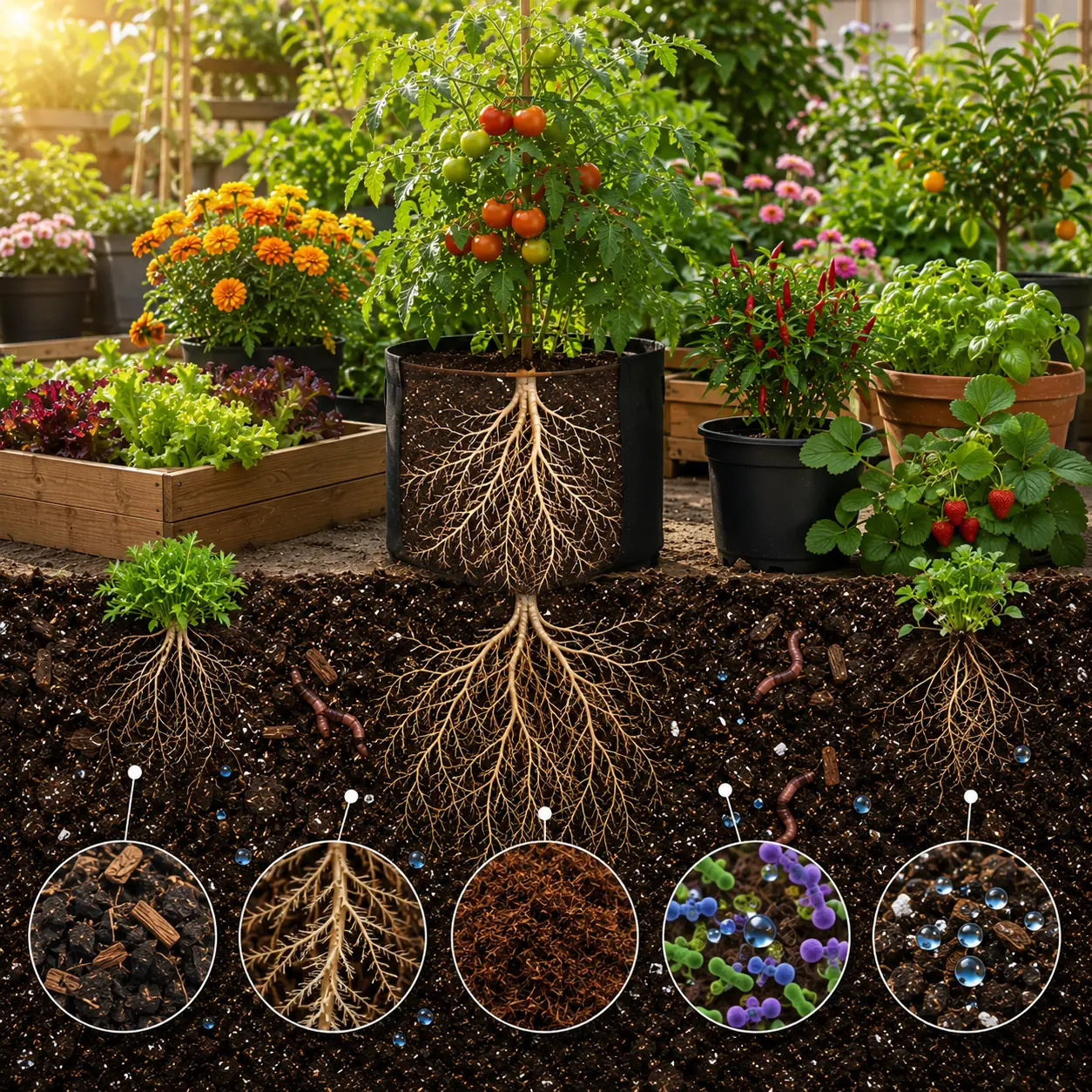
Organic Potting Soil Mix
Provides nutrients, structure, and healthy growing conditions for container plants.
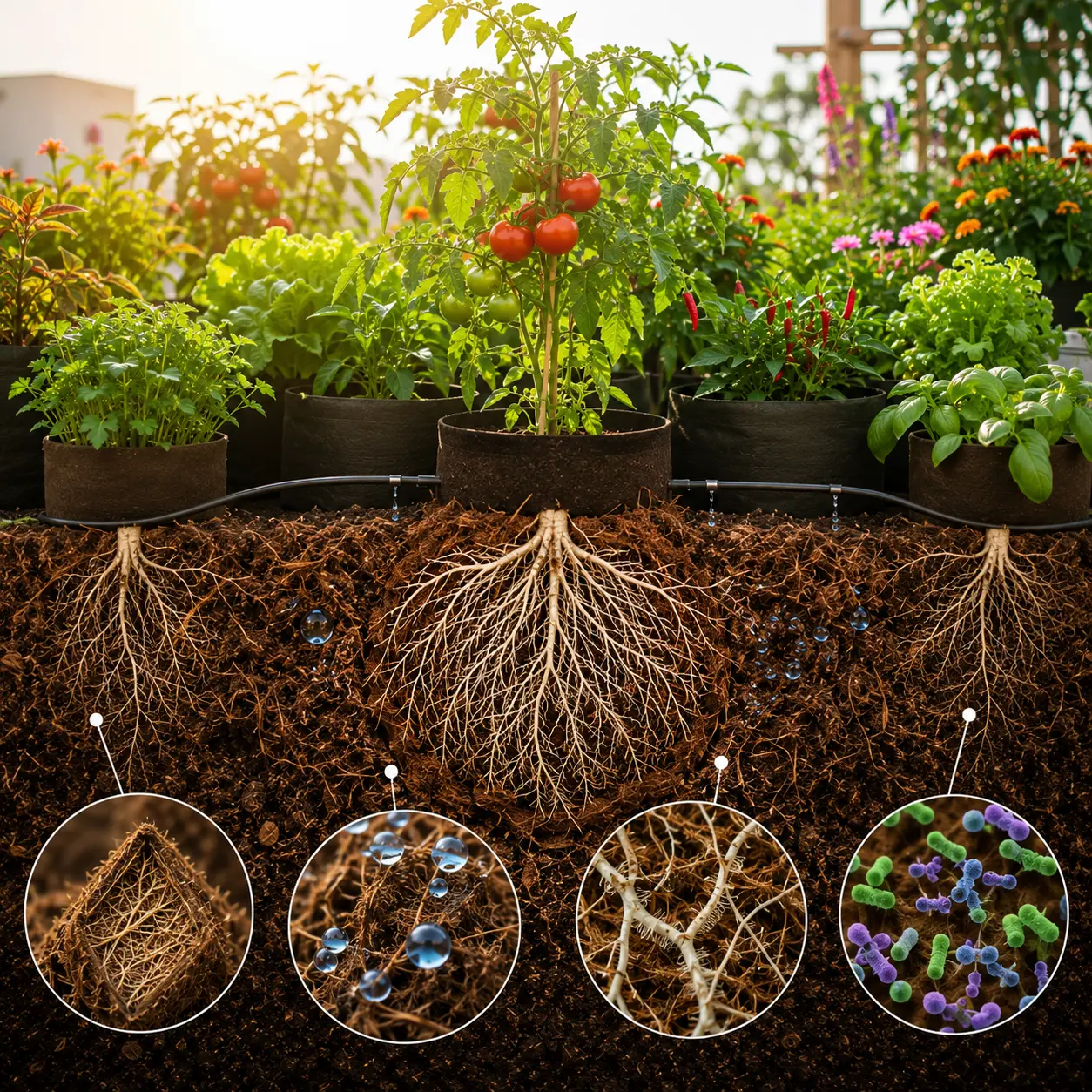
Coco Peat Growing Medium
Enhances moisture retention while maintaining excellent root-zone aeration.

Grow Bags for Plants
Improve drainage, root aeration, and vegetable production in limited spaces.

Plastic Pots for Plants
Ideal containers for seedlings, ornamentals, herbs, and balcony gardens.
Quick Diagnosis
| Symptom | Most Likely Cause | First Action |
|---|---|---|
| Sticky leaves with curled shoots | Aphids | Wash shoots with water |
| White cottony leaf clusters | Mealybugs | Remove visible insects |
| Fine webbing and stippled leaves | Spider mites | Rinse leaf undersides |
| Brown spots with yellow halos | Fungal leaf spot | Remove affected leaves |
| White powder on leaves | Powdery mildew | Improve air movement |
| Soft dark stem base | Root or crown rot | Remove saturated conditions |
| Mosaic or distorted leaves | Viral infection | Isolate affected plant |
Diseases
Fungal Leaf Spot
Brown, tan, or dark lesions can develop on hibiscus leaves, sometimes with surrounding yellowing. Prolonged leaf wetness and humid conditions can favour fungal pathogens.
Heavily affected leaves may fall, although the plant can continue growing when the underlying stress is corrected. Remove badly affected foliage and avoid repeatedly wetting the foliage late in the day.
Before the Monsoon, remove accumulated diseased plant debris around the plant. Good spacing also helps reduce prolonged humidity around foliage.
Powdery Mildew
Powdery mildew produces a white, flour-like coating on leaf surfaces and young growth. Unlike many leaf-spot problems, this fungal growth can develop on the surface without continuous leaf wetness.
Mild infections may remain manageable, while severe infections can weaken new growth. Remove heavily affected material and improve air circulation around crowded foliage.
Prevention is particularly useful where humid conditions combine with poor air movement.
Root and Crown Rot
Root or crown rot can cause wilting despite moist soil, declining foliage, and soft or darkened tissue near the soil line. Soil-borne pathogens are more likely to cause problems when roots remain poorly aerated.
Remove the plant from persistently saturated conditions and discard badly rotted root tissue rather than leaving it in place. Avoid repeatedly exposing the stem base to standing moisture, particularly during heavy rainfall.
Viral Mosaic and Leaf Distortion
Viral infection can cause irregular light-and-dark green patterns, distorted leaves, reduced growth, and abnormal new shoots. These symptoms can resemble nutritional or environmental problems, so visual diagnosis alone is not definitive.
There is no reliable cure that eliminates a systemic viral infection from an infected plant. Isolate a suspect plant and do not use material from it for propagation.
Controlling insect vectors and starting with healthy propagation material are important preventive measures.
Pest Problems
Aphids
Aphids are small, soft-bodied insects that commonly cluster on tender shoots, young leaves, and flower buds. Curling growth and sticky honeydew can accompany an infestation.
A strong stream of water can dislodge light infestations. Neem-based products or a labelled aphicide may be considered where permitted, following the product label.
Aphids can be mistaken for fungal problems because their honeydew can encourage dark sooty growth on leaves.
Chemical Safety: Before using any pesticide or fungicide, read and follow the product label and applicable local requirements. Use only products labelled for the intended plant and pest, follow the stated dose and precautions, and keep children and pets away during and after application.
Mealybugs
Mealybugs appear as small, cottony white clusters, particularly around leaf joints, tender shoots, and sheltered areas. They suck plant sap and can cause yellowing, weak growth, and distorted shoots.
Small infestations can be removed manually or washed from accessible plant surfaces. Neem-based preparations may be used where the product label permits the application.
For persistent infestations, use only a pesticide specifically labelled for mealybugs and the plant being treated, following its directions.
Spider Mites
Spider mites are tiny and difficult to see individually. Their feeding can produce fine pale stippling or bronzing on leaves, while fine webbing may become visible on leaf undersides and between shoots.
Rinsing leaf undersides can reduce light infestations. A product specifically labelled for mites may be considered when chemical control is warranted, because spider mites are arachnids rather than insects.
Environmental and Care Mistakes
Persistent Root-Zone Saturation
A hibiscus with persistent wilting or a soft, darkened stem base can be suffering from oxygen-starved roots associated with excessive moisture. Move the plant into better-drained conditions and remove severely damaged root tissue if rot is confirmed.
Excessive Shade
Sparse growth and weak flowering can develop when a hibiscus receives substantially less light than it needs. Move a container-grown plant gradually toward a brighter position rather than making an abrupt environmental change.
Sudden Transplant Stress
Temporary wilting or leaf drop after repotting or planting can result from root disturbance rather than a pathogen. Reduce further root disturbance and allow the plant to re-establish before making additional major changes.
Salt Build-Up in Containers
Brown leaf margins or tips can occur when soluble salts accumulate after repeated concentrated fertiliser applications. Flush or replace affected growing medium where appropriate, then avoid repeated heavy applications.
Prevention Protocol
- Inspect new growth weekly: Sap-feeding pests are easier to detect on tender shoots before populations become large.
- Quarantine new plants: Keep newly purchased hibiscus separate from established plants for an observation period.
- Remove fallen diseased foliage: Do not allow visibly infected leaves to accumulate beneath the plant.
- Before Monsoon onset, inspect drainage: Make sure containers and planting sites can shed excess rainwater.
- Sanitise propagation tools: Clean cutting tools between plants to reduce the chance of mechanically spreading pathogens.
Frequently Asked Questions
Can yellow leaves always be treated with fertiliser?
No. Yellowing can result from several causes, including root stress, pests, nutrient problems, and environmental conditions. Adding fertiliser without identifying the cause can make the original problem harder to interpret.
Are spider mites insects?
No. Spider mites are arachnids, so an insecticide may not provide effective control. A product specifically labelled for mites is needed when chemical control is warranted.
Can an infected hibiscus be used for propagation?
Material from a plant suspected of having a systemic viral infection should not be used for propagation. Healthy starting material reduces the risk of carrying the problem into new plants.
Conclusion
Early inspection gives hibiscus growers the best opportunity to address small problems before they become widespread.