Shatavari Benefits: What Ayurveda and Modern Research Say
Quick Answer: Shatavari is one of the most important rasayana herbs in Ayurveda, used for over two millennia primarily as a women’s tonic and adaptogen. Modern research has identified active compounds including steroidal saponins (shatavarins) that support immune function and hormonal balance. It is generally safe for most adults, but specific conditions and medications warrant caution.
See also: Shatavari plant profile, how to grow it, common problems, its flowering season, and its varieties.
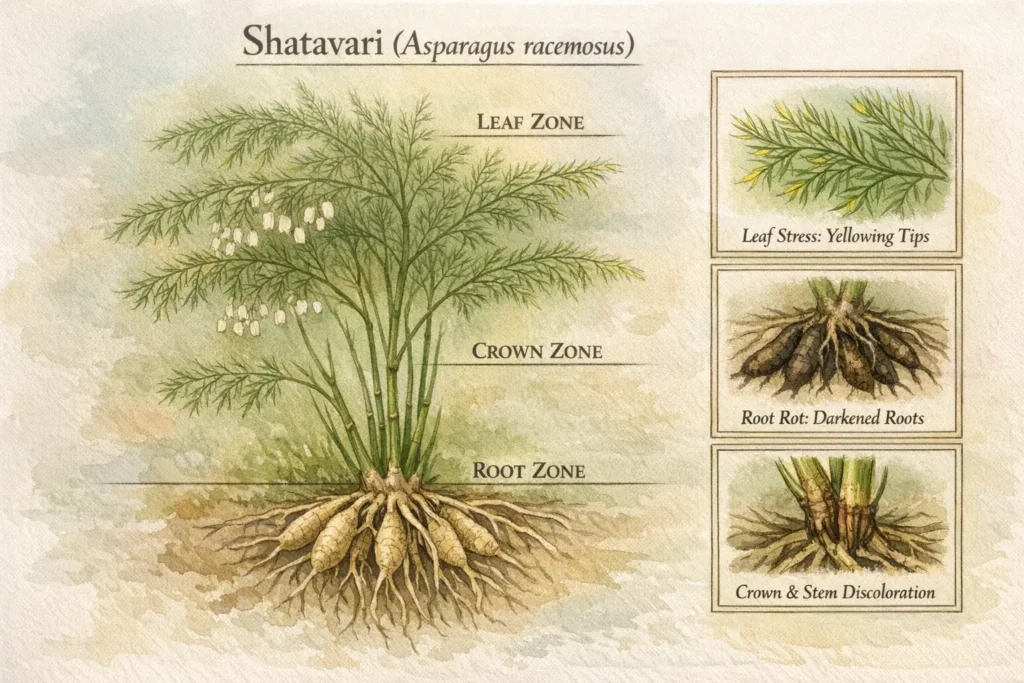
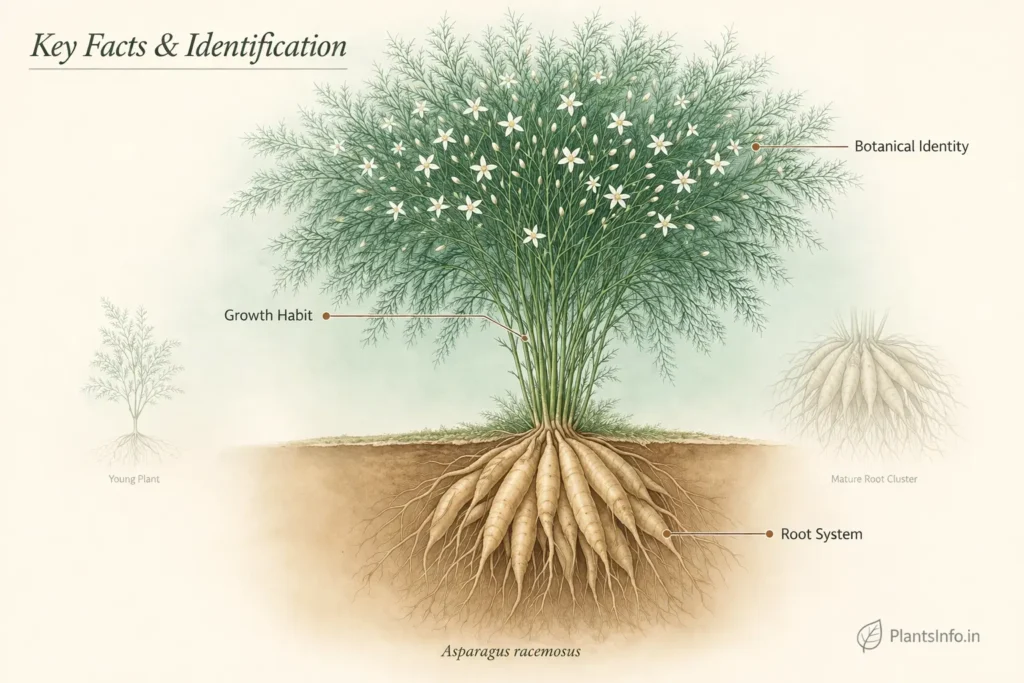
Run your fingers through a Shatavari vine, and nothing about its feathery, delicate foliage suggests the density of medicinal tradition stored in its roots. Yet the Charaka Samhita, one of Ayurveda’s foundational texts, places Shatavari among the elite group of rasayana herbs — those used not merely to treat illness but to fundamentally strengthen the body over time. That reputation has endured, and modern phytochemical research has given it measurable grounding.
Recommended Products
Disclosure: As an Amazon Associate, PlantsInfo may earn from qualifying purchases.
🌱 Growing Essentials
The following products can help with container gardening, potting, root development, soil management, and healthy plant growth.

Organic Potting Soil Mix
Provides nutrients, structure, and healthy growing conditions for container plants.
Coco Peat Growing Medium
Enhances moisture retention while maintaining excellent root-zone aeration.

Grow Bags for Plants
Improve drainage, root aeration, and vegetable production in limited spaces.

Plastic Pots for Plants
Ideal containers for seedlings, ornamentals, herbs, and balcony gardens.
Ayurvedic and Traditional Medicinal Uses
Ayurvedic texts describe Shatavari as a primary herb for stri roga (women’s health conditions), reproductive wellness, and as a general adaptogen — a substance that helps the body maintain equilibrium under physical and psychological stress. The name itself is commonly translated as “she who possesses a hundred husbands” or “having a hundred roots,” both interpretations pointing to the plant’s association with vitality and reproductive strength.
Classical texts classify it as madhura (sweet) and tikta (bitter) in rasa, guru (heavy) and snigdha (unctuous) in guna, and sheeta (cooling) in virya. In practical terms, Ayurvedic practitioners have traditionally used it for: supporting lactation in nursing mothers, easing symptoms of menstrual irregularity, building strength during postpartum recovery, managing conditions associated with pitta excess such as acidity and inflammation, and as a general tonic for debility and convalescence.
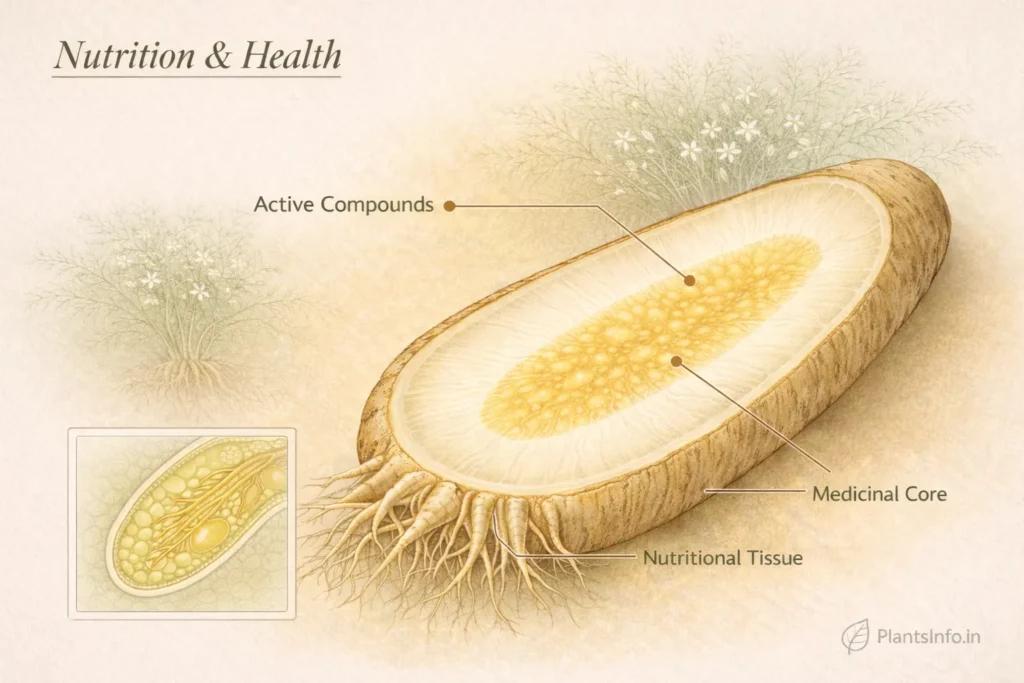
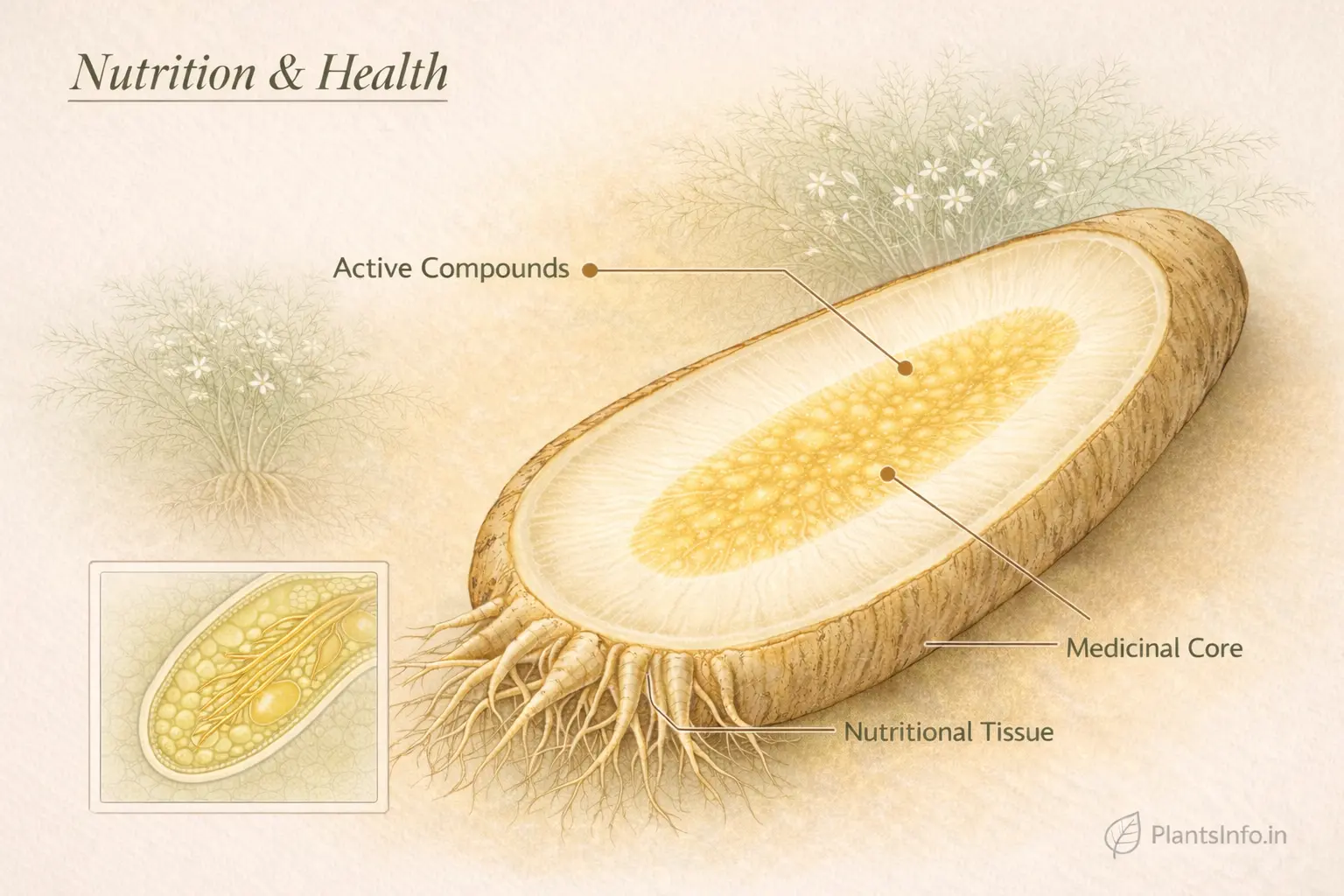
Modern phytochemical research has identified the primary active compounds in Shatavari roots as steroidal saponins — specifically a group called shatavarins (I through IV being the most studied). Research suggests these compounds exhibit adaptogenic, immunomodulatory, and antioxidant properties. Studies conducted in Indian research institutions have shown that root extracts may support immune cell activity and demonstrate anti-inflammatory effects in laboratory models. Clinical research on Shatavari’s role in supporting lactation in nursing mothers has shown promising but preliminary results across several small-scale trials.
This information is based on traditional Ayurvedic knowledge and published research. It is not a substitute for medical advice. Consult a qualified healthcare professional before using any plant-based remedy for health conditions.
Ecological Role
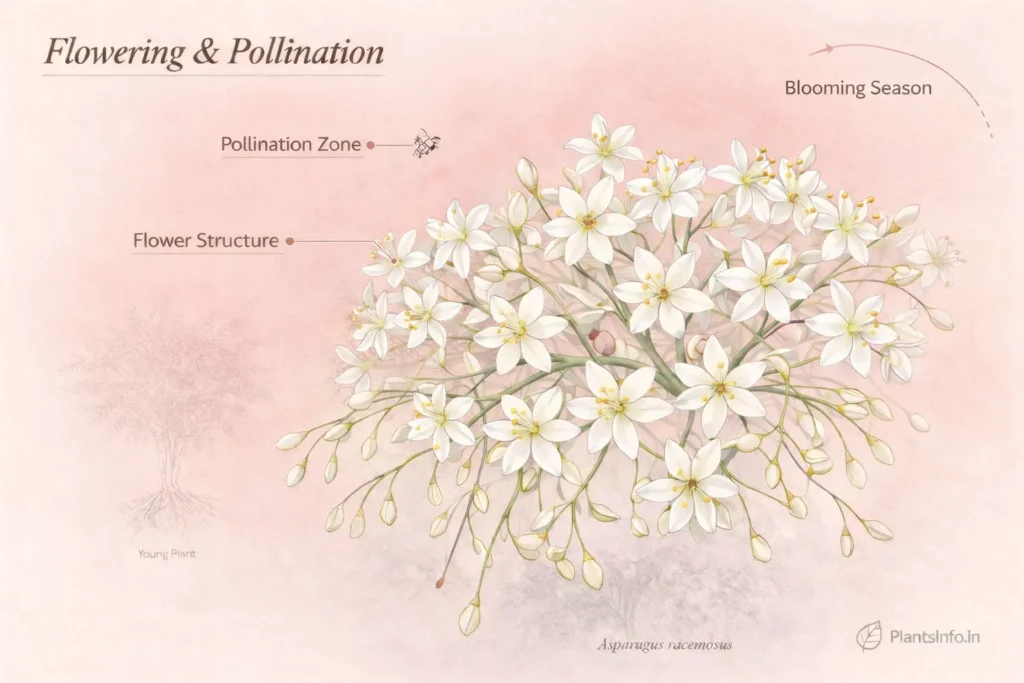
Shatavari is a fast-growing climber that provides quick green cover on fences, trellises, and degraded scrubland. Its small white flowers, which bloom in winter across most of India, are a significant nectar source for bees and small pollinators. The bright red berries that follow attract birds, making Shatavari a meaningful contributor to garden biodiversity even in urban settings.
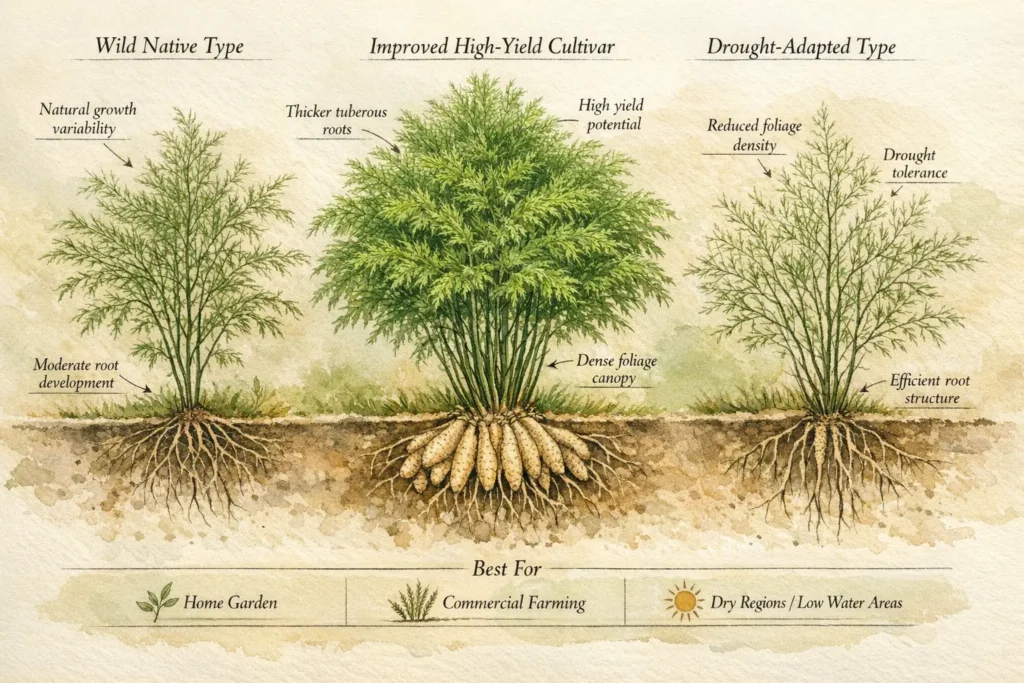
The plant’s deep, extensive root system binds sandy and loose soil effectively — it naturalises readily in Rajasthan and central Indian drylands, where it plays a stabilising role on degraded hillside and scrubland soils.
Practical Value for Home Gardeners
A home gardener with a 2–to 3-year-old Shatavari plant has access to fresh roots that can be used directly. The most common home preparations are a simple root powder (dried roots ground to a fine powder) mixed with warm milk and honey, and a root decoction made by simmering 5–10g of dried root pieces in water.
Root powder keeps well for 6–8 months in an airtight container stored away from light and moisture. Growing your own Shatavari also means access to fresh roots, which are considered more potent in traditional Ayurvedic preparation than dried commercial powder.
How to Prepare or Use at Home
Shatavari milk (classic preparation): Simmer ½ to 1 teaspoon of Shatavari root powder in one cup of full-fat milk for 5 minutes. Add honey or jaggery to taste after cooling slightly. This is the most widely used traditional preparation for general tonic and lactation support.
Root decoction: Boil 5–8g of dried root pieces in 300 ml of water until reduced by half. Strain and drink warm. This preparation is considered more appropriate for digestive and pitta-related conditions in classical Ayurvedic practice.
Fresh root juice: Freshly harvested roots can be washed, peeled, and juiced. Use within 24 hours. Traditional texts suggest 10–20 ml of fresh juice as a single dose, though individual sensitivity varies.
Do not exceed recommended quantities on the assumption that more is better — high doses of Shatavari preparations have been associated with digestive heaviness and, in some individuals, fluid retention.
What to Avoid
Individuals with a known allergy to plants in the Asparagaceae family should approach Shatavari cautiously. Those with oestrogen-sensitive conditions should consult a physician before regular use, as the phytoestrogenic properties of the steroidal saponins may be relevant.
Shatavari is classified as a cooling, moistening herb in Ayurvedic pharmacology — individuals with kapha-predominant constitutions, chronic congestion, or lymphatic sluggishness are traditionally advised to use it with warming spices such as dry ginger rather than in isolation.
Concurrent use with diuretic medications warrants medical guidance, as Shatavari has mild diuretic properties in some preparations. Pregnant women should use Shatavari only under Ayurvedic or medical supervision, despite its traditional association with reproductive wellness — classical texts specify particular preparations and dosages that are not equivalent to unguided self-administration.
Conclusion
Shatavari is one of the rare medicinal plants where the weight of traditional Ayurvedic knowledge and the direction of modern research point in broadly the same direction, though clinical evidence is still building, and no preparation replaces qualified medical advice.