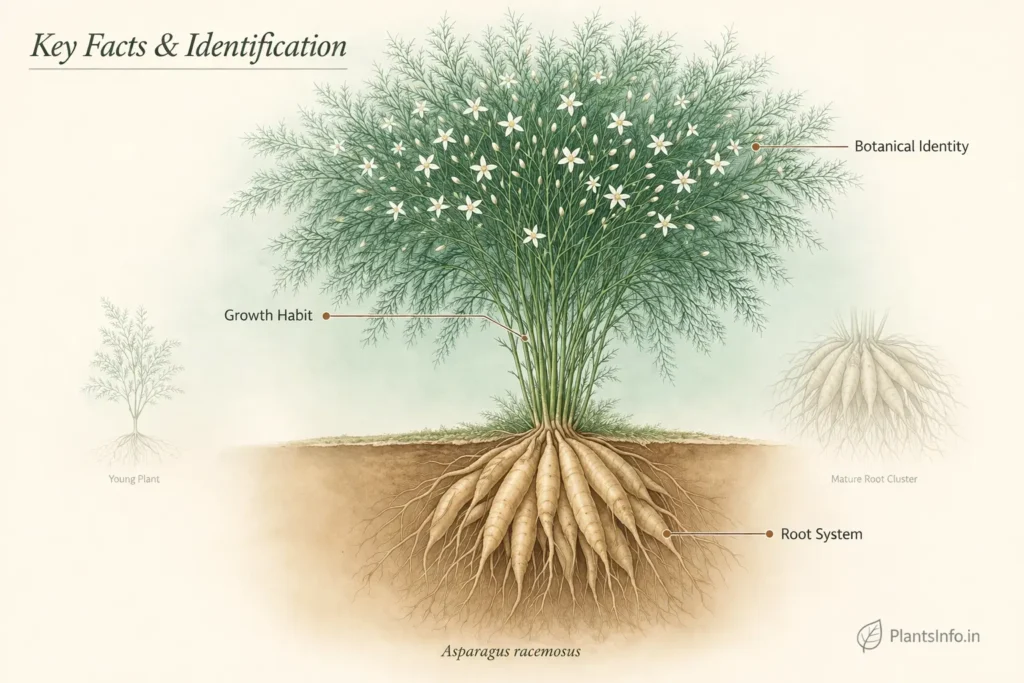
Shatavari Flowering Season: When and What to Expect in India
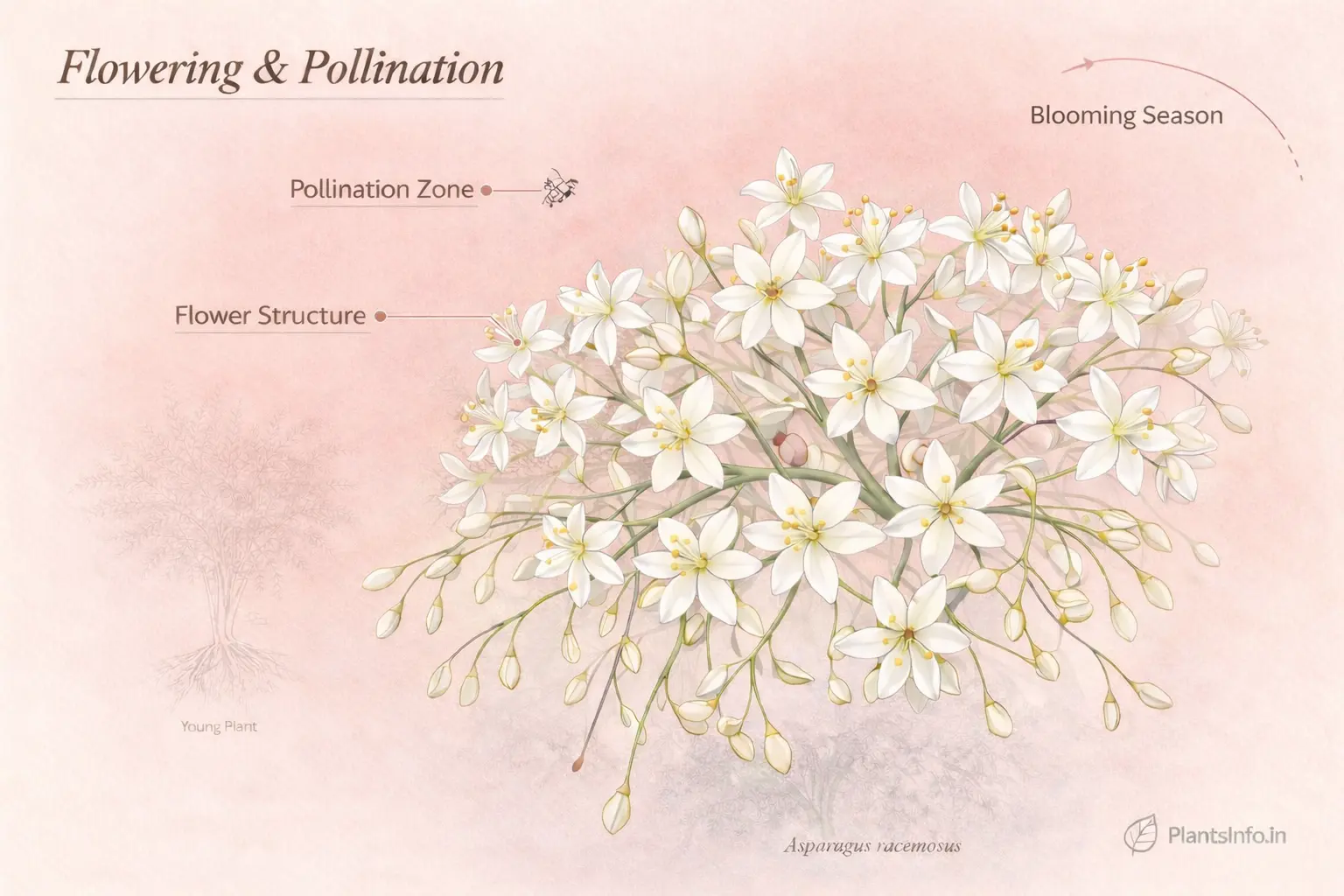
Quick Answer: Shatavari flowers in winter — typically November to February across most of India, with the peak bloom in December–January. Fruiting follows in February–March. The best time to plant is pre-monsoon (March–May), with early monsoon (June–July) as a reliable second window.
See also: Shatavari plant profile, how to grow it, common problems, its benefits, and its varieties.
In a winter garden where most plants have retreated, Shatavari’s small white flowers arrive like a quiet announcement — fragrant, numerous, and easy to miss until you step close enough to catch the scent. The timing is consistent across most of peninsular India, though the onset shifts by 3–4 weeks between warmer coastal regions and cooler inland zones.
Recommended Products
Disclosure: As an Amazon Associate, PlantsInfo may earn from qualifying purchases.
🌱 Growing Essentials
The following products can help with container gardening, potting, root development, soil management, and healthy plant growth.
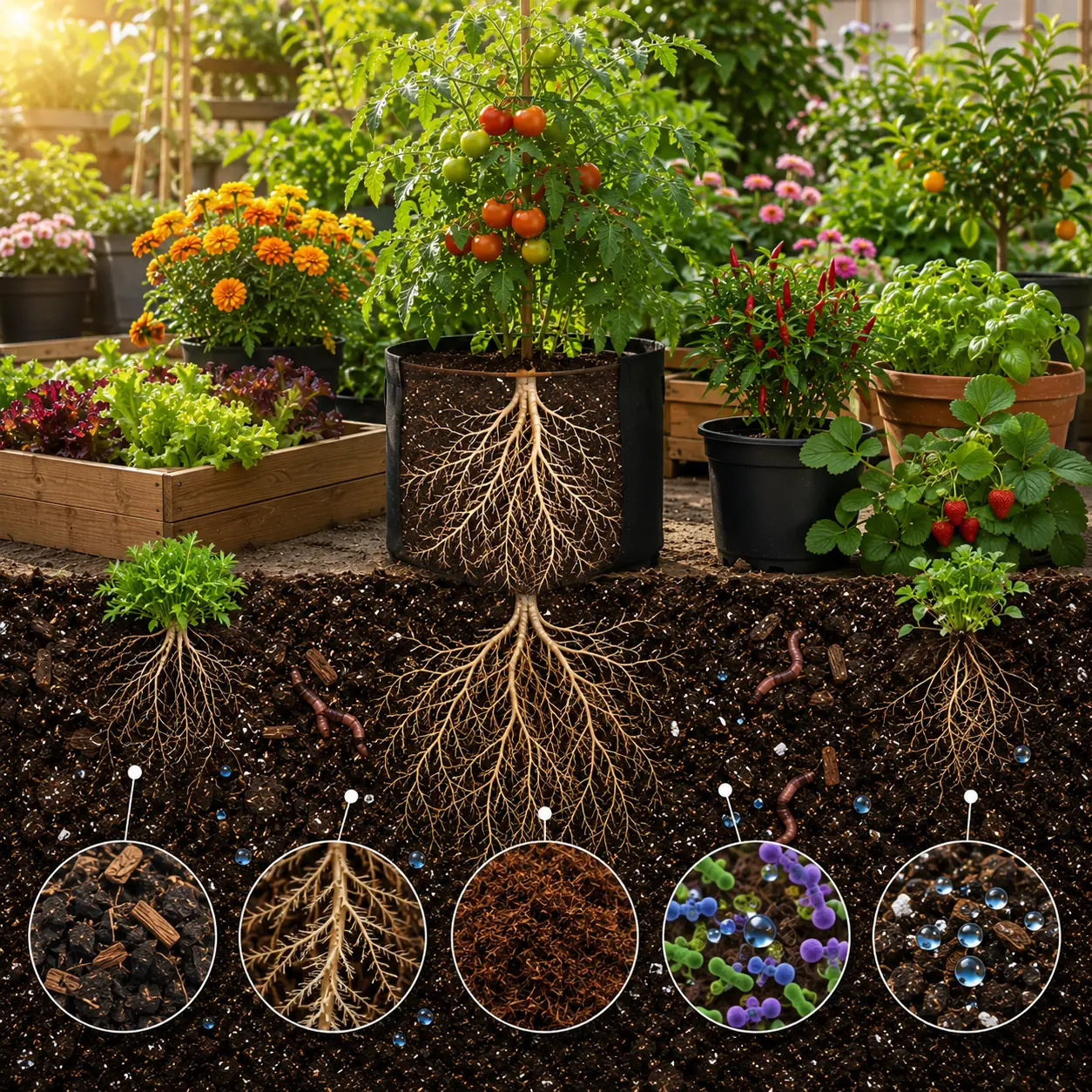
Organic Potting Soil Mix
Provides nutrients, structure, and healthy growing conditions for container plants.
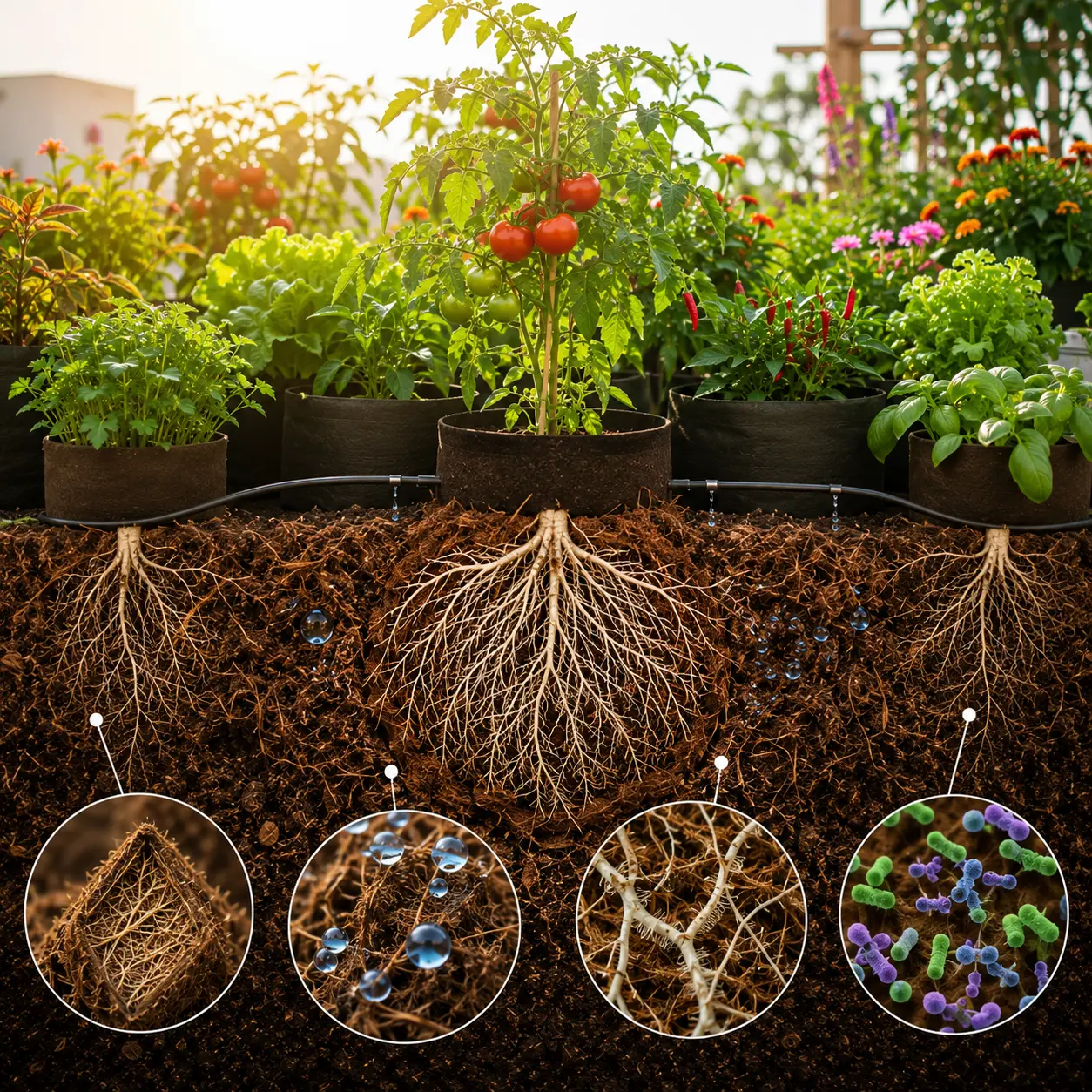
Coco Peat Growing Medium
Enhances moisture retention while maintaining excellent root-zone aeration.

Grow Bags for Plants
Improve drainage, root aeration, and vegetable production in limited spaces.

Plastic Pots for Plants
Ideal containers for seedlings, ornamentals, herbs, and balcony gardens.
India’s Seasons and This Plant
| Season (months) | What the plant is doing |
|---|---|
| Pre-monsoon (Mar–May) | Active vegetative growth; new shoots emerging; ideal planting window |
| Monsoon (Jun–Sep) | Peak aerial growth; vine extends rapidly; root mass expanding underground |
| Post-monsoon (Oct–Nov) | Growth slows; flower buds begin forming |
| Winter (Dec–Feb) | Peak flowering; fragrant white blooms; berries developing late in the season |
Flowering Season in Detail
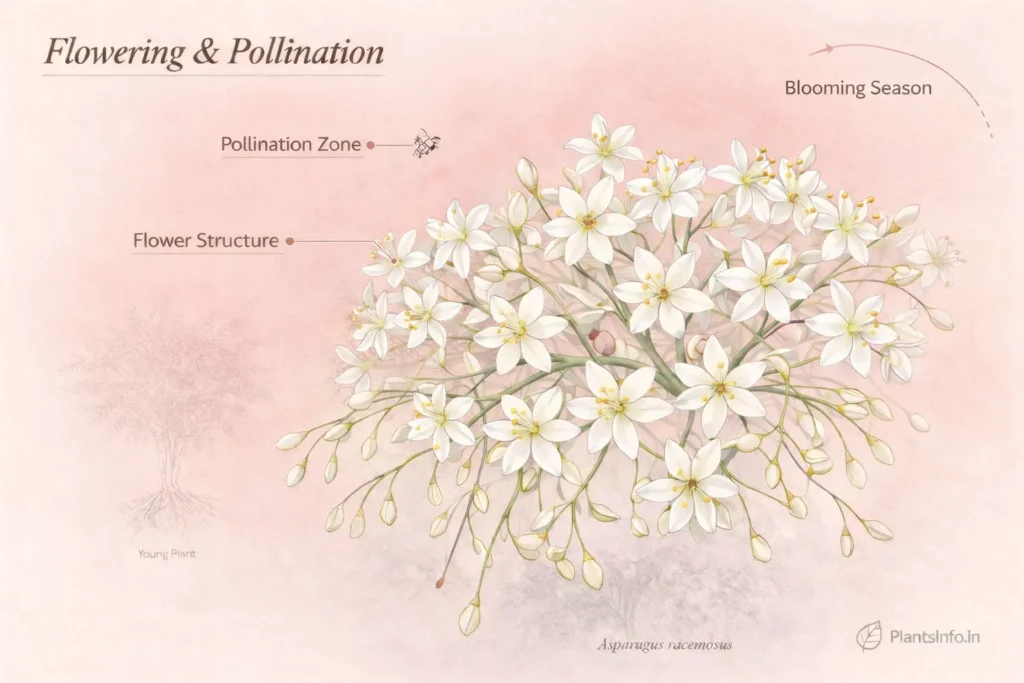
Flower buds appear on Shatavari from October onward in most plains regions. By November, racemes (elongated flower clusters) are visible along the stems. Peak bloom runs through December and January — a well-established plant can carry hundreds of small flower clusters simultaneously.
Individual flowers are short-lived (3–5 days), but because the plant flowers in succession along each raceme and across multiple stems, the overall bloom period stretches over 6–8 weeks. The fragrance is most noticeable in the early morning and evening hours.
In coastal regions (Maharashtra coast, Karnataka coast, Kerala), flowering may begin slightly earlier — from late October — due to the moderated temperatures. In northern plains (UP, Rajasthan), flowering is compressed into December–January when temperatures are lowest.
What triggers flowering is primarily a drop in temperature combined with shortening day length. Plants that receive consistent direct sun through the pre-monsoon and monsoon season build the strongest flower set.
Fruiting Season
Small green berries begin forming in January, growing from the base of each spent flower. By February–March, berries ripen from green to bright red — this is the visual cue that the fruit is mature.
The harvest window for berries is narrow — 2–3 weeks at most before birds begin stripping the plant. If collecting seeds for propagation, harvest red berries promptly and clean the pulp off before drying seeds in shade.
If the harvest window is missed entirely, fallen berries self-sow readily in adjacent soil — a free, if untidy, propagation bonus.
Best Time to Plant
The ideal planting window is pre-monsoon — March through May. Planting in this window gives the young plant 3–4 months of warm growing weather before the monsoon arrives to boost growth further. By the end of the first monsoon, a pre-monsoon-planted Shatavari is typically well established and approaching its first trellis.
Early monsoon planting (June–July) is a reliable second option and reduces the watering burden in the first weeks. Avoid planting in the peak summer months (April–May) in extremely hot zones (interior Rajasthan, Vidarbha, Telangana) unless shade protection and consistent irrigation are in place.
Container plants can be established slightly later — up to August — as their controlled environment makes the transition more manageable.
Month-by-Month Calendar
| Month | Season | What to Do |
|---|---|---|
| January | Winter | Peak flowering; observe bloom and fragrance; berries beginning to form |
| February | Winter/pre-monsoon | Berries ripening; collect seed if needed; root harvest window opens |
| March | Pre-monsoon | Best month to plant new seedlings or root divisions; harvest roots of 2–3 year plants |
| April | Pre-monsoon | Growth begins to slow; root mass develops underground |
| May | Pre-monsoon | New growth visible on established plants; trellis check and tie-in |
| June | Monsoon onset | Rapid vine extension; ensure drainage is clear before heavy rains arrive |
| July | Monsoon | Peak aerial growth; no supplemental watering needed in ground-planted specimens |
| August | Monsoon | Continued vigorous growth; monitor for root rot in poorly drained spots |
| September | Late monsoon | Flower buds are forming; the plant transitions from the vegetative to the reproductive phase. |
| October | Post-monsoon | Racemes are visible; early flowers open in coastal and southern regions |
| November | Post-monsoon | Racemes visible; early flowers open in coastal and southern regions |
| December | Winter | Peak bloom begins; fragrant white flowers throughout the vine |
What Can Go Wrong Seasonally?
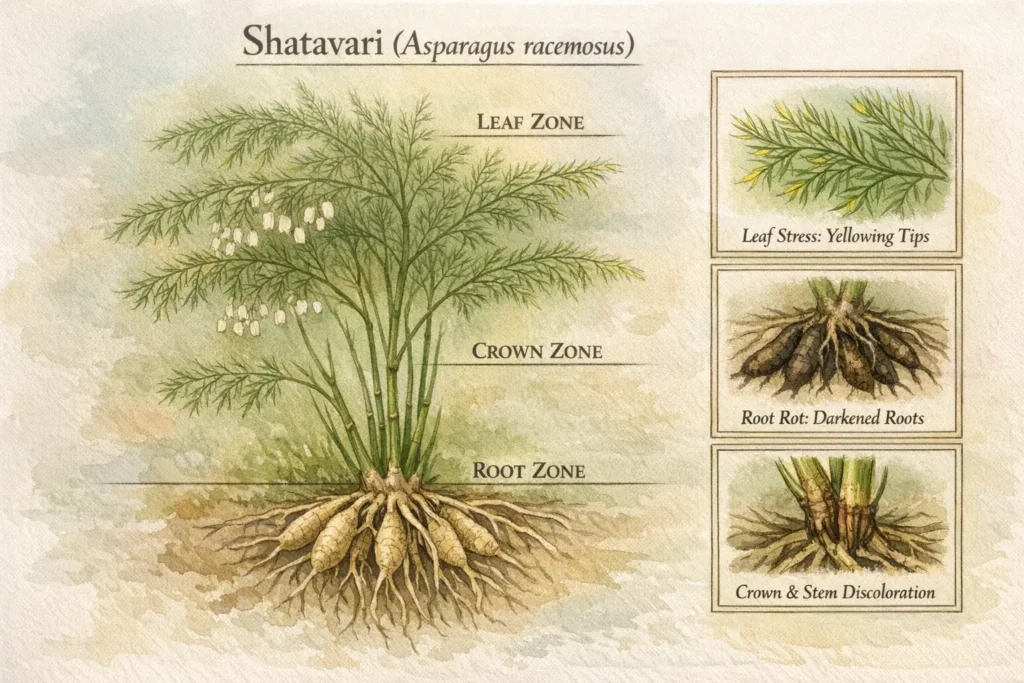
Monsoon root rot is the most serious seasonal risk. If drainage is inadequate, the sustained moisture of June–September causes rapid root rot in container and ground-planted specimens alike. Ensure drainage holes are clear before the monsoon begins — do not wait until symptoms appear.
Summer dieback in April–May is commonly mistaken for disease or death. Shatavari is semi-deciduous in intense dry heat — cladodes drop, and aerial growth recedes. The roots are alive. Revival with the pre-monsoon rains or first irrigation is reliable in established plants.
Failure to flower in the second or third year is usually caused by insufficient sun during the monsoon growing season. A plant that grows in partial shade builds less stored energy in its roots and delays flowering by one or more seasons. Move container plants to a sunnier position before the monsoon.
Post-Harvest and Post-Bloom Care
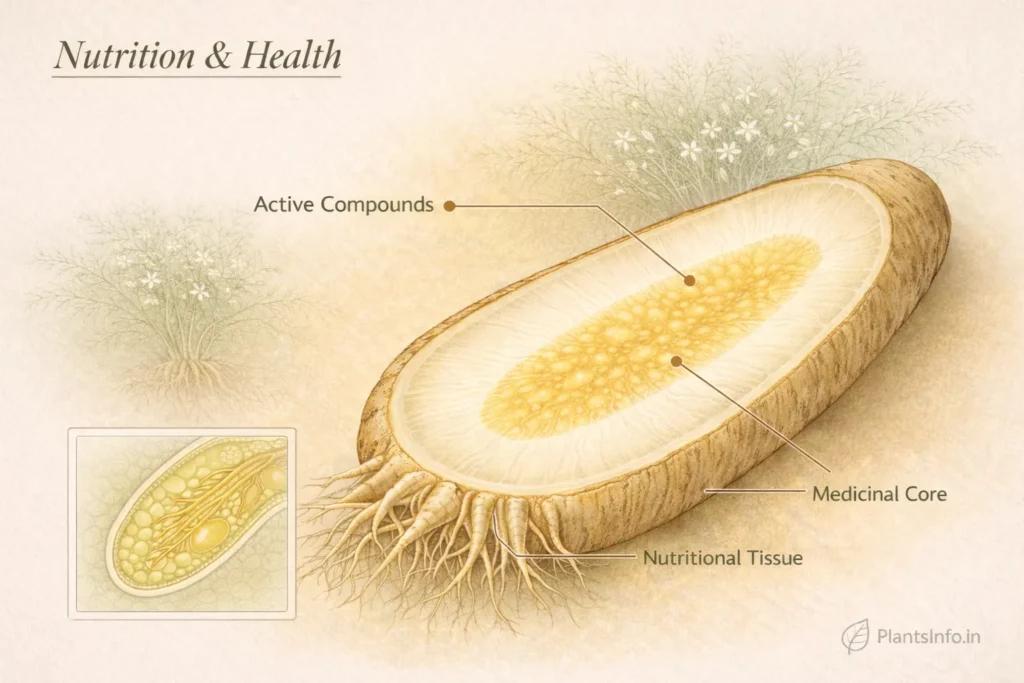
After the berry season ends in March, trim back any dead or unproductive stems to encourage the new season’s growth. This is also the best window for root division and propagation — detail on timing and method belongs in the Growing Guide.
Allow the plant to rest through the hottest weeks of April–May with minimal intervention. Reduce watering and avoid fertilising during this period.
Conclusion
Plant in pre-monsoon, watch for the first flowers in winter of year two, and plan root harvest for February–March of year three. Shatavari’s rhythm is slow and seasonal, but reliably consistent once established