Papaya Fruit: Nutritional Benefits and Culinary Uses
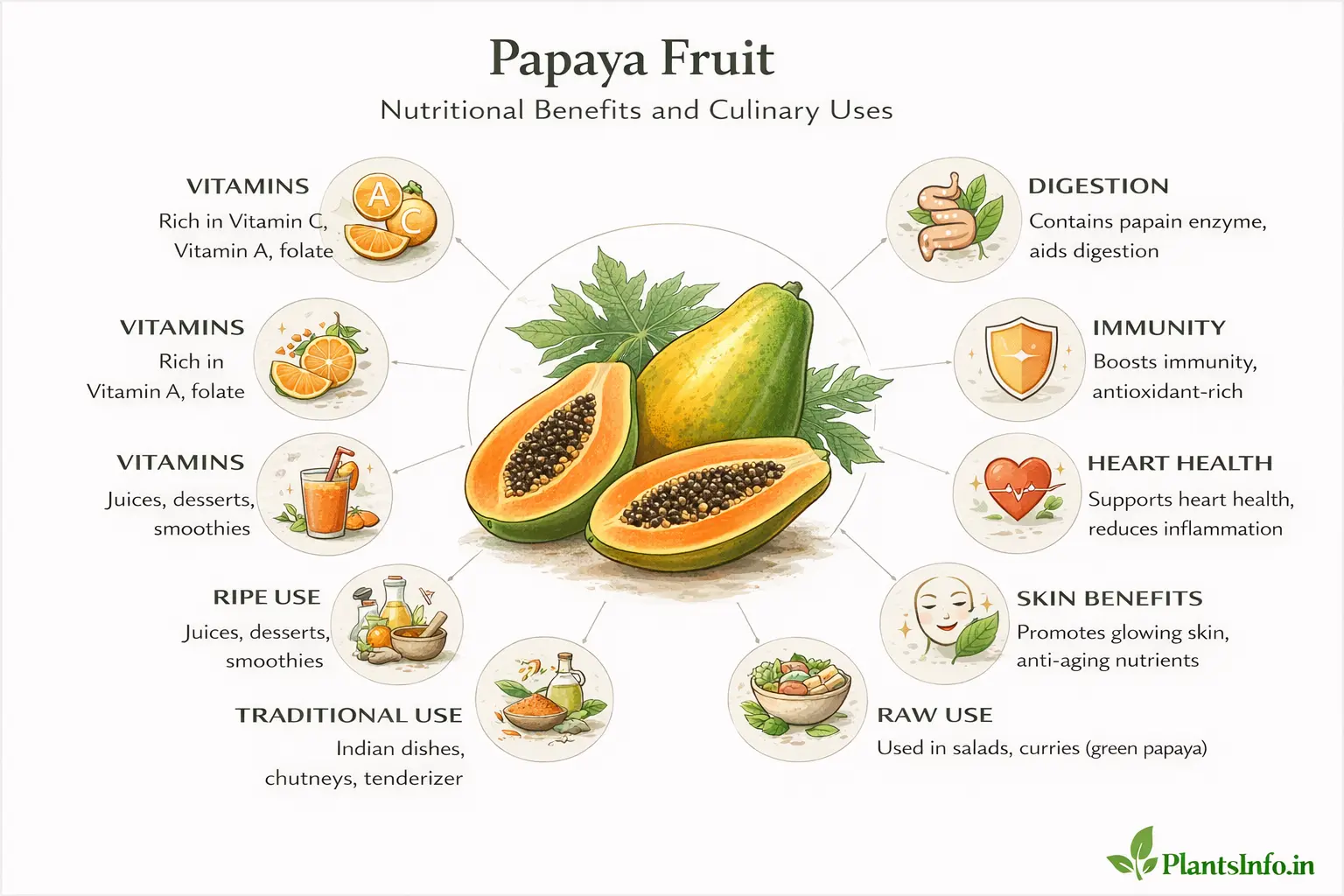
Quick Answer: Papaya is a nutritional powerhouse rich in papain (a digestive enzyme), vitamin C, and carotenoids. It aids digestion, supports immune function, and is used across Indian cuisine in both ripe and green forms. The fruit, seeds, and leaves all have distinct traditional uses.
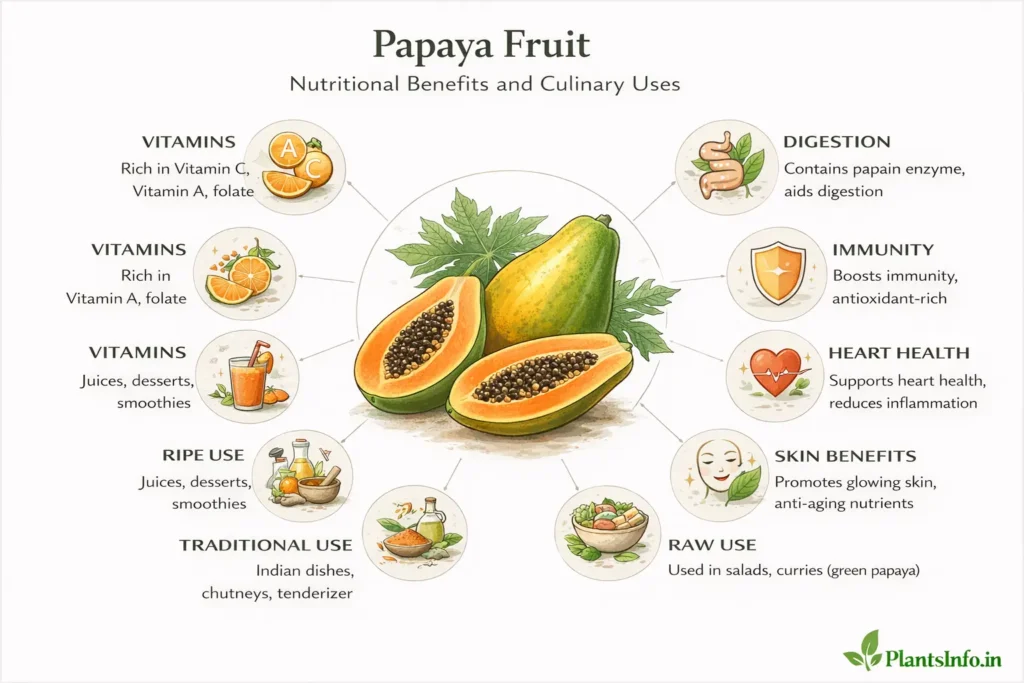
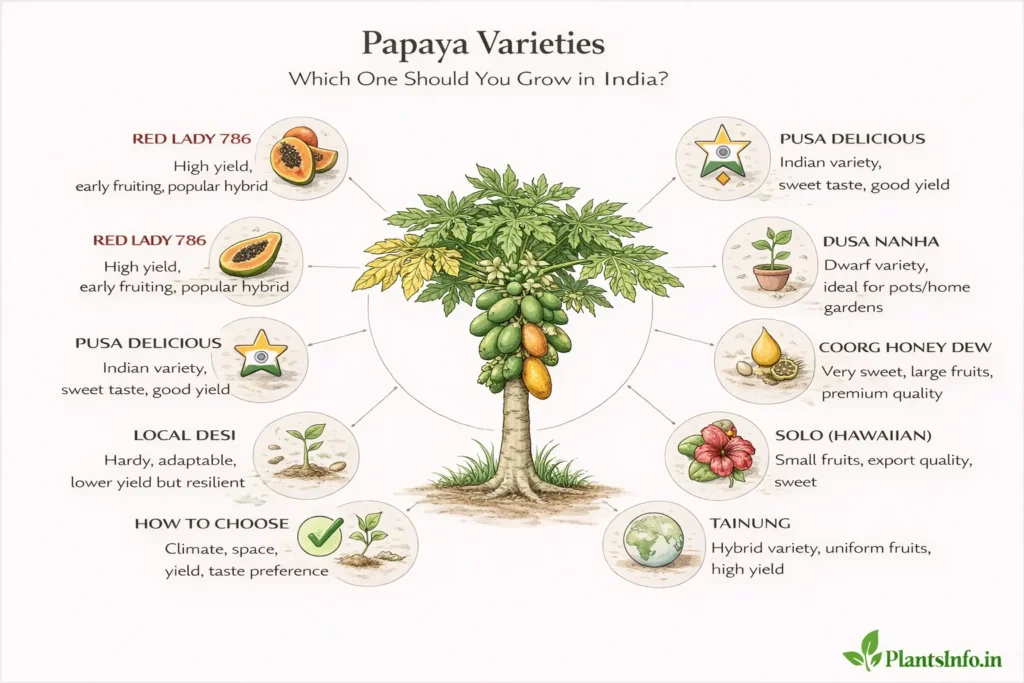
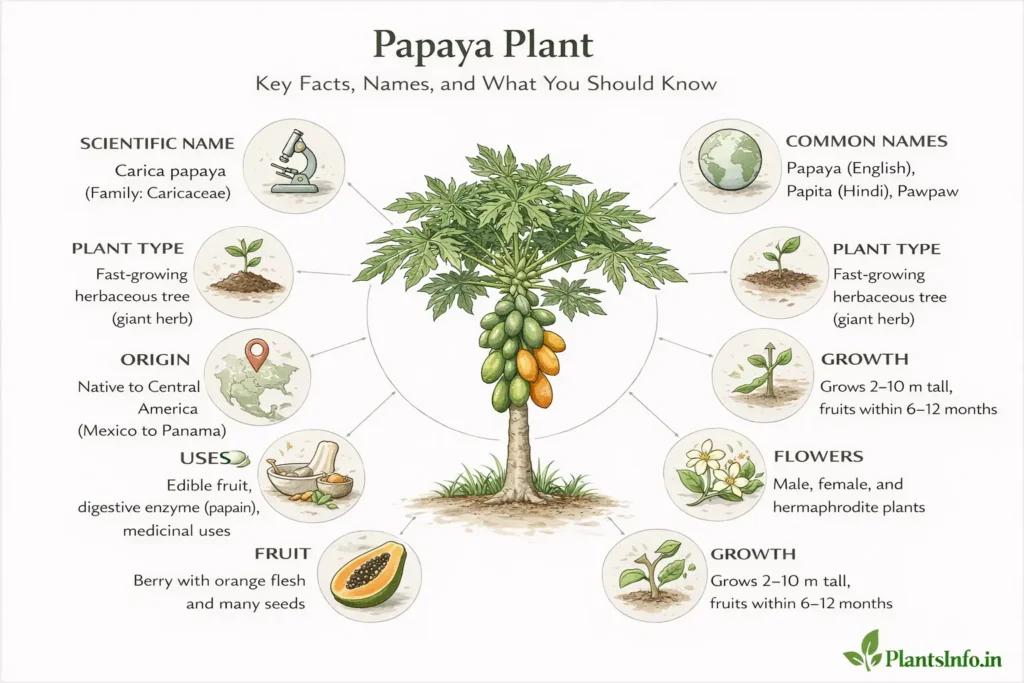
See also: Papaya Plant plant profile, how to grow it, common problems, its flowering season, and its varieties.
A single 150-gram serving of ripe papaya delivers more vitamin C than an orange, yet most Indians value it primarily for one thing: its unmatched ability to ease stubborn digestion. That benefit isn’t folk wisdom — it’s the action of papain, a proteolytic enzyme so effective at breaking down protein that commercial meat tenderisers are made from it. But papaya’s significance extends far beyond digestion into immunity, skin health, and a culinary versatility that transforms it from fruit to vegetable depending on when you harvest it.
Recommended Products
Disclosure: As an Amazon Associate, PlantsInfo may earn from qualifying purchases.
🌱 Growing Essentials
The following products can help with container gardening, potting, root development, soil management, and healthy plant growth.
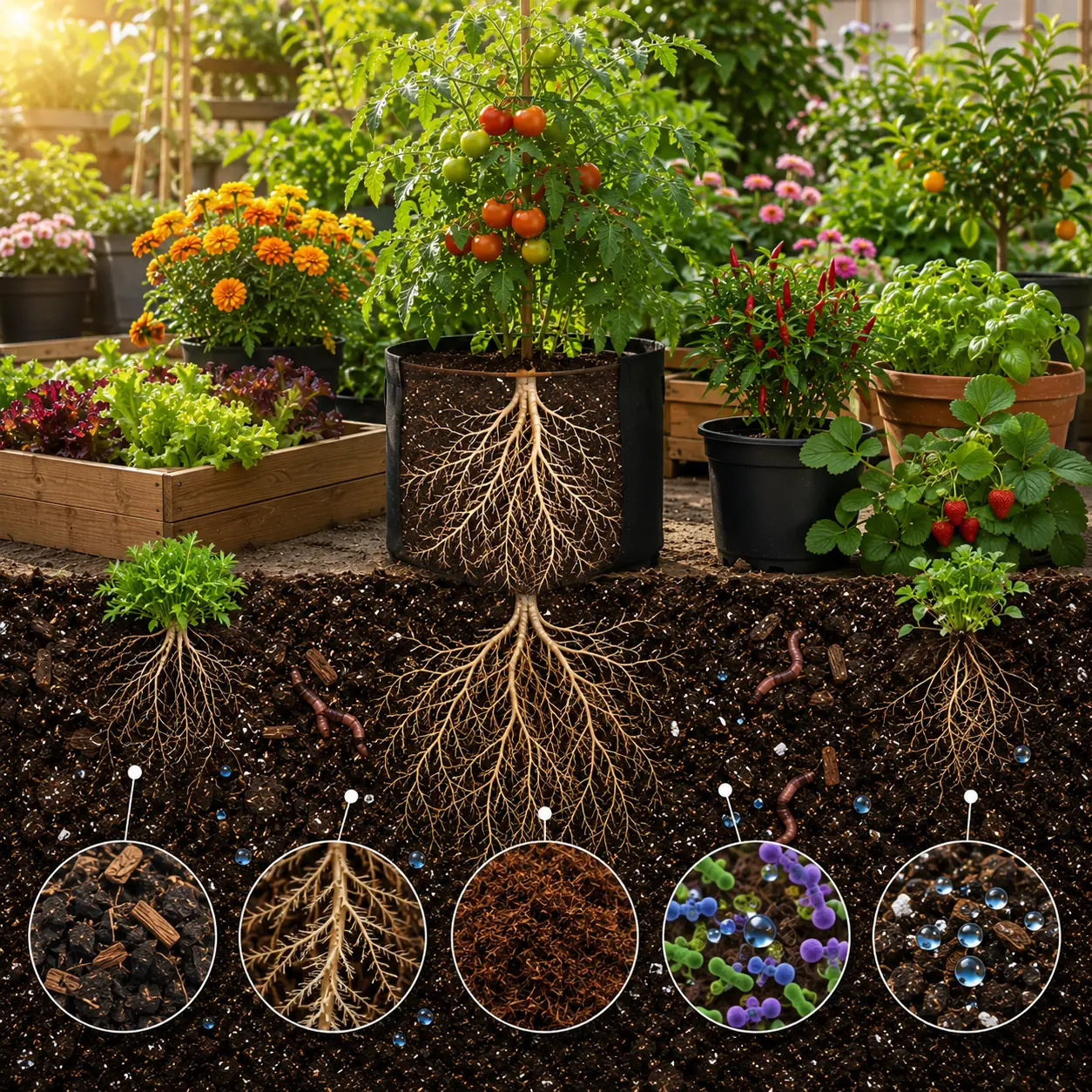
Organic Potting Soil Mix
Provides nutrients, structure, and healthy growing conditions for container plants.
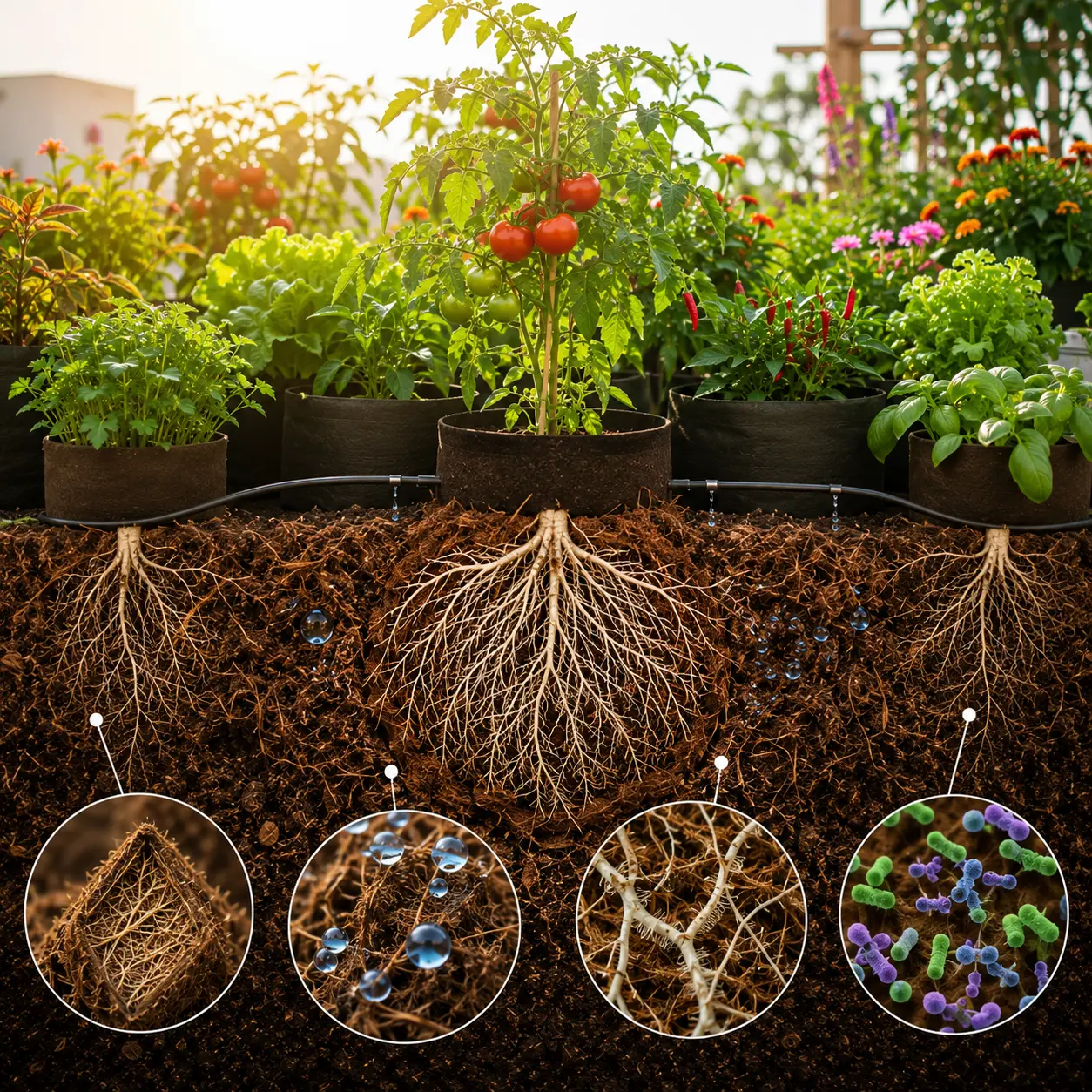
Coco Peat Growing Medium
Enhances moisture retention while maintaining excellent root-zone aeration.

Grow Bags for Plants
Improve drainage, root aeration, and vegetable production in limited spaces.

Plastic Pots for Plants
Ideal containers for seedlings, ornamentals, herbs, and balcony gardens.
This article examines papaya’s nutritional profile, its role in Ayurveda and modern research, ecological contributions, and practical uses for home gardeners.
Nutritional Profile and Digestive Benefits
Ripe papaya is exceptionally nutrient-dense relative to its calorie content. A 150-gram serving (roughly one cup of cubed fruit) provides approximately 60 calories, 15 grams of carbohydrates (primarily natural sugars and fiber), and negligible fat and protein. The nutritional strength lies in its micronutrients: 90–95 mg of vitamin C (100% of the daily requirement), 1,500–2,000 micrograms of beta-carotene (converted to vitamin A in the body), and significant amounts of folate, potassium, and vitamin E.
The defining compound is papain, concentrated most heavily in green (unripe) fruit and latex. Papain breaks peptide bonds in proteins, making tough proteins more digestible. Traditional practice across India uses green papaya as a meat tenderiser — the same enzyme that softens mutton or chicken in the pot reduces digestive strain in the stomach. Research suggests papain may help with protein malabsorption and slow gastric emptying, though clinical evidence remains limited compared to traditional use.
Ripe papaya also contains chymopapain (another proteolytic enzyme) and small amounts of fiber (2–3 grams per serving), both contributing to laxative and stool-softening effects commonly observed after eating the fruit.
Carotenoids — beta-carotene, lycopene, and beta-cryptoxanthin — give papaya its orange-red color and function as antioxidants. Lycopene content in red-fleshed varieties rivals that of tomato, while beta-carotene supports vision and immune function. The bioavailability of these fat-soluble compounds increases when papaya is consumed with a small amount of fat — a principle reflected in traditional Kerala preparations that pair papaya with coconut.
Vitamin C concentration in papaya is heat-sensitive. Cooked green papaya retains some vitamin C but significantly less than raw fruit.
This information is based on traditional Ayurvedic knowledge and published research. It is not a substitute for medical advice. Consult a qualified healthcare professional before using any plant-based remedy for health conditions.
Ayurvedic and Traditional Medicinal Uses
Ayurveda classifies ripe papaya as madhura (sweet) and ushna (heating) with a particular affinity for pitta and kapha balance when used appropriately. Charaka Samhita references papaya (as erandakarkati in some translations, though this attribution is debated) for its digestive and mild purgative properties.
Traditional uses across Indian systems:
- Digestive support: Ripe fruit is given to relieve constipation, particularly in children and elderly individuals. Green papaya is used in Kerala and Tamil Nadu as a digestive aid when protein-heavy meals cause bloating or discomfort.
- Menstrual regulation: Unripe papaya has a documented traditional use as an emmenagogue (a substance that stimulates menstrual flow). Modern research has identified uterine muscle stimulation properties in green papaya latex, which is why pregnant women are advised to avoid unripe papaya entirely. Ripe fruit poses no such risk.
- Skin applications: Papaya pulp applied topically is a widespread home remedy for wound healing and burn treatment. Papain’s proteolytic action helps debride dead tissue. Commercial wound-care products containing papain are used in clinical settings for this purpose.
- Anthelminthic (anti-parasitic): Papaya seeds, bitter and peppery, are chewed in small quantities (5–10 seeds) in rural areas as a traditional deworming remedy. Carpaine and benzyl isothiocyanate in the seeds show activity against intestinal parasites in laboratory studies, but clinical evidence for efficacy and safe dosing in humans is limited.
- Liver support: Ripe papaya is used in some folk traditions for jaundice and liver sluggishness, though scientific validation is minimal.
Culinary Uses Across India
Papaya’s culinary identity shifts dramatically based on ripeness.
- Ripe fruit is eaten fresh across India, added to fruit salads, blended into smoothies, or simply sprinkled with lime juice and chaat masala. In South India, ripe papaya is occasionally cooked into payasam (sweet pudding) or halwa. The fruit pairs naturally with coconut, lime, ginger, and honey.
- Green (unripe) papaya functions as a vegetable. In Kerala, kappalanga thoran is a dry stir-fry of grated green papaya with mustard seeds, curry leaves, and coconut. In Tamil Nadu and Andhra Pradesh, green papaya is added to sambar and kootu. In Maharashtra and parts of North India, it’s cooked with potatoes and spices into a dry sabzi. The Bengali pepe khechuri incorporates green papaya into a lentil and rice preparation.
- Green papaya is also dried, powdered, and used as a meat tenderiser in commercial and home kitchens — a practice common in Kerala and Goa for preparing tough cuts of beef or pork.
- Seeds are edible but intensely bitter with a peppery aftertaste. Dried and ground, they are sometimes used as a black pepper substitute, though this is uncommon. Some experimental cooks add 5–10 crushed seeds to salad dressings for a pungent kick.
- Leaves are not traditionally eaten in most of India, but are used medicinally. Young, tender leaves are occasionally boiled and consumed in the Northeastern states as a bitter green.
Regional preparation note: In coastal Karnataka and Kerala, papaya flower (from male plants) is cooked as a vegetable, prized for its slightly bitter flavor. The flowers are blanched to reduce bitterness, then stir-fried with onions and spices.
Ecological Role
Papaya supports specific pollinator populations, particularly moths and small bees. The flowers, which open at night or early morning, are visited by hawk moths (Sphingidae family) in addition to day-active honeybees. In areas where papaya is grown densely, it provides an important nectar source during its long flowering season.
The fruit attracts fruit bats, which feed on ripe papayas left on the tree or fallen to the ground. While this can reduce harvestable yield, bats serve as long-distance seed dispersers. Fruit-eating birds like mynas, crows, and barbets also consume ripe papaya, contributing to seed spread.
Papaya’s dense canopy and large leaves create localised shade, which can protect understory crops or young seedlings in polyculture systems. However, the shallow root system offers minimal soil stabilisation or erosion control compared to deep-rooted trees.
The plant is nitrogen-neutral — neither fixing nor particularly depleting soil nitrogen. After harvest, the soft stem decomposes rapidly (within 3–4 months) and can be chopped and added to compost piles, where it breaks down faster than woody plant material.
Practical Value for Home Gardeners
Home gardeners gain access to varieties and ripeness stages unavailable in markets. Taiwan Red and Red Lady varieties, common in home gardens, have richer flavor and deeper color than the standard market papaya, which is often harvested green for transport durability.
Harvesting at optimal ripeness (30–50% yellow) and allowing the fruit to ripen indoors produces superior flavor and texture compared to market fruit picked at 0–10% color change.
Green papaya from your garden is free of the wax coating sometimes applied to market fruit, making it safer and more appealing for raw preparations like salads and thoran. The latex from green fruit or stem cuts can be collected (a few drops per cut) and dried for use as a meat tenderiser — though this is labour-intensive and rarely practiced.
Papaya leaves can be juiced (extremely bitter) or made into a tea (less bitter) for traditional medicinal use, particularly during dengue fever convalescence — a widespread practice in India despite limited clinical evidence. Home access means fresh leaves are available on demand.
How to Prepare or Use at Home
- For digestion: Eat 100–150 grams of ripe papaya on an empty stomach in the morning, or 30 minutes before a protein-heavy meal. The enzyme activity is highest when consumed away from other foods.
- Green papaya salad (Thai-inspired, adapted for Indian kitchens): Peel and julienne 200 grams of green papaya. Pound together 2 cloves of garlic, 2 green chillies, 10 grams roasted peanuts, 1 tablespoon lime juice, 1 teaspoon jaggery, and salt. Toss with papaya. This retains enzymes that cooking destroys.
- Papaya seed use: Dry seeds in shade for 3–4 days until hard. Crush 5–10 seeds and swallow with water on an empty stomach for traditional deworming. Do not exceed 10 seeds per day. Not for pregnant women or children under 12.
- Papaya leaf tea: Wash 5–6 young leaves thoroughly. Tear roughly and boil in 500 ml of water for 10 minutes. Strain and cool. Drink 50–100 ml once daily. Extremely bitter — add honey if needed. Some consume this during dengue recovery to support platelet count, though scientific evidence is inconclusive.
- Skin application: Mash ripe papaya pulp and apply to clean skin for 10–15 minutes, then rinse. The papain exfoliates dead cells. Patch-test first — some individuals experience irritation.
What to Avoid
- Unripe papaya during pregnancy: Green papaya and papaya latex contain compounds that stimulate uterine contractions and may induce miscarriage. Pregnant women must avoid unripe papaya entirely. Ripe fruit is considered safe in normal food quantities.
- Excessive seed consumption: Papaya seeds contain benzyl isothiocyanate, which is therapeutic in small amounts but potentially toxic in high doses. Limit to 10 seeds per day. Long-term daily consumption (months) has shown testicular effects in animal studies, though human evidence is absent. Not recommended for men planning conception.
- Allergic reactions: Papain and chitinases in papaya can cross-react with latex allergies. Individuals allergic to latex, kiwi, avocado, or banana should introduce papaya cautiously and watch for itching, swelling, or digestive upset.
- Latex contact: Fresh latex from cuts in green fruit or stem causes skin irritation in some people. Wear gloves when handling large quantities of green papaya. Wash hands immediately if sap contacts skin.
- Overconsumption: Eating more than 300–400 grams of ripe papaya daily can cause carotenemia (yellowing of skin due to excess beta-carotene), which is harmless but cosmetically undesirable. It resolves within weeks of reducing intake.
Key Takeaways
- Papaya delivers 100% of daily vitamin C needs in a single 150-gram serving, along with significant beta-carotene, lycopene, and folate.
- Papain enzyme in green papaya aids protein digestion and is the basis for its traditional use as a digestive remedy and meat tenderiser.
- Unripe papaya is unsafe during pregnancy due to compounds that stimulate uterine contractions; ripe fruit poses no risk.
- Papaya seeds have traditional anti-parasitic use, but must be limited to 10 seeds daily due to potentially toxic compounds at higher doses.
- Home-grown papaya offers superior flavor and access to green fruit, seeds, and leaves unavailable or degraded in market varieties.
Conclusion
Papaya delivers immediate nutritional value and long-standing traditional significance, from digestive enzyme therapy to versatile culinary applications across ripe and green forms. Growing your own ensures access to optimal ripeness and parts of the plant that markets never supply.