Papaya Flowering Season: When and What to Expect in India

Quick Answer: Papaya flowers 4–5 months after planting in most Indian conditions, with peak flowering from October to February depending on planting season. Fruit ripens 4–6 months after flowering. The best planting windows are monsoon onset (June–July) and post-monsoon (September–October), ensuring first harvest within 8–10 months.
See also: Papaya Plant plant profile, how to grow it, common problems, its benefits, and its varieties.
Papaya doesn’t follow a strict once-a-year flowering calendar like mango or litchi. It flowers continuously once it reaches maturity, producing new blooms every week or two throughout its productive life. This means you can have fruit in various stages — green, ripening, and ripe — on the same plant simultaneously, a characteristic that makes papaya both forgiving and productive for home gardeners who want a steady supply rather than a single harvest glut.
Recommended Products
Disclosure: As an Amazon Associate, PlantsInfo may earn from qualifying purchases.
🌱 Growing Essentials
The following products can help with container gardening, potting, root development, soil management, and healthy plant growth.
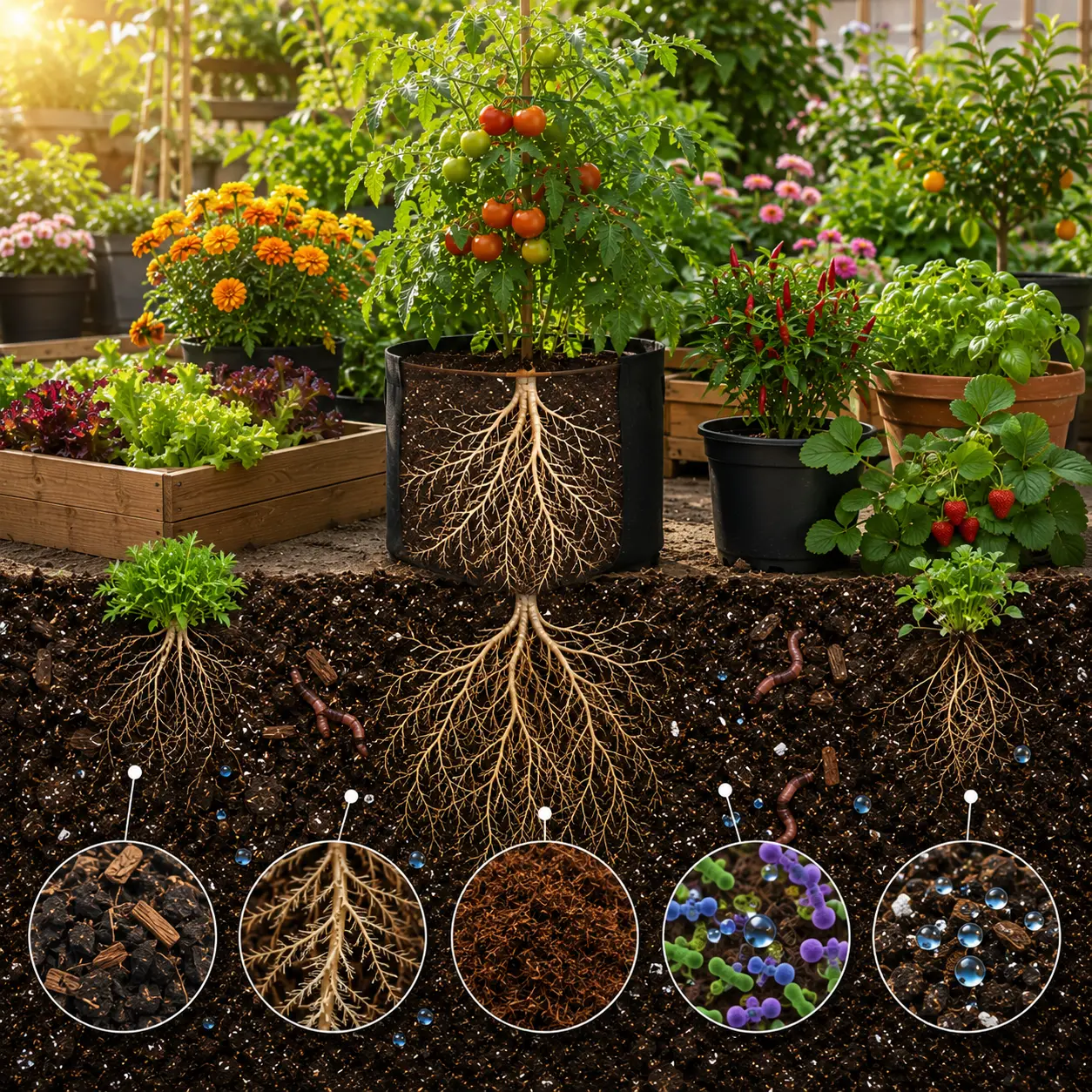
Organic Potting Soil Mix
Provides nutrients, structure, and healthy growing conditions for container plants.
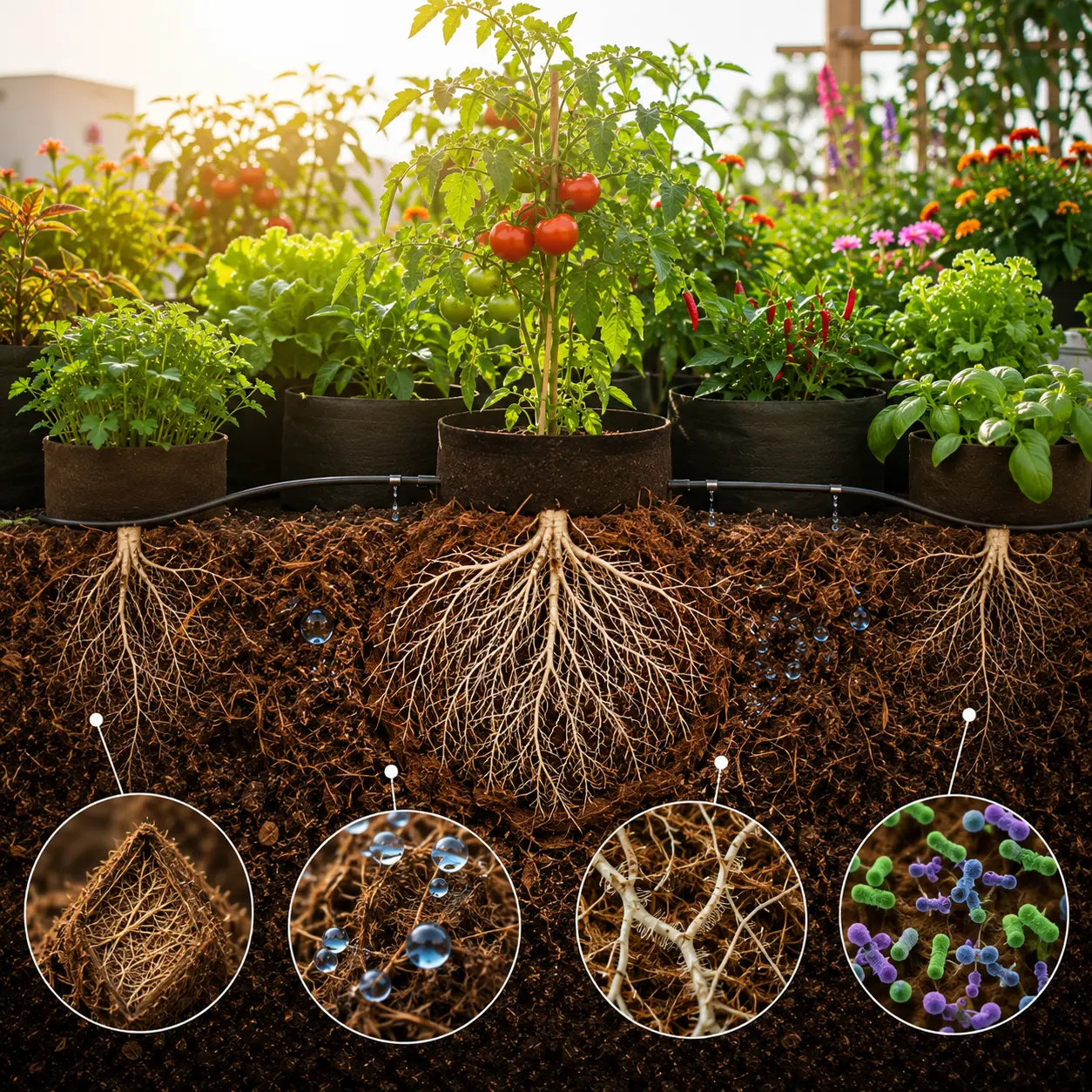
Coco Peat Growing Medium
Enhances moisture retention while maintaining excellent root-zone aeration.

Grow Bags for Plants
Improve drainage, root aeration, and vegetable production in limited spaces.

Plastic Pots for Plants
Ideal containers for seedlings, ornamentals, herbs, and balcony gardens.
India’s Seasons and This Plant
| Season (months) | What the plant is doing |
|---|---|
| Pre-monsoon (Mar–May) | Second planting window. Flowering peaks on plants established during the monsoon. Fruit set is excellent in moderate temperatures. |
| Monsoon (Jun–Sep) | Ideal for new planting. Seedlings establish rapidly. Flowering continues on mature plants. High humidity increases fungal disease risk. |
| Post-monsoon (Oct–Nov) | Second planting window. Flowering peaks on plants established during monsoon. Fruit set is excellent in moderate temperatures. |
| Winter (Dec–Feb) | Growth slows in North India; flowering continues in South. Fruit ripening slows significantly (6 months from flower). Harvest quality is best. |
Flowering Season in Detail
First flowering occurs 4–5 months after planting from seed in warm conditions (25–35°C), which is typical for most of India. Dwarf varieties like Pusa Dwarf flower slightly earlier (3.5–4 months), while taller varieties like Taiwan Red and Coorg Honey take 5–6 months. Transplanted saplings from nurseries flower 1–2 months earlier than seed-sown plants since they’re already 1–2 months old when purchased.
Flowering is continuous once initiated — the plant does not have a single annual bloom period. New flowers appear every 7–14 days in clusters or individually, depending on plant sex and variety. This staggered flowering means continuous fruit production for 18–24 months after the first bloom.
Peak bloom periods depend on planting time:
- Monsoon-planted (June–July): First flowers appear October–November, with peak flowering November–January
- Post-monsoon planted (September–October): First flowers appear January–February, with peak flowering February–April
Temperature triggers flowering more than day length. Optimal flowering occurs when daytime temperatures are 28–32°C and night temperatures stay above 18°C. In North India, flowering slows from December to February when night temperatures drop below 15°C, but does not stop entirely unless frost occurs.
Flowers last 1–3 days on the plant. Female flowers are short-lived and must be pollinated quickly. Male flowers on male plants persist slightly longer but serve only for pollination, not fruit production.
Fruiting Season
Fruit sets immediately after successful pollination. Female flowers require pollen from a male plant or hermaphrodite flowers (which self-pollinate). In home gardens with a single papaya, fruit set depends on whether your plant is female (needs a male nearby), male (no fruit ever), or hermaphrodite (self-fertile, produces fruit).
Hand pollination: If you have only a female plant and no male nearby, hand pollination is the solution. Collect pollen from male flowers (identifiable by long panicles with many small flowers) in the early morning using a soft brush. Male flowers are usually available year-round from roadside papayas or neighbors’ plants. Gently dab pollen onto the stigma (the sticky central part) of female flowers. Fruit set occurs within 24–48 hours if successful — the flower base swells noticeably.
Ripening time varies dramatically by season:
- Summer fruit (set in January–March): Ripens in 4–4.5 months — by May–July
- Monsoon fruit (set in June–August): Ripens in 5–6 months, by November–January
- Winter fruit (set in September–November): Ripens in 5.5–6 months, by February–April
Winter extends ripening time because cooler temperatures slow sugar accumulation and color change.
Ripening indicators:
- Color change: Skin transitions from deep green to pale green, then shows the first yellow streaks at the blossom end (bottom of fruit). Harvest at 10–20% yellow for indoor ripening.
- Feel: Fruit softens very slightly at the blossom end when pressed gently. Still-hard fruit needs more time.
- Smell: Ripe papaya emits a sweet, musky fragrance detectable from 1–2 metres away.
Harvest window: Papaya has a narrow optimal harvest period. Fruit left too long on the tree becomes overripe, attracts fruit flies, and develops off-flavors. Harvest within 3–5 days of the first color change for best results.
Best Time to Plant
Primary planting window: Monsoon onset (June–July) — This is the ideal time across most of India. Warm soil temperature (above 25°C) ensures rapid germination in 10–15 days. Natural rainfall eliminates the need for daily manual watering during the critical first month. High humidity supports seedling growth without desiccation stress. Plants established in June–July flower by October–November and produce first fruit by February–April, which coincides with the best market prices and eating quality.
Why this season works: Papaya seedlings are heat-sensitive in the first 3–4 weeks. Monsoon planting provides natural shade from cloud cover, cooling from rain, and consistent soil moisture without the risk of overwatering.
Second-best option: Post-monsoon (September–October) — This window works particularly well in South India, coastal regions, and areas with extended monsoons or mild winters. Soil is still warm from summer, but rainfall intensity has decreased, reducing fungal disease pressure. Plants flower by January–February and fruit by May–July.
In North India (Punjab, Haryana, Uttar Pradesh, Delhi), post-monsoon planting is riskier because the first winter arrives when the plant is only 2–3 months old, slowing growth significantly. Monsoon planting is strongly preferred.
Container vs. ground timing: Ground planting can occur during either window. Container planting has more flexibility — containers can be moved to protected spots during extreme weather, so October–November planting works well even in North India if pots can be shifted to a warm spot during cold spells.
Month-by-Month Calendar
| Month | Season | What to Do |
|---|---|---|
| January | Winter | Mature plants flower and set fruit slowly. No new planting in North India. Observe fruit ripening — it takes 6 months this season. |
| February | Late winter | Last month, before monsoon. Harvest summer fruit. Prepare planting pits for June planting: dig, add compost, let settle. |
| March | Pre-monsoon | Growth accelerates. Fruit ripens faster (4–5 months from flower). Increase watering frequency. Not ideal for new planting. |
| April | Pre-monsoon | Peak heat stress. Mature plants fruit heavily. Provide afternoon shade if possible. Avoid new planting — seedlings struggle. |
| May | Pre-monsoon | Last month, before the monsoon. Harvest summer fruit. Prepare planting pits for June planting: dig, add compost, let settle. |
| June | Monsoon onset | Prime planting time. Sow seeds or transplant saplings. Mature plants continue flowering. Monitor for waterlogging in heavy rain. |
| July | Monsoon | Post-monsoon planting begins if the monsoon is receding. June-planted seedlings reach 60–80 cm height. Reduce watering if rain continues. |
| August | Monsoon | First-season plants grow rapidly. Mature plants set fruit. Check drainage after heavy rain — standing water kills plants. |
| September | Late monsoon | Second planting window. Monsoon-planted trees flower for the first time. The weather is ideal for fruit set — moderate heat, lower humidity. |
| October | Post-monsoon | Flowering slows in North India. Fruit ripening extends to 6 months. Protect young plants from cold in Punjab, Haryana, and UP. |
| November | Post-monsoon | Peak flowering from monsoon-planted trees. Early fruit ripens from spring-flowering plants. Days shorten but remain warm in most regions. |
| December | Winter | Flowering slows in North India. Fruit ripening extends to 6 months. Protect young plants from cold in Punjab, Haryana, UP. |
What Can Go Wrong Seasonally?
Flower drop (October–December): The first 10–20 flowers on a young plant often drop without setting fruit. This is normal — the plant is still maturing its root system and conserving energy. By the second flush of flowers, fruit set improves. Commonly mistaken for pollination failure, but it’s actually a maturity issue.
Monsoon fruit rot (July–September): Excessive rain combined with high humidity causes anthracnose (black spots on fruit) and fruit rot. Young fruit (marble-sized) develops black lesions and drops. Fix: spray Bordeaux mixture (10 grams copper sulfate + 10 grams lime per litre of water) every 15 days during the monsoon. Bag fruit when marble-sized to prevent fungal spores from contacting skin.
Winter yellowing (December–January in North India): Lower leaves turn yellow and drop. Often misidentified as a nutrient deficiency, but it’s actually cold stress when night temperatures drop below 12°C. Young plants (first-year) are most affected. Established plants tolerate it and resume normal growth when warmth returns in February. Protect young plants with temporary jute or plastic windbreaks on cold nights.
Post-Harvest or Post-Bloom Care
After the main fruiting season ends (typically after 18–24 months of continuous production), the plant’s productivity declines sharply. At this point, most home gardeners choose one of two options:
Option 1 — Replace the plant: Remove the old plant, compost the soft stem, and plant a new seedling in a different spot (or amend the same spot heavily). This gives you consistent yields and avoids the diminishing returns of an aging plant.
Option 2 — Ratoon (force new growth): Cut the main stem 60–80 cm above ground level after harvest ends, usually in February–March. New shoots emerge from the base within 3–4 weeks. Select the 2 strongest shoots and remove the rest. These shoots flower in 3–4 months and produce a second crop. However, fruit quality is typically inferior — smaller size, less sweetness. Ratooning is common in commercial fields but rarely worth the effort in home gardens.
Timing: If ratooning, prune in February–March (post-monsoon in South India, early spring in North India) to give new growth the full warm season ahead.
Conclusion
Papaya’s continuous flowering habit means you don’t wait for one annual harvest — you pick fruit every week once the plant matures. Time your planting with monsoon onset, and you’ll harvest your first papaya within 10 months, with steady production for nearly two years afterward.